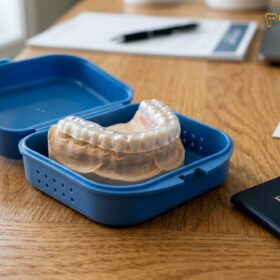
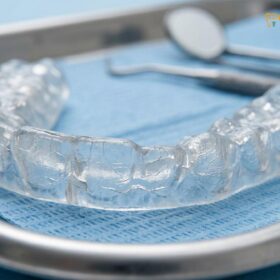
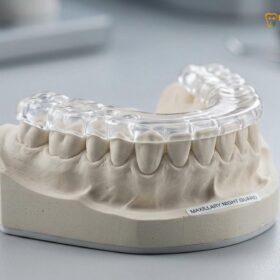
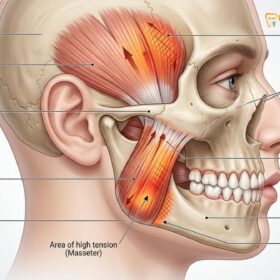
A custom sports mouthguard in Vietnam, custom-crafted at our clinic in District 1, Ho Chi Minh City, provides essential maxillofacial protection by absorbing impact forces during athletic activities. Fabricated from precise dental impressions, these professional-grade appliances offer superior fit, breathability, and shock absorption compared to over-the-counter alternatives, safeguarding teeth, gums, and jaw joints from severe sports-related trauma.
Clinical Summary:
Custom athletic mouthguards are critical preventive devices designed to mitigate dental trauma, jaw fractures, and soft tissue lacerations during contact and non-contact sports. Unlike generic boil-and-bite options, custom-fabricated guards ensure optimal material thickness, occlusal balance, and superior retention. At HCMC Dental Clinic, the fabrication process involves precise digital or physical impressions, utilizing multi-layered ethylene vinyl acetate (EVA) to maximize impact dispersion. This clinical approach ensures that the athlete maintains clear speech and unhindered breathing while receiving the highest standard of orofacial protection.
Key Takeaways:
- Custom mouthguards offer superior shock absorption, significantly reducing the risk of tooth avulsion and jaw fractures.
- Professional fabrication ensures an exact anatomical fit, preventing the appliance from dislodging during intense physical activity.
- Multi-layered EVA materials provide targeted thickness over vulnerable anterior teeth without compromising the athlete’s airflow.
- The clinical process typically requires two visits: one for precise impressions and one for final fitting and occlusal adjustment.
- Athletes with orthodontic braces require specialized custom guards to protect soft tissues and prevent bracket damage.
For younger athletes, getting a custom-fitted custom mouthguard for kids is highly recommended to protect developing teeth during sports.
| Mouthguard Type | HCMC Dental Cost | Protection Level |
|---|---|---|
| Custom Sports Guard (3-4mm EVA) | $115 USD (3,000,000 VND) | ⭐⭐⭐⭐⭐ (Maximum) |
| Retail Boil-and-Bite Guard | $15 – $25 USD | ⭐ (Poor Protection) |
Why Athletes Need Custom Mouthguards
Professional custom mouthguards are clinically proven to reduce the incidence of severe orofacial injuries by evenly distributing impact forces across the entire dental arch.
Dental trauma remains one of the most prevalent and devastating injuries sustained in both competitive and recreational sports. When an athlete receives a direct blow to the lower face, the kinetic energy is rapidly transmitted through the teeth, the periodontal ligaments, and into the alveolar bone. Without adequate protection, this concentrated force frequently results in crown fractures, root fractures, tooth luxation (displacement), or complete avulsion (knocked-out teeth) [1]. Furthermore, an upward strike to the mandible can force the lower jaw violently into the upper jaw, potentially causing structural damage to the temporomandibular joint (TMJ) or even contributing to concussive forces transmitted to the base of the skull.
A high-quality custom sports mouthguard Vietnam acts as a sophisticated shock absorber. By creating a resilient barrier between the upper and lower teeth, and between the teeth and the soft tissues of the lips and cheeks, the mouthguard dissipates the energy of an impact over a much larger surface area. Dr. Nguyen Van Cuong emphasizes that a properly fitted guard not only protects the dentition but also stabilizes the mandible, which is crucial for athletes exposed to high-velocity impacts. This stabilization is somewhat similar to the biomechanical principles used when addressing daytime jaw clenching, where balancing occlusal forces prevents localized trauma to individual teeth.
Beyond impact protection, a custom-fitted appliance prevents the severe soft tissue lacerations that occur when the lips or inner cheeks are driven against the sharp edges of the teeth during a collision. For athletes who naturally clench their teeth during moments of peak physical exertion—a form of sports-induced bruxism—the mouthguard also prevents the long-term structural damage to the dentition associated with extreme occlusal pressure. Investing in comprehensive general dentistry and preventive care, including professional mouthguards, is a fundamental aspect of an athlete’s overall health and longevity in their sport.
“The primary failure of over-the-counter mouthguards is poor retention; if the athlete must actively clench to hold the guard in place, it becomes a severe distraction and a breathing hazard during peak cardiovascular exertion.”
Custom vs Boil-and-Bite for Sports
While boil-and-bite guards offer basic, short-term coverage, custom-fabricated mouthguards provide unmatched retention, precise occlusal alignment, and optimal material thickness for maximum clinical protection.
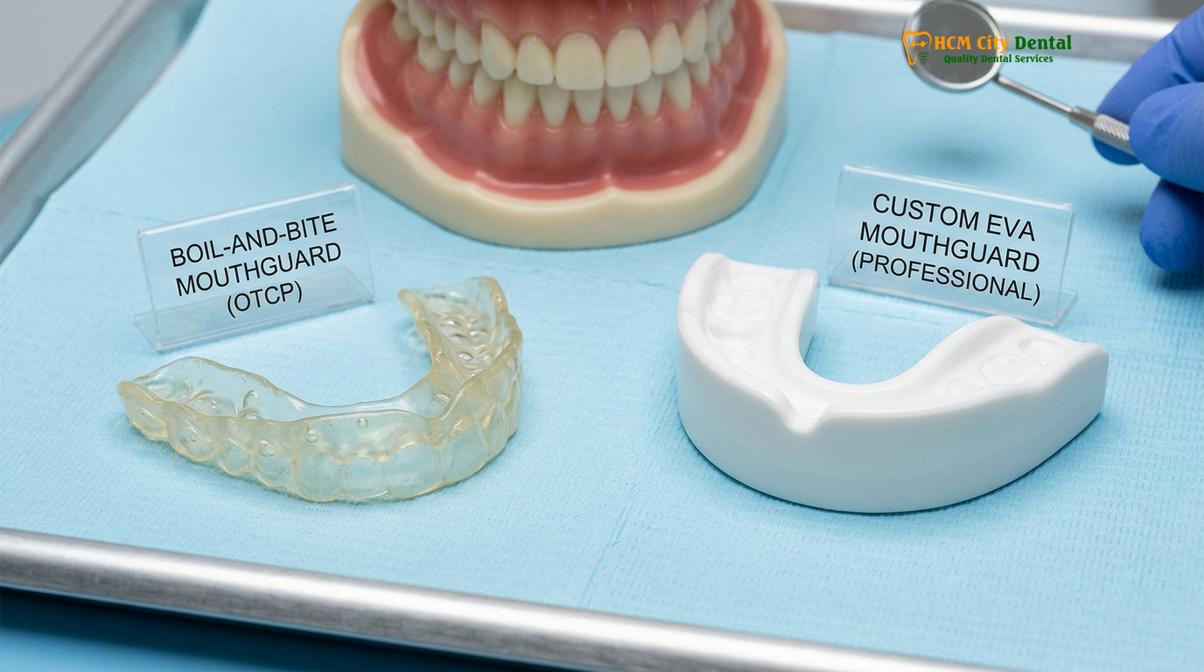
Athletes are often faced with a choice between inexpensive, over-the-counter “boil-and-bite” mouthguards and professionally fabricated custom appliances. Understanding the clinical differences between custom and store-bought dental appliances is critical for making an informed decision about maxillofacial protection. Boil-and-bite guards are made from a thermoplastic material that the user softens in boiling water and then bites into to create a mold. While convenient, this DIY process is inherently flawed from a clinical perspective.
When an athlete bites into the softened material of a boil-and-bite guard, the plastic inevitably thins out over the most prominent and vulnerable teeth—typically the central incisors. This thinning drastically reduces the material’s ability to absorb shock exactly where it is needed most [2]. Furthermore, the adaptation to the gums and the palate is usually poor, resulting in a bulky appliance that easily falls out when the athlete opens their mouth to breathe or speak. In contrast, a custom mouthguard HCMC is fabricated in a dental laboratory using high heat and extreme pressure to adapt the material perfectly to a stone replica of the athlete’s teeth.
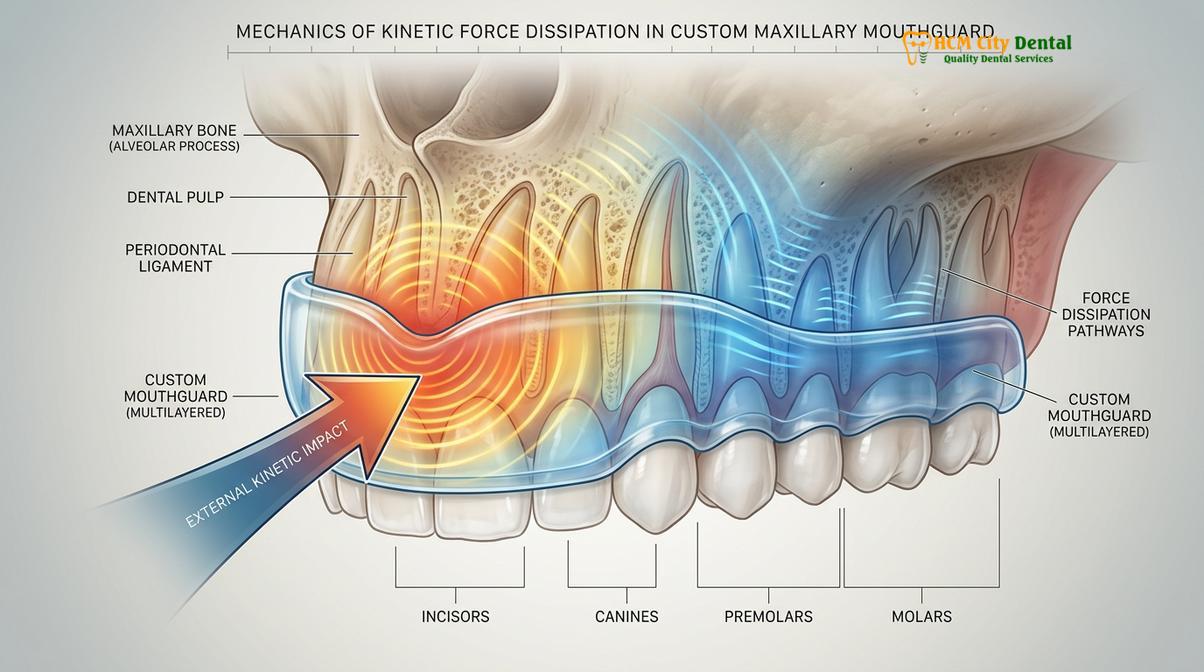
This precise laboratory process ensures that the protective material maintains a consistent, clinically recommended thickness of 3 to 4 millimeters over the critical impact zones. Because the fit is exact down to the microscopic contours of the teeth and gums, a custom guard utilizes natural suction to stay firmly in place. The athlete does not need to clench their jaw to retain the guard, allowing for optimal oxygen intake and clear communication on the field or in the ring.
| Feature | Boil-and-Bite Mouthguard | Custom-Fabricated Mouthguard |
|---|---|---|
| Fit & Retention | Loose; often requires jaw clenching to hold in place. | Exact anatomical fit; stays in place via natural suction. |
| Protection Level | Inconsistent thickness; thins out over vulnerable front teeth. | Optimal, consistent thickness (3-4mm) over critical impact zones. |
| Breathability | Bulky design often obstructs the airway during heavy breathing. | Streamlined palatal design allows for maximum oxygen intake. |
| Speech Clarity | Muffled speech; difficult to communicate with teammates. | Clear speech; allows for easy communication during play. |
| Lifespan | Short-term; material degrades and loses shape quickly. | Long-lasting; highly durable under extreme athletic stress. |
Sports That Require Mouthguards
Dental professionals strongly advocate for mouthguard usage in all contact and collision sports, as well as high-velocity limited-contact activities where accidental impacts frequently occur.
The necessity of an athletic mouth guard is universally recognized in heavy collision sports. In disciplines such as boxing, Mixed Martial Arts (MMA), Muay Thai, and rugby, direct strikes to the face are an inherent part of the sport. For these athletes, a mouthguard is not an optional accessory; it is a mandatory piece of safety equipment. The forces generated by a professional punch or a high-speed tackle are more than sufficient to shatter teeth and fracture the mandible. In these high-risk environments, a multi-layered custom guard is essential to dissipate the extreme kinetic energy before it causes catastrophic structural failure to the maxillofacial complex [3].
However, dental trauma is not limited to combat sports. Many of the most severe dental injuries treated at clinics occur in sports traditionally categorized as “limited-contact” or “non-contact.” Basketball, for example, is notorious for accidental orofacial trauma. The fast-paced nature of the game, combined with players jumping and competing for rebounds in close proximity, frequently results in stray elbows, headbutts, or falls to the hardwood floor. Similarly, sports like soccer, field hockey, and water polo carry a high risk of unexpected impacts from balls, sticks, or opposing players.
Even in individual, high-velocity sports such as mountain biking, skateboarding, or gymnastics, the risk of a severe fall makes dental protection highly advisable. The American Dental Association (ADA) and international sports dentistry organizations recommend custom mouthguards for over 30 different sports. Regardless of the specific activity, if there is a risk of falling or colliding with another person or object, protecting the smile with a professional-grade appliance is a sound clinical decision.
Our 2-Visit Mouthguard Process
Fabricating a professional athletic mouthguard involves a precise clinical workflow, starting with accurate dental impressions and concluding with a customized fitting to ensure optimal comfort and protection.
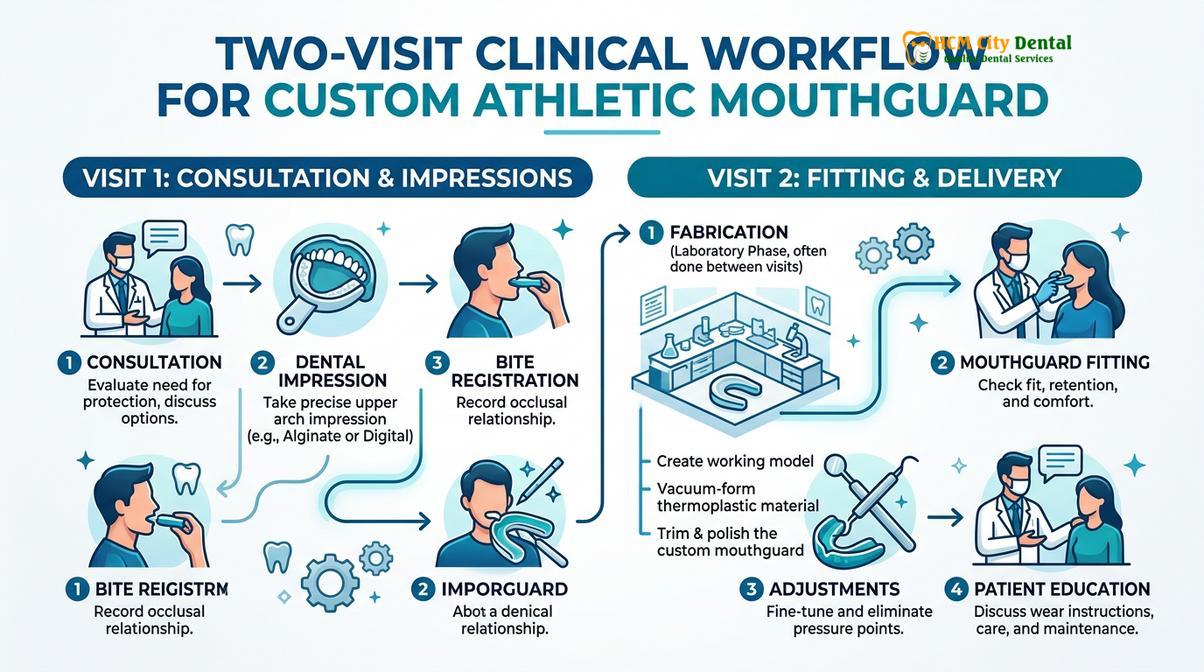
The creation of a custom sports mouthguard is a meticulous process that combines clinical precision with advanced dental laboratory technology. At HCMC Dental Clinic, this workflow is typically completed over two visits to ensure the highest standard of fit and function. The process begins with a comprehensive assessment of the athlete’s oral health, taking into consideration their specific sport, any history of dental trauma, and the presence of orthodontic appliances or extensive restorations.
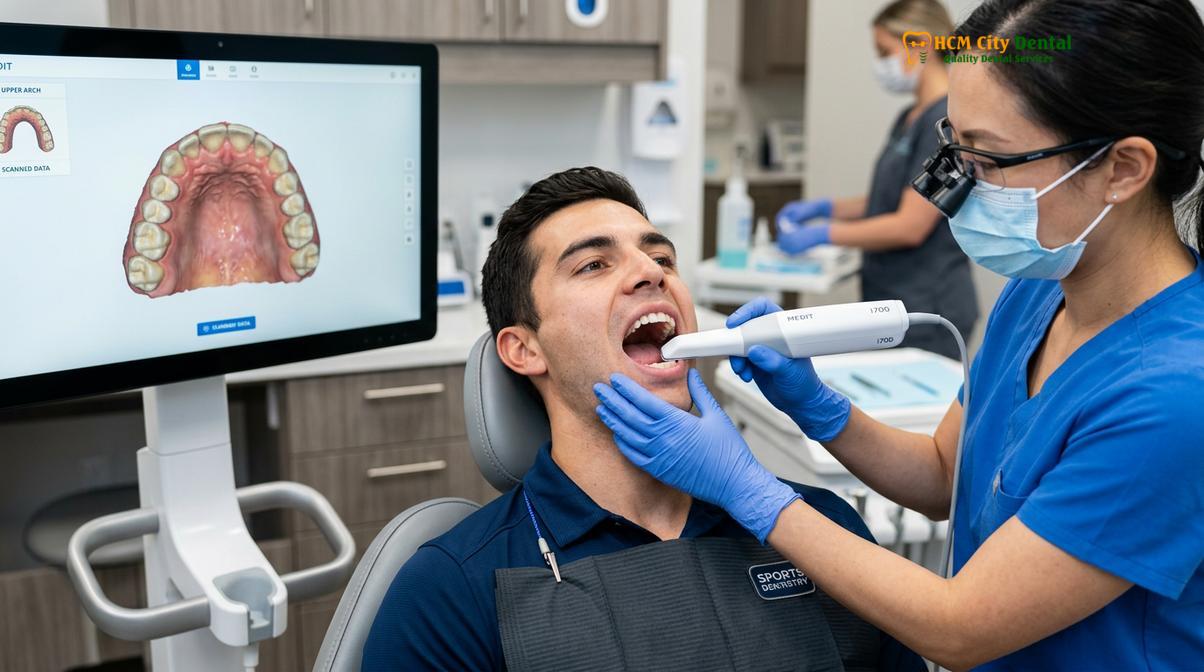
During the first visit, the dental team captures a highly accurate replica of the athlete’s maxillary (upper) arch. This can be achieved using traditional high-fidelity impression materials like polyvinyl siloxane, or through state-of-the-art digital intraoral scanning. Digital scanning offers a highly comfortable experience, completely eliminating the gag reflex often associated with traditional putty. Once the exact anatomical data is captured, it is sent to the dental laboratory where a precise stone model or 3D-printed replica of the teeth is created.
Clinical Case Study: Maxillofacial Protection in Combat Sports
A 24-year-old amateur boxer visited HCMC Dental Clinic in Ho Chi Minh City after experiencing repeated lip lacerations and minor tooth mobility from using a generic boil-and-bite guard during sparring. Dr. Cuong conducted a thorough examination and utilized digital scanning to fabricate a dual-layer custom EVA mouthguard. Upon delivery, the patient reported zero dislodgement during intense training and significantly improved oxygen intake. This case highlights the critical performance and safety benefits of transitioning to clinical-grade maxillofacial protection.
In the laboratory, technicians use a specialized pressure thermoforming machine to adapt the protective material over the model. Unlike simple vacuum forming, pressure lamination forces the heated material into every microscopic undercut of the teeth, ensuring unparalleled retention. The borders of the mouthguard are then meticulously trimmed and polished to avoid impinging on the sensitive frenum attachments or the soft tissues of the gums. During the second visit, the dentist evaluates the fit, checks the occlusal balance to ensure the lower teeth rest evenly against the guard, and makes any necessary micro-adjustments.
Materials and Impact Protection
High-performance mouthguards utilize pressure-laminated ethylene vinyl acetate (EVA), a biocompatible material engineered to absorb and dissipate kinetic energy before it reaches the tooth structure.
The efficacy of a dental mouthguard sports appliance relies heavily on the physical properties of the materials used in its construction. The gold standard material in sports dentistry is Ethylene Vinyl Acetate (EVA). EVA is a highly resilient, biocompatible thermoplastic elastomer that possesses excellent shock-absorbing characteristics. When an impact occurs, the EVA material compresses slightly, absorbing a significant portion of the kinetic energy and then distributing the remaining force over a broad area of the dental arch, rather than allowing it to point-load on a single tooth [4].
The thickness and lamination of the EVA material are customized based on the specific demands of the athlete’s sport. For light-contact sports, a single layer of EVA (typically 3mm thick) may provide adequate protection while maximizing comfort. However, for heavy collision sports like MMA, boxing, or ice hockey, a multi-layered laminated approach is required. By fusing two or three layers of EVA together under high heat and pressure, the laboratory can create a guard that is exceptionally tough on the outside to resist tearing, yet slightly softer on the inside for comfort and shock absorption.
In some specialized cases, particularly for sports involving hard projectiles like field hockey or lacrosse, a rigid impact-dispersion insert may be laminated between the layers of EVA. This hard layer acts as a shield, further preventing localized penetration of the force. Understanding the hard versus soft acrylic materials used in various dental appliances helps clinicians tailor the mouthguard to the exact biomechanical risks the athlete faces. Furthermore, the resilient nature of EVA helps cushion the temporomandibular joint against the intense nocturnal grinding forces or sports-induced clenching that athletes often exhibit.
“Laminated EVA materials allow us to customize the thickness over the vulnerable anterior maxilla while keeping the palatal area thin, ensuring the athlete can breathe efficiently and communicate clearly with teammates without compromising safety.”
Pricing and Ordering in Vietnam
Investing in a custom mouthguard is highly cost-effective when compared to the extensive surgical and restorative dental treatments required to repair sports-related maxillofacial trauma.
When evaluating the cost of athletic gear, a custom mouthguard should be viewed as an essential investment in preventive healthcare rather than an optional accessory. The financial and biological cost of repairing a single knocked-out tooth—which often involves root canal therapy, bone grafting, dental implants, and custom crowns—far exceeds the price of premium preventive protection. Currently, the estimated cost of a custom mouthguard in Vietnam offers exceptional value, combining international-standard materials with highly competitive clinical fees.
Many expatriates, professional fighters, and traveling athletes choose to have their custom mouthguard HCMC fabricated due to the high level of clinical expertise and the efficiency of the local dental laboratories. The process is straightforward: athletes can schedule a brief consultation and impression appointment, and typically receive their finished, personalized guard within a few days. Clinics offer various customization options, allowing athletes to choose specific colors or even embed team logos into the laminated layers of the guard without compromising its structural integrity [5].
Clinical Warning: DIY Impression Kits
Beware of online services offering DIY home impression kits for custom mouthguards. Without professional clinical supervision, taking an accurate dental impression is highly difficult. Distorted impressions lead to ill-fitting guards that provide a false sense of security, may impede breathing, and are highly likely to fail or dislodge during a critical impact. Always have your impressions taken by a licensed dental professional.
When to See a Dental Professional
While a custom sports mouthguard is highly durable, it is not indestructible and requires periodic clinical evaluation. Athletes should schedule an appointment with their dentist if they notice any signs of severe wear, tearing, or delamination of the EVA material. A compromised mouthguard cannot effectively dissipate impact forces and must be replaced immediately to maintain safety.
Furthermore, if the mouthguard begins to feel loose, causes discomfort, or impedes breathing, it indicates that the fit has been altered. This is particularly common in younger athletes whose jaws are still growing, or in patients undergoing active orthodontic treatment. If you sustain a blow to the face while wearing the guard and experience subsequent pain, changes in your bite, or tooth mobility, seek immediate clinical evaluation. Even with the best protection, a thorough examination is necessary to rule out underlying micro-fractures or trauma to the temporomandibular joint. For comprehensive care and to explore comprehensive strategies to manage teeth grinding and sports protection, consult with the experienced team at HCMC Dental Clinic.
Frequently Asked Questions
How much is a custom mouthguard in Vietnam?
The cost of a custom mouthguard in Vietnam is highly competitive, typically ranging from a fraction of Western prices while utilizing the same premium imported materials. Because each appliance is fabricated specifically for your dental anatomy, the exact price depends on the required thickness, the number of laminated layers needed for your specific sport, and any personalized design elements. Investing in this protective gear is significantly more economical than funding complex restorative dental surgeries following a sports injury.
Is a custom mouthguard better than boil-and-bite?
Yes, a custom mouthguard is clinically superior to a boil-and-bite appliance in terms of retention, protection, and breathability. Boil-and-bite guards require the user to bite into softened plastic, which often results in uneven thinning of the material over the most vulnerable front teeth. In contrast, custom guards are pressure-laminated over a precise stone model of your teeth, ensuring optimal thickness for shock absorption, a secure fit that does not require constant jaw clenching, and unobstructed airflow during intense physical exertion.
Can I get a mouthguard made in 1 day?
While some basic dental appliances can be expedited, a high-quality, multi-layered custom mouthguard typically requires a standard two-visit process over a few days to ensure proper curing and lamination. The first visit involves taking highly accurate digital or physical impressions. The dental laboratory then requires adequate time to pressure-form, laminate, and meticulously trim the EVA material to avoid irritating your gums. Rushing this process can compromise the structural integrity and precise fit of the final protective device.
Do I need a mouthguard for basketball?
Yes, dental professionals strongly recommend wearing a mouthguard for basketball due to the high incidence of accidental orofacial impacts. Although basketball is not classified as a heavy collision sport like rugby or boxing, the fast-paced nature of the game frequently results in stray elbows, headbutts, or falls to the hardwood floor. A custom athletic guard protects against tooth fractures, lip lacerations, and jaw trauma, allowing players to compete aggressively with confidence and safety.
Can you make a mouthguard over braces?
Absolutely, a custom mouthguard can and should be fabricated for athletes undergoing orthodontic treatment with braces. A specialized impression technique is used to create a guard that provides extra space for the orthodontic brackets and wires, preventing the appliance from snagging or damaging the hardware during an impact. This custom fit is crucial, as a generic mouthguard can easily become locked onto the braces, causing severe soft tissue lacerations and disrupting the orthodontic alignment process.
References
- American Dental Association (ADA). Sports-Related Dental Injuries and Sports Dentistry. (2021).
- Journal of Sports Dentistry. Biomechanics of Orofacial Trauma and Mouthguard Efficacy. (2020).
- International Association of Dental Traumatology. Guidelines for the Management of Traumatic Dental Injuries. (2022).
- British Journal of Sports Medicine. Concussion Mitigation and Maxillofacial Protection in Contact Sports. (2019).
- Journal of Prosthetic Dentistry. Material Properties of Ethylene Vinyl Acetate in Athletic Mouthguards. (2021).
For pricing, booking, and a free clinical assessment, visit our Night Guard & Mouthguard service page at HCMC Dental Clinic in Ho Chi Minh City.