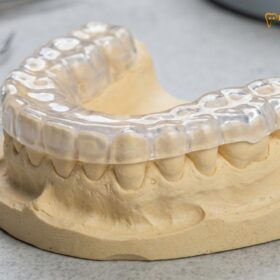
A teeth mouth guard is a removable dental appliance designed to protect the teeth, gums, and jaw from trauma, grinding forces, or airway obstruction. Clinically prescribed for bruxism, sports, and sleep apnea, custom-fitted guards offer superior protection, comfort, and durability compared to over-the-counter alternatives.
Clinical Summary:
Teeth mouth guards serve as essential protective and therapeutic devices in modern dentistry. They are broadly categorized into sports guards for trauma prevention, occlusal splints (night guards) for bruxism and temporomandibular joint (TMJ) disorders, and mandibular advancement devices for sleep apnea. While over-the-counter options exist, custom-fabricated guards provide optimal biomechanical force distribution, superior retention, and precise occlusal indexing. Clinical fabrication involves detailed digital or physical impressions, ensuring the appliance harmonizes with the patient’s unique dental anatomy. Proper diagnosis by a dental professional is critical to determine the appropriate material—such as hard acrylic, soft EVA, or dual-laminate—based on the specific therapeutic goal.
Key Takeaways:
- Mouth guards are clinically indicated for sports trauma prevention, bruxism management, and obstructive sleep apnea.
- Custom-made guards offer significantly better force distribution and retention than boil-and-bite alternatives.
- Night guards protect enamel from attrition and help decompress the temporomandibular joint during sleep.
- Proper hygiene and regular clinical inspections are essential to maintain the structural integrity of the appliance.
- Using the wrong type of guard (e.g., a sports guard for sleep apnea) can exacerbate underlying medical conditions.
What Is a Teeth Mouth Guard and Why Is It Clinically Necessary?
A teeth mouth guard is a specialized intraoral device that absorbs and redistributes excessive forces applied to the dentition. It is clinically necessary to prevent structural tooth damage, alleviate jaw joint strain, and protect soft tissues during high-risk activities or involuntary grinding.
The human masticatory system is capable of generating immense occlusal forces. During normal chewing, these forces are carefully regulated by proprioceptive feedback from the periodontal ligaments. However, during parafunctional habits like sleep bruxism or sudden traumatic impacts in sports, these forces can exceed the physiological tolerance of the teeth and surrounding bone. A teeth mouth guard acts as a critical biomechanical buffer, absorbing kinetic energy and preventing the direct transmission of destructive forces to the enamel, dentin, and temporomandibular joint (TMJ)[1].
From a clinical perspective, the necessity of a mouth guard extends beyond simple tooth protection. When a patient clenches or grinds their teeth, the sustained muscular contraction can lead to myofascial pain, tension headaches, and the gradual flattening of the occlusal anatomy (attrition). By introducing a carefully calibrated layer of material between the maxillary and mandibular arches, a mouth guard alters the resting posture of the jaw. This slight disclusion helps to relax the masseter and temporalis muscles, effectively breaking the cycle of neuromuscular tension.
Furthermore, in the context of General Dentistry, mouth guards are frequently prescribed as a preventive measure to safeguard extensive restorative work. Patients with multiple dental crowns, veneers, or implant-supported prostheses represent a significant investment in their oral health. The ceramic materials used in these restorations, while highly aesthetic and durable, can be susceptible to cohesive fracture under extreme shear forces. A custom-fitted guard ensures that these restorations are protected during periods of unconscious grinding.
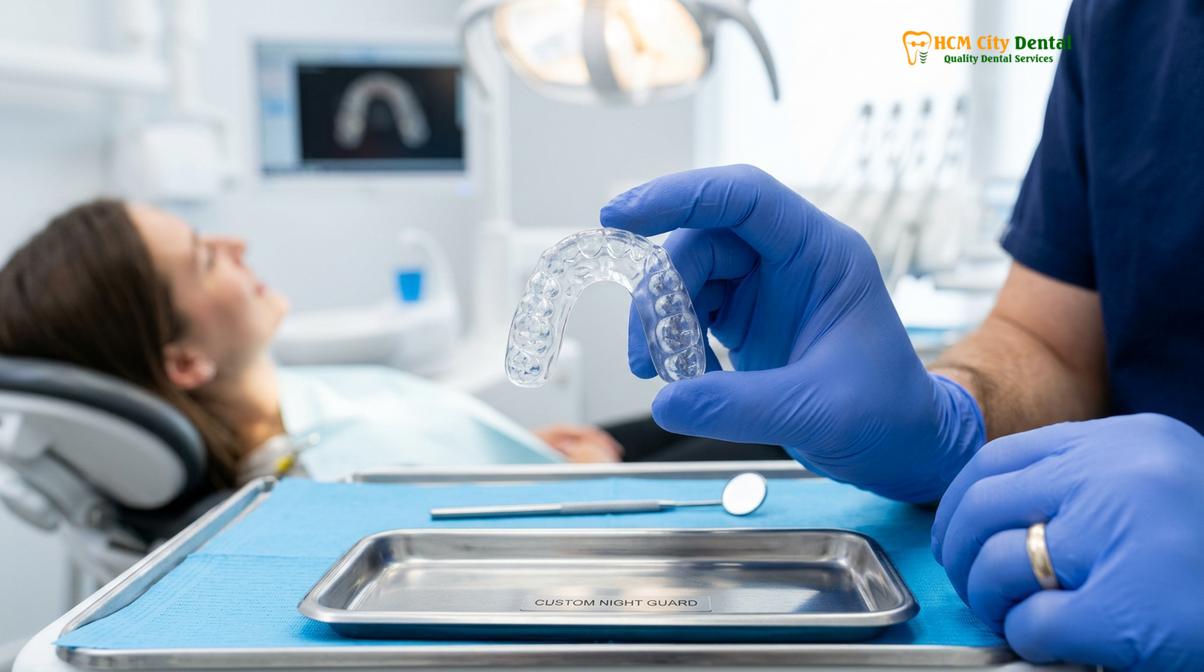
The design and material composition of a mouth guard are entirely dependent on its intended clinical function. A guard designed to absorb the blunt force trauma of a hockey puck requires high-impact energy dissipation properties, whereas a guard intended to manage nocturnal bruxism requires high wear resistance and precise occlusal contacts to maintain joint stability. Understanding these biomechanical distinctions is the first step in determining the appropriate therapeutic intervention.
Types of Mouth Guards: A Clinical Comparison
Mouth guards are classified into three main categories: stock, boil-and-bite, and custom-made. Custom-made guards, fabricated from precise dental impressions, offer the highest level of clinical efficacy, comfort, and protection compared to mass-produced alternatives.
When evaluating the options for dental protection, patients are often presented with a wide array of choices ranging from inexpensive pharmacy products to highly specialized clinical appliances. Understanding the structural and functional differences between these types is crucial for making an informed decision regarding oral health.
Stock Mouth Guards
Stock mouth guards are pre-formed, ready-to-wear appliances typically made from polyvinyl chloride (PVC) or basic rubber. They are manufactured in limited sizes (small, medium, large) and are designed to fit a generic dental arch. Because they lack any customization, stock guards are notoriously bulky, uncomfortable, and offer poor retention. Patients often have to keep their jaws actively clenched just to hold the guard in place, which can induce muscle fatigue and interfere with normal breathing and speech. Clinically, stock guards are considered the least effective option and are generally not recommended by dental professionals for any serious protective or therapeutic use.
Boil-and-Bite Mouth Guards
Boil-and-bite mouth guards represent a step up from stock options. They are constructed from thermoplastic materials that soften when immersed in hot water. The user then places the softened guard into their mouth and uses finger, tongue, and biting pressure to adapt the material to their teeth. While this provides a rudimentary level of customization, the adaptation is often uneven. The biting force used during the molding process frequently displaces the material, resulting in areas that are dangerously thin—particularly over the incisal edges and cusps where protection is needed most. Furthermore, the overall fit is rarely precise enough to provide optimal force distribution during a traumatic impact or severe bruxism episode.
Custom-Made Dental Guards
Custom-made mouth guards are the gold standard in dental protection. These appliances are fabricated in a dental laboratory based on highly accurate impressions or digital scans of the patient’s unique oral anatomy. The fabrication process utilizes specialized materials, such as Ethylene Vinyl Acetate (EVA) for sports guards or Polymethyl Methacrylate (PMMA) for hard night guards. The precise fit ensures excellent retention without the need for active clenching, allowing for normal breathing and speech. More importantly, the dentist can carefully adjust the occlusal surface of the guard to ensure that the biting forces are distributed evenly across the entire arch, preventing localized stress concentrations[2].
| Feature | Stock Guards | Boil-and-Bite | Custom-Made |
|---|---|---|---|
| Fit & Retention | Poor; requires active clenching | Moderate; often uneven thickness | Excellent; precise anatomical adaptation |
| Comfort & Breathing | Bulky; impedes breathing/speech | Variable; can be bulky | High; streamlined and unobtrusive |
| Protection Level | Minimal | Moderate | Maximum; tailored force distribution |
| Clinical Indication | Not recommended | Temporary or low-impact use | Bruxism, high-impact sports, TMJ therapy |
| Durability | Low | Low to Moderate | High; designed for long-term use |
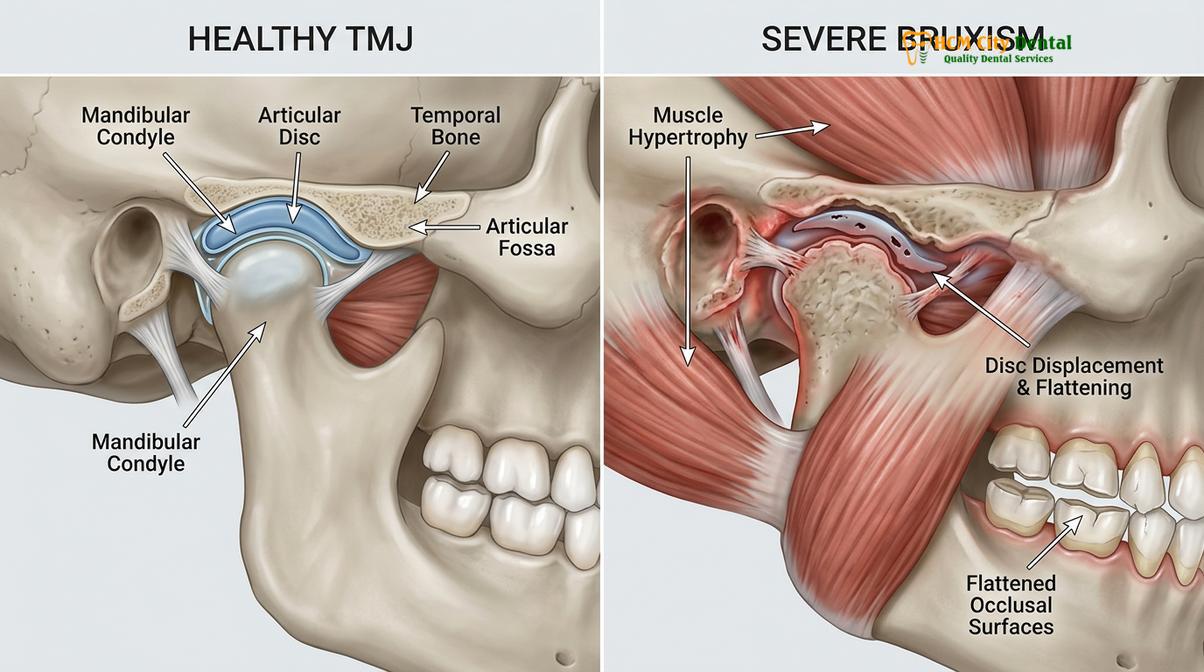
The superior performance of custom guards is rooted in the fabrication technique. Advanced methods, such as pressure lamination, allow technicians to fuse multiple layers of material together, creating a guard that is highly resilient on the outside but comfortable on the inside. This level of structural engineering is impossible to achieve with over-the-counter products.
Mouth Guards for Bruxism (Teeth Grinding) and TMJ Disorders
Night guards designed for bruxism protect the enamel from severe attrition and help decompress the temporomandibular joint. By providing a smooth, even occlusal surface, these splints reduce muscle hyperactivity and alleviate associated jaw pain.
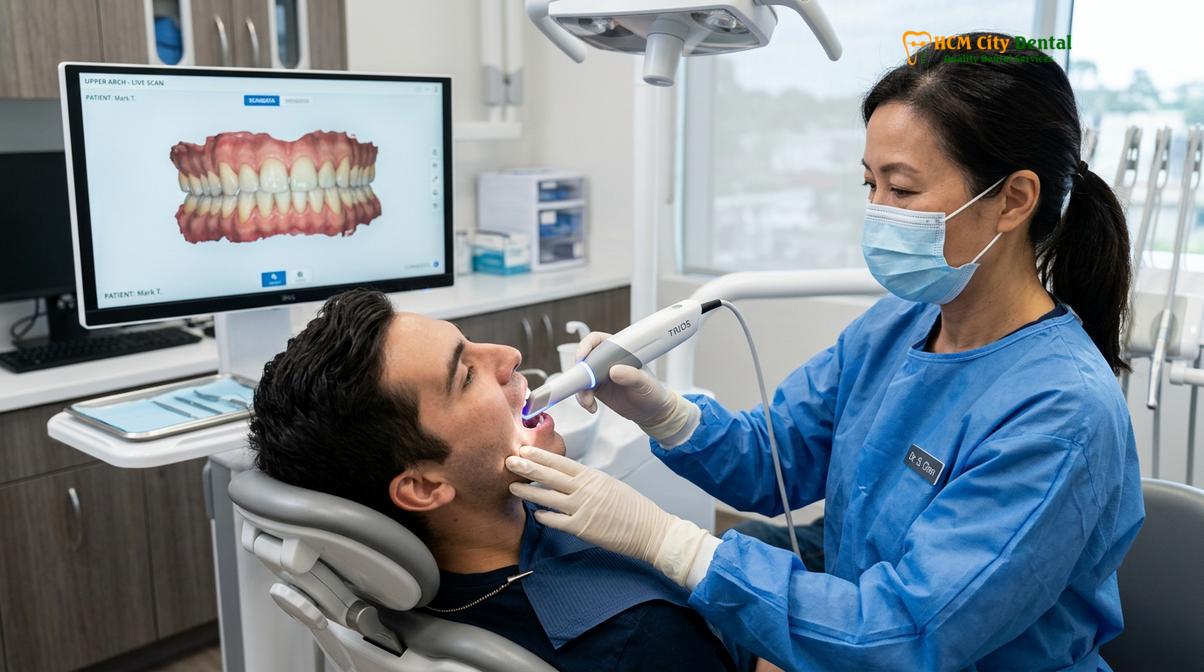
Bruxism is a prevalent parafunctional habit characterized by the involuntary clenching and grinding of teeth, most commonly occurring during sleep (sleep bruxism). The etiology of bruxism is multifactorial, involving central nervous system arousal, psychological stress, sleep architecture disruptions, and occasionally, occlusal discrepancies. The forces generated during a severe bruxism episode can be up to six times greater than normal chewing forces. Over time, this relentless mechanical stress leads to profound clinical consequences, including the fracturing of teeth, the wearing away of protective enamel, and the development of hypersensitivity.
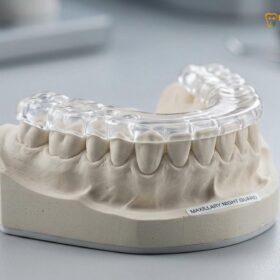
To combat this, dentists prescribe a specific type of mouth guard known as an occlusal splint or night guard. The primary function of a night guard is to establish a mutually protected occlusion. When the patient bites down on the guard, the forces are distributed evenly across all teeth, preventing any single tooth from bearing an excessive load. Furthermore, the smooth surface of the guard allows the opposing teeth to glide freely, reducing the friction and resistance that typically trigger intense muscle contractions.
“In the management of severe sleep bruxism, a custom occlusal splint is not merely a protective barrier for the teeth; it is a vital orthopedic device that helps decompress the temporomandibular joint and downregulate hyperactive masticatory muscles, preserving the entire stomatognathic system.”
— Dr. Nguyen Van Cuong, Lead Dental Specialist
The material selection for a night guard is critical and depends on the severity of the patient’s habit. For mild clenchers, a soft guard made of flexible material may suffice. However, for severe grinders, a soft guard can sometimes stimulate a chewing reflex, exacerbating the problem. In these cases, a hard acrylic guard or a dual-laminate guard (hard on the outside, soft on the inside) is clinically indicated. The hard surface provides high wear resistance and allows for precise adjustments to the patient’s bite, ensuring optimal joint stability.
Patients experiencing jaw pain in the morning are prime candidates for occlusal splint therapy. The pain is often a direct result of muscle fatigue and inflammation within the TMJ capsule. By slightly increasing the vertical dimension of occlusion, the night guard helps to unload the joint space, allowing the articular disc and surrounding tissues to heal and recover during sleep.
Sports Mouth Guards: Preventing Dental Trauma
Sports mouth guards are engineered to absorb and dissipate high-impact kinetic energy during athletic activities. They are essential for preventing tooth avulsion, crown fractures, and soft tissue lacerations in contact and collision sports.
Dental trauma is one of the most common injuries sustained during athletic participation. Sports such as boxing, martial arts, rugby, hockey, and basketball present a high risk of direct impact to the maxillofacial region. When a sudden force is applied to the lower face, the energy is transmitted rapidly through the teeth and jawbones. Without adequate protection, this energy can cause catastrophic damage, including the complete avulsion (knocking out) of a tooth, severe crown-root fractures, or even fractures of the mandibular or maxillary bone.
A properly designed sports mouth guard acts as a highly efficient shock absorber. It is typically fabricated from Ethylene Vinyl Acetate (EVA), a resilient polymer known for its excellent energy-dissipating properties. When an impact occurs, the EVA material compresses, spreading the force over a larger surface area and significantly reducing the peak stress transmitted to any individual tooth[3]. This mechanism is crucial for preventing the localized stress concentrations that lead to fractures.
Beyond protecting the teeth themselves, sports guards play a vital role in safeguarding the soft tissues of the mouth. The lips, cheeks, and tongue are highly vascular and prone to severe lacerations if they are driven against the sharp edges of the teeth during a collision. The mouth guard provides a smooth, protective barrier that shields these tissues from injury. Additionally, by stabilizing the mandible and providing a resilient cushion between the upper and lower jaws, a mouth guard may help reduce the risk of concussions by preventing the condyle from being driven forcefully into the glenoid fossa of the skull.
It is important to note that sports guards are fundamentally different from night guards. Sports guards are generally thicker, particularly in the anterior region, to maximize impact absorption. They also extend higher up into the buccal vestibule to protect the roots of the teeth and the alveolar bone. Because of these design differences, a sports guard should never be used as a substitute for a night guard, and vice versa.
Sleep Apnea and Snoring: Mandibular Advancement Devices
Mandibular Advancement Devices (MADs) are specialized mouth guards used to treat obstructive sleep apnea and snoring. They function by holding the lower jaw in a forward position, thereby preventing the collapse of the pharyngeal airway during sleep.
Obstructive Sleep Apnea (OSA) is a serious medical condition characterized by repeated episodes of partial or complete airway obstruction during sleep. This obstruction occurs when the muscles of the throat relax, allowing the soft palate, uvula, and base of the tongue to collapse against the back of the pharynx. The resulting oxygen desaturation and fragmented sleep can lead to profound daytime fatigue, cardiovascular complications, and an increased risk of metabolic disorders.
While Continuous Positive Airway Pressure (CPAP) therapy remains the gold standard for severe OSA, many patients struggle with compliance due to the discomfort of the mask and the noise of the machine. For patients with mild to moderate OSA, or those who are CPAP-intolerant, a specialized type of mouth guard known as a Mandibular Advancement Device (MAD) offers a highly effective, non-invasive alternative.
Clinical Warning: Never use a standard sports guard or an over-the-counter boil-and-bite guard to treat snoring or sleep apnea. These devices do not reposition the jaw and can actually fall backward during sleep, further obstructing the airway and exacerbating the apneic episodes. Sleep apnea appliances must be custom-fitted and titrated by a qualified dental or medical professional.
A MAD consists of two custom-fitted trays—one for the upper arch and one for the lower arch—connected by a hinge or titration mechanism. The device is designed to hold the mandible in a slightly protruded (forward) position. This forward displacement pulls the base of the tongue away from the posterior pharyngeal wall and increases the lateral dimensions of the airway, significantly reducing the likelihood of collapse[4]. The titration mechanism allows the dentist to gradually adjust the degree of advancement over several weeks, finding the optimal balance between airway patency and TMJ comfort.
The Clinical Workflow: Getting a Custom Mouth Guard at HCMC Dental Clinic
The fabrication of a custom mouth guard involves a precise clinical workflow, starting with a comprehensive examination, followed by digital or physical impressions, laboratory fabrication, and a final fitting to ensure optimal occlusal harmony.
Acquiring a custom mouth guard is a highly personalized medical process that requires the expertise of a dental professional. At a modern facility like HCMC Dental Clinic, the workflow is designed to ensure that the final appliance meets the exact anatomical and therapeutic needs of the patient. The process typically involves several distinct clinical phases.
Phase 1: Comprehensive Clinical Assessment
The process begins with a thorough examination of the patient’s oral cavity. The dentist evaluates the health of the teeth, gums, and temporomandibular joint. If the guard is being prescribed for bruxism, the dentist will look for clinical signs of wear, such as flattened cusps, abfraction lesions at the gumline, and masseter muscle hypertrophy. This assessment determines the appropriate type of guard, the required material thickness, and the specific design parameters.
Phase 2: Precision Impressions
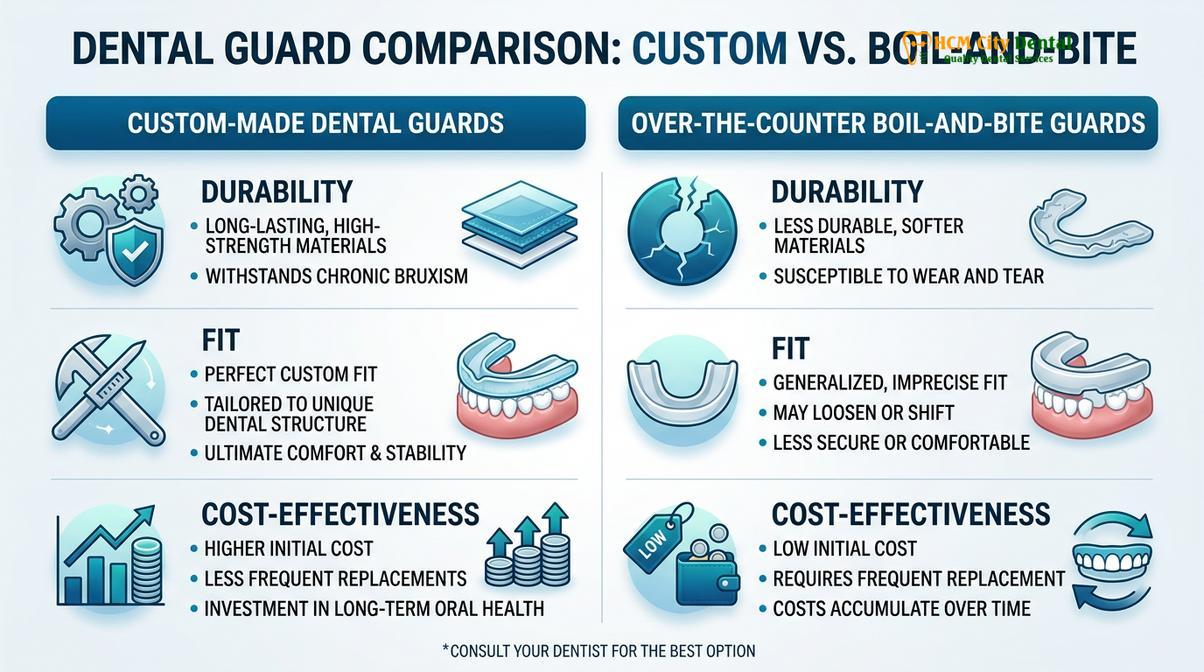
To fabricate a guard that fits perfectly, an exact replica of the patient’s dental arches must be created. Traditionally, this was done using elastomeric impression materials like polyvinyl siloxane. Today, advanced clinics utilize digital intraoral scanners. A wand-like device captures thousands of images per second, creating a highly accurate, three-dimensional digital model of the teeth and gums. This digital approach is not only more comfortable for the patient (eliminating the gag reflex associated with traditional putty) but also provides superior accuracy for the laboratory technician.
Phase 3: Laboratory Fabrication
The digital or physical models are sent to a specialized dental laboratory. For a high-quality night guard, technicians often use a pressure-lamination technique. The chosen material is heated and adapted over the model using high positive pressure, ensuring an intimate fit around every contour of the teeth. The occlusal surface is then carefully adjusted on an articulator—a mechanical device that simulates the movement of the patient’s jaw—to ensure that the biting forces will be distributed evenly.
Clinical Case Example: A 34-year-old patient visited HCMC Dental Clinic in Ho Chi Minh City complaining of severe morning headaches and visible wear on their anterior teeth. A comprehensive examination revealed severe nocturnal bruxism. The clinical team utilized an intraoral scanner to capture a precise 3D impression and fabricated a dual-laminate occlusal splint. Upon delivery and minor occlusal adjustments, the patient reported a complete cessation of morning jaw pain within two weeks, and the progression of enamel attrition was successfully halted.
Phase 4: Delivery and Occlusal Adjustment
During the final appointment, the dentist inserts the mouth guard and evaluates the fit, retention, and comfort. The most critical step is the occlusal adjustment. The dentist uses articulating paper to mark the points where the opposing teeth contact the guard. The surface is then meticulously polished and refined until all teeth contact the guard simultaneously and evenly. This precise balancing is what distinguishes a professional appliance from an over-the-counter product. Patients interested in the financial aspects of this treatment can review the Custom Night Guard Vietnam Cost guide for detailed insights.
Orthodontic Considerations: Mouth Guards and Braces
Patients undergoing orthodontic treatment require specially designed mouth guards that protect the soft tissues from brackets and wires while allowing sufficient space for continuous tooth movement.
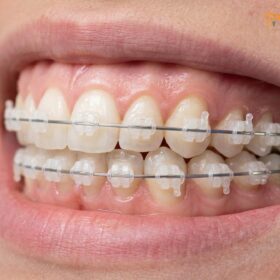
Wearing braces introduces unique challenges when it comes to dental protection. The presence of brackets and archwires creates an irregular surface that can easily lacerate the inner lips and cheeks during a sports impact. Furthermore, a standard, tightly fitting mouth guard can lock onto the orthodontic hardware, potentially debonding brackets or interfering with the carefully planned trajectory of tooth movement.
For patients in active orthodontic treatment, dentists prescribe specialized orthodontic mouth guards. These guards are typically wider and feature a channel designed to accommodate the braces without applying excessive pressure to them. They are often made from high-grade silicone or specialized thermoplastic materials that provide excellent shock absorption while remaining flexible enough to adapt as the teeth shift into their new positions[5].
It is crucial that patients with braces avoid standard boil-and-bite guards. The softening process can cause the material to flow into the undercuts of the brackets; once the material hardens, removing the guard can cause severe damage to the orthodontic appliance, leading to complications discussed in our guide on Bad Braces. Maintaining a proper diet, as outlined in the Best Food for Braces guide, alongside wearing the correct protective gear, ensures the orthodontic journey remains safe and on schedule.
Maintenance and Hygiene: How to Care for Your Mouth Guard
Proper hygiene and maintenance are essential to prolong the lifespan of a mouth guard and prevent the accumulation of pathogenic bacteria, plaque, and calculus on the appliance.
A mouth guard spends hours inside the oral cavity, an environment teeming with bacteria and fungi. Without rigorous cleaning protocols, the porous surface of the guard can quickly become a breeding ground for microorganisms, leading to foul odors, material degradation, and an increased risk of oral infections or dental caries.
The daily maintenance routine should begin immediately after removing the guard. It should be rinsed thoroughly with cool water to remove saliva and loose debris. The guard should then be brushed using a soft-bristled toothbrush and a mild, non-abrasive liquid soap. It is vital to avoid using regular toothpaste, as the abrasive agents (like silica) designed to polish tooth enamel will create microscopic scratches on the surface of the guard. These scratches not only dull the appearance of the appliance but also provide ideal retention sites for bacterial colonization.
“The longevity of a custom dental appliance is directly proportional to the patient’s compliance with hygiene protocols. Harsh chemicals and abrasive pastes degrade the polymer matrix, compromising both the structural integrity and the clinical efficacy of the guard.”
— Dr. Nguyen Van Cuong, Lead Dental Specialist
For a deeper clean, the guard can be soaked periodically in a specialized dental appliance cleaner or a diluted solution of antimicrobial mouthwash. However, prolonged soaking in harsh chemicals containing bleach or alcohol should be avoided, as these can cause the material to become brittle or distorted. For comprehensive instructions, patients should refer to our clinical guide on How to Clean Night Guard.
Storage is equally important. When not in use, the guard should be kept in a sturdy, ventilated plastic case. The ventilation allows the appliance to dry completely, inhibiting the growth of anaerobic bacteria and mold. Furthermore, the guard must be protected from extreme heat. Leaving a mouth guard in a hot car, boiling it, or running it through a dishwasher will cause irreversible warping, rendering the custom fit useless. For patients who are frequently on the move, reviewing Night Guard Travel Tips can help ensure the appliance remains safe and hygienic during transit.
When to See a Doctor for Mouth Guard Assessment
While a high-quality custom mouth guard is designed for durability, it is not impervious to wear and tear. Regular clinical assessments are necessary to ensure the appliance continues to function correctly and safely. Patients should schedule an evaluation with their dentist if they observe any of the following signs:
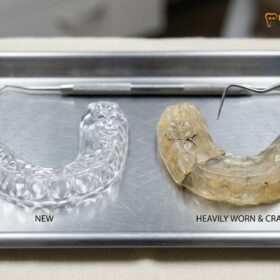
- Visible Structural Damage: Any cracks, tears, or deep indentations in the material compromise the guard’s ability to distribute forces evenly. A perforated night guard can allow opposing teeth to contact, defeating the purpose of the splint.
- Changes in Fit: If the guard feels excessively loose, falls out during sleep, or requires active clenching to stay in place, it needs to be adjusted or replaced. Conversely, if the guard feels uncomfortably tight or places excessive pressure on specific teeth, it may be causing unintended orthodontic movement.
- Return of Symptoms: The primary goal of a night guard is to alleviate the symptoms of bruxism and TMJ disorders. If a patient experiences a recurrence of morning jaw pain, tension headaches, or increased tooth sensitivity, the occlusal surface of the guard likely needs to be re-balanced by the dentist.
- Discoloration or Odor: Persistent foul odors or deep discoloration that cannot be removed with standard cleaning protocols indicate deep bacterial infiltration into the material matrix, necessitating a replacement for hygienic reasons.
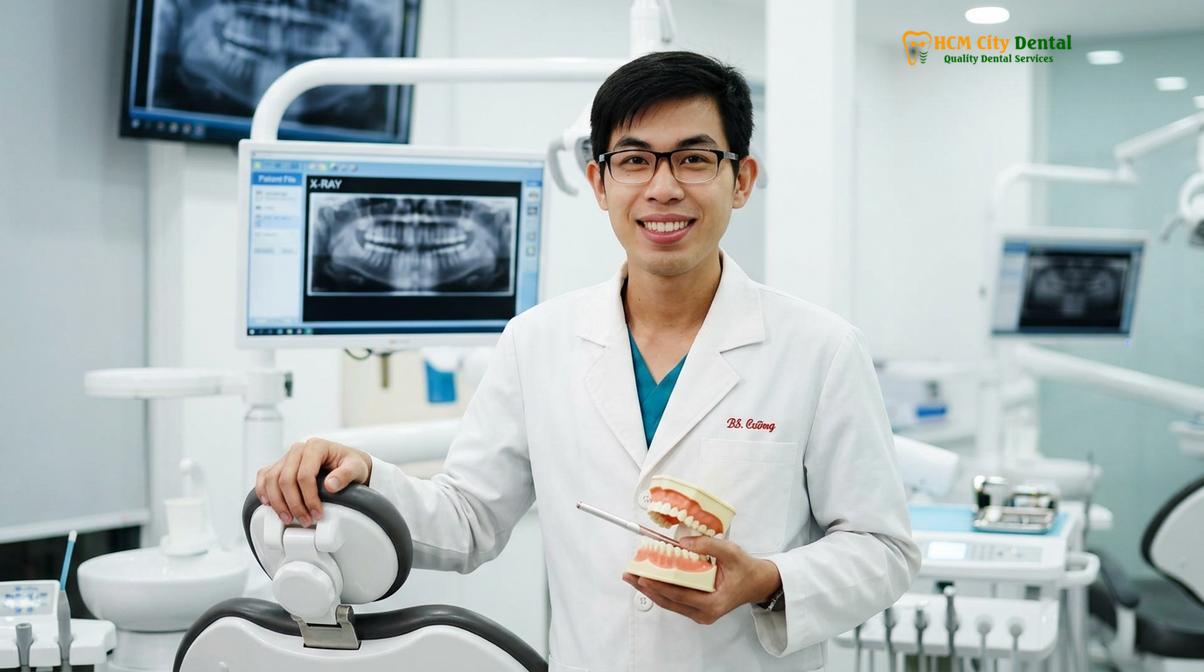
It is highly recommended that patients bring their mouth guard to every routine dental check-up. The dentist can professionally clean the appliance in an ultrasonic bath, inspect it for microscopic signs of wear, and verify that the occlusal contacts remain balanced and harmonious with the patient’s evolving dental anatomy. For personalized assessments and custom fabrication, patients can consult the expert team at HCMC Dental Clinic in Ho Chi Minh City to ensure their oral health is optimally protected.
Frequently Asked Questions
How long does a custom teeth mouth guard typically last?
A custom teeth mouth guard generally lasts between one to five years, depending on the severity of your grinding and maintenance habits. Patients with severe bruxism may wear through the material faster and require more frequent replacements. Regular clinical inspections ensure the appliance remains structurally sound and continues to provide adequate occlusal protection.
Can I wear a mouth guard if I currently have braces?
Yes, you can wear a mouth guard with braces, but it must be specifically designed to accommodate the orthodontic hardware. Custom orthodontic mouth guards provide extra width to cover the brackets without impeding tooth movement. Using a standard boil-and-bite guard over braces can cause the material to lock onto the brackets, potentially damaging the appliance.
What is the best way to clean my teeth mouth guard?
The best way to clean your teeth mouth guard is by brushing it daily with a soft-bristled toothbrush and mild, non-abrasive soap. Avoid using hot water, harsh chemicals, or abrasive toothpaste, as these can warp or scratch the material. Storing the guard in a ventilated case when dry prevents bacterial proliferation.
Is it normal for my teeth to ache after wearing a new night guard?
Mild tooth sensitivity or a slight feeling of pressure is normal during the first few days of wearing a new night guard. However, persistent pain, sharp aches, or significant jaw discomfort indicates that the guard may be fitting improperly or altering your bite incorrectly. In such cases, a clinical adjustment is necessary.
Can a sports mouth guard be used to treat sleep apnea?
No, a sports mouth guard cannot be used to treat sleep apnea and may actually worsen the condition. Sleep apnea requires a specialized mandibular advancement device (MAD) designed to hold the lower jaw forward and keep the airway open. A standard sports guard only protects teeth from impact and does not reposition the jaw.
References
- Journal of Prosthetic Dentistry. Efficacy of custom vs. over-the-counter mouth guards in bruxism management. (2021).
- Dental Traumatology. Sports-related dental injuries and the biomechanics of mouth guard protection. (2020).
- Sleep Medicine Reviews. Mandibular advancement devices for the treatment of obstructive sleep apnea. (2019).
- Journal of Clinical Orthodontics. Mouth guard usage in patients undergoing active orthodontic treatment. (2022).
- International Journal of Sports Dentistry. Material properties of ethylene vinyl acetate in custom athletic mouth guards. (2018).