The cost of a retainer in Vietnam is significantly lower than in the UK, offering savings of up to 70% without compromising clinical quality. While UK patients face high private fees or strict NHS criteria, Vietnam provides premium custom retainers using advanced digital dentistry at highly accessible price points.
Clinical Summary:
Comparing the retainer cost vietnam vs uk reveals substantial financial advantages for international patients seeking post-orthodontic care. UK patients frequently encounter steep private fees or limited NHS coverage when requiring replacement retainers. In contrast, top-tier facilities in Vietnam utilize identical imported materials—such as premium clear aligner retainers and durable fixed lingual wires—at a fraction of the European cost. Dr. Nguyen Van Cuong emphasizes that the integration of digital intraoral scanning and 3D printing in Vietnam ensures precise fit, optimal comfort, and long-term orthodontic stability, making dental tourism a highly viable and clinically sound option for maintaining a straight smile.
Key Takeaways:
- UK private retainer prices can be prohibitively expensive, particularly in major metropolitan areas like London.
- While the NHS Band 3 dental charge covers initial post-treatment retainers, replacements often require out-of-pocket private payments.
- Vietnam offers premium, custom-fitted orthodontic retainers at 50% to 70% lower costs compared to UK private clinics.
- Leading facilities in Ho Chi Minh City utilize advanced digital scanners to eliminate messy traditional impressions.
- Combining a holiday with dental care allows international patients to secure high-quality retention devices swiftly and affordably.
The Clinical Importance of Orthodontic Retention
Orthodontic retention is a mandatory phase of treatment designed to stabilize the teeth in their new positions and prevent natural relapse.
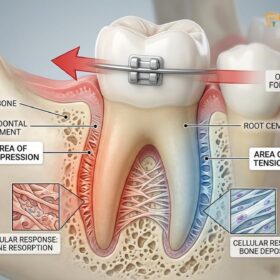
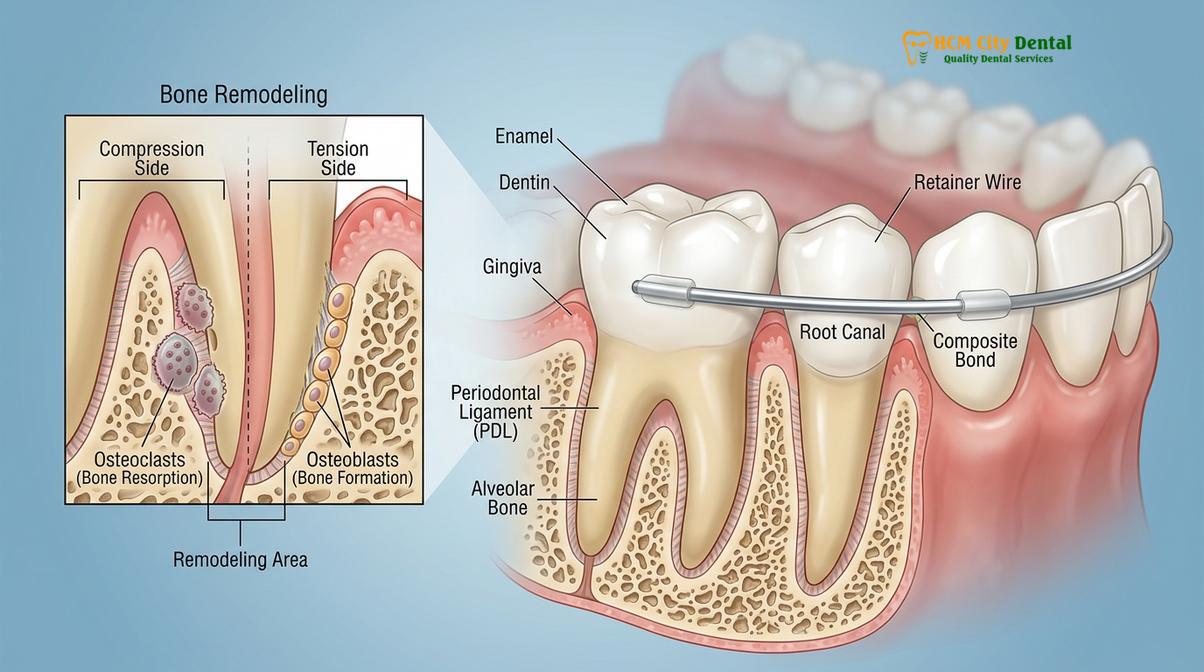
The journey to a perfectly aligned smile does not end when braces or aligners are removed. The period immediately following active Orthodontics is critical because the periodontal ligaments (PDL) and surrounding alveolar bone require time to reorganize and solidify around the new tooth positions[1]. Without a physical barrier holding the teeth in place, the elastic memory of the gingival fibers will naturally pull the teeth back toward their original, misaligned state—a phenomenon known clinically as orthodontic relapse.
Dr. Nguyen Van Cuong frequently advises patients that retention is a lifelong commitment. The bone remodeling process is dynamic, and even decades after treatment, natural physiological changes can cause teeth to shift. To counteract this, dentists prescribe specific retention devices tailored to the patient’s anatomical needs and lifestyle.
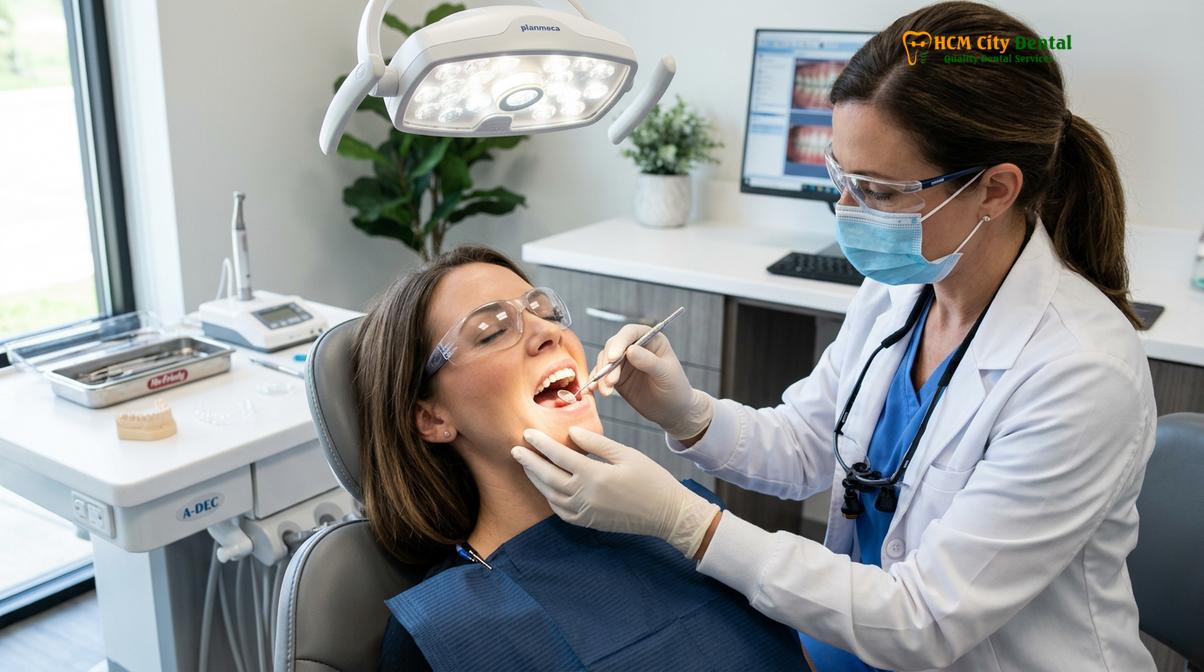
There are generally three main categories of retainers utilized in modern dentistry:
- Clear Aligner Retainers (Essix/Vivera): These are transparent, removable trays vacuum-formed over a 3D model of the patient’s teeth. A clear aligner retainer is highly aesthetic and covers the entire dental arch, providing excellent control against unwanted shifting.
- Hawley Retainers: A traditional removable device consisting of a custom acrylic palate and a stainless steel wire that wraps around the anterior teeth. They are highly durable and allow for minor occlusal settling.
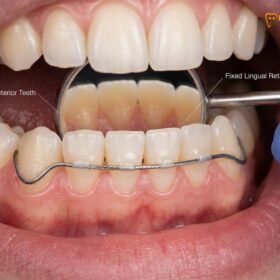
- Fixed (Bonded) Retainers: A multistranded stainless steel wire bonded directly to the lingual (tongue) side of the anterior teeth using dental composite. This provides permanent, compliance-free retention but requires meticulous oral hygiene.
“The success of any orthodontic treatment is ultimately determined by the efficacy of the retention phase. Failing to wear a retainer as prescribed almost guarantees some degree of clinical relapse, necessitating further corrective treatment.”
Retainer Cost UK: NHS vs. Private Sector
UK patients face a dual-tiered dental system where NHS coverage for retainers is limited, often driving individuals toward expensive private care.
Understanding the financial landscape of post-orthodontic care in the United Kingdom requires navigating both the National Health Service (NHS) and the private dental sector. For patients who qualify for NHS orthodontic treatment (typically minors with severe malocclusions), the initial set of retainers is included in the overall treatment plan. However, the financial dynamics change significantly when a retainer is lost, broken, or simply wears out over time.
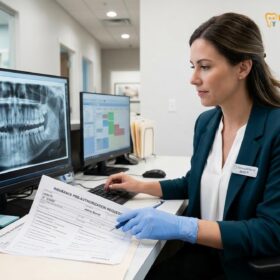
Under the NHS, standard dental treatments are categorized into pricing bands. While the initial provision of a retainer falls under the comprehensive treatment plan, obtaining a replacement often triggers a separate fee. The replacement retainer NHS cost is generally subsidized compared to private rates, but strict eligibility criteria apply. Many adult patients, or those who originally had private braces, do not qualify for NHS replacements at all[2].
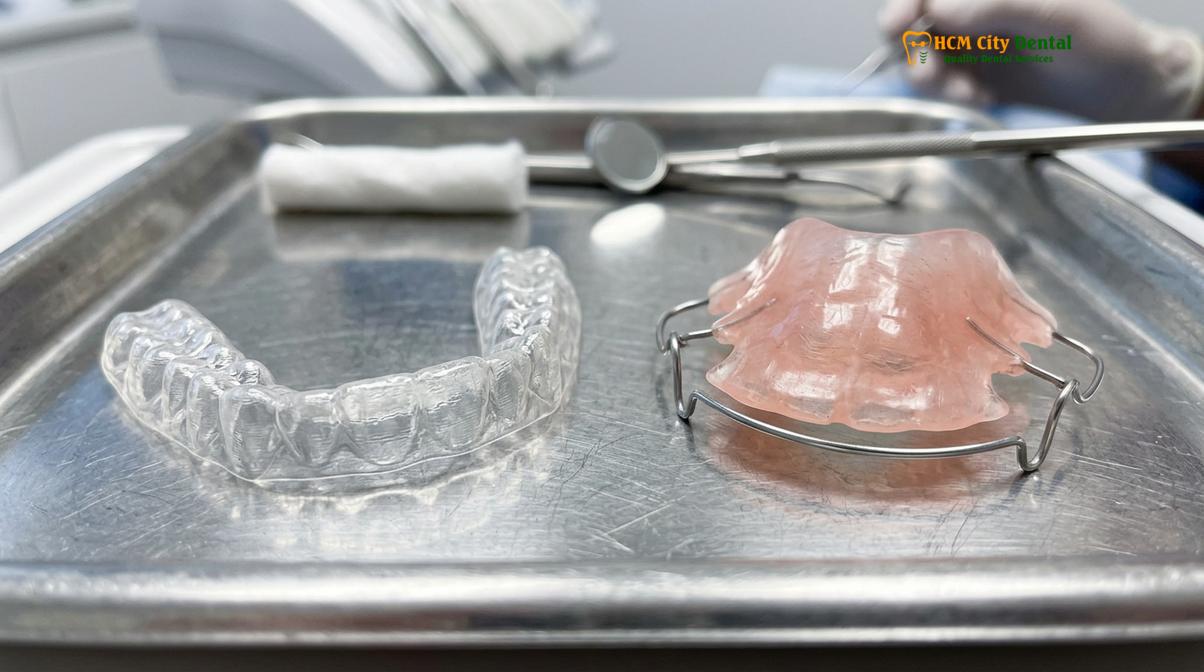
Consequently, a large percentage of the UK population must rely on the private sector for their retention needs. The private retainer price London and other major UK cities can be exceptionally high. Private clinics factor in high operational costs, laboratory fees, and the dentist’s chair time. It is not uncommon for a single arch (upper or lower) clear retainer to cost between £150 and £300 privately, making a full set a significant financial burden. Furthermore, because clear retainers naturally degrade and require replacement every few years, this becomes a recurring out-of-pocket expense.
Retainer Cost in Vietnam: High-Quality Alternatives
Vietnam provides an exceptionally cost-effective alternative for orthodontic retainers, utilizing the exact same premium materials found in top European clinics.
As dental tourism continues to expand, Vietnam has emerged as a premier destination for patients seeking high-quality, affordable dental care. The primary advantage of seeking treatment in Vietnam is the dramatic reduction in cost without any compromise in clinical standards. The lower cost of living, reduced operational overheads, and competitive laboratory fees allow Vietnamese clinics to offer premium services at a fraction of the UK price.
When analyzing the retainer cost uk versus Vietnam, the savings are immediately apparent. Patients traveling to a reputable dental clinic Ho Chi Minh City can expect to pay significantly less for identical products. Whether you require a standard Essix retainer, a durable Hawley appliance, or the installation of a fixed lingual wire, the financial accessibility in Vietnam is unparalleled.
🇬🇧 Cost Comparison: Vietnam vs United Kingdom (Per Arch)
Save up to 75% - 85% on high-quality custom dental retainers. Below is a detailed cost breakdown comparing local rates in United Kingdom with HCMC Dental Clinic.
| Retainer Type | United Kingdom Avg. Cost | HCMC Dental Cost | Your Savings |
|---|---|---|---|
| Essix (Clear Aligner) | £200 - £450 GBP | $72 USD (~£56 GBP) | Save ~80% |
| Hawley (Acrylic & Wire) | £250 - £500 GBP | $120 USD (~£94 GBP) | Save ~75% |
| Fixed Bonded (Wire behind teeth) | £200 - £400 GBP | $60 USD (~£47 GBP) | Save ~80% |
It is crucial to understand that the lower price point does not equate to inferior quality. Leading clinics, such as HCMC Dental Clinic, import their dental materials directly from recognized global manufacturers in the USA, Germany, and Japan. The thermoplastic sheets used for clear retainers, the medical-grade stainless steel for fixed wires, and the bonding composites are identical to those used by high-end private practitioners in London[3]. For a detailed breakdown of local pricing, patients can review the orthodontic retainer price Ho Chi Minh City.
Treatment Workflow at a Dental Clinic Ho Chi Minh City
Securing a custom retainer in Vietnam involves a streamlined, fully digital workflow that ensures maximum precision and rapid turnaround times.
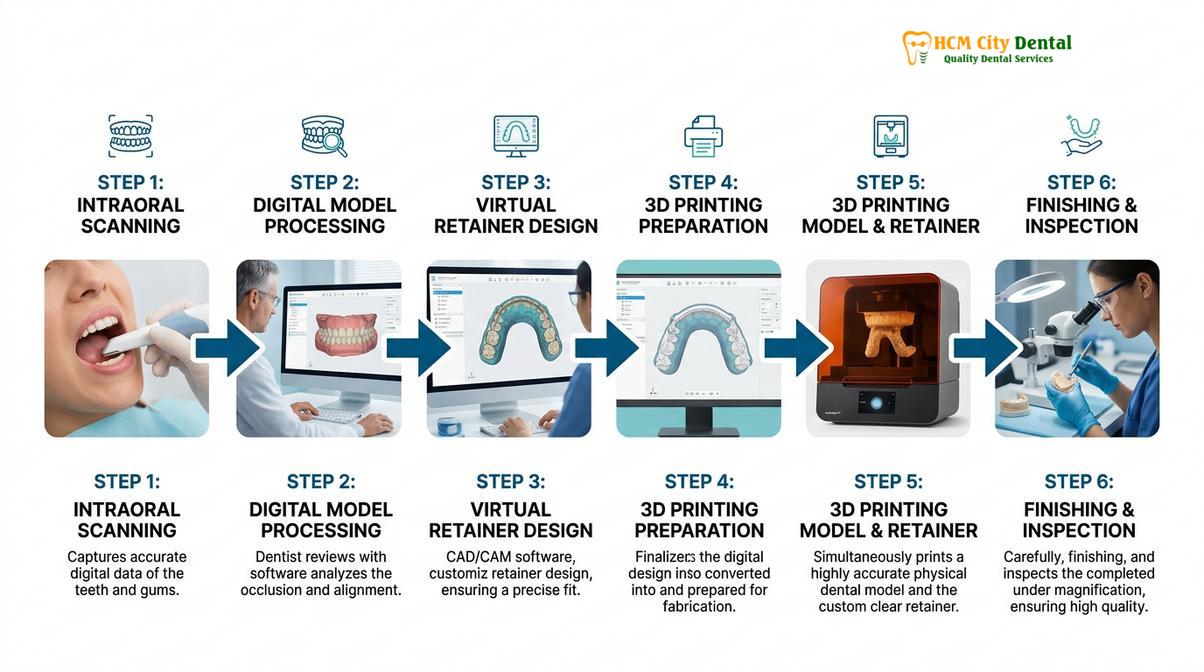
International patients visiting Vietnam for dental care often have limited time. Recognizing this, top-tier clinics have optimized their clinical workflows to deliver custom retainers swiftly and efficiently. The integration of digital dentistry has revolutionized this process, eliminating the need for uncomfortable, gag-inducing traditional alginate impressions.
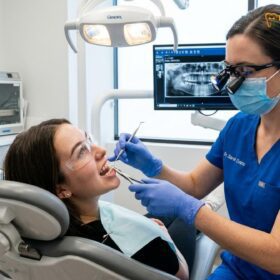
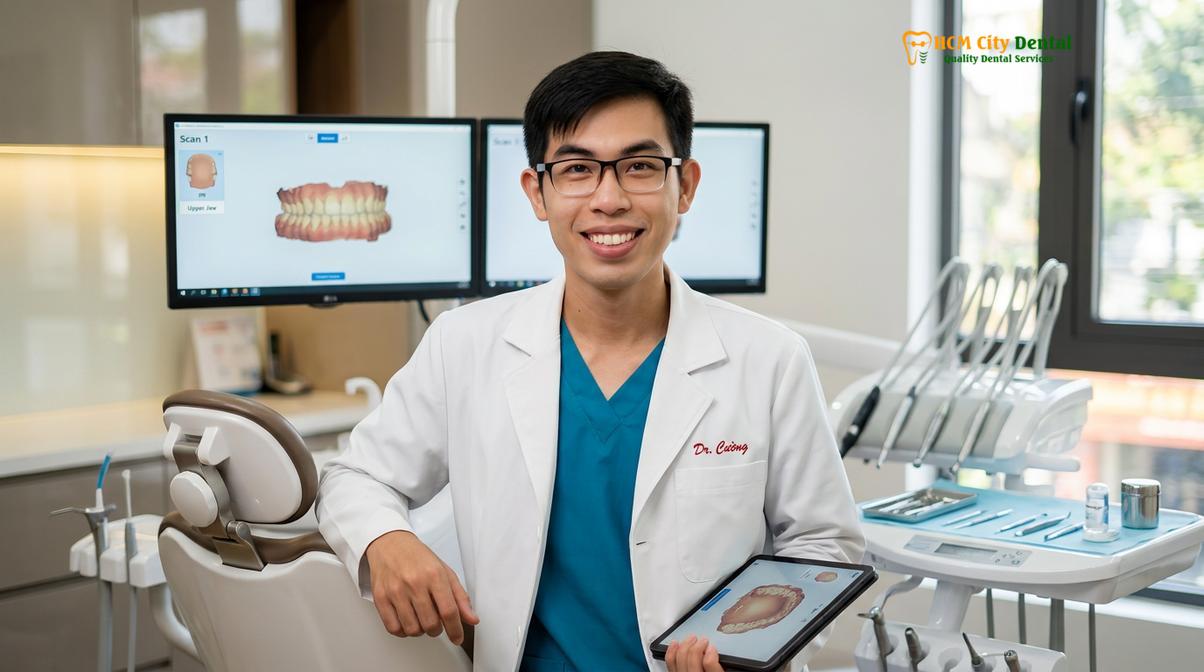
When a patient visits HCMC Dental Clinic in Ho Chi Minh City, the process begins with a comprehensive oral examination. The dentist assesses the current alignment of the teeth, checks for any signs of relapse, and evaluates periodontal health. Following the consultation, an intraoral scanner (such as 3Shape Trios or iTero) is used to capture a highly accurate 3D digital impression of the dental arches in a matter of minutes.
This digital file is immediately transmitted to the in-house or partnered dental laboratory. Using CAD/CAM technology and high-resolution 3D printers, a precise physical model of the patient’s teeth is fabricated. For clear retainers, a biocompatible thermoplastic sheet is thermoformed over this model, trimmed, and polished for maximum comfort. The entire process can often be completed within 24 to 48 hours, making it highly convenient for tourists.
Clinical Case Study: Rapid Retainer Replacement
A 28-year-old patient from the UK lost her clear upper retainer while traveling in Southeast Asia. Concerned about orthodontic relapse, she visited HCMC Dental Clinic. Dr. Nguyen Van Cuong performed a digital intraoral scan, and a new, perfectly fitted Essix retainer was fabricated and delivered within 24 hours. The patient secured a premium replacement at a fraction of her usual private clinic fees back home, allowing her to continue her travels with peace of mind.
For patients requiring the removal or replacement of a bonded wire, the workflow involves carefully polishing away the old composite resin, ensuring the enamel remains undamaged, before bonding a new multistranded wire. Patients seeking an English speaking dentist retainer replacement will find that communication regarding these technical steps is seamless at international-standard clinics.
Material Durability and Clinical Considerations
The longevity of an orthodontic retainer depends heavily on the material chosen, patient compliance, and proper daily maintenance.
While the initial cost is an important factor, patients must also consider the long-term durability and maintenance requirements of their chosen retention device. Different materials offer varying lifespans and clinical benefits.
Clear aligner retainers are highly popular due to their near-invisibility and comfort. However, thermoplastic materials (such as PETG or polyurethane) are susceptible to wear, bruxism (teeth grinding), and thermal distortion. Patients often ask, are clear retainers safe to wear long-term? Yes, they are completely safe and biocompatible, but they typically require replacement every 12 to 24 months as the plastic micro-cracks or loses its rigidity[4].
Hawley retainers, constructed from robust acrylic and metal, boast a significantly longer lifespan, often lasting 5 to 10 years with proper care. They are adjustable, allowing the dentist to tighten the wire if minor tooth movement occurs. However, they are more visible and can temporarily affect speech.
Fixed retainers offer the ultimate compliance-free solution, as they are permanently bonded to the teeth. While they excel at preventing anterior relapse, they present unique hygiene challenges. Calculus and plaque can easily accumulate around the wire, increasing the risk of gingivitis. Patients with fixed retainers must commit to rigorous interdental cleaning and regular professional permanent retainer plaque removal to maintain optimal periodontal health.
“Choosing the right retainer is a balance between aesthetic preferences, lifestyle habits, and clinical necessity. A dual-retention strategy—utilizing a fixed wire combined with a removable clear overlay—often provides the highest level of long-term stability.”
Clinical Warning: The Risks of Non-Compliance
Failing to wear a removable retainer as prescribed, or ignoring a broken fixed retainer, will inevitably lead to orthodontic relapse. Teeth possess a strong physiological tendency to return to their original positions. If significant shifting occurs, a new retainer cannot correct the misalignment; the patient will require a new phase of active orthodontic treatment (braces or aligners) to restore the smile.
When to See a Doctor for Retainer Replacement
Retainers are subjected to significant mechanical forces and bacterial exposure daily. It is vital to recognize the clinical signs indicating that a retainer is failing and requires immediate professional replacement to prevent tooth movement[5]. You should schedule an appointment with a dental professional if you observe any of the following:
- Visible Cracks or Perforations: Clear retainers that develop splits, holes, or deep creases have lost their structural integrity and can no longer hold teeth firmly in place.
- Loss of Retention (Looseness): If a removable retainer feels loose or falls out easily during sleep, it has likely stretched and is no longer providing adequate force to prevent relapse.
- Unusual Tightness: If a retainer feels excessively tight or painful to insert after a period of non-wear, it indicates that the teeth have already begun to shift. Forcing a tight retainer can damage the teeth or the appliance.
- Broken or Debonded Fixed Wire: If you feel a sharp edge on your lingual wire, or if the composite glue has chipped away from a tooth, the affected tooth is highly vulnerable to rapid shifting.
- Severe Discoloration or Odor: Despite regular cleaning, acrylic and thermoplastic materials can absorb bacteria and calcium deposits over time. If a retainer becomes deeply clouded, yellowed, or retains a foul odor, it should be replaced for hygiene reasons.
For international patients, visiting a trusted facility like HCMC Dental Clinic ensures that any of these issues can be addressed promptly with custom, high-quality replacements. To explore personalized retention solutions, you can review our comprehensive Dr Cuong dentist custom retainers guide.
Frequently Asked Questions
How much does a replacement retainer cost in the UK compared to Vietnam?
A replacement retainer in the UK typically costs between £100 and £300 per arch privately, whereas in Vietnam, the same premium retainer costs approximately £40 to £80. This significant price difference allows patients to obtain high-quality, custom-fitted retention devices at a fraction of the European cost, utilizing identical imported materials.
Are the materials used for retainers in Vietnam the same as in the UK?
Yes, top dental clinics in Vietnam use the exact same globally recognized materials as UK clinics. Whether you require a clear aligner retainer made from BPA-free thermoplastic or a traditional Hawley retainer crafted from medical-grade acrylic and stainless steel, the clinical standards and material safety profiles remain identical.
Does the NHS cover the cost of a replacement retainer?
The NHS generally covers the first set of retainers after NHS orthodontic treatment under the NHS Band 3 dental charge, but replacements for lost or broken retainers often incur a separate fee. Many adult patients do not qualify for NHS replacements and are subsequently required to pay standard private dental rates.
How long does it take to get a custom retainer made in Ho Chi Minh City?
At advanced facilities, a custom retainer can typically be fabricated within 24 to 48 hours. The process involves a rapid digital intraoral scan followed by in-house 3D printing and thermoforming, ensuring that international patients receive their retainers swiftly without disrupting their travel itineraries.
Can I switch from a fixed wire retainer to a clear removable retainer?
Yes, transitioning from a fixed wire to a clear removable retainer is a common clinical request. A dentist must carefully remove the bonded wire, polish the enamel to remove residual composite resin, and take precise digital impressions to fabricate a new clear aligner retainer that maintains your current dental alignment.
References
- Journal of Prosthodontic Research. Orthodontic retainer wear and stability protocols. (2021).
- American Journal of Orthodontics. Relapse rates and long-term retention strategies. (2019).
- European Journal of Orthodontics. Clinical trial comparing Essix and Hawley retainers. (2020).
- Journal of Clinical Orthodontics. Plaque accumulation and periodontal health with fixed retainers. (2022).
- Australian Dental Journal. Patient compliance and economic factors in orthodontic retention. (2018).