Navigating pediatric dental insurance saigon requires understanding your policy’s preventive and restorative limits. Expat families in Ho Chi Minh City can leverage direct billing networks to cover essential pediatric treatments, from routine cleanings to interceptive orthodontics, ensuring optimal oral health without out-of-pocket stress.
Clinical Summary:
Securing comprehensive pediatric dental care in Ho Chi Minh City is highly accessible for expatriate and local families utilizing international health insurance. Policies typically offer tiered coverage: 100% for preventive measures (exams, cleanings, fissure sealants) and 50-80% for restorative procedures (Glass Ionomer fillings, pulpotomies). Clinics offering direct billing with major providers like Allianz, Cigna, and Bupa streamline the financial process. Clinically, modern pediatric dentistry emphasizes minimally invasive techniques such as Silver Diamine Fluoride (SDF) for cavity arrest, early interceptive orthodontics for airway management, and the Tell-Show-Do behavioral approach to eliminate dental anxiety. Proper documentation, including pre-operative X-rays and clinical narratives, is essential for successful insurance pre-authorization and reimbursement.
Key Takeaways:
- Most international insurance plans cover 100% of preventive pediatric treatments, including bi-annual exams and fluoride varnishes.
- Direct billing networks (Allianz, Cigna, Bupa) allow cashless transactions for eligible pediatric dental procedures.
- Major treatments like baby root canals (pulpotomies) and space maintainers often require pre-authorization and detailed clinical documentation.
- Minimally invasive clinical approaches, such as Silver Diamine Fluoride (SDF) and Glass Ionomer Cement (GIC), are prioritized for primary teeth.
- Families booking pediatric consultations via WhatsApp receive a 40% discount compared to standard walk-in rates.
What International Insurance Covers
International dental policies typically cover 100% of preventive pediatric care and 50-80% of restorative treatments. Understanding these coverage tiers ensures your child receives necessary clinical interventions without unexpected financial burdens.
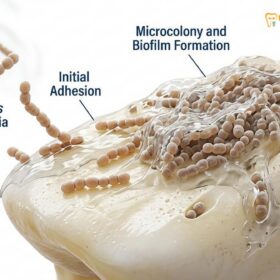
When evaluating your dental policy, it is crucial to understand how insurers categorize pediatric treatments. Because the anatomy of primary teeth differs significantly from permanent teeth—specifically, baby teeth have thinner enamel and larger pulp chambers—decay can progress rapidly to the nerve [1]. Insurers recognize this vulnerability and structure their coverage to heavily incentivize early, preventive interventions.
Preventive Coverage (Typically 100% Covered): Preventive care is the cornerstone of Children & Pediatric Dentistry. Most international plans fully cover bi-annual diagnostic check-ups, professional prophylaxis (cleanings), and topical fluoride applications. Fissure sealants, which are protective resin coatings applied to the deep grooves of newly erupted permanent molars, are also widely covered as they are clinically proven to reduce occlusal decay.
Basic Restorative Coverage (Typically 50% – 80% Covered): If early childhood caries develop, basic restorative treatments are necessary. Insurers generally cover a significant portion of dental fillings. In pediatric dentistry, we prioritize Glass Ionomer Fillings (GIC) over traditional composites for posterior baby teeth. GIC is highly biocompatible, tolerates moisture well during placement (crucial for squirmy toddlers), and provides continuous fluoride release (fluoride recharge) to protect the surrounding tooth structure from recurrent decay. Composite resins are utilized primarily where higher structural strength and perfect aesthetics are required, such as on anterior teeth.
Another highly effective, non-invasive treatment often covered under basic restorative care is Silver Diamine Fluoride (SDF). SDF provides cavity arrest without the need for drilling or local anesthesia, making it an excellent option for very young or anxious children, despite leaving a localized black stain on the decayed area [2].
Our Direct Billing Partners (Allianz, Cigna, Bupa, etc.)
HCMC Dental Clinic partners with leading global insurers to provide seamless, cashless pediatric dental care. We handle the claims process directly with providers like Allianz, Cigna, and Bupa for eligible treatments.
For expatriate families living in Ho Chi Minh City, navigating healthcare administration can be daunting. To alleviate this, our clinic has established robust direct billing networks with major international insurance providers. If you are searching for a reliable bupa expat direct billing dentist, our administrative team is fully equipped to process your child’s claims directly through the insurer’s portal.
The direct billing workflow is designed for maximum convenience. Upon your arrival, our team verifies your child’s policy details, including annual limits, co-payment requirements, and specific exclusions. For routine preventive care, the process is entirely cashless. For restorative procedures requiring a co-pay, you only pay the uncovered percentage at the clinic, while we invoice the insurer for the remainder.
Dr. Nguyen Van Cuong and our pediatric team ensure that all clinical diagnoses are accurately coded according to international dental standards (such as CDT codes). This precision is particularly beneficial for families utilizing cigna child dental coverage saigon, as accurate coding prevents claim rejections and ensures that you maximize your annual pediatric benefits.
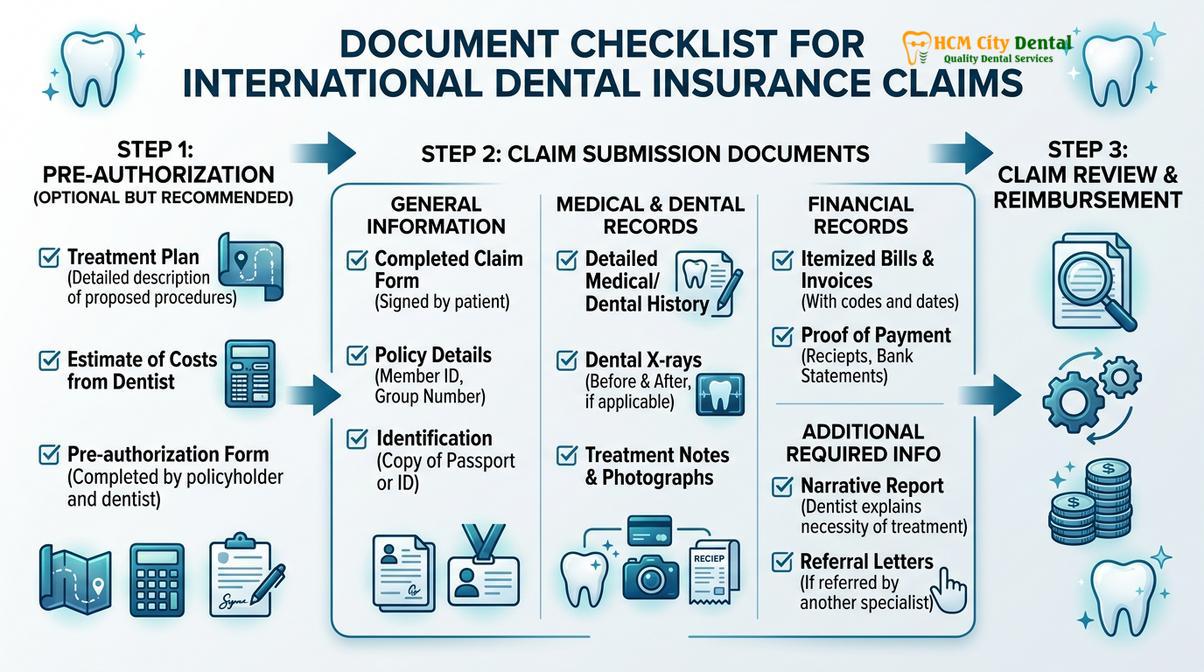
Document Checklist for Reimbursements
For policies requiring pay-and-claim, submitting a complete dossier of clinical notes, X-rays, and itemized receipts is critical. Our administrative team provides all necessary medical documentation in English to expedite your reimbursement.
Not all insurance policies support direct billing. If your plan operates on a pay-and-claim basis, you will need to pay for the treatment upfront and submit a claim to your provider. As an experienced international school insurance dentist, we understand exactly what global insurers require to approve a reimbursement claim swiftly.
To ensure a smooth reimbursement process, our clinic automatically prepares a comprehensive claim dossier for every pediatric patient. The documentation must clearly establish the medical necessity of the procedure performed.
| Required Document | Clinical Purpose for Insurance Claim |
|---|---|
| Itemized Tax Invoice (VAT) | Provides proof of payment and lists specific treatment codes and costs. |
| Pre- and Post-Op Digital X-Rays | Visual evidence of the decay, infection, or structural issue requiring intervention. |
| Detailed Clinical Report | A narrative written by the dentist explaining the diagnosis and chosen treatment plan. |
| Completed Claim Form | The specific form provided by your insurer, signed and stamped by the attending dentist. |
For specialized preventive gear, such as a Custom Sports Mouthguard for Kids: Clinical Guide & Cost, we provide clinical justification detailing how a custom-fabricated EVA guard prevents severe dental trauma during contact sports, which is often required for coverage under preventive or orthodontic riders.
Pre-Authorization Process for Major Treatments
Complex pediatric procedures, such as baby root canals or early interceptive orthodontics, often require pre-authorization from your insurer. We submit detailed clinical evidence to secure approval before treatment begins.
Major restorative and orthodontic treatments represent a significant investment, both clinically and financially. Insurers typically mandate a pre-authorization (or pre-determination) process to confirm coverage limits before these procedures commence. Our clinical team takes a proactive approach to secure these approvals.
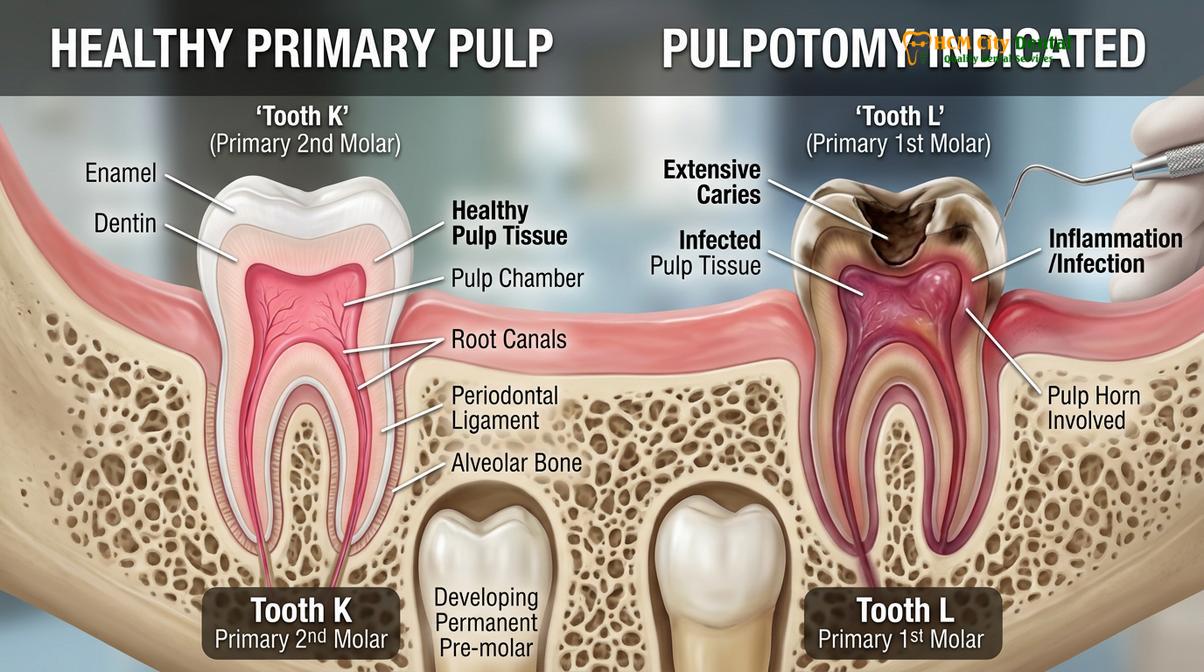
Pediatric Endodontics (Pulpotomy): When decay breaches the large pulp chamber of a primary tooth, a pulpotomy (baby root canal) is necessary to remove the infected coronal pulp while preserving the vital radicular pulp. This prevents premature tooth loss and maintains the space for the permanent tooth. We provide insurers with periapical X-rays demonstrating the depth of the caries to justify the procedure and manage Pulpotomy Pain in Kids: Clinical Guide to Baby Root Canals.
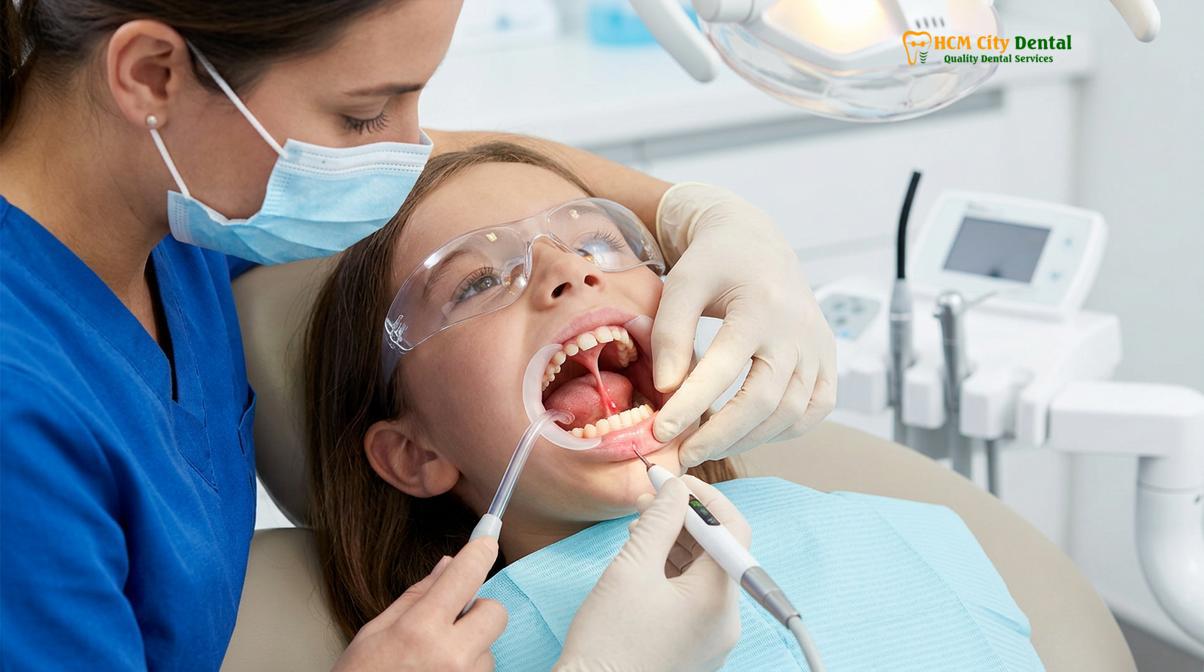
“Early loss of primary molars without proper space management almost guarantees severe orthodontic crowding in the permanent dentition. Securing insurance approval for space maintainers is a critical step in preventive pediatric care.”
Interceptive Orthodontics & Airway Assessment: Modern pediatric dentistry goes beyond treating cavities; it encompasses the holistic development of the child’s airway and craniofacial structure. We routinely evaluate children for thumb-sucking habits, tongue-ties, and mouth breathing. Mouth breathing can lead to “adenoid facies” (long-face syndrome) and pediatric sleep apnea [5]. If a tongue-tie is diagnosed, it can be treated painlessly with a diode laser frenectomy. For insurance pre-authorization regarding these early interventions, we submit comprehensive diagnostic records, including cephalometric analyses, to demonstrate medical necessity. Parents can learn more about these developmental impacts in our guide on How Mouth Breathing Changes Kids’ Face Shape: Clinical Guide and the benefits of Myofunctional Therapy for Kids: Clinical Guide & Exercises.
100% Preventive Coverage Tips
Maximizing your child’s dental insurance involves utilizing fully covered preventive benefits like bi-annual check-ups, fissure sealants, and fluoride varnishes. These proactive measures prevent early childhood caries and costly future treatments.
The most effective way to utilize pediatric dental insurance is to prevent disease before it requires restorative intervention. Insurers design their plans to encourage preventive care because it is highly cost-effective compared to treating advanced decay [4].
We strongly advise parents to schedule bi-annual diagnostic check-ups. During these visits, we apply professional fluoride varnish, which remineralizes weakened enamel and reverses microscopic early decay. Furthermore, as soon as your child’s first permanent molars erupt (typically around age 6), we recommend the application of fissure sealants. These sealants act as a physical barrier, preventing cariogenic bacteria and food particles from settling into the deep, hard-to-clean grooves of the molars.
If a primary tooth is lost prematurely due to trauma or severe decay, we immediately assess the need for space management. Placing a fixed band-and-loop space maintainer prevents the adjacent teeth from drifting into the empty space, thereby avoiding complex orthodontic issues later. We guide parents through the Types of Space Maintainers for Kids: A Clinical Guide and assist in claiming these devices under the preventive or minor restorative sections of their insurance policy.
Clinical Approach & Pediatric Pricing Structure
We combine advanced behavioral management techniques with transparent pricing to deliver stress-free pediatric care. Families booking via WhatsApp receive a 40% discount on standard walk-in rates.
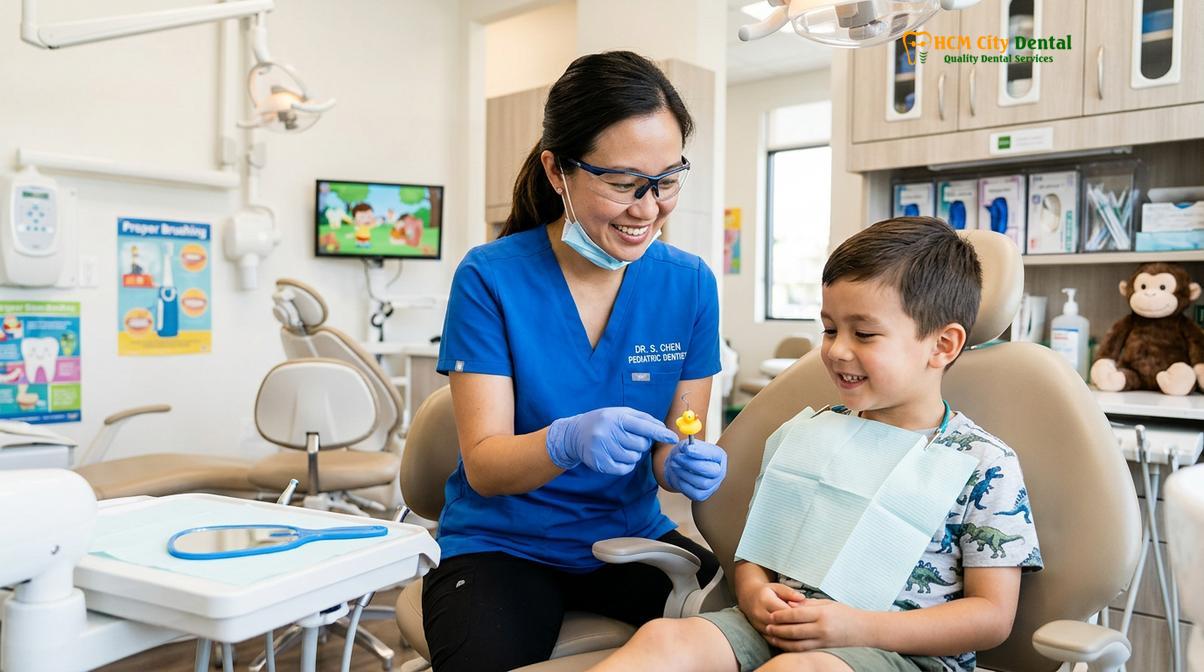
Treating children requires a fundamentally different clinical approach than treating adults. Dental anxiety is a significant barrier to care, which is why our team employs the Tell-Show-Do behavioral management technique [3]. We walk children through procedures using child-friendly language: “sleepy juice” for local anesthesia, a “tooth raincoat” for the rubber dam, and a “water whistle” for the ultrasonic scaler. We demonstrate the instrument on their finger first, and proceed only when they are comfortable, utilizing a “stop on request” protocol where they simply raise their hand if they need a break.
For children with severe anxiety, special needs, or those requiring extensive full-mouth rehabilitation, we offer advanced sedation options, including conscious sedation (nitrous oxide/laughing gas) and general anesthesia, administered by certified pediatric anesthesiologists in a hospital setting.
Clinical Case Focus: Overcoming Pediatric Dental Anxiety
A 5-year-old patient visited HCMC Dental Clinic in Ho Chi Minh City with severe early childhood caries and extreme dental phobia. Dr. Nguyen Van Cuong utilized the Tell-Show-Do technique alongside nitrous oxide sedation to create a calming environment. Over two sessions, the child successfully received necessary pulpotomies and Glass Ionomer fillings without distress. The parents utilized their direct billing insurance, covering 80% of the restorative costs, turning a potentially traumatic experience into a positive, financially manageable outcome.
Transparency in healthcare costs is vital. Below is our current pediatric pricing structure. Please note that patients who book their appointments in advance via WhatsApp benefit from a -40% discount compared to standard walk-in rates.
- Kids Consultation & Diagnostic check-up: 300,000 to 500,000 VND (~$12 to $20 USD) (Walk-in: 500,000 to 800,000 VND).
- Fissure Sealant (per tooth): 400,000 to 600,000 VND (~$16 to $24 USD) (Walk-in: 700,000 to 1,000,000 VND).
- Fluoride Varnish Application: 300,000 to 500,000 VND (~$12 to $20 USD) (Walk-in: 500,000 to 800,000 VND).
- Pediatric Composite Filling (per tooth): 500,000 to 800,000 VND (~$20 to $32 USD) (Walk-in: 800,000 to 1,300,000 VND).
- Pediatric Glass Ionomer Filling (GIC, fluoride-releasing, per tooth): 400,000 to 600,000 VND (~$16 to $24 USD) (Walk-in: 700,000 to 1,000,000 VND).
- Baby Root Canal (Pulpotomy, per tooth): 1,000,000 to 1,500,000 VND (~$40 to $60 USD) (Walk-in: 1,600,000 to 2,500,000 VND).
- Space Maintainer (fixed, band-and-loop, per unit): 2,000,000 to 3,000,000 VND (~$80 to $120 USD) (Walk-in: 3,300,000 to 5,000,000 VND).
- Custom Pediatric Sports Mouthguard: 1,500,000 to 2,500,000 VND (~$60 to $100 USD) (Walk-in: 2,500,000 to 3,500,000 VND).
When to See a Pediatric Dentist
Early intervention is the key to successful pediatric dental outcomes. The American Academy of Pediatric Dentistry recommends that a child’s first dental visit occur within six months of the eruption of their first tooth, or by their first birthday. Delaying visits until a child is in pain often leads to more invasive treatments and higher out-of-pocket costs, even with comprehensive insurance.
Important Clinical Considerations: Seek immediate pediatric dental evaluation if your child exhibits any of the following symptoms:
- Visible white spots or dark brown/black staining on the teeth (early signs of caries).
- Complaints of pain when consuming hot, cold, or sweet foods.
- Chronic mouth breathing, loud snoring, or pauses in breathing during sleep (indicators of pediatric sleep apnea or airway obstruction).
- Difficulty speaking or eating, which may indicate a restrictive tongue-tie requiring a Tongue Tie Release for Kids: Clinical Guide to Laser Frenectomy.
- Premature loss of a baby tooth due to trauma or decay.
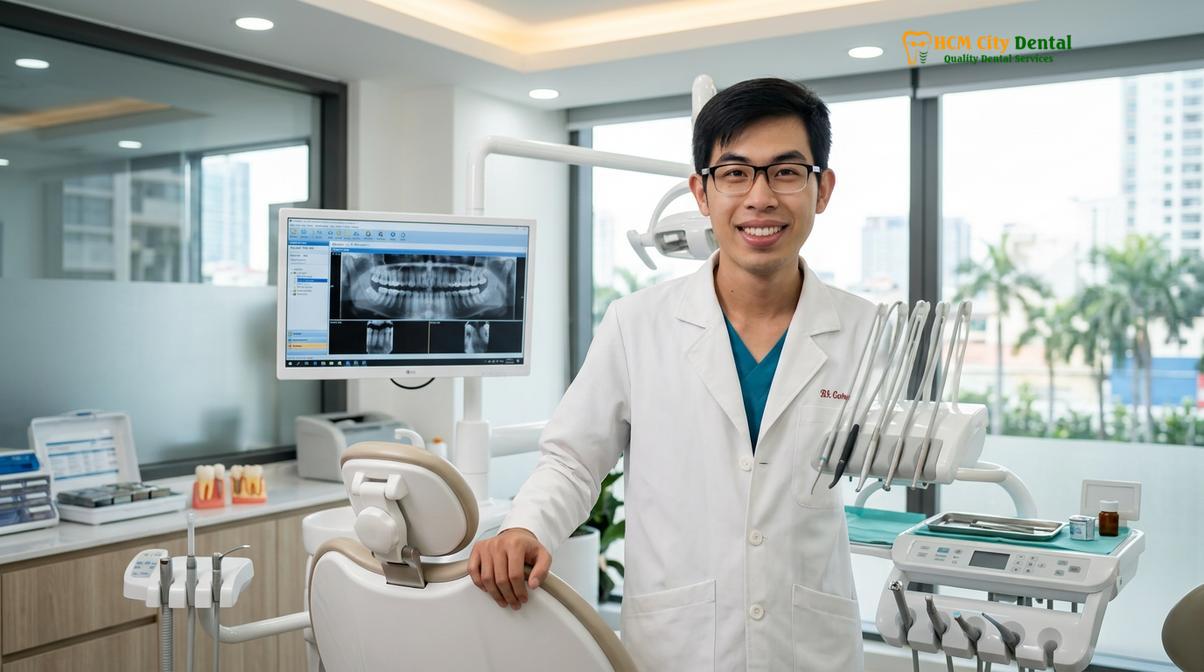
“A child’s oral health is deeply interconnected with their overall systemic health and facial development. Utilizing your dental insurance for early diagnostic screenings allows us to intercept issues like airway obstruction and malocclusion before they require complex surgical or orthodontic correction.”
If you are an expat or local resident in Ho Chi Minh City looking to maximize your child’s dental benefits, our team at HCMC Dental Clinic is ready to assist. Contact us via WhatsApp today to schedule a comprehensive pediatric assessment and take advantage of our 40% booking discount.
Frequently Asked Questions
Does international school insurance cover routine cleanings?
Yes, most international school insurance policies cover 100% of routine pediatric cleanings and bi-annual exams. Preventive care is highly prioritized by insurers to prevent early childhood caries. We recommend checking your specific policy limits regarding the frequency of allowed fluoride varnishes and fissure sealants per policy year.
How do I claim reimbursement for pediatric root canals in Vietnam?
To claim reimbursement for a pediatric root canal (pulpotomy), you must submit a detailed clinical dossier including pre-operative X-rays, a diagnostic report, and an itemized receipt. Our administrative team provides all necessary medical documentation in English, ensuring your insurer has the clinical justification required to process your claim efficiently.
Which direct billing dental insurance do you accept for children?
We accept a wide range of direct billing dental insurance networks for children, including Allianz, Cigna, Bupa, and Aetna. If your child’s policy includes a direct billing network, we can process the claim directly with the insurer, minimizing or eliminating your out-of-pocket expenses for eligible pediatric treatments.
Are space maintainers covered by standard expat dental plans?
Space maintainers are typically classified under major restorative or early orthodontic coverage, which is often covered at 50% to 80% by comprehensive expat dental plans. Because they prevent severe orthodontic crowding after premature baby tooth loss, insurers frequently require a pre-authorization request accompanied by panoramic X-rays before approving the treatment.
Can I use my insurance for interceptive orthodontics?
Coverage for interceptive orthodontics depends entirely on whether your policy includes an orthodontic rider. If included, early interventions like palatal expanders or myofunctional therapy may be partially covered. We assist families by submitting detailed cephalometric analyses and clinical narratives to demonstrate the medical necessity of early airway and jaw development interventions.
References
- American Academy of Pediatric Dentistry. Clinical Guidelines on Pediatric Restorative Dentistry. (2022).
- International Journal of Paediatric Dentistry. Efficacy of Silver Diamine Fluoride in Caries Arrest. (2021).
- Journal of Clinical Pediatric Dentistry. Behavior Management Techniques: Tell-Show-Do Efficacy. (2020).
- World Health Organization. Early Childhood Caries: Prevention and Management. (2019).
- Journal of the American Dental Association. Interceptive Orthodontics and Pediatric Airway Assessment. (2023).