Preventing childhood cavities requires a proactive combination of twice-daily fluoride brushing, minimizing sugar exposure frequency, and establishing a dental home by age one. Early clinical interventions, such as fissure sealants and fluoride varnishes, effectively halt enamel demineralization and protect primary teeth from decay.
Clinical Summary:
Early childhood caries is a highly prevalent but largely preventable bacterial infection driven by frequent carbohydrate consumption and inadequate oral hygiene. Effective prevention relies on understanding the oral microbiome, managing the frequency of acid attacks, and utilizing remineralizing agents like fluoride and xylitol. In a clinical setting, pediatric dentistry focuses on behavioral desensitization (Tell-Show-Do), non-invasive cavity arrest (Silver Diamine Fluoride), and early interceptive orthodontics to ensure optimal craniofacial development. Establishing routine dental visits early allows for timely application of fissure sealants and continuous monitoring of the child’s airway and bite alignment.
Key Takeaways:
- Cavities are caused by bacteria (Streptococcus mutans) metabolizing sugars into enamel-destroying acids.
- The frequency of snacking is clinically more damaging to teeth than the total volume of sugar consumed.
- Xylitol is a proven, natural sugar substitute that actively starves cavity-causing bacteria.
- Modern pediatric treatments prioritize painless techniques like Silver Diamine Fluoride (SDF) and fluoride-releasing glass ionomer fillings.
- Early orthodontic evaluations assess jaw growth, airway health, and harmful habits like mouth breathing.
The Role of Streptococcus Mutans
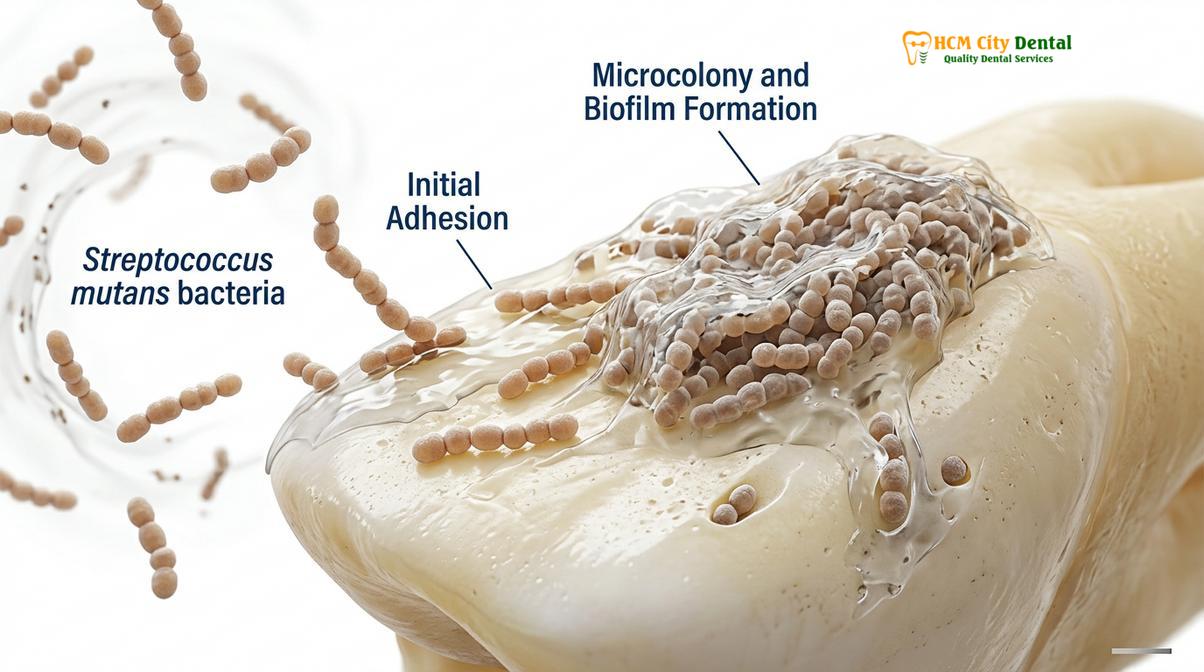
Streptococcus mutans is the primary cariogenic bacterium responsible for early childhood caries, metabolizing dietary sugars into lactic acid that destroys tooth enamel.
Tooth decay is not merely a consequence of eating sweets; it is fundamentally an infectious, transmissible bacterial disease. The primary culprit behind this infection is Streptococcus mutans, a highly resilient strain of bacteria that thrives in the human mouth. When a child is born, their oral cavity is generally free of these specific cariogenic bacteria. However, the delicate toddler oral microbiome is rapidly colonized during the first few years of life, most commonly through vertical transmission from primary caregivers.
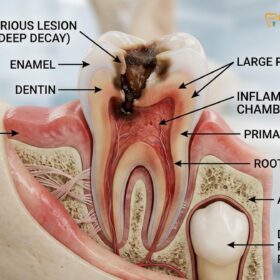
This transmission occurs through seemingly harmless daily activities, such as sharing eating utensils, testing the temperature of a baby’s food with the parent’s mouth, or cleaning a dropped pacifier with parental saliva. Once Streptococcus mutans establishes itself in the child’s mouth, it begins to form a sticky, colorless biofilm known as dental plaque. This plaque adheres tightly to the smooth surfaces and deep grooves of primary teeth. When the child consumes fermentable carbohydrates—ranging from candy and juice to crackers and bread—these bacteria rapidly metabolize the sugars, producing lactic acid as a highly corrosive byproduct[1].
The earlier a child is colonized by these bacteria, the higher their lifetime risk for developing severe dental caries. Therefore, preventing childhood cavities requires a dual approach: minimizing the bacterial load in the parents’ mouths through good oral hygiene and strictly limiting the child’s exposure to fermentable carbohydrates that fuel bacterial acid production.
Acid Attacks & pH Recovery Timelines
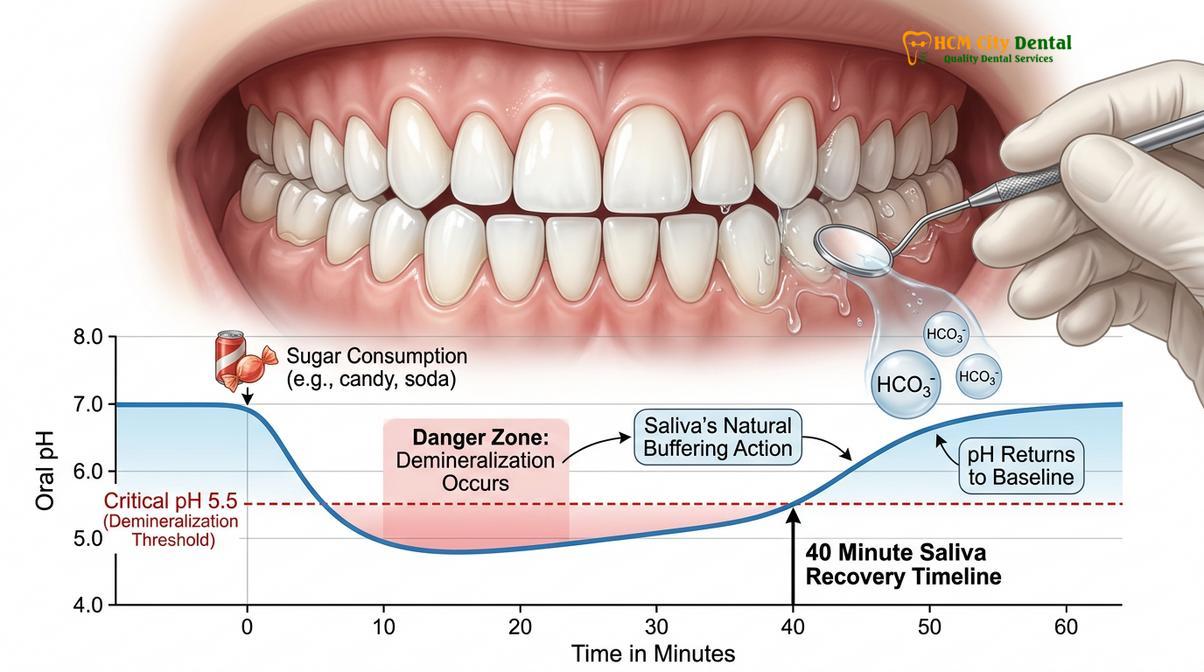
Every sugar exposure drops the mouth’s pH below the critical 5.5 threshold, initiating an acid attack that takes saliva 20 to 40 minutes to neutralize.
To understand how cavities form, it is essential to understand the biochemical dynamics of the mouth, often illustrated in dentistry by the Stephan Curve. The resting pH of a healthy human mouth is roughly neutral, hovering around 7.0. However, within minutes of consuming carbohydrates, the bacteria in dental plaque produce acid, causing the oral pH to plummet rapidly. When the pH drops below the critical threshold of 5.5, the environment becomes acidic enough to dissolve the hydroxyapatite crystals that make up tooth enamel. This process is known as demineralization.
This phenomenon highlights the critical concept of sugar frequency enamel demineralisation. Every single time a child takes a bite of a cracker or a sip of juice, an “acid attack” begins. The body’s natural defense mechanism against this attack is saliva. Saliva acts as a powerful buffer, washing away food particles, neutralizing the acid, and delivering essential minerals like calcium, phosphate, and fluoride back into the enamel (remineralization).
“Saliva is the primary biological defense against dental caries. However, its buffering capacity is time-dependent; it typically requires 20 to 40 minutes of a sugar-free environment to neutralize oral acids and elevate the pH back to safe resting levels.”
If a child is constantly snacking or sipping on sugary drinks throughout the day, their saliva never gets the 40-minute window required to restore a neutral pH. The mouth remains in a chronic state of acidity, leading to continuous demineralization. Over time, the enamel structure collapses, resulting in a physical hole in the tooth—a cavity[2].
Sugar Frequency vs. Sugar Amount
The number of times a child consumes sugar throughout the day dictates cavity risk far more than the total volume of sugar eaten in a single sitting.
One of the most common misconceptions among parents is that the total amount of sugar a child eats is the primary cause of tooth decay. In clinical pediatric dentistry, we emphasize that the frequency of sugar consumption is vastly more destructive than the volume. This distinction is crucial for effective dietary management and cavity prevention.
Consider two scenarios. In the first scenario, a child eats a large slice of chocolate cake immediately after dinner and then drinks a glass of water. This single exposure causes one acid attack, which the saliva neutralizes over the next 40 minutes. In the second scenario, a child is given a sippy cup filled with diluted apple juice and takes a small sip every 15 minutes over a two-hour period. Even though the total amount of sugar in the diluted juice may be less than in the cake, the continuous sipping subjects the teeth to an unbroken, two-hour-long acid attack. The saliva is entirely overwhelmed and unable to initiate the remineralization process.
This prolonged exposure is the primary driver of Early Childhood Caries (ECC), historically referred to as “baby bottle tooth decay.” Allowing a child to sleep with a bottle of milk or juice is particularly hazardous because salivary flow naturally decreases during sleep, removing the mouth’s primary defense mechanism. To protect primary teeth, parents should consolidate treats into single mealtime events rather than allowing grazing throughout the day[3].
Designing a Tooth-Friendly Child Diet
A tooth-friendly diet prioritizes calcium-rich dairy, fibrous vegetables, and water while strictly limiting sticky carbohydrates and frequent sugary snacks that fuel bacterial acid production.
Nutrition plays a foundational role in pediatric oral health. While it is unrealistic to eliminate all carbohydrates from a child’s diet, strategic food choices can significantly alter the oral environment and reduce caries risk. A tooth-friendly diet focuses on foods that stimulate saliva production, provide remineralizing nutrients, and clear easily from the oral cavity.
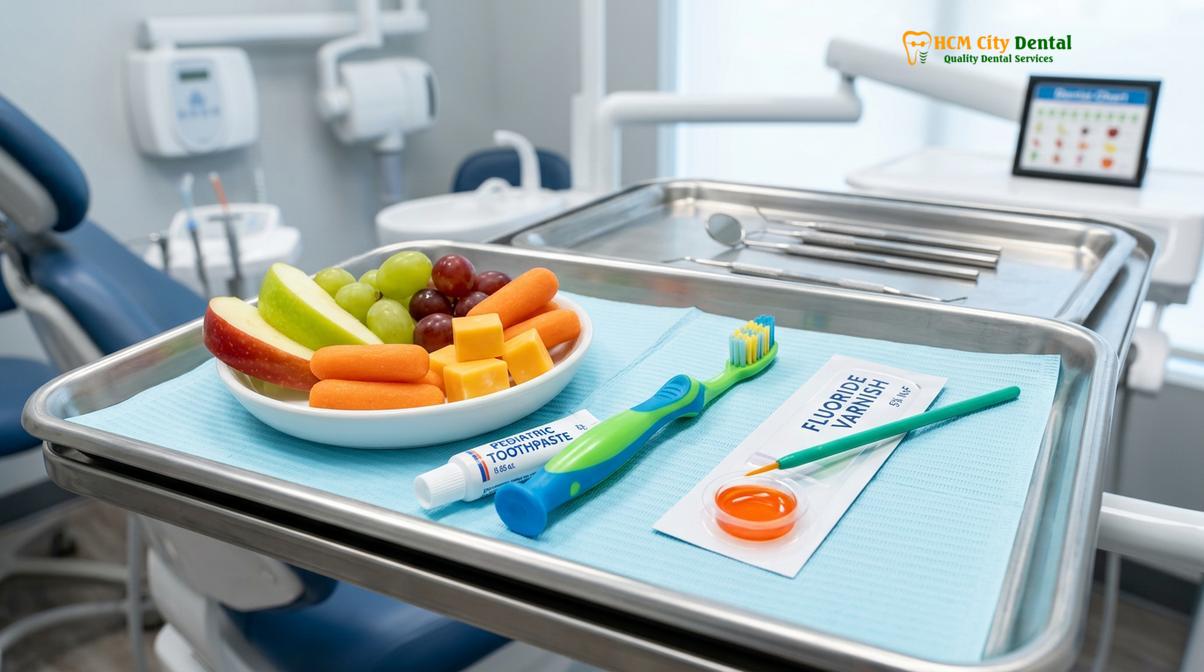
Fibrous fruits and vegetables, such as apples, carrots, and celery, act as natural toothbrushes. Their crisp texture stimulates heavy salivary flow, which helps wash away food debris. Dairy products, particularly cheese and plain yogurt, are highly recommended snacks. Cheese contains casein, a protein that helps fortify the enamel surface, and is rich in calcium and phosphorus, which actively aid in remineralization. Furthermore, eating a piece of cheese after a carbohydrate-rich meal can rapidly neutralize oral acids.
Conversely, parents must be vigilant about highly processed, fermentable carbohydrates. While candy is an obvious culprit, starchy snacks like potato chips, pretzels, and crackers are often more dangerous. These foods break down into simple sugars in the mouth and become sticky, lodging deep within the fissures of the molars where a toothbrush struggles to reach.
| Food Category | Tooth-Friendly Options (Encourage) | Cariogenic Options (Limit/Avoid) |
|---|---|---|
| Beverages | Fluoridated water, plain milk | Fruit juices, sodas, sports drinks, sweet tea |
| Snacks | Cheese sticks, plain yogurt, nuts, seeds | Sticky fruit snacks, gummies, crackers, chips |
| Fruits/Veg | Crunchy apples, carrots, celery, cucumbers | Dried fruits (raisins, apricots), canned fruit in syrup |
Xylitol Benefits for Kids’ Teeth
Xylitol is a natural sugar alcohol that starves cavity-causing bacteria, reduces plaque adherence, and actively promotes enamel remineralization in developing primary teeth.
In the realm of preventive pediatric dentistry, xylitol is considered a highly effective, evidence-based intervention. Xylitol is a naturally occurring sugar alcohol found in various fruits and vegetables. Unlike regular sugar (sucrose), which feeds cariogenic bacteria, xylitol cannot be metabolized by Streptococcus mutans.
When bacteria ingest xylitol, they expend energy attempting to break it down but fail to produce lactic acid. This creates a “futile cycle” that ultimately starves the bacteria, reducing their overall numbers in the oral microbiome. Furthermore, regular exposure to xylitol alters the physical properties of dental plaque, making it less sticky and easier to brush away. For infants who do not yet have teeth or are just beginning to erupt their primary incisors, parents can use xylitol wipes babies to gently clean the gums and establish a healthy, low-caries oral environment before the molars even appear.
“Clinical studies demonstrate that maternal consumption of xylitol gum during the child’s first two years of life significantly reduces the vertical transmission of Streptococcus mutans, delaying bacterial colonization and drastically lowering the child’s future caries risk.”
For older toddlers and children, xylitol is available in toothpastes, oral rinses, and sugar-free mints. Incorporating xylitol into a child’s daily routine provides a passive yet powerful layer of protection against acid attacks[4].
Clinical Pediatric Dentistry Workflows at HCMC Dental Clinic
Modern pediatric dentistry utilizes behavioral management techniques, minimally invasive remineralization therapies, and biocompatible materials to ensure painless, effective cavity prevention and treatment.
When preventive measures at home are insufficient, professional clinical intervention becomes necessary. At Children & Pediatric Dentistry centers, the primary goal is to provide high-quality care while ensuring the child feels safe and comfortable. Dental anxiety is a significant barrier to care, which is why specialized behavioral management techniques are paramount.
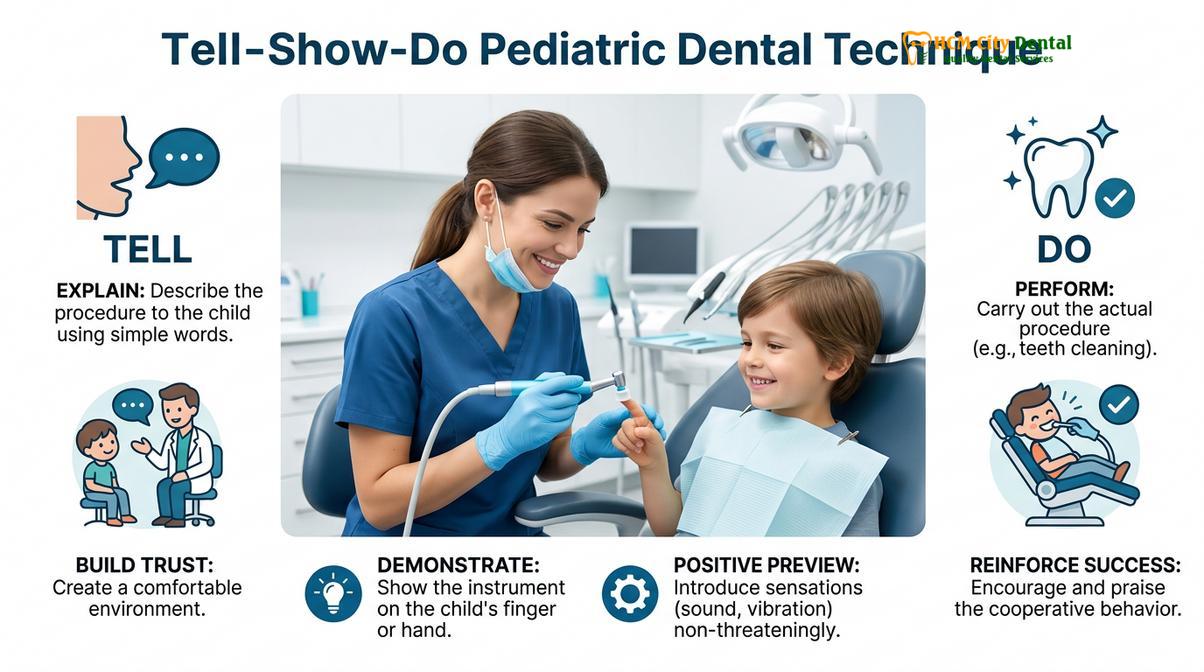
Behavioral Management: The Tell-Show-Do Technique
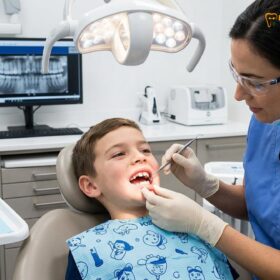
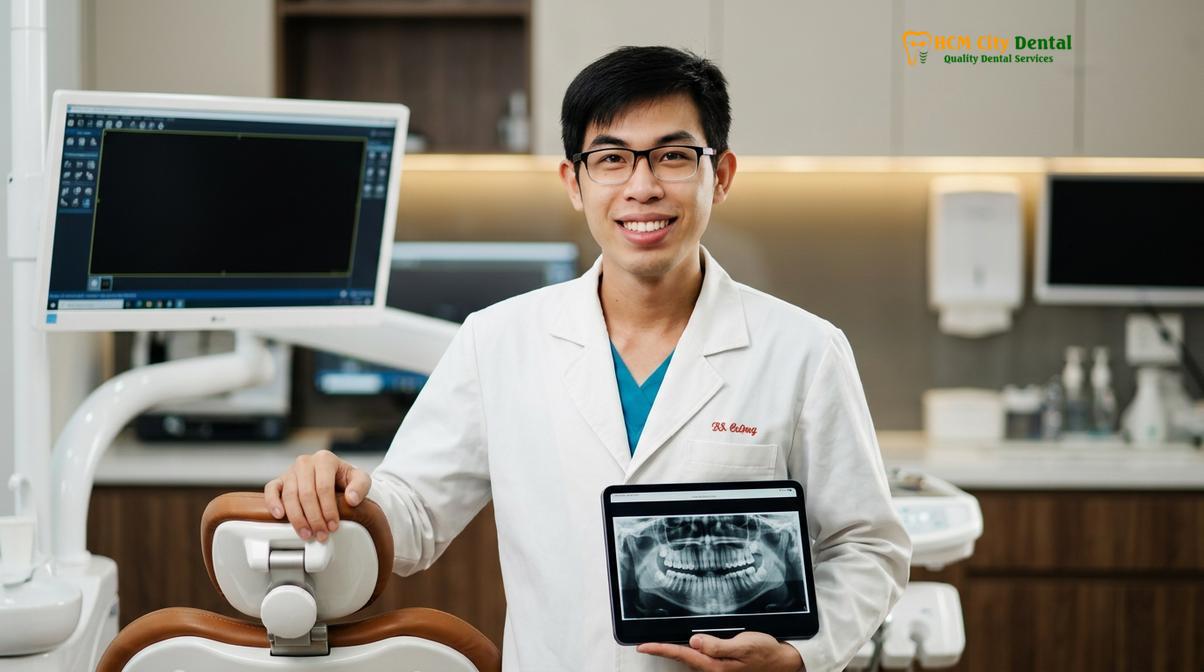
Dr. Nguyen Van Cuong and the pediatric team at HCMC Dental Clinic in Ho Chi Minh City heavily utilize the “Tell-Show-Do” behavioral management protocol. This psychological approach desensitizes children to the dental environment by removing the fear of the unknown. First, the dentist Tells the child about the procedure using non-threatening, child-friendly terminology (e.g., calling the suction a “water vacuum” or the local anesthetic “sleepy juice”). Next, the dentist Shows the instrument, often demonstrating how a polishing cup spins on the child’s fingernail. Finally, once the child is relaxed and gives permission, the dentist Does the procedure. This is coupled with a “stop on request” rule, where the child can raise their hand to pause the treatment instantly, giving them a crucial sense of control.
Minimally Invasive Treatments: SDF and GIC
When cavities do occur in primary teeth, modern dentistry offers alternatives to traditional drilling. Silver Diamine Fluoride (SDF) is a revolutionary liquid treatment that is simply brushed onto an active cavity. The silver acts as a potent antimicrobial agent, killing the bacteria, while the fluoride remineralizes and hardens the softened dentin. SDF halts decay instantly without injections or drills, though parents must be informed that it leaves a permanent, localized black stain on the decayed portion of the tooth.
For restorative fillings, pediatric dentists often prioritize Glass Ionomer Cement (GIC) over traditional composite resins for baby teeth. GIC chemically bonds to the tooth structure and is highly moisture-tolerant, making it ideal for young children who struggle to keep their mouths perfectly dry. More importantly, GIC acts as a fluoride reservoir; it continuously releases fluoride into the surrounding enamel and can be “recharged” when the child uses fluoride toothpaste, providing long-term protection against recurrent decay.
Clinical Case Review: A 4-year-old patient presented to HCMC Dental Clinic in Ho Chi Minh City with early decay on two primary molars. Due to mild dental anxiety, Dr. Nguyen Van Cuong opted for a non-invasive approach. The cavities were treated painlessly with Silver Diamine Fluoride (SDF) to arrest the decay immediately. Two weeks later, once the child was comfortable with the clinic environment via Tell-Show-Do, the stained areas were covered with fluoride-releasing Glass Ionomer (GIC) fillings to restore aesthetics and function without the need for local anesthesia.
Pediatric Dental Pricing Structure
Understanding the cost of pediatric dental care helps parents plan for essential preventive treatments. According to the latest clinic fee schedule, the estimated costs are as follows:
- Kids Consultation & Diagnostic check-up: 300,000 to 500,000 VND (~$12 to $20 USD) (Walk-in: 500,000 to 800,000 VND).
- Fissure Sealant (per tooth): 400,000 to 600,000 VND (~$16 to $24 USD) (Walk-in: 700,000 to 1,000,000 VND).
- Fluoride Varnish Application: 300,000 to 500,000 VND (~$12 to $20 USD) (Walk-in: 500,000 to 800,000 VND).
- Pediatric Composite Filling (per tooth): 500,000 to 800,000 VND (~$20 to $32 USD) (Walk-in: 800,000 to 1,300,000 VND).
- Pediatric Glass Ionomer Filling (GIC, per tooth): 400,000 to 600,000 VND (~$16 to $24 USD) (Walk-in: 700,000 to 1,000,000 VND).
- Baby Root Canal (Pulpotomy, per tooth): 1,000,000 to 1,500,000 VND (~$40 to $60 USD) (Walk-in: 1,600,000 to 2,500,000 VND).
- Space Maintainer (fixed, band-and-loop, per unit): 2,000,000 to 3,000,000 VND (~$80 to $120 USD) (Walk-in: 3,300,000 to 5,000,000 VND).
- Custom Pediatric Sports Mouthguard: 1,500,000 to 2,500,000 VND (~$60 to $100 USD) (Walk-in: 2,500,000 to 3,500,000 VND).
Note: Patients booking their appointments via WhatsApp receive a -40% discount on standard walk-in rates. For more details on preventive care, parents can review our guide on Kids Dental Cleaning & Fissure Sealants.
Interceptive Orthodontics & Airway Assessment
Early orthodontic evaluations identify jaw development issues, airway obstructions, and harmful oral habits, allowing for timely interventions that guide proper facial growth.
Pediatric dentistry extends far beyond cavity prevention; it encompasses the holistic development of the child’s craniofacial structures. During routine check-ups, specialists conduct comprehensive airway and orthodontic assessments. The goal is to identify structural anomalies early, utilizing Pediatric Interceptive Orthodontics to guide jaw growth rather than waiting for severe crowding to occur in adolescence.
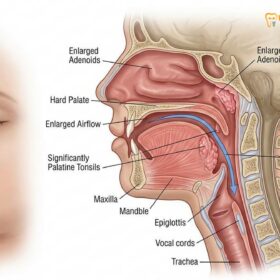
One of the most critical evaluations involves the child’s airway. Chronic mouth breathing, often caused by enlarged adenoids, tonsils, or severe allergies, forces the tongue to rest low in the mouth rather than against the palate. Without the tongue’s outward pressure, the upper jaw (maxilla) develops narrowly, leading to a high-vaulted palate, crossbites, and a characteristic long-face syndrome known as “adenoid facies.” Furthermore, restricted airways can lead to Pediatric Sleep Apnea, which severely impacts a child’s sleep quality, cognitive development, and behavioral health.
Dr. Cuong emphasizes that early intervention is key. If a child exhibits a severe tongue-tie (ankyloglossia) that restricts tongue mobility, a painless diode laser frenectomy can release the tissue, instantly improving speech, swallowing, and natural palatal expansion. If a primary tooth is lost prematurely due to decay, a fixed space maintainer (such as a band-and-loop) is cemented into place to prevent adjacent teeth from drifting and blocking the eruption path of the permanent tooth.
For children exhibiting early signs of severe crowding or jaw discrepancies, evaluating the Best Age for Kids First Orthodontic Evaluation is usually around age 7. Depending on the diagnosis, the dentist may recommend Phase 1 vs Phase 2 Braces Children to expand the arches and correct the bite early. Families relocating to Vietnam can easily access comprehensive Braces for Expat Children in Ho Chi Minh City to ensure continuity of their child’s orthodontic care[5].
When to See a Pediatric Dentist
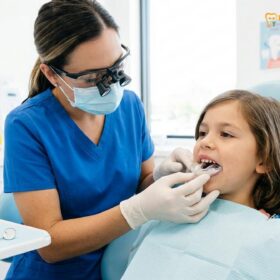
The American Academy of Pediatric Dentistry recommends that a child establish a dental home by their first birthday or within six months of the eruption of their first tooth. These early visits are less about intensive clinical treatment and more about parental education, caries risk assessment, and acclimatizing the child to the dental environment to prevent early childhood caries.
Important Clinical Considerations: Parents should schedule an immediate pediatric dental evaluation if they notice any of the following signs:
- Chalky white spots on the teeth near the gumline (the earliest sign of enamel demineralization).
- Brown or black discoloration in the grooves of the molars or between the front teeth.
- The child complaining of pain when eating sweet, hot, or cold foods.
- Visible swelling of the gums or face, which may indicate a severe dental abscess requiring urgent care.
Regular six-month check-ups allow the dentist to apply professional fluoride varnishes, place protective fissure sealants on newly erupted permanent molars, and monitor the shedding of baby teeth. Proactive care ensures that minor issues are addressed with minimally invasive techniques before they escalate into painful infections requiring complex pulp therapy or extractions.
Frequently Asked Questions
How does sugar cause cavities in children’s teeth?
Sugar causes cavities by feeding cariogenic bacteria in the mouth, which then produce lactic acid as a byproduct. This acid lowers the oral pH, stripping essential minerals from the tooth enamel in a process called demineralization, eventually leading to structural decay. If the acid attacks are frequent, the saliva cannot neutralize the environment fast enough, resulting in a cavity.
Is xylitol safe for toddlers and babies?
Yes, xylitol is generally considered safe and highly effective for toddlers and babies when used in appropriate dental amounts. It helps neutralize oral acids and starves cavity-causing bacteria, making it a valuable tool in early pediatric oral hygiene routines. It can be introduced via xylitol-infused tooth wipes for infants or specialized pediatric toothpastes.
How do I prevent cavities in my toddler’s mouth?
Prevent cavities in your toddler by brushing twice daily with a rice-sized smear of fluoride toothpaste, limiting sugary snacks between meals, avoiding nighttime milk bottles, and scheduling routine pediatric dental check-ups starting by their first birthday. Emphasize a diet rich in fibrous vegetables and dairy, and offer only water between meals.
What is Silver Diamine Fluoride (SDF) and does it hurt?
Silver Diamine Fluoride (SDF) is a painless, non-invasive liquid treatment brushed onto active cavities to halt decay instantly. While it is highly effective and requires no drilling, parents should note that it leaves a permanent black stain exclusively on the decayed portion of the tooth. It is an excellent option for young or anxious children who cannot tolerate traditional fillings.
Why are baby teeth important if they just fall out anyway?
Baby teeth are crucial because they hold space for permanent teeth, guide proper jaw development, and enable normal speech and chewing. Premature loss of primary teeth due to decay often leads to severe orthodontic crowding and complex developmental issues later in life. Furthermore, untreated infections in baby teeth can damage the developing permanent teeth underneath.
References
- American Academy of Pediatric Dentistry. Core guidelines on pediatric oral health and caries risk assessment. (2022).
- Journal of Dental Research. The Stephan Curve and enamel demineralization dynamics in primary dentition. (2020).
- International Journal of Paediatric Dentistry. Dietary sugar frequency versus volume in early childhood caries. (2021).
- Pediatric Dentistry. Efficacy of xylitol in preventing maternal transmission of Streptococcus mutans. (2019).
- Journal of the American Dental Association. Early interceptive orthodontics and pediatric airway assessment. (2023).