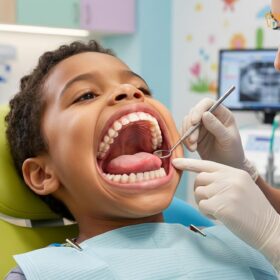
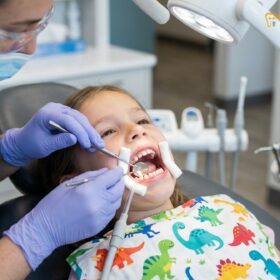
When comparing fissure sealant vs fluoride varnish, sealants provide a physical resin or glass ionomer barrier to block bacteria from deep molar grooves, while fluoride varnish delivers a chemical treatment that remineralizes and strengthens the smooth enamel surfaces of all teeth against early childhood caries.
Clinical Summary:
In the landscape of pediatric dentistry, understanding the distinction between fissure sealants and fluoride varnish is critical for developing effective cavity prevention methods. Fissure sealants are protective coatings applied specifically to the chewing surfaces of posterior teeth, effectively sealing off deep pits and fissures where toothbrush bristles cannot reach. Conversely, fluoride varnish is a highly concentrated topical mineral application painted across the entire dentition to enhance enamel remineralization and resist acid attacks. Clinical evidence suggests that these two modalities are not mutually exclusive but rather highly synergistic. A comprehensive pediatric preventive strategy often utilizes both: sealants to physically protect vulnerable molar anatomy and fluoride to chemically fortify smooth surfaces. Treatment selection depends on the child’s caries risk assessment, dental anatomy, and developmental stage.
Key Takeaways:
- Distinct Mechanisms: Sealants act as a physical barrier in deep grooves, whereas fluoride varnish acts as a chemical strengthener for overall enamel.
- Application Sites: Sealants are strictly for the occlusal (chewing) surfaces of premolars and molars; fluoride is applied to all tooth surfaces.
- Synergistic Protection: Combining both treatments offers the highest clinical success rate in preventing early childhood caries.
- Material Choices: Glass ionomer sealants provide moisture tolerance and continuous fluoride release, ideal for partially erupted teeth.
- Behavioral Approach: Techniques like Tell-Show-Do ensure these non-invasive preventive procedures remain completely stress-free for children.
Mechanism of Dental Sealants
Dental sealants act as a physical protective shield, filling the vulnerable pits and fissures of chewing surfaces to prevent food impaction and bacterial colonization in areas inaccessible to normal brushing.
The anatomical structure of posterior teeth—specifically the premolars and molars—features complex networks of developmental pits and fissures. These microscopic valleys are often narrower than a single toothbrush bristle, making them highly susceptible to plaque accumulation and subsequent decay[1]. Dental sealants are designed to flow into these microscopic crevices, micromechanically bonding to the enamel to create a smooth, easily cleanable surface. This physical barrier effectively starves any trapped bacteria of the fermentable carbohydrates they require to produce enamel-destroying acids.
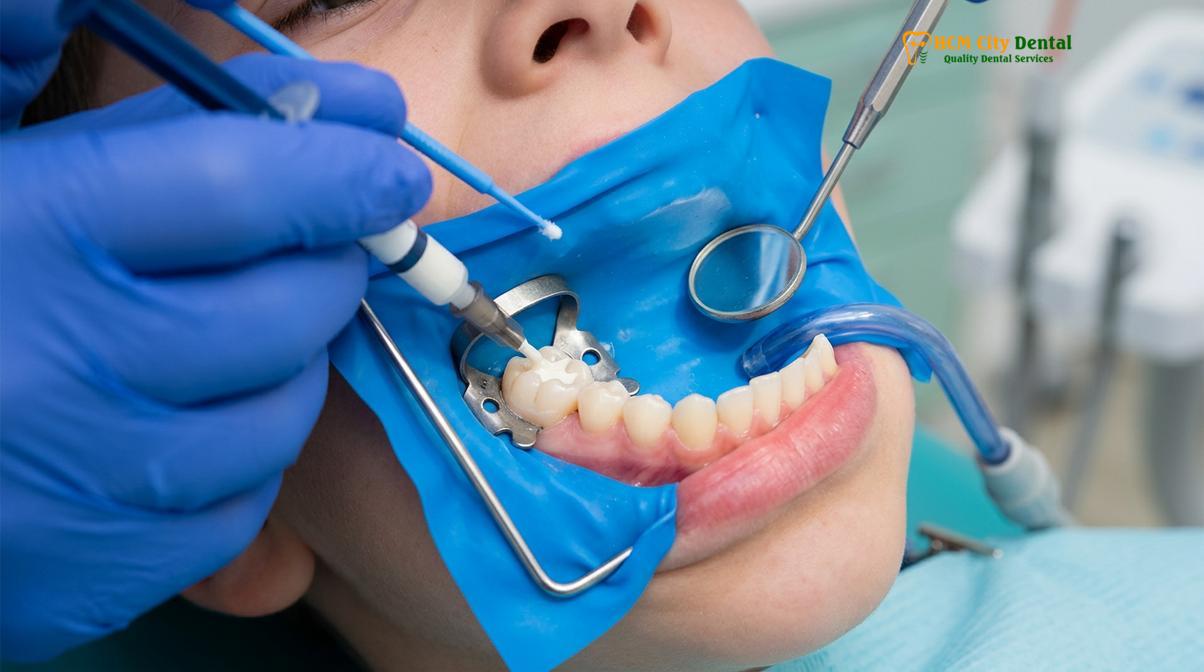
When discussing materials, pediatric dentists primarily choose between resin-based sealants and glass ionomer sealants. Resin-based sealants offer superior durability and retention rates on fully erupted teeth where absolute moisture control can be achieved. However, in pediatric dentistry, achieving a perfectly dry field is often challenging due to a child’s limited cooperation or the presence of partially erupted teeth with overlapping gingival tissue. In these scenarios, glass ionomer sealants (GIC) are highly advantageous. GIC is hydrophilic (moisture-tolerant) and chemically bonds to the tooth structure. Furthermore, GIC acts as a fluoride reservoir, continuously releasing fluoride into the adjacent enamel and possessing the unique ability to “recharge” its fluoride content from daily toothpaste use.
Dr. Nguyen Van Cuong emphasizes the choice of biocompatible filling materials and preventive coatings, noting that protecting child six year molars immediately upon eruption is one of the most critical steps in lifelong dental preservation. The first permanent molars erupt behind the primary teeth without replacing any baby teeth, often going unnoticed by parents until decay has already established a foothold. Applying a sealant to these teeth provides a crucial window of protection during a child’s most cavity-prone years.
The clinical workflow for sealant application is entirely non-invasive and requires no local anesthesia. The tooth is first isolated and thoroughly cleaned. An acidic conditioning gel is applied briefly to create microscopic pores in the enamel, enhancing the mechanical retention of the sealant. After rinsing and drying, the liquid sealant is painted into the grooves and hardened instantly using a specialized dental curing light. The result is a durable, protective layer that integrates seamlessly with the natural tooth anatomy.
Mechanism of Fluoride Varnish
Fluoride varnish is a highly concentrated topical mineral treatment painted onto tooth surfaces to remineralize weakened enamel, reverse microscopic decay, and increase resistance to bacterial acid attacks.
While sealants provide localized physical protection, fluoride varnish offers comprehensive chemical protection across the entire dentition. The primary mechanism of action involves the interaction between the fluoride ions in the varnish and the hydroxyapatite crystals that make up tooth enamel. When exposed to fluoride, the enamel structure incorporates the ions to form fluoroapatite, a compound that is significantly more resistant to the acidic byproducts of oral bacteria[2]. This process not only prevents new cavities from forming but can also arrest and reverse early-stage demineralization (white spot lesions) before they cavitate into actual holes.
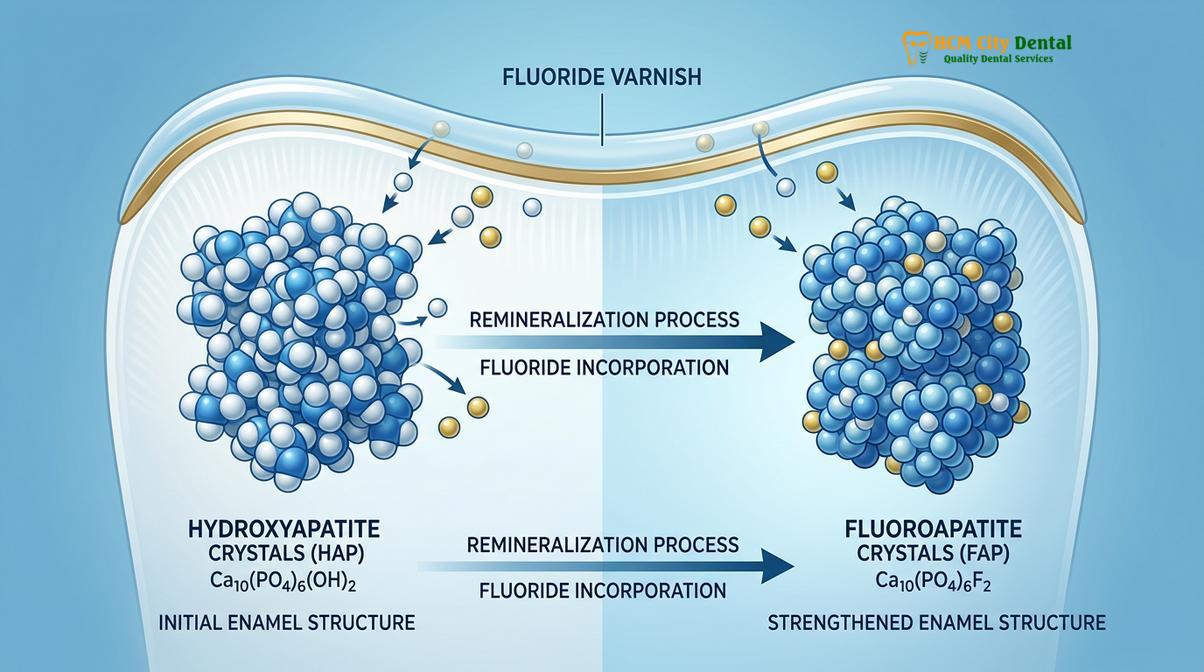
Topical fluoride safety is a common concern among parents, but clinical guidelines strongly support its use. Fluoride varnish is formulated with a resin base that adheres rapidly to the teeth upon contact with saliva. This rapid setting time minimizes the amount of fluoride swallowed, making it exceptionally safe even for infants and toddlers. The varnish remains on the teeth for several hours, providing a sustained release of fluoride ions directly into the enamel matrix before it is naturally brushed away the following day.
“Topical fluoride varnish applications, performed two to four times annually, represent one of the most clinically effective and safest interventions for reducing the incidence of early childhood caries across all risk categories.”
In cases where active decay is already present but traditional drilling is not feasible due to the child’s age or anxiety, pediatric dentists may utilize Silver Diamine Fluoride (SDF). SDF is a revolutionary liquid treatment that combines the antibacterial properties of silver with the remineralizing power of fluoride. We offer non-invasive cavity arrest using SDF, which halts decay without drilling or pain, although it leaves a localized black stain on the decay area. This makes it an excellent interim treatment for primary teeth, buying time until the child is old enough to tolerate standard restorative procedures or until the baby tooth naturally exfoliates.
Key Differences: Molar Grooves vs. Smooth Surfaces
The primary difference lies in their application site and function: sealants physically block deep occlusal grooves on posterior teeth, whereas fluoride chemically fortifies smooth enamel across the entire mouth.
Understanding the distinction between these two preventive measures is essential for parents navigating Children & Pediatric Dentistry. While both aim to prevent decay, their clinical indications, application methods, and longevity differ significantly. Sealants are targeted interventions for specific anatomical vulnerabilities, whereas fluoride varnish is a broad-spectrum preventive measure.
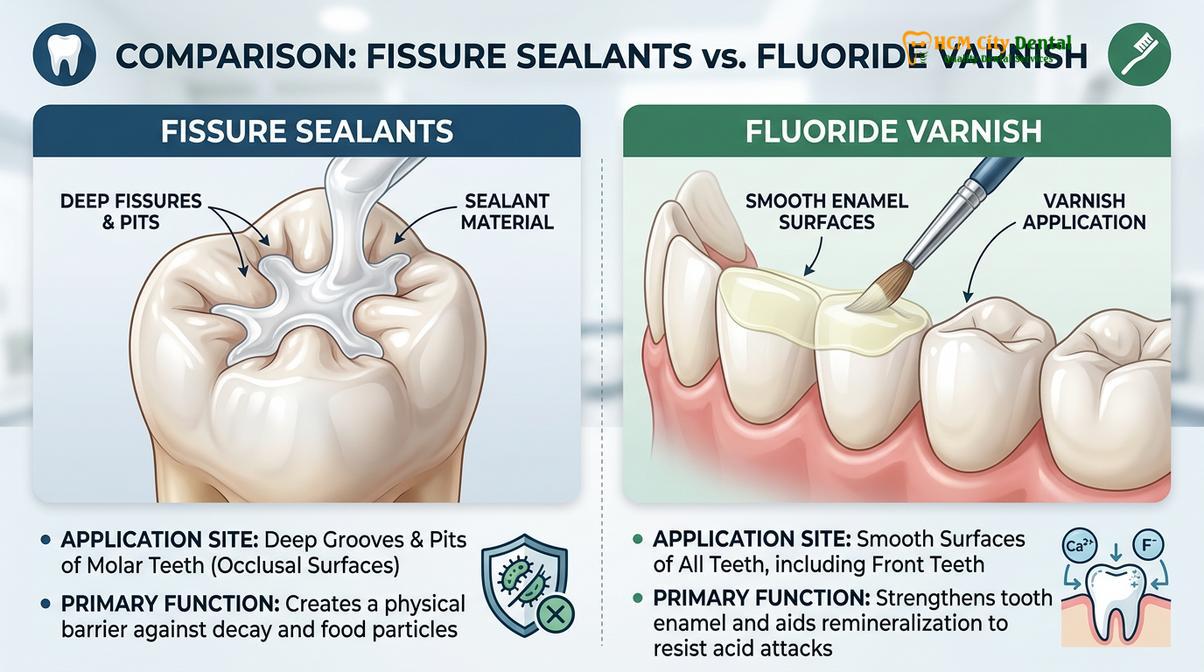
To clarify these distinctions, the following table outlines the comparative clinical parameters of fissure sealants and fluoride varnish:
| Clinical Parameter | Fissure Sealants | Fluoride Varnish |
|---|---|---|
| Primary Mechanism | Physical barrier blocking food and bacteria. | Chemical remineralization of enamel structure. |
| Target Application Area | Occlusal (chewing) surfaces of premolars and molars. | All smooth surfaces of both primary and permanent teeth. |
| Material Composition | Resin-based polymers or Glass Ionomer Cement (GIC). | 5% Sodium Fluoride in a natural resin carrier. |
| Clinical Longevity | Long-term (typically 3 to 5+ years with proper care). | Short-term topical effect (requires reapplication every 3-6 months). |
| Primary Indication | Deep, retentive pits and fissures at high risk of impaction. | Overall high caries risk, white spot lesions, generalized protection. |
The spatial difference is the most critical factor in treatment planning. A child with deep, highly retentive molar grooves but excellent overall oral hygiene may only require sealants. Conversely, a child with shallow molar anatomy but a high dietary sugar intake or poor brushing habits will benefit immensely from the generalized protection of fluoride varnish. In clinical practice, these risk factors frequently overlap, necessitating a combined approach.
Can They Be Combined?
Yes, combining fissure sealants and fluoride varnish offers a synergistic defense mechanism, providing both a physical barrier for vulnerable molars and chemical strengthening for all surrounding teeth.
Current pediatric dental protocols highly recommend the concurrent use of both fissure sealants and fluoride varnish for children assessed as moderate to high caries risk[3]. The rationale is straightforward: sealants protect the areas where fluoride is least effective (deep pits where physical impaction occurs), and fluoride protects the areas where sealants cannot be placed (smooth facial, lingual, and interproximal surfaces).
When applied during the same clinical visit, the workflow is carefully sequenced. The dentist will first clean the teeth, isolate the target molars, and apply the fissure sealants. Once the sealants are fully cured and the occlusion (bite) is verified, the fluoride varnish is painted over all remaining tooth surfaces, including over the newly placed sealants. This comprehensive approach ensures that no surface is left vulnerable to bacterial acid production.
Clinical Case Review: Comprehensive Preventive Care
Patient Profile: A 7-year-old patient visited HCMC Dental Clinic in Ho Chi Minh City presenting with newly erupted first permanent molars and early signs of enamel demineralization (white spot lesions) on the upper incisors.
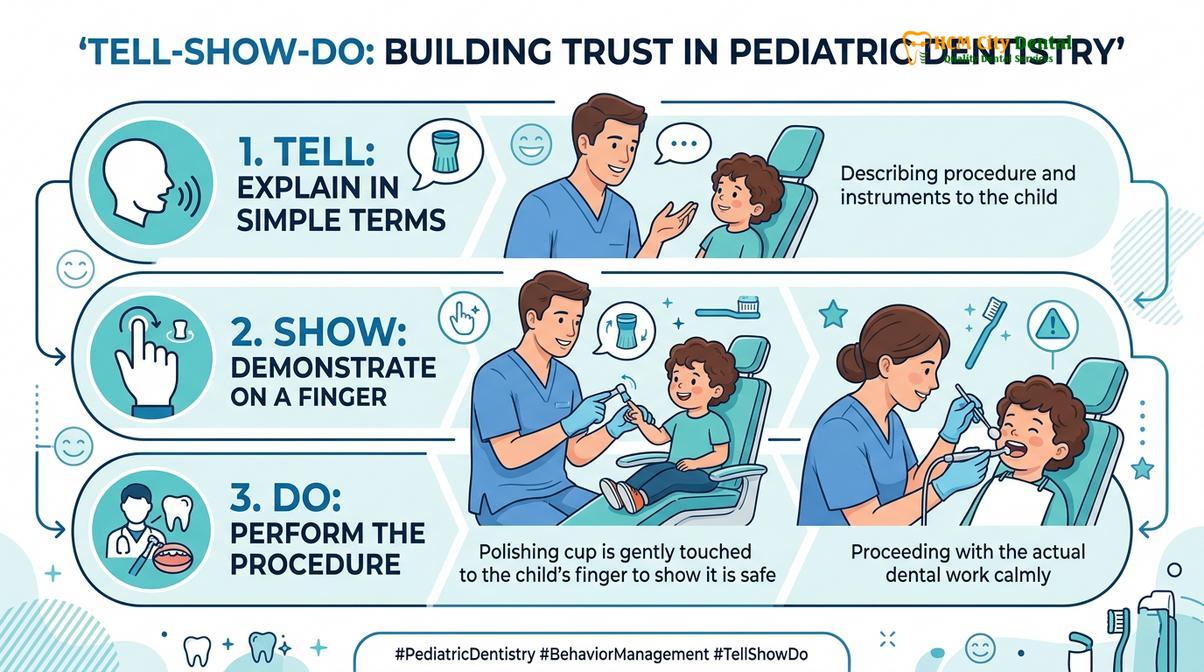
Clinical Intervention: The pediatric dental team utilized the Tell-Show-Do method to acclimatize the child to the operatory. Glass ionomer sealants were placed on all four first permanent molars to protect the deep, retentive grooves. Following the sealant placement, a 5% sodium fluoride varnish was applied to all teeth to arrest the white spot lesions and fortify the overall enamel.
Outcome: At the 6-month recall appointment, the sealants remained fully intact, and the white spot lesions on the incisors had successfully remineralized, demonstrating the high efficacy of combining physical and chemical preventive strategies.
This synergistic approach is particularly beneficial for children undergoing orthodontic treatment. Brackets and wires create numerous plaque traps, significantly increasing the risk of smooth-surface decay. Regular fluoride varnish applications, combined with sealants on the molars, provide a robust defense system during the orthodontic journey. For parents exploring Braces for Expat Children in Ho Chi Minh City | HCMC Dental, integrating these preventive measures is a standard part of the treatment protocol.
Clinical Recommendations by Age
Preventive dental strategies must adapt to a child’s developmental stage, focusing on primary tooth preservation, permanent molar eruption, and early orthodontic evaluation to ensure optimal oral health.
Pediatric dentistry is inherently dynamic, requiring treatment plans that evolve alongside the child’s growth and development. The timing of preventive interventions is just as critical as the interventions themselves. Respecting the baby tooth eruption and shedding timelines allows clinicians to maximize the protective benefits of sealants and fluoride.
Infants and Toddlers (Ages 0-3): The focus during this stage is on establishing a dental home and acclimatizing the child to the clinical environment. Fluoride varnish applications can begin as soon as the first primary tooth erupts. If early childhood caries are detected, Silver Diamine Fluoride (SDF) is an excellent non-invasive option to arrest decay without the need for local anesthesia or drilling.
Preschoolers (Ages 3-6): By age three, the primary dentition is usually complete. If the primary molars exhibit deep grooves, fissure sealants may be recommended to preserve these teeth until they naturally exfoliate between ages 10 and 12. Premature loss of primary molars can lead to severe orthodontic crowding. If a baby tooth is lost early, space maintainers (fixed, band-and-loop) are utilized to hold the space open for the developing permanent tooth.
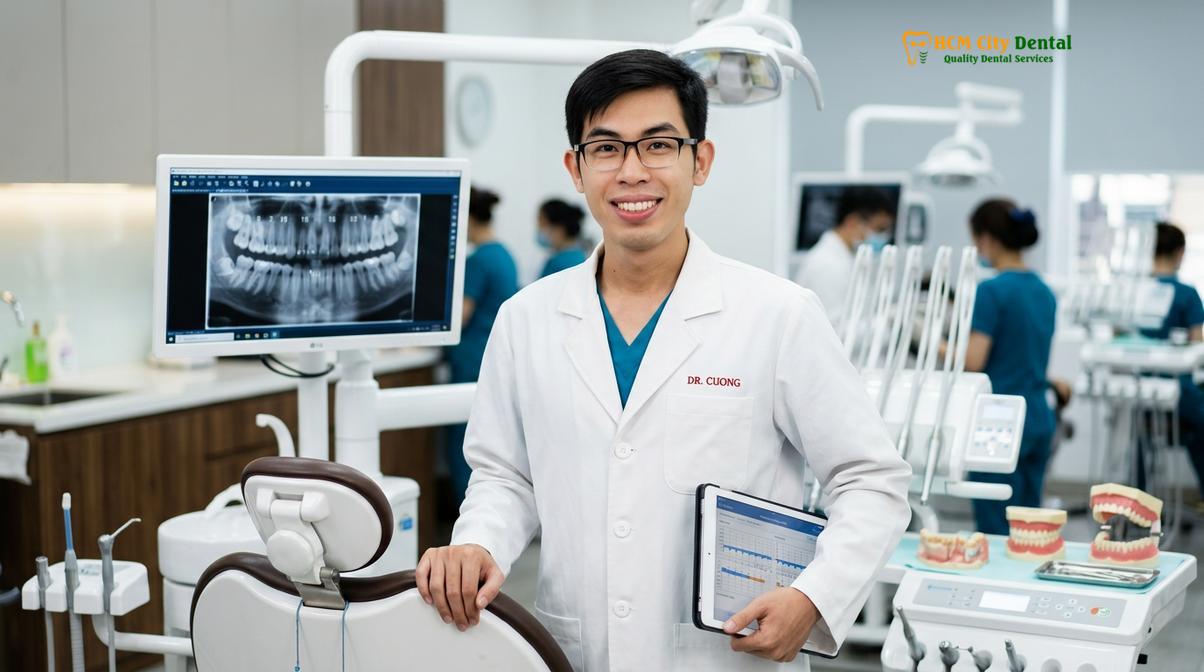
School-Aged Children (Ages 6-12): This is a critical period marked by the eruption of the first permanent molars (the “six-year molars”). These teeth should be sealed immediately upon full eruption. Furthermore, this age is ideal for evaluating jaw development. According to Dr. Cuong’s clinical perspective on pediatric airway diagnosis and early interceptive orthodontic evaluation, identifying issues like mouth breathing, thumb-sucking habits, or tongue-ties early can prevent complex skeletal discrepancies later in life. Mouth breathing, for instance, can lead to “adenoid facies” or long-face syndrome, and is closely linked to pediatric sleep apnea. Tongue-ties can be treated painlessly with diode laser frenectomies to restore proper tongue posture and swallowing mechanics.
“Early interceptive orthodontics and airway assessments during the mixed dentition phase allow clinicians to guide skeletal growth, rather than merely reacting to established malocclusions in adolescence.”
Throughout all these stages, managing pediatric behavior is paramount. We utilize the “Tell-Show-Do behavioral management” technique, where we walk children through procedures step-by-step[4]. We Tell them about the procedure using child-friendly language (e.g., “sleepy juice” for anesthesia, “tooth raincoat” for rubber dam, “water whistle” for ultrasonic). We Show them the instrument on their finger, such as the rotating cup or the air syringe. Finally, we Do the treatment only when the child is comfortable, utilizing a “stop on request” protocol where they simply raise their hand if they need a break. For more complex cases or highly anxious children, conscious sedation, nitrous oxide, or general anesthesia may be discussed as safe adjuncts to ensure treatment is completed without psychological trauma.
Parents seeking comprehensive guidance on these developmental milestones can refer to our detailed resources on the Best Age for Kids First Orthodontic Evaluation | HCMC Dental and the differences between Phase 1 vs Phase 2 Braces Children: Clinical Guide | HCMC Dental.
Pediatric Dental Pricing and Treatment Workflows
Transparent pricing and structured behavioral management ensure that pediatric dental visits are both stress-free for the child and financially predictable for the parents.
At HCMC Dental Clinic, we believe in providing clear, upfront pricing for all pediatric procedures. Our clinical workflows are designed to maximize efficiency while prioritizing patient comfort. When evaluating the cost-effectiveness of preventive treatments like fissure sealants and fluoride varnish, it is important to weigh them against the significantly higher costs and clinical complexity of treating advanced decay with pulpotomies or stainless steel crowns.
According to the latest clinic fee schedule, our Pricing Structure is as follows:
- Kids Consultation & Diagnostic check-up: 300,000 to 500,000 VND (~$12 to $20 USD) (Walk-in: 500,000 to 800,000 VND).
- Fissure Sealant (per tooth): 400,000 to 600,000 VND (~$16 to $24 USD) (Walk-in: 700,000 to 1,000,000 VND).
- Fluoride Varnish Application: 300,000 to 500,000 VND (~$12 to $20 USD) (Walk-in: 500,000 to 800,000 VND).
- Pediatric Composite Filling (per tooth): 500,000 to 800,000 VND (~$20 to $32 USD) (Walk-in: 800,000 to 1,300,000 VND).
- Pediatric Glass Ionomer Filling (GIC, fluoride-releasing, per tooth): 400,000 to 600,000 VND (~$16 to $24 USD) (Walk-in: 700,000 to 1,000,000 VND).
- Baby Root Canal (Pulpotomy, per tooth): 1,000,000 to 1,500,000 VND (~$40 to $60 USD) (Walk-in: 1,600,000 to 2,500,000 VND).
- Space Maintainer (fixed, band-and-loop, per unit): 2,000,000 to 3,000,000 VND (~$80 to $120 USD) (Walk-in: 3,300,000 to 5,000,000 VND).
- Custom Pediatric Sports Mouthguard: 1,500,000 to 2,500,000 VND (~$60 to $100 USD) (Walk-in: 2,500,000 to 3,500,000 VND).
We prioritize fluoride-releasing glass ionomer cement (GIC) for baby teeth due to its chemical bonding, moisture tolerance, and continuous fluoride release (fluoride recharge) which prevents recurrent decay[5]. Composite is used where higher strength and perfect aesthetics are needed. To make preventive care more accessible, we encourage parents to utilize our -40% WhatsApp booking discount, which significantly reduces the out-of-pocket expenses compared to walk-in rates.
When to See a Pediatric Dentist
Routine preventive care is the cornerstone of pediatric dentistry, but certain clinical signs warrant immediate professional evaluation. Parents should not wait for a scheduled check-up if they observe abnormalities in their child’s oral health or developmental patterns.
Important Clinical Considerations:
Schedule a pediatric dental consultation immediately if your child experiences any of the following:
- Visible white, brown, or black spots on the teeth, indicating active demineralization or decay.
- Complaints of tooth sensitivity when consuming hot, cold, or sweet foods and beverages.
- Signs of chronic mouth breathing, loud snoring, or restless sleep, which may indicate Pediatric Sleep Apnea: Clinical Signs, Diagnosis & Treatment Workflows.
- Premature loss of a baby tooth due to trauma or decay, necessitating evaluation for a space maintainer.
- Difficulty chewing, speech impediments, or a visible tongue-tie restricting normal oral function.
Early intervention is always more conservative, less invasive, and more cost-effective than delayed treatment. Whether you are seeking routine Kids Dental Cleaning & Fissure Sealants: Clinical Guide or complex Pediatric Interceptive Orthodontics Myofunctional | HCMC Dental, our team at HCMC Dental Clinic is equipped to provide compassionate, evidence-based care tailored to your child’s unique needs.
Frequently Asked Questions
Are dental sealants better than fluoride varnish?
Neither is universally better; they serve different purposes. Sealants physically block deep molar grooves from food impaction, while fluoride varnish chemically strengthens smooth enamel surfaces across all teeth. Dentists often recommend both for comprehensive pediatric cavity prevention.
Does my child need both sealants and fluoride?
Yes, combining both treatments provides optimal protection. Fluoride varnish fortifies the overall enamel structure against acid attacks, while fissure sealants provide a necessary physical barrier in deep occlusal pits where fluoride alone cannot prevent plaque accumulation.
How long do fissure sealants last on baby teeth?
Fissure sealants typically last between three to five years on baby teeth, depending on the child’s chewing habits and oral hygiene. Regular dental check-ups are required to monitor the sealant’s integrity and reapply if it chips or wears down.
Is Silver Diamine Fluoride an alternative to sealants?
Silver Diamine Fluoride (SDF) is not a direct alternative to preventive sealants; it is a non-invasive treatment used to arrest existing active decay. While sealants prevent cavities from forming, SDF stops active cavities from progressing without drilling.
How does the Tell-Show-Do method help during sealant application?
The Tell-Show-Do method reduces pediatric dental anxiety by explaining the procedure in child-friendly terms, demonstrating the tools on their hand, and proceeding only when they feel safe. This ensures a cooperative and stress-free environment during sealant or varnish application.
References
- American Academy of Pediatric Dentistry. Caries-risk assessment and management for infants, children, and adolescents. (2022).
- Cochrane Database of Systematic Reviews. Pit and fissure sealants versus fluoride varnishes for preventing dental decay in the permanent teeth of children and adolescents. (2020).
- Journal of the American Dental Association. Evidence-based clinical practice guideline on nonrestorative treatments for carious lesions. (2018).
- International Journal of Paediatric Dentistry. Behavioral management techniques in pediatric dentistry: A clinical review. (2021).
- Pediatric Dentistry. The efficacy of glass ionomer cement versus resin-based fissure sealants. (2019).