Is milk bad for your teeth? Clinically, no. Plain dairy milk is highly beneficial for dental health, providing essential calcium, phosphorus, and casein proteins that actively remineralize enamel. However, because milk contains natural lactose sugars, improper consumption habits—like drinking it overnight without brushing—can contribute to decay.
Clinical Summary:
From a general dentistry perspective, dairy milk acts as a protective agent against dental caries rather than a primary cause. Its unique food matrix, rich in bioavailable calcium, phosphate, and casein phosphopeptides, neutralizes oral acids and promotes continuous enamel remineralization. While lactose is a fermentable carbohydrate, it is the least cariogenic of all dietary sugars. The primary clinical risk arises from prolonged exposure, such as infants sleeping with milk bottles, which leads to Early Childhood Caries (ECC). Furthermore, modern plant-based milk alternatives often lack these intrinsic protective factors and may contain added sugars, making them potentially more cariogenic than traditional dairy when consumed frequently.
Key Takeaways:
- Dairy milk actively remineralizes tooth enamel through high concentrations of bioavailable calcium and phosphate.
- Casein proteins in milk form a protective film over teeth, preventing bacterial adhesion and acid erosion.
- Lactose is a natural sugar but possesses the lowest cariogenic potential compared to sucrose or fructose.
- Prolonged overnight exposure to milk without subsequent brushing can lead to severe early childhood caries.
- Many plant-based milk alternatives lack natural buffering capacities and often contain added cariogenic sugars.
The Clinical Impact of Milk on Dental Enamel
Dairy milk fortifies dental enamel by delivering essential minerals and protective proteins that neutralize plaque acids and repair microscopic surface damage.
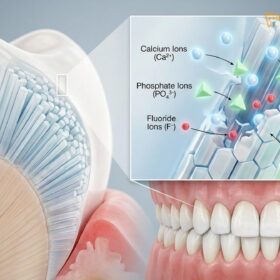
To fully understand the relationship between dairy consumption and oral health, it is essential to examine the biochemical interactions that occur within the oral cavity. The human mouth is a dynamic environment where the enamel—the hardest substance in the human body—undergoes continuous cycles of demineralization and remineralization. When we consume fermentable carbohydrates, oral bacteria metabolize these sugars and produce lactic acid. This acid lowers the pH of the plaque biofilm. When the pH drops below the critical threshold of 5.5, the hydroxyapatite crystals that make up dental enamel begin to dissolve, leading to mineral loss. [1]
Milk plays a profound role in reversing this destructive process. Unlike acidic beverages or high-sugar snacks, plain bovine milk has a near-neutral pH (around 6.7 to 6.9) and possesses a remarkable buffering capacity. This means that when milk is introduced into the oral cavity, it actively helps to neutralize existing acids, raising the plaque pH back to a safe level and halting the demineralization process. This buffering effect is a cornerstone of preventive General Dentistry, as maintaining a neutral oral pH is critical for long-term tooth preservation.
Calcium, Phosphate, and Remineralization Kinetics
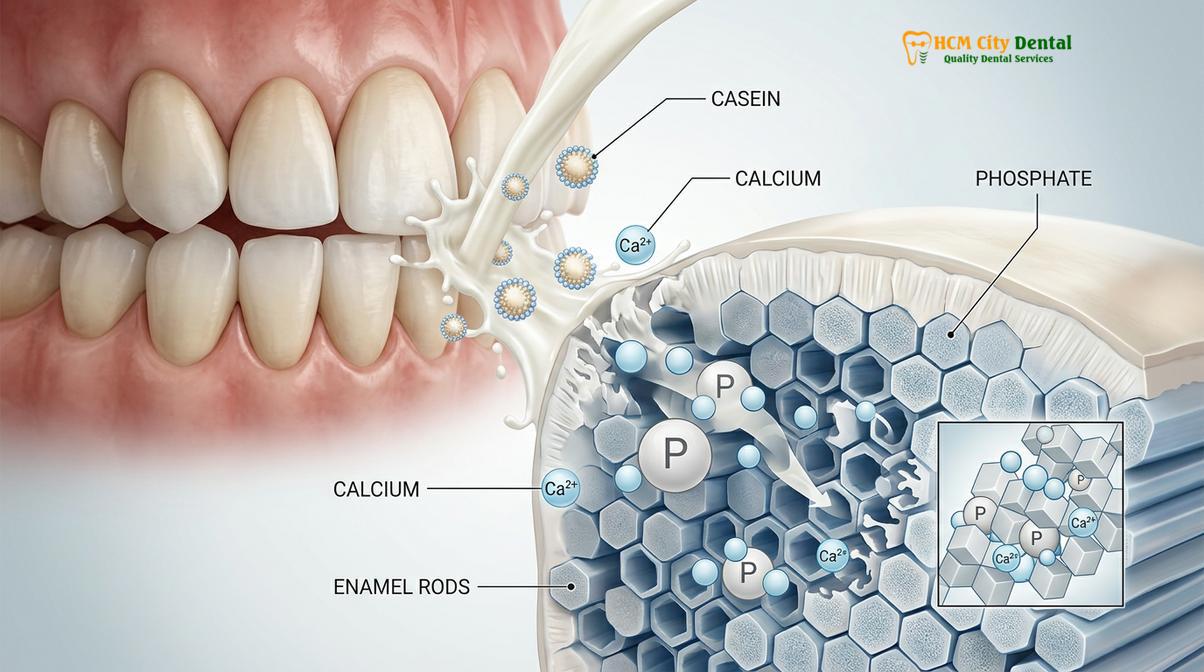
The primary structural components of tooth enamel are calcium and phosphate. Throughout the day, these minerals are stripped away by dietary acids. Saliva naturally contains calcium and phosphate to help repair this microscopic damage, but its capacity is limited. Milk acts as a powerful supplementary source of these vital minerals. Because milk is supersaturated with bioavailable calcium and phosphate, it creates an ideal environment for remineralization. [2]
When milk washes over the teeth, the high concentration of these ions drives them back into the porous, demineralized areas of the enamel rods. This process not only repairs early microscopic damage (often visible clinically as white spot lesions) but also makes the newly remineralized enamel more resistant to future acid attacks. Dr. Nguyen Van Cuong frequently emphasizes to patients that incorporating plain dairy into a balanced diet is one of the most effective natural strategies for maintaining structural enamel integrity over a lifetime.
The Protective Role of Casein Proteins
Beyond simple mineral content, the protein matrix of milk provides unique dental benefits. Casein, which accounts for approximately 80% of the protein in cow’s milk, plays a fascinating role in caries prevention. During digestion in the mouth, casein proteins break down into Casein Phosphopeptides (CPP). These peptides have a strong affinity for tooth enamel and bind to the tooth surface, forming a protective pellicle—a microscopic biological shield. [3]
More importantly, CPP binds to amorphous calcium phosphate (ACP), creating the CPP-ACP complex. This complex stabilizes high concentrations of calcium and phosphate at the tooth surface, exactly where they are needed most during an acid challenge. By keeping these minerals localized in the plaque biofilm, casein ensures that the teeth have an immediate reservoir of repair materials the moment the pH begins to drop. Furthermore, this protein film helps prevent cariogenic bacteria, such as Streptococcus mutans, from adhering effectively to the enamel surface, thereby reducing the overall bacterial load.
“The synergistic effect of calcium, phosphate, and casein in dairy milk creates a highly effective buffering environment that significantly reduces the demineralization of dental enamel during acid challenges, making it a functional food for caries prevention.” [4]
Can Milk Cause Tooth Decay? Understanding Lactose and Cariogenicity
While milk is generally protective, its natural lactose content can fuel cavity-causing bacteria if allowed to pool in the mouth for extended periods, particularly during sleep.
Despite the overwhelming protective benefits of milk, the question “is milk bad for your teeth” arises primarily due to its sugar content. Milk naturally contains lactose, a disaccharide sugar composed of galactose and glucose. Because lactose is a fermentable carbohydrate, it can technically be metabolized by oral bacteria to produce acid. Therefore, under specific, prolonged conditions, milk can contribute to the development of dental caries. [5]
However, it is crucial to distinguish between the cariogenic potential of lactose versus other dietary sugars. Clinical studies consistently demonstrate that lactose is the least cariogenic of all common dietary sugars. It is metabolized by oral bacteria at a much slower rate than sucrose (table sugar) or fructose (fruit sugar). Because the acid production is slow, the intrinsic buffering capacity of the milk itself—along with the calcium and phosphate—usually neutralizes the acid before any significant enamel damage occurs. In a healthy adult with normal salivary flow, drinking a glass of plain milk poses virtually no risk of tooth decay.
Early Childhood Caries (Baby Bottle Tooth Decay)
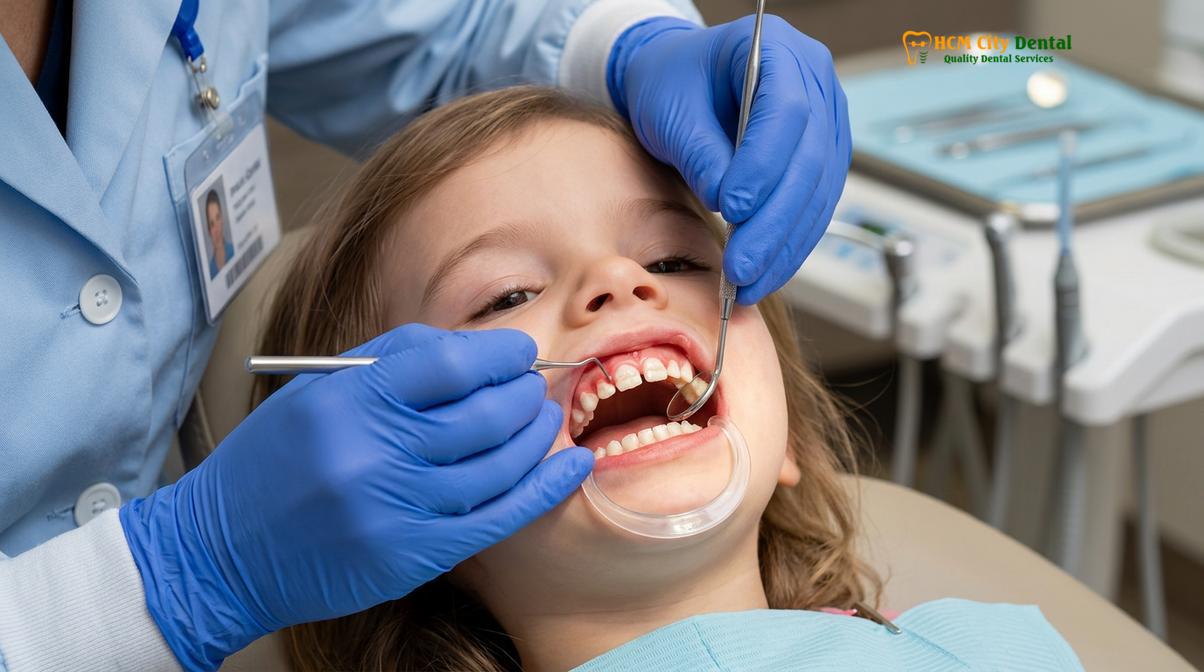
The clinical scenario changes drastically when we look at infant feeding habits. The most significant dental risk associated with milk is a condition known as Early Childhood Caries (ECC), historically referred to as “baby bottle tooth decay.” This aggressive form of decay occurs when an infant or toddler is put to bed with a bottle containing milk, formula, or juice. [2]
During sleep, the body’s natural salivary flow decreases significantly. Saliva is the mouth’s primary defense mechanism, responsible for washing away food particles and neutralizing acids. When a child sleeps with a bottle of milk, the liquid pools around the maxillary anterior teeth (the upper front teeth). Without the protective flow of saliva, the slow metabolism of lactose by bacteria continues uninterrupted for hours. The buffering capacity of the milk is eventually overwhelmed, leading to a prolonged drop in pH and rapid, severe demineralization of the fragile primary enamel.
Clinical Warning: Nocturnal Feeding Risks
Never put an infant or toddler to bed with a bottle containing milk, formula, or juice. The pooling of lactose-rich liquids during sleep, combined with reduced salivary flow, is the primary cause of rampant Early Childhood Caries. If a bottle is required for comfort at night, it should contain only plain water.
ECC typically presents first as chalky white spots near the gumline of the upper front teeth, which quickly progress to brown or black cavitations. If left untreated, this can lead to severe pain, infection, and the premature loss of primary teeth, which can subsequently cause spatial issues for the developing permanent dentition. Preventive education regarding nocturnal feeding is a critical component of pediatric dental care.
Dairy Milk vs. Plant-Based Alternatives: A Dental Perspective
Plant-based milks often lack the natural calcium, phosphate, and protective proteins found in dairy, and frequently contain added sugars that increase the risk of tooth decay.
In recent years, there has been a massive surge in the popularity of plant-based milk alternatives, including oat, almond, soy, rice, and macadamia milks. Patients frequently ask whether these alternatives provide the same dental benefits as traditional bovine milk. From a clinical dental perspective, the answer is generally no. The “food matrix” of plant-based milks is fundamentally different from that of dairy, and these differences have significant implications for oral health. [3]
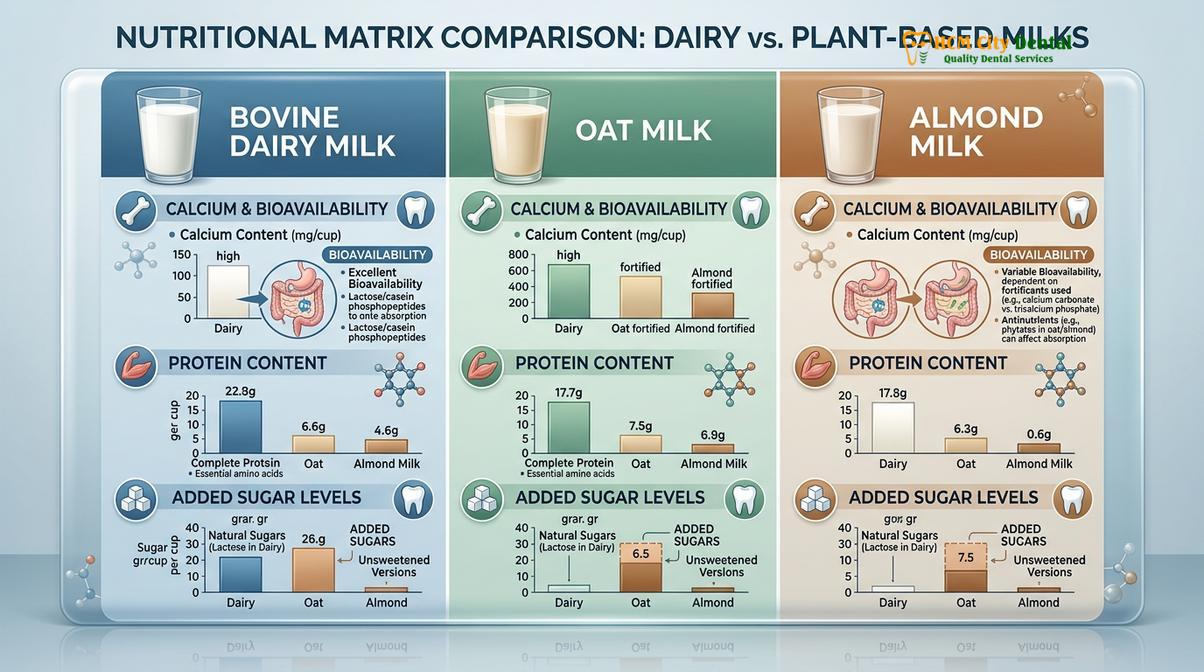
First and foremost, plant-based milks naturally lack the high concentrations of bioavailable calcium and phosphate found in cow’s milk. While many commercial brands fortify their products with added calcium, the bioavailability—how easily the body and the teeth can absorb and utilize these minerals—is often lower than that of the naturally occurring minerals in dairy. Furthermore, plant milks completely lack casein proteins. Therefore, they do not provide the protective pellicle formation or the localized CPP-ACP remineralization benefits that make dairy so unique.
Nutritional Matrix and Buffering Capacity
Another critical factor is the buffering capacity. Dairy milk has a high buffering capacity, meaning it strongly resists changes in pH when exposed to acids. Plant-based milks, particularly oat and rice milks, have a much lower buffering capacity. When oral bacteria metabolize the carbohydrates in these plant milks, the resulting acid is not neutralized as effectively, allowing the plaque pH to drop lower and stay low for a longer duration. [5]
Additionally, the carbohydrate profile of plant milks is a major concern. Oat milk and rice milk are naturally high in complex carbohydrates that begin breaking down into simple sugars in the mouth via the enzyme salivary amylase. More concerning is that many commercial plant milks contain added sugars (sucrose or cane sugar) to improve taste. These added sugars are highly cariogenic. Frequent consumption of sweetened plant milks, especially between meals or before bed, significantly elevates the risk of enamel demineralization.
| Feature | Bovine Dairy Milk | Oat / Rice Milk | Almond / Soy Milk (Unsweetened) |
|---|---|---|---|
| Natural Sugar Type | Lactose (Low cariogenicity) | Maltose/Glucose (Moderate to High) | Minimal natural sugars |
| Added Sugars | Rarely (unless flavored) | Commonly added for taste | Often added (check labels) |
| Protective Proteins | High (Casein / CPP-ACP) | None | None |
| Buffering Capacity | Excellent (Neutralizes acids) | Poor | Moderate |
| Overall Caries Risk | Very Low (Protective) | Moderate to High | Low to Moderate |
The Role of Dairy in Post-Surgical and Orthodontic Diets
Due to its liquid nature and high nutrient density, milk is an excellent dietary component for patients recovering from oral surgery or undergoing active orthodontic treatment.
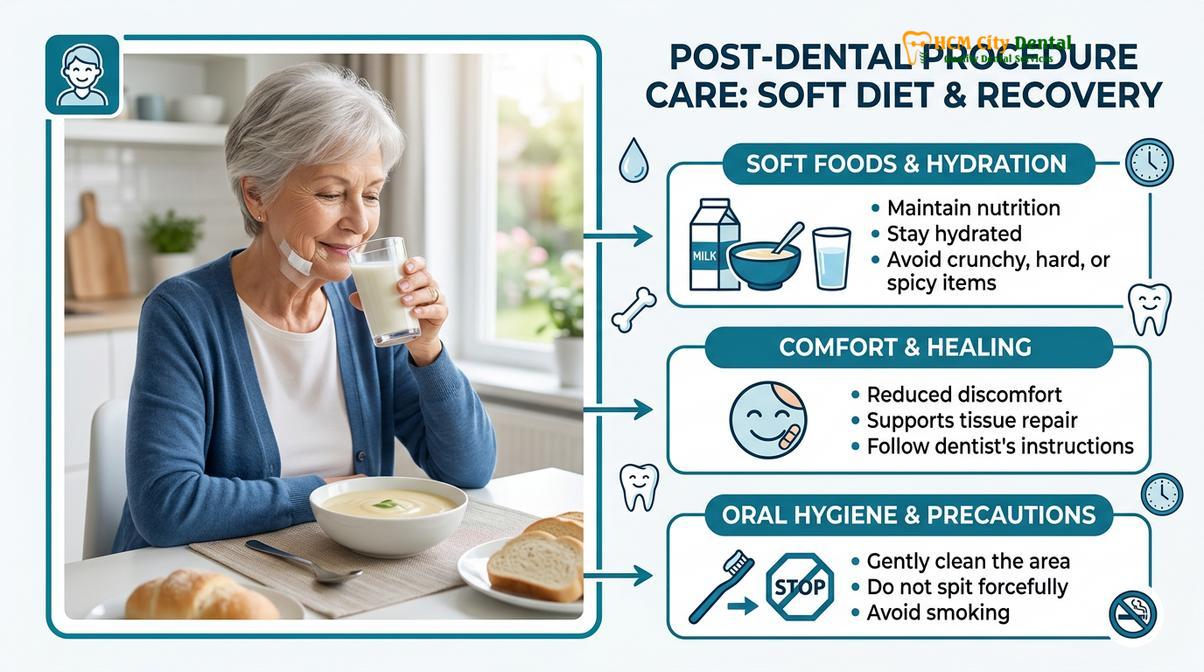
In clinical practice, dietary recommendations must often be modified based on a patient’s current treatment phase. Milk and dairy products frequently play a vital role in post-operative and specialized dental diets. For example, following wisdom teeth removal, patients are instructed to adhere to a strict soft or liquid diet to prevent trauma to the surgical extraction sites and to avoid dislodging the protective blood clots. [1]
During this critical healing phase, maintaining adequate caloric and nutritional intake can be challenging. Cold or room-temperature milk, yogurt, and dairy-based smoothies provide excellent, non-irritating sources of protein, calcium, and vitamins. The smooth texture ensures that no hard particles become trapped in the healing sockets. However, patients must be reminded to gently rinse their mouths with water or a prescribed saline solution after consuming dairy to prevent lactose stagnation near the surgical sites, as vigorous brushing may be contraindicated immediately post-surgery.
Supporting Orthodontic and Prosthodontic Patients
Patients undergoing orthodontic treatments, such as traditional braces or clear aligners, face unique oral hygiene challenges. Orthodontic hardware creates numerous retentive areas where plaque and food debris can easily accumulate, significantly increasing the risk of white spot lesions (decalcification) around the brackets. Incorporating plain milk and cheese into the diet provides a continuous supply of calcium and phosphate, helping to remineralize these vulnerable areas and protect the enamel during the months or years of active tooth movement.
Similarly, for patients who have recently received a fixed dental bridge or dental implants, maintaining the health of the supporting abutment teeth and surrounding gingival tissues is paramount. A diet rich in dairy supports the underlying alveolar bone density and provides the necessary buffering action to protect the margins of the dental restorations from acid erosion. Dr. Cuong notes that comprehensive treatment planning at HCMC Dental Clinic always includes personalized dietary counseling to ensure the long-term success of these restorative procedures.
Best Practices for Consuming Milk to Protect Your Teeth
To maximize the dental benefits of milk while minimizing decay risks, consume it during meals, avoid overnight exposure, and maintain a rigorous daily brushing routine.
Understanding the science behind milk and dental health allows us to establish clear, actionable workflows for daily consumption. The goal is to harness the remineralizing power of calcium and casein while mitigating the minor risks associated with lactose fermentation. The timing of consumption is arguably the most critical factor. Drinking milk as part of a main meal is highly recommended. During a meal, salivary flow is stimulated to its maximum rate, which helps to rapidly clear the lactose from the oral cavity and enhances the overall buffering effect against other acidic foods consumed at the same time. [4]
Conversely, sipping on milk slowly over several hours, or drinking it immediately before bed without subsequent oral hygiene, shifts the balance from protective to potentially harmful. If you or your child enjoys a warm glass of milk before sleep, it is imperative that this is followed by a thorough brushing with fluoridated toothpaste. Fluoride works synergistically with the calcium and phosphate from the milk, creating fluorapatite—a mineral structure that is even more resistant to acid attacks than natural hydroxyapatite.
Clinical Case Review: Dietary Adjustment for Enamel Health
A 28-year-old patient presented to HCMC Dental Clinic in Ho Chi Minh City complaining of generalized tooth sensitivity and early signs of enamel decalcification. A dietary review revealed the patient was sipping sweetened oat milk lattes throughout the workday. Dr. Cuong recommended switching to plain bovine milk for its buffering capacity and restricting consumption to meal times. Combined with a professional fluoride varnish application, the patient’s enamel remineralized successfully within three months, resolving the sensitivity without the need for invasive restorations.
When selecting milk products, always opt for plain, unsweetened varieties. Flavored milks, such as chocolate or strawberry milk, contain high levels of added sucrose. The presence of sucrose completely overrides the natural protective benefits of the milk matrix, turning a healthy beverage into a highly cariogenic one. If flavored milk is consumed as an occasional treat, it should be followed by rinsing the mouth with water to dilute the sugar concentration.
“Dietary counseling in general dentistry must emphasize not just what patients drink, but when and how they consume it, as the frequency of carbohydrate exposure dictates the caries risk far more than the total volume consumed.” [5]
When to See a Doctor: Clinical Considerations
While dietary adjustments are a cornerstone of preventive care, they cannot replace professional clinical diagnostics and intervention. It is essential to monitor your oral health and recognize the early warning signs of enamel demineralization. If you notice chalky white spots on the surfaces of your teeth, particularly near the gumline or around orthodontic brackets, this is a primary indicator that the enamel is losing minerals faster than it can repair itself. These white spot lesions are the earliest stage of tooth decay and are often fully reversible with professional fluoride treatments and dietary modifications.
Furthermore, if you experience unexplained tooth pain, heightened sensitivity to hot, cold, or sweet stimuli, or visible dark pitting on the chewing surfaces of your teeth, you should schedule a comprehensive examination immediately. These symptoms suggest that the decay has progressed beyond the enamel and into the softer, underlying dentin layer, requiring restorative treatment such as a filling or crown.
For parents, regular pediatric dental visits should begin within six months of the eruption of the first primary tooth, or by the child’s first birthday. Early intervention allows the dental team to assess the child’s caries risk, provide targeted advice on feeding practices, and apply preventive sealants or fluoride varnishes. At HCMC Dental Clinic, our clinical team utilizes advanced diagnostic tools to detect microscopic changes in enamel density, allowing us to intervene long before a cavity fully forms. Always consult with a qualified dental professional for personalized advice tailored to your specific oral health profile.

Frequently Asked Questions
Is it safe to drink milk right before bed without brushing?
No, drinking milk before bed without brushing increases the risk of tooth decay. While milk is generally protective, its natural lactose sugars can pool around the teeth during sleep when salivary flow is lowest, providing fuel for acid-producing bacteria that demineralize enamel. Always brush with fluoridated toothpaste after your final evening beverage to ensure the oral cavity is clean and protected overnight.
Does milk help repair cavities that have already formed?
Milk cannot heal or reverse an active, cavitated cavity. However, the calcium, phosphate, and casein in milk can help remineralize early microscopic enamel damage (white spot lesions) before a physical hole forms, making it an excellent preventive dietary component. Once the enamel structure has collapsed and a cavity exists, professional restorative treatment from a dentist is required.
Are plant-based milks like oat or almond milk better for my teeth?
Clinically, most plant-based milks are less beneficial for dental health than dairy milk. They naturally lack the protective casein proteins and high buffering capacity of cow’s milk, and many commercial varieties contain added cariogenic sugars that actively promote tooth decay. If you choose plant-based alternatives, select unsweetened versions fortified with calcium, and maintain strict oral hygiene.
Why do dentists warn against baby bottle tooth decay?
Dentists warn against baby bottle tooth decay because prolonged exposure to milk during sleep causes rapid, severe enamel destruction. When an infant sleeps with a bottle, lactose stagnates against the upper front teeth, leading to aggressive bacterial acid production and rampant early childhood caries. This can result in severe pain, infection, and the premature loss of primary teeth.
Should I brush my teeth immediately after drinking a glass of milk?
You do not need to brush immediately after drinking plain milk, as milk actually helps neutralize oral acids. However, if you consume flavored milk with added sugars, it is advisable to rinse with water and wait about 30 minutes before brushing to protect your enamel. Brushing immediately after consuming sugars or acids can sometimes abrade the temporarily softened enamel surface.
References
- Journal of the American Dental Association. The role of dairy products in enamel remineralization and caries prevention. (2021).
- International Journal of Paediatric Dentistry. Early childhood caries and nocturnal bottle feeding: Clinical pathways. (2020).
- Caries Research. Cariogenic potential of plant-based milk alternatives vs bovine milk. (2022).
- Journal of Dental Research. Casein phosphopeptide-amorphous calcium phosphate (CPP-ACP) in preventive dentistry. (2019).
- Clinical Oral Investigations. Salivary buffering capacity and dietary influences on the Stephan Curve. (2023).