To use teeth charcoal safely, apply a small amount of activated charcoal powder to a wet, soft-bristled toothbrush or your clean finger. Gently dab or lightly pat it onto the teeth for one to two minutes, strictly avoiding aggressive scrubbing, then rinse thoroughly with water to help prevent enamel abrasion and gum irritation.
Clinical Summary:
Activated charcoal has gained immense popularity as a natural remedy for removing dental stains, but its application requires strict clinical caution. Unlike professional bleaching agents that chemically oxidize intrinsic discoloration, charcoal relies entirely on mechanical abrasion and adsorption to lift extrinsic stains caused by coffee, tea, or wine. Dental professionals warn that improper or frequent use of these highly abrasive powders may lead to irreversible enamel erosion, dentinal hypersensitivity, and gingival irritation. To mitigate these risks, users should employ an ultra-soft application technique—dabbing rather than scrubbing—and limit usage to infrequent intervals. Furthermore, charcoal products generally lack formal dental seals of acceptance for whitening efficacy and safety. Patients seeking significant, safe aesthetic improvements are advised to consult with a dental professional for evidence-based treatments rather than relying solely on abrasive particulate dentifrices.
Key Takeaways:
- Activated charcoal removes surface stains through mechanical adsorption, not chemical bleaching.
- Aggressive brushing with charcoal can cause irreversible micro-abrasions on tooth enamel.
- Application should be limited to gentle dabbing for 1-2 minutes, followed by extensive rinsing.
- Charcoal dentifrices are not recommended for daily use due to their potentially high Relative Dentin Abrasivity (RDA).
- Professional peroxide-based whitening remains the clinically proven standard for safe and predictable results.
The Clinical Reality of Activated Charcoal for Teeth
Activated charcoal is a highly porous, oxidized carbon substance that binds to surface toxins and extrinsic stains, though it lacks formal dental endorsement for intrinsic whitening.
Understanding how to use teeth charcoal begins with understanding the material itself. Activated charcoal is a fine-grained black powder manufactured from natural carbon-rich substances such as coconut shells, olive pits, slowly burned wood, or peat. The activation process involves oxidizing the material under extreme heat, which alters its internal structure, making it exceptionally porous and expanding its surface area exponentially. This unique structural modification transforms standard carbon into a highly adsorbent material[1].
It is crucial to differentiate between absorption and adsorption. While absorbent materials soak up substances like a sponge, activated charcoal is adsorbent—meaning it binds molecules, ions, or atoms to its surface. In the medical field, this property has been utilized for centuries, primarily in emergency toxicology to bind ingested poisons in the gastrointestinal tract and prevent their systemic absorption. In recent cosmetic applications, this same binding capability has been marketed for oral care, with claims that the carbon particles can bind to and remove dental plaque, oral malodor compounds, and chromogens (stain-producing molecules) from the teeth.
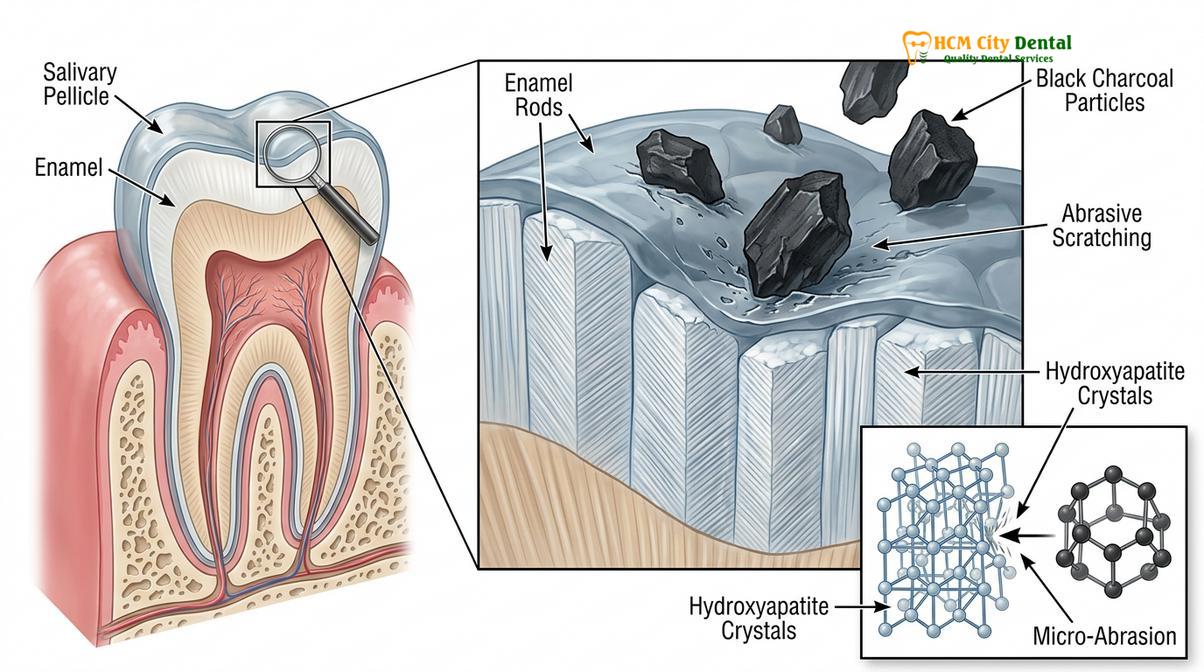
However, from a clinical perspective, the application of activated carbon dental powder presents significant complexities. The oral cavity is a delicate ecosystem, and the hard tissues of the teeth—specifically the enamel—are incapable of cellular regeneration. Once enamel is physically worn away by abrasive substances, it cannot grow back. While the adsorbent nature of charcoal is scientifically validated in toxicology, its efficacy and safety as a daily dentifrice remain highly contested in modern dental literature. Major dental associations have consistently noted a lack of sufficient clinical data to substantiate the safety or efficacy claims of charcoal-based oral care products[2].
Furthermore, the physical nature of the powder means it does not dissolve in water. When introduced into the oral cavity, these insoluble micro-particles interact mechanically with the pellicle layer of the tooth. If applied with the mechanical force of a toothbrush, the charcoal acts as an abrasive grit. Therefore, the clinical reality is that while charcoal may successfully lift superficial stains, it does so at the potential cost of microscopic enamel degradation.
Step-by-Step Guide: How to Use Teeth Charcoal Safely
Proper application requires a gentle dabbing motion rather than vigorous brushing to minimize the risk of irreversible enamel micro-abrasions and gingival irritation.
If a patient chooses to incorporate activated charcoal into their oral hygiene routine, strict adherence to a harm-reduction protocol is essential. The primary goal of this workflow is to maximize the adsorbent properties of the charcoal while minimizing its abrasive impact on the dental hard tissues. Before beginning, it is highly recommended to schedule a professional consultation. Learning how to book a dentist appointment online can facilitate a quick preliminary check-up to ensure your enamel is thick enough to withstand even mild abrasives.
Step 1: Preparation and Product Selection
Select a high-quality, finely milled activated charcoal powder specifically intended for oral use. Avoid DIY mixtures using non-purified charcoal, as these may contain larger, highly destructive particulates or trace heavy metals. Because the fine black powder is notoriously messy and can permanently stain fabrics, grout, and porous countertops, prepare your environment by placing a dark towel over your sink and wearing clothes you do not mind staining.
Step 2: The Application Technique
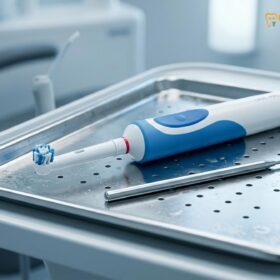
Do not use your regular daily toothbrush for this procedure. The charcoal particles will become permanently embedded in the bristles. Instead, designate a separate, ultra-soft bristled toothbrush, or preferably, use a clean index finger. Wet the bristles or your finger with water and lightly dip it into the powder. You only need a minimal amount—just enough to lightly coat the surface.
Step 3: The Action Phase (Dabbing, Not Scrubbing)
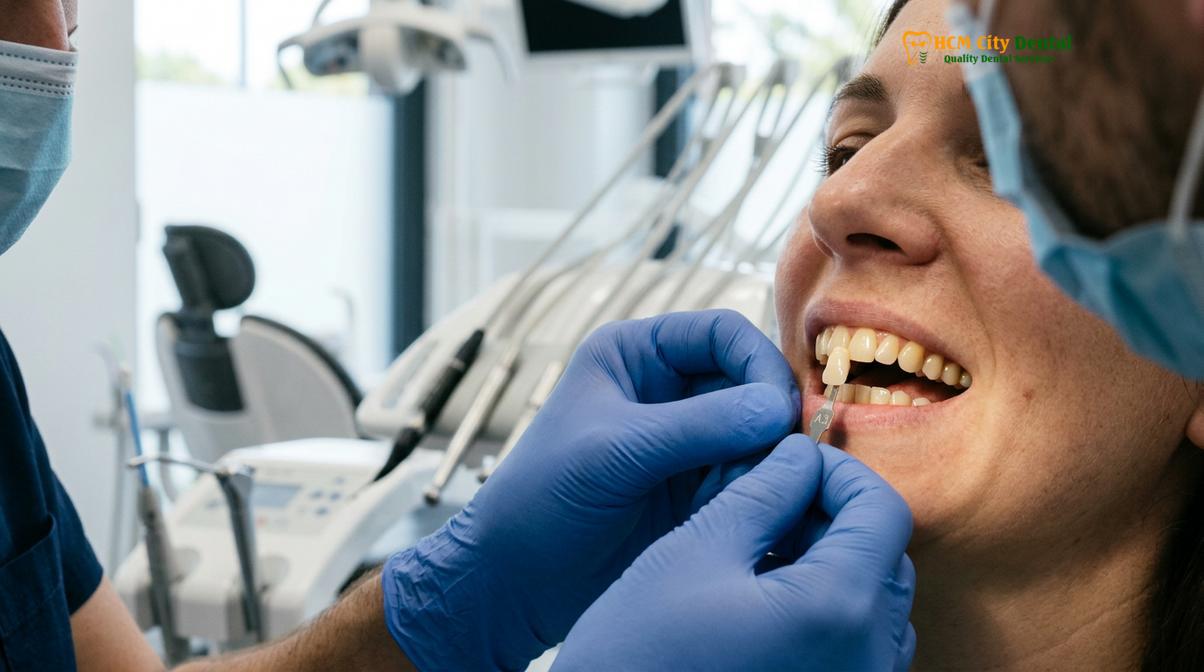
This is the most critical clinical step. Do not brush your teeth using standard horizontal or circular sweeping motions. The mechanical friction combined with the abrasive grit will scour the enamel. Instead, gently dab or pat the charcoal mixture onto the facial (front) surfaces of the teeth. Allow the paste to sit undisturbed for one to two minutes. This dwell time allows the chemical process of adsorption to occur, enabling the porous carbon to bind to surface tannins and chromogens without requiring destructive mechanical friction.
Step 4: Extensive Rinsing and Removal
After the dwell time, do not brush the paste off. Instead, take a mouthful of water, swish vigorously, and spit. Repeat this rinsing process multiple times until the water runs completely clear. Pay special attention to the gingival margins (gumline) and interproximal spaces (between the teeth), as the insoluble black particles are prone to lodging in these areas. Retained charcoal in the gingival sulcus can cause localized inflammation or a phenomenon known as “gingival tattooing,” where the dark particles become embedded in the soft tissue[3].
Step 5: Post-Application Care
Follow up by brushing your teeth with a standard, low-abrasion fluoride toothpaste using a clean toothbrush. The fluoride will help remineralize any microscopic areas of the enamel that may have been stressed during the process. Limit this entire charcoal protocol to no more than once or twice a month.
The Mechanism of Action: Adsorption and Surface Stains
Charcoal whitens teeth mechanically by adsorbing chromogens from coffee or wine, but it cannot chemically bleach the intrinsic dentin layer beneath the enamel.
To set realistic expectations regarding how to use teeth charcoal, one must understand the anatomical structure of a tooth and the nature of dental discoloration. A healthy adult mouth, which you can learn more about in our guide on how many teeth adults have, consists of teeth with an outer layer of translucent enamel and an inner layer of yellowish dentin. The overall perceived color of a tooth is a combination of the enamel’s surface condition and the underlying dentin’s hue.
Dental stains are clinically categorized into two types: extrinsic and intrinsic. Extrinsic stains occur on the outer surface of the enamel. They are typically caused by lifestyle factors, including the consumption of chromogen-rich foods and beverages (such as black coffee, red wine, dark berries, and tea) or tobacco use. These pigmented molecules bind to the acquired pellicle—a thin protein film that naturally forms over the enamel.
Intrinsic stains, conversely, exist deep within the micro-structure of the tooth. They can be caused by genetics, aging (as enamel naturally thins and dentin darkens), trauma, or exposure to certain medications during tooth development. Activated charcoal is entirely ineffective against intrinsic stains. Its mechanism of action is strictly limited to the surface. The high porosity of the carbon acts as a molecular magnet, drawing in and trapping the extrinsic chromogens from the pellicle layer.
“A common clinical misconception is that abrasive powders can change the baseline color of a tooth. Charcoal can only lift the superficial debris sitting on top of the enamel. It does not possess the oxidative chemistry required to penetrate the dental tubules and bleach the underlying dentin. Patients often mistake the removal of surface grime for true chemical whitening.”
Because it lacks active bleaching agents like hydrogen peroxide or carbamide peroxide, charcoal cannot alter the intrinsic shade of your smile. Once the surface stains are removed, continued use of charcoal will yield no further whitening benefits and may only serve to damage the tooth structure.
Dental Risks and Enamel Abrasion (RDA Values)
The primary clinical concern with charcoal dentifrices is their high Relative Dentin Abrasivity (RDA), which can permanently wear down protective enamel.
In dental science, the abrasiveness of a toothpaste or dental powder is measured using the Relative Dentin Abrasivity (RDA) scale. It is generally recommended that any dentifrice used for daily oral hygiene should have an RDA value of 250 or less. Products falling below this threshold are considered safe for a lifetime of use without causing significant wear to enamel or dentin.
The danger of activated carbon dental powder lies in its highly variable and often unlisted RDA values. Many commercially available charcoal powders and pastes far exceed the safe RDA limits, acting more like sandpaper than a therapeutic cleaning agent. When a highly abrasive substance is repeatedly scrubbed against the teeth, it causes mechanical wear known as abrasion[4].
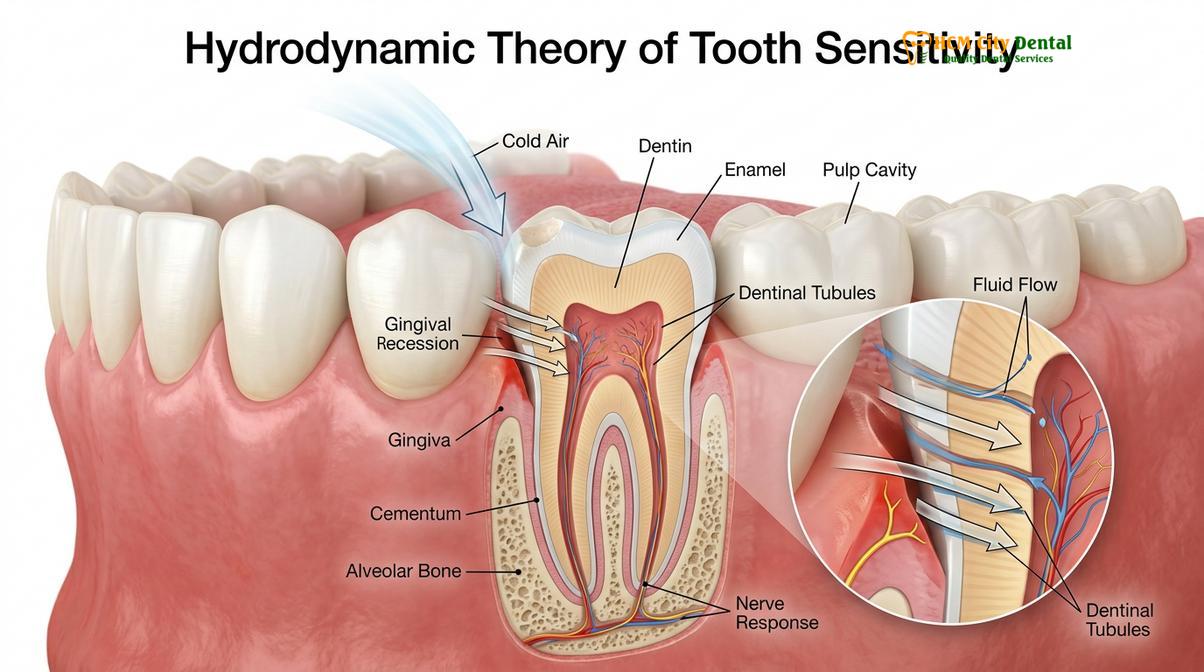
Enamel is the hardest substance in the human body, but it is brittle and susceptible to friction. As the abrasive charcoal particles are dragged across the tooth surface, they create microscopic scratches. Over time, these scratches dull the natural luster of the enamel, making the teeth appear matte and lifeless. More alarmingly, these micro-abrasions create a rougher surface topography, which paradoxically makes it easier for new stains and bacterial plaque to adhere to the teeth in the future.
Continuous use of highly abrasive charcoal products will eventually thin the translucent enamel layer. As the enamel becomes thinner, the naturally yellow dentin underneath becomes more visible. Consequently, overusing charcoal to achieve white teeth may ultimately result in permanently yellow, highly sensitive teeth that are prone to decay.
Furthermore, abrasive damage is not limited to natural teeth. Patients with dental restorations must exercise extreme caution. If you have a fixed dental bridge, porcelain veneers, or composite bonding, charcoal can permanently scratch the highly polished surfaces of these restorations. Once the glaze on a porcelain crown is scratched, it will attract stains rapidly and cannot be re-polished without professional intervention.
Comparing Charcoal with Professional Whitening Methods
While charcoal offers superficial stain removal, professional peroxide-based treatments provide safer, chemically driven intrinsic whitening with predictable clinical outcomes.
When evaluating aesthetic dental options, it is vital to compare the efficacy, safety, and mechanisms of various whitening modalities. While DIY trends dominate social media, evidence-based dentistry relies on predictable chemistry. It is especially important to keep abrasive cosmetic products away from young developing teeth; parents should consult clinical pediatric guidelines for the first dentist visit to establish safe oral hygiene habits early.
The table below outlines the clinical differences between popular whitening methods:
| Whitening Method | Mechanism of Action | Target Stain Type | Enamel Safety Profile | Clinical Predictability |
|---|---|---|---|---|
| Activated Charcoal | Mechanical abrasion & adsorption | Extrinsic (Surface) only | Low (High risk of micro-abrasions) | Poor (Highly variable results) |
| Baking Soda (Sodium Bicarbonate) | Mild abrasion & alkaline neutralization | Extrinsic (Surface) only | Moderate (Low RDA, generally safe) | Fair (Gradual surface brightening) |
| OTC Whitening Strips | Low-concentration chemical oxidation | Extrinsic & mild Intrinsic | High (If used as directed) | Good (Noticeable improvement over weeks) |
| Professional Bleaching (In-Office) | High-concentration peroxide oxidation | Extrinsic & deep Intrinsic | High (Supervised by a dentist) | Excellent (Immediate, dramatic results) |
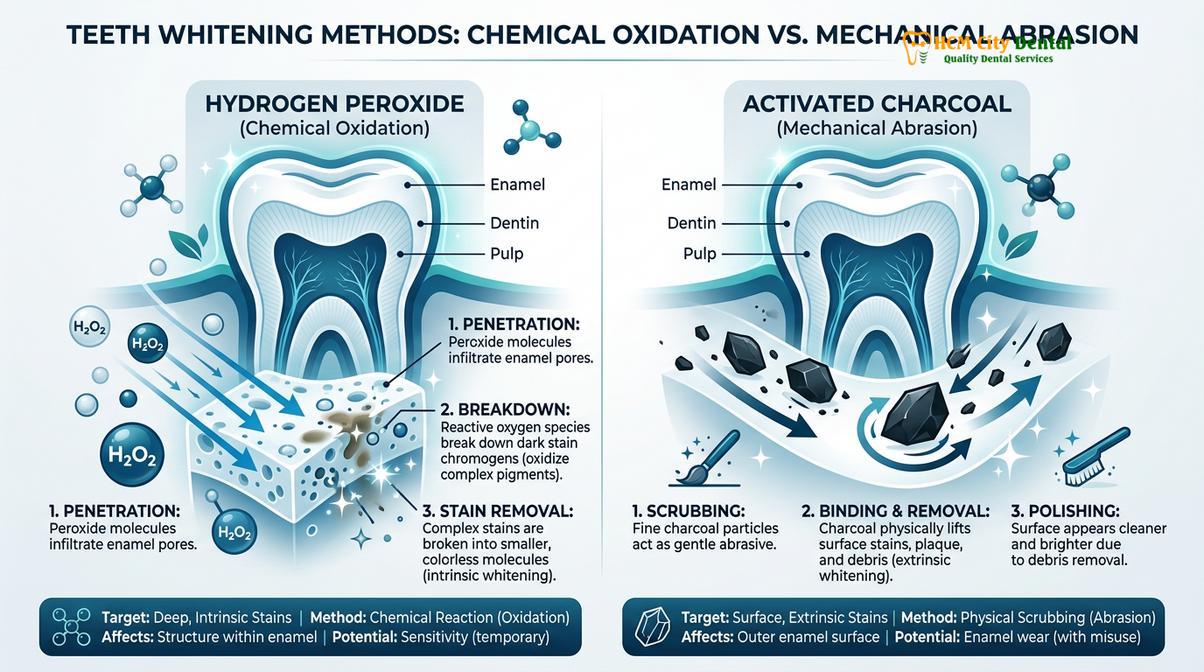
Professional whitening utilizes hydrogen peroxide or carbamide peroxide. These active ingredients possess a low molecular weight, allowing them to safely diffuse through the semi-permeable enamel matrix. Once inside the tooth, the peroxide releases oxygen free radicals that break the double carbon bonds of the pigmented chromogens trapped in the dentin. This chemical oxidation changes the optical properties of the tooth, making it appear significantly whiter without physically removing any tooth structure.
When to Consult a Dentist and Important Clinical Notes
Patients experiencing sensitivity or gum irritation from abrasive powders should seek immediate professional evaluation to prevent permanent structural damage.
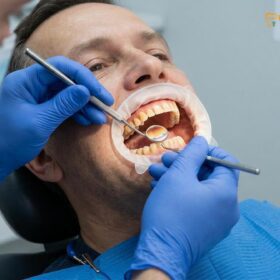
Patients experiencing increased thermal sensitivity, visible yellowing, or gum irritation after using abrasive powders should immediately cease application and seek professional evaluation. Retained charcoal particles in the gingival sulcus can lead to localized inflammation or periodontal complications, sometimes referred to as gingival tattooing[5]. Furthermore, the Vietnam Odonto-Stomatology Association (VOSA) advises against the unguided use of highly abrasive cosmetic dentifrices, recommending that patients consult a qualified dental provider to assess enamel thickness before attempting any mechanical whitening procedures[6].
“Preserving the structural integrity of the enamel should always be the primary objective in any cosmetic dental routine. Once the enamel is compromised by harsh abrasives, the tooth becomes highly susceptible to decay and chronic sensitivity, requiring complex restorative interventions.”
If you are experiencing acute discomfort or notice changes in your tooth texture, finding the nearest dentist to me is a critical first step in preventing irreversible structural damage. A thorough clinical examination can determine the extent of any abrasive wear and guide appropriate remineralization therapies.
Clinical Case Study: Managing Enamel Wear from Abrasives
Prolonged use of abrasive whitening powders often leads to dentinal hypersensitivity and aesthetic degradation requiring restorative dental intervention.
To illustrate the real-world implications of improper charcoal use, we can examine a clinical presentation frequently encountered in modern dental practice. The allure of rapid, inexpensive whitening often leads patients to bypass professional advice, resulting in unintended iatrogenic damage.
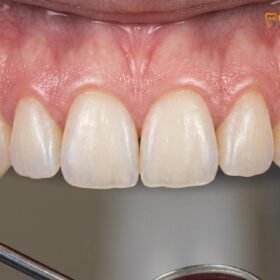
A 28-year-old patient presented to HCMC Dental Clinic in Ho Chi Minh City complaining of severe thermal sensitivity and a progressive yellowing of their anterior teeth. The patient had been vigorously brushing with activated charcoal powder twice daily for several months, hoping to achieve a brighter smile. Clinical examination revealed significant enamel thinning and micro-abrasions across the facial surfaces of the incisors, exposing the underlying yellow dentin.
Our clinical team immediately discontinued the abrasive regimen and initiated a comprehensive remineralization protocol using high-concentration fluoride varnishes and desensitizing agents. Once the enamel stabilized and the hypersensitivity subsided, we utilized professional, low-abrasion whitening techniques to safely restore the patient’s aesthetic appearance without further compromising the remaining tooth structure. This case underscores the critical importance of professional guidance when utilizing cosmetic dental products.
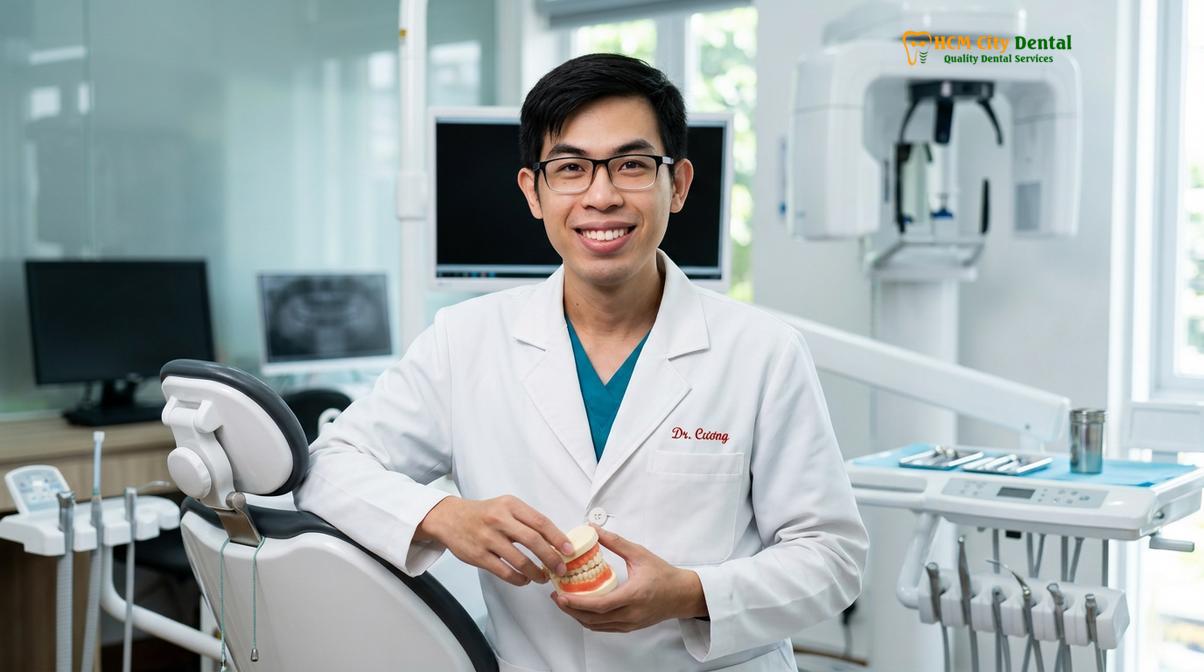
Dr. Nguyen Van Cuong is a leading dental professional dedicated to evidence-based aesthetic treatments and patient education. With extensive clinical experience, Dr. Cuong emphasizes the importance of preserving natural enamel while achieving optimal cosmetic results. Patients seeking safe alternatives to abrasive charcoal can explore comprehensive care options through General Dentistry tại HCMC Dental Clinic to ensure their smile remains both beautiful and structurally sound.
If you are concerned about enamel wear or wish to explore safe, professional whitening alternatives, contact HCMC Dental Clinic in Ho Chi Minh City today. Our expert team is ready to provide personalized, evidence-based care to protect and enhance your smile.
References
- Journal of the American Dental Association. Charcoal and charcoal-based dentifrices: A literature review.
- British Dental Journal. The impact of abrasive whitening dentifrices on enamel wear and surface roughness.
- International Journal of Dental Hygiene. Gingival tattooing and periodontal implications of particulate dentifrices.
- Journal of Dentistry. Relative dentin abrasivity (RDA) of natural and charcoal-based toothpastes.
- Clinical Oral Investigations. Efficacy and safety of activated charcoal for dental bleaching.
- Vietnam Odonto-Stomatology Association (VOSA). Guidelines on the safe application of cosmetic dentifrices and abrasive whitening agents.