When searching for the nearest dentist to me, prioritize clinics offering immediate emergency triage, comprehensive diagnostics, and transparent pricing. A reliable local provider ensures rapid pain relief, advanced restorative treatments, and strict sterilization protocols to safeguard your oral health during critical dental events.
Clinical Summary:
Locating a highly qualified nearby dental clinic is essential for both routine oral health maintenance and the rapid management of acute dental emergencies. Modern clinical facilities utilize advanced diagnostic modalities, such as Cone Beam Computed Tomography (CBCT), to accurately assess pathologies ranging from irreversible pulpitis to complex maxillofacial trauma. Evidence-based triage protocols dictate that time-sensitive injuries, particularly avulsed teeth or severe fascial space infections, require immediate intervention to preserve tissue viability and prevent systemic complications. By selecting a certified local dental provider that adheres to rigorous sterilization standards and offers multidisciplinary care, patients can achieve predictable, long-term functional and aesthetic outcomes.
Key Takeaways:
- Immediate clinical intervention within 30-60 minutes is critical for saving an avulsed (knocked-out) tooth.
- Severe, throbbing pain accompanied by facial swelling indicates a potential abscess requiring urgent antibiotic therapy and drainage.
- Modern clinics utilize 3D imaging (CBCT) to accurately diagnose hidden pathologies and plan safe surgical interventions.
- Transparent fee schedules and clear warranty policies are hallmarks of a reputable and patient-centric dental practice.
- Routine preventive care significantly reduces the incidence of sudden, painful dental emergencies.
Clinical Criteria for Choosing the Nearest Dental Provider
Selecting a nearby dental clinic requires evaluating their diagnostic capabilities, emergency response times, and strict adherence to international sterilization standards.
When an acute oral health issue arises, the immediate instinct is to search for the nearest dentist to me. However, proximity should not be the sole determining factor. The quality of clinical care, the availability of advanced technology, and the expertise of the attending clinicians are paramount in ensuring safe and effective treatment. A premier local dental provider must be equipped to handle a wide spectrum of procedures, from routine prophylaxis to complex surgical interventions, under one roof.
One of the most critical indicators of a high-quality clinic is its cross-infection control protocol. Reputable facilities utilize Class B autoclaves to sterilize instruments, ensuring the complete eradication of bacterial spores and viruses. This is a non-negotiable standard in modern dentistry to protect patients from cross-contamination [4]. Furthermore, the clinical environment should reflect a commitment to patient safety, with clearly defined workflows for both elective and emergency care.
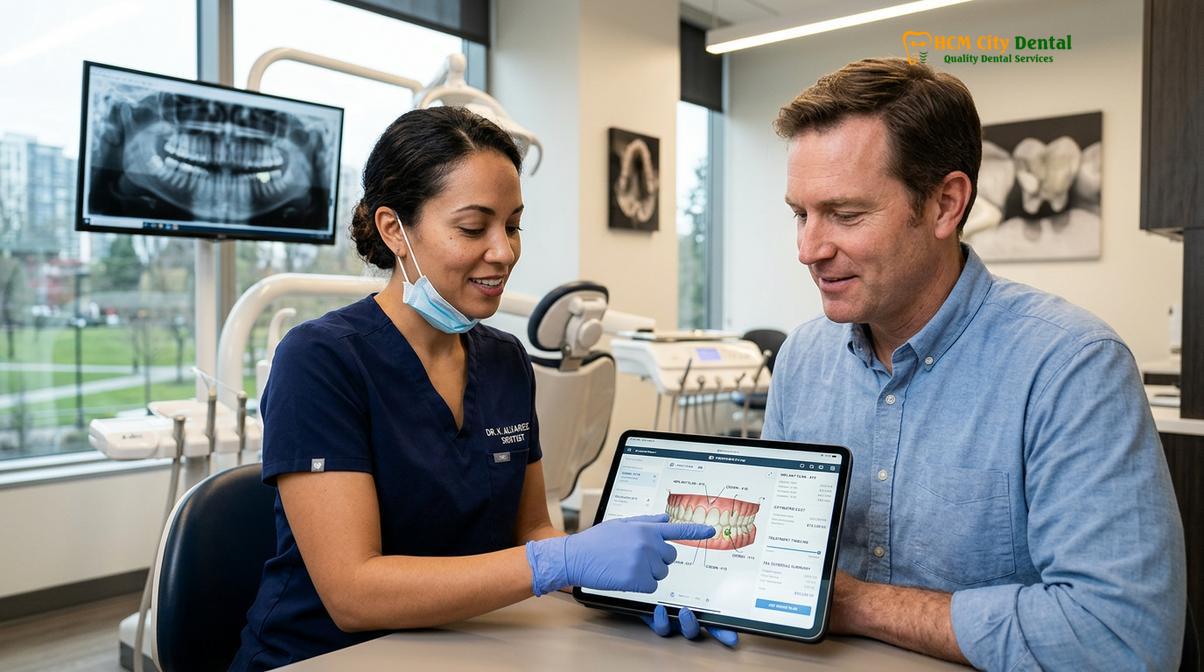
At HCMC Dental Clinic in Ho Chi Minh City, the clinical philosophy centers on providing comprehensive general dental care that addresses the root cause of oral pathologies rather than merely alleviating symptoms. A multidisciplinary approach allows general dentists to collaborate seamlessly with specialists in endodontics, periodontics, and oral surgery. This integrated model ensures that whether a patient requires a simple composite restoration or complex full-mouth rehabilitation, the treatment is executed with precision and evidence-based methodologies.
“The true value of a local dental provider lies not just in their physical proximity, but in their ability to deliver immediate, accurate diagnostics and definitive care when the patient is most vulnerable.”
Common Dental Emergencies and Immediate Triage
Dental emergencies such as acute pulpitis, avulsed teeth, or fractured restorations require immediate clinical intervention to prevent irreversible tissue damage.
Dental emergencies are characterized by sudden onset, severe pain, or trauma that compromises the structural integrity of the dentition. Understanding the pathophysiology of these conditions helps patients recognize the urgency of seeking professional care. One of the most frequent presentations is acute irreversible pulpitis, a condition where the neurovascular tissue within the tooth becomes severely inflamed, usually due to deep carious lesions or microleakage from failing restorations [2]. The resulting pain is often described as spontaneous, throbbing, and exacerbated by thermal stimuli.
Traumatic dental injuries represent another critical category of emergencies. An avulsed tooth—where the entire tooth is knocked out of its socket—is highly time-sensitive. The periodontal ligament (PDL) cells attached to the root surface begin to necrose rapidly outside the oral cavity. Clinical guidelines dictate that the tooth should be replanted within 30 to 60 minutes to maximize the chances of successful reattachment [1]. If immediate replantation is not possible, the tooth must be stored in a physiologically compatible medium, such as Hank’s Balanced Salt Solution or cold milk, while en route to the clinic.
Clinical Red Flags: Seek immediate emergency medical or dental care if you experience rapid facial swelling that approaches the eye or neck, difficulty swallowing (dysphagia), restricted mouth opening (trismus), or a high fever accompanying dental pain. These are signs of a spreading fascial space infection that can become life-threatening if left untreated.
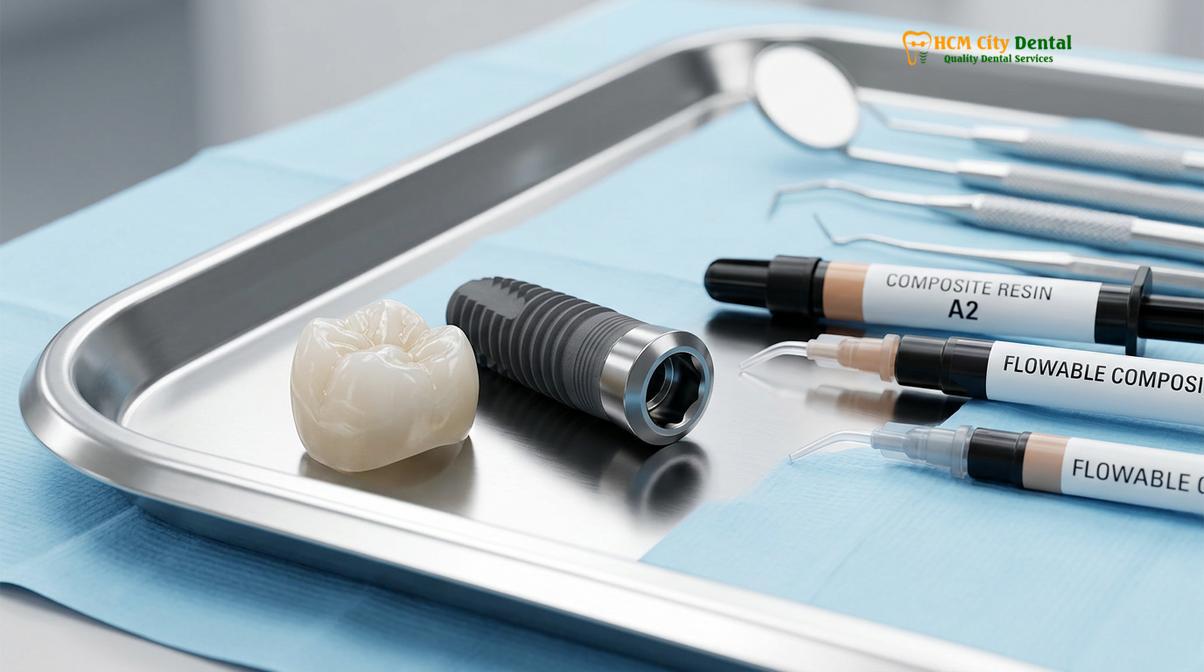
Fractured or chipped teeth also require prompt evaluation. While a minor enamel chip may only present an aesthetic concern, a fracture extending into the dentin or exposing the pulp chamber necessitates immediate restorative or endodontic intervention to prevent bacterial colonization. In cases where patients attempt to manage aesthetics independently, such as using abrasive cosmetic trends to mask discoloration from trauma, they risk causing further iatrogenic damage to the compromised enamel.
Comprehensive General Dentistry Workflows
Modern general dentistry integrates digital diagnostics with minimally invasive restorative techniques to preserve natural tooth structure and optimize functional outcomes.
Beyond emergency triage, a reliable nearby dental clinic serves as the foundation for long-term oral health through comprehensive general dentistry. The workflow for restorative procedures has evolved significantly, shifting towards minimally invasive techniques that prioritize the preservation of healthy tooth structure. When treating carious lesions, clinicians utilize high-magnification loupes and caries-indicator dyes to ensure complete removal of infected dentin while sparing the affected, remineralizable dentin.
Direct composite restorations are the standard of care for repairing mild to moderate structural defects. The biomechanical success of these restorations relies heavily on strict isolation protocols, typically using a rubber dam, to prevent moisture contamination during the adhesive bonding process [5]. The composite resin is then placed incrementally and photopolymerized to minimize polymerization shrinkage stress, resulting in a durable and aesthetically pleasing restoration.
For teeth with extensive structural loss or pulpal involvement, endodontic therapy (root canal treatment) followed by a full-coverage prosthetic crown is indicated. Modern endodontics utilizes nickel-titanium rotary instrumentation and electronic apex locators to thoroughly debride and shape the root canal system with high precision. In cases where a tooth is deemed non-restorable, extraction becomes necessary. Patients often inquire about surgical extraction settings, especially concerning impacted third molars. A well-equipped local clinic can manage most extractions safely, providing transparent transparent surgical fee schedules prior to treatment.
| Procedure Category | Clinical Indication | Estimated Cost Range (VND) | Warranty / Follow-up |
|---|---|---|---|
| Direct Composite Filling | Mild to moderate carious lesions, minor chips | 300,000 – 800,000 | 1-2 Years |
| Endodontic Therapy (Root Canal) | Irreversible pulpitis, pulpal necrosis | 1,500,000 – 4,000,000 | Post-op radiograph included |
| Simple Tooth Extraction | Non-restorable teeth, severe periodontal disease | 500,000 – 1,500,000 | Routine post-op check |
| Surgical Wisdom Tooth Removal | Impacted third molars, recurrent pericoronitis | 1,500,000 – 5,000,000 | Suture removal at 7 days |
| Porcelain Crown (Monolithic Zirconia) | Extensive structural loss, post-endodontic protection | 3,000,000 – 8,000,000 | 5-10 Years |
Advanced Diagnostic Technology in Modern Clinics
High-resolution CBCT imaging and digital intraoral scanners allow local dentists to formulate precise, predictable treatment plans for complex dental pathologies.
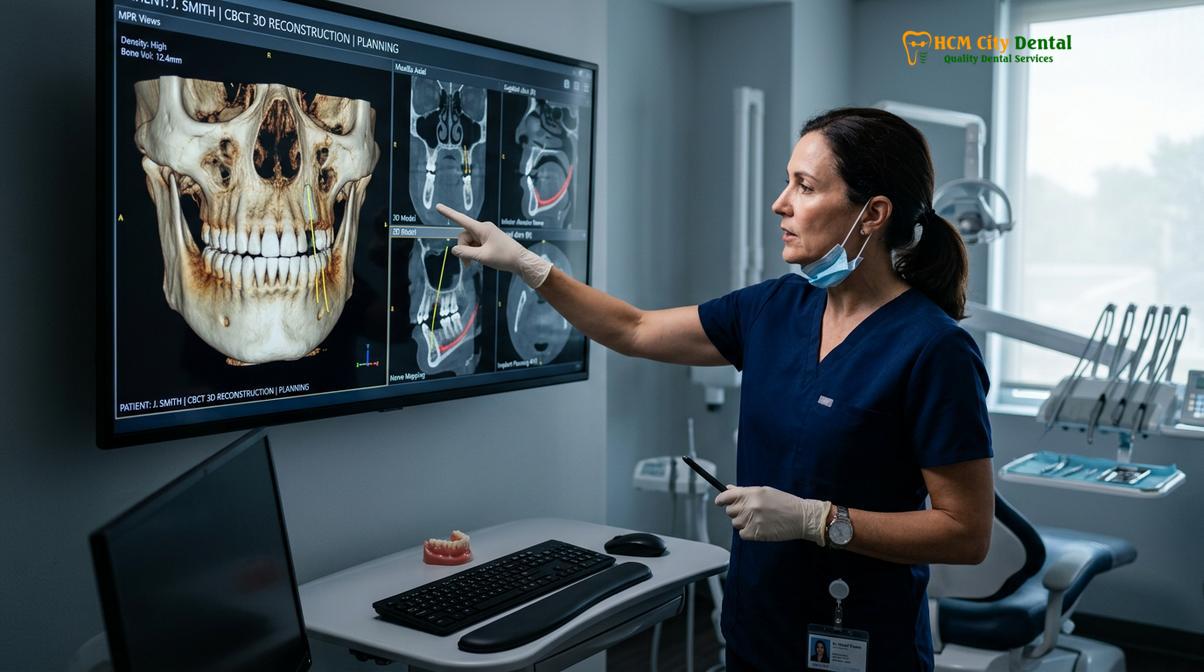
The integration of advanced diagnostic technology is what separates a standard dental office from a premier clinical facility. When you search for the nearest dentist to me, it is highly beneficial to select a practice equipped with Cone Beam Computed Tomography (CBCT). Unlike traditional 2D panoramic radiographs, CBCT provides a three-dimensional volumetric reconstruction of the maxillofacial region. This allows clinicians to visualize the exact spatial relationship between impacted teeth, the mandibular canal, and the maxillary sinus, significantly reducing surgical risks [3].
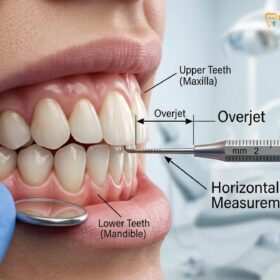
Digital intraoral scanners have also revolutionized the patient experience and clinical workflow. By capturing highly accurate optical impressions of the dental arches, these scanners eliminate the need for uncomfortable traditional alginate materials. The digital models generated can be used for a variety of applications, from designing precise ceramic restorations to planning complex orthodontic movements, such as correcting severe overjets. Furthermore, digital workflows facilitate better communication with dental laboratories, ensuring that prosthetics fit seamlessly and function optimally.
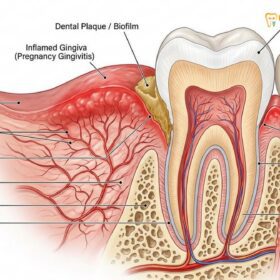
Technology also plays a crucial role in preventive and aesthetic maintenance. For instance, patients undergoing orthodontic therapy often struggle with plaque accumulation around brackets. Advanced air-polishing devices and ultrasonic scalers allow hygienists to effectively manage biofilm, maintaining enamel brightness during orthodontic treatment without damaging the appliance or the underlying tooth structure.
When to See a Doctor (Emergency vs. Routine)
Distinguishing between a situation that requires immediate emergency care and one that can wait for a scheduled appointment is vital for patient safety and efficient clinical management. You should seek immediate medical or dental attention if you experience uncontrolled oral bleeding that does not subside with applied pressure after 15-20 minutes. Similarly, severe facial trauma that results in altered occlusion (your teeth no longer fit together correctly), suspected jaw fractures, or avulsed permanent teeth are absolute emergencies.
Infections present another critical scenario. A localized periodontal abscess (a small, painful bump on the gums) requires prompt attention but may not be immediately life-threatening. However, if the infection spreads, causing diffuse facial swelling, fever, lethargy, or difficulty breathing and swallowing, it indicates a systemic spread (such as Ludwig’s angina or cavernous sinus thrombosis). These conditions require immediate emergency room evaluation or urgent intervention by an oral and maxillofacial surgeon for intravenous antibiotics and surgical drainage.
Conversely, issues such as a lost filling without significant pain, mild sensitivity to cold, or a dull, intermittent ache can typically be managed during regular clinic hours. However, patients are strongly advised not to delay treatment, as minor issues can rapidly progress into acute emergencies if left unaddressed. Regular biannual examinations and professional prophylaxis remain the most effective strategy for preventing sudden, painful dental crises.
Case Study: Rapid Intervention for Dental Trauma
Timely clinical management of a fractured tooth can successfully restore both biomechanical function and aesthetic harmony in a single visit.
Clinical outcomes in dental traumatology are heavily dependent on the speed and accuracy of the initial intervention. A well-documented case highlights the importance of having a reliable local dental provider ready to manage acute injuries.
Clinical Case: Complicated Crown Fracture Management
Patient Presentation: A 28-year-old male presented to HCMC Dental Clinic in Ho Chi Minh City as an emergency walk-in following a sports-related impact. He exhibited a complicated crown fracture of the maxillary right central incisor (tooth 11), with visible pinpoint pulpal exposure and acute sensitivity to air.
Diagnostic Assessment: Dr. Nguyen Van Cuong conducted an immediate clinical and radiographic evaluation. Periapical radiographs confirmed the absence of root fractures or alveolar bone damage. Vitality testing indicated the pulp was still vital but highly inflamed.
Treatment Execution: Due to the rapid presentation (within 2 hours of the injury), Dr. Cuong opted for vital pulp therapy. Under local anesthesia and rubber dam isolation, a partial pulpotomy was performed to remove the superficially inflamed tissue. A biocompatible calcium silicate-based material (MTA) was placed over the exposure site to promote dentin bridge formation. The tooth was then immediately restored using a highly aesthetic, biomimetic composite resin layering technique.
Clinical Outcome: The patient reported complete resolution of pain within 24 hours. At the 6-month follow-up, the tooth remained vital, asymptomatic, and aesthetically indistinguishable from the adjacent natural teeth, demonstrating the success of conservative full mouth rehabilitation outcomes when applied to localized trauma.
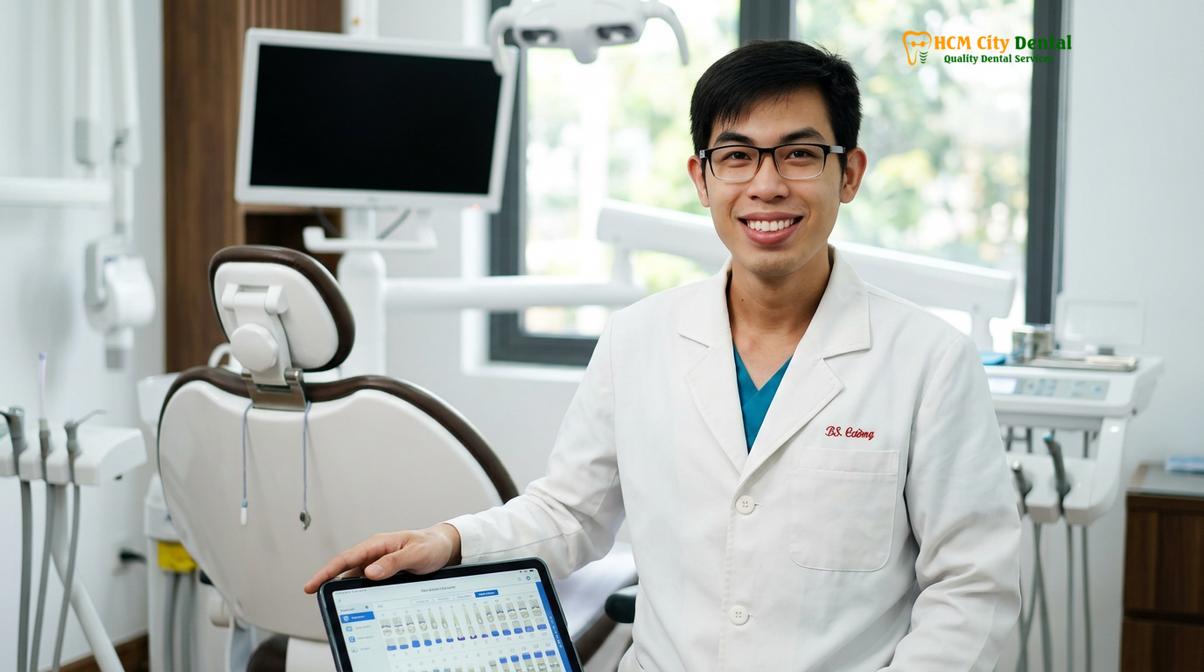
“In cases of dental trauma, time is tissue. Rapid, precise intervention not only alleviates acute pain but often dictates the long-term survivability of the affected tooth.” — Dr. Nguyen Van Cuong
Finding the nearest dentist to me is about establishing a relationship with a trusted clinical team before an emergency strikes. By prioritizing facilities that offer comprehensive diagnostics, strict safety protocols, and experienced clinicians, patients ensure that their oral health is safeguarded under all circumstances.
Frequently Asked Questions
What qualifies as a true dental emergency requiring immediate care?
A true dental emergency involves severe, unremitting pain, uncontrolled bleeding, facial swelling, or dental trauma such as an avulsed (knocked-out) tooth. These conditions require immediate clinical intervention to prevent systemic infection or permanent tooth loss. Minor chips or mild sensitivity can typically be managed during regular clinic hours.
How should I handle a knocked-out tooth before reaching the nearest dentist?
You should handle the tooth only by the crown, gently rinse it without scrubbing, and attempt to reinsert it into the socket if possible. If reinsertion is not feasible, store the tooth in cold milk or Hank’s Balanced Salt Solution and seek emergency dental care within 30 to 60 minutes for the best prognosis.
Do local dental clinics accept walk-in patients for severe toothaches?
Most comprehensive dental facilities prioritize walk-in patients presenting with acute pain, trauma, or active infections. Triage protocols are implemented to assess the severity of the condition, ensuring that patients with life-threatening or highly time-sensitive issues receive immediate palliative or definitive treatment.
What is the estimated cost of an emergency dental visit?
The cost of an emergency visit varies based on the required diagnostic imaging and the complexity of the immediate intervention. A standard emergency exam with a radiograph is generally affordable, while definitive treatments like root canal therapy or surgical extractions will incur additional fees based on the clinic’s transparent fee schedule.
Can a general dentist perform complex procedures like wisdom teeth removal?
Yes, highly trained general dentists equipped with modern surgical instruments and 3D imaging can safely perform most wisdom teeth extractions. However, cases involving severe impaction or proximity to the inferior alveolar nerve may be referred to an in-house oral and maxillofacial surgeon for optimal safety.
References
- Journal of the American Dental Association. Guidelines for the Management of Traumatic Dental Injuries. (2021).
- International Endodontic Journal. Pathophysiology and Clinical Management of Acute Irreversible Pulpitis. (2020).
- Journal of Oral and Maxillofacial Surgery. Efficacy of Cone Beam Computed Tomography in Dental Diagnostics. (2019).
- British Dental Journal. Cross-Infection Control and Sterilization Protocols in Modern Dental Practice. (2022).
- Clinical Oral Investigations. Biomechanical Evaluation of Direct Composite Restorations in Posterior Teeth. (2018).