Choosing between a hospital or dentist for wisdom teeth removal depends on surgical complexity and your medical history. General dentists safely extract fully erupted teeth under local anesthesia, while hospitals or specialized oral surgery clinics are required for deep impactions, general anesthesia, or patients with systemic health conditions.
Clinical Summary:
The decision to undergo third molar extraction in a standard clinical dental setting versus a hospital environment hinges on a thorough radiographic evaluation of impaction depth, root morphology, proximity to the inferior alveolar nerve, and the patient’s overall systemic health. While routine, fully erupted extractions are efficiently and safely managed by general dentists using local anesthesia, complex surgical extractions—especially those involving deep bony impactions or requiring deep sedation and general anesthesia—necessitate the advanced monitoring capabilities of an oral and maxillofacial surgeon or a hospital facility. Proper preoperative assessment ensures optimal surgical safety, minimizes the risk of neurological complications, and promotes predictable postoperative healing.
Key Takeaways:
- General dentists typically handle simple, fully erupted wisdom teeth extractions using standard local anesthesia.
- Hospitals or specialized surgical centers are recommended for deep bony impactions and complex anatomical risks.
- Patients with underlying medical conditions, bleeding disorders, or severe dental anxiety benefit from hospital-grade sedation protocols.
- Advanced 3D imaging (CBCT) is crucial for determining the safest surgical environment for your specific anatomical case.
- Post-operative recovery protocols remain similar regardless of the setting, emphasizing strict infection control and blood clot preservation.
Clinical Assessment: When is a Dentist Sufficient?
A general dentist is fully equipped to perform wisdom teeth removal if the molars are fully erupted, vertically aligned, and require only local anesthesia.
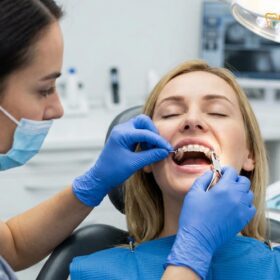
For many patients, the emergence of third molars occurs without significant anatomical obstruction. When a wisdom tooth erupts completely through the gingival tissue and aligns properly with the opposing dentition, its removal is functionally similar to a standard Tooth Extraction. In these straightforward scenarios, a general dentist is highly capable of performing the procedure safely within a traditional office setting.
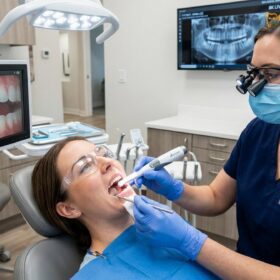
The clinical criteria for an in-office extraction by a general dentist typically include vertical eruption, distinct and fused root structures that do not hook around vital anatomy, and the absence of acute, widespread infection. During the initial consultation, the dentist will utilize a panoramic radiograph (OPG) to assess the tooth’s position. If the roots are clearly separated from the inferior alveolar nerve canal in the lower jaw and the maxillary sinus in the upper jaw, the extraction is classified as routine[1].
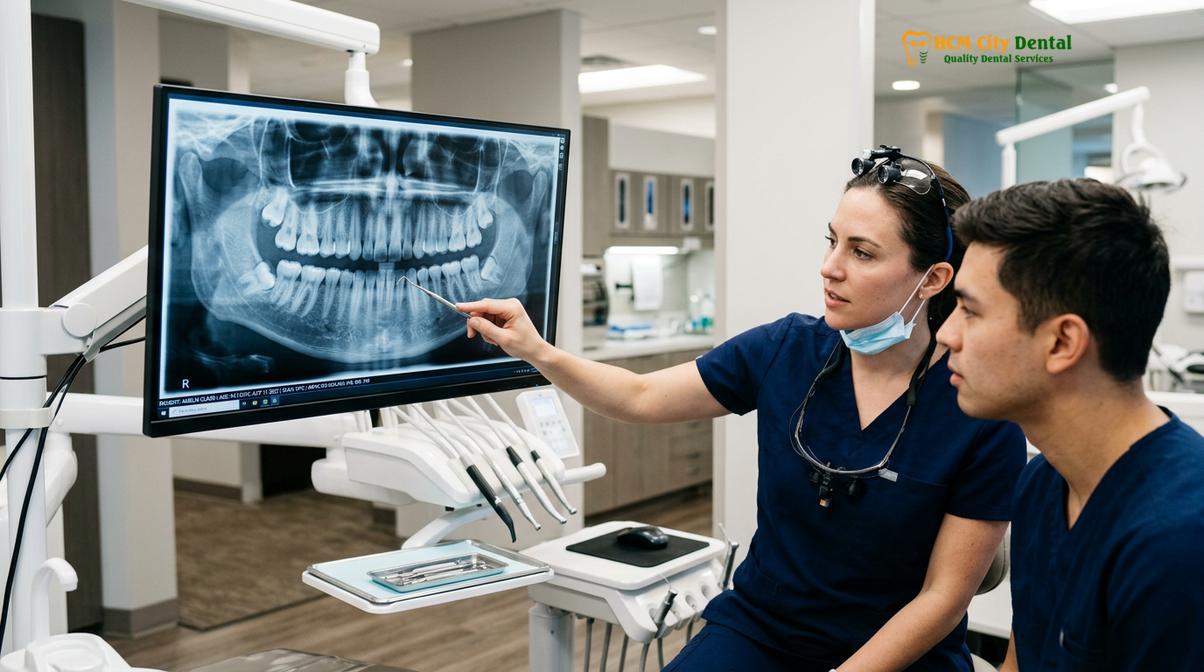
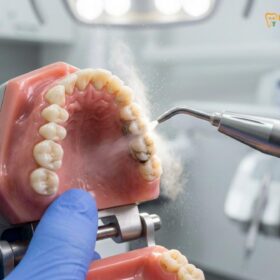
In a standard dental setting, the procedure is performed using local anesthetics such as Lidocaine or Articaine, often combined with a vasoconstrictor like Epinephrine to ensure profound numbness and control localized bleeding. The dentist utilizes specialized instruments called elevators to gently expand the bony socket and sever the periodontal ligament, followed by extraction forceps to remove the tooth. Because the tooth is fully accessible, there is rarely a need for surgical incisions, bone removal, or tooth sectioning.
“Routine extractions of fully erupted third molars can be safely and efficiently managed in a general dental setting, provided the practitioner has conducted a thorough radiographic analysis to rule out hidden anatomical complexities.”
Furthermore, patients who are generally healthy, without complex systemic diseases or severe dental anxiety, are ideal candidates for in-office procedures. The recovery from a simple extraction is typically rapid, with minimal swelling and discomfort compared to surgical impactions. By following comprehensive general dental guide protocols for aftercare, patients can usually return to their normal daily activities within a few days.
Surgical Complexity: Why Choose a Hospital Setting?
Hospitals provide the necessary infrastructure for complex surgical extractions, deep bony impactions, and patients requiring general anesthesia or advanced medical monitoring.
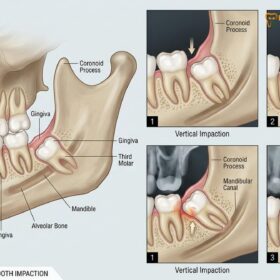
While general dentists handle routine cases, the anatomical reality of third molars often presents significant surgical challenges. Wisdom teeth are notorious for becoming impacted—meaning they are blocked from fully erupting by overlying gum tissue, dense jawbone, or adjacent teeth. When evaluating whether wisdom teeth should be removed, the degree of impaction is a primary factor in determining the appropriate surgical venue.
Impactions are clinically categorized by their angulation: mesioangular (tilted forward), distoangular (tilted backward), horizontal, and vertical. Furthermore, the Pell and Gregory classification system evaluates the depth of the tooth relative to the occlusal plane and the amount of space available between the second molar and the ascending ramus of the mandible. Deep partial bony or full bony impactions require a surgical approach involving mucoperiosteal flap reflection, precise bone removal (ostectomy), and sectioning of the tooth (odontotomy) to extract it safely without fracturing the jaw[2].
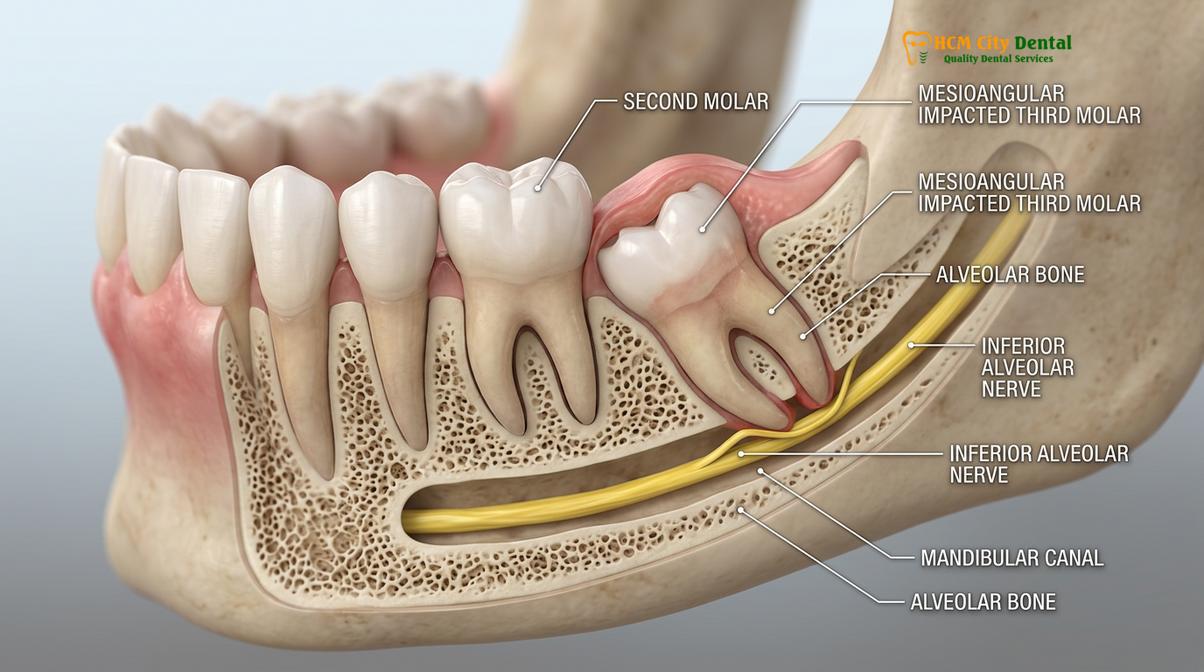
Beyond the physical position of the tooth, proximity to vital anatomical structures dictates the need for a hospital or specialized surgical setting. In the mandible, the roots of wisdom teeth often sit dangerously close to, or even wrap around, the inferior alveolar nerve. Damage to this nerve can result in temporary or permanent paresthesia (numbness) of the lower lip, chin, and tongue. In the maxilla, upper wisdom teeth may protrude into the maxillary sinus cavity; their removal carries the risk of creating an oroantral communication (a hole between the mouth and sinus)[3].
Clinical Warning: Patients with radiographic evidence of third molar roots intersecting the inferior alveolar nerve canal should undergo Cone Beam Computed Tomography (CBCT) imaging. These high-risk cases are best managed by an oral and maxillofacial surgeon in a facility equipped to handle neurological complications.
Systemic health is another critical determinant. Patients with severe coagulopathies (bleeding disorders), those on active anticoagulant therapy, individuals with poorly controlled cardiovascular disease, or those with compromised immune systems require the advanced monitoring and emergency response capabilities inherent to a hospital environment. In these instances, the multidisciplinary support of anesthesiologists and medical specialists ensures patient safety during and after the surgical intervention.
Evaluating Anesthesia and Sedation Options
The choice of facility often dictates available anesthesia options, ranging from local numbing at a dental clinic to full general anesthesia in a hospital.
Pain management and patient comfort are paramount in oral surgery. The pharmacological approach to anesthesia varies significantly between a standard dental office and a hospital setting. Understanding these options helps patients make informed decisions about where to undergo their procedure, especially considering the typical age wisdom teeth grow, which often coincides with heightened dental anxiety in young adults.
Local Anesthesia: Administered via injection directly into the oral mucosa, local anesthesia blocks sodium channels in the nerve endings, preventing the transmission of pain signals. The patient remains fully conscious and aware of pressure and vibration, but feels no sharp pain. This is the standard of care for simple extractions in a general dental office.
Nitrous Oxide (Laughing Gas): Often used in conjunction with local anesthesia, nitrous oxide provides mild anxiolysis (anxiety relief) and a slight analgesic effect. It is inhaled through a nasal mask and wears off rapidly once the gas is turned off, allowing the patient to drive themselves home. Most general dentists and specialized clinics offer this option.
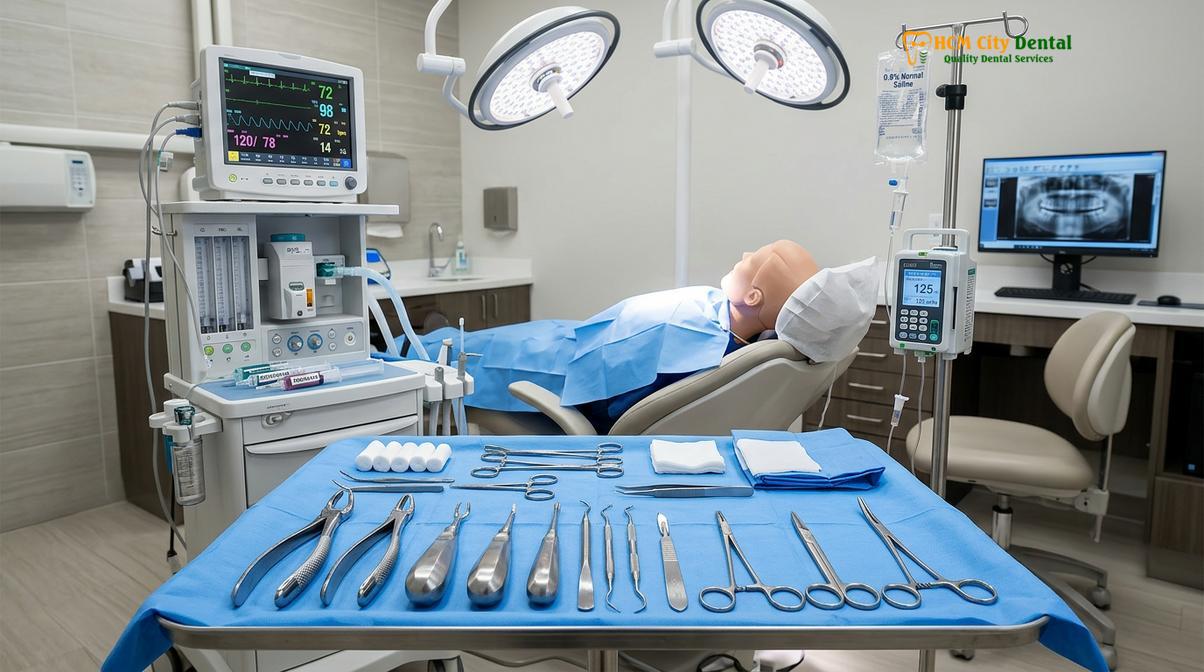
Intravenous (IV) Sedation: Also known as “twilight sedation,” IV sedation involves administering medications such as Midazolam, Fentanyl, or Propofol directly into the bloodstream. The patient enters a state of deep relaxation and partial amnesia, often remembering little to nothing of the procedure. IV sedation requires specialized training, continuous physiological monitoring (ECG, capnography, pulse oximetry), and is typically performed in specialized oral surgery clinics or hospitals[4].
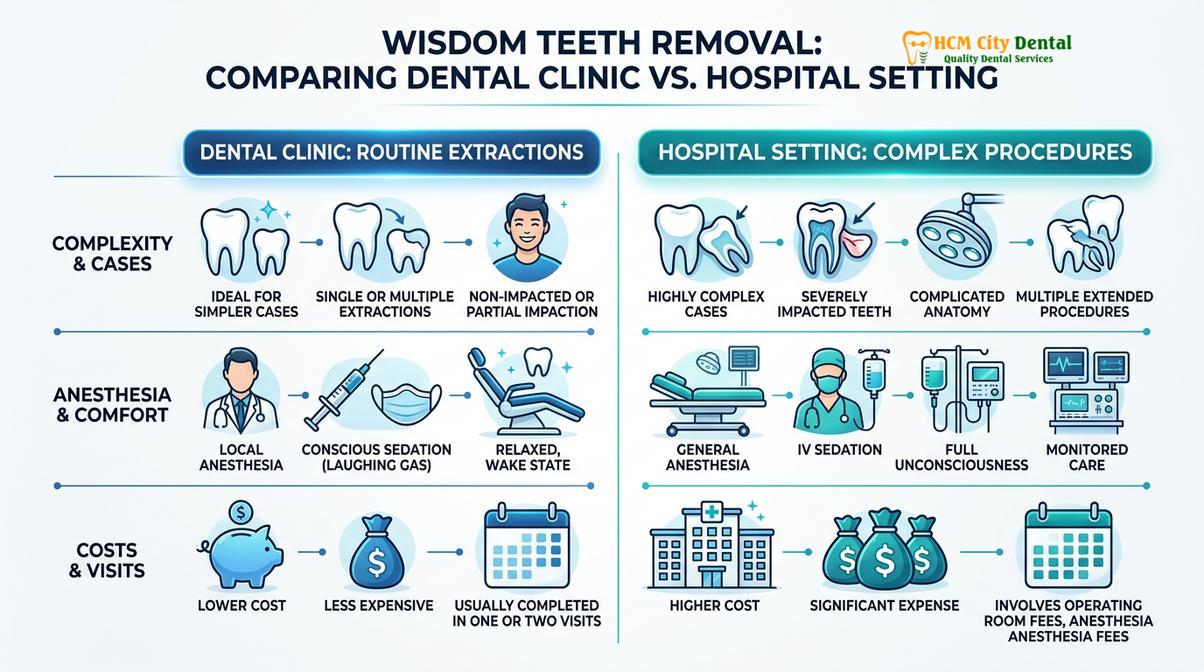
General Anesthesia: Under general anesthesia, the patient is rendered completely unconscious and unresponsive to surgical stimulation. This requires airway management (intubation) and the administration of volatile anesthetic gases or deep IV anesthetics by a licensed anesthesiologist. General anesthesia is strictly reserved for hospital settings or highly accredited ambulatory surgical centers, and is indicated for extremely complex surgeries, severe anatomical anomalies, or patients with profound physical or cognitive disabilities.
| Feature | General Dental Clinic | Specialized Clinic / Hospital |
|---|---|---|
| Ideal Case Type | Fully erupted, simple anatomy | Deep bony impactions, complex roots |
| Anesthesia Available | Local, Nitrous Oxide, Oral Sedatives | IV Sedation, General Anesthesia |
| Imaging Capabilities | 2D Panoramic X-ray (OPG) | 3D CBCT Scans for nerve mapping |
| Systemic Health | Healthy patients (ASA I or II) | Medically compromised patients (ASA III+) |
| Cost Profile | Generally lower, no facility fees | Higher due to facility and anesthesia fees |
The Role of Specialized Oral Surgeons in Modern Clinics
Modern specialized dental clinics bridge the gap between general dentistry and hospitals by offering advanced surgical suites and IV sedation capabilities.
Historically, patients faced a binary choice: a simple extraction at their local dentist or a complex surgery at a major hospital. Today, the landscape of dental medicine has evolved. Specialized oral surgery centers and advanced multi-disciplinary practices, such as HCMC Dental Clinic in Ho Chi Minh City, offer a hybrid solution. These facilities are equipped with hospital-grade sterilization protocols, advanced 3D imaging technology, and dedicated surgical suites that allow for the safe management of complex impactions without the logistical burdens of a hospital admission.
At these advanced clinics, specialists utilize Cone Beam Computed Tomography (CBCT) to generate a three-dimensional map of the patient’s maxillofacial anatomy. This allows the surgeon to visualize the exact relationship between the wisdom tooth roots and the inferior alveolar nerve in three dimensions, drastically reducing the risk of iatrogenic injury. For patients with a congenital absence of wisdom teeth, this imaging quickly confirms their status, preventing unnecessary exploratory procedures.
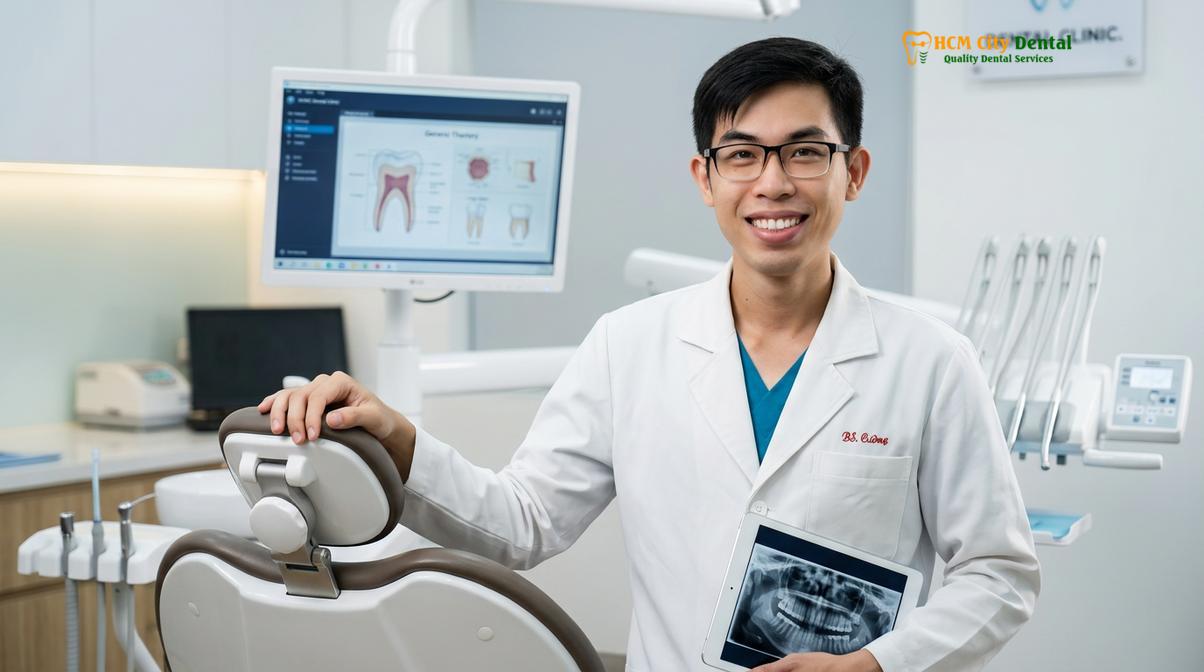
Dr. Nguyen Van Cuong emphasizes that the integration of IV sedation within a specialized clinical setting provides the optimal balance of safety, comfort, and cost-effectiveness. Patients receive the high-level surgical expertise required for bony impactions while recovering in a comfortable, outpatient environment. The clinical team is rigorously trained in Advanced Cardiac Life Support (ACLS) and emergency airway management, ensuring a safety profile that rivals traditional hospital settings for outpatient procedures.
Clinical Case Study: A 22-year-old patient presented to HCMC Dental Clinic in Ho Chi Minh City with severe pain in the lower jaw. 3D CBCT imaging revealed bilateral horizontal bony impactions with roots intimately wrapped around the inferior alveolar nerve. Rather than a costly hospital admission, Dr. Cuong performed the complex extractions in the clinic’s advanced surgical suite under deep IV sedation. The teeth were carefully sectioned to protect the nerve, and the patient recovered smoothly without any sensory deficits.
Surgical Workflow and Tissue Management
Complex wisdom tooth removal follows a precise surgical workflow designed to minimize tissue trauma and preserve surrounding jawbone architecture.
Whether performed in a hospital or a specialized clinic, the surgical extraction of an impacted third molar is a meticulous procedure. Once profound anesthesia is achieved, the surgeon begins by designing a mucoperiosteal flap. This involves making a precise incision in the gum tissue to expose the underlying jawbone. The design of the flap (such as an envelope or triangular flap) is critical to ensure adequate blood supply for postoperative healing.
If the tooth is encased in bone, the surgeon performs an ostectomy using a specialized surgical handpiece. Copious sterile saline irrigation is used during bone removal to prevent thermal necrosis (heat damage) to the surrounding osteocytes. To avoid applying excessive force that could fracture the mandible or damage adjacent teeth, the surgeon will often perform an odontotomy—sectioning the wisdom tooth into smaller, manageable pieces using a surgical bur.
Once the tooth fragments are carefully elevated and removed, the surgical site is thoroughly debrided. The surgeon meticulously curettes the socket to remove any remnants of the dental follicle, which, if left behind, could develop into pathology such as a dentigerous cyst or an ameloblastoma. Finally, the site is irrigated with an antimicrobial solution, and the flap is repositioned and secured using sutures. Resorbable sutures, such as chromic gut or polyglactin (Vicryl), are commonly used as they dissolve naturally over one to two weeks, eliminating the need for a suture removal appointment.
Post-Operative Recovery and Risk Management
Regardless of the surgical setting, strict adherence to post-operative care protocols is essential to prevent complications like dry socket and infection.
The physiological process of healing begins immediately after the extraction. Hemostasis (blood clotting) is the first and most critical phase. Patients are instructed to bite down firmly on sterile gauze to apply continuous pressure, allowing a stable fibrin clot to form within the socket. This clot serves as a biological scaffold for new tissue and bone regeneration, while also protecting the exposed bone and nerve endings from the oral environment.
One of the most common complications following third molar surgery is alveolar osteitis, commonly known as dry socket. This occurs when the blood clot is prematurely dislodged or dissolves before the socket has healed, leading to severe, radiating pain. To mitigate this risk, patients must strictly avoid creating negative pressure in the mouth—this means no smoking, no using straws, and no vigorous spitting or rinsing for the first 72 hours. Dr. Nguyen Van Cuong routinely advises patients that preserving the blood clot is the single most important factor in a smooth recovery.
“The success of a surgical extraction is not solely determined in the operating chair; it relies heavily on the patient’s strict adherence to postoperative hemostatic and infection control protocols to facilitate undisturbed osteogenesis.”
Pain and swelling are natural inflammatory responses to surgical trauma. Management typically involves a multimodal analgesic approach. Non-steroidal anti-inflammatory drugs (NSAIDs) like Ibuprofen are highly effective at reducing both pain and inflammation at the surgical site. In cases of complex bony impactions, a short course of corticosteroids (such as Dexamethasone) may be administered intraoperatively to minimize postoperative edema. Patients experiencing referred pain, such as wisdom teeth causing headaches, usually find relief once the localized inflammation subsides[5].
When to See a Doctor
While postoperative swelling, mild oozing, and discomfort are expected, certain clinical signs warrant immediate medical evaluation. You should contact your oral surgeon or seek emergency medical care if you experience any of the following red flags:
- Excessive Bleeding: Bleeding that rapidly fills the mouth and cannot be controlled by biting firmly on gauze for 45 minutes.
- Signs of Infection: A persistent fever exceeding 101°F (38.3°C), accompanied by chills or a foul-tasting purulent discharge (pus) from the extraction site.
- Severe Dyspnea or Dysphagia: Difficulty breathing or swallowing, which may indicate severe swelling spreading into the fascial spaces of the neck (Ludwig’s angina).
- Prolonged Paresthesia: Numbness, tingling, or a “pins and needles” sensation in the lips, chin, or tongue that persists beyond 24 hours after the local anesthesia should have worn off.
- Worsening Pain: Pain that progressively worsens after the third postoperative day, rather than improving, which is a classic hallmark of alveolar osteitis (dry socket).
If you are unsure whether your wisdom teeth require a simple clinical extraction or a complex surgical approach, a comprehensive radiographic evaluation is the first step. Contact the specialized team at HCMC Dental Clinic to schedule a diagnostic consultation and discuss the safest, most comfortable treatment pathway for your specific anatomical needs.
Frequently Asked Questions
Is it cheaper to get wisdom teeth removed at a dentist or a hospital?
Having wisdom teeth removed at a general dental clinic is typically more cost-effective than a hospital setting. Hospitals charge additional facility fees, anesthesiologist fees, and operating room costs. However, complex surgical cases or patients requiring general anesthesia may necessitate the higher costs associated with hospital care for optimal safety. Your insurance coverage will also heavily influence out-of-pocket expenses depending on the venue.
Can a regular dentist remove impacted wisdom teeth?
Some general dentists with advanced surgical training can remove mildly impacted wisdom teeth. However, severe bony impactions, teeth positioned close to the inferior alveolar nerve, or cases requiring deep IV sedation are typically referred to specialized oral and maxillofacial surgeons to minimize the risk of neurological and sinus complications. A 3D CBCT scan is usually required to determine if a specialist is needed.
How long does hospital wisdom tooth removal take?
The surgical procedure itself usually takes between 45 to 90 minutes, depending on the complexity of the impactions. However, when performed in a hospital setting, patients should expect to spend four to six hours total, accounting for preoperative preparation, anesthesia administration, and postoperative recovery monitoring before discharge. You will also need an escort to drive you home.
Do I have to be put to sleep for wisdom teeth removal?
No, being put to sleep is not strictly required for all wisdom teeth extractions. Simple extractions can be comfortably performed using only local anesthesia. However, for multiple impacted teeth, severe dental anxiety, or complex surgical anatomy, intravenous (IV) sedation or general anesthesia is highly recommended for patient comfort and to allow the surgeon to work efficiently without patient movement.
What happens if I don’t remove my impacted wisdom teeth?
Leaving impacted wisdom teeth untreated can lead to severe clinical complications over time. These include the development of dentigerous cysts, chronic pericoronitis (gum infection), resorption of adjacent healthy tooth roots, and severe crowding. Proactive evaluation is essential to prevent irreversible damage to the surrounding jawbone and dentition, even if the impacted teeth are currently asymptomatic.
References
- American Association of Oral and Maxillofacial Surgeons. Parameters of Care for Third Molar Extraction. (2022).
- Journal of Oral and Maxillofacial Surgery. Complication rates in hospital versus outpatient clinical settings. (2021).
- International Journal of Oral Science. Anatomical risk factors in mandibular third molar surgery. (2020).
- British Journal of Oral and Maxillofacial Surgery. Efficacy of multimodal analgesia post-extraction. (2019).
- Anesthesia Progress. Sedation protocols in outpatient oral surgery facilities. (2023).