To find a biological dentist, search for practitioners certified by recognized holistic dental boards who specialize in biocompatible materials and safe extraction protocols. These professionals prioritize the oral-systemic health connection, ensuring treatments like safe amalgam removal are designed to support your overall medical well-being rather than just addressing localized dental issues.
Clinical Summary:
Biological dentistry, often referred to as holistic or integrative dentistry, represents a paradigm shift from traditional dental care by emphasizing the profound connection between oral health and systemic wellness. Finding a qualified biological dentist requires identifying practitioners who hold specific certifications from organizations such as the International Academy of Oral Medicine and Toxicology (IAOMT) or the International Academy of Biological Dentistry and Medicine (IABDM). These specialists utilize advanced clinical protocols, including the Safe Mercury Amalgam Removal Technique (SMART), ozone therapy for non-toxic infection control, and comprehensive biocompatibility testing to ensure dental materials do not trigger immunological reactions. By integrating 3D Cone Beam Computed Tomography (CBCT) to detect hidden jawbone cavitations and carefully evaluating the systemic impact of all treatments, biological dentists aim to provide care that supports the body’s natural healing capacity while minimizing toxic exposure.
Key Takeaways:
- Biological dentists evaluate oral health as an integral component of the entire systemic body.
- Look for IAOMT or IABDM certifications to ensure the practitioner follows strict holistic standards.
- The SMART protocol is essential for minimizing toxic exposure during mercury amalgam removal.
- Biocompatibility testing helps ensure that restorative materials do not provoke allergic or autoimmune responses.
- Advanced diagnostics, such as 3D CBCT imaging, are routinely used to identify hidden focal infections.
Understanding Biological Dentistry: Beyond Traditional Care
Biological dentistry is a specialized field that treats oral health as a crucial part of systemic wellness, utilizing non-toxic, biocompatible materials and advanced holistic protocols.
The landscape of dental medicine has evolved significantly over the past few decades. Historically, the primary focus of conventional dentistry was mechanical repair—drilling out decay and filling the void with durable materials, often without regard for how those materials might interact with the rest of the body. Today, a growing number of patients and practitioners recognize that the mouth is not an isolated system. It is the gateway to the digestive and respiratory tracts, and its blood supply is intimately connected to the cardiovascular system and the brain.
When you set out to find a biological dentist, you are looking for a medical professional who understands that every procedure performed in the oral cavity has the potential to impact overall health. Unlike a conventional practice that might focus predominantly on cosmetic outcomes and mechanical functionality, a biological practice evaluates the systemic implications of dental care. This includes scrutinizing the chemical composition of restorative materials, understanding the neurological impact of chronic oral inflammation, and recognizing the potential toxicity of heavy metals used in traditional dentistry[1].
Many patients begin their journey toward holistic health by seeking out a provider who bridges the gap between standard procedures and integrative medicine. These providers often collaborate closely with naturopaths, integrative physicians, and functional medicine specialists to ensure that dental treatments align with the patient’s broader health goals. For instance, if a patient is undergoing chelation therapy for heavy metal toxicity, the biological dentist plays a critical role in safely removing the source of the exposure from the oral cavity before systemic detoxification can be fully effective.
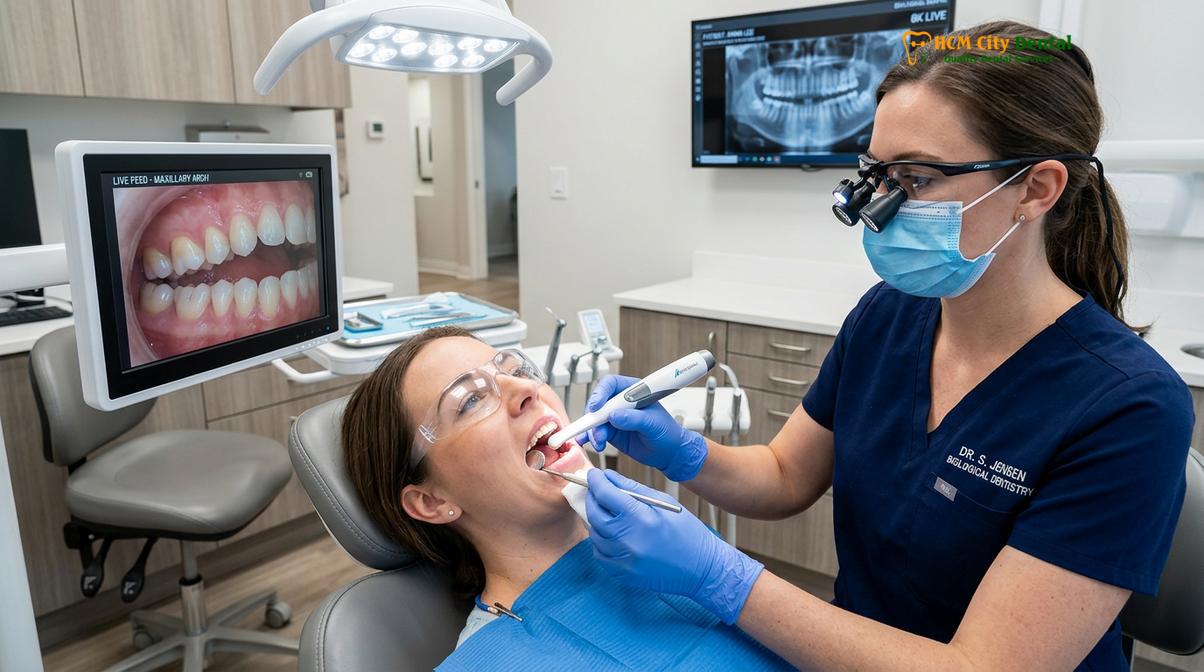
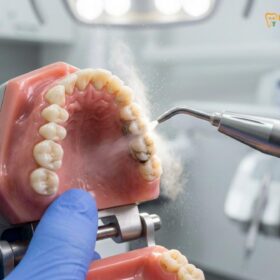
Furthermore, the philosophy of biological dentistry extends to the preservation of natural tissue. By utilizing advanced technologies such as air abrasion, laser dentistry, and ozone therapy, biological dentists can often preserve more of the natural tooth structure and avoid the aggressive drilling techniques of the past. This conservative approach not only reduces trauma to the tooth but also minimizes the risk of future complications.
Core Clinical Protocols of a Biological Dentist
Biological dentists employ strict clinical protocols, including the SMART technique for safe mercury removal, ozone therapy for infection control, and advanced biocompatibility testing.
The defining characteristics of a biological dental practice lie in its specialized clinical protocols. These procedures are designed to maximize therapeutic efficacy while minimizing any potential harm to the patient, the dental staff, and the environment. Understanding these protocols is essential when evaluating a prospective provider.
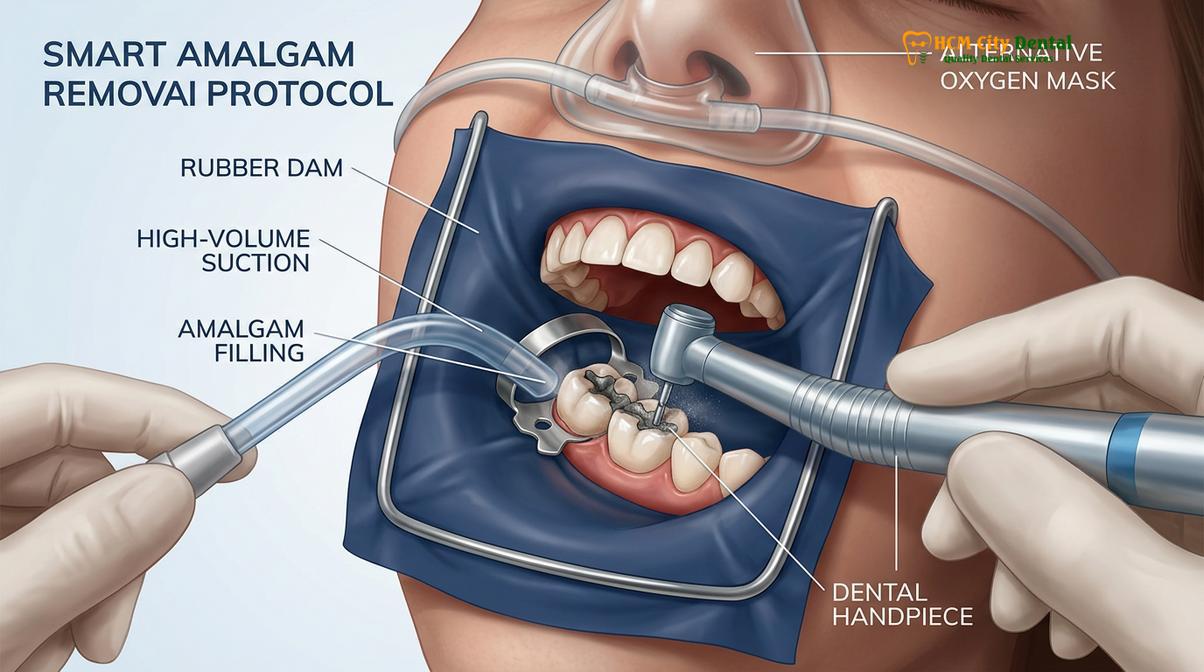
Clinical Warning: Removing old silver amalgam fillings without proper safety protocols can expose patients to high levels of vaporized mercury. Always ensure your practitioner is SMART-certified and utilizes high-volume evacuation, alternative air supplies, and rubber dams during the extraction process to minimize toxic exposure.
The SMART Protocol for Amalgam Removal
One of the most critical services offered by these specialists is safe amalgam removal. Traditional “silver” fillings are composed of approximately 50% elemental mercury, a known neurotoxin. When these fillings are drilled out using standard high-speed handpieces without specific precautions, they generate a massive plume of mercury vapor and particulate matter, which can be inhaled and absorbed by the patient[2].
To mitigate this risk, certified biological dentists strictly adhere to the Safe Mercury Amalgam Removal Technique (SMART). Furthermore, local health authorities, including the Vietnam Ministry of Health, emphasize the importance of safe dental material handling and stringent clinical infection control to protect both patients and staff[6]. The SMART protocol includes a comprehensive suite of safety measures, such as alternative air supplies, slitted rubber dams, and specialized room air filtration.
“The implementation of the SMART protocol is a fundamental requirement in biological dentistry. It transforms a potentially hazardous procedure into a controlled, safe extraction, protecting the systemic health of the patient and the occupational health of the dental team.”
Ozone Therapy in Dentistry
Another cornerstone of biological practice is the extensive use of ozone therapy. Ozone (O3) is a highly reactive form of oxygen that possesses potent antimicrobial properties. When applied in the oral cavity—either as a gas, ozonated water, or ozonated oil—it effectively destroys bacteria, viruses, and fungi by disrupting their cell walls through an oxidative burst.
Biological dentists utilize ozone in various applications, including disinfecting deep cavities before placing a restoration, treating periodontal disease by flushing infected gum pockets, and sanitizing surgical sites to promote faster healing[4]. It is also highly effective in managing the anaerobic bacteria responsible for chronic halitosis, providing a non-toxic alternative to harsh chemical mouthwashes.
Biocompatibility Testing
Not all dental materials are suitable for every patient. Just as individuals can have allergies to specific foods or medications, they can also exhibit immunological reactivity to the compounds used in dental composites, cements, and implants. A biological dentist often utilizes biocompatibility testing—such as blood serum panels—to determine which materials are safest for a specific patient[3].
This personalized approach helps ensure that the restorations placed in the mouth will not trigger chronic inflammation or autoimmune responses. For example, while titanium has long been the standard for dental implants, some patients exhibit metal sensitivities. In such cases, a biological dentist may recommend zirconia (ceramic) implants, which are highly biocompatible, metal-free, and aesthetically pleasing.
How to Evaluate and Find a Biological Dentist
Locating a qualified biological dentist requires verifying their credentials with organizations like the IAOMT and ensuring they strictly adhere to holistic, non-toxic clinical standards.
Finding a practitioner who truly practices biological dentistry requires diligent research. Because the term “holistic” is sometimes used as a marketing buzzword, patients must look beyond the advertising to verify the clinician’s training and adherence to established protocols. Organizations such as the American Board of Dental Medicine provide comprehensive guidelines for holistic diagnostics, ensuring practitioners maintain high clinical standards[5].
When evaluating a dental care group, it is crucial to ask specific questions before scheduling an appointment. Inquire about their amalgam removal protocols, their stance on controversial topics like whether fluoride is bad for your teeth, and their approach to root canal therapy.
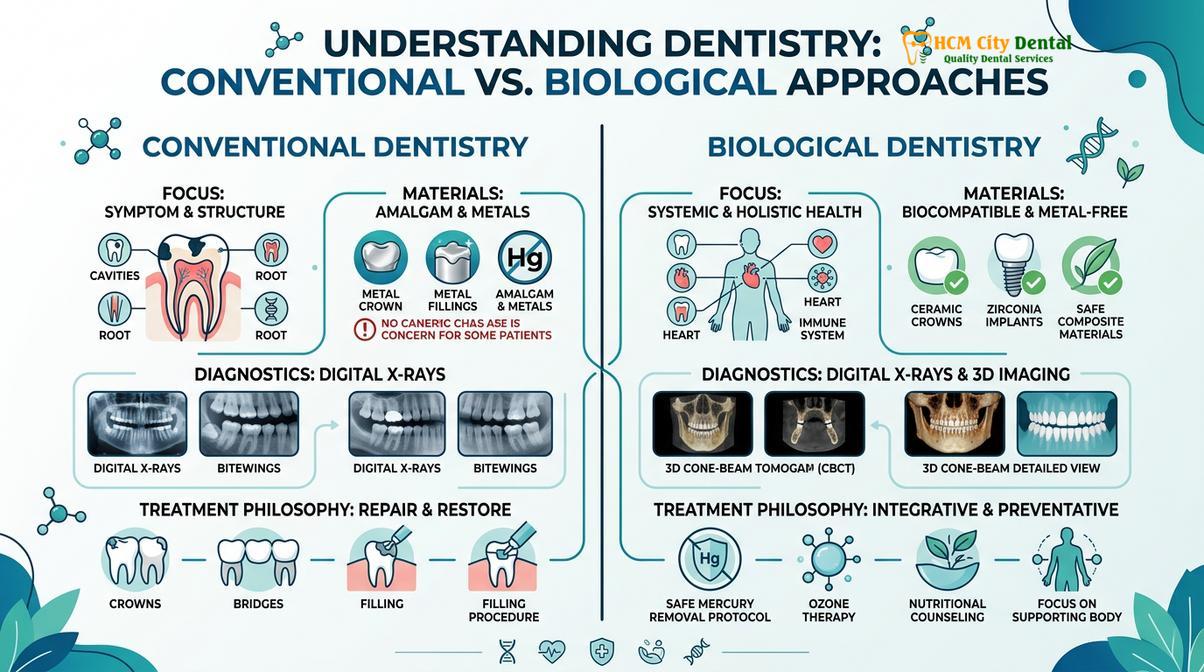
| Clinical Aspect | Conventional Dentistry | Biological Dentistry |
|---|---|---|
| Material Selection | Standard composites, amalgam (silver), titanium implants | Biocompatible ceramics, zirconia implants, BPA-free resins |
| Amalgam Removal | Standard high-speed drilling and basic suction | Strict SMART protocol (oxygen masks, rubber dams, specialized filtration) |
| Infection Control | Chemical disinfectants and standard antibiotics | Ozone therapy, laser disinfection, and targeted antimicrobials |
| Diagnostic Imaging | Standard 2D bitewing and panoramic X-rays | 3D CBCT scanning to detect hidden cavitations and silent infections |
| Systemic Focus | Primarily focused on localized mechanical repair of the teeth | Evaluates how oral health impacts the immune system and overall body |
The Patient Journey: What to Expect During Your Visit
A biological dental consultation involves comprehensive systemic health reviews, 3D cone beam imaging, and personalized testing to formulate a biocompatible treatment plan.
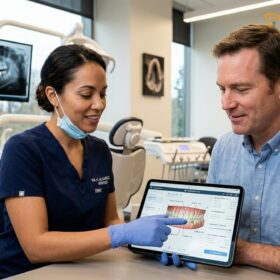
The initial consultation with a biological dentist is markedly different from a standard dental check-up. Because the focus is on the oral-systemic connection, the appointment often begins with an extensive review of your medical history, including any chronic illnesses, autoimmune conditions, dietary habits, and previous dental work. The goal is to identify any potential oral factors that may be contributing to systemic health issues.
Advanced Diagnostics and Imaging
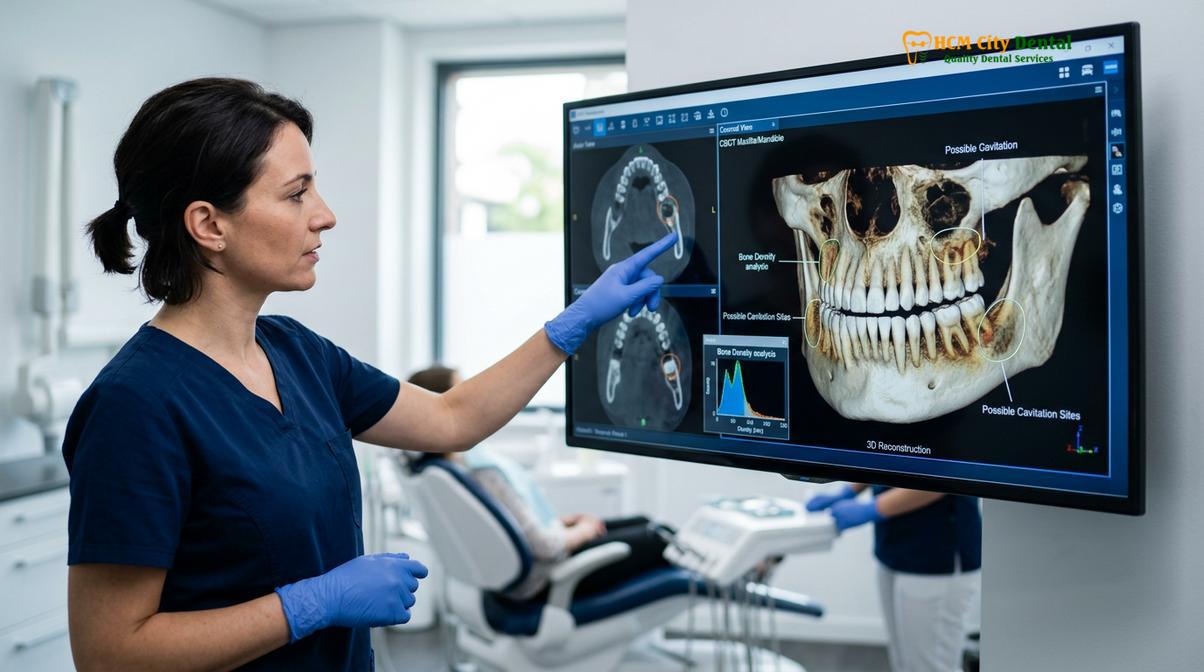
Standard 2D bitewing X-rays are often insufficient for a biological evaluation. Instead, practitioners rely heavily on 3D Cone Beam Computed Tomography (CBCT). This advanced imaging technology provides a three-dimensional view of the teeth, jawbone, sinuses, and airway. CBCT is crucial for identifying hidden pathologies that do not appear on conventional X-rays, such as silent infections or the underlying causes of a grey tooth that may be harboring necrotic tissue.
Clinical Case Study: Systemic Recovery Through Biological Dentistry
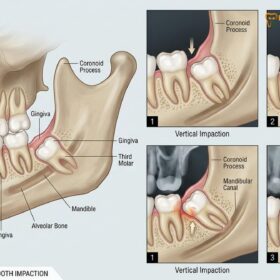
A 45-year-old patient visited HCMC Dental Clinic in Ho Chi Minh City presenting with chronic fatigue, joint pain, and a metallic taste in her mouth. Conventional medical evaluations had yielded no definitive diagnosis. Upon biological dental examination, 3D CBCT imaging revealed a silent cavitation in the site of a previously extracted wisdom tooth, and galvanic testing showed high electrical currents between multiple amalgam fillings and a gold crown. The treatment plan involved the SMART protocol for amalgam removal, surgical debridement of the cavitation using ozone therapy, and the placement of biocompatible ceramic restorations. Over the following six months, working in conjunction with an integrative physician for heavy metal chelation, the patient reported a significant reduction in systemic inflammation and a complete resolution of chronic fatigue.
Formulating a Treatment Plan
Once the diagnostics are complete, the biological dentist will formulate a comprehensive treatment plan. This plan is highly individualized and often phased to ensure the body is not overwhelmed during the healing process. If you are seeking a comprehensive general dental guide, the biological approach ensures that even routine procedures are performed with systemic health in mind.
When to Consult a Biological Dentist (Important Clinical Notes)
Patients experiencing chronic systemic health issues, unexplained fatigue, or those requiring the removal of multiple amalgam fillings should seek the expertise of a biological dentist.
While anyone can benefit from non-toxic dental care, certain individuals should prioritize finding a biological dentist. If you have been diagnosed with an autoimmune condition, chronic fatigue syndrome, or heavy metal toxicity, conventional dental treatments may inadvertently exacerbate your symptoms. A biological dentist can help identify if oral focal infections, galvanic currents from mixed metals, or incompatible dental materials are contributing to your systemic burden.
Additionally, if you are planning to have old silver fillings removed, it is imperative to consult a SMART-certified practitioner. Attempting to remove these fillings without proper safety protocols can result in acute mercury exposure. Understanding how often you should go to the dentist for biological maintenance is also crucial, as regular monitoring with 3D imaging can catch silent infections before they impact your overall health. Proper daily maintenance, including knowing how long you should brush your teeth, remains a foundational part of any holistic care plan.
Expert Clinical Leadership in Biological Care
Expert biological care requires a deep understanding of both advanced dental mechanics and systemic human physiology.
Dr. Nguyen Van Cuong, a leading clinical expert at HCMC Dental Clinic, emphasizes the importance of integrating systemic health with oral care. Dr. Cuong and his dedicated team utilize advanced biocompatibility testing and non-toxic protocols to ensure every restorative procedure supports the patient’s overall well-being. By focusing on holistic diagnostics, he helps patients achieve optimal dental health without compromising their immune systems.
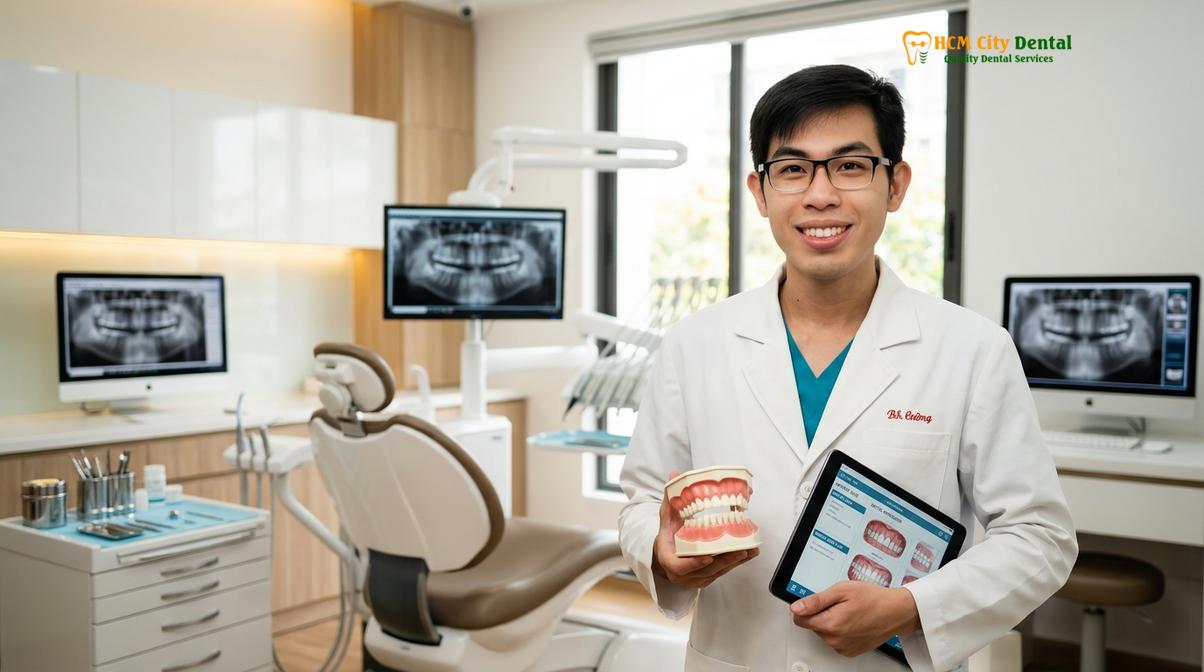
“Choosing a biological approach means shifting the focus from merely fixing broken teeth to understanding why the oral environment became compromised in the first place, thereby supporting the body’s innate healing capacity.”
Conclusion & Next Steps
Finding a biological dentist is a vital step for anyone looking to align their oral healthcare with their overall wellness goals. By prioritizing biocompatible materials, safe amalgam removal protocols, and advanced 3D diagnostics, biological dentistry offers a comprehensive approach that respects the intricate connection between the mouth and the body. If you are looking to transition to a holistic approach for your oral health, scheduling a consultation is the first step. Contact General Dentistry tại HCMC Dental Clinic in Ho Chi Minh City to learn more about our biocompatible treatments and comprehensive care options.
References
- International Academy of Oral Medicine and Toxicology (IAOMT). Safe Mercury Amalgam Removal Technique (SMART) Clinical Protocols.
- Journal of Occupational Medicine and Toxicology. Mercury exposure in dentistry and the implications for systemic health.
- International Journal of Molecular Sciences. Biocompatibility of dental materials and immunological responses.
- Journal of Clinical and Experimental Dentistry. The efficacy of ozone therapy in modern dental practice.
- American Board of Dental Medicine. Guidelines for holistic and biological dental diagnostics.
- Vietnam Ministry of Health (MOH). Guidelines on safe dental material handling and clinical infection control.
Frequently Asked Questions
What is the difference between a biological dentist and a regular dentist?
A biological dentist evaluates how oral health impacts the entire systemic body, utilizing biocompatible materials and non-toxic protocols. While regular dentists focus primarily on mechanical repair and localized symptom management, biological practitioners prioritize holistic wellness and safe material removal.
How do I verify if a dentist is truly biological?
You can verify a biological dentist by checking their credentials with recognized organizations like the IAOMT or IABDM. Look specifically for SMART certification, which ensures they are formally trained in the safe removal of mercury amalgam fillings.
Is biological dentistry covered by standard dental insurance?
Standard dental insurance typically covers basic procedures performed by a biological dentist, such as exams and cleanings, but may not cover specialized holistic protocols. Advanced diagnostics, ozone therapy, and biocompatibility testing often require out-of-pocket investment.
What is the SMART protocol for amalgam removal?
The SMART protocol is a rigorous set of safety measures designed to minimize mercury exposure during amalgam removal. It includes the use of a slitted rubber dam, alternative air supply for the patient, high-volume evacuation, and specialized room air filtration.
Why do biological dentists use ozone therapy?
Biological dentists use ozone therapy because it is a highly effective, non-toxic antimicrobial agent that helps eliminate bacteria, viruses, and fungi. It promotes tissue healing and is frequently used in periodontal therapy, cavity treatment, and during surgical procedures.