The American Dental Association and global clinical guidelines recommend that you brush your teeth for exactly two minutes, twice a day. This specific duration ensures adequate mechanical disruption of plaque biofilm and allows sufficient time for fluoride in toothpaste to remineralize enamel, preventing decay and gingival inflammation.
Clinical Summary:
Clinical evidence establishes that brushing for two minutes twice daily is the optimal baseline for long-term oral health. This specific duration maximizes mechanical plaque removal and fluoride efficacy while minimizing the risk of enamel abrasion. Patients with complex dental anatomy, periodontal disease, or orthodontic appliances may require extended brushing times of up to three or four minutes to achieve adequate hygiene. Employing the correct biomechanical technique, such as the Modified Bass method, is just as critical as the duration itself. Dr. Nguyen Van Cuong emphasizes that consistent, timed brushing, when combined with daily interdental cleaning, forms the absolute foundation of preventive dentistry and long-term tooth preservation.
Key Takeaways:
- Brush for a minimum of two minutes, twice daily, using a clinically approved fluoride toothpaste.
- Plaque removal efficiency drops significantly if the brushing duration lasts less than 120 seconds.
- Over-brushing (beyond three to four minutes) or applying excessive mechanical pressure can cause enamel wear and irreversible gum recession.
- Orthodontic patients must extend their brushing time to carefully navigate around brackets, bands, and archwires.
- Electric toothbrushes equipped with built-in quadrant timers clinically improve patient adherence to the two-minute rule.
The Clinical Standard: Why Two Minutes Matters
Brushing for two minutes allows sufficient time to mechanically disrupt bacterial biofilm across all tooth surfaces and facilitates optimal fluoride uptake into the enamel matrix.
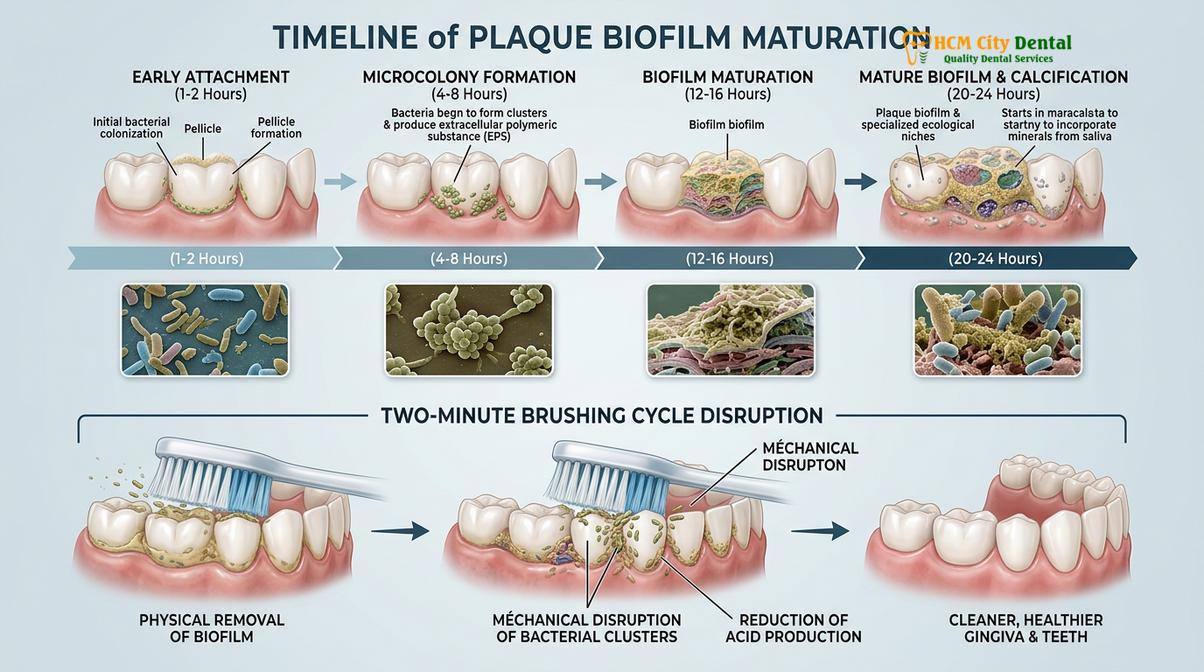
When patients ask how long should you brush your teeth, the universal clinical consensus points to the two-minute mark. However, understanding the biological and chemical reasoning behind this recommendation is crucial for maintaining optimal oral health. The human mouth is a complex ecosystem harboring hundreds of species of bacteria. Within minutes after a professional dental cleaning, a microscopic protein layer called the acquired pellicle forms over the enamel. This pellicle acts as an adhesive surface for primary bacterial colonizers, predominantly Streptococcus sanguinis and Actinomyces viscosus.
If left undisturbed, these primary colonizers multiply and create a complex, three-dimensional matrix known as dental plaque biofilm. As the biofilm matures over 12 to 24 hours, it shifts toward a more pathogenic, anaerobic bacterial profile, including Streptococcus mutans, which metabolizes dietary carbohydrates into lactic acid. This acid initiates the demineralization of the hydroxyapatite crystals in tooth enamel, leading to dental caries. A brushing duration of less than two minutes is clinically proven to be insufficient for thoroughly disrupting this tenacious biofilm across all 28 to 32 teeth in the adult dentition[1].
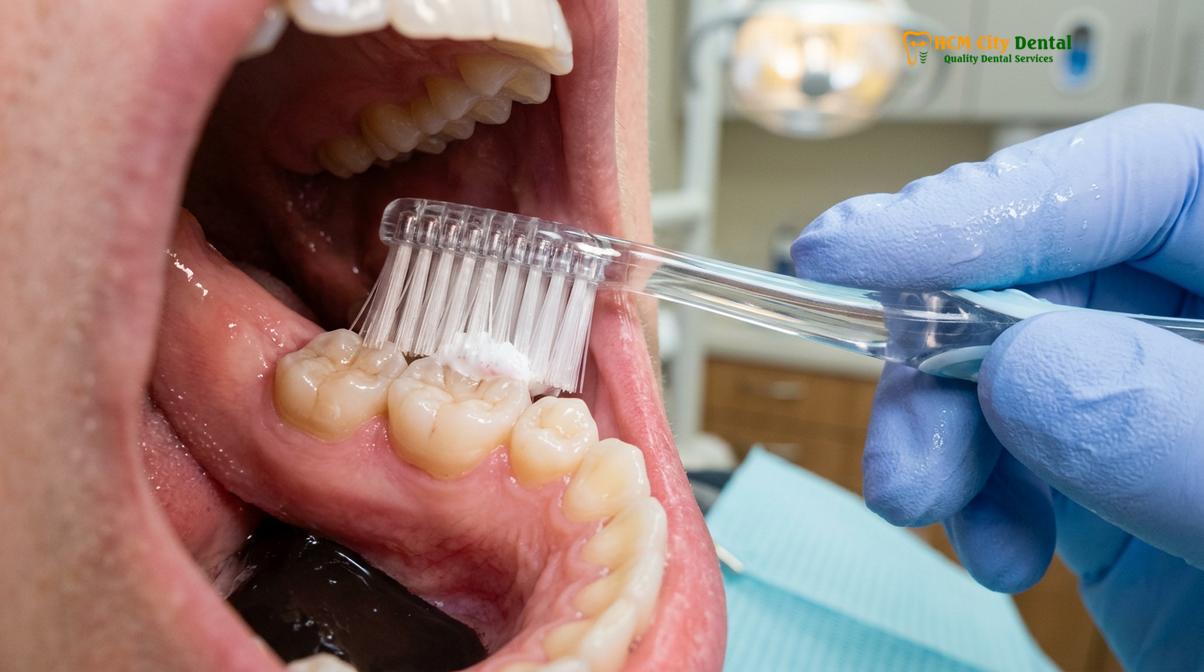
Furthermore, the two-minute duration is not solely about mechanical cleaning; it is deeply tied to the pharmacokinetics of fluoride. Fluoride, the active ingredient in most therapeutic toothpastes, requires adequate contact time with the tooth surface to be effective. During a two-minute brushing session, fluoride ions are incorporated into the demineralized enamel, converting hydroxyapatite into fluorapatite. Fluorapatite is significantly more resistant to subsequent acid attacks. Clinical studies indicate that reducing brushing time to 45 seconds—the average time most uninstructed adults brush—drastically reduces both plaque clearance and the remineralizing benefits of clinical facts about fluoride[2].
“The two-minute brushing rule is a carefully calculated clinical intersection. It provides the exact mechanical duration needed to sweep away pathogenic biofilm while allowing therapeutic agents in the toothpaste to chemically fortify the enamel structure.”
To achieve this, the mouth is typically divided into four quadrants: upper right, upper left, lower right, and lower left. Allocating exactly 30 seconds to each quadrant ensures that the buccal (outer), lingual (inner), and occlusal (chewing) surfaces receive equal attention. Rushing through this process often leaves the lingual surfaces of the lower anterior teeth and the distal surfaces of the upper molars highly susceptible to calculus (tartar) formation, which can only be removed through professional scaling.
Brushing Duration with Orthodontic Appliances
Patients undergoing orthodontic treatment must extend their brushing time to three or four minutes to effectively clean around brackets and archwires where plaque accumulation is highly prevalent.
The standard two-minute rule serves as a baseline for individuals with natural, unobstructed dentition. However, when managing teeth orthodontics braces, the anatomical landscape of the mouth changes dramatically. Orthodontic brackets, bands, ligatures, and archwires create hundreds of microscopic retention areas where food particles and bacterial biofilm can easily become trapped. Consequently, the standard two-minute duration is often insufficient to achieve clinical cleanliness.
Patients frequently ask how long do braces take to work, and the clinical answer is heavily dependent on oral hygiene compliance. If a patient fails to brush adequately, the resulting plaque accumulation leads to gingival inflammation (gingivitis) and hypertrophy. Swollen, bleeding gums can impede tooth movement, forcing the orthodontist to pause active treatment until periodontal health is restored. Similarly, how long do adults wear braces can be unexpectedly extended if poor brushing habits lead to decalcification or active carious lesions that require immediate restorative intervention mid-treatment.
Clinical Case Study: Orthodontic Hygiene Compliance
A 24-year-old patient visiting HCMC Dental Clinic in Ho Chi Minh City presented with severe plaque accumulation around her ceramic brackets after three months of treatment. She reported brushing for only 60 seconds twice daily. The resulting gingival hyperplasia was slowing her orthodontic progress. Dr. Cuong implemented a strict four-minute brushing protocol using an orthodontic-specific brush and interdental cleaners. Within four weeks, the gingival inflammation subsided entirely, allowing the orthodontic biomechanics to resume optimal tooth movement.
The biological timeline of how long does it take for braces to work relies on uninterrupted cellular remodeling of the alveolar bone. Chronic inflammation disrupts this delicate osteoclastic and osteoblastic activity. Therefore, orthodontic patients are instructed to brush for at least three to four minutes. This extended time allows the patient to angle the toothbrush bristles above the bracket (pointing downward) and below the bracket (pointing upward) to clean the critical junction between the appliance and the gingival margin.
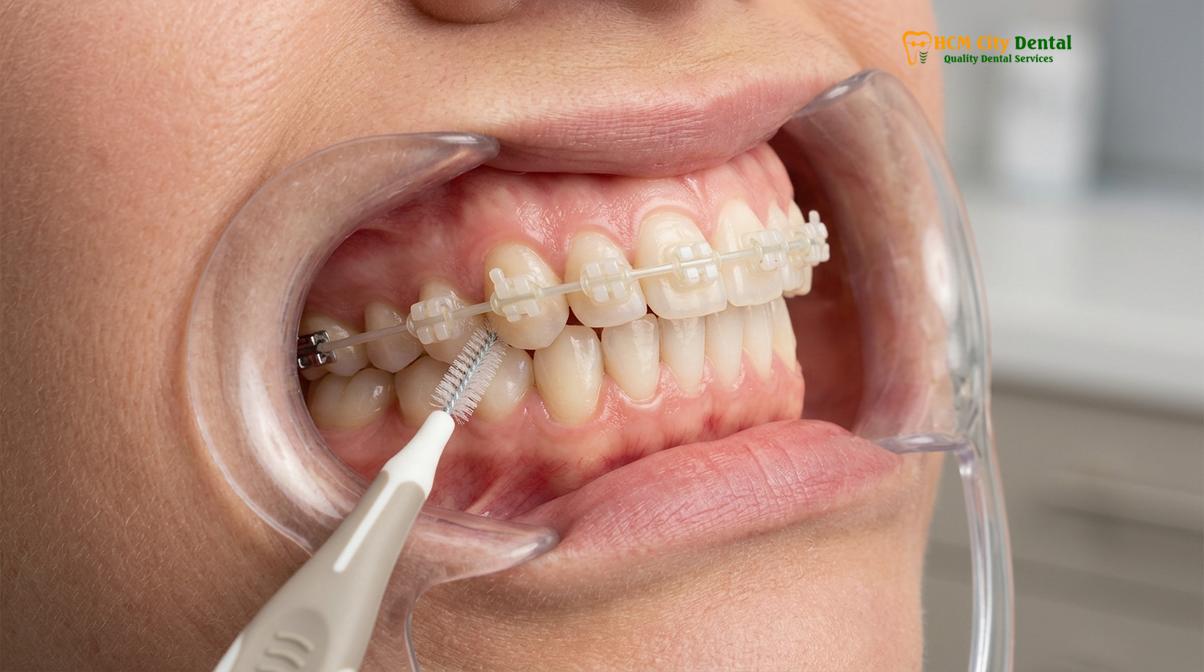
While patients often wonder how long does it take to get braces installed during the initial appointment, the daily maintenance is the true marathon. Failure to dedicate the necessary time to brushing often results in white spot lesions (WSLs)—permanent, chalky-white areas of decalcified enamel that frame the area where the bracket once sat. These aesthetic complications highlight why extended brushing duration is non-negotiable during orthodontic therapy[3].
The Science of Toothbrushing Techniques
The duration of brushing is only effective when paired with proper biomechanical techniques, such as the Modified Bass method, ensuring the bristles reach the gingival sulcus.
Time spent brushing is rendered ineffective if the mechanical technique is flawed. Scrubbing the teeth with a rapid, horizontal back-and-forth motion—a common habit among the general population—fails to clean the interproximal spaces (between the teeth) and the gingival sulcus (the shallow crevice between the tooth and the gumline). To maximize the efficacy of the two-minute duration, dental professionals universally recommend the Modified Bass technique.
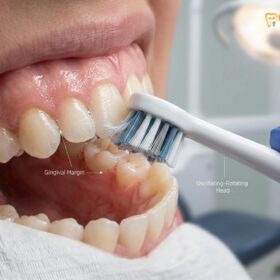
The Modified Bass technique requires the patient to hold the toothbrush at a 45-degree angle to the long axis of the tooth, directing the tips of the bristles straight into the gingival margin. The patient then applies slight pressure to splay the bristles and uses a tight, vibratory micro-motion (without dislodging the bristles from the sulcus) for about 10 to 15 seconds per segment. Following this vibration, a sweeping motion is used to roll the bristles coronally (toward the chewing surface) to sweep the loosened plaque away from the gumline. This meticulous process is repeated across all quadrants, which naturally takes about two minutes to complete thoroughly.
Other specialized techniques exist for specific clinical scenarios. The Stillman method, for instance, is often recommended for patients with existing gingival recession to stimulate the gum tissue without causing further trauma. The Charter method is frequently taught to patients with healing surgical wounds or those wearing orthodontic appliances, as it directs the bristles away from the gingiva and toward the occlusal surface to clean around brackets. Understanding these techniques is a core component of General Dentistry, ensuring that patients are not just brushing for the sake of time, but brushing with anatomical purpose.
When evaluating the efficacy of these techniques, the choice of toothbrush plays a significant role. Soft-bristled brushes are universally recommended. Medium or hard bristles, combined with aggressive brushing, drastically increase the risk of soft tissue trauma and hard tissue wear. The bristles must be flexible enough to navigate the complex topography of the dental arches and penetrate the sulcular spaces without causing lacerations.
The Role of Toothbrush Technology: Manual vs. Electric
Electric toothbrushes with built-in timers significantly improve patient compliance with the two-minute rule and offer superior plaque removal through high-frequency micro-movements.
The debate between manual and electric toothbrushes often centers around brushing duration and efficiency. While a manual toothbrush, when used with perfect technique for exactly two minutes, can achieve excellent clinical results, human error and fatigue often compromise its effectiveness. Studies show that the average person using a manual toothbrush only brushes for about 45 to 60 seconds, leaving significant amounts of pathogenic biofilm undisturbed.
Electric toothbrushes, particularly sonic and oscillating-rotating models, mitigate this human error. Sonic toothbrushes vibrate at frequencies of 31,000 to 62,000 strokes per minute, creating dynamic fluid forces that drive toothpaste and oxygen deep into interproximal spaces and below the gumline. Oscillating-rotating brushes feature a round head that cups each individual tooth, pulsating to break up plaque and rotating to sweep it away. Both technologies are clinically proven to remove more plaque than manual brushing[4].
More importantly, modern electric toothbrushes are equipped with integrated two-minute timers and 30-second quadrant pacers. This technological intervention acts as a behavioral conditioning tool, forcing the user to adhere to the clinically recommended duration. When the brush pulses or pauses every 30 seconds, it signals the user to move to the next quadrant, ensuring equitable cleaning distribution. For patients struggling with manual dexterity, such as the elderly or those with arthritis, electric toothbrushes provide the necessary mechanical action without requiring complex wrist movements.
What Happens If You Brush Too Long or Too Hard?
Exceeding three to four minutes or applying excessive mechanical force can lead to toothbrush abrasion, non-carious cervical lesions, and irreversible gingival recession.
While inadequate brushing leads to caries and periodontal disease, overzealous brushing introduces a different spectrum of clinical pathologies. Brushing for excessively long periods (e.g., five to ten minutes) or applying heavy mechanical pressure does not yield cleaner teeth; instead, it causes cumulative, irreversible damage to the oral structures. This phenomenon is known clinically as toothbrush abrasion.
Tooth enamel is the hardest substance in the human body, but it is remarkably thin at the cementoenamel junction (CEJ)—the area where the crown of the tooth meets the root at the gumline. Aggressive, prolonged horizontal scrubbing gradually wears away this thin enamel, exposing the underlying dentin. Dentin is significantly softer and contains thousands of microscopic tubules that lead directly to the dental pulp (nerve). When these tubules are exposed, patients experience acute dentin hypersensitivity, characterized by sharp pain when consuming hot, cold, sweet, or acidic foods and beverages.
Clinical Warning: The Dangers of Over-Brushing
Applying excessive pressure or brushing for more than four minutes per session can cause severe enamel abrasion and gingival recession. Once the gum tissue recedes and the root surface is exposed, it cannot grow back naturally. This exposed root is highly susceptible to rapid decay and severe sensitivity. Always use a soft-bristled toothbrush and let the tips of the bristles do the work.
Over time, this mechanical wear creates deep, V-shaped notches at the gumline, known as non-carious cervical lesions (NCCLs). These lesions compromise the structural integrity of the tooth and often require composite resin restorations to protect the nerve and restore aesthetics. If you are experiencing unexplained sensitivity or notice yellowing near the gumline, it is crucial to seek diagnostics for grey or discolored teeth and structural wear to prevent further degradation[5].
Furthermore, aggressive brushing traumatizes the delicate gingival tissues, leading to gingival recession. As the gums pull away from the crown, the root surface is exposed. Unlike the crown, the root is covered by cementum, which is easily worn away by brushing, accelerating the cycle of sensitivity and decay. Many modern electric toothbrushes feature pressure sensors that alert the user with a red light or a change in vibration if they are pressing too hard, serving as an excellent preventive tool against abrasion.
Dental Professional Training and Patient Education
Dentists undergo extensive clinical training to diagnose hygiene deficiencies and educate patients on personalized brushing protocols tailored to their specific anatomical needs.
The recommendation of how long should you brush your teeth is not arbitrary; it is rooted in deep anatomical and microbiological understanding. Considering how long it takes to be a dentist—typically four years of rigorous dental school following a four-year undergraduate degree, plus potential specialty residencies—dental professionals are extensively trained to analyze the microscopic interactions between biofilm, enamel, and gingival tissues. This extensive education allows them to look beyond the surface and diagnose the root causes of oral disease.
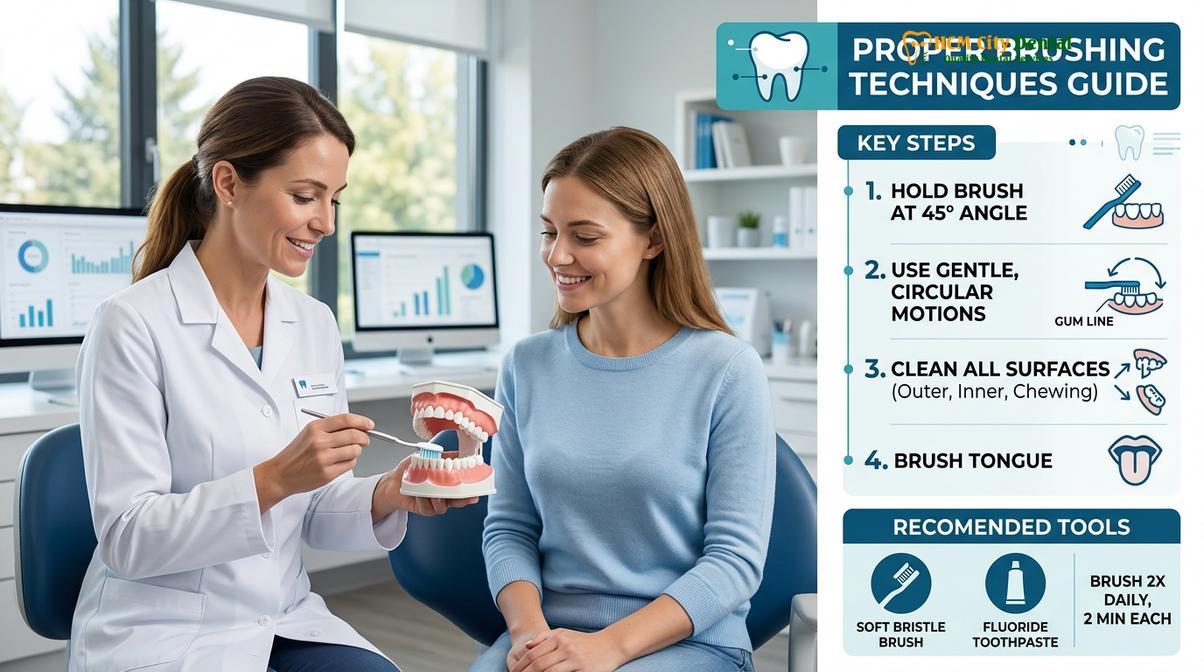
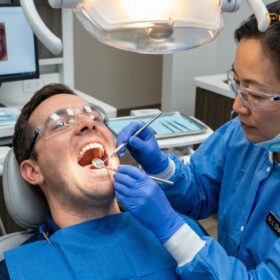
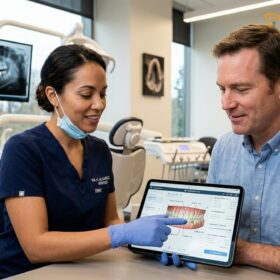
Patient education is a cornerstone of modern clinical practice. During a routine prophylaxis appointment, a dentist or dental hygienist does not merely clean the teeth; they assess the patient’s home care efficacy. By utilizing disclosing solutions—dyes that temporarily stain plaque biofilm—clinicians can visually demonstrate to the patient exactly where their brushing technique is failing. Often, patients are surprised to see heavy plaque accumulation on the lingual surfaces of their lower anterior teeth, despite believing they brush thoroughly.
“The most perfectly executed restorative dentistry will ultimately fail if the patient lacks the knowledge and discipline to maintain it. Educating a patient on the precise duration and technique of brushing is the most valuable service we provide.”
Dr. Nguyen Van Cuong frequently notes that personalized education is key. A patient with a history of severe periodontal disease may be instructed to brush for three minutes and use specific interdental brushes, while a patient with severe enamel abrasion will be coached on pressure reduction and the use of ultra-soft bristles. Finding a clinician who takes the time to customize this advice is vital. For guidance on selecting a qualified provider, patients can review resources on finding a qualified dental professional to ensure they receive comprehensive preventive care.
Optimizing Your Oral Hygiene Routine
A comprehensive routine integrates two minutes of brushing with daily interdental cleaning, antimicrobial rinsing, and routine professional prophylaxis to maintain optimal periodontal health.
While brushing for two minutes is the foundation of oral hygiene, it is only one component of a comprehensive preventive routine. A toothbrush, regardless of its design or the duration of use, can only clean the buccal, lingual, and occlusal surfaces of the teeth. It cannot effectively penetrate the interproximal spaces (the tight contacts between the teeth). These hidden areas account for approximately 35% of the total tooth surface area and are the primary initiation sites for both dental caries and periodontal disease.
Therefore, interdental cleaning—whether through traditional dental floss, interdental brushes, or water flossers—is an absolute clinical necessity. Flossing should ideally be performed before brushing. By dislodging the interproximal plaque and food debris first, the subsequent two minutes of brushing can sweep these particles away, and the fluoride from the toothpaste can more easily penetrate between the teeth to remineralize those vulnerable surfaces.
| Hygiene Tool | Recommended Duration | Primary Clinical Function | Frequency |
|---|---|---|---|
| Manual Toothbrush | 2 Minutes | Mechanical disruption of buccal/lingual biofilm | Twice Daily |
| Electric Toothbrush | 2 Minutes | High-frequency plaque removal and fluid dynamics | Twice Daily |
| Dental Floss | 1-2 Minutes | Removal of interproximal plaque and debris | Once Daily |
| Water Flosser | 1 Minute | Flushing of periodontal pockets and orthodontic appliances | Once Daily |
| Fluoride Mouthwash | 30-60 Seconds | Chemical reduction of bacterial load and remineralization | As Directed |
The timing of your brushing routine also matters. It is generally recommended to brush first thing in the morning to disrupt the biofilm that has matured overnight and to stimulate salivary flow. The second brushing should occur immediately before bed, ensuring that the mouth is clean during the night when salivary flow—the mouth’s natural defense mechanism—is at its lowest.
Crucially, patients should avoid brushing immediately after consuming highly acidic foods or beverages (such as citrus fruits, sodas, or wine). Acidic environments temporarily soften the enamel matrix. Brushing while the enamel is in this weakened state accelerates structural wear. Instead, patients should rinse with water and wait 30 to 60 minutes, allowing the saliva to buffer the oral pH and remineralize the enamel before applying mechanical brushing forces. For patients concerned about the aesthetic impact of dietary stains, understanding the causes of yellowing teeth can help tailor their hygiene and dietary habits.
When to See a Doctor
Immediate clinical evaluation is required if you experience persistent bleeding gums, acute dentin hypersensitivity, or visible signs of enamel wear despite adhering to a two-minute brushing routine.
Even with strict adherence to the two-minute brushing rule, certain clinical signs indicate that your oral hygiene routine may be failing or that underlying pathology requires professional intervention. You should schedule a comprehensive dental examination if you experience any of the following symptoms:
- Persistent Gingival Bleeding: Healthy gums do not bleed. If your gums bleed consistently during or after brushing, it is a primary indicator of gingivitis or advancing periodontitis, requiring professional scaling and root planing.
- Acute Sensitivity: Sharp pain when consuming hot, cold, or sweet items may indicate that over-brushing has caused enamel abrasion or gingival recession, exposing the sensitive dentin.
- Visible Calculus Accumulation: If you notice hard, yellow or brown deposits forming near the gumline, particularly on the inside of the lower front teeth, professional removal is necessary. Calculus cannot be removed by brushing alone.
- Chronic Halitosis: Persistent bad breath despite brushing for two minutes may indicate deep periodontal pockets harboring anaerobic bacteria or systemic health issues.
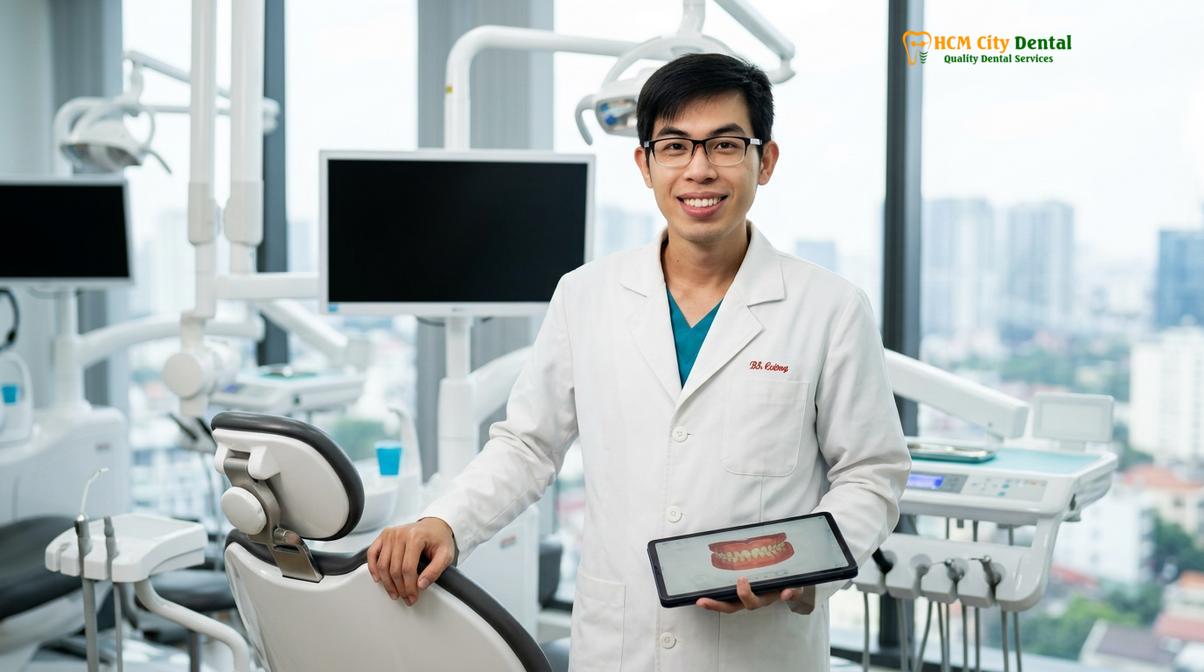
If you are experiencing any of these symptoms, or if you simply want to ensure your brushing technique is optimal, seeking professional guidance is essential. Patients in Ho Chi Minh City can schedule a comprehensive evaluation at HCMC Dental Clinic. Our team utilizes advanced diagnostic imaging and personalized clinical assessments to tailor an oral hygiene protocol specific to your anatomical needs. For those seeking specialized aesthetic care, consulting with recommended cosmetic dentists can ensure that your daily habits support long-term restorative success.
Frequently Asked Questions
Is brushing for one minute enough if I use an electric toothbrush?
No, brushing for only one minute is clinically insufficient, even with an electric toothbrush. While electric models are highly efficient at plaque removal, the full two minutes are required to ensure all quadrants of the mouth are thoroughly cleaned and to allow adequate time for fluoride uptake into the enamel. Rushing the process leaves interproximal areas and posterior teeth vulnerable to decay.
Can brushing your teeth for too long cause damage?
Yes, brushing for extended periods, particularly beyond three to four minutes, can lead to toothbrush abrasion and gingival recession. Excessive mechanical wear strips away the protective enamel layer and traumatizes delicate gum tissues, potentially leading to dentin hypersensitivity and non-carious cervical lesions. It is crucial to adhere to the two-minute guideline using gentle pressure and a soft-bristled brush.
How long should children brush their teeth?
Children should brush their teeth for the same duration as adults: exactly two minutes. Because children often lack the manual dexterity for efficient brushing, parents should supervise and assist them to ensure all tooth surfaces are adequately cleaned within this timeframe. Using a timer or a two-minute brushing song can help build this essential habit early in life.
Should I brush my teeth immediately after eating?
It is clinically recommended to wait at least 30 to 60 minutes after eating before brushing your teeth. Consuming acidic foods or beverages temporarily softens the dental enamel; brushing immediately can accelerate enamel wear. Waiting allows saliva to neutralize oral acids and remineralize the teeth. If you want to freshen your mouth immediately, rinsing with water is a safer alternative.
Does the two-minute rule apply if I wear braces?
If you wear orthodontic appliances, the two-minute rule is generally considered a minimum baseline, and brushing should ideally be extended to three or four minutes. The complex architecture of brackets and wires creates numerous retention areas for plaque, requiring additional time and specialized techniques to clean thoroughly. Failure to extend brushing time often results in gingival inflammation and permanent white spot lesions.
References
- Journal of Clinical Periodontology. Efficacy of plaque removal and brushing duration. (2020).
- American Dental Association (ADA). Oral hygiene guidelines and fluoride efficacy. (2021).
- International Journal of Dental Hygiene. The impact of brushing time on enamel remineralization. (2019).
- Journal of Orthodontics. Plaque control and decalcification in orthodontic patients. (2022).
- British Dental Journal. Toothbrush abrasion and non-carious cervical lesions. (2018).