Should Wisdom Teeth Be Removed? [The Truth You Need] | Dr. Cuong

A definitive guide from Dr. Cuong, answering the crucial question: Should I remove my wisdom teeth? Understand the risks, benefits, and when extraction...
The question of whether to remove wisdom teeth, clinically known as third molars, is a frequent and often anxiety-inducing concern for many patients. This crucial decision often arises during routine dental assessments or in response to acute symptoms such as pain, swelling, or discomfort in the posterior regions of the mouth. The uncertainties surrounding this topic are understandable, given the conflicting advice and the common misconception that asymptomatic wisdom teeth pose no risk.
This definitive guide aims to dispel common myths and provide a clear, comprehensive, and evidence-based answer to the question: Should wisdom teeth be removed? Leveraging extensive clinical expertise, we will explore the fundamental reasons these teeth become problematic, identify the precise indicators for removal, and delve into the critical considerations for managing wisdom teeth that currently cause no pain. Our discussion will also encompass the diagnostic process, the potential benefits and risks of both intervention and observation, and a detailed overview of extraction procedures and recovery. The ultimate goal is to empower you with the knowledge necessary to make a confident and well-informed decision about your oral health.
Understanding Wisdom Teeth and Why They Cause Problems
Wisdom teeth, known clinically as third molars, are the last set of teeth to erupt, typically appearing between the ages of 17 and 25. Physiologically speaking, these teeth are a relic from our evolutionary past when human jaws were larger and diets consisted of tougher, uncooked foods that required more chewing power. However, modern human jaws are often smaller, which is the primary reason wisdom teeth frequently lead to complications.
The Core Problem: Impaction
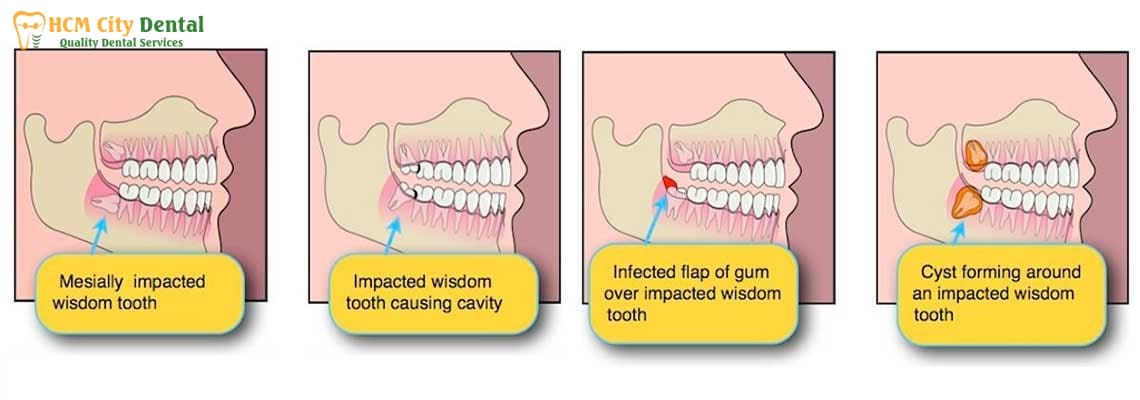
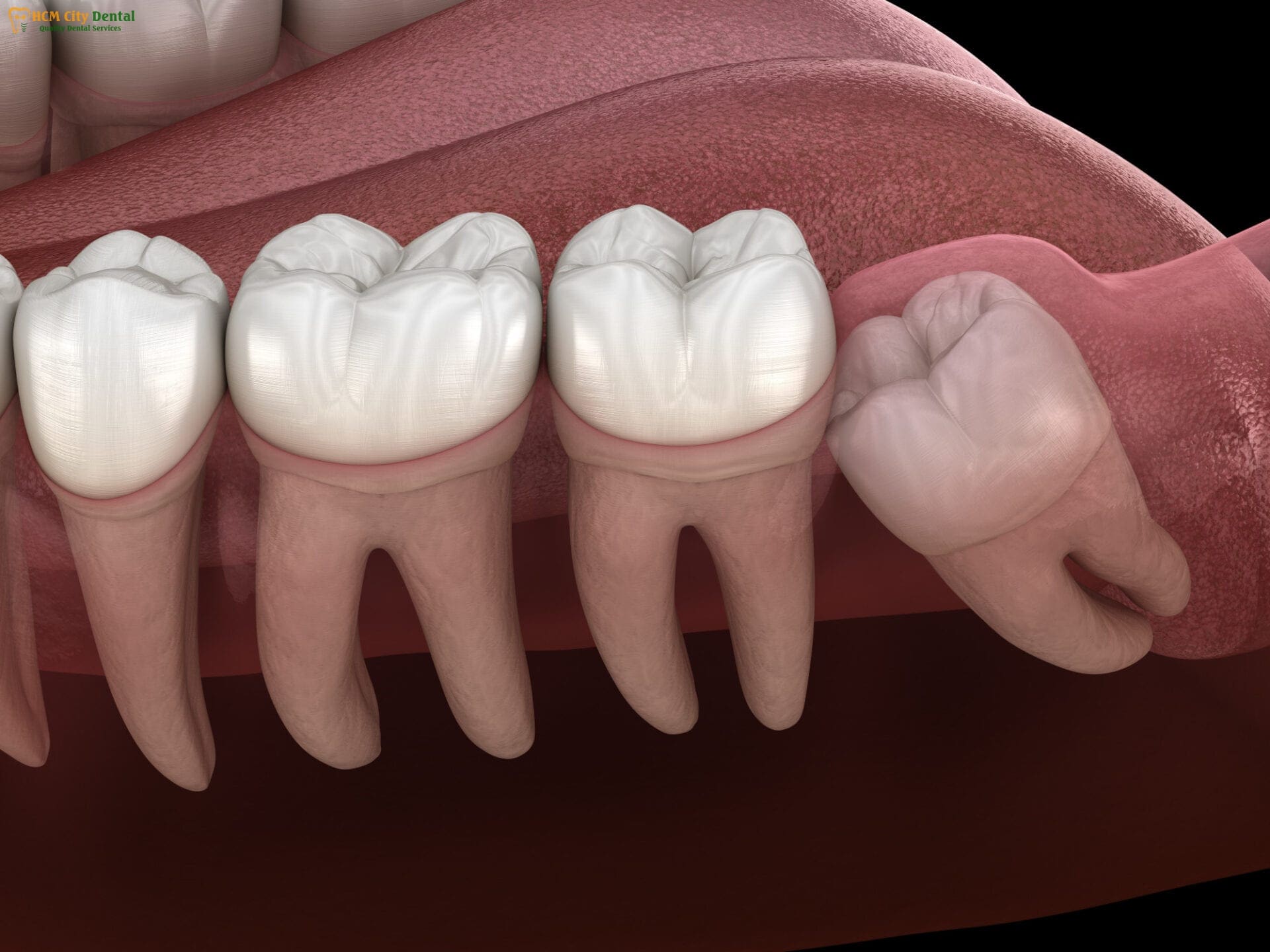
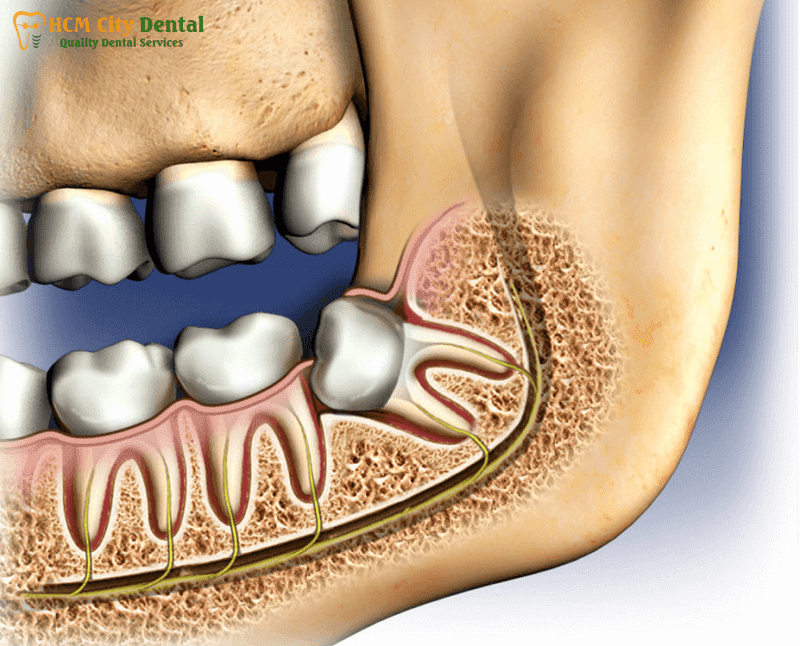
When a wisdom tooth doesn’t have enough space to erupt normally into the mouth, it is considered “impacted.” This is the root cause of most wisdom tooth-related issues. An impacted tooth can be trapped in various positions, each presenting unique challenges.
Based on clinical observations at our clinic, here are the common types of impaction I see:
- Mesial Impaction: This is the most common type, where the tooth is angled towards the front of the mouth, pushing against the second molar.
- Vertical Impaction: The tooth is in the correct orientation but remains trapped beneath the gum line because of a lack of space.
- Horizontal Impaction: The tooth is lying on its side, completely horizontal, and often presses directly into the roots of the adjacent tooth. This position can be particularly problematic.
- Distal Impaction: The rarest form, where the tooth is angled toward the back of the mouth.
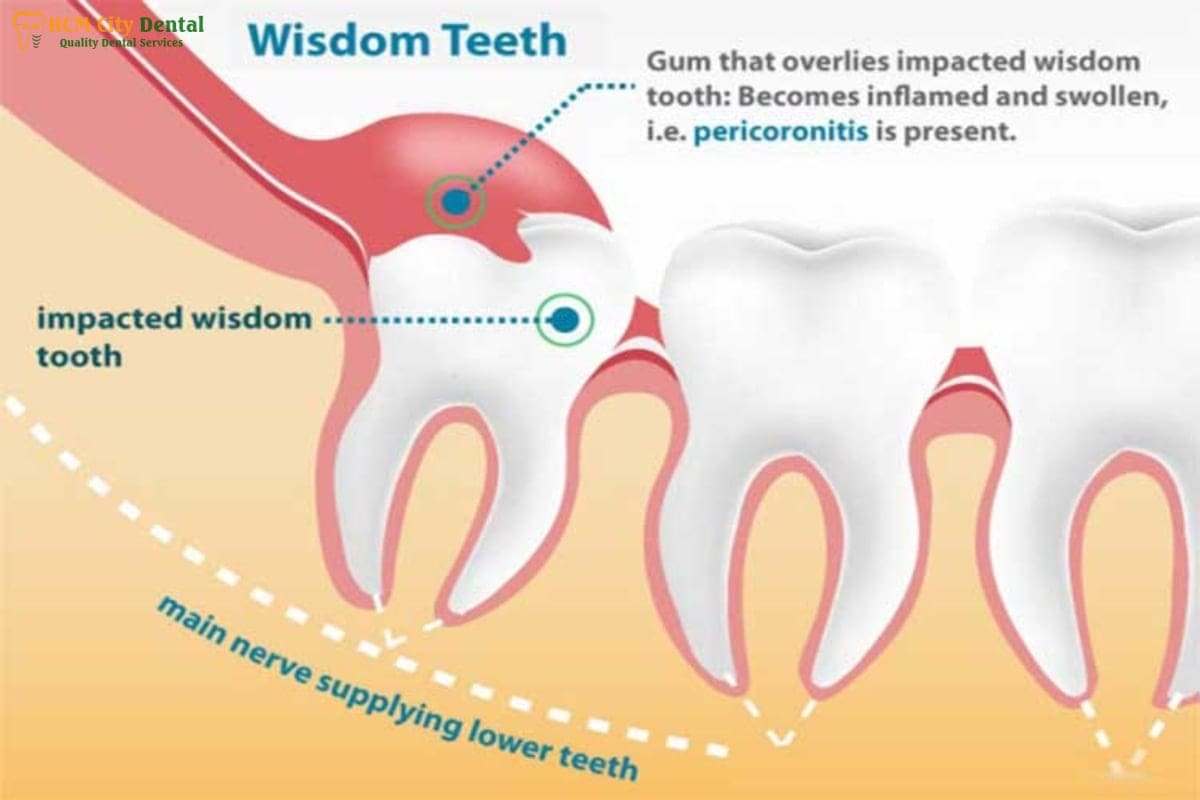
A common scenario at our clinic is a young adult patient presenting with a partially erupted lower wisdom tooth. This creates a small flap of gum tissue over the tooth, known as an operculum. Food and bacteria get trapped under this flap, making it impossible to clean effectively, which often leads to a painful infection called pericoronitis.
In my experience, pericoronitis is one of the most frequent and acute problems associated with wisdom teeth. Patients report swelling, pain, a bad taste in their mouth, and difficulty opening their jaw. This condition is a clear signal that the wisdom tooth is creating an unhealthy environment that requires professional attention.
should wisdom teeth be removed
Do Wisdom Teeth Have to Be Removed? The Deciding Factors
This is the central question, and the answer is not always a simple “yes.” The decision to extract a wisdom tooth is based on evidence of existing disease or a high risk of future problems. According to the American Dental Association, removal may be necessary if you have signs of pain, infection, cysts, tumors, damage to adjacent teeth, gum disease, or extensive tooth decay.
Let’s break down the scenarios where removal is strongly recommended versus when monitoring might be an option.
Clear Indications for Wisdom Tooth Extraction
From a clinical standpoint, I will almost always recommend removal when a patient presents with one or more of the following issues:
- Recurrent Pain and Infection: If you experience repeated episodes of pain, swelling, or infection of the gum tissue behind the last tooth (pericoronitis), extraction is the definitive solution.
- Damage to Adjacent Teeth: An impacted wisdom tooth can push against the neighboring second molar, leading to cavities, gum disease, or even root resorption (dissolving of the root) on that vital tooth. Protecting the second molar is a top priority.
- Cysts or Tumors: A wisdom tooth develops within a sac in the jawbone. If the tooth remains impacted, this sac can fill with fluid, forming a cyst. While less common, these cysts can destroy surrounding bone and damage nerves and teeth, necessitating removal.
- Significant Tooth Decay: Wisdom teeth that are partially erupted or hard to reach are very difficult to clean. They often develop cavities that are impossible to restore properly, making extraction the most practical treatment.
- Gum Disease (Periodontitis): The difficulty in cleaning around wisdom teeth creates a breeding ground for bacteria, which can lead to localized gum disease with bone loss.
Still have questions? The decision can be complex. Call our Hotline/WhatsApp now at +84853020003 for a direct, completely free consultation with me, Dr. Cuong, to discuss your specific situation.
The Debate: What About Asymptomatic (Painless) Wisdom Teeth?
A common question I get from patients is, “If my wisdom teeth don’t hurt, should I remove my wisdom teeth anyway?” This is where the conversation becomes more nuanced. There is an ongoing debate in the dental community about the prophylactic (preventive) removal of disease-free, asymptomatic wisdom teeth.
Here’s how I guide my patients through this decision at HCMCDental Clinic:
The American Association of Oral and Maxillofacial Surgeons (AAOMS) recommends that wisdom teeth associated with disease, or those at high risk of developing disease, should be managed surgically. For those without disease, active surveillance is an option. However, it’s crucial to understand that “pain-free does not mean disease-free.” An impacted tooth can still harbor bacteria and pose a long-term risk to the adjacent tooth’s health.
Experience has shown that removing wisdom teeth in younger adults (late teens to early 20s) is often safer and results in a quicker recovery. This is because the roots are not yet fully formed, and the jawbone is less dense, making the extraction less complicated.
A common mistake I see patients make is waiting until they are in their 30s or 40s and significant problems have already developed. By this point, the surgery can be more complex, and the healing process may be slower. While not every asymptomatic tooth needs immediate removal, ignoring them is not a wise strategy. Regular monitoring with annual X-rays is essential if you choose to keep them.
The following table summarizes the key considerations to help you understand the risks of keeping a problematic wisdom tooth versus the risks of the extraction procedure itself.
| Risks of KEEPING a Problematic/Impacted Wisdom Tooth | Risks of Wisdom Tooth REMOVAL Surgery |
|---|---|
| Chronic infection and inflammation (Pericoronitis) | Post-operative pain and swelling (temporary) |
| Damage, decay, or root resorption of adjacent teeth | Dry socket (alveolar osteitis) – a painful condition if the blood clot is dislodged |
| Development of cysts or tumors that can destroy jawbone | Temporary or (rarely) permanent nerve injury causing numbness to the lip, chin, or tongue |
| Crowding or shifting of other teeth | Sinus communication (for upper wisdom teeth) |
| Increased difficulty and complication of removal later in life | Infection of the extraction site |
should wisdom teeth be removed
The Professional Evaluation and Removal Process
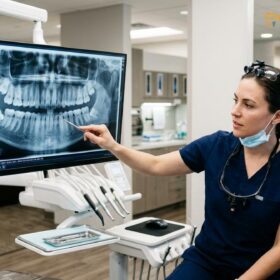
If you suspect an issue with your wisdom teeth, the first step is a thorough examination. At our clinic, this involves a clinical assessment of your teeth and gums, followed by a panoramic X-ray. This image provides a complete view of your jaws and allows me to see the exact position, development, and condition of your wisdom teeth and their relationship to adjacent teeth and nerves.
The Extraction Procedure: What to Expect
If the decision is made that a wisdom tooth should be extracted, rest assured that it is one of the most common procedures I perform. The process is straightforward and focused on your comfort.
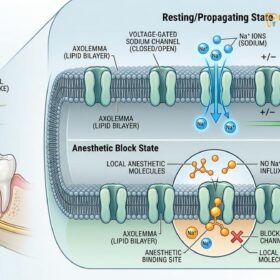
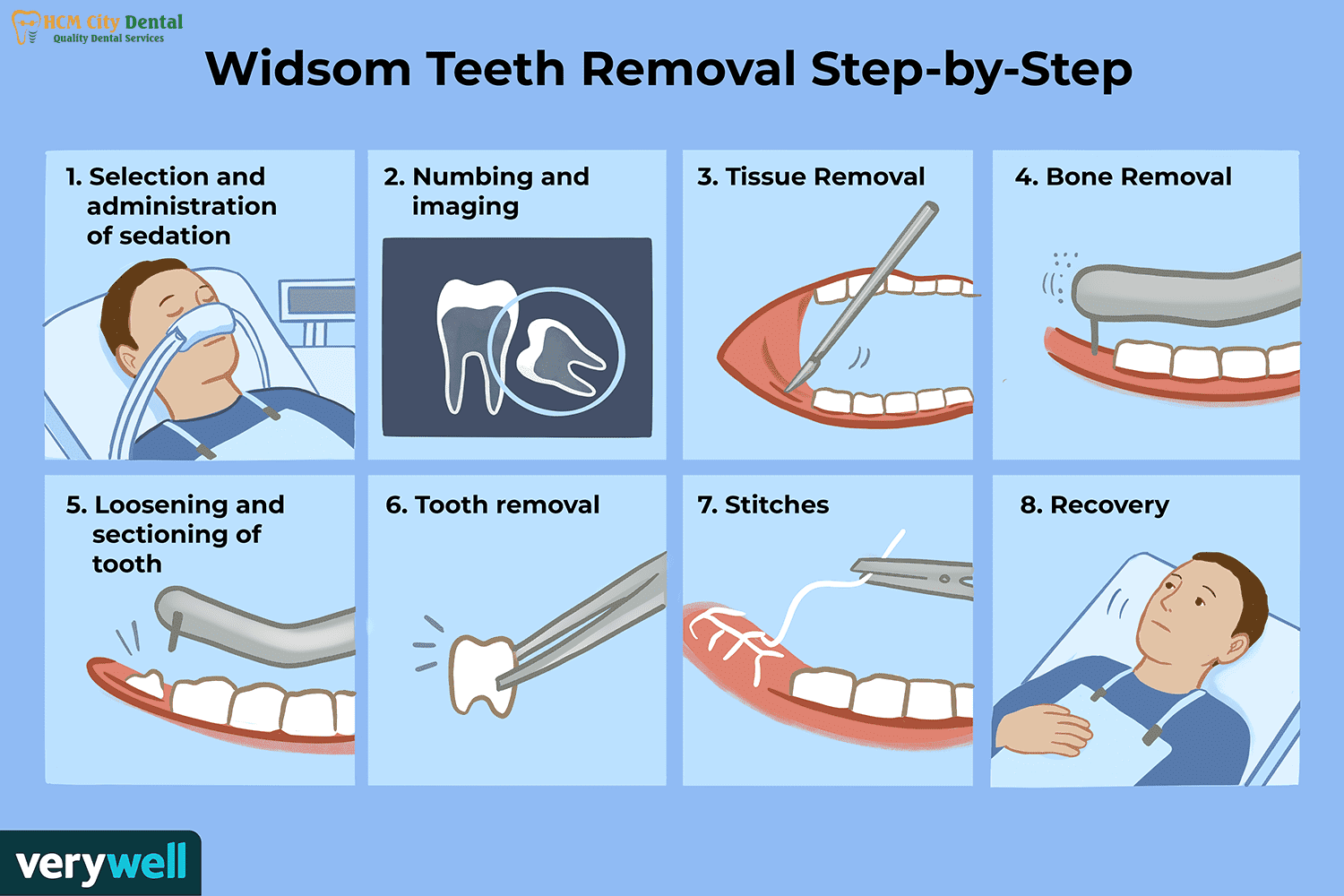
- Anesthesia: The area is completely numbed using local anesthesia, so you will not feel any pain during the procedure. For anxious patients or more complex cases, sedation options are available to help you relax.
- The Removal: If the tooth is covered by gum tissue, a small incision is made. Sometimes, a small amount of bone covering the tooth may need to be removed. The tooth might be sectioned into smaller pieces to make its removal easier and less traumatic to the surrounding area.
- Closing the Site: After the tooth is removed, the site is cleaned, and stitches are often placed to help the gum tissue heal. These are typically dissolvable stitches that disappear on their own after a week or so.
Recovery: A Timeline for Healing
Recovery varies from person to person, but a general timeline can be helpful. Most people feel back to normal within a week, with full healing taking a couple of weeks.
- First 24-48 Hours: This is when you’ll experience the most swelling and discomfort. Rest is crucial. Use ice packs on your cheeks, take prescribed pain medication, and stick to a diet of soft foods and liquids. Do not use a straw.
- Days 3-7: Swelling should peak and then begin to subside. You can start to introduce softer solid foods like mashed potatoes or pasta. Gentle rinsing with warm salt water can help keep the area clean.
- After 1 Week: You should feel significantly better. Stitches will dissolve, and you can slowly return to your normal diet, avoiding very hard or crunchy foods for another week.
Ready to take the next step toward a healthier smile? Book an appointment online today and get a 10% discount on your first consultation!
should wisdom teeth be removed
Frequently Asked Questions (FAQ)
How do I know if my wisdom teeth are coming in?
You might feel pressure or a dull ache in the back of your jaw. Some people experience swollen or tender gums, headaches, or jaw stiffness. However, sometimes they erupt with no symptoms at all, which is why regular dental check-ups are important.
Do you have to remove wisdom teeth if they don’t hurt?
Not always, but it’s a critical question to discuss with your dentist. A painless wisdom tooth can still be impacted and pose future risks like damaging adjacent teeth or developing cysts. The American Association of Oral and Maxillofacial Surgeons recommends that even disease-free wisdom teeth be actively monitored with X-rays.
Can wisdom teeth cause other teeth to become crooked?
Yes, this is a common concern. If there isn’t enough space in your jaw, the pressure from an erupting wisdom tooth can contribute to the crowding or shifting of your other teeth, potentially impacting your bite and smile.
What is a dry socket?
A dry socket is the most common complication after an extraction. It occurs when the blood clot that forms in the socket to protect the bone and nerves is dislodged or dissolves prematurely. This exposes the underlying structures and can be quite painful. Following post-operative instructions carefully, especially avoiding smoking and using straws, significantly reduces this risk.
How long does wisdom teeth removal surgery take?
The procedure itself is usually quite fast, often taking less than an hour for all four teeth. The exact time depends on the complexity of the impaction and how many teeth are being removed.
Is it better to remove all four wisdom teeth at once?
In my clinical experience, most patients prefer to have all four removed in a single session. This consolidates the surgical experience and the recovery period into one event, which is often more convenient and efficient in the long run.
When should wisdom teeth be extracted for the best outcome?
The ideal time for extraction is typically in the late teens or early twenties, between the ages of 15 and 22. During this period, the tooth roots are not fully developed, and the jawbone is less dense, which generally leads to a simpler procedure and a faster, more predictable recovery.
should wisdom teeth be removed
Your Health Is The Priority: A Final Word from Dr. Cuong
The decision of whether should wisdom teeth be removed is a significant one, and it should always be made based on a professional diagnosis and a clear understanding of your individual situation. While some people can keep their wisdom teeth without any issues, impacted teeth pose a real and documented risk to your long-term oral health.
My guiding principle is always prevention. It is far better to address a potential problem under controlled circumstances than to wait for an emergency like a severe infection or damage to a neighboring tooth. If your wisdom teeth are impacted or causing issues, removing them is a proactive step towards preserving the health of your entire mouth.
I hope this comprehensive guide has answered your questions and alleviated some of your concerns. The most important step you can take is to seek professional advice.
Don’t wait for pain to be your guide. Schedule a consultation at HCMCDental.com to get a clear, personalized plan for your wisdom teeth. Call our Hotline/WhatsApp at +84853020003 for a free consultation or book online to receive a 10% discount on your visit.
This article was medically reviewed and written by Dr. Cuong.
Important Disclaimer
The information provided in this article is for educational and informational purposes only and is not intended as a substitute for professional medical advice, diagnosis, or treatment. Always seek the advice of your dentist or another qualified health provider with any questions you may have regarding a medical condition. Never disregard professional medical advice or delay in seeking it because of something you have read in this article.
Written and Medically Reviewed By
Dr. Cuong is a leading Specialist in Odontostomatology at HCMCDental.com. With extensive experience in oral surgery and restorative dentistry, he is dedicated to providing patients with the highest standard of care. Dr. Cuong is committed to patient education, believing that an informed patient is an empowered patient. His clinical practice focuses on evidence-based treatments and leveraging advanced technology to ensure optimal outcomes and patient comfort.
should wisdom teeth be removed