Yes, you can whiten your teeth with braces, but clinical caution is required. While mild whitening toothpastes and specialized orthodontic foams are generally safe for daily use, aggressive bleaching should be delayed until after bracket removal to prevent uneven coloration and heightened enamel sensitivity.
Clinical Summary:
Patients undergoing orthodontic treatment frequently inquire about aesthetic enhancements, specifically regarding tooth discoloration. While maintaining a bright smile is possible, the presence of fixed brackets complicates traditional bleaching protocols. Safe methods during active treatment include the use of low-abrasion whitening toothpastes, specialized oxygenating foams, and rigorous mechanical plaque control using interdental brushes and water flossers. Conversely, the use of over-the-counter whitening strips or high-concentration peroxide gels is strictly contraindicated while brackets are bonded to the teeth, as this will result in a “two-tone” effect once the hardware is removed. For optimal aesthetic results, comprehensive professional whitening should be scheduled four to six weeks post-debonding, allowing the enamel to remineralize and sensitivity to subside. Regular consultations with an orthodontic specialist ensure that cosmetic desires do not compromise structural dental health.
Key Takeaways:
- Mild whitening toothpastes and orthodontic foams safely remove surface stains without causing uneven bleaching.
- High-concentration bleaching gels and strips must be avoided while fixed brackets are attached to the enamel.
- Plaque accumulation around brackets is the primary cause of yellowing during orthodontic therapy.
- Comprehensive professional whitening is most effective 4 to 6 weeks after braces are completely removed.
- Maintaining rigorous daily oral hygiene is the most reliable way to keep teeth bright during treatment.
The Clinical Reality: Can You Whiten Your Teeth With Braces On?
Whitening with braces is possible using non-abrasive, low-concentration products, though comprehensive deep bleaching is generally reserved for post-treatment to avoid uneven results.
The intersection of orthodontic therapy and cosmetic dentistry requires a nuanced understanding of dental anatomy. When patients ask, can you whiten your teeth with braces on, the clinical answer is a qualified yes, provided the correct modalities are utilized. Fixed orthodontic appliances—whether traditional metal brackets or aesthetic ceramic options—are bonded directly to the facial surface of the enamel using a composite resin adhesive. This physical barrier fundamentally alters how whitening agents interact with the tooth structure[1].
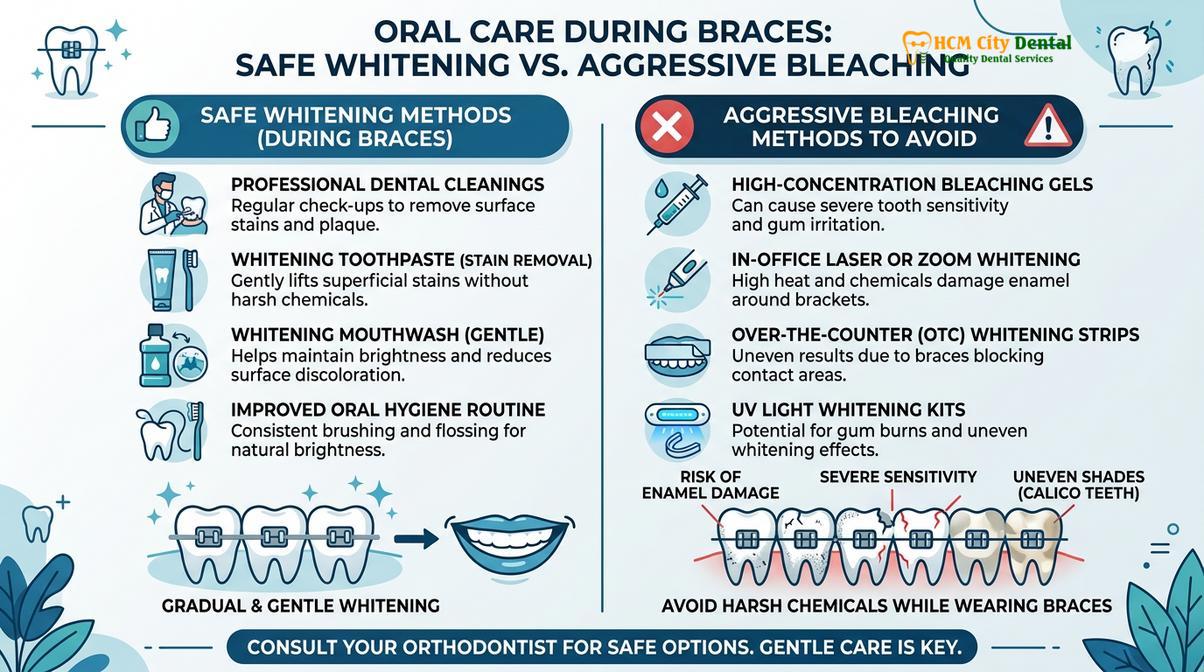
If a patient applies a high-concentration hydrogen peroxide or carbamide peroxide bleaching agent over fixed braces, the chemical cannot penetrate the area sealed by the bracket. Consequently, the exposed enamel will lighten, while the protected enamel beneath the bracket will remain its original, darker shade. Upon the eventual removal of the braces, the patient will be left with a distinct, darker square in the center of each tooth—a phenomenon clinically referred to as the “two-tone effect.” Therefore, aggressive bleaching is contraindicated during active fixed appliance therapy.
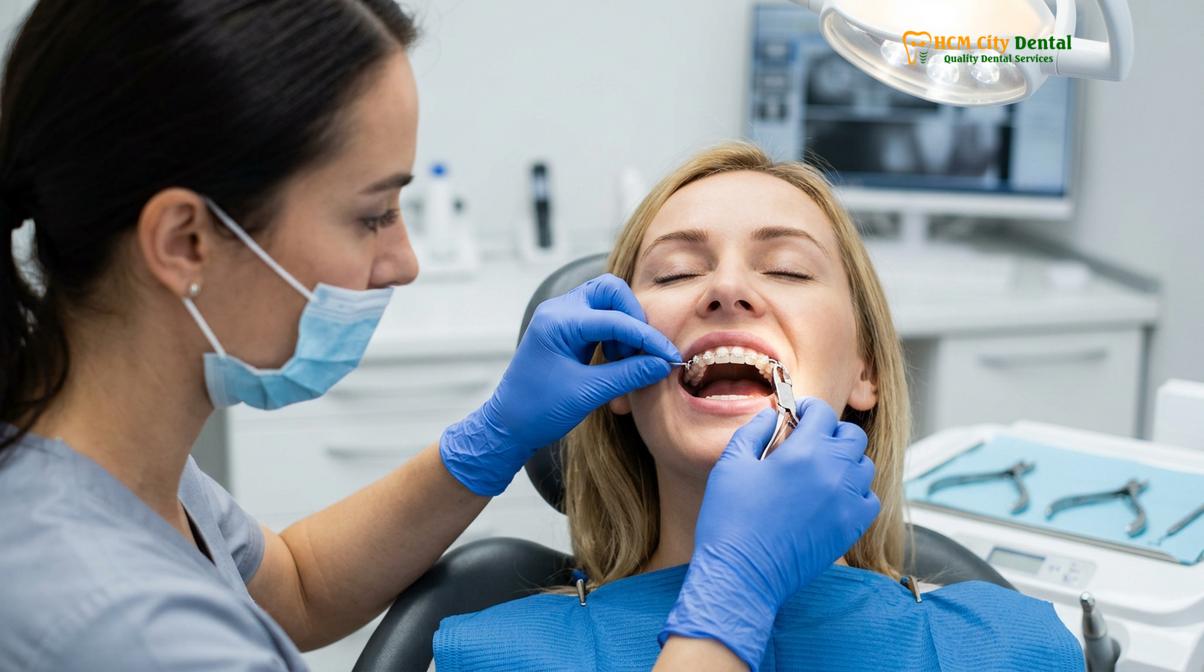
However, this does not mean patients must resign themselves to a dull smile. Safe whitening during this phase focuses on the removal of extrinsic (surface) stains rather than altering the intrinsic color of the dentin. By utilizing specialized orthodontic cleaning foams, low-abrasion whitening toothpastes, and maintaining impeccable oral hygiene, patients can effectively manage discoloration. It is also important to address a common misconception: do braces whiten your teeth inherently? No, the hardware itself does not change the color of your enamel. However, as severely crowded or overlapping teeth are gradually aligned into their proper arch form, they cast fewer shadows and become significantly easier to clean, which often creates the optical illusion of a brighter, healthier smile.
Etiology of Discoloration: Why Do Teeth Yellow During Orthodontics?
Teeth often yellow during orthodontic treatment due to increased plaque retention around brackets, which harbors chromogenic bacteria and traps dietary stains.
To effectively combat discoloration, one must first understand its etiology. The presence of brackets, archwires, elastic ligatures, and power chains creates numerous microscopic and macroscopic retention areas within the oral cavity. These retentive sites make mechanical plaque removal exponentially more difficult. When patients notice yellow teeth with braces, they are typically observing the accumulation of dental plaque biofilm rather than a fundamental change in their tooth color[4].
Dental plaque is a sticky, colorless film of bacteria that constantly forms on the teeth. If not meticulously removed every 12 to 24 hours, this biofilm begins to calcify into calculus (tartar) and readily absorbs pigments from the patient’s diet. Tannin-rich foods and beverages—such as coffee, tea, red wine, soy sauce, and dark berries—are primary culprits. The chromogens in these dietary items bind to the plaque matrix surrounding the orthodontic brackets, resulting in a yellow or brownish halo effect on the enamel.
“The most common cause of aesthetic dissatisfaction during orthodontic treatment is not the braces themselves, but the rapid accumulation of pigmented biofilm. Meticulous mechanical cleaning is the foundation of a bright orthodontic smile.”
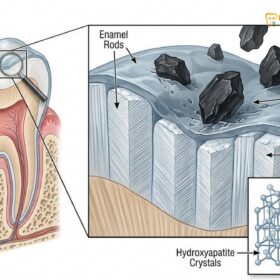
Furthermore, poor oral hygiene during orthodontics can lead to a more severe form of discoloration known as white spot lesions (WSLs). These are areas of early enamel demineralization caused by the acidic byproducts of plaque bacteria. Unlike extrinsic yellow stains, white spot lesions represent structural damage to the enamel and appear as chalky, opaque white marks. Preventing both yellow staining and white spot lesions requires a comprehensive understanding of how long you should brush your teeth, particularly when navigating the complex architecture of braces.
Safe Modalities: How to Whiten Teeth With Braces
Safe whitening during braces relies on chemical plaque disruption, specialized oxygenating foams, and rigorous mechanical cleaning rather than abrasive scrubbing.
For patients wondering exactly how to whiten teeth with braces safely, the focus must shift from deep bleaching to superior surface maintenance. The dental market offers several products specifically formulated for orthodontic patients that safely lift extrinsic stains without compromising the bonding adhesive or causing the two-tone effect.
1. Orthodontic Cleaning Foams: These specialized foams typically contain very low concentrations of hydrogen peroxide (often under 3.8%). Because the concentration is low, it does not deeply penetrate the enamel to cause uneven bleaching. Instead, the micro-bubbles work to chemically disrupt the sticky plaque matrix around the brackets and under the archwires, lifting away daily dietary stains[2]. These foams can be applied directly to the teeth or dispensed into clear aligners if the patient is undergoing removable orthodontic therapy.
2. Low-Abrasion Whitening Toothpastes: Many standard whitening toothpastes rely on highly abrasive particles (like silica) to scrub stains away. While effective on bare teeth, excessive abrasivity can scratch the surface of ceramic brackets and prematurely wear down the enamel. Orthodontic patients should select whitening toothpastes that utilize chemical stain-dissolving agents (such as sodium hexametaphosphate) rather than harsh abrasives. It is also crucial to ensure the toothpaste contains fluoride to protect against demineralization. For more information on enamel protection, patients can review the clinical facts about fluoride.
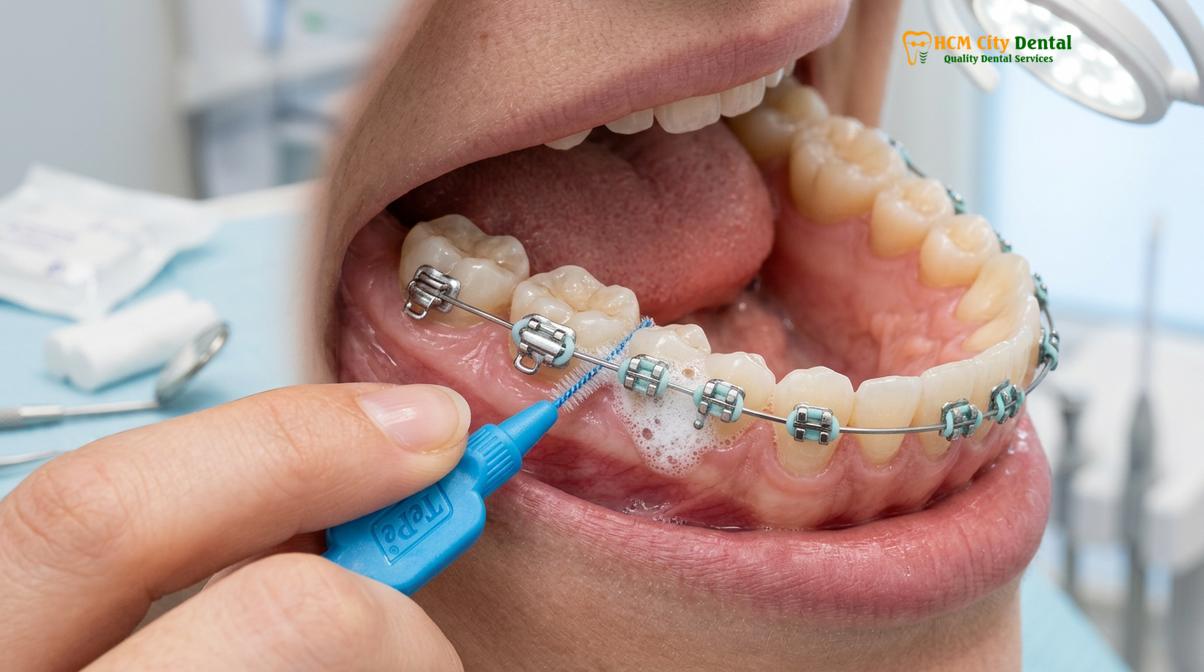
3. Advanced Mechanical Cleaning: The most effective “whitening” tool during braces is an electric toothbrush equipped with an orthodontic brush head. The sonic or oscillating action removes significantly more plaque than manual brushing. Supplementing this with a water flosser helps flush out pigmented food debris from beneath the wires, preventing the yellow halo effect from forming around the brackets.
| Whitening Method | Safety During Braces | Mechanism of Action | Clinical Recommendation |
|---|---|---|---|
| Orthodontic Foams | High | Low-dose peroxide micro-bubbles disrupt plaque and lift surface stains. | Recommended for daily use to maintain brightness. |
| Whitening Toothpaste | Moderate | Chemical or abrasive removal of extrinsic dietary stains. | Use low-abrasion formulas to avoid scratching brackets. |
| Whitening Strips (OTC) | Contraindicated | High-concentration peroxide bleaching of exposed enamel only. | Strictly avoid; causes severe two-tone effect. |
| In-Office Laser Bleaching | Contraindicated | Deep intrinsic bleaching using light-activated peroxide. | Delay until 4-6 weeks post-debonding. |
Managing Orthodontic Discomfort and Functional Habits
Managing orthodontic pain and bruxism is essential, as discomfort often leads to poor brushing habits that directly cause tooth yellowing.
A frequently overlooked aspect of maintaining a bright smile during orthodontic treatment is the management of physical discomfort and functional oral habits. Following routine adjustments or wire changes, it is common for patients to report that my teeth are sore from braces. This localized inflammatory response in the periodontal ligament is a normal part of tooth movement. However, this soreness often causes patients to subconsciously alter their brushing habits. They may brush less vigorously, skip the areas near the gumline, or reduce their brushing time to avoid pain[5].
This reduction in mechanical cleaning directly correlates with a rapid increase in plaque accumulation, leading to noticeable yellowing within just a few days. To counteract this, patients experiencing soreness should switch to an ultra-soft bristled toothbrush and utilize warm saltwater rinses to soothe the gingival tissues, ensuring that their hygiene routine is not compromised by temporary discomfort.
Furthermore, the stress of tooth movement can exacerbate parafunctional habits. Patients who find themselves clenching teeth with braces are at a higher risk for several complications. Clenching places excessive occlusal force on the teeth and brackets, which can lead to micro-fractures in the enamel. These microscopic cracks readily absorb dark pigments from food and drink, leading to stubborn intrinsic stains that are difficult to remove with standard brushing.
The Post-Orthodontic Phase: Can I Whiten My Teeth After Braces?
Post-orthodontic whitening is highly effective and recommended, provided patients wait an appropriate period for enamel remineralization after bracket removal.
The most anticipated moment of any orthodontic journey is the day the hardware is finally removed. Naturally, the immediate follow-up question is, can I whiten my teeth after braces? The answer is an enthusiastic yes, and this is considered the gold standard timeline for achieving a brilliant, uniform smile. However, the timing of this procedure is critical for patient comfort and clinical success.
When brackets are debonded, the orthodontist must use specialized rotary instruments to carefully polish away the residual composite adhesive left on the enamel. This mechanical process, combined with the fact that the enamel under the bracket has not been exposed to saliva or fluoride for months or years, leaves the teeth temporarily dehydrated and highly susceptible to sensitivity. If a high-concentration bleaching agent is applied immediately after removal, the patient is likely to experience severe, sharp pain (hyperemia of the dental pulp)[3].
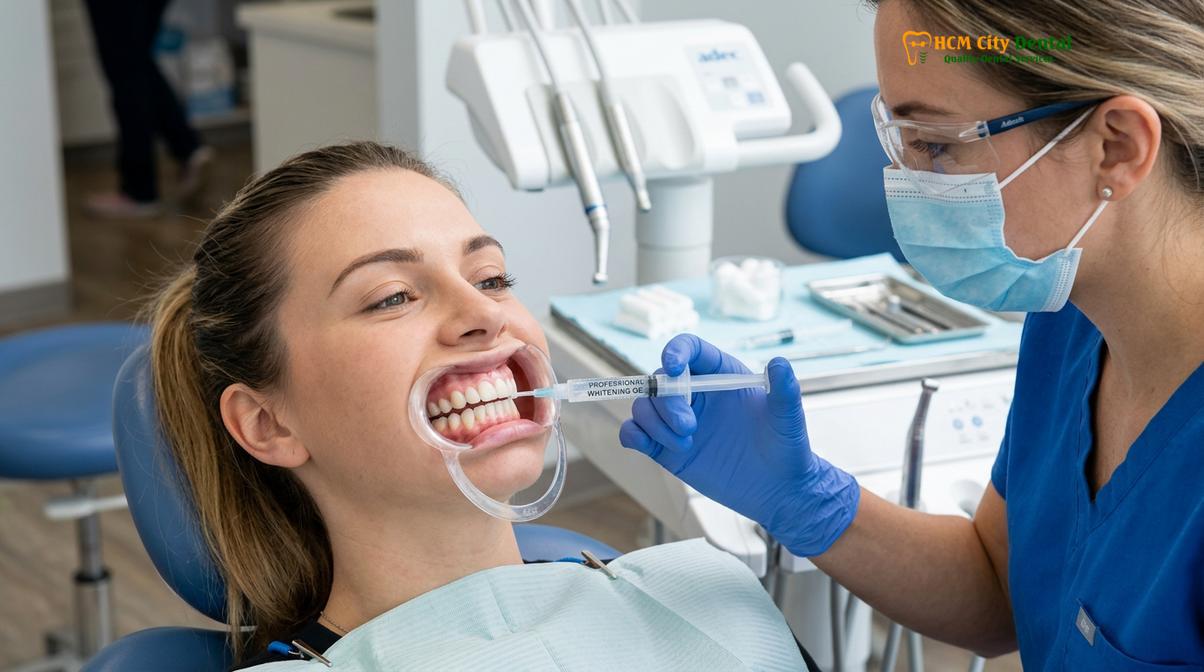
Therefore, clinical guidelines dictate how to whiten your teeth after braces safely: patients must wait a minimum of four to six weeks post-debonding. This waiting period allows the enamel to fully remineralize through the uptake of calcium and phosphate from the saliva, and it allows the pulpal inflammation to subside. Once this recovery period is complete, patients have several excellent options:
- In-Office Professional Whitening: Utilizing high-concentration hydrogen peroxide gels activated by specialized LED or laser light, this method provides immediate, dramatic results in a single visit under the strict supervision of a dental professional.
- Custom Take-Home Trays: The dentist takes digital impressions of the newly aligned teeth to fabricate custom-fitting clear trays. The patient applies a lower-concentration carbamide peroxide gel at home over a period of 10 to 14 days. This method is excellent for patients with a history of sensitivity, as the process is gradual and controlled.
Clinical Case Study: Post-Orthodontic Aesthetic Rehabilitation
A 24-year-old patient visited HCMC Dental Clinic in Ho Chi Minh City immediately following the removal of her fixed ceramic braces, requesting immediate laser whitening due to mild yellowing. Dr. Nguyen Van Cuong conducted a thorough examination and noted slight enamel dehydration and mild gingival inflammation. The patient was advised to delay bleaching and was prescribed a remineralizing protocol for four weeks. Upon her return, the enamel had stabilized, and a professional in-office whitening session was performed. The result was a brilliant, uniform shade improvement with zero reported post-operative sensitivity, highlighting the importance of proper clinical timing.
Orthodontic Scope: Age Limits, Partial Treatments, and Terminology
Orthodontic treatment is highly customizable, with options ranging from comprehensive adult therapy to partial cosmetic alignment, all of which influence final whitening strategies.
When planning for a straighter, whiter smile, patients often have questions regarding the scope and limitations of orthodontic therapy. A common inquiry involves the teeth braces age limit. Clinically, there is no upper age limit for orthodontic treatment. As long as the patient possesses healthy periodontal tissues (gums and bone) and is free of active periodontal disease, teeth can be successfully moved at any age. Adult orthodontics has seen a massive surge in popularity, particularly with the advent of clear aligners and aesthetic ceramic brackets.
For adult patients primarily concerned with the aesthetics of their smile rather than comprehensive bite correction, partial treatments are an option. Patients frequently inquire about the braces on front 6 teeth only cost. This approach, often referred to as “social six” orthodontics, focuses exclusively on aligning the anterior teeth (the incisors and canines) that are visible when smiling. Because this treatment does not attempt to alter the posterior occlusion (the bite of the molars), the treatment time is significantly shorter—often just four to six months—and the cost is proportionally lower. This rapid alignment allows patients to proceed to the post-orthodontic whitening phase much sooner.
Clear communication between the patient and the dental team is also vital. Understanding basic dental terminology, including the correct braces pronunciation (bray-sez), helps international patients and those in ESL contexts articulate their concerns and understand their treatment plans more effectively.
When to Consult Your Orthodontist: Important Clinical Notes
Recognizing the signs of enamel demineralization and maintaining regular professional oversight are critical to preventing permanent aesthetic damage during orthodontics.
Patients should schedule an immediate consultation if they notice opaque white spots forming around their brackets, as these indicate early enamel demineralization rather than simple staining. According to guidelines from the Vietnam Association of Orthodontists (VAO), addressing these lesions promptly is critical to preventing permanent structural damage[6]. Furthermore, if you experience severe sensitivity or notice bleeding gums when attempting to clean around your braces, professional intervention is required.
You should also maintain regular check-ups; understanding how often you should go to the dentist during active orthodontic therapy ensures that plaque retention is professionally managed. Under no circumstances should patients attempt DIY hardware adjustments to facilitate better cleaning. The dangers of such actions are thoroughly documented in clinical warnings regarding how to remove braces at home.
“Attempting to alter your orthodontic hardware or using unapproved bleaching agents can lead to irreversible enamel damage. Always consult your specialist before introducing new chemical treatments into your daily routine.”
Clinical Leadership and Aesthetic Care
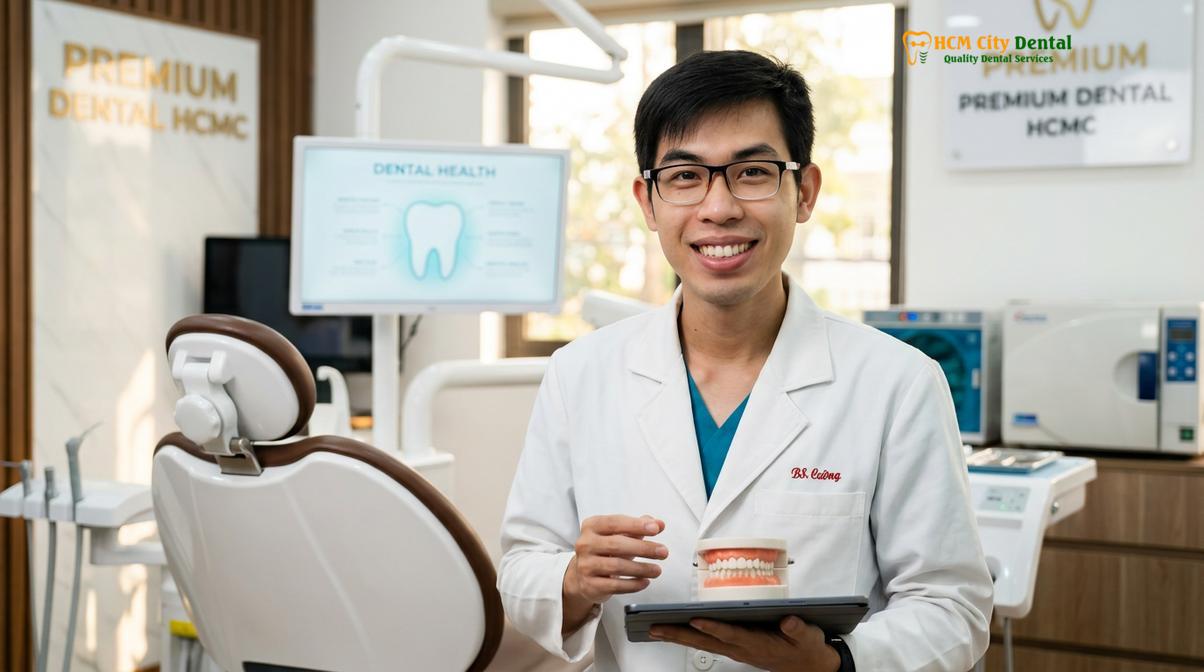
Dr. Nguyen Van Cuong, a leading specialist at our facility, emphasizes that aesthetic concerns during orthodontics must never compromise long-term enamel integrity. He advocates for a conservative approach, prioritizing meticulous plaque control over aggressive chemical bleaching while brackets remain active. For a deeper understanding of his evidence-based protocols and comprehensive patient care strategies, readers can explore the Comprehensive General Dental Guide: Clinical Care.
References
- American Journal of Orthodontics and Dentofacial Orthopedics. Enamel color changes and white spot lesions during orthodontic treatment. (2021).
- Journal of Clinical Orthodontics. The efficacy of low-concentration peroxide foams in fixed appliance therapy. (2020).
- Journal of the American Dental Association. Post-orthodontic dental bleaching: Timing, efficacy, and enamel remineralization. (2022).
- European Journal of Orthodontics. Plaque retention and gingival inflammation associated with ceramic versus metal brackets. (2019).
- International Journal of Dentistry. Management of orthodontic pain and its impact on oral hygiene compliance. (2018).
- Vietnam Association of Orthodontists (VAO). Clinical guidelines on aesthetic management and enamel preservation during fixed appliance therapy. (2023).
If you are currently undergoing treatment and have concerns about enamel discoloration, contact HCMC Dental Clinic in Ho Chi Minh City for a professional evaluation. Our specialists can guide you through safe maintenance and post-treatment whitening options. Learn more about our comprehensive approach to Orthodontics tại HCMC Dental Clinic.