A dental tool cleaner encompasses professional-grade ultrasonic devices and enzymatic solutions used to sterilize clinical instruments, as well as consumer-grade ultrasonic pods for oral appliances. Proper cleaning protocols ensure strict infection control, prevent cross-contamination, and maintain the structural integrity of both dental tools and removable prosthetics.
Clinical Summary:
In modern dentistry, the term “dental tool cleaner” refers to a comprehensive system of infection control rather than a single product. Clinically, it involves enzymatic detergents, ultrasonic cavitation baths, and high-pressure autoclaves designed to eradicate all microbial life from periodontal scalers, mirrors, and surgical instruments. Conversely, in the consumer market, it refers to at-home ultrasonic pods and effervescent tablets used safely for retainers and dentures. Dental professionals emphasize that while at-home appliance cleaners are highly beneficial, patients must strictly avoid using professional-grade metal scrapers on their own teeth, as DIY scaling frequently leads to irreversible enamel damage, gingival laceration, and severe periodontal complications.
Key Takeaways:
- Professional dental tool cleaners utilize ultrasonic cavitation and enzymatic solutions to break down biological debris before autoclaving.
- Strict sterilization protocols are mandatory in clinical settings to prevent cross-contamination and ensure absolute patient safety.
- Consumer-grade ultrasonic pods are highly effective for cleaning removable appliances like clear aligners, retainers, and dentures.
- Using metal plaque scrapers at home without professional training poses a severe risk of permanent enamel micro-abrasions and gum injury.
- Calculus (tartar) removal requires the tactile precision of a licensed dental hygienist or dentist using sterilized, specialized instruments.
The Clinical Workflow of Dental Instrument Sterilization
In the realm of Comprehensive General Dental Guide: Clinical Care | HCMC Dental, patient safety and infection control form the absolute foundation of clinical practice. The process of cleaning and sterilizing dental instruments is a highly regulated, multi-stage workflow that goes far beyond simple washing. When a clinical procedure is completed, the instruments—ranging from diagnostic mirrors to complex surgical elevators—are contaminated with saliva, blood, and plaque biofilm. To render these tools safe for future use, dental clinics employ sophisticated dental tool cleaners and sterilization equipment that adhere to strict international health guidelines[1] as well as the rigorous infection control standards set forth by the Vietnam Ministry of Health[6].
The first critical step in the sterilization workflow is decontamination and debris removal. Instruments are never placed directly into an autoclave. Instead, they are first submerged in an enzymatic dental tool cleaner. This specialized chemical solution contains active enzymes that specifically target and break down proteins, lipids, and carbohydrates found in biological fluids. By dissolving these organic materials, the enzymatic cleaner prevents blood and saliva from coagulating and baking onto the instruments during the high-heat sterilization phase.
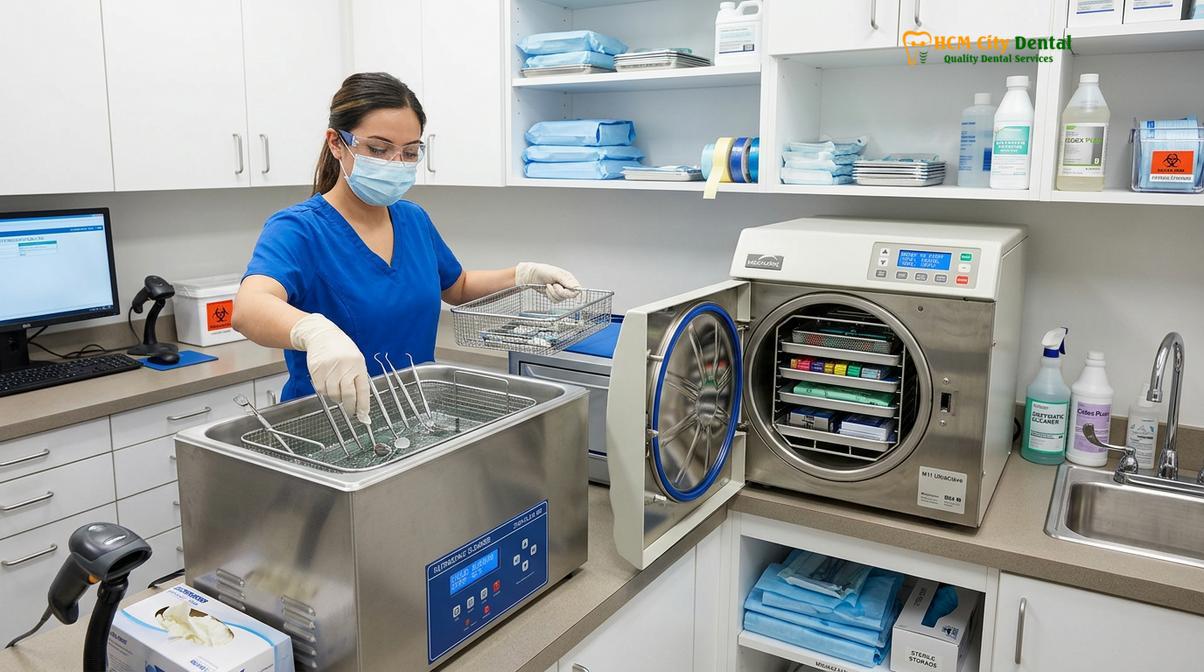
Following the enzymatic soak, the instruments are transferred to an industrial-grade ultrasonic cleaner. This machine is the core component of the physical cleaning process. The ultrasonic cleaner generates high-frequency sound waves that pass through the liquid solution, creating millions of microscopic bubbles. This phenomenon, known as cavitation, causes the bubbles to rapidly expand and forcefully implode. The implosions generate localized shockwaves that effectively scrub the instruments at a microscopic level, dislodging even the most stubborn debris from the intricate hinges, serrations, and microscopic crevices of the tools.
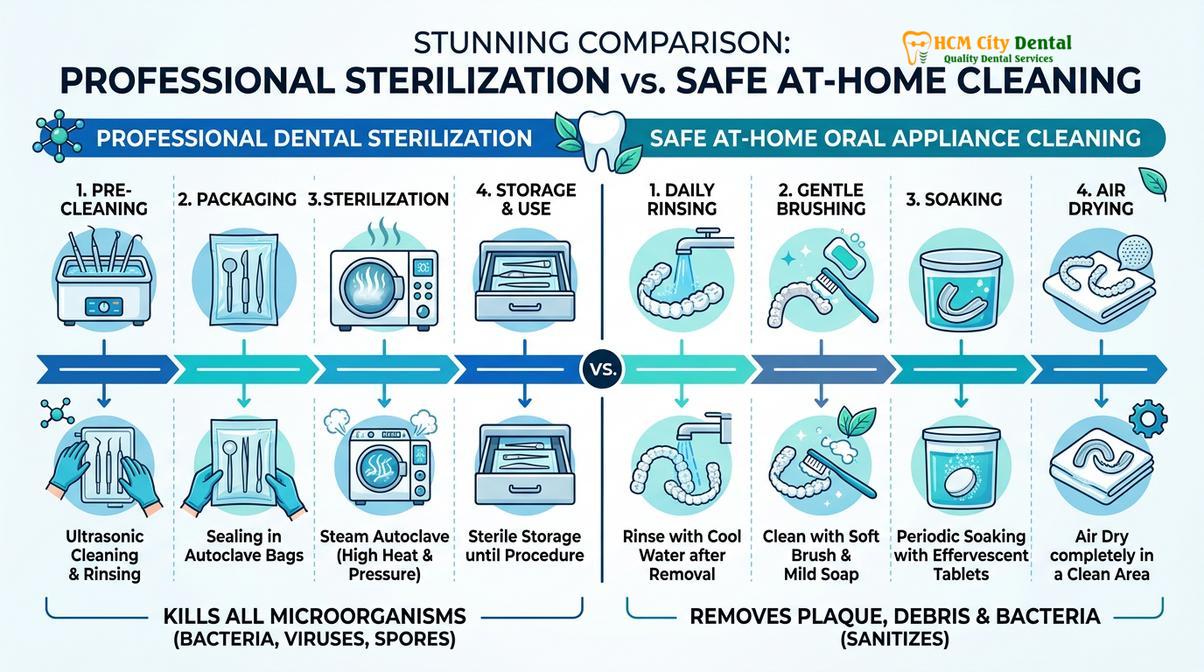
Once the ultrasonic cleaning cycle is complete, the instruments are thoroughly rinsed with distilled water, meticulously dried, and sealed inside specialized sterilization pouches. These pouches feature chemical indicator strips that change color only when specific parameters of heat, pressure, and time have been met. The final and most crucial step is autoclaving. The sealed pouches are placed inside an autoclave, a machine that utilizes pressurized steam to achieve extreme temperatures. The combination of extreme heat and high pressure destroys all remaining microorganisms, including highly resistant bacterial endospores, ensuring the instruments are completely sterile and safe for the next patient.
The Physics and Chemistry of Ultrasonic Dental Tool Cleaners
To truly understand the efficacy of a professional dental tool cleaner, one must examine the underlying physics and chemistry that drive the decontamination process. The ultrasonic cleaner is not merely a vibrating water bath; it is a precision-engineered device that harnesses acoustic energy to perform microscopic scrubbing. Transducers located at the base of the stainless steel tank convert electrical energy into high-frequency sound waves. As these sound waves propagate through the cleaning solution, they create alternating cycles of high and low pressure[2].
During the low-pressure cycle, the liquid is essentially torn apart, creating microscopic vacuum cavities or bubbles. As the cycle rapidly shifts to high pressure, these bubbles become unstable and violently collapse or implode. This implosion releases a tremendous amount of localized energy, generating microscopic jets of liquid that travel at incredibly high speeds. When these jets strike the surface of a dental instrument, they act like microscopic pressure washers, shearing away biofilm, calculus fragments, and biological matter without scratching or damaging the stainless steel surface of the tool, a process thoroughly documented in clinical physics studies regarding instrument decontamination[5].
The chemistry of the cleaning solution is equally vital. Water alone is insufficient for effective cavitation and cleaning. Dental clinics use specialized ultrasonic cleaning solutions that contain surfactants and enzymes. Surfactants lower the surface tension of the liquid, allowing the cavitation bubbles to form more easily and penetrate deeper into the microscopic grooves of the instruments. Furthermore, these professional solutions often contain rust inhibitors and anti-corrosive agents to protect the integrity of expensive carbon steel and stainless steel instruments, ensuring they maintain their sharp cutting edges and structural stability over thousands of sterilization cycles.
Professional Dental Cleaning Tools Used by Hygienists
When patients visit a clinic for a routine prophylaxis (teeth cleaning), they are treated with an array of highly specialized instruments. These tools are designed to navigate the complex anatomy of the oral cavity, accessing deep periodontal pockets and interproximal spaces that standard toothbrushes and floss cannot reach. The safe and effective use of these tools requires years of clinical training, an in-depth understanding of dental anatomy, and highly developed tactile sensitivity.
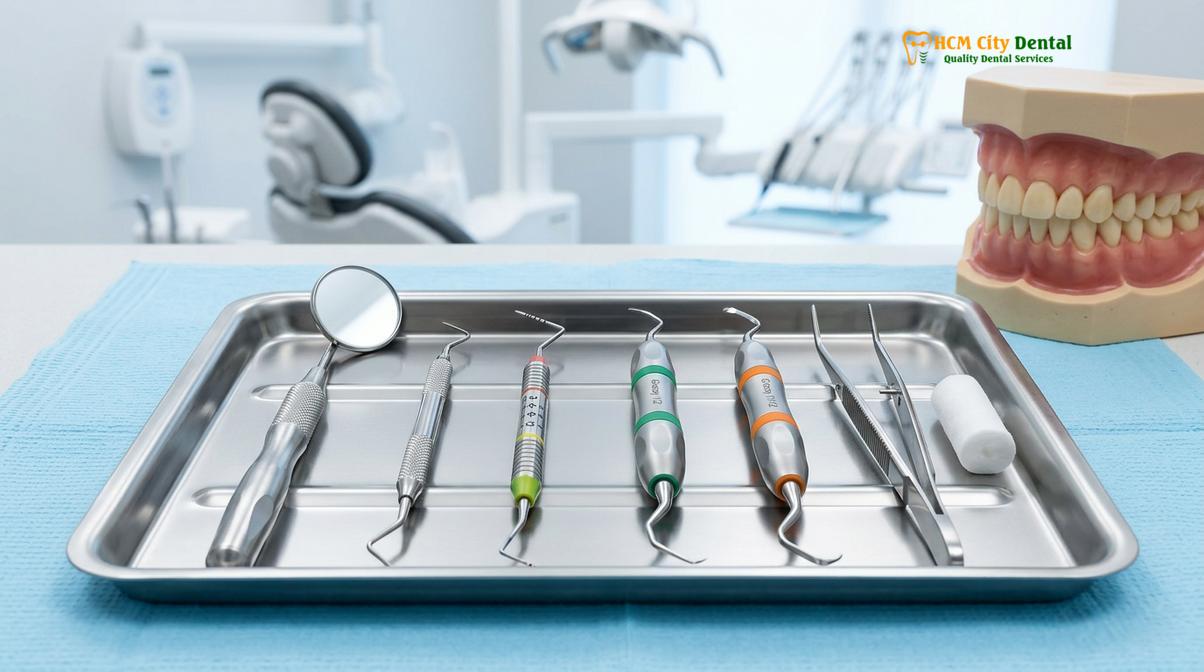
The most recognizable tool is the dental mirror, which serves multiple purposes. It allows the clinician to view the lingual surfaces of the teeth, reflects overhead light into dark areas of the mouth, and acts as a retractor to gently hold the tongue or buccal mucosa out of the working field. Working in tandem with the mirror is the periodontal explorer or probe. This slender, calibrated instrument is used to measure the depth of the gingival sulcus, detect areas of enamel demineralization, and locate subgingival calculus deposits hidden beneath the gum line.
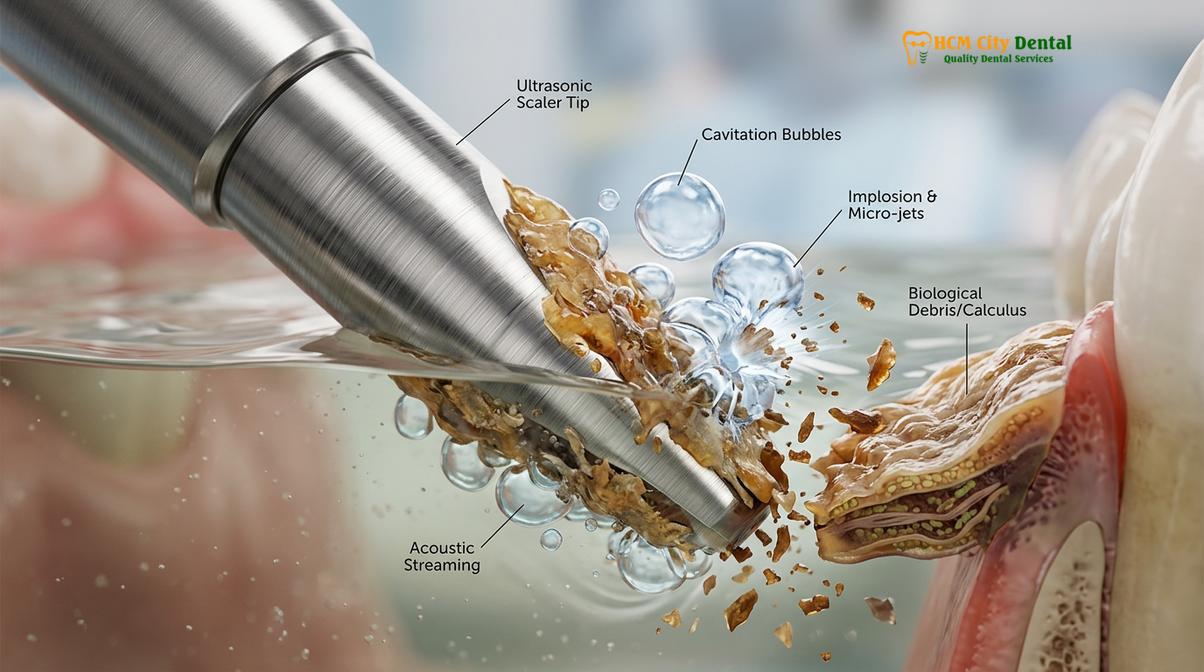
For the actual removal of plaque and calculus, clinicians rely on a combination of ultrasonic and hand scalers. The professional ultrasonic scaler is a sophisticated device that uses a rapidly vibrating metal tip to shatter hardened calculus deposits. Simultaneously, the device emits a continuous stream of water that cools the tip, flushes away debris, and creates a secondary cavitation effect that disrupts bacterial cell walls. Following ultrasonic scaling, the clinician uses hand instruments known as curettes and sickle scalers. These tools feature precisely angled blades designed to adapt to the specific curvature of different teeth, allowing the hygienist to meticulously plane the root surfaces and remove any residual tartar.
“The safe removal of calculus requires an intricate balance of applied pressure and precise angulation. A professional scaler is designed to adapt to the tooth’s natural contours. Without the tactile feedback developed through clinical training, it is incredibly easy to gouge the cementum or permanently scratch the enamel.”
The final step in the professional cleaning workflow involves a rotary polisher. This slow-speed handpiece utilizes a soft rubber cup filled with a mildly abrasive prophylaxis paste. The polishing process smooths the microscopic surface irregularities on the enamel, removing extrinsic stains caused by coffee, tea, or tobacco. A smooth enamel surface is not only aesthetically pleasing but also clinically functional, as it makes it significantly more difficult for new plaque biofilm to adhere to the teeth. Following this, the clinician may discuss Is Fluoride Bad for Your Teeth? Clinical Facts & Safety | HCMC Dental and apply a professional varnish to remineralize the enamel and reduce post-cleaning sensitivity.
The Dangers of At-Home Plaque Scrapers and DIY Dental Tools
In recent years, the online marketplace has been flooded with inexpensive, consumer-grade dental tool kits marketed as at-home plaque removers. These kits typically include metal picks, sickle scalers, and sometimes even battery-operated vibrating scrapers. While the appeal of removing tartar at home and achieving a “dentist-clean” feeling is understandable, the clinical reality is that these DIY tools are exceptionally dangerous in the hands of an untrained individual. Dental professionals universally condemn the use of metal scalers by patients due to the high probability of causing irreversible iatrogenic damage[3].
Clinical Warning: Never attempt to use metal dental scalers, picks, or scrapers on your own teeth at home. Without professional training, you risk causing permanent micro-abrasions to your enamel, severe lacerations to your gums, and introducing dangerous bacteria into your bloodstream. Calculus removal must only be performed by a licensed dental professional.
The primary danger lies in the hardness of the metal relative to the tooth structure. Professional scalers are made of surgical-grade stainless steel, which is harder than human enamel. When a hygienist uses a scaler, they employ a specific modified pen grasp, establish a stable intraoral fulcrum, and adapt the blade at a precise angle to the tooth surface. An untrained individual attempting this in a bathroom mirror lacks the visibility, angulation, and tactile control required. Consequently, the sharp metal tip frequently gouges the tooth surface.
It is not uncommon for patients to visit the clinic with heightened sensitivity and visible striations on their teeth, mistakenly believing that a previous dentist scratched their tooth during a past cleaning. However, upon detailed clinical examination and patient history review, it is frequently revealed that these micro-abrasions are the direct result of the patient aggressively using a DIY metal scraper at home. Unlike skin or bone, tooth enamel is non-living tissue; it contains no living cells and cannot regenerate or heal itself once it is physically scratched or removed. These self-inflicted scratches create a rough surface that actually accelerates future plaque accumulation and staining.
Furthermore, the risk of soft tissue injury is immense. The gingival tissues are highly vascular and delicate. A slight slip of a sharp metal pick can easily sever the gingival attachment, causing painful lacerations, localized recession, and significant bleeding. Additionally, without the rigorous sterilization protocols used in clinical settings, these at-home tools quickly become fomites—objects that harbor and transmit infectious bacteria. Reusing a contaminated tool introduces a high bacterial load directly into the bloodstream via micro-tears in the gums, posing a systemic health risk.
Safe At-Home Dental Tool Cleaners for Oral Appliances
While metal scaling tools should never be used at home, there is a highly legitimate and safe category of consumer dental tool cleaners: those designed for the maintenance of removable oral appliances. Patients undergoing orthodontic treatment with clear aligners, individuals wearing nighttime bruxism guards, and those utilizing removable partial or complete dentures require effective daily cleaning protocols to maintain oral hygiene and prolong the lifespan of their prosthetics[4].
Removable appliances are constantly exposed to the oral microbiome, accumulating plaque, bacteria, and calcium deposits just like natural teeth. If left uncleaned, these appliances become breeding grounds for anaerobic bacteria, leading to Halitosis: Clinical Causes, Diagnostics & Treatment | HCMC Dental, mucosal inflammation, and an increased risk of dental caries on the adjacent natural teeth. However, the materials used to fabricate these appliances—such as thermoplastic polyurethane, polymethyl methacrylate (PMMA) acrylic, and flexible resins—are significantly softer than natural tooth enamel and require specialized care.
| Feature | Professional Clinical Sterilization | At-Home Appliance Cleaning |
|---|---|---|
| Target Items | Metal scalers, mirrors, surgical instruments | Clear aligners, retainers, dentures, night guards |
| Primary Method | Enzymatic soak, industrial ultrasonic, high-heat autoclave | Consumer ultrasonic pod, effervescent tablets |
| Goal | Absolute eradication of all microbial life (sterilization) | Removal of daily biofilm and odor-causing bacteria (sanitization) |
| Safety Profile | Requires trained clinical staff and specialized equipment | Safe for daily consumer use on thermoplastic materials |
The most effective and safe at-home dental tool cleaner for these appliances is a combination of a consumer-grade ultrasonic pod and effervescent cleaning tablets. The ultrasonic pod works on the same principle of acoustic cavitation as professional clinical models, albeit at a lower power output suitable for delicate plastics. When the appliance is placed in the pod with a non-abrasive cleaning solution, the microscopic bubbles gently lift away biofilm and odor-causing bacteria without scratching the surface. Patients should always avoid using abrasive toothpaste or stiff-bristled brushes on their appliances, as these create micro-scratches that harbor bacteria and cause the material to become cloudy and unhygienic.
Clinical Case Study: The Consequences of DIY Scaling
Patient Presentation: A 34-year-old patient visited HCMC Dental Clinic in Ho Chi Minh City complaining of severe dentinal hypersensitivity and localized gingival inflammation around the lower anterior teeth. The patient reported experiencing sharp pain when consuming cold beverages and noticed persistent bleeding during routine brushing.
Clinical Findings: Upon examination, the dental team observed distinct, horizontal micro-striations across the facial enamel of the incisors, accompanied by deep lacerations in the marginal gingiva. The patient admitted to purchasing a metal dental tool cleaner kit online and attempting to scrape away calculus buildup at home for several months.
Outcome: The lack of proper angulation and excessive force had stripped away the protective enamel layer, exposing the sensitive underlying dentin. The clinical team performed a professional, sterile debridement using ultrasonic scalers to safely remove the remaining subgingival calculus. To address the iatrogenic enamel damage, a series of professional fluoride varnishes were applied to aid in remineralization and reduce sensitivity.
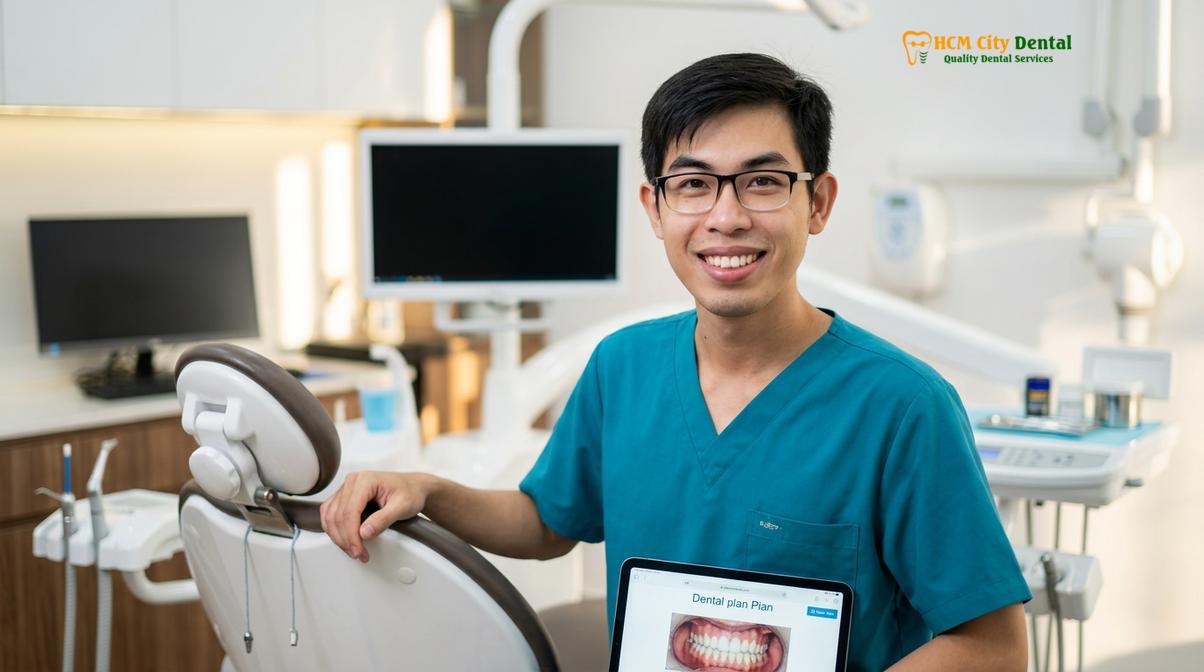
Dr. Nguyen Van Cuong, a leading practitioner at HCMC Dental Clinic, frequently encounters patients who have attempted to use professional-grade instruments at home. Dr. Cuong emphasizes that while maintaining oral hygiene is crucial, calculus removal must be left to trained professionals. He often guides patients on How to Find a Good Dentist: A Complete Clinical Guide | HCMC Dental who prioritizes strict sterilization and gentle, effective calculus removal to ensure long-term oral health without the risks of iatrogenic damage.
“Sterilization is not merely washing; it is an absolute eradication of microbial life to ensure patient safety. When patients attempt to bypass this clinical standard by using unsterilized metal tools at home, they are directly compromising their systemic health and the structural integrity of their teeth.”
When to Consult a Dental Professional
Understanding the limitations of at-home care is vital for preserving your smile. While consumer ultrasonic pods are excellent for maintaining removable appliances, they cannot replace the need for professional clinical intervention when it comes to your natural teeth. If you notice hard, yellowish, or brown deposits forming along your gum line, this is calculus (tartar), and it cannot be safely removed with a toothbrush, floss, or any DIY dental tool cleaner.
Patients should schedule a professional cleaning if they experience persistent bad breath, bleeding gums when brushing, or visible tartar buildup. Learning How Often Should You Go to the Dentist? | HCMC Dental is a key component of preventive care, as regular visits allow clinicians to remove calculus before it leads to periodontal disease. In between visits, maintaining a rigorous home hygiene routine—including understanding How Long Should You Brush Your Teeth? Clinical Guide | HCMC Dental—is the most effective way to prevent plaque from hardening into calculus in the first place.
References
- Journal of the American Dental Association. Infection control and sterilization protocols in modern dental practice. (2021).
- Journal of Clinical Periodontology. The efficacy of ultrasonic versus manual scaling in periodontal therapy. (2020).
- International Journal of Dental Hygiene. Iatrogenic enamel damage associated with improper use of scaling instruments. (2019).
- Journal of Prosthetic Dentistry. Maintenance and cleaning protocols for removable thermoplastic dental appliances. (2022).
- Clinical Oral Investigations. The physics of ultrasonic cavitation in dental instrument decontamination. (2018).
- Vietnam Ministry of Health (Bộ Y tế). National Guidelines on Infection Control in Dental Establishments. (2020).
For comprehensive preventive care and professional calculus removal utilizing strict sterilization protocols, explore our General Dentistry tại HCMC Dental Clinic services. Our dedicated clinical team at HCMC Dental Clinic in Ho Chi Minh City is committed to providing safe, effective, and comfortable dental care to protect your long-term oral health.