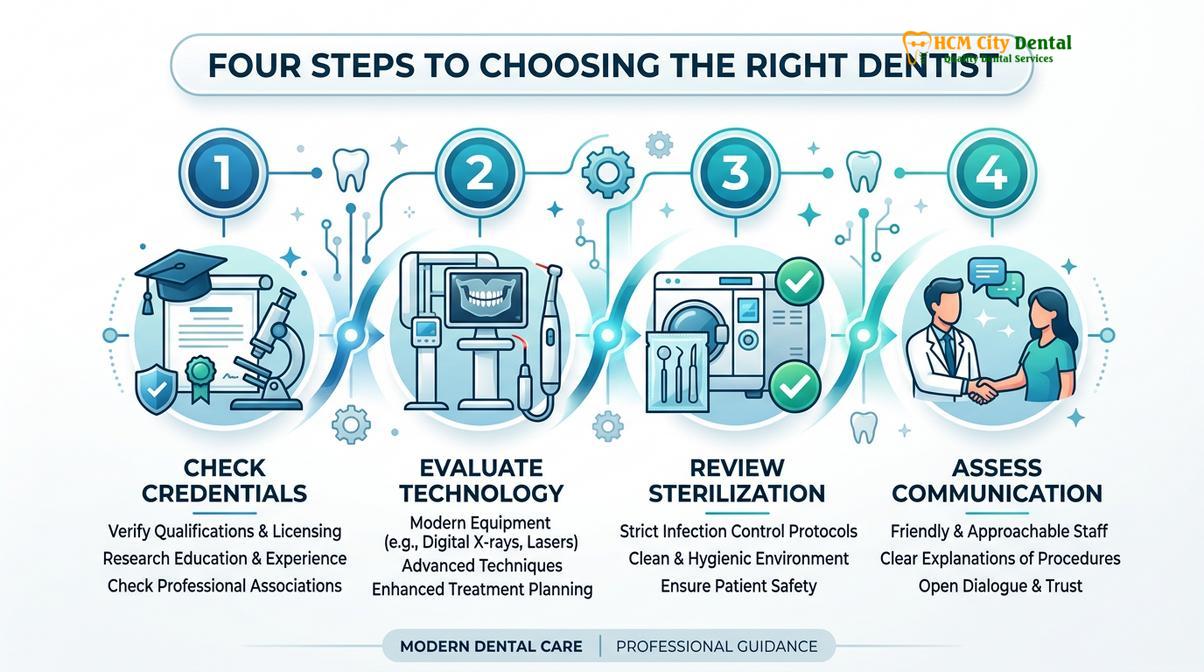
Finding a good dentist requires evaluating their clinical credentials, diagnostic technology, sterilization protocols, and communication style. A reliable practitioner prioritizes comprehensive examinations, transparent treatment planning, and evidence-based care over aggressive sales tactics, ensuring your long-term oral health is safely managed.
Clinical Summary:
Selecting the right dental provider is a critical healthcare decision that directly impacts both oral and systemic well-being. Patients must look beyond basic convenience and assess a clinic’s adherence to stringent infection control, utilization of advanced diagnostic imaging (such as digital radiography and intraoral scanners), and the provider’s commitment to conservative, evidence-based dentistry. Understanding the distinction between general practitioners and specialists ensures appropriate referrals for complex cases. A trustworthy dental home fosters a collaborative doctor-patient relationship, emphasizing preventive care, transparent clinical workflows, and comprehensive periodontal and restorative evaluations to maintain optimal long-term health.
Key Takeaways:
- Verify the dentist’s clinical credentials, continuing education, and active state or national licenses.
- Assess the clinic’s diagnostic technology, prioritizing practices that utilize digital radiography and 3D imaging.
- Observe sterilization protocols to ensure strict adherence to cross-contamination prevention standards.
- Distinguish between general dentists and specialists to ensure you receive appropriate care for complex endodontic or surgical needs.
- Prioritize practices that offer transparent, phased treatment plans without utilizing high-pressure sales tactics.
Understanding Dental Specialties: Who Do You Need?
Identifying the right dental professional depends on your specific clinical needs, ranging from routine preventive care to complex surgical or orthodontic interventions.
The foundation of lifelong oral health begins with a highly skilled general practitioner. General dentists are the primary care providers of the dental field, responsible for diagnosing, treating, and managing overall oral healthcare needs. They perform a wide array of procedures, including comprehensive examinations, prophylaxis (cleanings), restorative work like fillings and crowns, and basic endodontic or surgical treatments. Establishing a relationship with a general dentist is crucial, as they act as the central coordinator for your dental care, much like a primary care physician does for your medical health. For a comprehensive overview of what primary care entails, you can explore our General Dentistry tại HCMC Dental Clinic guide.
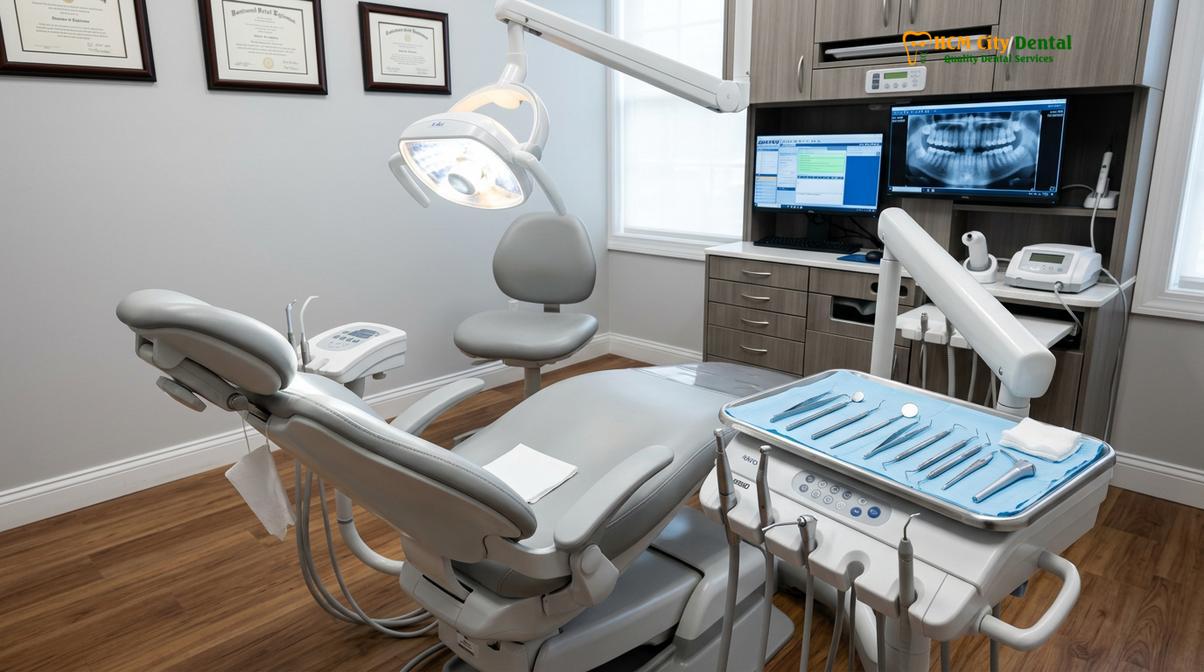
General Dentist vs. Specialists
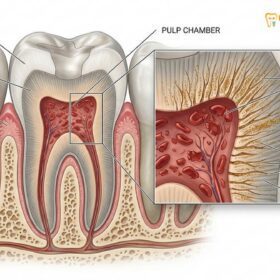
While general dentists are highly trained to handle the majority of dental issues, certain complex cases require the advanced expertise of a specialist. Specialists have completed additional years of rigorous post-graduate residency training in a specific branch of dentistry. Understanding the difference between an endodontist and a general dentist is a common point of confusion for patients. If you have a straightforward cavity that has reached the nerve, a general dentist may perform the root canal. However, if the tooth has complex, curved, or calcified root anatomy, or if a previous root canal has failed, your general dentist should refer you to an endodontist. Endodontists utilize advanced surgical operating microscopes and specialized techniques to navigate intricate root canal systems, significantly increasing the long-term success rate of the treatment [1].
Similarly, the distinction between a dentist and an orthodontist is vital when addressing malocclusion (bite misalignment) and craniofacial discrepancies. While some general dentists offer basic clear aligner therapy, an orthodontist specializes exclusively in the biomechanics of tooth movement and facial growth. They are equipped to handle severe crowding, skeletal bite issues, and complex interceptive treatments that go far beyond simple cosmetic straightening.
Finding Specialized Care
When searching for specialized care for your family, you might find yourself looking for a pediatric specialist. Pediatric dentists are the pediatricians of dentistry. They undergo specialized training in child psychology, behavior management, and the unique clinical needs of primary (baby) teeth and developing dentition. They are experts in managing dental trauma in children and providing care for patients with special healthcare needs. To understand more about specialized care for younger patients, review our Best Pediatric Dentist Near Me: Clinical Guide | HCMC Dental.
For more invasive procedures, you may need an oral and maxillofacial surgeon. These specialists manage complex extractions, such as deeply impacted third molars (wisdom teeth), facial trauma, orthognathic (jaw) surgery, and the surgical placement of dental implants in areas with severe bone loss. A hallmark of a good general dentist is their willingness and proactive approach to referring you to these specialists when a case exceeds their clinical scope.
Clinical Criteria for Evaluating a Dental Practice
A high-quality dental practice is defined by its commitment to advanced diagnostic technology, rigorous infection control, and evidence-based clinical protocols.
When evaluating how to find a good dentist, the physical environment and the clinical infrastructure of the practice speak volumes about the standard of care provided. Modern dentistry relies heavily on precise diagnostics and an uncompromising approach to patient safety. Patients should actively observe the clinic’s environment during their initial visit, as these factors directly correlate with the accuracy of diagnoses and the longevity of restorative treatments.
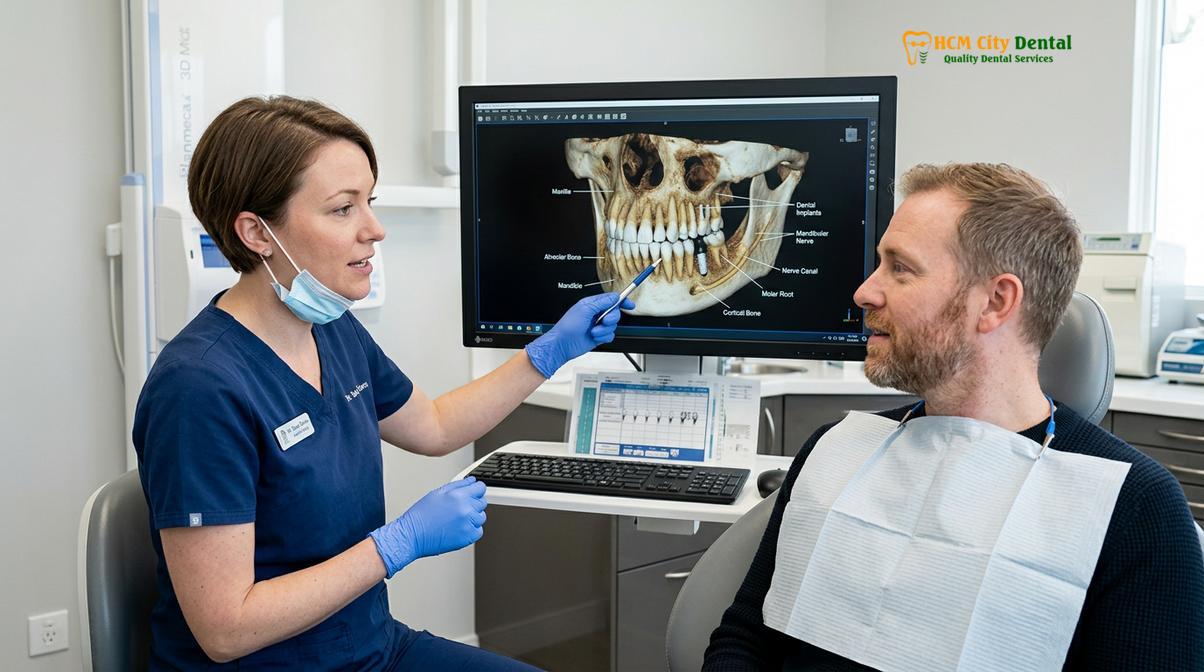
Technology and Diagnostic Capabilities
The integration of advanced technology is a strong indicator of a progressive, high-quality dental practice. Traditional film X-rays, while historically useful, have largely been superseded by digital radiography. Digital X-rays require significantly less radiation exposure and provide high-resolution images that can be magnified and enhanced on a computer screen. This allows the dentist to detect incipient (early-stage) caries and subtle bone loss that might be missed on small, analog films.
Furthermore, for procedures involving dental implants, complex extractions, or intricate root canals, the availability of Cone Beam Computed Tomography (CBCT) is paramount. CBCT provides a 3D volumetric scan of the maxillofacial region, allowing the clinician to evaluate bone density, locate vital structures like the inferior alveolar nerve, and plan surgeries with pinpoint accuracy. Additionally, the use of intraoral scanners to take digital impressions demonstrates a commitment to patient comfort and clinical precision. Understanding how clinics manage patient data digitally is also important; you can learn more about The Clinical Role of the Dentist Icon in Digital Charting | HCMC Dental to see how modern practices streamline care.
Sterilization and Infection Control Protocols
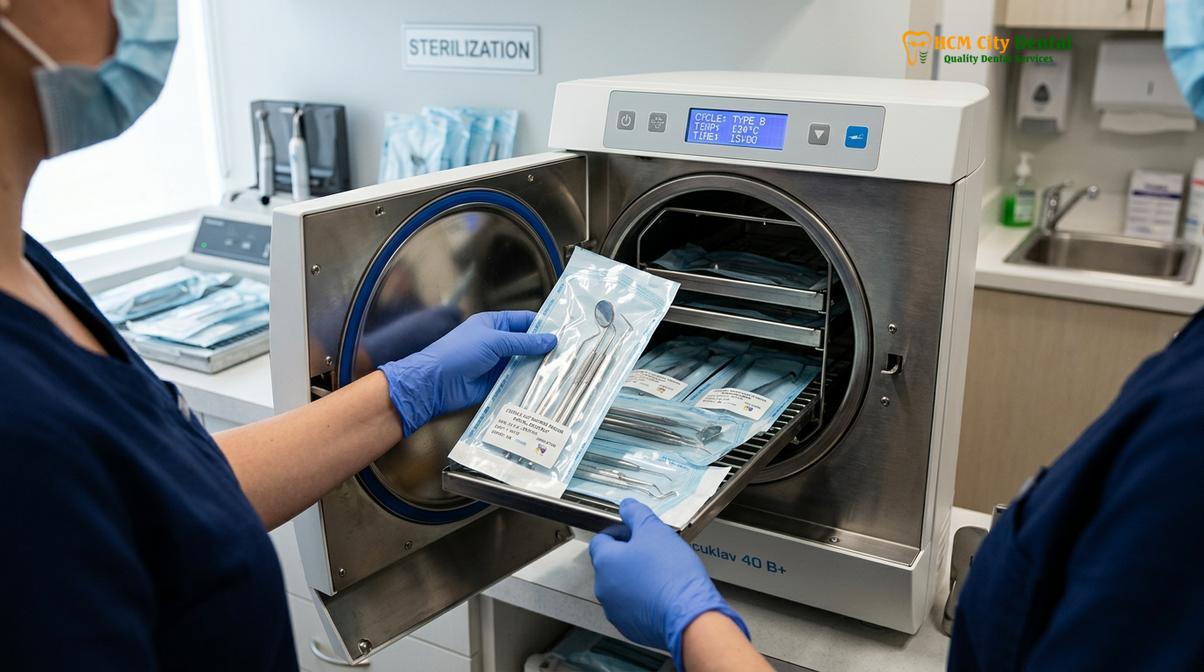
Perhaps the most critical, yet frequently overlooked, aspect of choosing a dentist is their adherence to strict infection control protocols. The chain of asepsis must remain unbroken to protect patients from cross-contamination and bloodborne pathogens. A reputable clinic will be completely transparent about their sterilization processes, utilizing medical-grade autoclaves that use high-pressure saturated steam to destroy all microbial life, including highly resistant bacterial spores [2].
In regions like Vietnam, top-tier clinics strictly adhere to the national standards set forth by health authorities to ensure patient safety across all odonto-stomatology establishments [6]. You should notice that the instruments used for your care are opened from sealed, color-changing indicator pouches directly in front of you.
| Clinical Aspect | Standard/Outdated Practice | Advanced/High-Quality Practice |
|---|---|---|
| Radiography | Analog film X-rays (higher radiation, longer processing) | Digital sensors and 3D CBCT imaging (low radiation, instant high-res) |
| Impressions | Traditional alginate or PVS putty (uncomfortable, prone to distortion) | Digital intraoral 3D scanners (highly accurate, comfortable) |
| Sterilization | Basic wiping or cold sterile solutions for critical instruments | Class B autoclaves with biological indicator testing and sealed pouches |
| Record Keeping | Paper charts with minimal clinical notes | Encrypted digital charting with comprehensive periodontal tracking |
The Initial Consultation: What to Observe
Your first visit should involve a comprehensive clinical evaluation, including periodontal charting, oral cancer screening, and a detailed discussion of diagnostic findings.
The initial consultation is your primary opportunity to evaluate the dentist’s clinical thoroughness and communication style. A high-quality dentist does not rush this process. If your first visit consists merely of a quick five-minute glance in your mouth followed by a cleaning, you are not receiving a comprehensive standard of care. A proper initial examination establishes a baseline for your oral health and requires meticulous data collection.
“A comprehensive dental examination is not merely a search for cavities; it is a holistic assessment of the patient’s stomatognathic system, encompassing periodontal health, occlusal stability, and the early detection of oral pathology.”
Comprehensive Examination Standards
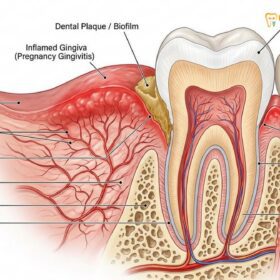
A thorough clinical examination begins with a detailed review of your medical history. The mouth is not isolated from the rest of the body; systemic conditions such as diabetes, hypertension, and autoimmune disorders profoundly impact oral health and dictate how dental treatments should be managed. For instance, hormonal changes can lead to specific oral manifestations, which is why understanding issues like Bad Breath During Pregnancy: Clinical Causes & Care | HCMC Dental is essential for expectant mothers.
Next, the dentist or hygienist must perform full-mouth periodontal charting. This involves using a small, calibrated instrument called a periodontal probe to measure the depth of the sulcus (the space between the tooth and the gum tissue) at six specific points around every single tooth. Measurements of 4 millimeters or deeper, especially when accompanied by bleeding upon probing, indicate active periodontal disease [3]. A dentist who fails to perform and record these measurements cannot accurately diagnose your periodontal health. If you are transitioning to a new provider, understanding these standards is vital; refer to our guide on Choosing a Dentist New to Your Care: Clinical Guide | HCMC Dental for more insights.
Treatment Planning and Transparency
Once the clinical data and radiographs are collected, the dentist should present their findings clearly and objectively. A good dentist acts as an educator, using intraoral camera photos or X-rays to show you exactly what is happening in your mouth. They should explain the etiology (cause) of the problem, not just propose a surgical or restorative fix.
Red Flags and Warning Signs in Dental Care
Patients must be vigilant against practices that prioritize aggressive overtreatment, lack transparent pricing, or demonstrate compromised sterilization standards.
While knowing what to look for is important, knowing what to avoid is equally critical to protecting your health and finances. Unfortunately, not all dental practices operate with the same level of clinical ethics. Being able to identify red flags early can save you from irreversible iatrogenic damage and unnecessary expenses.
Clinical Warning Signs to Avoid:
- Lack of Medical History Review: If a clinic attempts to treat you without thoroughly reviewing your medical history and current medications, leave immediately.
- Unsealed Instruments: Instruments resting on a tray without being opened from a sealed sterilization pouch in front of you indicate a severe breach of infection control.
- Refusal to Share Records: Your X-rays and clinical records belong to you. A clinic that refuses to forward them to a specialist or another dentist is violating standard healthcare protocols.
- Diagnosis Without Radiographs: Diagnosing interproximal (between the teeth) decay or bone loss without current X-rays is clinically impossible and highly negligent.
Overtreatment and Aggressive Sales Tactics
One of the most significant ethical concerns in modern dentistry is overtreatment. This occurs when a dentist recommends invasive procedures that are not clinically justified by the patient’s actual presentation [4]. A common example is the recommendation to replace all existing, perfectly functional silver amalgam fillings with composite resin simply because they are “old,” without any radiographic or clinical evidence of recurrent decay or structural failure. Every time a tooth is drilled, it suffers micro-trauma, bringing it one step closer to needing a root canal.
Another red flag is the heavy push for cosmetic procedures during a routine exam. High-pressure sales tactics, such as offering immediate discounts on major restorative work, have no place in a medical environment. If you are considering extensive work, it is crucial to understand the process thoroughly; our guide on Dental Reconstruction Before and After: Clinical Guide | HCMC Dental provides a clinical perspective on what to expect.
When to Seek Immediate Dental Care and Important Considerations
Recognizing the signs that require urgent professional intervention is crucial for preventing the escalation of localized dental issues into systemic health problems.
Knowing how to find a good dentist also means understanding when you need to see one urgently. Patients should seek immediate clinical evaluation if they experience severe, unprovoked tooth pain, significant facial swelling, or trauma resulting in avulsed (knocked-out) teeth. Furthermore, complex multidisciplinary cases—such as those involving severe facial trauma or advanced pathological lesions—require prompt referral to specialized care centers to ensure comprehensive management [5].
“Timely intervention by a qualified dental professional can prevent localized infections from developing into severe systemic health complications, underscoring the importance of establishing a reliable dental home.”
Case Study: Navigating Complex Dental Needs in Ho Chi Minh City
A clinical case demonstrating the importance of comprehensive diagnostics and specialized referral in achieving optimal restorative outcomes.
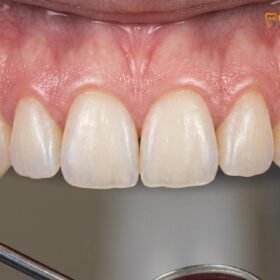
A recent patient presented to HCMC Dental Clinic in Ho Chi Minh City with severe malocclusion, failing anterior restorations, and generalized dental anxiety stemming from previous negative experiences. The initial consultation involved a thorough medical history review, digital CBCT imaging, and comprehensive periodontal charting. The clinical team identified that the patient’s restorative failure was primarily due to an uncorrected overjet that placed excessive occlusal force on the anterior teeth.
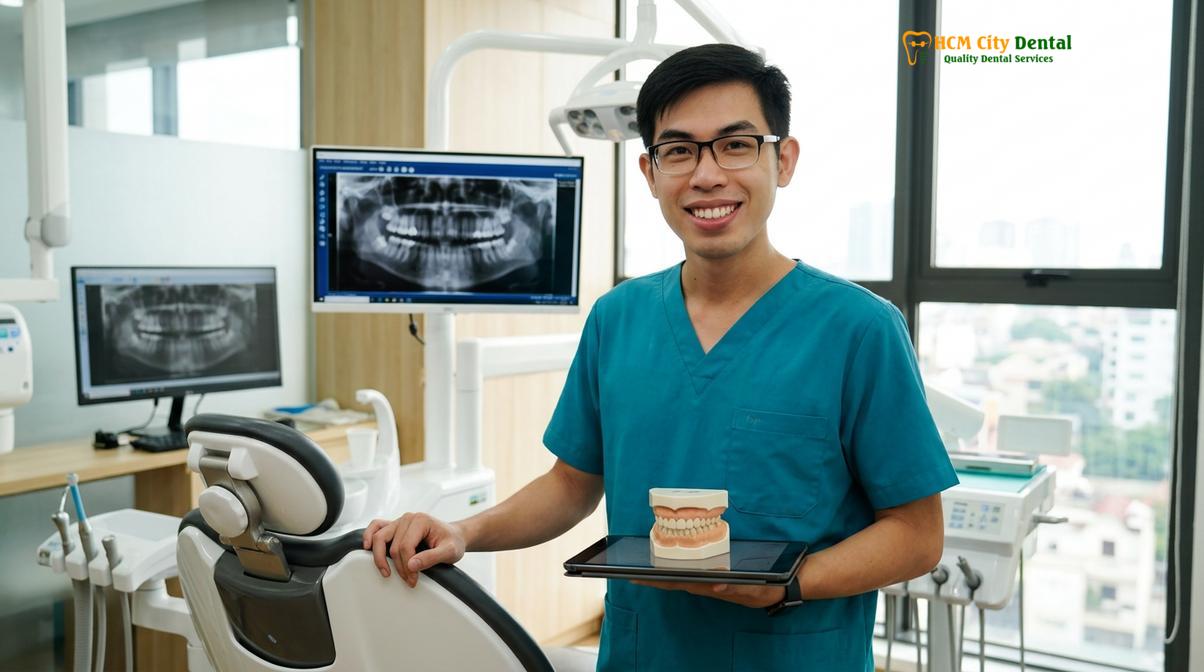
Dr. Nguyen Van Cuong emphasizes that successful clinical outcomes depend on a foundation of trust, precise diagnostics, and a conservative approach to treatment. Under his guidance, the team ensures that every patient receives a customized, evidence-based treatment plan tailored to their unique anatomical needs. By coordinating care effectively, the clinic was able to address the patient’s bite alignment first—similar to the protocols discussed in our Buck Teeth Braces: Clinical Overjet Correction | HCMC Dental guide—before proceeding with final aesthetic restorations. This phased, transparent approach restored the patient’s oral function and confidence.
References
- Journal of the American Dental Association. Evidence-based clinical practice guidelines for the comprehensive dental examination. (2019).
- International Journal of Infection Control. Sterilization protocols and cross-contamination prevention in modern dental practices. (2021).
- Journal of Clinical Periodontology. The diagnostic value of full-mouth periodontal charting in general practice. (2020).
- British Dental Journal. Ethical considerations in treatment planning and the prevention of overtreatment. (2018).
- Oral Surgery, Oral Medicine, Oral Pathology and Oral Radiology. Guidelines for specialist referrals in complex multidisciplinary dental cases. (2022).
- Vietnam Ministry of Health (MOH). National Guidelines on Infection Control in Odonto-Stomatology Establishments. (2020).
Choosing the right dental provider is essential for your long-term oral and systemic health. If you are looking for a practice that prioritizes advanced diagnostics, strict sterilization, and transparent patient communication, schedule a comprehensive consultation with our expert team at HCMC Dental Clinic in Ho Chi Minh City today.