The average price for dental cleaning typically ranges from $75 to $200 for a routine prophylaxis without insurance. Deep cleanings, or scaling and root planing, can cost between $150 and $350 per quadrant. Exact fees depend on your clinical needs, geographic location, and the specific periodontal therapy required.
Clinical Summary:
Professional dental cleanings are foundational to periodontal health, effectively removing calcified plaque and bacterial biofilms that daily brushing cannot eliminate. The average price for dental cleaning varies significantly based on the clinical diagnosis—ranging from standard prophylaxis for healthy gums to intensive scaling and root planing for active periodontitis. Advanced diagnostic tools, the expertise of the clinician, and the specific geographic market all influence the final dental hygienist cost. Regular maintenance not only preserves the dentition but also mitigates systemic inflammatory risks associated with chronic gum disease, making preventive care a highly cost-effective medical investment.
Key Takeaways:
- Routine prophylaxis generally costs between $75 and $200 out-of-pocket for patients without insurance.
- Deep cleaning (scaling and root planing) is priced per quadrant, often ranging from $150 to $350.
- Untreated plaque hardens into calculus within 48 hours, requiring professional ultrasonic removal.
- Dental insurance typically covers 100% of preventive cleanings twice annually.
- Delaying routine care increases the risk of irreversible bone loss and higher future treatment costs.
Understanding the Average Price for Dental Cleaning
The average price for dental cleaning is determined by the specific periodontal procedure required, ranging from affordable preventive prophylaxis to more intensive, quadrant-based deep scaling therapies.
When patients inquire about the cost of oral hygiene maintenance, it is crucial to understand that a “cleaning” is not a singular, uniform procedure. In clinical dentistry, the removal of plaque and calculus is categorized based on the severity of periodontal disease present. The financial investment required reflects the clinical time, the specialized instrumentation utilized, and the level of expertise necessary to restore gingival health. For those following general dental care guidelines, budgeting for these preventive services is a critical aspect of long-term healthcare planning.
For a healthy adult presenting with minimal calculus and no active bone loss, a standard prophylaxis is the appropriate treatment. This preventive measure is highly accessible, with the average price for dental cleaning in this category remaining relatively low. However, when a patient presents with active periodontitis—characterized by deep gingival pockets, bleeding upon probing, and subgingival calculus—a standard cleaning is clinically insufficient. In these cases, scaling and root planing (SRP) is mandated. Because SRP is a therapeutic medical intervention requiring local anesthesia and meticulous subgingival instrumentation, the associated fees are inherently higher and are typically billed per quadrant of the mouth.[1]
To provide a clear financial perspective, the following table outlines the estimated out-of-pocket costs for various periodontal procedures. These figures represent national averages and can fluctuate based on the specific clinic and geographic region.
| Cleaning Type | Clinical Indication | Estimated Cost Range (Without Insurance) |
|---|---|---|
| Adult Prophylaxis | Healthy gums, routine preventive maintenance | $75 – $200 |
| Scaling & Root Planing (SRP) | Active periodontitis, subgingival calculus (per quadrant) | $150 – $350 |
| Periodontal Maintenance | Post-SRP ongoing care, history of gum disease | $100 – $250 |
| Full Mouth Debridement | Severe calculus obscuring diagnostic evaluation | $150 – $300 |
It is also important to factor in the diagnostic components that accompany a cleaning. Comprehensive oral evaluations, periodontal charting, and radiographic imaging (X-rays) are often billed separately if they are not bundled into a new patient package. Understanding these distinct billing codes helps patients navigate their out-of-pocket teeth cleaning expenses with greater clarity and confidence.
Types of Dental Cleanings and Clinical Workflows
Dental cleanings are categorized into prophylaxis, debridement, scaling and root planing, and periodontal maintenance based on precise diagnostic criteria and the severity of bacterial biofilm accumulation.
The foundation of appropriate periodontal therapy begins with an accurate diagnosis. During an initial examination, a clinician will utilize a periodontal probe to measure the depth of the sulcus—the space between the tooth and the surrounding gum tissue. Healthy sulci typically measure between 1 to 3 millimeters. When pocket depths exceed 4 millimeters and are accompanied by bleeding, it indicates a pathological shift in the oral microbiome, necessitating a specific tier of professional intervention.[2]
Routine Prophylaxis
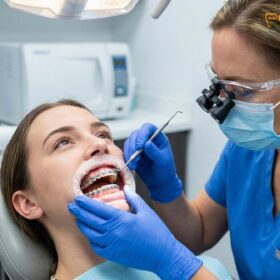
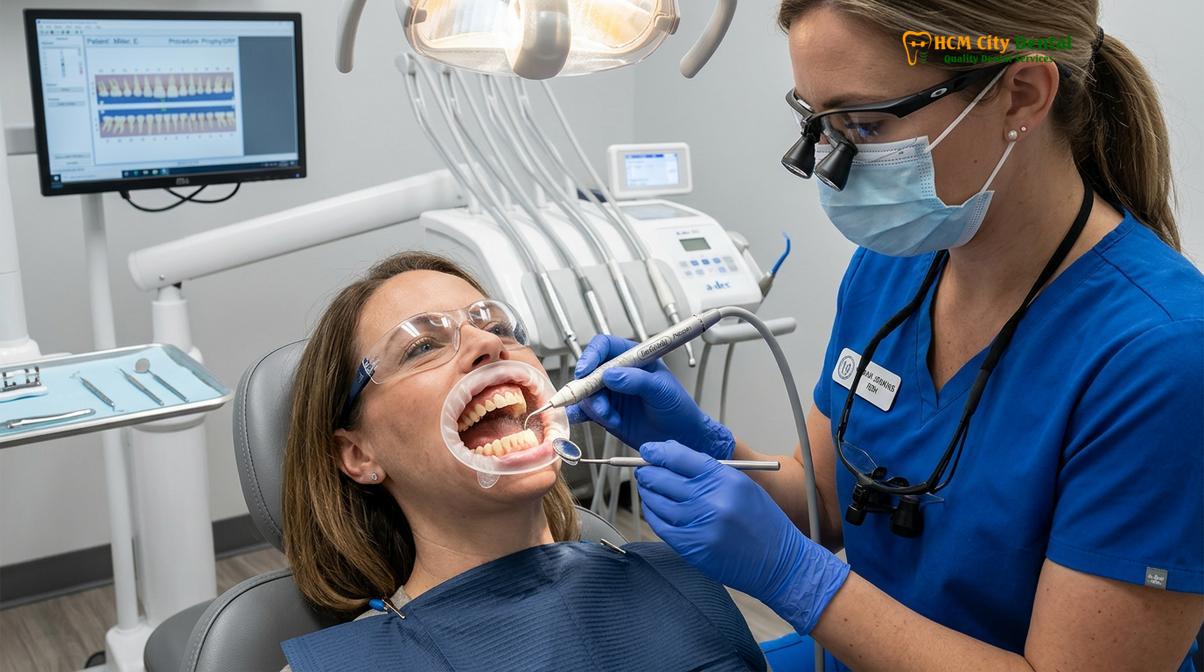
A prophylaxis is strictly a preventive procedure designed for patients who exhibit a healthy periodontium. The clinical workflow involves the removal of supragingival (above the gumline) plaque and calculus using ultrasonic scalers and specialized hand instruments. Following calculus removal, the teeth are polished using a prophylactic paste to eliminate extrinsic stains and smooth the enamel surface, making it more difficult for future biofilms to adhere. This procedure is typically recommended biannually.
Scaling and Root Planing (Deep Cleaning)
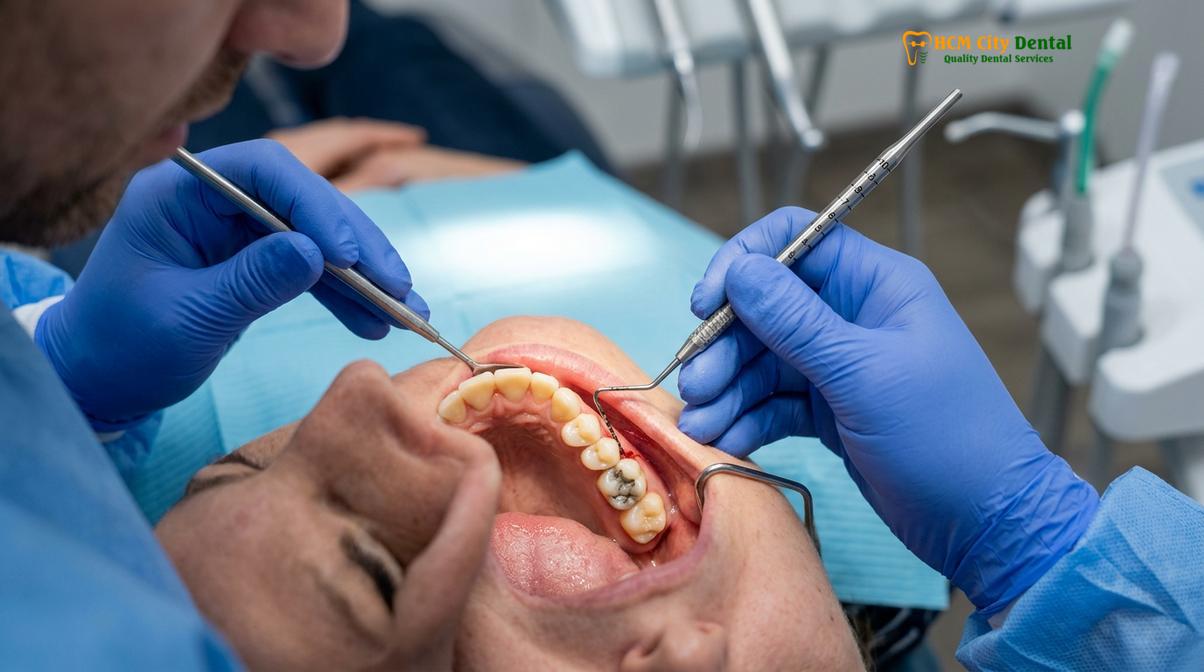
When evaluating the overall dental hygienist cost, patients must understand that specialized subgingival therapies require advanced training and significantly more clinical time than standard polishing. Scaling and root planing is the gold standard non-surgical treatment for active periodontitis. The clinician administers local anesthesia to ensure patient comfort before meticulously removing calcified deposits from the root surfaces deep beneath the gums. The “planing” aspect involves smoothing the cementum and dentin to remove bacterial endotoxins, thereby facilitating the reattachment of healthy gingival tissue to the tooth structure.
Gross Debridement
In cases where a patient has avoided dental care for an extended period, massive accumulations of calculus may completely obscure the clinical crowns and gingival margins. A full mouth debridement is a preliminary procedure utilized to fracture and remove these heavy deposits. This is not a definitive cleaning; rather, it clears the visual field so the dentist can perform an accurate comprehensive examination and formulate a subsequent treatment plan, which usually involves SRP.
Periodontal Maintenance
Following successful scaling and root planing, a patient’s periodontal status is permanently altered. They are no longer candidates for a standard prophylaxis. Instead, they require periodontal maintenance at three- to four-month intervals. This specialized cleaning focuses on disrupting pathogenic biofilms before they can trigger a relapse of bone loss, ensuring the long-term stability of the periodontium. Adhering to these professional dental cleaning protocols is vital for arresting disease progression.
Factors Influencing Your Dental Cleaning Costs
Several variables dictate the final fee, including the severity of periodontal disease, the geographic location of the clinic, and the integration of advanced technologies like laser therapy.
The average price for dental cleaning is not a static figure; it is heavily influenced by the microeconomics of the dental practice and the specific clinical requirements of the patient. One of the primary drivers of cost is the severity of the clinical presentation. A patient requiring a simple 30-minute prophylaxis will naturally incur a lower fee than a patient requiring two hours of meticulous subgingival instrumentation under local anesthesia.
Geographic location plays a profound role in healthcare pricing. Dental practices operating in high-cost-of-living urban centers in the United States, the United Kingdom, or Australia face significant overhead costs, including rent, advanced sterilization equipment, and staff salaries. These operational expenses are inevitably reflected in the patient’s bill. Conversely, the rise of medical tourism has highlighted significant geographic arbitrage. For example, patients visiting Ho Chi Minh City often find that world-class periodontal care can be accessed at a fraction of Western prices. At HCMC Dental Clinic, international protocols are strictly followed, providing exceptional value without compromising clinical excellence.
“The integration of ultrasonic instrumentation and laser bacterial reduction has revolutionized periodontal therapy, offering superior clinical outcomes but often reflecting a slight adjustment in the overall treatment fee. However, the long-term preservation of the natural dentition makes this a highly prudent investment.” — Dr. Nguyen Van Cuong
Technological advancements also impact the dental hygienist cost. Modern clinics frequently employ piezoelectric scalers, which utilize high-frequency vibrations and acoustic microstreaming to shatter calculus and disrupt bacterial cell walls efficiently. Additionally, some practices incorporate diode lasers as an adjunct to scaling and root planing. Laser bacterial reduction (LBR) effectively sterilizes the periodontal pocket and promotes faster tissue coagulation and healing. While these advanced modalities may increase the initial procedural cost, they significantly enhance the predictability and success rate of the therapy.[3]
Furthermore, the credentials of the treating professional influence the fee structure. Procedures performed by a board-certified periodontist—a specialist in the supporting structures of the teeth—will generally command a higher premium than those performed by a general dentist or a registered dental hygienist. This specialized expertise is particularly crucial when managing advanced cases of aggressive periodontitis or when integrating periodontal health with comprehensive facial and dental aesthetics.
The Clinical Importance of Professional Teeth Cleaning
Beyond achieving a brighter smile, professional calculus removal is a critical medical intervention that halts the progression of periodontal disease and reduces systemic inflammatory burdens.
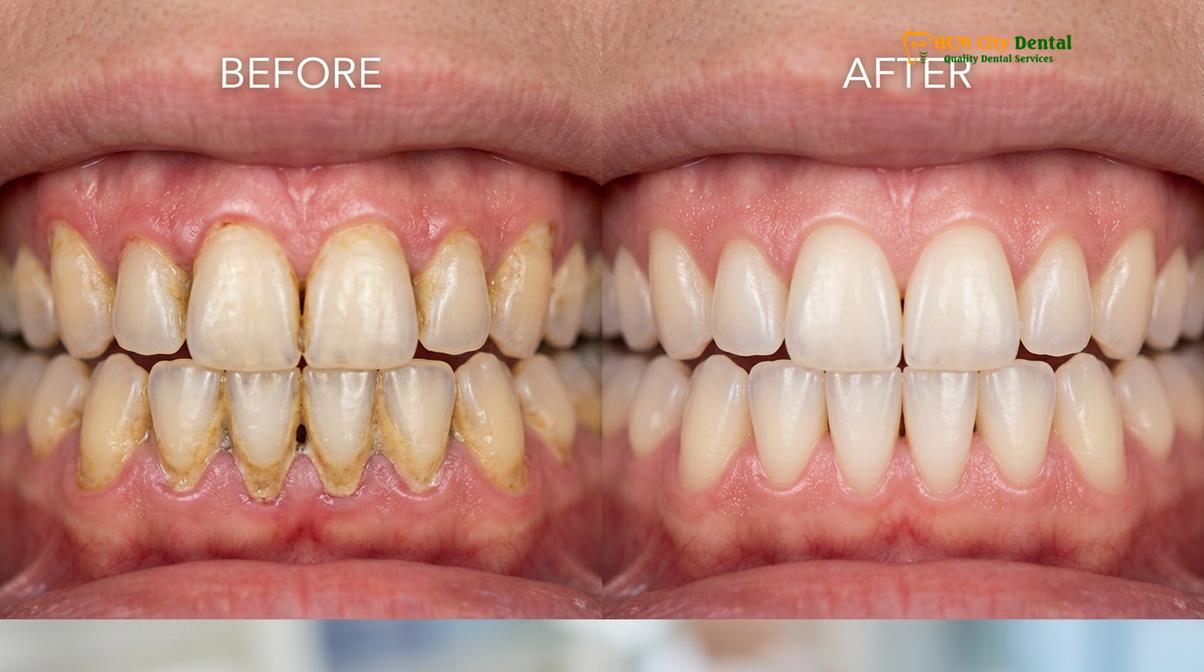
The oral cavity is a complex ecosystem hosting hundreds of bacterial species. Within minutes of brushing, a glycoprotein pellicle forms on the enamel, providing a substrate for primary bacterial colonizers. If not mechanically disrupted by daily hygiene, this biofilm matures, attracting anaerobic secondary colonizers. Within 48 to 72 hours, minerals from saliva—primarily calcium and phosphate—precipitate into the biofilm, calcifying it into a hardened substance known as calculus (tartar). Once calculus forms, it cannot be removed by a toothbrush or dental floss; it requires professional instrumentation.
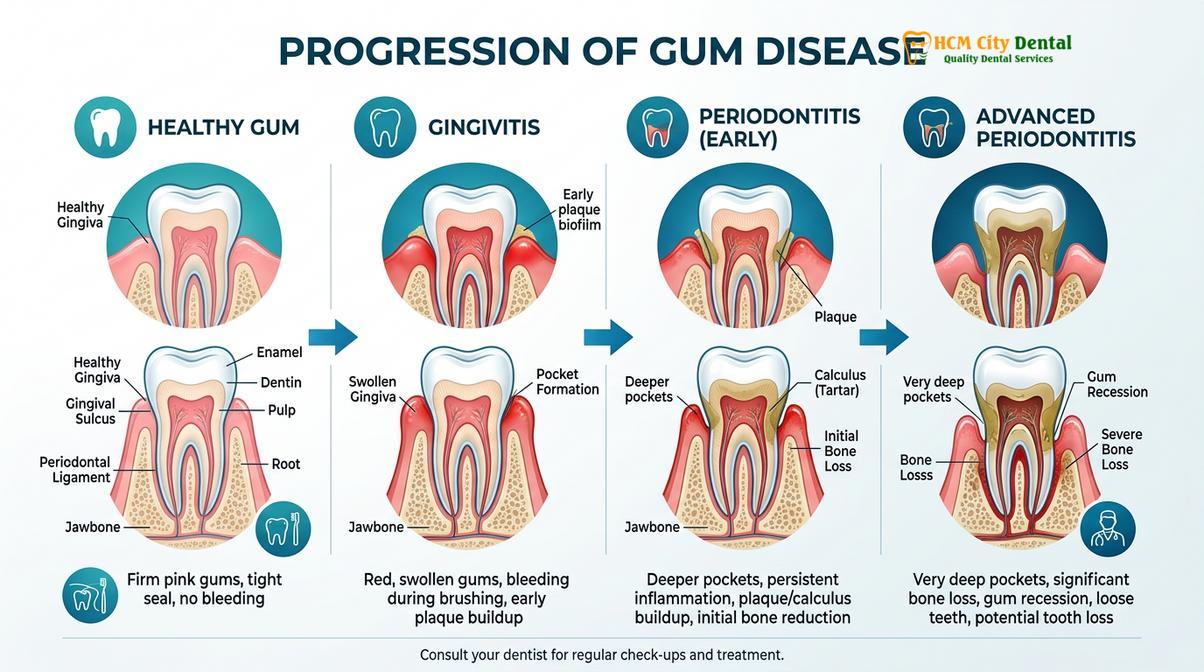
The presence of calculus acts as a porous reservoir for bacterial endotoxins. The host immune system recognizes these pathogens and initiates an inflammatory cascade. While the immune response aims to destroy the bacteria, the chronic release of inflammatory cytokines (such as Interleukin-1 and TNF-alpha) inadvertently leads to the destruction of the host’s own gingival tissue and alveolar bone. This process is the hallmark of periodontitis.[4]
Clinical Case Study: Reversing Early Periodontitis
A 45-year-old patient presented at HCMC Dental Clinic in Ho Chi Minh City with persistent gingival bleeding and 5mm periodontal pockets. After a comprehensive diagnostic evaluation by Dr. Cuong, the patient underwent a full-mouth scaling and root planing procedure utilizing advanced ultrasonic technology. Within four weeks of targeted therapy and improved home care, pocket depths reduced to a healthy 2-3mm, and gingival bleeding completely resolved, demonstrating the profound efficacy of timely periodontal intervention.
The implications of chronic periodontal inflammation extend far beyond the oral cavity. Extensive medical literature has established a robust bidirectional relationship between periodontitis and systemic health conditions. The ulcerated epithelial lining of periodontal pockets allows oral bacteria to enter the bloodstream (bacteremia). This systemic dissemination of pathogens and inflammatory mediators has been strongly linked to the exacerbation of cardiovascular disease, poor glycemic control in diabetic patients, and adverse pregnancy outcomes. Therefore, investing in the average price for dental cleaning is not merely a cosmetic expenditure; it is a fundamental component of holistic medical care.
When to See a Doctor for Advanced Periodontal Care
While routine cleanings are scheduled predictably, certain clinical signs indicate an acute exacerbation of periodontal disease that requires immediate professional evaluation. Patients must be vigilant in monitoring their oral health between scheduled hygiene appointments. Delaying care when symptoms arise allows pathogenic biofilms to mineralize deeper beneath the gumline, potentially transforming a simple preventive visit into a complex, multi-stage surgical intervention.
Clinical Warning:
Healthy gums do not bleed during normal brushing or flossing. Persistent gingival bleeding is a primary indicator of active bacterial infection and requires immediate professional evaluation to prevent irreversible alveolar bone loss and potential tooth mobility.
You should schedule an immediate consultation with a dental professional if you experience any of the following symptoms:
- Spontaneous Gingival Bleeding: Gums that bleed easily during eating, brushing, or upon waking.
- Erythema and Edema: Gums that appear bright red, swollen, or feel tender to palpation, indicating acute inflammation.
- Gingival Recession: Teeth that appear longer than usual, suggesting that the gum tissue and underlying bone are pulling away from the tooth root.
- Halitosis: Chronic bad breath or a persistent metallic taste in the mouth, often caused by volatile sulfur compounds produced by anaerobic bacteria in deep pockets.
- Tooth Mobility: Any shifting, loosening, or changes in the way your teeth fit together when you bite down.
- Purulent Exudate: The presence of pus between the teeth and gums when pressure is applied.
Addressing these symptoms promptly is essential. Advanced periodontitis can compromise the foundation required for future restorative work, whether that involves orthodontic treatment planning or preparing the mouth for minimally invasive cosmetic restorations. A healthy periodontium is the prerequisite for all successful dental therapies.
“The cost of prevention is always lower than the cost of rehabilitation. Routine periodontal maintenance is the most effective strategy to preserve both your natural dentition and your financial resources over a lifetime.” — Clinical Consensus on Preventive Dentistry [5]
Frequently Asked Questions
Why is a deep cleaning more expensive than a regular cleaning?
A deep cleaning is more expensive because it is a therapeutic medical procedure requiring local anesthesia, subgingival instrumentation, and significantly more clinical time. Unlike a routine polish, scaling and root planing meticulously removes embedded calculus from the tooth roots to halt active periodontal disease. This specialized intervention demands advanced clinical skills and often requires multiple appointments to complete safely and effectively.
Does dental insurance cover the average price for dental cleaning?
Yes, most dental insurance plans cover 100% of the cost for two routine prophylaxis cleanings per year as preventive care. However, therapeutic procedures like scaling and root planing or gross debridement may only be covered at 50% to 80%, depending on your specific policy. Patients are encouraged to review their benefits and consult with their clinic’s financial coordinator to understand any potential out-of-pocket copayments or deductibles.
How often should I schedule a professional dental cleaning?
Clinically healthy patients should schedule a routine cleaning every six months to maintain optimal oral hygiene. Conversely, patients with a history of periodontitis or rapid calculus accumulation require periodontal maintenance visits every three to four months to prevent disease relapse. The exact frequency should be personalized based on a clinical assessment of your plaque control, genetic predisposition, and systemic health factors.
Is professional teeth cleaning painful?
Routine cleanings are generally painless, though patients with severe gingivitis or dentin hypersensitivity may experience mild, temporary discomfort. For deep cleanings, clinicians utilize local anesthetics to ensure the patient remains completely comfortable while subgingival calculus is removed. Post-operative soreness is typically minimal and can be easily managed with over-the-counter anti-inflammatory medications and warm saltwater rinses.
Can a dental cleaning whiten my teeth?
A professional cleaning removes extrinsic surface stains and calcified deposits, naturally brightening the teeth and restoring their natural luster. However, it does not chemically alter the intrinsic color of the enamel, which would require a dedicated peroxide-based teeth whitening treatment. Cleanings provide a clean, healthy canvas that maximizes the effectiveness of any subsequent cosmetic whitening procedures.
References
- Journal of Periodontology. Economic impact of periodontal disease and preventive care. (2021).
- American Dental Association. Clinical guidelines for scaling and root planing. (2022).
- International Journal of Dental Hygiene. The systemic effects of chronic periodontitis. (2020).
- Journal of Clinical Periodontology. Efficacy of ultrasonic vs hand instrumentation in calculus removal. (2019).
- British Dental Journal. Cost-benefit analysis of routine dental prophylaxis. (2023).