Bad breath from the stomach occurs when gastrointestinal conditions like GERD, H. pylori infections, or bacterial overgrowth produce volatile sulfur compounds. These malodorous gases are absorbed into the bloodstream, travel to the lungs, and are exhaled, requiring targeted medical and dental diagnostics to resolve the underlying root cause.
Clinical Summary:
Chronic halitosis that does not respond to rigorous oral hygiene often originates beyond the oral cavity, specifically within the gastrointestinal tract. The gut-oral axis plays a critical role in systemic bad breath, where conditions such as Gastroesophageal Reflux Disease (GERD), Helicobacter pylori infections, and Small Intestinal Bacterial Overgrowth (SIBO) generate volatile sulfur compounds (VSCs). These putrefactive gases either travel directly up the esophagus or are absorbed into the systemic circulation and expelled through alveolar gas exchange in the lungs. Effective management requires a multidisciplinary approach, beginning with a thorough dental clearance to rule out periodontal disease, followed by targeted gastroenterological diagnostics and therapies to restore microbiome balance and eliminate the root cause of the malodor.
Key Takeaways:
- Stomach-derived bad breath is often caused by the systemic absorption and exhalation of volatile sulfur compounds produced in the gut.
- GERD, H. pylori infections, and SIBO are the most common gastrointestinal triggers for chronic, non-oral halitosis.
- Distinct odor profiles—such as rotten egg, fruity, or fecal smells—can help clinicians pinpoint the specific underlying systemic or digestive issue.
- A comprehensive dental examination is the mandatory first step to rule out localized periodontal infections before pursuing gastrointestinal testing.
- Treatment typically involves a combination of acid suppressants, targeted antibiotics, probiotics, and dietary modifications.
The Gut-Oral Axis: Understanding Systemic Halitosis
The gut-oral axis connects your digestive microbiome to your breath, where systemic imbalances allow foul-smelling gases produced in the stomach or intestines to be absorbed into the bloodstream and exhaled through the lungs.
When patients experience persistent bad breath, the immediate assumption is often poor dental hygiene or localized oral pathology. However, a significant subset of halitosis cases originates far below the oral cavity, rooted deeply within the complex ecosystem of the gastrointestinal tract. To understand how stomach issues cause bad breath, one must first understand the concept of the gut-oral axis. This bidirectional pathway highlights the profound interconnectedness of the oral microbiome, the digestive system, and systemic circulation. The human digestive tract is home to trillions of microorganisms. When this delicate microbial balance is disrupted—a state known as dysbiosis—pathogenic and putrefactive bacteria begin to proliferate, leading to the excessive production of malodorous gases.[1]
The primary biochemical culprits behind this phenomenon are Volatile Sulfur Compounds (VSCs). These include hydrogen sulfide (which emits a characteristic rotten egg odor), methyl mercaptan (resembling the smell of old cabbage or feces), and dimethyl sulfide (often described as a sweet, yet foul, cabbage-like scent). In a healthy digestive system, the production of these gases is minimal, and they are efficiently processed and eliminated through normal metabolic pathways. However, in the presence of gastrointestinal pathology, the overproduction of VSCs overwhelms the body’s natural clearance mechanisms.[2]
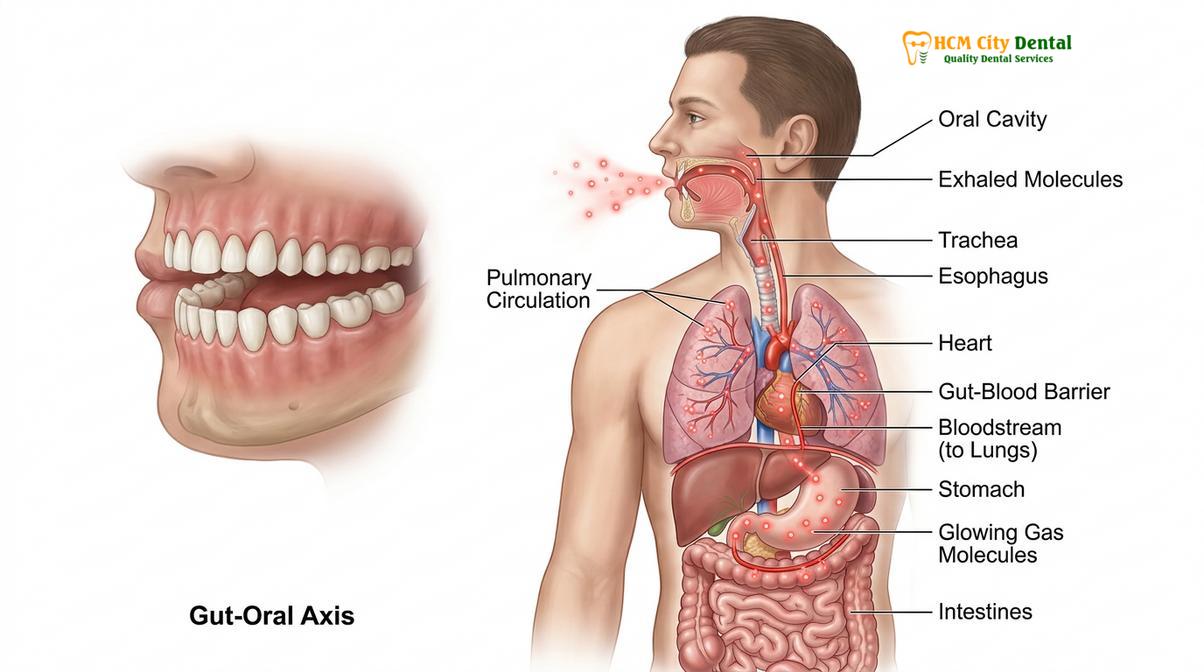
The physiological pathway by which these stomach gases reach the breath is a marvel of human anatomy, albeit an unpleasant one in this context. It is a common misconception that stomach-derived bad breath is simply a matter of gas traveling directly up the esophagus and out of the mouth. While this direct route does occur in conditions involving frequent belching or severe acid reflux, the more insidious and persistent mechanism is systemic absorption. When VSCs are produced in the stomach or intestines, they permeate the mucosal lining of the gut and enter the portal vein. From there, they are carried into the systemic bloodstream. As this gas-rich blood circulates through the alveolar capillaries in the lungs, the volatile compounds diffuse across the pulmonary membrane into the airways. Consequently, with every exhalation, the patient expels these foul-smelling gases, resulting in a persistent halitosis that cannot be masked by mouthwash or mints.[3]
“Extra-oral halitosis is a systemic manifestation of internal dysbiosis. When the gut microbiome is compromised, the lungs inadvertently become the exhaust system for volatile sulfur compounds produced in the digestive tract, making localized oral treatments entirely ineffective.”
From a clinical perspective, diagnosing this specific pathway requires a high degree of suspicion, especially when a patient presents with impeccable oral hygiene but continues to suffer from severe breath malodor. Dr. Nguyen Van Cuong frequently emphasizes to his patients that the mouth is the mirror of the body; when the breath reflects signs of systemic putrefaction, it is a clear clinical mandate to investigate the gastrointestinal tract. Understanding this gut-oral axis is the foundational first step in shifting the treatment paradigm from merely masking symptoms to addressing the root physiological cause.
Primary Gastrointestinal Pathologies Triggering Bad Breath
Conditions such as Gastroesophageal Reflux Disease (GERD), Helicobacter pylori infections, and Small Intestinal Bacterial Overgrowth (SIBO) are the leading gastrointestinal triggers responsible for generating chronic, systemic halitosis.
Identifying the specific gastrointestinal disorder responsible for bad breath requires a detailed understanding of how different pathologies alter the digestive environment. The stomach and intestines are highly specialized organs with distinct pH levels, motility patterns, and microbial populations. When any of these parameters are disrupted, the resulting biochemical cascade frequently manifests as halitosis. The following are the most prevalent clinical conditions linking the gut to the breath.
Gastroesophageal Reflux Disease (GERD)
Gastroesophageal Reflux Disease, commonly known as GERD, is one of the most frequent non-oral causes of bad breath. The condition is characterized by the chronic dysfunction of the lower esophageal sphincter (LES), the muscular ring that separates the esophagus from the stomach. When the LES becomes weakened or relaxes inappropriately, the acidic contents of the stomach—including partially digested food, bile, and gastric enzymes—regurgitate upward into the esophageal canal and, frequently, into the posterior oral cavity.[4]
The halitosis associated with GERD is multifaceted. First, the regurgitated stomach acid itself possesses a distinct, sour odor. Second, the constant presence of acid in the esophagus causes micro-ulcerations and inflammation, creating an environment where bacteria can thrive on decaying cellular debris. Furthermore, the micro-aspiration of these acidic contents into the oral cavity lowers the local pH, which selectively favors the proliferation of aciduric, odor-producing bacteria on the posterior third of the tongue. Patients with GERD often report a sour or bitter taste in their mouth upon waking, accompanied by a breath odor that mimics the smell of vomit or sour milk.
Helicobacter Pylori Infection
Helicobacter pylori (H. pylori) is a resilient, spiral-shaped bacterium that colonizes the harsh, acidic environment of the gastric mucosa. It is a primary causative agent for chronic gastritis, peptic ulcer disease, and gastric carcinoma. Beyond its severe gastrointestinal implications, H. pylori is a well-documented contributor to chronic halitosis.[1]
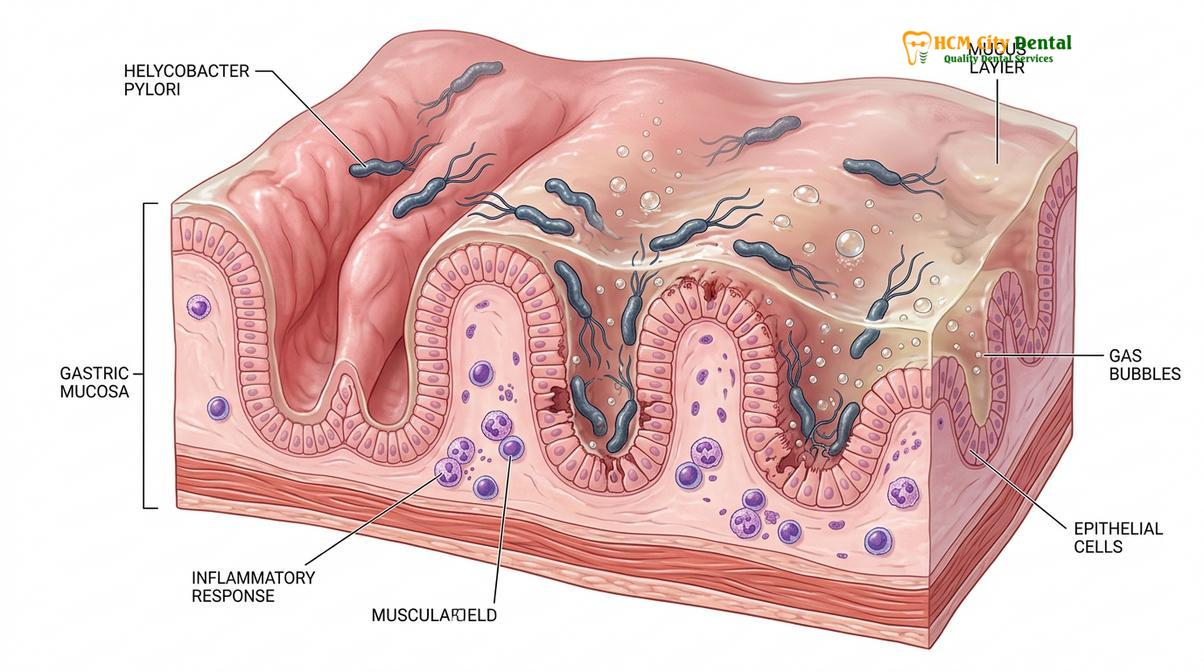
The mechanism by which H. pylori causes bad breath is tied to its survival strategy. To protect itself from stomach acid, the bacterium secretes large amounts of the enzyme urease. Urease breaks down urea present in the stomach into ammonia and carbon dioxide, creating a localized alkaline cloud that neutralizes the surrounding acid. This excessive production of ammonia directly contributes to a strong, ammonia-like or fishy breath odor. Additionally, the chronic inflammation and tissue damage caused by the infection impair normal gastric emptying, leading to the stagnation of food and the subsequent putrefaction by other opportunistic bacteria, further elevating VSC levels in the gut.
Small Intestinal Bacterial Overgrowth (SIBO)
The small intestine is primarily designed for nutrient absorption and, in a healthy state, harbors a relatively low concentration of bacteria compared to the colon. Small Intestinal Bacterial Overgrowth (SIBO) occurs when colonic bacteria abnormally migrate upward and colonize the small intestine. When these misplaced bacteria encounter dietary carbohydrates, they rapidly ferment them, producing copious amounts of hydrogen, methane, and hydrogen sulfide gases.[2]
Patients suffering from SIBO typically experience profound bloating, abdominal distension, cramping, and altered bowel habits. The sheer volume of gas produced in the small intestine leads to frequent belching, which directly expels foul-smelling air into the oral cavity. Moreover, the hydrogen sulfide produced by these bacteria is highly volatile; it is rapidly absorbed through the intestinal wall into the bloodstream and exhaled through the lungs, resulting in a breath odor frequently described as resembling rotten eggs or sulfur.
Bowel Obstruction and Severe Constipation
While less common than GERD or SIBO, severe lower gastrointestinal issues such as bowel obstructions or chronic, intractable constipation can lead to some of the most severe forms of halitosis. When the normal transit of fecal matter is halted, waste material stagnates in the colon. The prolonged retention of feces allows for extensive bacterial fermentation and putrefaction.[5]
As the pressure within the obstructed bowel increases, the highly toxic and malodorous gases produced by the decaying waste—including indoles, skatoles, and heavy VSCs—are forced into the systemic circulation. In severe cases, the breath can take on a distinct, unmistakable fecal odor. This is a critical clinical sign that often accompanies severe abdominal pain, distension, and the inability to pass gas, necessitating immediate emergency medical intervention.
Understanding these underlying mechanisms is crucial for patients seeking comprehensive general dentistry protocols. A dentist well-versed in systemic health will recognize when a patient’s halitosis profile points away from the teeth and toward the digestive tract, prompting the necessary medical referrals.
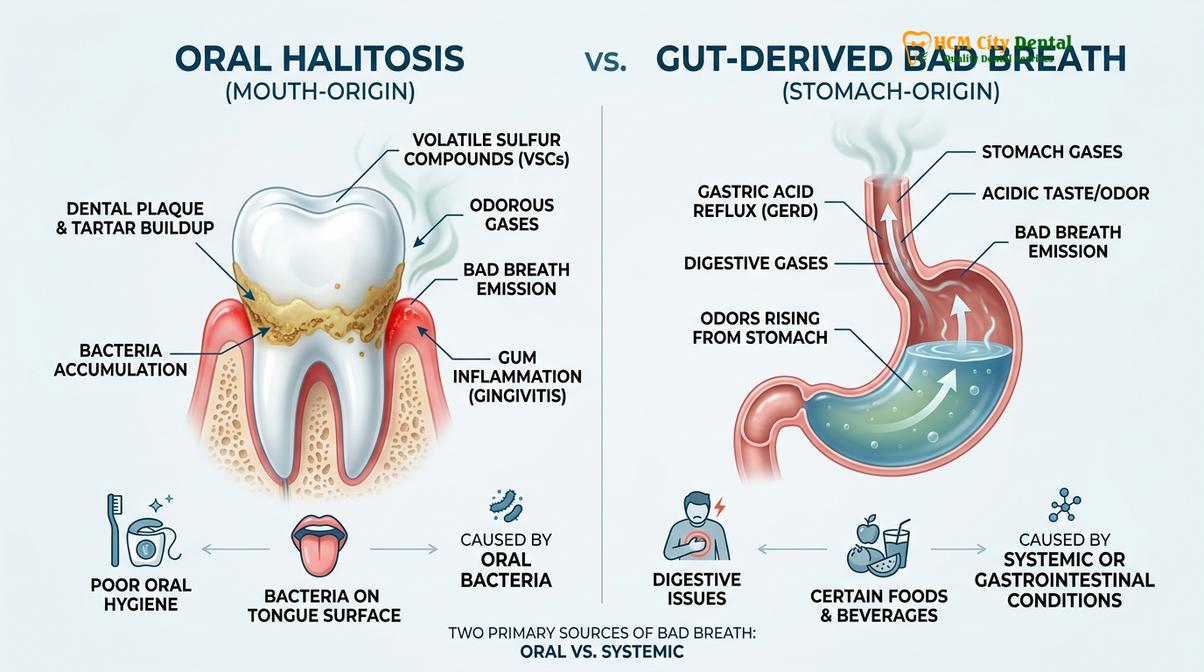
Differentiating Oral Halitosis from Gut-Derived Bad Breath
Identifying the specific odor profile—such as a rotten egg, fruity, or fecal scent—helps clinicians distinguish between poor oral hygiene and underlying gastrointestinal pathology.
One of the most challenging aspects of treating chronic bad breath is accurately diagnosing its origin. Because the oral cavity and the gastrointestinal tract are contiguous, symptoms often overlap. However, careful clinical observation, detailed patient history, and specific olfactory profiling can provide strong diagnostic clues. Differentiating between intra-oral halitosis (originating in the mouth) and extra-oral halitosis (originating in the gut or systemic circulation) is essential to avoid unnecessary dental procedures and to direct the patient toward appropriate medical care.[4]
Intra-oral halitosis accounts for the vast majority of bad breath cases. It is typically caused by the accumulation of dental plaque, advanced periodontal disease, deep carious lesions, or a heavily coated tongue. The odor associated with oral halitosis is usually localized; it is most prominent when the patient speaks or exhales through the mouth, but significantly diminishes or disappears when they exhale exclusively through the nose. Furthermore, oral halitosis generally responds, at least temporarily, to optimal oral hygiene steps, such as thorough brushing, flossing, and tongue scraping.
Conversely, gut-derived or systemic halitosis behaves differently. Because the malodorous gases are circulating in the bloodstream and being expelled by the lungs, the bad breath is equally detectable whether the patient exhales through their mouth or their nose. This is a crucial clinical test. Additionally, gut-derived bad breath remains persistent despite impeccable dental hygiene and routine professional dental cleanings. The specific scent of the breath also serves as a powerful diagnostic indicator.

To assist in clinical differentiation, the following table outlines the correlation between specific breath odor profiles and their most likely physiological origins:
| Breath Odor Profile | Likely Clinical Origin | Associated Pathologies or Conditions |
|---|---|---|
| Rotten Egg / Sulfur | Gastrointestinal / Oral | SIBO, H. pylori infection, severe periodontitis, heavy tongue coating. |
| Sour / Acidic / Vomit | Gastrointestinal | GERD, acid reflux, hiatal hernia, delayed gastric emptying. |
| Fecal / Poop Smell | Lower Gastrointestinal | Bowel obstruction, severe chronic constipation, gastrojejunocolic fistula. |
| Ammonia / Urine / Fishy | Systemic / Renal | End-stage renal disease (Uremia), severe kidney dysfunction. |
| Sweet / Fruity / Acetone | Systemic / Metabolic | Diabetic ketoacidosis (DKA), strict ketogenic diets, uncontrolled diabetes. |
| Musty / Sweet Fecal | Systemic / Hepatic | Advanced liver disease, cirrhosis (Fetor Hepaticus). |
Clinical Case Study: The Hidden Source of Halitosis
A 42-year-old male patient presented to HCMC Dental Clinic in Ho Chi Minh City complaining of severe, persistent bad breath that was affecting his professional life. He brushed three times a day, used antibacterial mouthwash, and had no visible signs of tooth decay or gum disease. Upon clinical examination, Dr. Nguyen Van Cuong noted that the patient’s breath had a distinct sour, acidic odor that was present even when exhaling through the nose. A detailed medical history revealed the patient suffered from frequent heartburn and chronic throat clearing. Dr. Cuong diagnosed suspected extra-oral halitosis and referred the patient to a gastroenterologist. The patient was subsequently diagnosed with severe GERD and an H. pylori infection. Following a course of targeted antibiotics and proton pump inhibitors, the patient’s halitosis completely resolved without any invasive dental intervention.
This differentiation process highlights why a multidisciplinary approach is vital. Patients often spend years and significant financial resources on specialized mouthwashes, breath mints, and unnecessary dental treatments, unaware that the root cause of their distress lies within their digestive system. Recognizing the limitations of localized oral care in the face of systemic disease is a hallmark of advanced clinical practice.
Clinical Diagnostics and Multidisciplinary Treatment Workflows
Effective treatment requires a multidisciplinary approach, beginning with a comprehensive dental clearance to rule out periodontal disease before initiating targeted gastroenterological diagnostics and therapies.
Treating bad breath that originates from the stomach is not a matter of simply prescribing a stronger mouthwash; it requires a systematic, evidence-based diagnostic workflow. Because the etiology of halitosis can be complex and multifactorial, clinicians must follow a step-by-step process of elimination to ensure accurate diagnosis and effective, long-lasting treatment. The workflow bridges the gap between dentistry and gastroenterology, ensuring no potential cause is overlooked.[6]
Step 1: Comprehensive Dental and Periodontal Clearance
The absolute first step in investigating any case of chronic halitosis is a thorough examination by a qualified dental professional. Even if a patient suspects a stomach issue, intra-oral causes must be definitively ruled out. This involves a comprehensive periodontal charting to check for deep gum pockets where anaerobic bacteria hide, a full set of dental radiographs to identify hidden interproximal decay or abscesses, and an assessment of the tongue for excessive biofilm accumulation. Furthermore, the dentist will evaluate the patient’s restorative work; poorly fitting crowns or orthodontic complications and bad braces can create plaque traps that contribute significantly to oral malodor. Only after the patient has achieved optimal oral health through comprehensive oral hygiene steps and the oral cavity is deemed clinically clear, should the investigation move to systemic causes.
Step 2: Gastroenterological Diagnostics
Once dental causes are eliminated, the patient is referred to a gastroenterologist for targeted testing based on their specific symptom profile and breath odor. The diagnostic toolkit for gut-derived halitosis includes several specialized procedures:
- Upper Endoscopy (EGD): A flexible tube with a camera is inserted down the esophagus to visually inspect the esophageal lining, stomach, and duodenum. This allows the physician to identify signs of GERD, hiatal hernias, gastric ulcers, or inflammation.
- Urea Breath Test: This is the gold standard for diagnosing an active H. pylori infection. The patient ingests a specialized urea solution; if H. pylori is present, its urease enzymes will break down the urea, releasing tagged carbon dioxide that is measured in the patient’s exhaled breath.
- Hydrogen and Methane Breath Testing: Used to diagnose SIBO. The patient consumes a specific sugar substrate (like lactulose or glucose). If excessive bacteria are present in the small intestine, they will rapidly ferment the sugar, producing a spike in hydrogen or methane gases that are absorbed into the blood and exhaled.
Step 3: Targeted Medical Pharmacotherapy
Treatment is strictly dictated by the diagnostic findings. There is no universal “stomach breath pill.” If GERD is the culprit, treatment typically involves Proton Pump Inhibitors (PPIs) to drastically reduce stomach acid production, allowing the esophageal lining to heal and reducing the acidic micro-aspiration. If H. pylori is detected, the patient must undergo “triple therapy,” a rigorous regimen combining two different antibiotics with a PPI for 10 to 14 days to completely eradicate the resilient bacteria. For SIBO, localized, non-absorbable antibiotics like Rifaximin are often prescribed to clear the bacterial overgrowth in the small intestine without devastating the beneficial flora of the colon.[5]
Step 4: Microbiome Restoration and Dietary Modification
Following pharmacological intervention, restoring the balance of the gut microbiome is essential to prevent recurrence. This is where probiotics and dietary adjustments play a critical role. Probiotic strains such as Lactobacillus reuteri and Bifidobacterium infantis have shown clinical efficacy in competing with odor-producing bacteria and fortifying the gut mucosal barrier. Additionally, dietary modifications are often necessary. Patients with SIBO may be placed on a temporary low-FODMAP diet to starve the remaining overgrown bacteria of fermentable carbohydrates. Patients must also be educated on the impact of their diet on both gut and oral health, including understanding dairy consumption and its effect on oral health, as lactose intolerance can exacerbate gut fermentation and VSC production.
“The successful eradication of systemic halitosis relies entirely on accurate diagnostics. Prescribing antibiotics without a confirmed breath test, or ignoring the foundational need for a dental clearance, leads to treatment failure and prolonged patient distress. It is a puzzle that requires both the dentist and the physician to solve together.”
By adhering to this rigorous clinical workflow, healthcare providers can systematically dismantle the causes of gut-derived bad breath, offering patients a permanent resolution rather than a temporary masking of symptoms.
When to See a Doctor
While occasional bad breath after a spicy meal or a morning coffee is normal, chronic halitosis that persists despite excellent oral hygiene is a medical symptom that warrants professional evaluation. In some cases, bad breath from the stomach can be an early warning sign of a more severe, underlying systemic disease that requires immediate medical intervention. Patients should not attempt to self-diagnose or rely solely on over-the-counter remedies if their halitosis is accompanied by other concerning physical symptoms.
Red Flag Symptoms Requiring Immediate Medical Attention:
- Fecal Breath Odor: Breath that distinctly smells like feces, especially when accompanied by severe abdominal pain, bloating, and the inability to pass gas or stool, is a strong indicator of a bowel obstruction—a medical emergency.
- Unintentional Weight Loss: Chronic bad breath coupled with rapid, unexplained weight loss can be a sign of severe malabsorption syndromes, advanced SIBO, or gastrointestinal malignancies.
- Dysphagia (Difficulty Swallowing): If bad breath is accompanied by pain when swallowing or the sensation of food getting stuck in the chest, it may indicate severe esophageal strictures, severe GERD, or esophageal cancer.
- Hematemesis (Vomiting Blood): The presence of blood or material resembling coffee grounds in vomit, alongside chronic halitosis, suggests bleeding gastric ulcers, often linked to severe H. pylori infections.
- Fruity or Acetone Breath: A sudden onset of sweet, fruity-smelling breath, accompanied by excessive thirst, frequent urination, and confusion, is a hallmark sign of Diabetic Ketoacidosis (DKA), requiring immediate emergency care.

If you are experiencing persistent bad breath and have already optimized your oral care routine, the next logical step is a professional clinical assessment. At HCMC Dental Clinic, our team is trained to look beyond the teeth and gums, evaluating the holistic health of our patients. If we determine that your halitosis is extra-oral in nature, we will guide you through the necessary medical referrals to ensure you receive the comprehensive care you need to restore both your health and your confidence.
Frequently Asked Questions
Can acid reflux cause bad breath even if I do not feel heartburn?
Yes, silent reflux can cause bad breath without classic heartburn symptoms. Micro-aspiration of stomach acids and digestive enzymes into the esophagus and oral cavity alters the local pH, fostering odor-producing bacteria and emitting a sour smell. Many patients with Laryngopharyngeal Reflux (LPR) experience chronic throat clearing, a sour taste, and halitosis without ever feeling the burning sensation typically associated with traditional GERD.
How do I know if my bad breath is from my stomach or my teeth?
Stomach-derived bad breath often smells like sulfur, feces, or acetone and persists immediately after brushing. Dental halitosis typically originates from the gums or tongue and improves temporarily with rigorous oral hygiene and professional dental cleanings. A simple clinical test is to exhale forcefully through the nose with the mouth closed; if the malodor is still strongly detectable, the source is likely systemic or gastrointestinal rather than localized to the oral cavity.
Will taking probiotics cure bad breath from the stomach?
Probiotics can significantly improve gut flora and reduce odor-producing bacteria, but they are not a standalone cure. Effective treatment requires diagnosing the root cause, such as eradicating H. pylori or treating SIBO, alongside probiotic supplementation. While strains like Lactobacillus and Bifidobacterium help restore microbiome balance and fortify the intestinal barrier, they cannot mechanically fix a weakened esophageal sphincter or independently clear a severe bacterial infection.
Can a bowel obstruction cause your breath to smell like feces?
Yes, a severe bowel obstruction prevents the normal passage of waste, leading to the systemic absorption of putrefactive gases. These trapped volatile compounds enter the bloodstream, travel to the lungs, and are exhaled, causing a distinct fecal odor. This is a critical, late-stage symptom of intestinal blockage and is usually accompanied by severe abdominal distension, cramping, and vomiting, requiring immediate emergency surgical or medical intervention.
What is the fastest way to neutralize stomach-related bad breath?
The fastest temporary relief involves neutralizing oral pH with water, using a tongue scraper, and chewing sugar-free gum to stimulate saliva. However, long-term neutralization requires targeted medical treatment, such as antacids for GERD or antibiotics for bacterial overgrowth. Over-the-counter breath mints and alcohol-based mouthwashes only mask the odor for a few minutes and can actually worsen the condition by drying out the oral mucosa, allowing VSC-producing bacteria to proliferate more rapidly.
References
- Journal of Clinical Gastroenterology. The relationship between Helicobacter pylori infection and extra-gastric manifestations including halitosis. (2021).
- American Journal of Gastroenterology. Small intestinal bacterial overgrowth: clinical manifestations and systemic effects. (2020).
- Journal of Dental Research. Volatile sulfur compounds and the gut-oral axis in chronic halitosis. (2019).
- International Journal of Oral Science. Differentiating intra-oral and extra-oral causes of persistent bad breath. (2022).
- Gastroenterology Review. Gastroesophageal reflux disease and extraesophageal symptoms: a multidisciplinary approach. (2018).
- Journal of Periodontology. Multidisciplinary management of refractory halitosis and systemic comorbidities. (2023).