
Black Stain on Teeth: How to Get Rid Of [Solved] | Dr. Cuong

✓ 8+ Yrs Experience
✓ 500+ Int'l Patients
✓ Nobel Biocare Certified
✓ English · Vietnamese
Clinical Summary
Struggling with stubborn black stains on your teeth? As a dental specialist, I can help you understand the causes and find the most effective...
Experiencing black or dark stains on your teeth can be a source of significant concern, often impacting both self-confidence and perceptions of oral health. In clinical practice, this is a frequently encountered issue, with many patients seeking clarity on the meaning behind these discolorations and effective methods for their removal. Addressing these concerns effectively begins with a precise understanding of their etiology.
This comprehensive guide, informed by extensive professional knowledge and years of clinical experience, is designed to demystify the phenomenon of black stains on teeth. We will explore the various reasons these discolorations appear, differentiating between their types and implications. More importantly, this resource will provide a detailed overview of evidence-based strategies to safely and effectively eliminate black stains, empowering you with the knowledge needed to restore and maintain optimal oral aesthetics and health. Understanding the root cause is the first critical step toward achieving a brighter, healthier smile.
Understanding Black Stains on Teeth: What Are They Really?
First, it’s crucial to understand that not all black stains are the same. They can be broadly categorized into two types: extrinsic and intrinsic. This distinction is vital because it determines the most effective treatment approach. In my experience treating thousands of patients, identifying the correct type of stain is the first step toward a successful outcome.
Extrinsic Stains: The More Common Culprit
Extrinsic stains are surface-level discolorations on the enamel, the hard outer layer of your teeth. These are the most common type I see in my clinic. They are typically caused by external factors that we can often control.
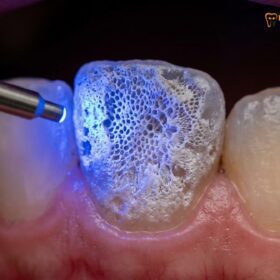
- Chromogenic Bacteria: This is a very common cause, especially in children but also seen in adults. These specific bacteria, such as Actinomyces species, interact with iron in your saliva to produce black, insoluble compounds (ferric sulfide) that form a thin, dark line near the gum line. Interestingly, clinical observations suggest that individuals with these black stains often have a lower incidence of cavities.
- Diet and Lifestyle: Frequent consumption of dark-colored foods and drinks like coffee, tea, red wine, and colas can lead to staining over time. The pigments in these items adhere to the tooth’s surface.
- Tobacco Use: Tar and nicotine from smoking or chewing tobacco are notorious for causing stubborn brown and black stains that are difficult to remove with regular brushing alone.
- Certain Medications and Mouthwashes: Liquid iron supplements, for instance, can directly cause black staining. Prolonged use of some prescription mouthwashes, particularly those containing chlorhexidine, can also lead to discoloration.
- Plaque and Tartar Buildup: When dental plaque is not removed, it hardens into tartar (also called calculus). While tartar is often yellow-brown, it can absorb stains and turn black, especially below the gumline.
Intrinsic Stains: Discoloration from Within
Intrinsic stains originate from within the tooth structure, affecting the dentin layer beneath the enamel. These are often more challenging to treat.
- Tooth Decay (Cavities): This is a primary concern. A black spot on a tooth can be a sign of a cavity. As tooth decay progresses, it destroys the tooth structure, and the decayed area can appear dark brown or black. Unlike a surface stain, a cavity is permanent damage to the tooth.
- Dental Trauma: An injury to a tooth can damage the pulp (the nerve and blood vessels inside). This can cause the tooth to “die,” leading to internal bleeding that discolors the dentin, making the tooth appear gray or black over time.
- Old Dental Fillings: Materials like silver amalgam can sometimes leach materials that stain the surrounding tooth structure, giving it a grayish-black appearance.
- Medications During Tooth Development: The use of antibiotics like tetracycline in childhood can cause significant intrinsic staining that appears as dark bands on the teeth.
In my clinical experience, a common scenario is a patient presenting with a single dark tooth. This often points towards a history of trauma or a deep cavity that has affected the tooth’s nerve. It’s a clear signal that a dental examination is needed immediately to save the tooth.

black stain on teeth how to get rid of
How to Get Rid of Black Stains on Teeth: A Professional Perspective
The right approach to getting rid of black stains depends entirely on the cause. While some home care can help manage surface stains, professional treatment is almost always necessary for complete removal and to address the underlying issue.
Professional Dental Treatments: The Gold Standard
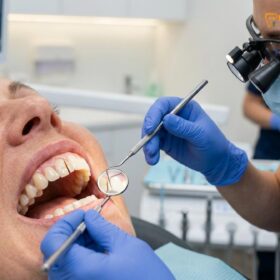
As a dentist, I cannot overstate the importance of a professional evaluation. Only a dental expert can accurately diagnose the cause of the black stains and recommend the safest, most effective treatment. Attempting to aggressively scrub or bleach away stains at home without a diagnosis can be ineffective and even damage your enamel.
Here are the primary professional treatments we use at HCMCDental.com:
| Treatment Method | Description | Best For |
|---|---|---|
| Professional Scaling and Polishing | This is a routine dental cleaning procedure. We use an ultrasonic scaler to vibrate away hardened tartar and stains, followed by polishing to smooth the tooth surface, making it harder for new stains to adhere. | Extrinsic stains from chromogenic bacteria, plaque, tartar, and mild food/drink stains. |
| In-Office Teeth Whitening | This involves applying a professional-strength bleaching agent (like hydrogen peroxide) to the teeth. The procedure is fast, typically taking about an hour, and provides significant results for stubborn extrinsic stains. | Deeper extrinsic stains from coffee, tea, and tobacco that don’t fully resolve with scaling. |
| Dental Fillings | If the black stain is a cavity, the decayed portion of the tooth must be removed and replaced with a filling. Modern composite resins are tooth-colored and blend seamlessly with your natural tooth. | Black stains caused by tooth decay. |
| Veneers or Crowns | For severe intrinsic stains (from trauma or medication) that cannot be bleached, a porcelain veneer (a thin shell bonded to the front of the tooth) or a crown (a cap covering the entire tooth) can provide an excellent cosmetic result. | Permanent intrinsic stains or stains from old dental work. |
| Root Canal Therapy | If a tooth is black due to nerve death from trauma or deep decay, a root canal is necessary to remove the dead tissue, disinfect the tooth’s interior, and prevent infection. The tooth may then be whitened internally or covered with a crown. | A “dead” tooth that has turned black. |
Still have questions about which treatment is right for you? Your smile is unique. Call our Hotline/WhatsApp now at +84853020003 for a direct, completely free consultation with me, Dr. Cuong!
At-Home Care: Supporting and Maintaining Your Smile
While professional treatment is key for removal, excellent at-home oral hygiene is crucial for preventing black stains from returning.
- Thorough Brushing and Flossing: Brush at least twice a day with a fluoride toothpaste and clean between your teeth daily with floss or an interdental brush. This removes the plaque biofilm before it can harden into tartar or be colonized by chromogenic bacteria.
- Dietary Adjustments: Limit your intake of staining foods and drinks. When you do consume them, rinsing your mouth with water afterward can help minimize staining.
- Quit Tobacco: Quitting smoking or tobacco use is one of the best things you can do for your oral and overall health, and it will prevent severe black stains.
- Whitening Toothpastes: Some whitening toothpastes can help manage minor surface stains. However, they are not a substitute for professional cleaning and are not effective against tartar or intrinsic stains. Be cautious, as overuse of abrasive products can wear down enamel.
A common mistake I see patients make is relying solely on whitening toothpastes or unproven home remedies for black tartar. Black tartar is calcified plaque that cannot be brushed away. It requires professional instruments for safe removal. Trying to scrape it off yourself can damage your teeth and gums.

black stain on teeth how to get rid of
How to Prevent Black Stains on Teeth from Coming Back
Prevention is always the best strategy. Based on clinical experience and established dental guidelines, here are the most effective ways to keep your smile bright and free of black stains.
- Impeccable Oral Hygiene: This is non-negotiable. Consistent and correct brushing and flossing are your first line of defense.
- Regular Dental Check-ups: Visit your dentist every six months for a professional cleaning and examination. This allows us to remove any buildup before it becomes a major issue and to catch problems like cavities early.
- Mindful Eating and Drinking: Be aware of what you consume. Using a straw for dark beverages can help reduce their contact with your front teeth.
- Address Dry Mouth: Saliva is your mouth’s natural cleaning agent. If you suffer from dry mouth, speak to your dentist about potential solutions, as it can increase your risk for plaque buildup and staining.
Ready to take the first step towards a stain-free smile? Book an appointment online today and get a 10% discount on your first cleaning and consultation at HCMCDental.com!

black stain on teeth how to get rid of
Frequently Asked Questions (FAQ)
Are black stains on teeth permanent?
nMost extrinsic (surface) black stains are not permanent and can be removed with professional cleaning. Intrinsic stains caused by factors like tooth decay or trauma are permanent changes to the tooth structure but can be managed with cosmetic treatments like veneers or crowns.
Can a black stain on a tooth be a cavity?
nYes, absolutely. A black or dark brown spot can be a sign of tooth decay, especially if it’s in a pit or groove or if the tooth feels sensitive. Unlike a stain, a cavity involves damage to the tooth structure and will not go away on its own. It’s crucial to have any dark spot checked by a dentist.
What causes black stains on teeth, especially near the gums?
nBlack stains near the gum line are often caused by either chromogenic bacteria, which create a thin black line, or the buildup of black tartar. Both require professional cleaning to remove effectively.
How do you get rid of black tartar on teeth?
nYou cannot remove black tartar at home. It is hardened plaque that must be removed by a dentist or dental hygienist using a professional procedure called scaling.
Are home remedies like baking soda or charcoal effective for black stains?
nWhile some home remedies like baking soda may have a mild abrasive effect on surface stains, they are not effective for removing black tartar or intrinsic stains. Overuse of abrasive substances can damage your tooth enamel. It’s always safer and more effective to seek professional advice.
Why do my child’s teeth have black lines on them?
nThis is very commonly due to chromogenic bacteria. These bacteria are more prevalent in some children and produce black stains near the gums. While it can be concerning aesthetically, it’s generally not associated with tooth decay and can be managed with regular professional cleanings.
Can I just get teeth whitening to remove the black stains?
nTeeth whitening is effective for certain types of stains, primarily those from food, drink, and tobacco. However, it will not remove black tartar or stains caused by cavities or dead teeth. It is essential to have a professional cleaning first to remove tartar and plaque, which allows the whitening agent to work properly on the clean tooth surface.

black stain on teeth how to get rid of
Your Path to a Brighter, Healthier Smile Starts Here
Seeing black stains on your teeth can be unsettling, but it’s a problem with clear, effective solutions. The key is to move beyond worry and take action. A professional diagnosis is the critical first step to ensure you’re treating the right cause, whether it’s simple surface staining, black tartar, or a more serious issue like a cavity.
At HCMCDental.com, we combine expertise with a patient-focused approach to restore not just the beauty of your smile, but your confidence as well. Don’t let black stains dictate how you feel about your teeth.
Based on many years of practice, I can assure you that nearly all cases of black staining can be successfully treated. The most satisfying part of my job is seeing a patient’s relief and happiness after we’ve removed stubborn stains and restored their bright, healthy smile. Your smile is worth the investment in professional care.
Take control of your oral health today. Schedule your appointment online for a 10% discount, or call our Hotline/WhatsApp at +84853020003 for a free, no-obligation consultation with me. We are here to help you achieve the smile you deserve.
This article was medically reviewed and written by Dr. Cuong.
Written and Medically Reviewed By
Dr. Cuong, Specialist in Odontostomatology, HCMCDental.com
Dr. Cuong is a leading dental specialist with extensive experience in cosmetic and restorative dentistry. With a passion for helping patients achieve optimal oral health and confidence, he has successfully treated thousands of cases involving complex dental issues, including severe tooth discoloration. Dr. Cuong is dedicated to providing patient-centric care based on the latest scientific evidence and advanced clinical techniques at HCMCDental.com.
Important Disclaimer
The information provided in this article is for educational and informational purposes only and is not intended as a substitute for professional medical advice, diagnosis, or treatment. Always seek the advice of your dentist or another qualified health provider with any questions you may have regarding a medical condition or treatment. Never disregard professional medical advice or delay in seeking it because of something you have read in this article.

black stain on teeth how to get rid of

black stain on teeth how to get rid of
| Treatment Method | Efficacy | Enamel Safety | Recommended Frequency |
|---|---|---|---|
| Professional Scaling & Air Polishing | 100% Effective | Completely Safe | Every 6 Months at Dental Clinic |
| Whitening Toothpaste (Silica-based) | Moderate (Surface only) | Safe for Daily Use | Daily Brushing (2x Day) |
| Activated Charcoal / Baking Soda DIY | Low to Moderate | Abrasive (Enamel Risk) | Max 1x per Week (Not Recommended) |
Medical Disclaimer: This content is for educational purposes only — not a substitute for professional dental advice, diagnosis, or treatment. Always consult a qualified dentist for personalised care.
Read our full disclaimer →
Related Guides
Does Cola Stain Your Teeth? Clinical Facts | HCMC Dental
⏱ 16 min read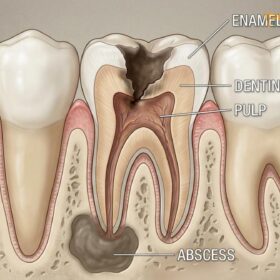
How to Fix My Teeth Without Braces | HCMC Dental
⏱ 18 min readPopular Services