Comparing TMJ treatment costs reveals that patients can save up to 70% by choosing Ho Chi Minh City over Singapore. While Singaporean clinics charge premium specialist tariffs for custom splints and diagnostics, Vietnam offers identical clinical standards and rapid fabrication at a fraction of the price.
Clinical Summary:
Temporomandibular Joint (TMJ) disorders require precise diagnostics and customized therapeutic interventions, ranging from occlusal splints to neuromodulator injections. For expatriates and residents in Singapore, the financial burden of accessing specialized maxillofacial care can be prohibitive due to high clinical overhead and tiered specialist fees. By contrast, Ho Chi Minh City has emerged as a premier destination for advanced dental care, offering state-of-the-art 3D CBCT imaging, CAD/CAM splint fabrication, and expert clinical management at significantly reduced costs. This comprehensive guide explores the economic and clinical advantages of seeking TMJ therapy in Vietnam, detailing the rapid weekend treatment workflows, comparative cost analyses, and the rigorous international standards maintained by leading specialists at HCMC Dental Clinic.
Key Takeaways:
- Custom TMJ splints in Vietnam cost approximately 60-75% less than equivalent specialist treatments in Singapore.
- In-house digital laboratories in Ho Chi Minh City enable the fabrication of custom occlusal appliances within a single 48-hour weekend trip.
- Clinical protocols, including 3D CBCT imaging and CAD/CAM milling, utilize the same European and American technologies found in top-tier Singaporean clinics.
- Conservative therapies, such as stabilization splints and targeted muscle relaxants, successfully manage the majority of temporomandibular disorders without surgery.
- Multidisciplinary care ensures that underlying issues, such as bruxism and malocclusion, are addressed comprehensively to prevent long-term joint degeneration.
Singapore’s High Dental Specialist Tariffs: An Analysis
Singapore’s dental landscape is characterized by high overhead costs and premium specialist fees, making conservative TMJ therapies financially burdensome for many patients.
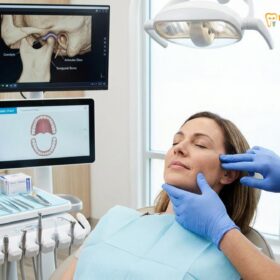
The management of Temporomandibular Joint (TMJ) disorders is inherently complex, often requiring the expertise of prosthodontists, oral and maxillofacial surgeons, or orofacial pain specialists. In Singapore, the healthcare system is highly tiered. When a patient presents with chronic jaw pain, clicking joints, or restricted mouth opening, they are typically referred from a general dental practitioner to a specialist clinic. This referral process immediately triggers a higher tier of consultation fees, diagnostic imaging costs, and treatment tariffs.
The economic reality of operating a medical facility in Singapore heavily influences these costs. Commercial real estate in prime medical hubs is among the most expensive globally. Consequently, clinics must pass these overhead expenses onto the patient. For individuals seeking a Mount Elizabeth TMJ alternative, the search for high-quality yet accessible care often leads them across borders. The cost of a comprehensive initial assessment—which includes a clinical examination of the masticatory muscles, joint palpation, and 3D Cone Beam Computed Tomography (CBCT)—can easily exceed several hundred dollars before any therapeutic intervention is even proposed[1].
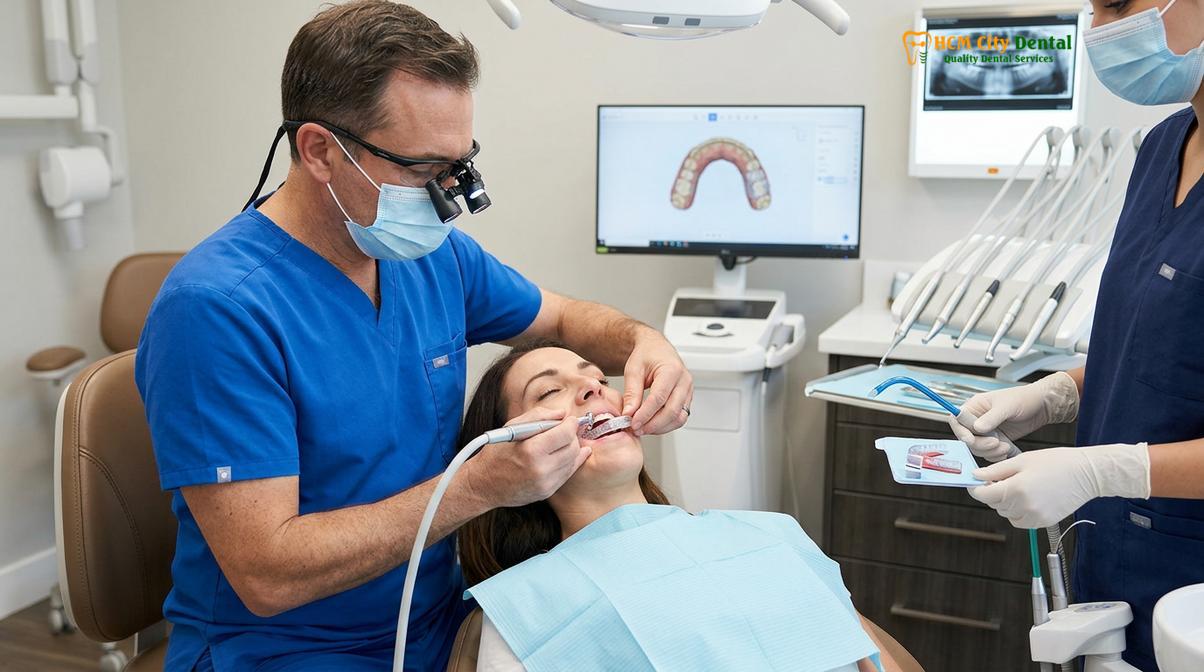
Furthermore, the fabrication of custom occlusal appliances in Singapore often involves outsourcing to specialized dental laboratories. The labor costs associated with highly skilled dental technicians in the city-state further inflate the final price of the appliance. A custom-milled stabilization splint, designed to decompress the joint space and protect the dentition from nocturnal bruxism, represents a significant out-of-pocket expense, particularly for expatriates whose health insurance policies may explicitly exclude dental or TMJ-related treatments.
From a clinical perspective, the protocols utilized in Singapore are undeniably world-class. However, the materials and technologies—such as intraoral scanners, biocompatible acrylics, and CAD/CAM milling machines—are globally standardized. This standardization means that the exact same clinical outcomes can be achieved in neighboring countries where the macroeconomic factors allow for more competitive pricing, without compromising on the rigorous standards of evidence-based dentistry.
Cost Comparison Table: Singapore Specialist Splints vs. District 1 Saigon
Patients traveling from Singapore to District 1 can expect to pay significantly less for comprehensive TMJ diagnostics, custom occlusal splints, and therapeutic Botox injections.
To understand the true value proposition of seeking comprehensive TMJ therapy in Vietnam, it is essential to conduct a direct, line-by-line comparison of the most common diagnostic and therapeutic procedures. The following table illustrates the stark contrast in pricing between a typical specialist clinic in Singapore and a premium dental facility in District 1, Ho Chi Minh City.
| Clinical Procedure / Intervention | Estimated Cost in Singapore (SGD) | Estimated Cost in District 1, HCMC (SGD Equivalent) | Clinical Purpose |
|---|---|---|---|
| Specialist Consultation & Joint Palpation | $150 – $300 | $20 – $50 (Often complimentary with treatment) | Initial diagnosis of myalgia, arthralgia, or disc displacement. |
| 3D CBCT Imaging (Bilateral TMJ) | $250 – $450 | $40 – $80 | Radiographic assessment of condylar bone health and joint space. |
| Custom Hard Acrylic Stabilization Splint | $800 – $1,500 | $200 – $400 | Orthopedic realignment and protection against severe bruxism. |
| Therapeutic Masseter Botox (Per Session) | $600 – $1,200 | $250 – $450 | Neuromodulation to reduce muscle hyperactivity and clenching force. |
| Complex Occlusal Equilibration | $400 – $800 | $100 – $250 | Micro-adjustments to the bite to ensure even force distribution. |
When analyzing the specialist splint Singapore price, it becomes evident that the appliance itself is only one component of the total financial burden. The cumulative cost of consultations, imaging, and follow-up adjustments can easily push the total treatment plan into the thousands of dollars. In contrast, clinics in Ho Chi Minh City offer transparent, bundled pricing that encompasses the entire diagnostic and therapeutic workflow.
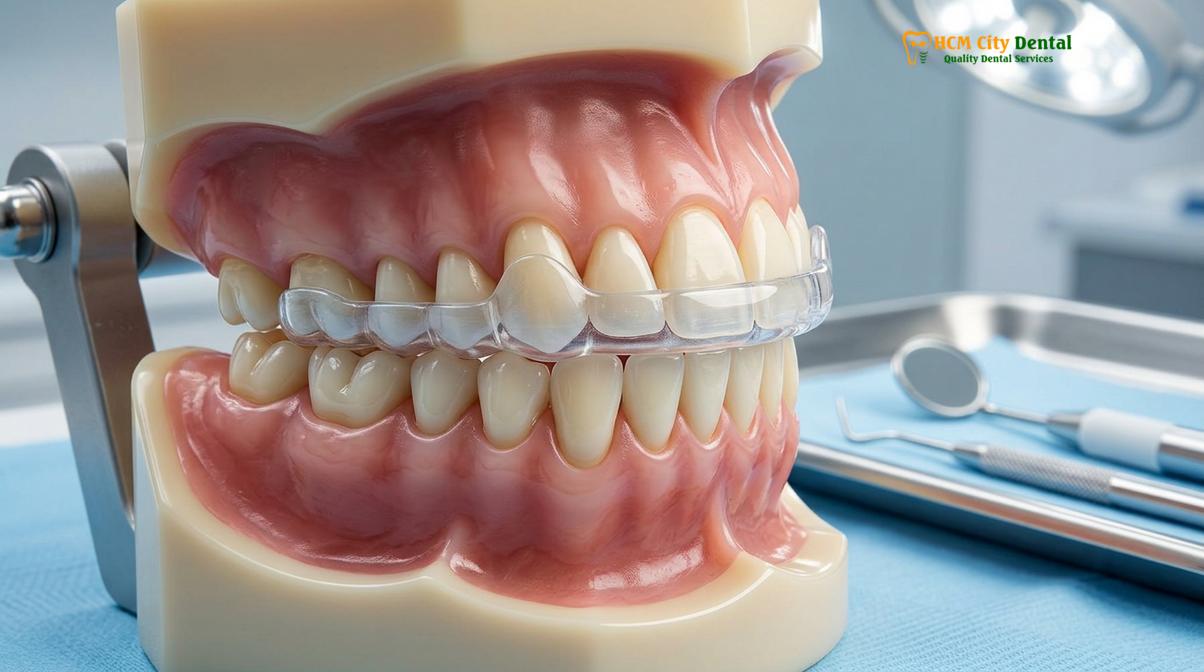
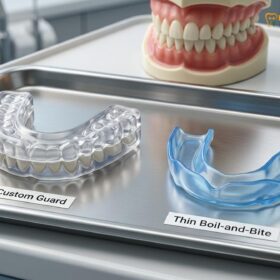
It is crucial to differentiate between the types of appliances provided. A generic, over-the-counter mouthguard is entirely inadequate for treating complex temporomandibular disorders and can, in some cases, exacerbate muscle hyperactivity. Professional treatment requires a rigid, custom-fitted appliance. Understanding the clinical differences between hard and soft night guards is vital; a hard acrylic Michigan-style splint provides the necessary structural support to guide the mandible into a physiologically relaxed position, known as centric relation, thereby decompressing the articular disc[2].
Weekend Dental Trips: Rapid Turnaround Custom Fabrication for Singaporeans
Advanced in-house dental laboratories in Ho Chi Minh City allow international patients to complete their TMJ diagnostics and receive custom-milled splints within a single weekend.
One of the most significant barriers to seeking medical care abroad is the perceived time commitment. However, the geographical proximity of Vietnam to Singapore, combined with the advent of digital dentistry, has revolutionized the medical tourism landscape. A flight to Saigon takes barely two hours, making it entirely feasible for patients to undergo comprehensive TMJ treatment without taking extended leave from work.
The 48-Hour Clinical Workflow
The efficiency of a weekend dental trip relies heavily on the integration of digital workflows. When a patient arrives at a modern facility like HCMC Dental Clinic, the traditional, time-consuming methods of physical impression-taking are bypassed. Instead, the clinical team utilizes high-resolution intraoral scanners to capture a flawless 3D digital replica of the patient’s dentition in a matter of minutes.
This digital impression is immediately transmitted to the in-house CAD/CAM (Computer-Aided Design and Computer-Aided Manufacturing) laboratory. Here, specialized software is used to design the occlusal splint with microscopic precision, ensuring optimal condylar guidance and anterior coupling. The appliance is then milled from a solid block of biocompatible PMMA (Polymethyl Methacrylate) resin or 3D printed using medical-grade polymers.
“The integration of intraoral scanning and in-house CAD/CAM milling has fundamentally transformed the management of temporomandibular disorders. What once required weeks of laboratory turnaround time can now be executed with superior precision in a matter of hours, allowing international patients to receive definitive orthopedic therapy within a single weekend.”
For patients presenting with specific anterior bite issues or severe clenching, specialists may recommend alternative appliance designs, such as NTI-tss devices. These specialized anterior bite stops are designed to disocclude the posterior teeth entirely, thereby suppressing the elevator muscle hyperactivity that drives severe bruxism and tension headaches.
Delivery and Occlusal Calibration
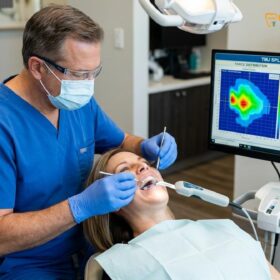
By the second day of the trip, the custom appliance is ready for delivery. This appointment is critical. The dentist will seat the splint and utilize articulating paper—and in advanced cases, computerized occlusal analysis—to map the exact points of contact between the opposing teeth and the appliance. The surface of the splint is then meticulously adjusted to ensure that all posterior teeth contact simultaneously and with equal force, while providing smooth guidance during lateral jaw movements.
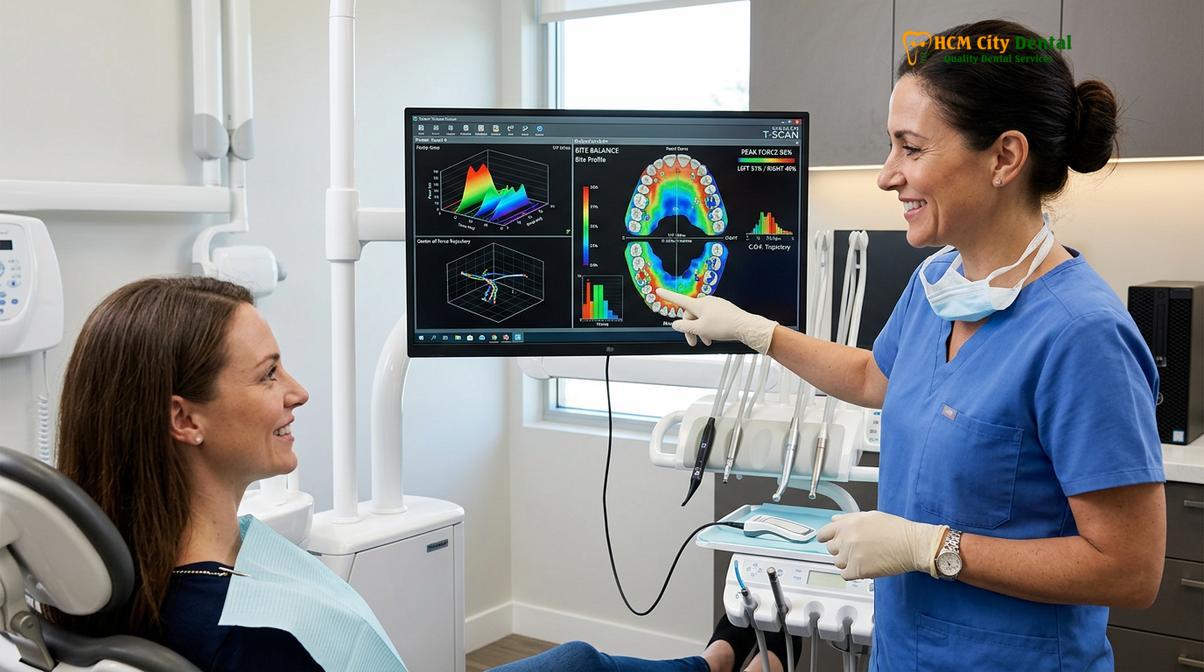
This rapid turnaround does not imply a compromise in quality. Because the entire process—from diagnosis to design to manufacturing—is controlled under one roof, the clinical team can ensure strict quality assurance at every step, delivering a final product that meets or exceeds the standards expected in Singapore.
Why Expats Living in Singapore Choose HCMC Dental for TMJ Care
Expatriates frequently cross borders to access world-class maxillofacial expertise, transparent pricing, and English-speaking specialists at HCMC Dental Clinic.
Singapore is home to a massive expatriate community, many of whom are accustomed to high standards of healthcare but are increasingly frustrated by the escalating costs of private medical services. For these individuals, Ho Chi Minh City represents an ideal solution. The city boasts a robust infrastructure of internationally accredited hospitals and dental clinics that cater specifically to the needs of foreign patients.
At HCMC Dental Clinic, the clinical philosophy is rooted in evidence-based, conservative management. Dr. Nguyen Van Cuong, a leading figure in restorative dentistry and occlusal rehabilitation, emphasizes the importance of a comprehensive diagnostic approach. Rather than rushing toward irreversible surgical interventions, the focus is placed on identifying the root cause of the temporomandibular dysfunction—whether it be nocturnal bruxism, malocclusion, or stress-induced muscle hypertrophy.
Clinical Case Study: Expatriate TMJ Rehabilitation
Patient Profile: A 42-year-old finance executive residing in Singapore presented with chronic bilateral masseter pain, limited mouth opening (28mm), and frequent morning headaches. Previous consultations in Singapore recommended complex arthrocentesis, with cost estimates exceeding $8,000 SGD.
Clinical Intervention: The patient traveled to HCMC Dental Clinic in Ho Chi Minh City for a second opinion. Dr. Nguyen Van Cuong conducted a thorough clinical examination and CBCT scan, diagnosing severe myofascial pain secondary to sleep bruxism, without significant internal joint derangement. The treatment plan consisted of targeted masseter neuromodulation (Botox) and the fabrication of a hard acrylic stabilization splint.
Outcome: Within 72 hours, the patient received the custom appliance and injections. At the one-month virtual follow-up, the patient reported a 90% reduction in facial pain and an improved maximum opening of 45mm, having spent less than a quarter of the originally quoted price in Singapore.
This level of personalized care is a hallmark of the Vietnamese medical tourism sector. Specialists take the time to explain the biomechanics of the jaw, educate patients on stress management techniques, and discuss the nuances of precise occlusal equilibration. If a patient’s bite is fundamentally misaligned, minor adjustments to the enamel surfaces can dramatically alter the proprioceptive feedback to the brain, reducing muscle tension and allowing the condyle to seat properly within the glenoid fossa[3].
Advanced Clinical Modalities for TMJ Management
Effective TMJ management requires a multidisciplinary approach, utilizing stabilization splints, targeted muscle relaxants, and precise occlusal equilibration to restore joint function.
The treatment of temporomandibular disorders is rarely a one-size-fits-all endeavor. Because TMD encompasses a spectrum of conditions affecting the muscles of mastication, the temporomandibular joint itself, or both, the therapeutic approach must be highly customized based on the patient’s specific diagnosis.
Neuromodulation and Muscle Relaxation
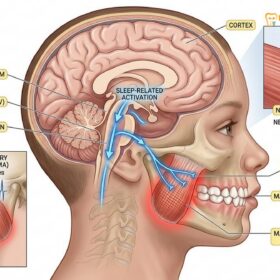
For patients whose primary symptom is myofascial pain—often characterized by aching in the cheeks, temples, and neck—conservative splint therapy may be supplemented with pharmacological interventions. One of the most effective treatments for refractory muscle hyperactivity is the use of Botulinum Toxin Type A. By administering targeted masseter Botox injections, clinicians can temporarily inhibit the release of acetylcholine at the neuromuscular junction, effectively reducing the force of muscle contractions without compromising normal chewing function[4].
This approach is particularly beneficial for patients suffering from severe clenching, as it breaks the cycle of pain and muscle spasm, allowing the inflamed joint tissues time to heal. The procedure is minimally invasive, takes only a few minutes to perform, and the therapeutic effects typically last for three to six months.
Appliance Selection and Biomechanics
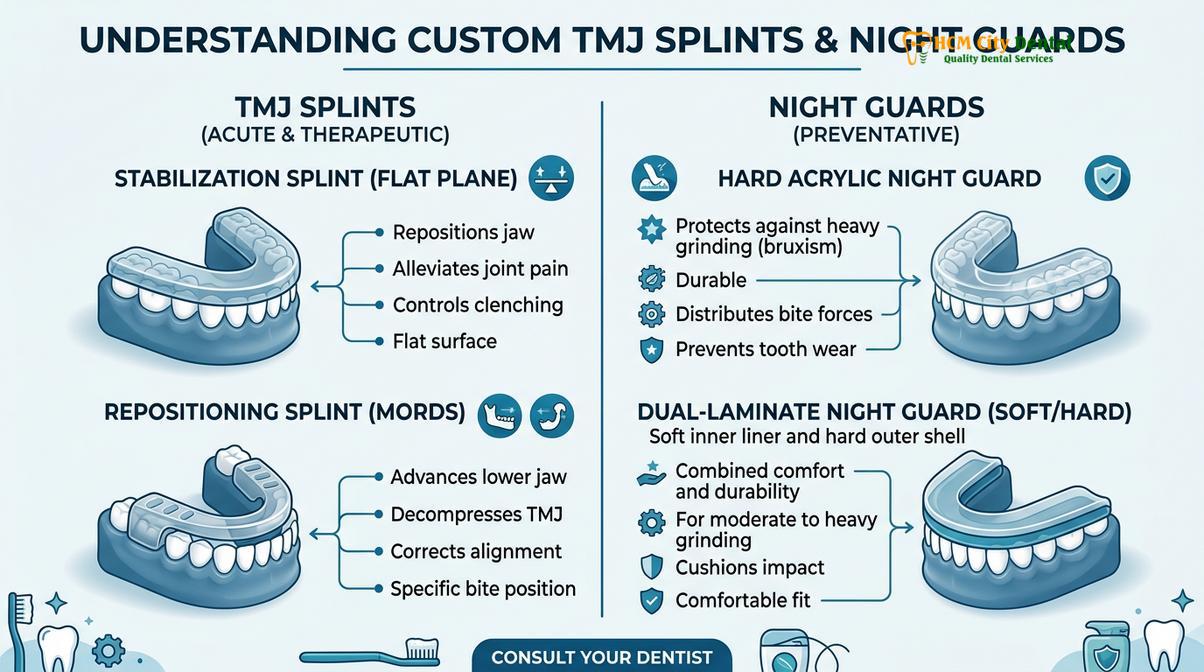
When prescribing an oral appliance, the clinician must make a critical distinction between various designs. Patients often confuse over-the-counter mouthguards with therapeutic devices. Distinguishing between an occlusal splint and a standard night guard is essential for successful treatment. A standard soft night guard may protect the teeth from attrition, but its spongy texture can actually encourage the patient to chew on it during sleep, thereby increasing muscle activity and exacerbating joint pain.
Conversely, a rigid stabilization splint provides a smooth, flat surface for the opposing teeth to glide against. This eliminates the interferences that trigger muscle spasms and allows the mandible to find its most relaxed, orthopedically stable position. Dr. Cuong frequently notes that the success of splint therapy is entirely dependent on the precision of the occlusal adjustments made during the delivery appointment.
“The objective of a stabilization splint is not merely to protect the enamel, but to reprogram the neuromuscular pathways. By providing a frictionless occlusal surface, we remove the proprioceptive triggers that cause the jaw muscles to overwork, thereby allowing the articular disc and retrodiscal tissues to decompress and heal.”
Addressing Pediatric and Adolescent TMD
While TMJ disorders are most commonly diagnosed in adults, they can also affect younger populations. Early intervention is critical to prevent long-term developmental issues with the jaw and dentition. The management of pediatric bruxism management requires a delicate approach, as the child’s jaws are still growing. Hard acrylic splints are generally contraindicated for young children, as they can restrict maxillary growth. Instead, pediatric specialists focus on identifying airway issues, such as enlarged tonsils or adenoids, which frequently cause sleep-disordered breathing and secondary bruxism.
Important Clinical Warning:
Patients should never attempt to self-diagnose or treat TMJ pain with over-the-counter boil-and-bite mouthguards. These devices often lack proper posterior support and can inadvertently shift the bite, leading to irreversible changes in occlusion and exacerbation of joint pathology. Always seek a professional evaluation from a qualified dental specialist.
When to See a Doctor for TMJ Disorders
While occasional jaw clicking or mild discomfort may resolve on its own, certain symptoms indicate the need for prompt professional evaluation. Delaying treatment for progressive TMJ disorders can lead to irreversible damage to the articular cartilage, chronic pain syndromes, and severe limitations in oral function.
You should schedule a clinical consultation if you experience any of the following red-flag symptoms:
- Lockjaw: Inability to open or close the mouth fully, indicating a potential displacement of the articular disc without reduction.
- Chronic Pain: Persistent aching in the jaw, face, or ear that does not respond to over-the-counter anti-inflammatory medications.
- Changes in Occlusion: A sudden feeling that your upper and lower teeth no longer fit together properly, which may suggest joint effusion or structural changes within the TMJ.
- Severe Tinnitus or Vertigo: Ringing in the ears or dizziness that accompanies jaw pain, as the TMJ is anatomically adjacent to the structures of the middle and inner ear.
- Painful Clicking or Grating: While painless clicking is common, sounds accompanied by sharp pain or a catching sensation require radiographic investigation to rule out osteoarthritis or degenerative joint disease[5].
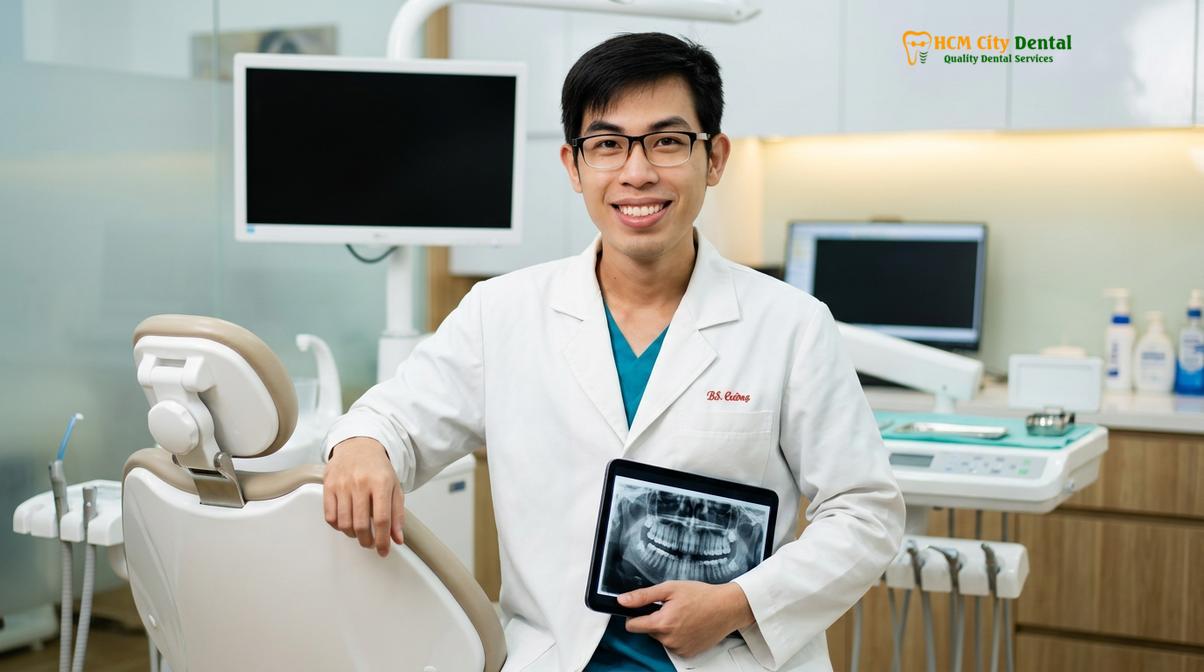
If you are experiencing these symptoms, a comprehensive evaluation at HCMC Dental Clinic can provide clarity and a definitive path forward. Our specialists utilize advanced imaging and evidence-based protocols to design a treatment plan tailored to your specific anatomical needs.
Frequently Asked Questions
Can I fly to HCMC and get a custom TMJ splint in one weekend?
Yes, you can complete the entire process within a single weekend. Thanks to in-house digital scanning and CAD/CAM milling technology, our specialists can diagnose your condition, design a custom occlusal splint, and deliver the final adjusted appliance in just 48 hours. This rapid workflow is specifically designed to accommodate international patients traveling from Singapore or other neighboring countries.
Why is the cost difference so high between Singapore and Vietnam?
The cost disparity is primarily driven by overhead expenses, including commercial real estate and tiered specialist tariffs in Singapore. Vietnam offers lower operational costs, allowing clinics to provide the exact same premium imported materials and digital dentistry at a fraction of the price. The savings are a reflection of macroeconomic differences, not a compromise in clinical quality or safety standards.
Is it easy to travel from Changi Airport to District 1 HCMC?
Yes, traveling from Changi Airport to District 1 is highly convenient. Direct flights take approximately two hours, and Tan Son Nhat International Airport is located just 30 minutes away from the central clinical district, making weekend dental trips highly efficient. Many international patients find the logistics of traveling to Saigon simpler than navigating multiple specialist referrals within their home country.
Are the materials used for TMJ splints in Vietnam the same as in Singapore?
Absolutely. Reputable clinics in Vietnam utilize the exact same internationally certified dental materials, such as high-impact biocompatible acrylics and premium CAD/CAM resin blocks sourced from Germany and Switzerland, ensuring identical durability and clinical efficacy. The global standardization of dental supplies guarantees that your appliance meets the highest medical specifications.
Will I need multiple visits for TMJ Botox or bite adjustments?
Most conservative therapies can be initiated in a single visit, but follow-up may be required. While Botox provides relief for several months after one session, complex bite adjustments or splint calibrations may require a brief follow-up visit to ensure optimal occlusal harmony. Our clinical team provides detailed post-operative instructions and can coordinate virtual follow-ups to monitor your progress.
References
- Journal of the American Dental Association. Occlusal splint therapy for temporomandibular disorders: a clinical review. (2020).
- Journal of Oral Rehabilitation. Efficacy of Michigan repositioning splints in TMD patients. (2019).
- Journal of Prosthetic Dentistry. Computerized occlusal analysis and bite mapping in TMJ therapy. (2021).
- Clinical Oral Investigations. Masseter Botox injections for chronic jaw pain and bruxism. (2018).
- International Journal of Oral and Maxillofacial Surgery. TMJ arthrocentesis and hyaluronic acid injections. (2022).