Dental sedation for TMJ in HCMC provides a safe, pain-free pathway for diagnosing and treating severe temporomandibular joint disorders. By utilizing nitrous oxide or IV sedation, specialists can overcome intense jaw spasms, allowing for accurate clinical assessments and effective therapeutic interventions without patient discomfort.
Clinical Summary:
Temporomandibular joint (TMJ) disorders often present with severe muscle guarding and trismus, making standard clinical examinations excruciating or physically impossible. Dental sedation protocols—ranging from mild nitrous oxide inhalation to moderate intravenous (IV) sedation—effectively relax the masticatory muscles and alleviate patient anxiety. This pharmacological approach enables clinicians to perform deep joint manipulation, capture highly accurate occlusal records, and initiate targeted therapies such as custom nightguards or bite adjustments. At HCMC Dental Clinic, certified anesthesiologists continuously monitor vital signs, ensuring optimal safety and precise diagnostic outcomes for the most complex and painful TMD cases.
Key Takeaways:
- Sedation overcomes involuntary muscle guarding and severe trismus during TMJ assessments.
- Nitrous oxide offers mild, rapidly reversible relaxation for patients with moderate dental anxiety.
- Intravenous sedation allows for deep joint manipulation and highly accurate bite mapping.
- Continuous vital sign monitoring ensures maximum patient safety during the diagnostic procedure.
- Sedation facilitates the precise fitting of therapeutic devices like occlusal splints and nightguards.
Overcoming Severe Jaw Spasms During Diagnostic Exams
Severe jaw spasms and trismus often prevent accurate TMJ diagnostics. Sedation safely relaxes these hyperactive muscles, allowing specialists to conduct thorough examinations without inducing further trauma or pain.
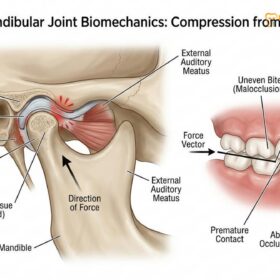
The temporomandibular joint is one of the most complex anatomical structures in the human body, relying on a delicate interplay between the articular disc, the condyle, and the surrounding muscles of mastication. When a patient develops a temporomandibular disorder (TMD), the body’s natural defense mechanism often triggers involuntary muscle guarding. This physiological response causes the masseter, temporalis, and pterygoid muscles to contract forcefully, effectively splinting the injured joint to prevent further movement. While this guarding mechanism is intended to protect the joint, it frequently results in severe trismus—a condition characterized by a severely restricted range of mouth opening. For clinicians attempting to diagnose the root cause of the dysfunction, this muscle rigidity presents a significant barrier to accurate assessment.
Attempting to force a guarded jaw open during a clinical examination is not only excruciatingly painful for the patient but also counterproductive. Forcible manipulation can cause micro-tears in the muscle fibers, exacerbate joint inflammation, and trigger a heightened pain response that further restricts movement. To circumvent this cycle of pain and tension, pharmacological intervention is often required. Dental sedation acts directly on the central nervous system to depress the hyperactive reflex arcs responsible for muscle spasms. By administering carefully titrated sedative agents, clinicians can achieve a state of profound muscle relaxation, allowing the mandible to move freely and enabling a comprehensive evaluation of the joint’s internal mechanics.[1]
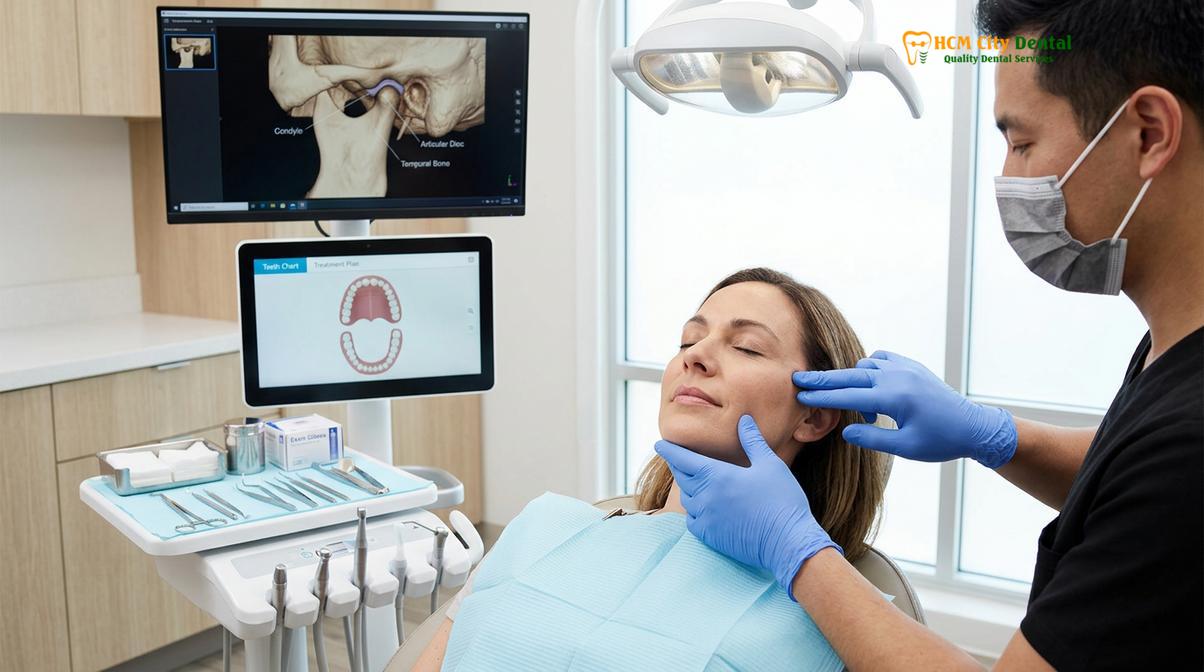
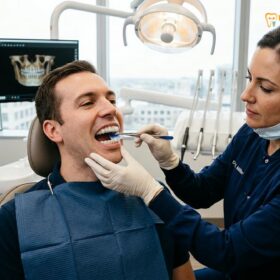
During a sedated examination, the clinician can accurately assess the maximum unassisted opening, evaluate lateral excursions, and palpate the joint capsule for signs of effusion or structural degradation. Furthermore, sedation is critical when capturing precise occlusal records. In a conscious, pain-ridden state, a patient’s bite is often distorted by muscle tension, making it impossible to determine their true centric relation. Once the muscles are relaxed through sedation, the dentist can guide the jaw into its optimal physiological position. This precise bite mapping is the foundational step for designing effective therapeutic appliances, such as custom Nightguards, which are essential for stabilizing the joint and preventing further deterioration.
“The utilization of conscious sedation in the diagnosis of severe temporomandibular disorders is not merely a matter of patient comfort; it is a clinical necessity for overcoming involuntary muscle guarding and obtaining the accurate occlusal records required for successful long-term therapy.”
Dr. Nguyen Van Cuong, a leading specialist in craniofacial pain, emphasizes that the diagnostic phase is the most critical component of TMD management. Without an accurate understanding of the joint’s structural integrity and the patient’s true bite alignment, any subsequent treatment is essentially guesswork. By integrating sedation into the diagnostic workflow, clinicians can bypass the limitations imposed by pain and muscle spasms, ensuring that the resulting treatment plan is based on objective, uncompromised clinical data.
Nitrous Oxide (Laughing Gas) for Mild Muscle Relaxation
Nitrous oxide provides a mild, rapidly reversible form of sedation that reduces anxiety and slightly relaxes the jaw muscles. It is ideal for patients requiring standard TMJ evaluations and impressions.
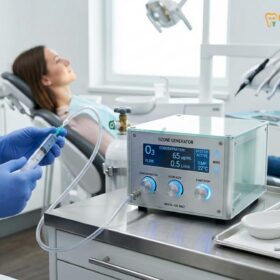
For patients experiencing mild to moderate TMD symptoms accompanied by dental anxiety, nitrous oxide inhalation therapy—commonly referred to as laughing gas—offers an excellent pharmacological solution. Nitrous oxide is a colorless, sweet-smelling gas that is administered through a small nasal hood. When inhaled in combination with pure oxygen, it rapidly crosses the blood-brain barrier, producing a state of mild euphoria, generalized relaxation, and a significant reduction in the perception of pain. Unlike deeper forms of sedation, nitrous oxide does not induce unconsciousness; the patient remains fully awake, responsive to verbal commands, and capable of maintaining their own airway independently.
The primary clinical benefit of a laughing gas dental check in the context of TMD diagnostics is its ability to lower the patient’s stress response. Anxiety is a known exacerbating factor for temporomandibular disorders, often leading to subconscious clenching and increased muscle tension. By alleviating this psychological burden, nitrous oxide indirectly promotes physical relaxation of the masticatory muscles. While it may not provide the profound muscle paralysis required for severe trismus, it is highly effective for taking the edge off during palpation of tender trigger points or when capturing dental impressions.[2]
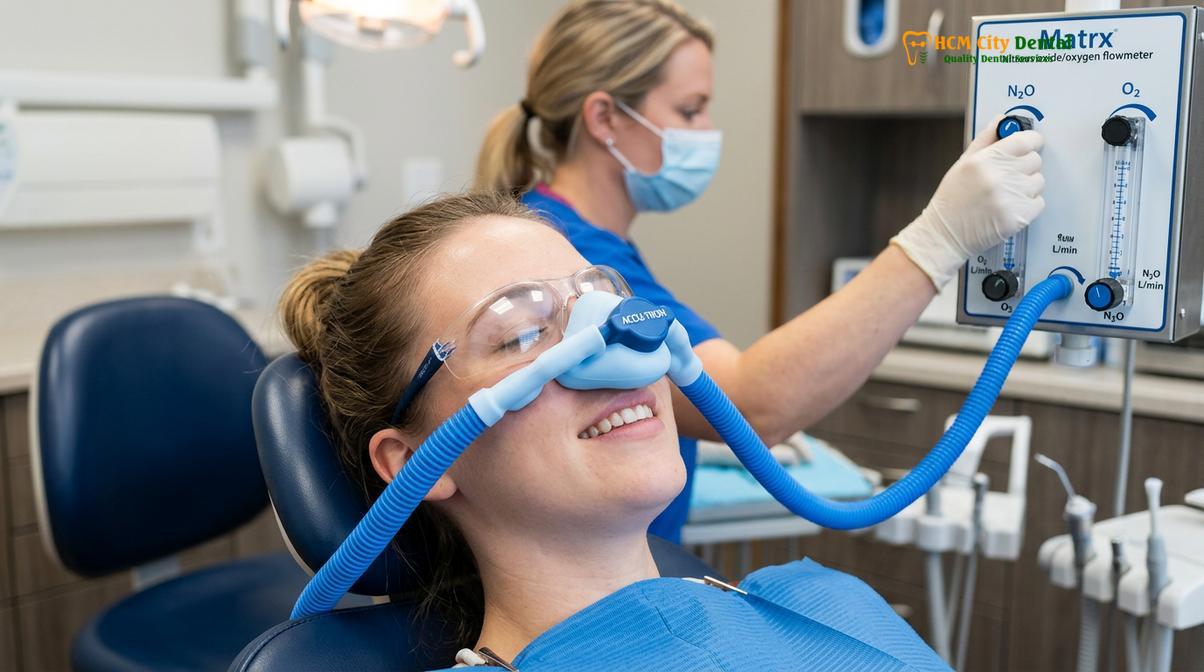
One of the most significant advantages of nitrous oxide is its rapid onset and equally rapid elimination. The sedative effects are typically felt within minutes of inhalation, allowing the clinician to proceed with the examination promptly. Once the diagnostic procedures are complete, the flow of nitrous oxide is terminated, and the patient is placed on 100% oxygen for several minutes. This process flushes the remaining gas from the lungs, reversing the sedative effects almost entirely. Consequently, patients can typically drive themselves home and resume their normal daily activities immediately after the appointment, making it a highly convenient option for busy individuals.
Comparing Sedation Modalities for TMJ Diagnostics
Understanding the differences between sedation levels is crucial for selecting the appropriate protocol based on the severity of the patient’s symptoms and the complexity of the required diagnostic procedures.
| Sedation Modality | Level of Relaxation | Primary Clinical Indication | Recovery Time |
|---|---|---|---|
| Nitrous Oxide | Mild anxiolysis and slight muscle relaxation | Moderate anxiety, routine impressions, mild muscle tension | Immediate (5-10 minutes post-oxygenation) |
| Oral Conscious Sedation | Moderate relaxation and amnesia | High anxiety, longer diagnostic sessions | Prolonged (requires an escort home) |
| Intravenous (IV) Sedation | Profound muscle relaxation and deep amnesia | Severe trismus, deep joint manipulation, complex bite mapping | Moderate (1-2 hours clinical recovery, requires escort) |
When determining the appropriate therapeutic appliance, the level of muscle relaxation achieved during the diagnostic phase is paramount. For instance, capturing the precise occlusal records necessary to fabricate a hard vs soft night guard requires the jaw to be free of involuntary spasms. Nitrous oxide provides just enough relaxation to allow the clinician to guide the mandible smoothly, ensuring the resulting appliance fits perfectly and functions as intended to protect the dentition and decompress the joint.
Conscious IV Sedation: Enabling Deep Examination and Joint Manipulation
Intravenous sedation delivers profound muscle relaxation and amnesia, enabling clinicians to perform deep joint manipulation and capture precise occlusal records in severe TMD cases.
When a patient presents with severe, debilitating temporomandibular joint dysfunction—characterized by acute closed lock, intense radiating facial pain, or chronic, unyielding muscle spasms—mild anxiolytics are often insufficient. In these complex clinical scenarios, moderate intravenous (IV) sedation becomes the gold standard for diagnostic intervention. IV sedation involves the direct administration of sedative and analgesic medications, such as midazolam or fentanyl, into the patient’s bloodstream. This delivery method allows for rapid onset of action and precise titration, enabling the anesthesiologist to adjust the depth of sedation in real-time based on the patient’s physiological responses and the specific requirements of the dental procedure.
An IV sedation jaw exam fundamentally transforms the diagnostic landscape for severe TMD. Under the influence of intravenous medications, the central nervous system’s pain receptors are significantly blunted, and the hyperactive reflex arcs that cause muscle guarding are suppressed. This results in profound relaxation of the masseter, temporalis, and lateral pterygoid muscles. With the muscular resistance eliminated, the clinician can perform deep joint manipulation, gently mobilizing the condyle to assess the integrity of the articular disc and the surrounding ligaments. This level of physical examination is impossible to achieve in a conscious, pain-sensitive patient without causing severe distress.[3]
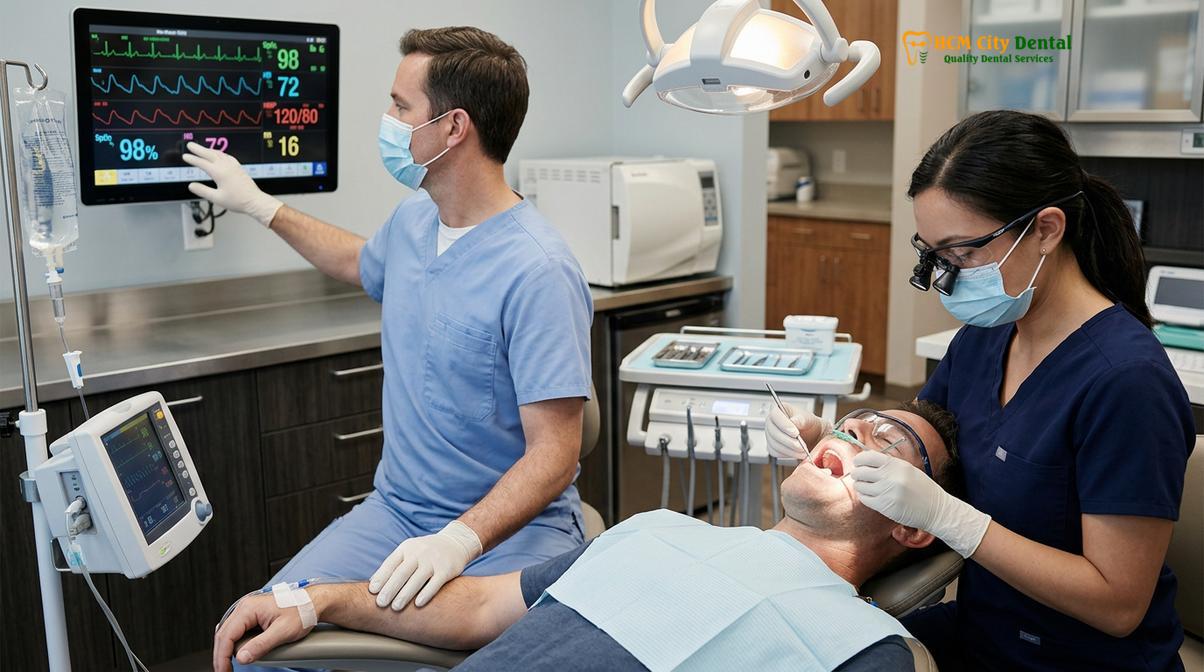
Furthermore, IV sedation induces a state of anterograde amnesia, meaning the patient will have little to no memory of the procedure itself. This is particularly beneficial for individuals who have developed severe dental phobias due to past traumatic experiences with jaw pain. By ensuring the diagnostic process is entirely comfortable and memory-free, clinicians can foster a more positive therapeutic relationship and improve patient compliance with subsequent treatment recommendations.
Clinical Case Review: Overcoming Acute Trismus
A 34-year-old patient presented to HCMC Dental Clinic with an acute closed lock, unable to open her mouth wider than 15 millimeters due to severe muscle spasms and joint inflammation. Standard imaging was inconclusive due to her inability to hold the required positions. Dr. Nguyen Van Cuong recommended an IV sedation diagnostic protocol. Under the care of a certified anesthesiologist, the patient achieved profound muscle relaxation. Dr. Cuong was able to gently manipulate the jaw, increasing the opening to 42 millimeters, and successfully captured the precise centric relation records needed to fabricate a specialized stabilization splint. The patient awoke comfortably with no memory of the manipulation, and the resulting appliance successfully decompressed her joint, leading to a full recovery of function within six weeks.
The profound relaxation achieved through IV sedation is also critical when diagnosing the need for advanced therapeutic devices. For example, determining whether a patient is a suitable candidate for an NTI device requires an exact understanding of their anterior bite forces and condylar positioning. Any residual muscle tension during the diagnostic phase can lead to inaccurate measurements, resulting in an appliance that exacerbates rather than alleviates the condition. IV sedation ensures that the anatomical data collected is a true reflection of the patient’s baseline physiological state, free from the distortions of pain-induced muscle guarding.
Safety Monitors and Certified Anesthesiologists at HCMC Dental
Patient safety during sedation requires continuous physiological monitoring and the expertise of certified anesthesiologists. Strict clinical protocols ensure stable vitals throughout the entire diagnostic procedure.
The administration of intravenous sedation is a highly specialized medical procedure that demands rigorous safety protocols and advanced clinical expertise. While the benefits of profound muscle relaxation for TMD diagnostics are undeniable, the primary concern must always be the preservation of the patient’s physiological stability. At HCMC Dental Clinic in Ho Chi Minh City, the commitment to patient safety is paramount. All moderate to deep sedation procedures are conducted under the direct supervision of board-certified anesthesiologists, ensuring that the operating dentist can focus entirely on the complex task of joint evaluation and bite mapping while the medical specialist manages the patient’s systemic well-being.
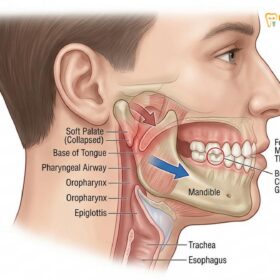
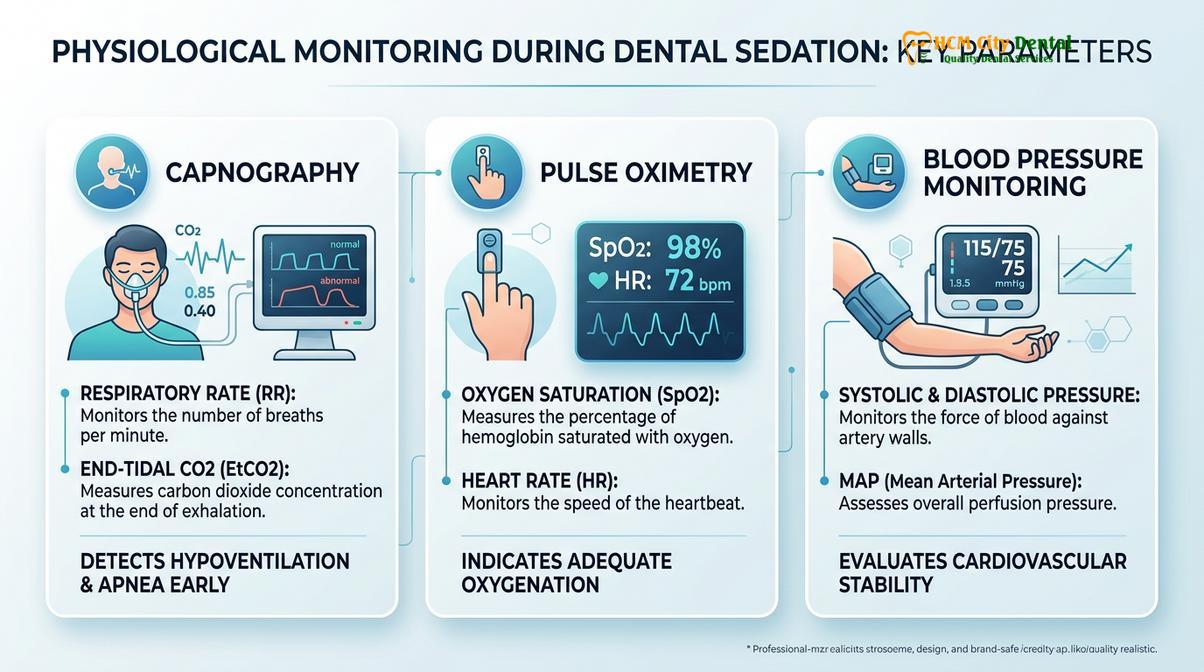
Achieving anxiety-free TMD diagnostics requires a comprehensive suite of physiological monitoring equipment. Throughout the entire procedure, the patient’s vital signs are continuously tracked and recorded. This includes pulse oximetry (SpO2) to measure blood oxygen saturation, electrocardiography (ECG) to monitor cardiac rhythm and detect any arrhythmias, and non-invasive blood pressure (NIBP) cuffs to ensure cardiovascular stability. Perhaps most importantly, capnography (EtCO2) is utilized to measure the concentration of carbon dioxide in the patient’s exhaled breath. Capnography provides instantaneous feedback on the adequacy of the patient’s ventilation, allowing the anesthesiologist to detect and correct any respiratory depression long before it affects blood oxygen levels.[4]
Important Clinical Safety Notice
Intravenous sedation should never be administered without continuous, multi-parameter physiological monitoring and the presence of a dedicated, certified anesthesia professional. Patients with severe systemic conditions, such as advanced cardiovascular disease, severe obstructive sleep apnea, or compromised hepatic function, must undergo a thorough medical clearance prior to any sedation procedure to mitigate the risk of adverse pharmacological reactions.
The presence of a dedicated anesthesiologist also allows for the precise, individualized titration of sedative medications. Because every patient metabolizes drugs differently based on their age, weight, and unique physiology, a one-size-fits-all approach to sedation is inherently dangerous. The anesthesiologist continuously evaluates the depth of sedation, administering micro-doses of medication to maintain the optimal balance between profound muscle relaxation and independent respiratory function. This meticulous approach is especially crucial when the diagnostic session transitions into immediate therapeutic interventions, such as the administration of masseter Botox injections, which require absolute stillness and precise anatomical targeting to effectively paralyze the hyperactive muscle fibers without affecting surrounding structures.
When to See a Doctor for TMJ Sedation
Determining when to seek advanced diagnostic intervention utilizing dental sedation depends largely on the severity and chronicity of the temporomandibular symptoms. While mild, occasional jaw clicking or transient discomfort can often be managed with conservative at-home care and standard dental visits, certain clinical red flags indicate the need for a more profound, pharmacologically assisted evaluation. Patients should seek a specialized consultation if they experience an acute inability to open or close their mouth (closed or open lock), severe radiating pain that mimics a severe earache or migraine, or if the pain is so intense that it prevents them from undergoing routine dental cleanings or examinations.
Furthermore, if previous attempts at conservative therapy have failed, or if the fabrication of oral appliances has been unsuccessful due to an inability to capture an accurate bite, sedation may be the necessary next step. Chronic bruxism that has led to significant dental attrition, combined with severe morning jaw pain, often requires a sedated evaluation to determine the true extent of the joint damage and to map the bite accurately for restorative procedures. This is particularly relevant when considering complex interventions such as a comprehensive bite adjustment, where micro-millimeter precision is required to balance the occlusal forces and relieve stress on the temporomandibular joint.[5]
“Patients should not accept severe pain as a barrier to diagnosis. When trismus and muscle guarding prevent a standard examination, sedation provides a safe, effective bridge to understanding the underlying pathology and initiating the correct therapeutic protocol.”
It is also important to recognize that severe TMD and bruxism are not exclusively adult conditions. In cases of severe pediatric bruxism where the child is experiencing significant pain and is unable to cooperate with a standard examination due to fear or discomfort, mild sedation options like nitrous oxide can be invaluable. A thorough clinical assessment by a qualified dental professional is essential to determine the most appropriate and safe sedation modality based on the individual patient’s medical history, anxiety levels, and diagnostic requirements. By addressing severe symptoms promptly and utilizing advanced diagnostic protocols, patients can avoid irreversible joint damage and achieve long-term relief from craniofacial pain.
If you are experiencing debilitating jaw pain or are unable to tolerate standard dental examinations due to severe muscle spasms, we encourage you to schedule a comprehensive evaluation. Our specialized team is equipped to provide safe, anxiety-free diagnostics to uncover the root cause of your discomfort. Contact HCMC Dental Clinic today to discuss your sedation options and take the first step toward restoring your oral health and quality of life.
Frequently Asked Questions
Why would I need sedation for a TMJ assessment?
Sedation is required when severe jaw spasms, trismus, or extreme pain prevent a clinician from fully examining the temporomandibular joint. It relaxes the masticatory muscles, allowing the dentist to manipulate the jaw, capture accurate bite records, and diagnose the underlying pathology without causing the patient further distress. By eliminating involuntary muscle guarding, the clinician can obtain a true representation of the joint’s mechanics, which is essential for developing an effective, personalized treatment plan.
Is IV sedation safe for dental patients?
Yes, IV sedation is highly safe when administered by certified anesthesiologists in a properly equipped clinical setting. Continuous monitoring of vital signs, including capnography and pulse oximetry, ensures the patient remains stable and comfortable throughout the entire diagnostic or therapeutic dental procedure. Prior to administration, a thorough review of the patient’s medical history is conducted to identify any potential contraindications and to tailor the pharmacological protocol to their specific physiological needs.
How much does dental sedation cost in Saigon?
The cost of dental sedation in Saigon varies based on the method used, with nitrous oxide being the most affordable and IV sedation requiring a higher fee due to the presence of an anesthesiologist. According to the latest clinic fee schedule, personalized estimates are provided during the initial consultation. The investment in sedation often prevents the need for repeated, painful, and inconclusive examinations, ultimately streamlining the diagnostic process and leading to more effective, targeted treatments.
Can sedation help with fitting a custom nightguard?
Absolutely. Sedation relaxes hyperactive jaw muscles, allowing the dentist to guide the mandible into its true centric relation. This precise positioning is crucial for taking accurate impressions and fabricating a custom nightguard that effectively alleviates temporomandibular joint pressure and prevents bruxism damage. Understanding the occlusal splint vs night guard distinction is important, and sedation ensures that whichever appliance is chosen, it is calibrated perfectly to the patient’s relaxed jaw posture.
How long does it take to recover from IV sedation after a jaw exam?
Most patients recover from the immediate effects of IV sedation within one to two hours after the procedure. However, because residual grogginess can persist, patients are required to have an escort take them home and should avoid driving or operating heavy machinery for the rest of the day. Full cognitive function and coordination typically return to normal by the following morning, allowing patients to resume their regular daily activities without any lingering side effects.
References
- Journal of the American Dental Association. Pharmacological management of temporomandibular disorders: a clinical review. (2020).
- Journal of Oral Rehabilitation. The efficacy of nitrous oxide in reducing masticatory muscle tension during occlusal registration. (2019).
- Journal of Prosthetic Dentistry. Intravenous sedation protocols for complex temporomandibular joint diagnostics. (2021).
- Clinical Oral Investigations. Continuous physiological monitoring during moderate dental sedation. (2018).
- International Journal of Oral and Maxillofacial Surgery. Overcoming trismus: sedation strategies in oral and maxillofacial examinations. (2022).