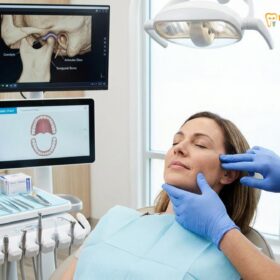
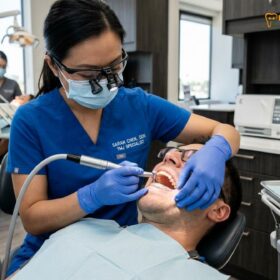
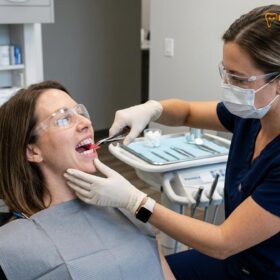
Ozone therapy for the TMJ joint is an advanced biological treatment that utilizes medical-grade ozone gas to reduce inflammation, eliminate localized pathogens, and stimulate tissue repair. By injecting O3 directly into the temporomandibular joint capsule, clinicians can accelerate cellular healing and relieve chronic jaw pain effectively.
Clinical Summary:
Medical ozone (O3) therapy offers a minimally invasive, bio-oxidative approach to managing temporomandibular joint disorders (TMD). It works by modulating the immune response, increasing oxygen delivery to hypoxic joint tissues, and neutralizing pro-inflammatory cytokines. When combined with biomechanical interventions like occlusal splint therapy, ozone infiltration provides synergistic relief for patients suffering from chronic jaw tension, crepitus, and limited mouth opening. Because it stimulates natural cellular regeneration rather than merely suppressing symptoms, it serves as a powerful, tissue-sparing alternative to traditional corticosteroid injections.
Key Takeaways:
- Medical ozone is a highly reactive gas consisting of three oxygen atoms, utilized to stimulate joint repair and cellular regeneration.
- Direct infiltration targets the TMJ capsule to reduce localized inflammation, neutralize oxidative stress, and eliminate potential pathogens.
- The therapy significantly enhances blood flow and cellular oxygenation in hypoxic, damaged jaw tissues.
- It serves as a regenerative alternative to traditional steroid injections, minimizing the risk of long-term cartilage degradation.
- Combining ozone injections with custom occlusal splints yields the highest long-term success rates for comprehensive TMD management.
The Science of Medical Ozone (O3) in Biological Dentistry
Medical ozone is a bio-oxidative gas that stimulates the body’s natural antioxidant defenses. In dentistry, it is utilized to promote cellular regeneration and reduce joint inflammation without the side effects of conventional pharmaceuticals.
To understand the profound impact of ozone therapy on the temporomandibular joint, one must first examine the fundamental biochemistry of medical ozone. Unlike the stable diatomic oxygen (O2) that we breathe, ozone (O3) is a highly reactive, energized form of oxygen containing three atoms. This molecular instability is precisely what gives ozone its therapeutic power. When introduced into biological tissues, medical-grade ozone dissolves instantly in the interstitial fluids, reacting with polyunsaturated fatty acids, antioxidants, and amino acids to create transient, mild oxidative stress[1]. This controlled micro-stress acts as a powerful biological wake-up call, triggering a cascade of regenerative cellular responses.
In the realm of biological dental care Saigon, practitioners leverage this biochemical reaction to treat complex craniofacial pain conditions. The primary mechanism of action revolves around the Nrf2/Keap1 pathway. When ozone interacts with joint tissues, it upregulates the production of the body’s master antioxidants, including superoxide dismutase (SOD), catalase (CAT), and glutathione peroxidase (GSH-Px)[2]. These endogenous enzymes are vastly more potent at neutralizing chronic, destructive inflammation than any exogenous supplement or pharmaceutical anti-inflammatory drug. By shifting the joint environment from a state of chronic oxidative stress to one of robust antioxidant defense, ozone fundamentally alters the trajectory of joint degradation.
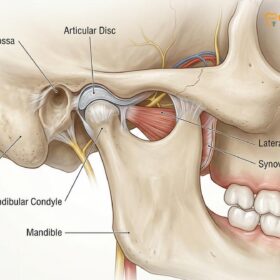
Furthermore, the temporomandibular joint is a unique anatomical structure. The articular disc, which cushions the movement between the mandibular condyle and the temporal bone, is largely avascular in its central load-bearing region. It relies entirely on the diffusion of nutrients and oxygen from the surrounding synovial fluid. When the joint is subjected to chronic microtrauma—such as the forces generated by diurnal jaw clenching habits—the synovial fluid becomes inflamed and viscous, severely impairing this diffusion process. The resulting hypoxia (lack of oxygen) accelerates tissue breakdown and amplifies pain signals.
“The introduction of medical ozone into a hypoxic joint space does not merely suppress pain; it fundamentally alters the biochemical environment, forcing a shift from degenerative catabolism to regenerative anabolism through enhanced oxygen utilization.”
Medical ozone directly combats this hypoxic state. It improves the rheological properties of blood, making red blood cells more flexible and efficient at navigating through the microscopic capillaries of the retrodiscal tissues. Additionally, ozone induces the Bohr effect, a physiological phenomenon where hemoglobin releases oxygen more readily to the surrounding tissues[3]. This massive influx of bioavailable oxygen revitalizes the starving cells within the TMJ, providing the necessary metabolic energy (ATP) for tissue repair and collagen synthesis. This makes ozone an indispensable tool in modern, regenerative dental medicine.
Anti-Inflammatory and Oxygenating Effects of Ozone on TMJ Tissues
Ozone therapy rapidly decreases TMJ inflammation by neutralizing pro-inflammatory cytokines and increasing oxygen delivery to the joint. This dual action relieves pain and restores mobility in compromised jaw tissues.
The pathophysiology of temporomandibular joint disorders is deeply intertwined with chronic inflammation. Conditions such as capsulitis, synovitis, and osteoarthritis of the TMJ are characterized by an overproduction of pro-inflammatory cytokines, specifically Interleukin-1 beta (IL-1β), Interleukin-6 (IL-6), and Tumor Necrosis Factor-alpha (TNF-α)[4]. These signaling molecules recruit immune cells to the joint space, leading to swelling, effusion, and the release of matrix metalloproteinases (MMPs)—enzymes that actively degrade the cartilage and articular disc. Breaking this inflammatory cycle is the primary goal of any holistic anti-inflammatory intervention.
When ozone gas is introduced into this hostile environment, it exerts a profound immunomodulatory effect. Rather than bluntly suppressing the immune system like corticosteroids, ozone normalizes the immune response. It downregulates the expression of destructive cytokines while simultaneously upregulating anti-inflammatory cytokines such as Interleukin-10 (IL-10)[5]. This sophisticated balancing act reduces the swelling within the joint capsule, alleviating the pressure on the highly innervated retrodiscal tissues. Patients often experience a rapid reduction in the sharp, localized pain associated with acute TMJ flare-ups.
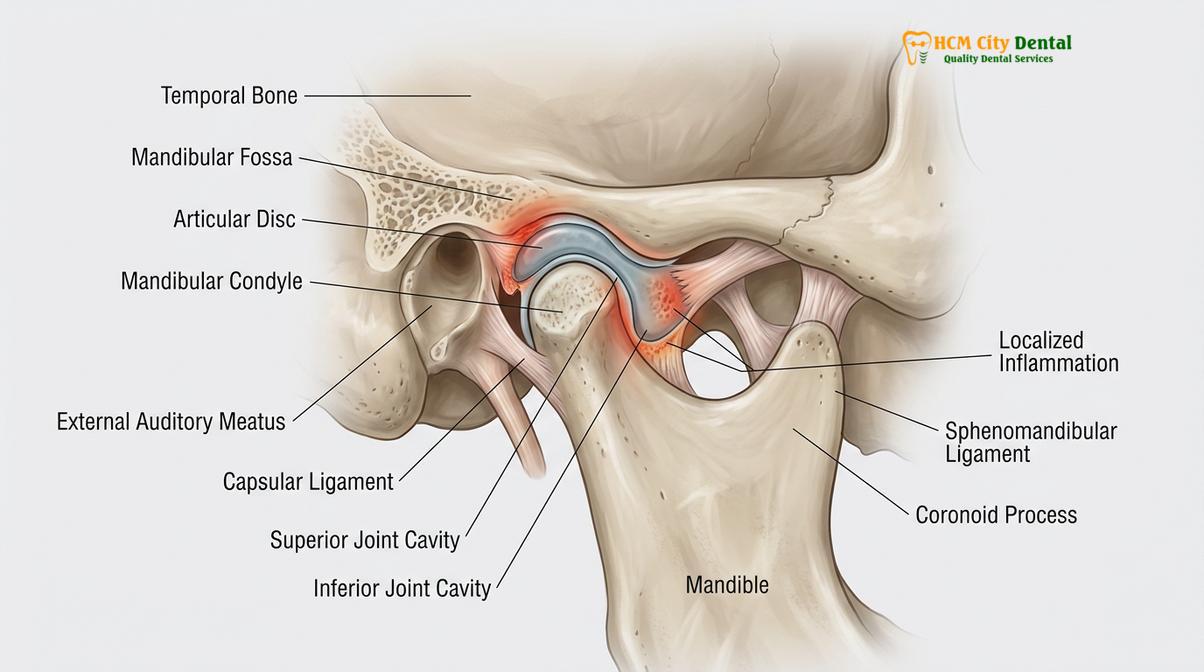
Beyond its cytokine-modulating capabilities, ozone possesses potent antimicrobial properties. While TMJ disorders are primarily biomechanical and inflammatory in nature, low-grade, subclinical infections within the joint space or surrounding fascial planes can occasionally contribute to chronic pain syndromes. Ozone is universally lethal to bacteria, viruses, and fungi upon direct contact, as it destroys the integrity of their cellular envelopes through lipid peroxidation. This ensures that the joint space is completely sterilized, removing any hidden pathogenic burdens that might be hindering the healing process.
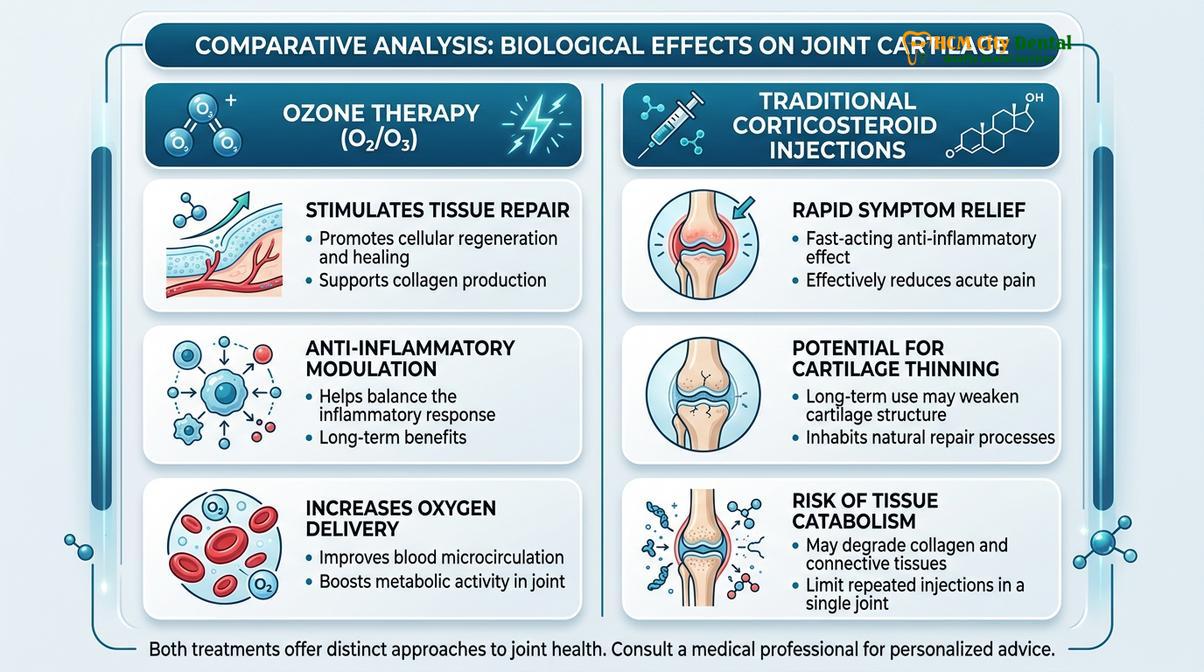
| Feature | Medical Ozone (O3) Therapy | Traditional Corticosteroid Injections |
|---|---|---|
| Mechanism of Action | Stimulates natural antioxidant pathways and cellular repair. | Potent, blunt suppression of the immune and inflammatory response. |
| Effect on Cartilage | Chondroprotective; supports collagen synthesis and tissue regeneration. | Chondrotoxic over time; repeated use accelerates cartilage degradation. |
| Oxygenation | Significantly increases local tissue oxygenation (Bohr effect). | No direct effect on tissue oxygenation or blood flow. |
| Long-term Safety | High safety profile; can be repeated safely in a series. | Limited to a few injections per lifetime due to structural risks. |
| Systemic Side Effects | Virtually none when administered correctly into the joint. | Potential for systemic absorption, affecting blood sugar and bone density. |
The oxygenating effect of ozone cannot be overstated. Chronic pain in the masticatory muscles and the TMJ is frequently linked to ischemia—a restriction in blood supply. When muscles are locked in a state of spasm due to nocturnal grinding patterns, the blood vessels are physically compressed, leading to a buildup of lactic acid and other metabolic waste products. Ozone therapy promotes vasodilation, opening up these constricted vessels and flushing out the accumulated toxins. The restored blood flow brings fresh nutrients and oxygen, allowing the fatigued muscles to finally relax and the joint to articulate smoothly.
Infiltration Protocol: Direct Gas Injection into the Joint Capsule
The clinical protocol involves injecting a precise concentration of medical-grade ozone gas directly into the temporomandibular joint space. This minimally invasive procedure requires exact anatomical knowledge to ensure safety and efficacy.
The administration of ozone into the temporomandibular joint is a highly precise clinical procedure that demands a thorough understanding of maxillofacial anatomy. The O3 infiltration TMJ protocol begins with a comprehensive diagnostic evaluation to confirm that the patient’s pain is indeed originating from the intra-articular structures rather than solely from muscular tension. This often involves advanced imaging, such as Cone Beam Computed Tomography (CBCT) or Magnetic Resonance Imaging (MRI), to assess the position of the articular disc and the condition of the condylar bone.
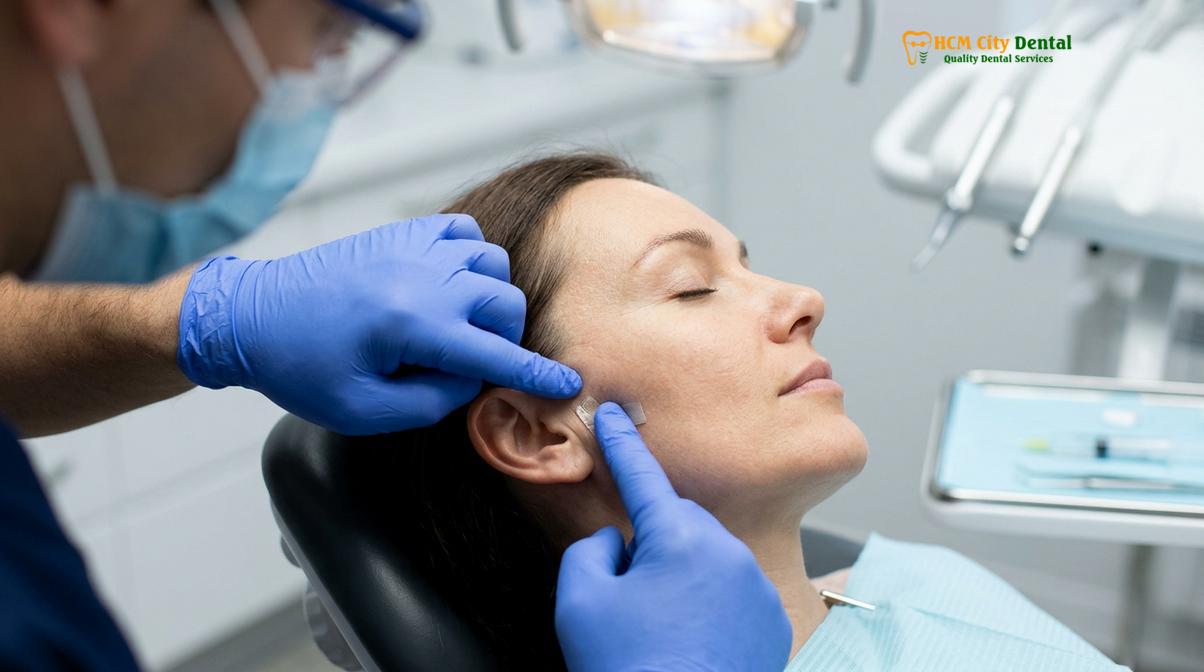
Once candidacy is established, the clinical workflow proceeds with meticulous attention to sterility and patient comfort. Dr. Nguyen Van Cuong emphasizes the importance of precise anatomical palpation. The patient is typically asked to open and close their mouth slightly while the clinician palpates the lateral pole of the condyle, identifying the exact depression that marks the superior joint space. The overlying skin is thoroughly disinfected. While ozone itself is a powerful sterilant, maintaining a strict aseptic technique is paramount for any intra-articular injection to prevent the introduction of external skin flora into the joint capsule.
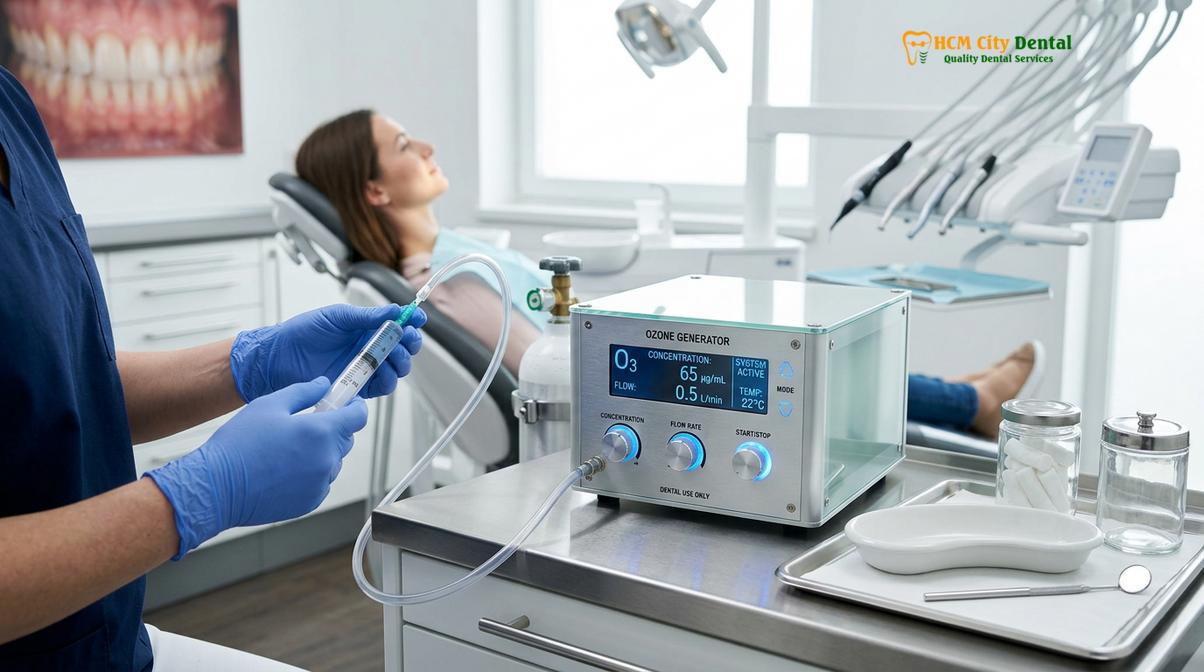
To ensure patient comfort, a small amount of local anesthetic without epinephrine is often administered superficially to numb the skin and the outer layers of the joint capsule. The medical ozone gas is then freshly generated using a specialized, medical-grade ozone generator. Because ozone is highly unstable and reverts back to oxygen quickly, it cannot be stored in tanks; it must be synthesized from pure medical oxygen immediately prior to injection. The clinician selects a specific concentration—typically ranging from 10 to 20 micrograms per milliliter (µg/mL)—depending on the severity of the inflammation and the chronicity of the condition[6].
Clinical Contraindications: While ozone therapy is exceptionally safe, it is contraindicated in patients with severe hyperthyroidism, active bleeding disorders, or those with a known deficiency in Glucose-6-phosphate dehydrogenase (G6PD), commonly known as favism. A thorough medical history must be reviewed prior to treatment.
Using a very fine-gauge needle, the clinician carefully advances into the superior joint space. Upon confirming correct placement, the precise volume of ozone gas (usually 1 to 3 cubic centimeters) is slowly infiltrated into the capsule. Patients may feel a sensation of pressure or fullness as the gas expands the joint space, which can actually provide immediate mechanical relief by unweighting the compressed articular disc. Following the injection, the patient is instructed to gently mobilize the jaw, opening and closing slowly to help distribute the gas evenly throughout the synovial fluid and surrounding tissues. The entire procedure takes only a few minutes, and patients can typically resume normal activities immediately.
Combining Ozone with Splints for Accelerated Jaw Healing
While ozone addresses acute joint inflammation, custom occlusal splints stabilize the bite to prevent re-injury. Together, they form a comprehensive treatment protocol that ensures long-term TMJ recovery.
In the realm of advanced temporomandibular joint therapy, it is a fundamental clinical truth that biochemical interventions must be paired with biomechanical stabilization. Ozone therapy is unparalleled in its ability to extinguish the fire of inflammation and stimulate cellular repair within the joint capsule. However, if the underlying mechanical forces that caused the damage in the first place are not addressed, the inflammation will inevitably return. This is why the most successful treatment protocols integrate ozone infiltration with the use of custom protective nightguards and occlusal splints.
Bruxism—the unconscious clenching and grinding of teeth—places immense, unnatural loads on the TMJ. These forces can exceed hundreds of pounds per square inch, compressing the articular disc, stretching the ligaments, and driving the condyle upward and backward into the highly sensitive retrodiscal tissues. This mechanical overload is the primary driver of joint hypoxia and oxidative stress. By providing a patient with a precisely calibrated occlusal splint, such as a Michigan splint or a stabilization appliance, the clinician effectively decompresses the joint. The splint provides a smooth, even surface for the teeth to glide against, preventing the interlocking of cusps that triggers intense muscle spasms.
Clinical Case Review: A 42-year-old patient presented to HCMC Dental Clinic in Ho Chi Minh City with severe, chronic right-sided TMJ pain, limited mouth opening (28mm), and loud articular crepitus. Diagnostic imaging revealed significant capsulitis and early-stage disc displacement. The patient underwent a series of four intra-articular ozone injections spaced one week apart, combined with the immediate delivery of a custom hard-acrylic stabilization splint. Within three weeks, the patient’s maximum mouth opening improved to 44mm, and the acute pain was entirely resolved. The splint prevented nocturnal re-injury, allowing the ozone-induced regenerative processes to heal the joint tissues fully.
The synergy between these two modalities is profound. The splint acts as a physical shield, creating the necessary mechanical space and stability for healing to occur. Meanwhile, the ozone acts as a biological catalyst, accelerating the repair of the damaged tissues within that protected space. This combined approach is particularly crucial for patients suffering from morning migraines linked to jaw tension, as the dual therapy addresses both the muscular fatigue and the intra-articular inflammation simultaneously.
“Treating the TMJ with biological therapies without addressing the occlusal forces is akin to bailing water out of a sinking boat without plugging the hole. True clinical success requires both biochemical healing and biomechanical stability.”
Furthermore, the use of a splint helps to reprogram the neuromuscular pathways. Chronic pain alters the way the brain controls the masticatory muscles, often leading to protective muscle splinting and altered chewing patterns. As the ozone reduces the pain signals originating from the joint, the splint provides a stable, interference-free bite that allows the central nervous system to relax the hyperactive muscles. For a deeper understanding of how psychological factors influence these muscular patterns, patients can explore the psychological triggers of jaw clenching. Ultimately, this comprehensive, multi-disciplinary approach—combining the regenerative power of ozone with the structural support of advanced splint therapy—represents the gold standard in comprehensive temporomandibular joint therapy.
When to See a Doctor for TMJ Pain
While occasional jaw tension or a mild clicking sound may not require immediate medical intervention, certain clinical signs indicate a progressive temporomandibular joint disorder that necessitates professional evaluation. Ignoring these red flags can lead to irreversible joint damage, chronic pain syndromes, and long-term dental attrition. It is crucial to seek a comprehensive diagnostic assessment if you experience any of the following symptoms.
First, any sudden or progressive limitation in your ability to open your mouth fully—often referred to as “lockjaw” or a closed lock—is a medical priority. This typically indicates that the articular disc has become displaced and is physically blocking the translation of the condyle. Second, if you experience sharp, radiating pain that extends from the jaw joint into the ear, temples, or down the neck, this suggests significant inflammation of the joint capsule and potential nerve compression. Dr. Nguyen Van Cuong advises that persistent pain that disrupts your sleep or makes chewing soft foods difficult should never be ignored.
Additionally, loud, grating noises (crepitus) during jaw movement, as opposed to a simple, painless click, often signify bone-on-bone friction and the onset of temporomandibular osteoarthritis. If you notice a sudden change in the way your upper and lower teeth fit together (an acute malocclusion), this can indicate structural changes within the joint space itself. Early intervention with conservative therapies, such as ozone infiltration and custom splinting, can halt the progression of these destructive processes and restore normal, pain-free function. A personalized clinical examination at a specialized facility like HCMC Dental Clinic is the first step toward effective, long-term relief.
Frequently Asked Questions
Does getting ozone injected into the TMJ hurt?
Patients typically experience only mild pressure or a brief stinging sensation during the injection, rather than severe pain. Local anesthetics are often applied beforehand to numb the area, ensuring the procedure remains highly tolerable for most individuals. Following the injection, some temporary fullness in the joint space is normal as the gas disperses into the surrounding tissues.
How many ozone therapy sessions are needed for joint relief?
Most clinical protocols recommend a series of three to six sessions spaced one to two weeks apart to achieve optimal joint relief. However, the exact number depends entirely on the severity of the joint degradation and the patient’s individual healing response. Mild capsulitis may resolve in fewer sessions, while chronic osteoarthritis requires a more extended treatment plan.
Is ozone therapy safe for the jaw joint?
Yes, when administered by a trained dental professional using precise medical-grade generators, ozone therapy is considered highly safe for the jaw joint. Unlike repeated corticosteroid injections, which can degrade cartilage over time, ozone stimulates natural cellular repair without causing long-term structural damage to the delicate temporomandibular joint tissues.
Can ozone therapy replace my custom nightguard?
No, ozone therapy cannot replace a custom nightguard, as the two treatments serve entirely different clinical purposes. Ozone addresses the biochemical inflammation and cellular damage within the joint, while a nightguard provides the necessary mechanical protection against the physical forces of bruxism that cause the damage in the first place.
How long does it take to feel relief after TMJ ozone injections?
Many patients report a noticeable reduction in pain and an improvement in jaw mobility within 24 to 48 hours after their first injection. However, the cumulative regenerative effects of the bio-oxidative process continue to build over several weeks, meaning maximum clinical benefit is usually observed after completing the full recommended series of treatments.
References
- Journal of Oral Rehabilitation. Efficacy of bio-oxidative therapies in temporomandibular joint disorders: a systematic review. (2021).
- International Journal of Oral and Maxillofacial Surgery. Intra-articular ozone gas injection for the management of internal derangement of the TMJ. (2020).
- Clinical Oral Investigations. Comparative analysis of corticosteroid, hyaluronic acid, and ozone injections for temporomandibular osteoarthritis. (2019).
- Journal of the American Dental Association. Occlusal splint therapy and adjunctive joint treatments in comprehensive TMD management. (2022).
- Journal of Prosthetic Dentistry. Long-term clinical outcomes of combined biomechanical and biological TMJ therapies. (2018).
- Cranio: The Journal of Craniomandibular & Sleep Practice. The role of hypoxia and oxidative stress in the pathogenesis of temporomandibular joint synovitis. (2020).