Masseter Botox for TMJ in Saigon offers a highly effective, non-surgical treatment to relieve jaw pain, chronic clenching, and tension headaches. By injecting botulinum toxin directly into the hyperactive masseter muscle, patients experience significant neuromuscular relaxation, reduced joint strain, and the added aesthetic benefit of facial slimming.
Clinical Summary:
Temporomandibular joint (TMJ) disorders and severe bruxism often stem from hyperactive masseter muscles, leading to chronic facial pain, dental attrition, and a widened jawline. Masseter Botox therapy utilizes botulinum toxin type A to temporarily block neuromuscular transmission, effectively reducing the force of muscle contractions without compromising essential chewing functions. This targeted intervention provides profound relief from jaw spasms and tension headaches while inducing benign muscle atrophy that contours and slims the lower face. Administered under strict anatomical protocols, the procedure is minimally invasive, highly synergistic with traditional occlusal therapies, and offers sustained relief for patients seeking comprehensive neuromuscular management.
Key Takeaways:
- Botulinum toxin temporarily relaxes the masseter muscle, significantly reducing the destructive forces of jaw clenching and teeth grinding.
- The treatment alleviates chronic TMJ pain, tension headaches, and facial fatigue by decreasing the mechanical load on the temporomandibular joint.
- As the hyperactive muscle relaxes, it undergoes benign atrophy, resulting in a highly sought-after aesthetic facial slimming effect.
- The procedure is swift and minimally invasive, typically requiring 20 to 50 units of neurotoxin per side based on clinical assessment.
- Combining masseter injections with custom dental nightguards provides the most comprehensive protection for both the joint and the dentition.
How Botulinum Toxin Relaxes Hyperactive Masseter Muscles
Botulinum toxin works by temporarily blocking the release of acetylcholine at the neuromuscular junction, preventing the masseter muscle from contracting forcefully. This targeted relaxation reduces jaw tension without compromising essential chewing functions.
To fully comprehend the efficacy of masseter Botox for TMJ disorders, it is essential to understand the underlying pharmacology and the specific anatomical characteristics of the masticatory system. The masseter is one of the strongest muscles in the human body, responsible for the elevation of the mandible and the immense force required for chewing. However, when this muscle becomes hyperactive due to stress, malocclusion, or habitual bruxism, it generates excessive force that the temporomandibular joint and the teeth were not designed to sustain continuously [1].
Botulinum toxin type A (BoNT-A) is a purified neurotoxic protein that acts as a potent neuromodulator. When injected directly into the belly of the masseter muscle, the toxin binds to the presynaptic nerve terminals at the neuromuscular junction. Once internalized, it cleaves specific SNARE proteins (primarily SNAP-25), which are essential for the exocytosis of acetylcholine vesicles. Without the release of acetylcholine, the chemical signal that commands the muscle fibers to contract is effectively intercepted. This process, known as chemical denervation, results in a dose-dependent, temporary paresis (weakness) of the targeted muscle fibers [2].
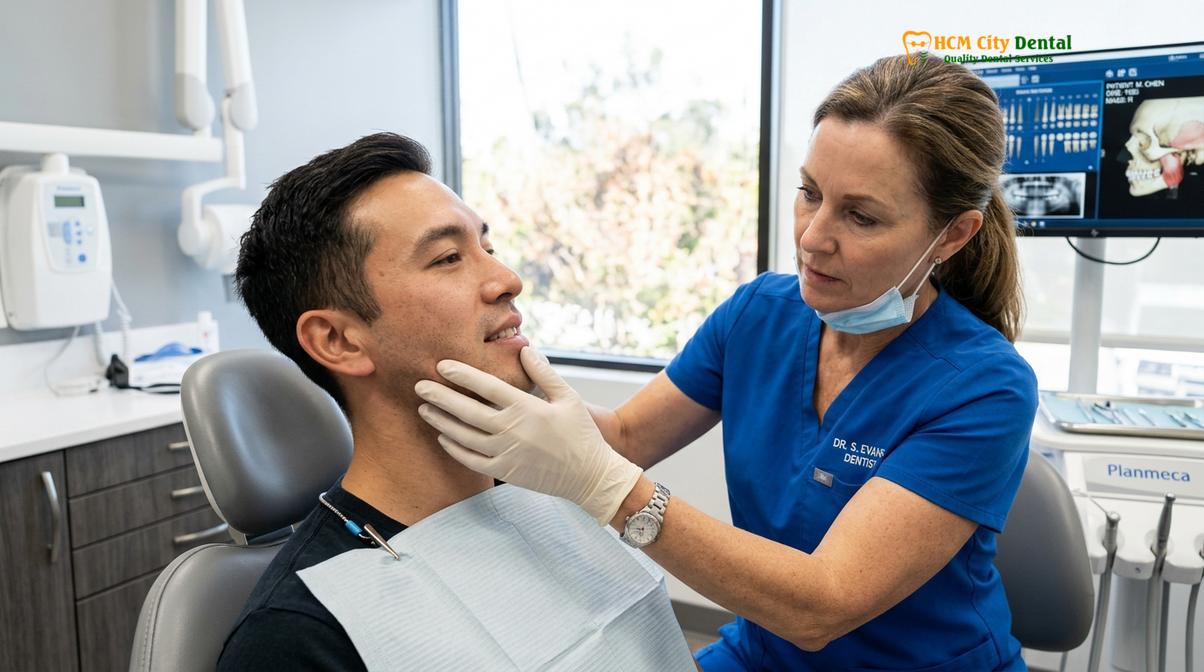
From a clinical perspective, the goal of this therapy is not to paralyze the jaw, but rather to modulate its activity. The masseter muscle consists of both superficial and deep bellies. By carefully calculating the dosage and precisely placing the injections, a skilled practitioner can selectively weaken the hyperactive outer fibers while preserving the function of the deeper fibers and the synergistic muscles of mastication (such as the temporalis and medial pterygoid). This delicate balance ensures that the patient achieves profound muscle hypertrophic relief while maintaining the ability to speak, chew, and swallow normally.
The onset of muscle relaxation is not immediate. The biochemical process of SNARE protein cleavage and subsequent nerve terminal blockade typically takes several days to manifest. Patients usually begin to notice a reduction in jaw tension and clenching intensity within 3 to 7 days post-injection, with the maximum therapeutic effect peaking at approximately two to four weeks. During this period, the continuous, involuntary spasms that characterize many TMJ disorders are significantly dampened, allowing the overworked muscle tissue to recover and the inflamed joint structures to heal.
Medical Efficacy: Relieving TMJ Spasms, Clenching, and Tension Headaches
Clinically, masseter Botox significantly diminishes the involuntary muscle spasms associated with temporomandibular joint disorders and severe bruxism. It alleviates radiating facial pain, protects dental enamel from grinding forces, and reduces the frequency of tension headaches.
The medical applications of botulinum toxin in dentistry have revolutionized the management of chronic facial pain. Traditional approaches to temporomandibular joint disorders (TMD) often rely heavily on anti-inflammatory medications, muscle relaxants, and physical therapy. While these modalities are valuable, they frequently fail to address the root cause of the mechanical overload: the relentless, involuntary contraction of the masseter muscle, particularly during sleep [3].
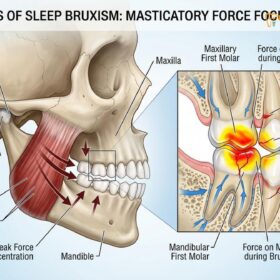
Bruxism, the medical term for teeth grinding and jaw clenching, exerts extraordinary pressure on the TMJ articular disc and the surrounding ligaments. Over time, this chronic microtrauma leads to joint inflammation (capsulitis), displacement of the articular disc, and degenerative changes within the joint space. By administering targeted botulinum toxin jaw clenching therapy, the absolute force that the masseter can generate is drastically reduced. This mechanical offloading is critical. It decompresses the joint space, reduces the friction on the articular disc, and allows the synovial tissues to recover from chronic inflammation.
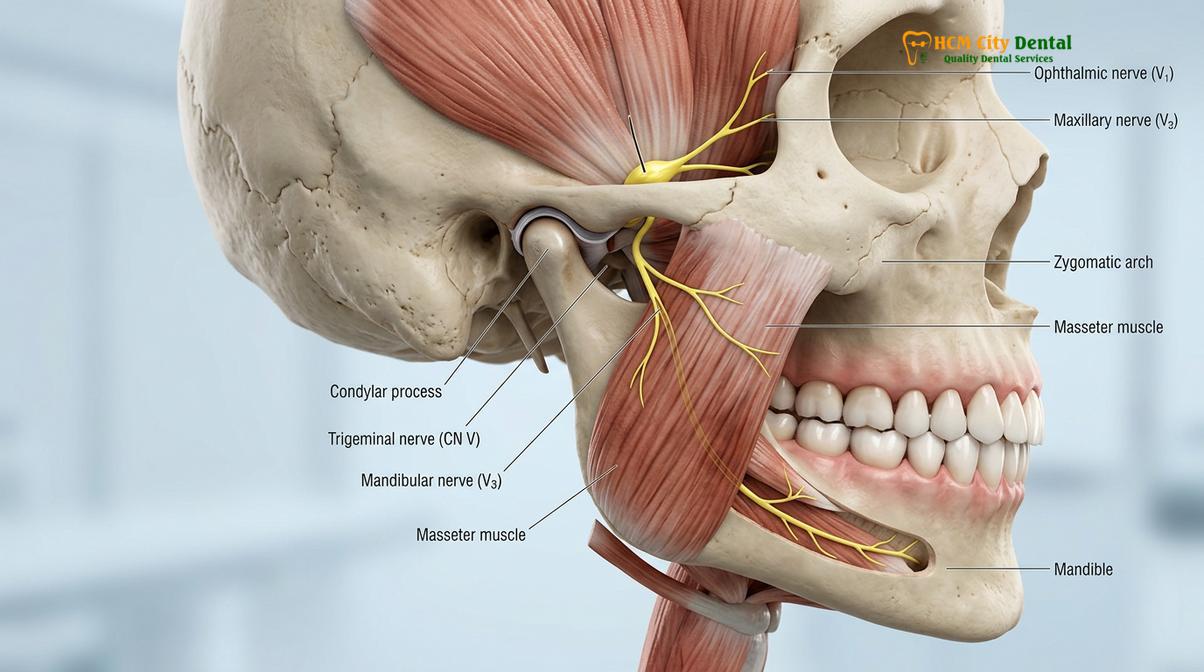
Furthermore, the relief extends beyond the jaw joint itself. The masseter muscle is intricately connected to a vast network of fascial and neural pathways, primarily governed by the trigeminal nerve. Chronic masseter hyperactivity often triggers referred pain, manifesting as severe tension headaches, earaches, and radiating neck pain. As the Botox induces muscle relaxation, the constant barrage of nociceptive (pain) signals sent to the central nervous system is interrupted. Many patients report a dramatic decrease in the frequency and intensity of their morning headaches within weeks of the procedure.
“In our clinical practice, we view neuromodulators not just as a standalone treatment, but as a vital component of comprehensive joint rehabilitation. By breaking the cycle of chronic muscle spasms, we create a window of opportunity for the temporomandibular joint to heal, significantly improving the patient’s overall quality of life.”
— Dr. Nguyen Van Cuong, Clinical Director
It is important to note that while Botox is highly effective at reducing muscle force, it is most successful when integrated into a broader TMJ treatment plan. For patients with severe bruxism, the gold standard of care involves a dual approach. Botox addresses the muscular component, while a custom-fabricated occlusal splint addresses the dental component. Utilizing Nightguards in conjunction with Botox therapy ensures that the tooth enamel is physically protected from any residual grinding, and the jaw is held in a physiologically neutral position during sleep. This synergistic protocol provides the highest success rate for long-term joint stability and pain management.
Aesthetic Benefit: Reshaping the Square Jawline (Facial Slimming)
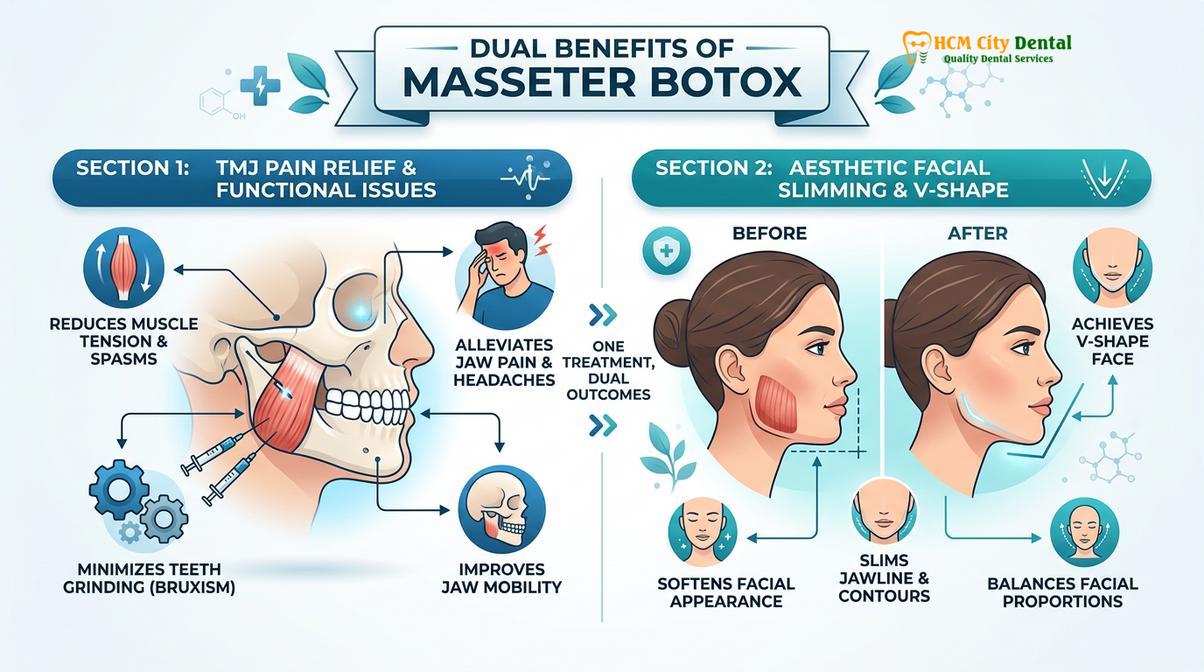
As the masseter muscle relaxes and its workload decreases, it undergoes benign disuse atrophy, gradually reducing in volume. This physiological response softens a prominent, square lower jaw, resulting in a slimmer, more contoured facial profile.
While the primary motivation for seeking masseter Botox is often pain relief, the secondary aesthetic benefits are profound and highly sought after. The principle behind this aesthetic transformation is rooted in basic muscle physiology: hypertrophy versus atrophy. Just as lifting weights causes skeletal muscles to grow larger, the constant, intense workout provided by chronic bruxism causes the masseter muscle to hypertrophy (increase in size). In many individuals, particularly those of Asian descent, this muscular enlargement manifests externally as a widened, square, or overly masculine lower jawline [4].
When botulinum toxin is introduced, the muscle’s workload is drastically reduced. Because the muscle is no longer contracting with the same frequency or intensity, it begins to undergo a process known as benign disuse atrophy. Over the course of several weeks to months, the muscle fibers shrink in cross-sectional area. As the masseter loses volume, the overlying soft tissues drape more closely to the natural contours of the mandible, resulting in a softer, more V-shaped facial profile.
This face slimming botox HCMC procedure is particularly advantageous because it is entirely non-surgical. Historically, patients seeking to reduce a wide jawline had to undergo invasive surgical procedures, such as mandibular angle resection, which carry significant risks, extensive downtime, and permanent structural changes. Masseter Botox offers a reversible, minimally invasive alternative that modifies the soft tissue volume rather than the bone structure.
Clinical Case Review: HCMC Dental Clinic
A 28-year-old female patient presented to our clinic in Ho Chi Minh City complaining of chronic morning jaw fatigue and dissatisfaction with her increasingly square lower face. Clinical palpation revealed severe bilateral masseter hypertrophy secondary to nocturnal bruxism. A targeted protocol of 30 units of botulinum toxin per side was administered. At her 6-week follow-up, the patient reported complete resolution of her jaw fatigue. Aesthetically, photographic analysis demonstrated a significant reduction in lower facial width, achieving the contoured, slimmer jawline she desired without any surgical intervention.
The aesthetic results of masseter reduction are not immediate. While the pain relief may be felt within a week, the visible slimming effect relies on the gradual atrophy of the muscle tissue. Patients typically begin to notice a change in their facial shape around week four, with peak aesthetic results visible between weeks six and eight. Furthermore, because facial asymmetry is common—often due to chewing predominantly on one side—the practitioner can adjust the dosage asymmetrically. By injecting slightly more units into the larger, dominant masseter, the clinician can harmonize the lower face and restore bilateral symmetry.
The Injection Process: Units Required, Safety Protocols, and Costs in HCMC
The clinical protocol involves precise anatomical mapping to determine the optimal dosage, typically ranging from 20 to 50 units per side. Administered under strict safety guidelines in Saigon, the procedure is swift, minimally invasive, and requires no downtime.
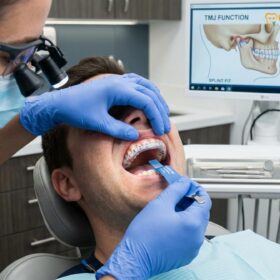
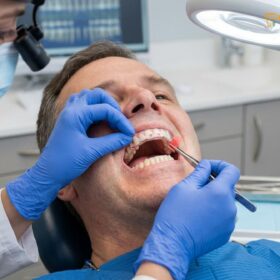
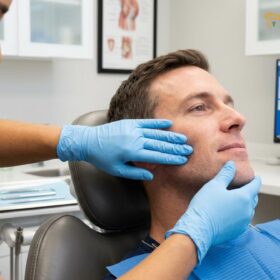
The administration of masseter Botox is a highly precise medical procedure that requires a deep understanding of facial anatomy. At reputable centers like HCMC Dental Clinic, the process begins with a comprehensive clinical consultation. The practitioner will evaluate the patient’s dental occlusion, palpate the masseter muscles during clenching and resting states, and assess the degree of hypertrophy. This tactile examination is crucial for determining the exact boundaries of the muscle and calculating the appropriate dosage.
The required dosage varies significantly depending on the size of the muscle and the severity of the bruxism. On average, female patients may require between 20 to 35 units per side, while male patients, who typically possess larger muscle mass, may require 30 to 50 units per side. The specific brand of neurotoxin utilized (such as Allergan Botox, Dysport, or Xeomin) will also influence the unit calculation, as their diffusion characteristics and unit measurements differ slightly.
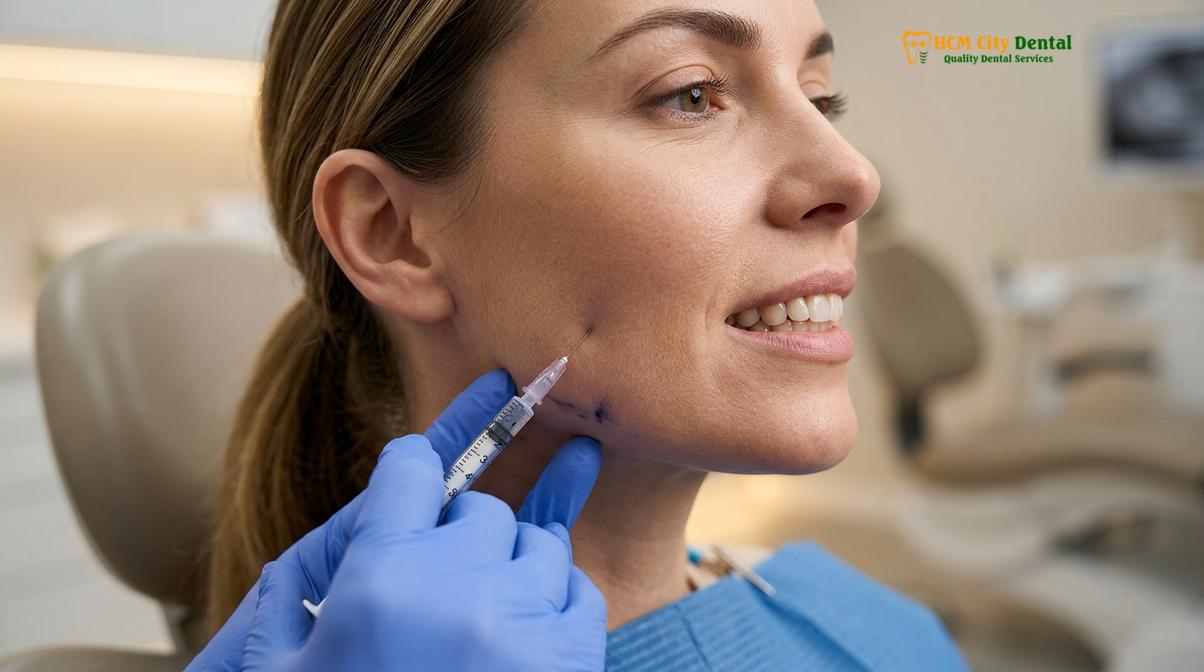
The injection protocol follows strict anatomical safety guidelines. The practitioner must map out a “safe zone” on the lower face to avoid unintended diffusion into adjacent muscles. The primary risk during this procedure is the inadvertent paralysis of the risorius muscle or the zygomaticus major, which are responsible for pulling the corners of the mouth upward and outward during a smile. To prevent smile asymmetry, the injections are confined to the lower, posterior quadrant of the masseter, staying well below the line connecting the tragus of the ear to the corner of the mouth, and remaining posterior to the anterior border of the muscle [5].
The procedure itself is remarkably swift. After cleansing the skin, the practitioner uses an ultra-fine micro-needle to deliver the neurotoxin into three to five specific points within the safe zone of each masseter. The entire injection process takes less than ten minutes. Because the needles are so fine, discomfort is minimal, and local anesthesia is rarely required. Patients can return to their normal daily activities immediately, making it a highly convenient option for busy professionals and international visitors in Saigon.
| Treatment Modality | Primary Mechanism | Invasiveness | Aesthetic Benefit | Duration of Effect |
|---|---|---|---|---|
| Masseter Botox | Neuromuscular blockade; reduces muscle contraction force | Minimally Invasive (Injections) | High (Facial slimming via muscle atrophy) | 4 to 6 months (Requires maintenance) |
| Custom Nightguards | Physical barrier; decompresses joint and protects enamel | Non-Invasive (Removable appliance) | None | Years (With proper care and adjustment) |
| Orthognathic Surgery | Skeletal realignment; corrects severe structural malocclusion | Highly Invasive (Surgical) | High (Permanent structural changes) | Permanent |
Regarding the financial investment, the cost of masseter Botox in Ho Chi Minh City is highly competitive compared to Western countries, without compromising on the quality of the pharmaceuticals or the expertise of the clinicians. According to the latest clinic fee schedules, pricing is generally calculated per unit of neurotoxin used. During the initial consultation, the practitioner will provide a transparent, customized treatment plan detailing the exact number of units required and the total estimated cost, ensuring there are no surprises for the patient.
When to See a Doctor for TMJ and Masseter Hypertrophy
While masseter Botox is an exceptionally safe and effective treatment for many individuals, it is not a universal cure for all types of jaw pain. It is imperative to undergo a thorough diagnostic evaluation by a qualified dental professional before proceeding with neuromodulator therapy. Certain symptoms indicate underlying structural issues within the temporomandibular joint that Botox alone cannot resolve.
Important Clinical Considerations:
You should seek immediate clinical evaluation if you experience “lockjaw” (inability to fully open or close the mouth), severe, sharp pain localized directly inside the joint space, or loud clicking and popping sounds accompanied by acute pain. These symptoms may indicate a displaced articular disc or advanced joint degeneration requiring specialized intervention.
Furthermore, there are specific medical contraindications for botulinum toxin therapy. Individuals with pre-existing neuromuscular disorders, such as myasthenia gravis or Lambert-Eaton syndrome, should not receive Botox injections, as it may exacerbate their condition. Additionally, the treatment is strictly contraindicated for women who are pregnant or currently breastfeeding, as the systemic effects on fetal and infant development have not been conclusively studied.
“Accurate diagnosis is the cornerstone of effective TMJ therapy. We must differentiate between muscular pain, which responds beautifully to Botox, and intracapsular joint pathology, which may require entirely different therapeutic modalities. A comprehensive clinical examination ensures we are treating the root cause, not just masking the symptoms.”
— Dr. Nguyen Van Cuong, Clinical Director
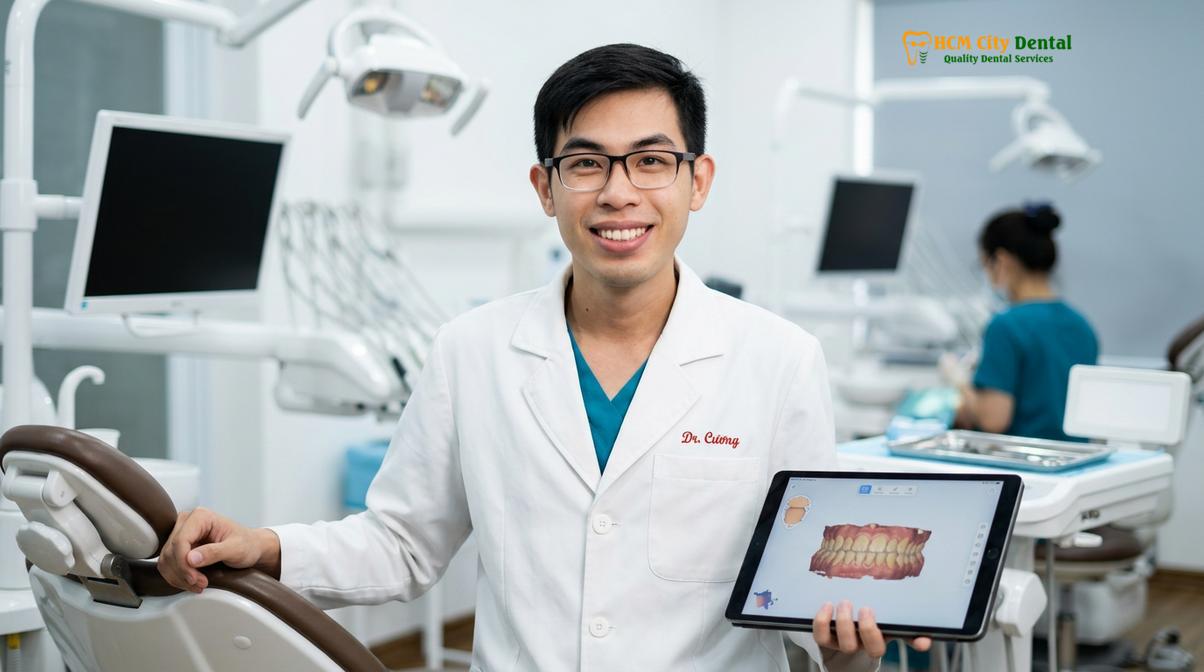
If you are experiencing chronic jaw fatigue, frequent morning headaches, or have noticed a gradual widening of your lower jawline, scheduling a consultation at a specialized facility like HCMC Dental Clinic is the first step toward relief. A professional assessment will determine if you are an ideal candidate for masseter neuromodulation or if a combination therapy involving occlusal adjustments and custom splints is more appropriate for your specific anatomical needs.
Frequently Asked Questions
How long does Botox for TMJ last?
The clinical effects of masseter Botox for TMJ typically last between four to six months. As the neurotoxin is gradually metabolized by the body, muscle activity slowly returns, requiring maintenance injections to sustain pain relief and facial slimming. Over time, with consistent treatment, the masseter muscle may undergo long-term atrophy, potentially extending the duration between required sessions as the muscle’s baseline strength decreases.
Does masseter Botox affect chewing or smiling?
When administered correctly by a qualified professional, masseter Botox does not impair normal chewing or smiling. The treatment selectively weakens the hyperactive outer muscle fibers while preserving the deeper fibers and surrounding facial expression muscles necessary for normal function. Patients may experience a slight feeling of fatigue when chewing particularly tough or chewy foods during the first few weeks, but overall masticatory function remains intact.
How much does masseter Botox cost in Saigon?
The cost of masseter Botox in Saigon varies based on the required dosage and the specific brand of neurotoxin used. Currently, clinics typically charge per unit, with most TMJ treatments requiring between 40 to 100 units total for both sides of the jaw. During your consultation, the clinician will assess your muscle mass and provide a precise, transparent cost estimate tailored to your specific anatomical requirements.
Can I combine masseter Botox with a dental nightguard?
Yes, combining masseter Botox with a custom dental nightguard is a highly effective, synergistic approach. Botox reduces the muscular force of clenching, while the nightguard physically protects the tooth enamel and decompresses the temporomandibular joint during sleep. This dual therapy is often considered the gold standard for patients suffering from severe, chronic bruxism and advanced TMJ disorders.
Is the masseter Botox injection painful?
The masseter Botox injection involves minimal discomfort, often described as a brief, mild pinch. Practitioners use ultra-fine micro-needles, and the entire procedure takes only a few minutes, requiring no anesthesia or extended recovery time. Following the procedure, patients may experience slight tenderness or minor bruising at the injection sites, which typically resolves within 24 to 48 hours.
References
- Journal of Oral Rehabilitation. Botulinum toxin type A in the management of temporomandibular disorders and bruxism. (2020).
- International Journal of Oral and Maxillofacial Surgery. Efficacy of masseter injections for facial slimming and muscle hypertrophy. (2019).
- Journal of the American Dental Association. Neuromodulators in dentistry: Clinical applications for chronic facial pain. (2021).
- Clinical Oral Investigations. Anatomical considerations for safe botulinum toxin injections in the lower face. (2018).
- Journal of Prosthetic Dentistry. Synergistic effects of occlusal splints and botulinum toxin in severe bruxism. (2022).