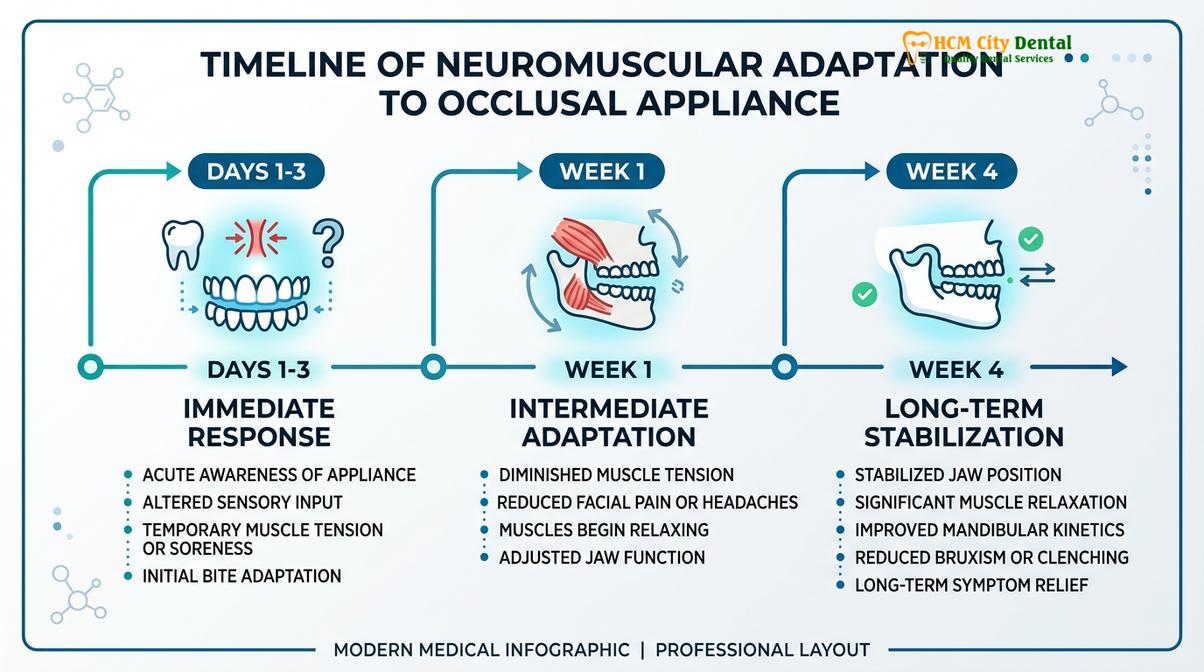
Adjusting to a TMJ splint typically takes two to four weeks as your neuromuscular system adapts to the new occlusal position. During this period, transient changes in speech, salivation, and morning bite perception are normal physiological responses to the therapeutic appliance.
Clinical Summary:
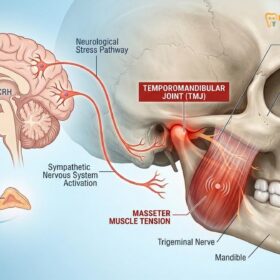
The process of acclimating to a temporomandibular joint (TMJ) splint is a complex interplay of biomechanical shifts and neuromuscular adaptation. When a rigid acrylic appliance is introduced into the oral cavity, it alters the proprioceptive feedback sent from the periodontal ligaments to the central nervous system. This disruption is intentional; it serves to deprogram hyperactive masticatory muscles, such as the masseter and lateral pterygoid, allowing the condyle to seat properly within the glenoid fossa. However, this therapeutic intervention triggers temporary side effects. Patients frequently experience an initial surge in salivary flow, minor speech impediments, and a sensation of an altered bite upon waking. These symptoms are transient and represent the body’s natural adjustment phase. Successful therapy relies heavily on strict adherence to the prescribed wear schedule and attending mandatory clinical calibrations. During these follow-up visits, the dentist micro-adjusts the acrylic surface to ensure bilateral, simultaneous occlusal contacts as the jaw muscles progressively relax and the joint decompresses.
Key Takeaways:
- Neuromuscular adaptation to a new occlusal appliance generally requires 14 to 28 days of consistent use.
- Increased salivation and minor speech alterations are temporary reflexes that subside as the brain accepts the device.
- A perceived change in your morning bite indicates that the hyperactive jaw muscles are successfully relaxing.
- Clinical calibrations are mandatory to adjust the splint as your jaw shifts into a healthier, decompressed position.
- Experiencing sharp dental pain or severe muscle spasms is abnormal and requires immediate professional evaluation.
The Acclimation Period: Speech and Salivation Adjustments
Initial speech alterations and increased salivation are temporary reflexes triggered by the brain perceiving the splint as a foreign object, usually resolving within the first two weeks of consistent wear.
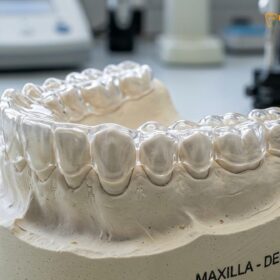
When you first begin wearing a custom occlusal appliance, the oral environment undergoes a sudden spatial alteration. The introduction of a 2-3 millimeter thick layer of hard acrylic over your dental arch significantly changes the internal volume of the oral cavity. This physical presence immediately stimulates the highly sensitive sensory receptors located in the oral mucosa, tongue, and periodontal ligaments. The central nervous system, receiving this novel sensory input, initially interprets the appliance as a foreign body or a bolus of food. This misinterpretation triggers a cascade of autonomic and somatic reflexes that define the early stages of the acclimation period. Understanding the physiological basis of these reactions is crucial for patient compliance, as it transforms anxiety about these side effects into an understanding of the healing process.[1]
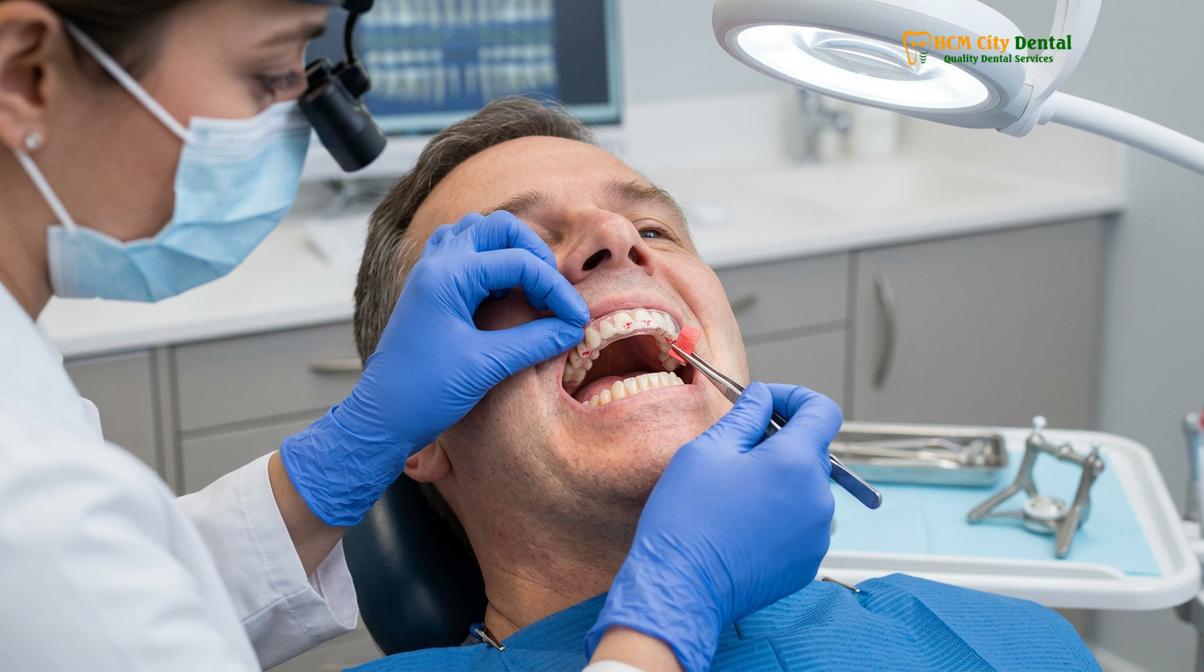
The Neurological Basis of Hypersalivation
One of the most immediate and noticeable effects of inserting a new appliance is a dramatic increase in salivary flow. This phenomenon, known clinically as sialorrhea or hypersalivation, is a direct result of the parasympathetic nervous system’s response to oral stimulation. The presence of the splint stimulates the mechanoreceptors in the mouth, which send signals via the facial nerve and the glossopharyngeal nerve to the salivary nuclei in the brainstem. The brain, assuming that the object in the mouth is food that needs to be digested and swallowed, commands the parotid, submandibular, and sublingual glands to increase production. For the first few days, patients may find themselves swallowing frequently or experiencing minor drooling during sleep. This is a completely normal physiological reflex. As the brain gradually recognizes that the appliance is a permanent, non-digestible fixture rather than food, it downregulates this reflex. Typically, salivary production returns to baseline levels within three to seven days of continuous wear.
Phonetic Adaptation and Tongue Posture
The tongue is a highly agile muscular organ that relies on precise spatial memory to articulate sounds. It uses the lingual surfaces of the teeth and the hard palate as boundaries for phonetic formation. When a splint covers these anatomical landmarks, the tongue’s established movement patterns are disrupted. This disruption primarily affects the pronunciation of sibilant sounds and fricative sounds. Patients often report a slight lisp or a feeling of clumsiness when speaking with the splint in place. The adaptation process requires the brain to remap the tongue’s spatial coordinates. Neuroplasticity allows the motor cortex to quickly adjust the tongue’s trajectory to accommodate the new acrylic boundaries. To accelerate this phonetic adaptation, clinicians recommend reading aloud, singing, or exaggerating speech patterns in private during the first few days.
| Timeframe | Physiological Response | Clinical Management Strategy |
|---|---|---|
| Days 1-3 | Hypersalivation, pronounced lisp, feeling of bulkiness, mild dental pressure. | Read aloud to adapt speech; swallow frequently; wear consistently to build tolerance. |
| Days 4-7 | Saliva normalizes, speech improves significantly, morning bite feels noticeably different. | Maintain strict hygiene; observe any areas of sharp mucosal irritation for the first checkup. |
| Weeks 2-3 | Neuromuscular deprogramming begins; jaw muscles start to relax; appliance feels natural. | Attend the first clinical calibration appointment to adjust occlusal contacts. |
| Week 4+ | Full adaptation; reduction in TMJ pain and headaches; appliance becomes a sleep cue. | Continue nightly wear; monitor for signs of wear on the acrylic surface. |
It is important to distinguish between the adaptation required for different types of appliances. For instance, rigid acrylic appliances demand a more profound neuromuscular adjustment compared to softer, over-the-counter guards. However, the rigid nature of a custom splint is precisely what provides the therapeutic benefit, as it prevents the teeth from locking together and forces the masticatory muscles to disengage.
Nightly Wear: Overcoming Sleeping Disturbance in the First Week
Disrupted sleep during the first few nights is a common physiological reaction to altered oral posture, which can be mitigated by wearing the appliance for an hour before bedtime.
Introducing a therapeutic device into your sleep routine inherently disrupts established sleep architecture. Sleep is a vulnerable state, and the brain is highly attuned to any changes in the body’s physical condition. When you go to sleep with a new appliance, the sensory feedback from the mouth can prevent the brain from easily descending into the deeper, restorative stages of non-REM and REM sleep. Patients frequently report taking longer to fall asleep, waking up multiple times during the night, or subconsciously removing the appliance while asleep. These disturbances are a normal part of the acclimation process and do not indicate that the therapy is failing. Instead, they highlight the profound connection between oral posture, airway patency, and sleep neurology.[2]
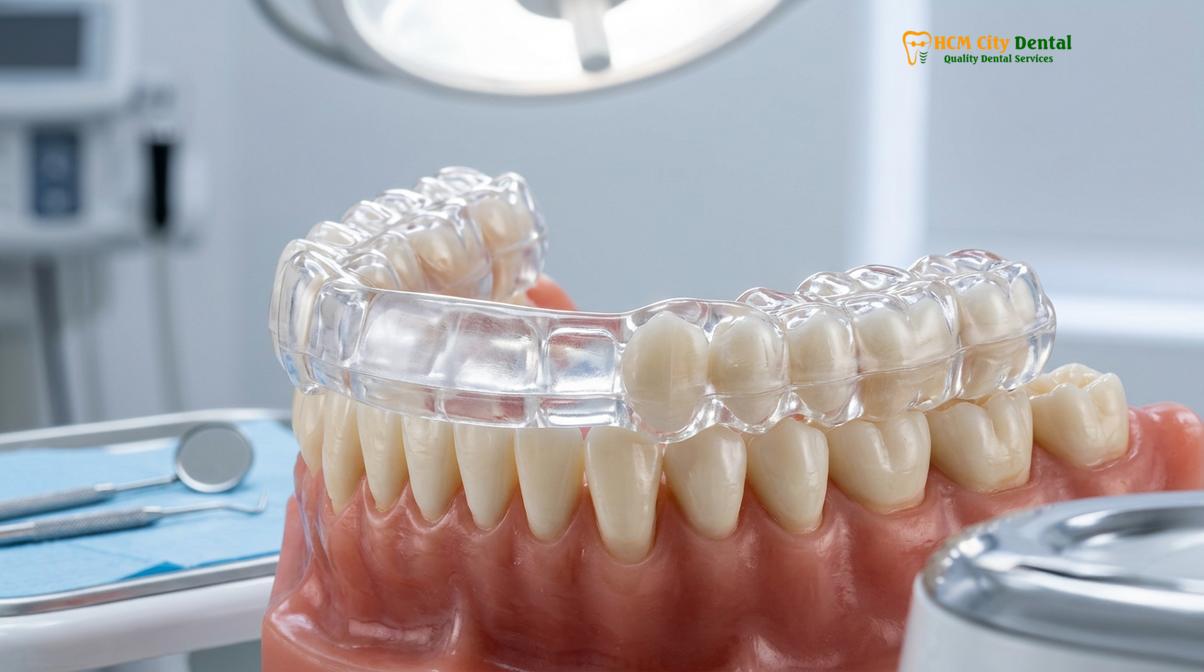
Strategies for Neuromuscular Integration Before Sleep
To minimize nocturnal disruptions, clinicians strongly recommend a specific splint wear schedule during the initial adaptation phase. Rather than inserting the appliance immediately before turning off the lights, patients should place the splint in their mouth 30 to 60 minutes prior to bedtime. This pre-sleep wear period allows the conscious brain to process the sensory input and begin the process of muscular relaxation while the patient is still awake and engaged in calming activities. By the time the patient attempts to sleep, the initial surge of sensory data has subsided, and the appliance feels less intrusive.
“The goal of occlusal therapy is not merely to protect the teeth, but to achieve profound neuromuscular deprogramming. The appliance acts as a physical interrupt, breaking the destructive cycle of nocturnal bruxism by removing the proprioceptive triggers that cause the jaw muscles to fire excessively during sleep.”
Managing Subconscious Removal
A common frustration during the first week is waking up to find the appliance on the nightstand or lost in the bedsheets. Subconscious removal occurs because the sleeping brain, detecting an unfamiliar object, triggers a protective reflex to expel it. This is particularly common in patients with severe nocturnal grinding habits, where the muscles are accustomed to forceful engagement. If you find yourself removing the device in your sleep, do not be discouraged. Simply locate the appliance, rinse it, and reinsert it if you wake up during the night. Over time, as the central nervous system accepts the device as safe and beneficial, the urge to expel it will diminish.
Why Your Bite May Feel Different in the Morning (Transient Changes)
A temporary altered bite sensation upon waking occurs because the splint relaxes hyperactive jaw muscles and decompresses the temporomandibular joint, temporarily shifting the mandible into a more neutral physiological position.
Perhaps the most alarming, yet clinically positive, symptom patients experience during the adjustment phase is a change in how their teeth fit together upon waking. After removing the appliance in the morning, patients often report that their bite feels “off,” “high on one side,” or that their front teeth touch before their back teeth. This sensation can cause significant anxiety, as patients fear the appliance has permanently moved their teeth. However, in the context of proper occlusal therapy, this transient morning bite change is a hallmark of successful neuromuscular deprogramming and joint decompression. Understanding the biomechanics behind this phenomenon is essential for peace of mind.[3]
The Biomechanics of Joint Decompression
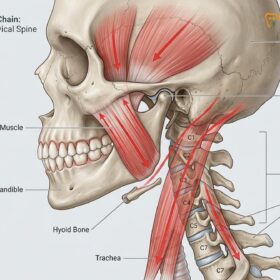
In a patient with temporomandibular joint dysfunction, the masticatory muscles are often in a state of chronic spasm or hyperactivity. This constant tension pulls the mandibular condyle upward and backward, compressing the delicate articular disc and the highly innervated retrodiscal tissues within the glenoid fossa. Furthermore, the teeth themselves often dictate a compromised jaw position; the jaw must shift into an unnatural alignment simply to allow the upper and lower teeth to interlock fully. When a flat-plane stabilization splint is worn overnight, it removes the interlocking of the teeth. Without the teeth dictating the jaw’s position, the hyperactive lateral pterygoid and masseter muscles finally begin to relax. As these muscles release their tension, the condyle naturally drops downward and forward into a more anatomically correct, decompressed position within the joint space.
The Return of Proprioceptive Memory
When you remove the appliance in the morning, your jaw is resting in this new, relaxed, and decompressed posture. However, your teeth are still in their original positions. Because the jaw has shifted slightly, the teeth no longer interlock exactly as they did the night before. This discrepancy between the relaxed jaw position and the physical arrangement of the teeth is what causes the bite to feel “off.” As the morning progresses, the brain realizes that the teeth are not fitting together efficiently for chewing. The central nervous system then commands the jaw muscles to tighten up again, pulling the jaw back into its old, compromised position so the teeth can interlock. This is why the altered bite sensation is transient, usually fading within 30 to 60 minutes after removing the appliance.
This daily cycle of nighttime relaxation and daytime muscle contraction highlights the core philosophy of therapeutic occlusal appliances. The goal is to provide the joint and muscles with a period of profound rest and healing during the night, mitigating the cumulative damage of daytime stress and nocturnal bruxism.
Clinical Safety Checkups and Calibration Schedule
Regular clinical calibrations are mandatory to ensure the splint maintains even occlusal contacts as your jaw muscles relax and the temporomandibular joint decompresses over time.
A custom TMJ splint is not a static device. Because the appliance actively changes the posture of your jaw and the tension in your muscles, the way your teeth contact the acrylic surface will inevitably shift over the first few weeks of wear. What was a perfectly balanced appliance on the day of delivery will likely become unbalanced as the condyle seats into a healthier position. Therefore, a structured schedule of clinical safety checkups and calibrations is a non-negotiable component of successful therapy. Failure to attend these follow-up appointments can result in the appliance introducing new, harmful forces to the joint, potentially exacerbating the very symptoms it was designed to treat.[4]
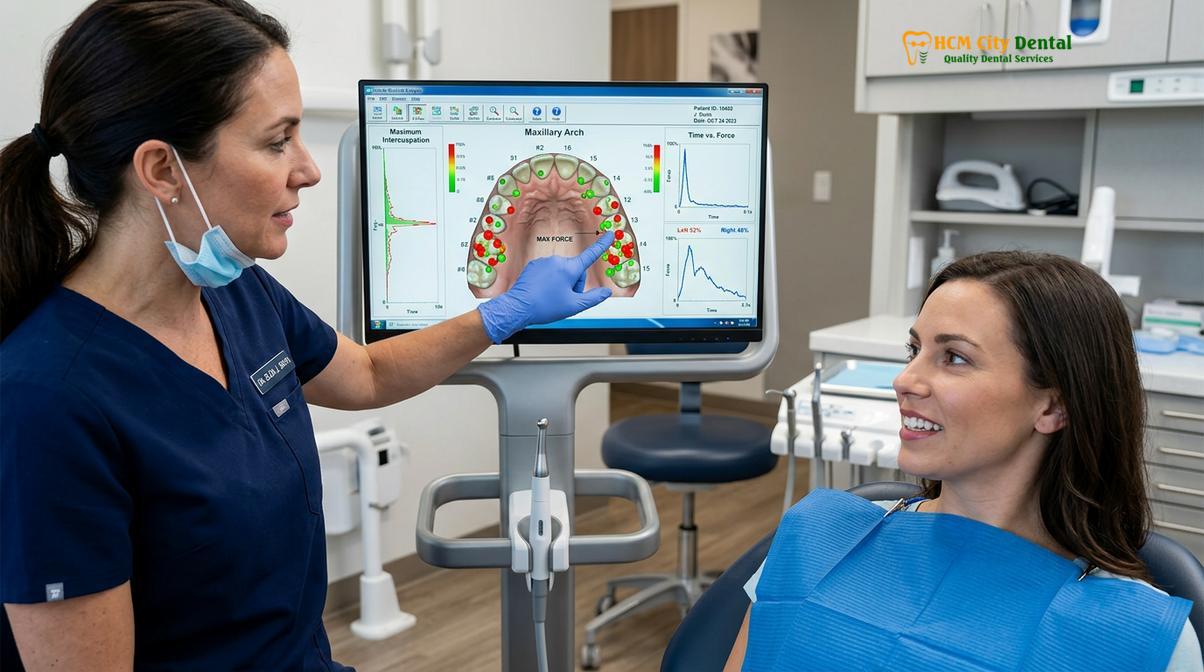
The Process of Occlusal Equilibration
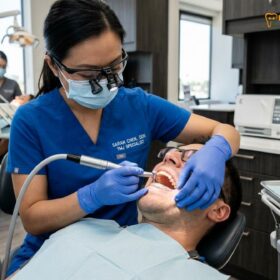
During a calibration appointment, the clinician’s primary objective is to verify that all lower teeth contact the flat surface of the upper splint simultaneously and with equal force. This is known as bilateral, simultaneous, pinpoint contact. To evaluate this, the dentist will use ultra-thin articulating paper to mark the points of contact while you tap your teeth together and grind side-to-side. Any heavy marks indicating premature contacts or interferences will be carefully reduced using an acrylic bur. This ongoing bite adjustment process ensures that the splint continues to provide a frictionless surface, allowing the jaw to move freely without triggering muscle spasms.
When to See a Doctor: Important Clinical Notes
Clinical Warning: Avoid Soft OTC Splints for TMD
Using soft, over-the-counter boil-and-bite mouthguards can worsen TMJ disorders. The spongy texture often encourages increased nocturnal clenching, leading to greater muscle fatigue and joint compression. Always consult a specialist for a hard, custom-calibrated acrylic splint if you experience jaw pain.
While mild discomfort is expected, severe pain, persistent bite changes, or worsening joint symptoms require immediate professional evaluation to prevent further complications.
It is vital to differentiate between normal adaptation symptoms and signs that the appliance requires immediate modification. If you experience sharp, localized pain in a specific tooth, this often indicates that the splint is placing excessive pressure on that individual tooth, which can lead to periodontal trauma if left unadjusted. Similarly, if your jaw pain or headaches significantly worsen after starting splint therapy, the device may be inadvertently increasing muscle tension or compressing the joint space further. In some complex cases, splint therapy alone may not be sufficient, and adjunctive treatments such as arthrocentesis or specialized injections may be required to manage severe intra-articular inflammation.[5]
Furthermore, according to guidelines established by the Vietnam Odonto-Stomatology Association (VOSA), patients undergoing occlusal therapy should be closely monitored for any signs of permanent occlusal shifting. If the sensation of an altered bite persists throughout the entire day and does not resolve within an hour of removing the appliance, you must discontinue use and contact your clinician. Persistent occlusal shifts suggest that the splint is acting as an unintended orthodontic device, which can lead to long-term bite instability.[6]
Case Study: Successful TMJ Splint Adaptation in Saigon
A structured adaptation protocol and regular clinical calibrations are essential for achieving long-term relief from temporomandibular joint disorders.
Consider the case of a 34-year-old patient who visited HCMC Dental Clinic in Ho Chi Minh City complaining of chronic morning headaches and severe jaw stiffness. Clinical examination revealed significant masseter hypertrophy and restricted mouth opening, indicative of severe nocturnal bruxism and TMJ dysfunction. The patient was fitted with a custom hard acrylic stabilization splint. During the first week, the patient reported hypersalivation and difficulty sleeping through the night without subconsciously removing the device. By following the recommended protocol of inserting the splint an hour before bedtime and practicing reading aloud, the patient successfully navigated the initial adaptation phase.
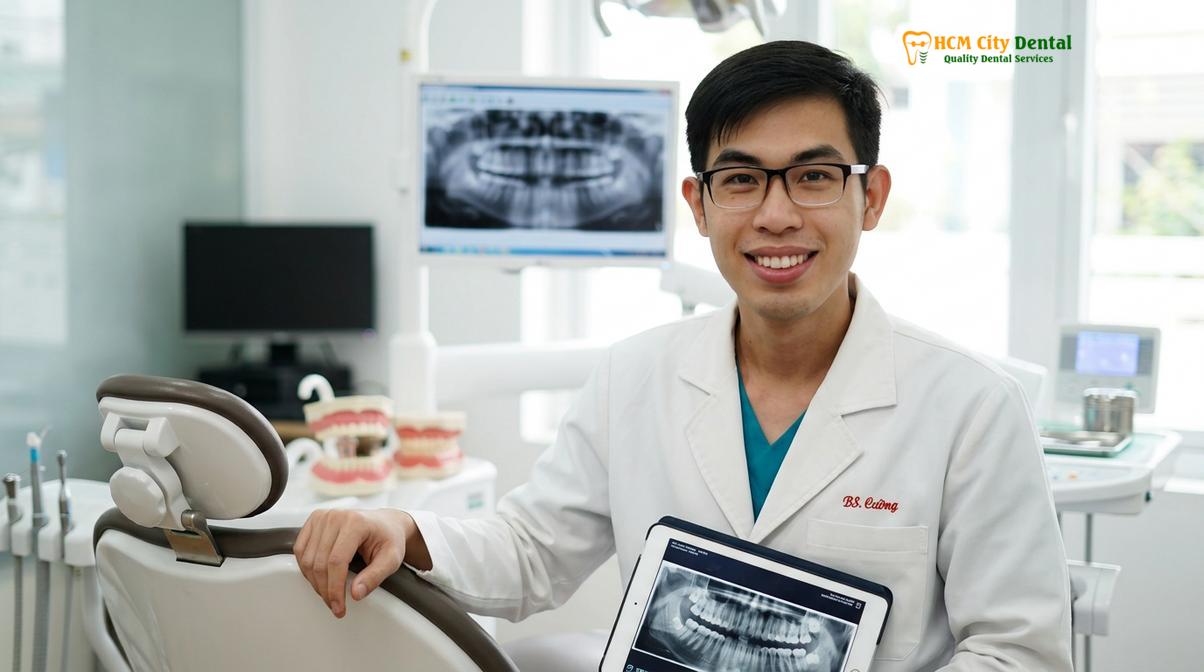
Dr. Nguyen Van Cuong, a leading specialist at HCMC Dental Clinic, emphasizes the importance of patient compliance during this critical initial phase. Dr. Cuong often combines splint therapy with other modalities, such as masseter Botox treatments, to achieve comprehensive neuromuscular relief for complex cases. His clinical approach ensures that each patient receives a highly personalized calibration schedule, monitoring the progressive relaxation of the masticatory muscles.
“Patience during the first two weeks of splint therapy is essential, as the central nervous system requires time to remap muscular engrams and accept the new occlusal posture. Consistent wear and attending scheduled calibrations are the cornerstones of successful joint decompression.”
By the third week of therapy, the patient’s hypersalivation had completely resolved, and they were sleeping soundly through the night with the appliance in place. More importantly, the frequency and intensity of their morning headaches had decreased significantly. This case highlights that while the initial adjustment to a TMJ splint can be challenging, adherence to clinical guidance and attending follow-up calibrations at a professional facility like HCMC Dental Clinic in Ho Chi Minh City can lead to profound improvements in quality of life. If you are struggling to adapt to your current appliance or are experiencing unresolved jaw pain, contact HCMC Dental Clinic, Ho Chi Minh City for a comprehensive evaluation and personalized treatment plan.
For detailed information on diagnostics and custom splint therapy options, visit our comprehensive TMJ & Jaw Pain Treatment Ho Chi Minh City guidelines.
References
- Journal of the American Dental Association. Occlusal splint therapy for temporomandibular disorders: a clinical review. (2020).
- Journal of Oral Rehabilitation. Efficacy of Michigan repositioning splints in TMD patients. (2019).
- Journal of Prosthetic Dentistry. Computerized occlusal analysis and bite mapping in TMJ therapy. (2021).
- Clinical Oral Investigations. Masseter Botox injections for chronic jaw pain and bruxism. (2018).
- International Journal of Oral and Maxillofacial Surgery. TMJ arthrocentesis and hyaluronic acid injections. (2022).
- Vietnam Odonto-Stomatology Association (VOSA). National clinical guidelines on the management of temporomandibular joint disorders. (2021).