Occlusal Splint vs Night Guard: Clinical Difference
Choosing between an occlusal splint vs night guard TMJ therapy depends entirely on your clinical diagnosis. A night guard primarily protects teeth from grinding friction, whereas a medical occlusal splint actively repositions the jaw to decompress the temporomandibular joint and treat complex TMJ disorders.
Clinical Summary:
While often confused by patients, occlusal splints and night guards serve fundamentally distinct clinical purposes in restorative dentistry and orofacial pain management. A standard night guard acts as a durable protective barrier against nocturnal bruxism, preventing enamel attrition and safeguarding dental restorations. Conversely, a therapeutic occlusal splint is a precisely calibrated orthopedic device designed to alter mandibular posture, relax hyperactive masticatory muscles, and facilitate jaw joint decompression. Proper diagnosis by a dental specialist is critical, as utilizing the wrong appliance—particularly soft, over-the-counter guards—can inadvertently exacerbate muscle spasms, alter occlusion, and worsen underlying joint dysfunction.
Key Takeaways:
- Night guards protect tooth enamel from grinding forces but do not correct underlying jaw alignment issues.
- Occlusal splints are specialized orthopedic devices that treat TMJ dysfunction, muscle pain, and joint inflammation.
- Soft, store-bought guards often trigger increased chewing reflexes, worsening jaw tension and muscle fatigue.
- Custom fabrication requires precise digital intraoral scanning and complex bite articulation.
- A thorough clinical diagnosis is essential to determine the correct appliance for your specific orofacial symptoms.
Understanding the Difference: Protection vs. Joint Therapy
A night guard shields teeth from physical wear, while an occlusal splint actively alters jaw mechanics to relieve joint pressure and muscle pain.
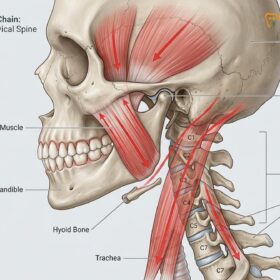
When patients present with jaw pain, morning headaches, or worn dentition, the initial assumption is often that a simple mouthguard will resolve the issue. However, the distinction between a therapeutic splint vs bite guard is profound. The masticatory system is highly complex, involving the temporomandibular joint (TMJ), the articular disc, a network of powerful muscles (including the masseter and temporalis), and the teeth themselves. Treating this system requires an understanding of whether the primary issue is muscular, articular, or purely dental.
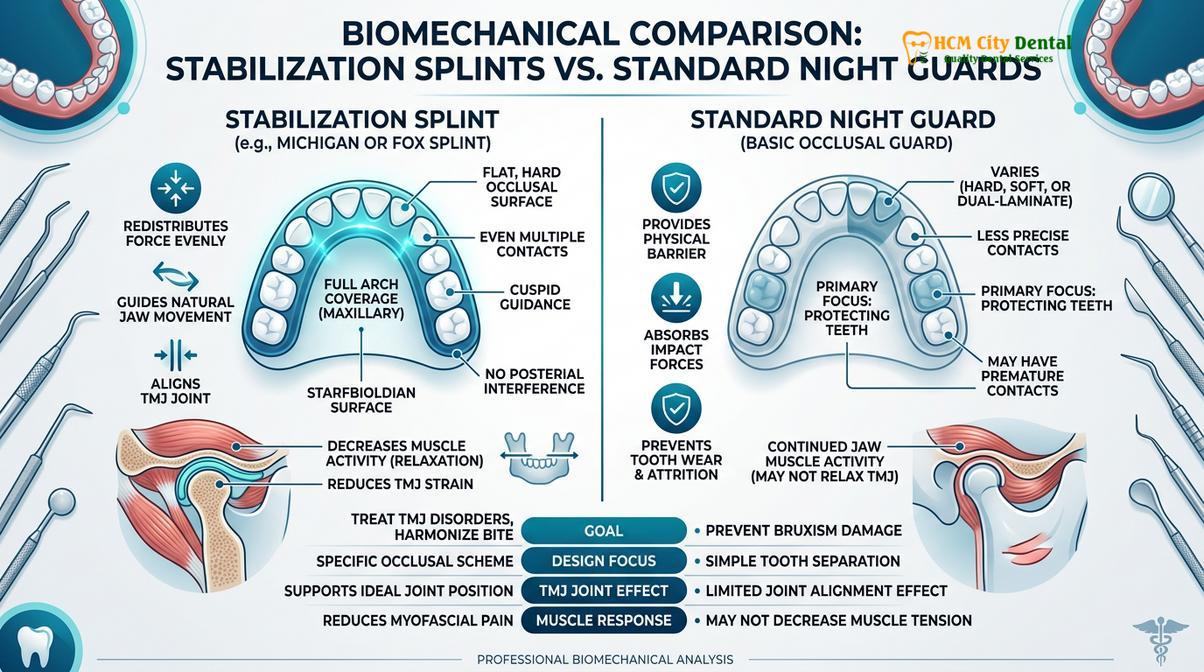
A standard night guard is primarily a defensive tool. Its main objective is to interpose a layer of acrylic or dual-laminate material between the maxillary (upper) and mandibular (lower) teeth. When a patient engages in nocturnal bruxism (teeth grinding), the acrylic absorbs the destructive forces, preventing the enamel from wearing down, chipping, or fracturing. It does not necessarily stop the grinding; rather, it changes the surface that is being ground down from irreplaceable human enamel to replaceable dental plastic.
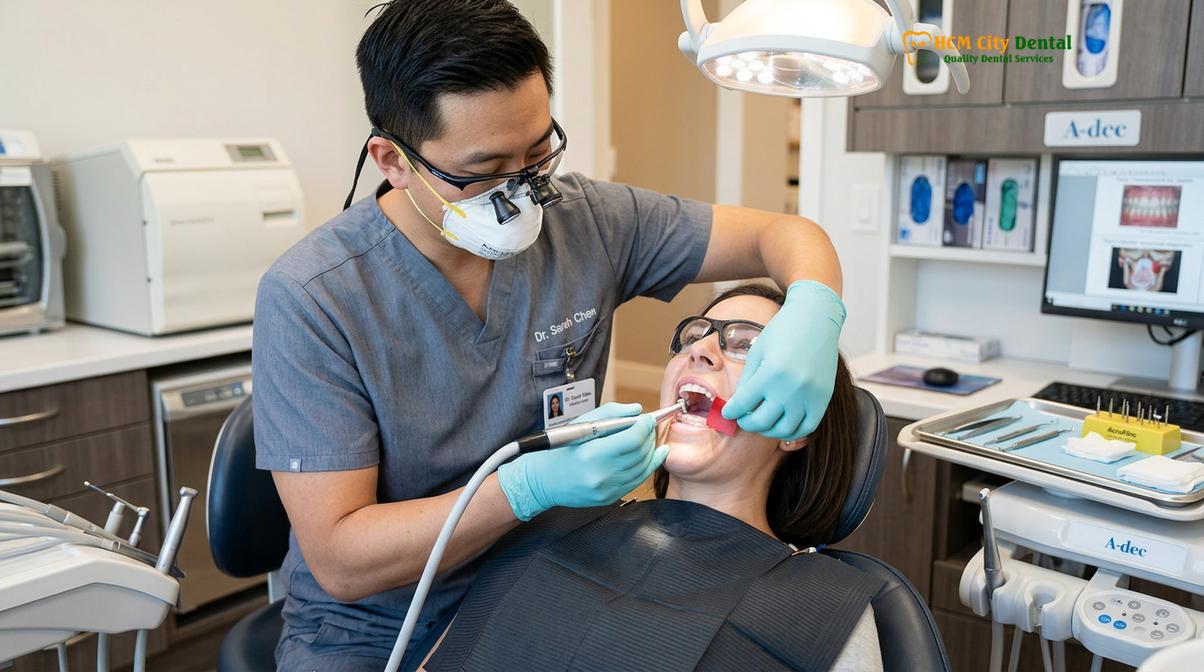
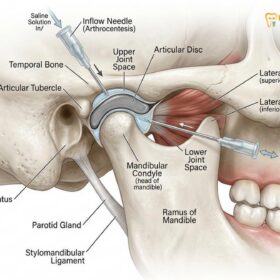
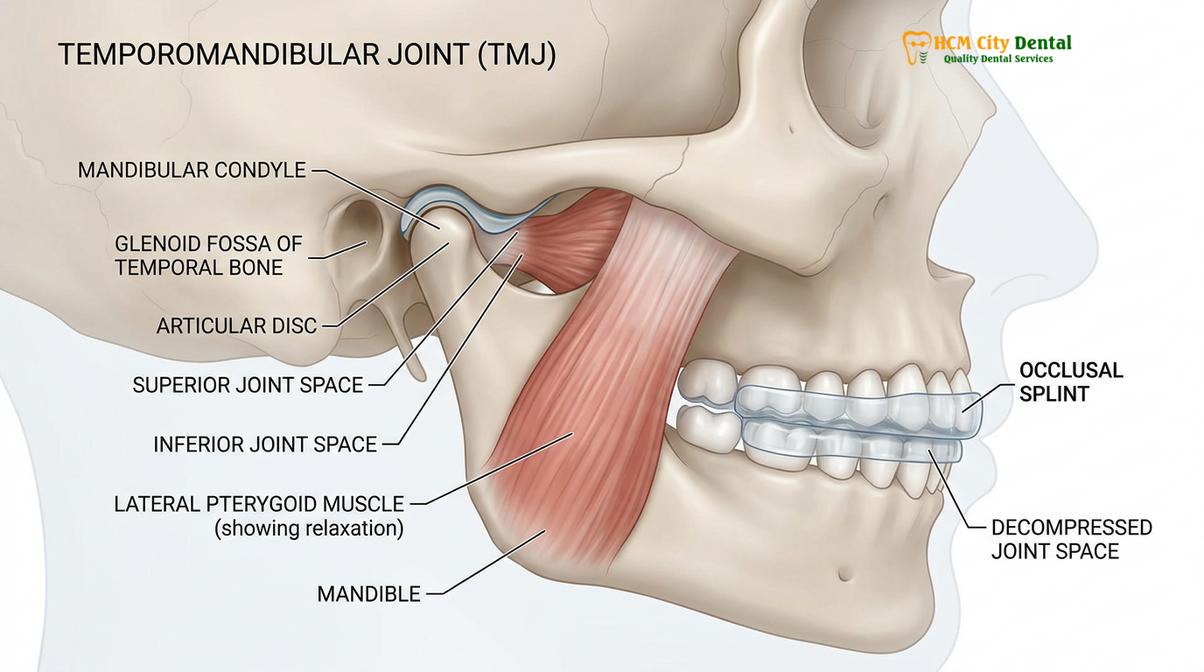
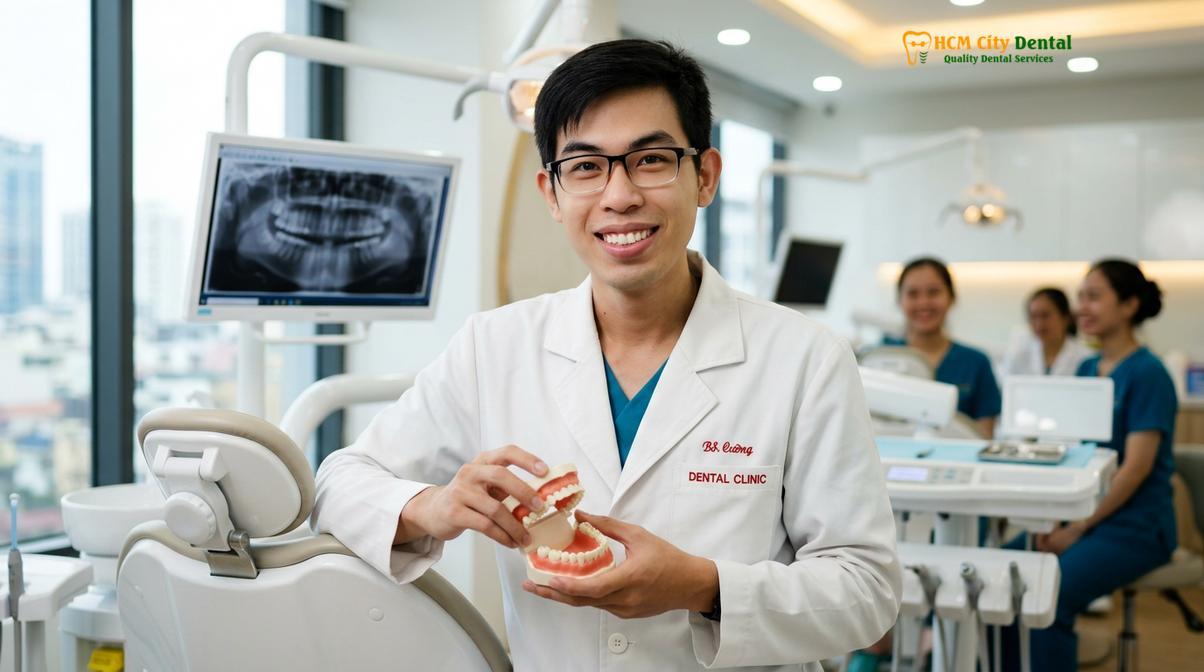
In contrast, an occlusal splint is an active therapeutic device. According to Dr. Nguyen Van Cuong, a leading specialist in restorative dentistry, an occlusal splint is designed to “deprogram” the jaw muscles and establish a harmonious neuromuscular bite position. When a patient has a TMJ disorder, their jaw may be resting in a pathological position due to malocclusion, stress, or trauma. This misalignment forces the muscles to work overtime to stabilize the jaw, leading to chronic spasms, lactic acid buildup, and pain. An occlusal splint provides a perfectly balanced biting surface that allows the condyle (the ball of the jaw joint) to seat itself in its most relaxed, superoanterior position within the glenoid fossa [1].
“The temporomandibular joint is unique in the human body because its movement is dictated by the precise intercuspation of the teeth. When the bite is misaligned, the joint suffers. An occlusal splint temporarily removes the teeth’s influence, allowing the joint and muscles to return to their natural, unstressed anatomical resting state.”
Understanding this biomechanical difference is the first step in seeking appropriate comprehensive TMJ treatment. Using a simple night guard when an orthopedic splint is required can leave the root cause of the joint dysfunction completely unaddressed, allowing the condition to deteriorate over time.
Medical Occlusal Splint: Restructuring Jaw and Bite Mechanics
Medical occlusal splints are custom-calibrated orthopedic devices designed to decompress the temporomandibular joint and establish a harmonious neuromuscular bite position.
The fabrication and application of a medical occlusal splint represent a sophisticated intersection of dental anatomy and orthopedic therapy. These devices are not one-size-fits-all; they are meticulously engineered based on a patient’s specific joint pathology. The primary goal of splint therapy is jaw joint decompression, which alleviates pressure on the highly innervated retrodiscal tissues behind the TMJ, thereby reducing inflammation and sharp pain [2].
There are several distinct types of occlusal splints, each serving a specific therapeutic function:
- Stabilization Splints (Michigan Splints): This is the most common type of therapeutic splint. It covers all the teeth in one arch (usually the upper) and provides a flat, highly polished surface for the opposing teeth to contact. By ensuring that all teeth touch simultaneously with equal force, it eliminates premature occlusal interferences that trigger muscle spasms.
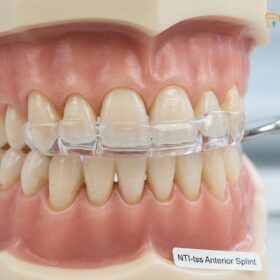
- Anterior Bite Planes: These splints only allow the front teeth to make contact, keeping the posterior (back) teeth completely separated. This design is highly effective at shutting down the powerful masseter and temporalis muscles, providing rapid relief for acute muscle tension headaches. However, they are typically used for short durations to prevent unwanted tooth shifting.
- Anterior Repositioning Splints: Used primarily for patients with a displaced articular disc (often characterized by a loud, painful clicking or locking of the jaw). This splint features an indentation that forces the lower jaw to rest in a slightly forward position, helping to “recapture” the displaced disc and restore smooth joint translation.
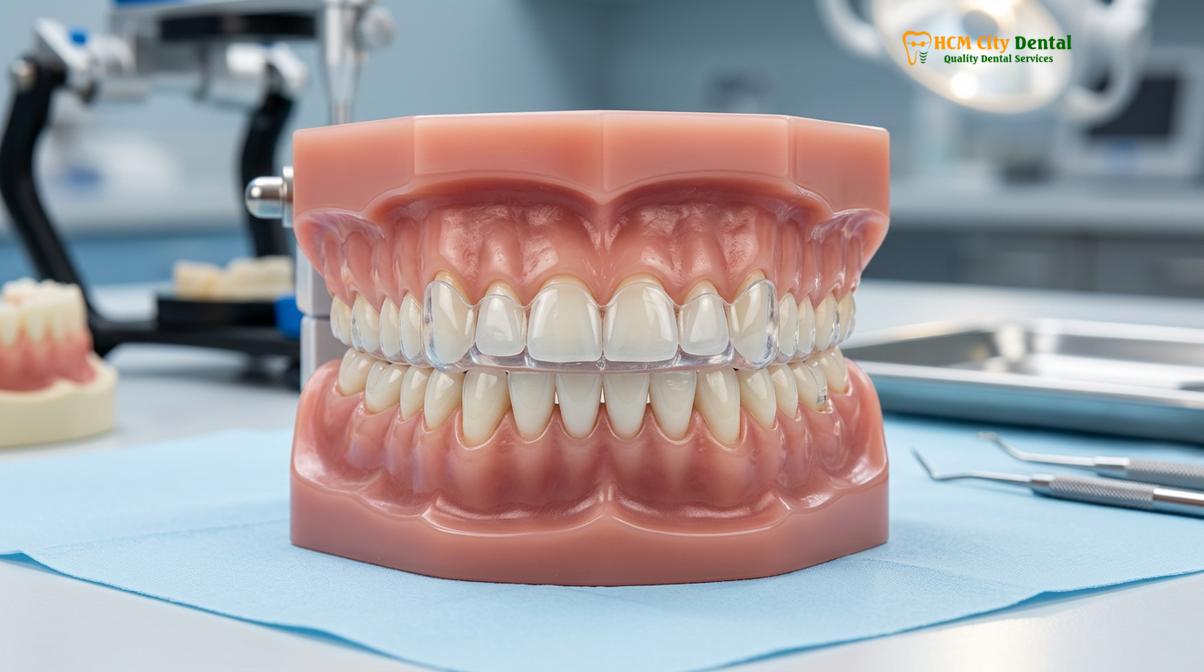
The process of creating a medical occlusal splint requires exacting precision. At advanced facilities, this begins with a comprehensive clinical examination, including 3D Cone Beam Computed Tomography (CBCT) to visualize the bony structures of the joint. Digital intraoral scanners capture the exact topography of the teeth, while computerized occlusal analysis (such as T-Scan technology) maps the dynamic forces of the patient’s bite in real-time [3].
| Feature | Standard Night Guard | Medical Occlusal Splint |
|---|---|---|
| Primary Purpose | Protect enamel from grinding friction | Reposition jaw, relax muscles, treat TMJ |
| Material | Hard acrylic or dual-laminate | Rigid, highly polished hard acrylic |
| Occlusal Surface | Follows natural tooth contours | Flat or specifically ramped for guidance |
| Clinical Adjustment | Minimal adjustment needed | Requires precise, ongoing micro-adjustments |
| Target Condition | Asymptomatic bruxism (teeth grinding) | TMD, myofascial pain, disc displacement |
Once the splint is milled from a solid block of high-grade polymethyl methacrylate (PMMA), the critical phase of clinical adjustment begins. The dentist will use ultra-thin articulating paper to mark exactly where the teeth contact the splint. The surface is then micro-adjusted until the contacts are perfectly even. As the patient’s jaw muscles relax over the following weeks, their jaw posture will naturally shift, requiring follow-up appointments to recalibrate the splint to the new, healthier jaw position.
Standard Night Guard: Preventing Enamel Friction and Attrition
Custom night guards provide a durable acrylic barrier that absorbs the extreme forces of nocturnal bruxism, safeguarding tooth enamel and dental restorations.
While occlusal splints handle complex joint mechanics, the standard custom night guard remains the gold standard for managing isolated nocturnal bruxism. Bruxism is a parafunctional habit characterized by the involuntary clenching and grinding of teeth, most commonly occurring during sleep. The forces generated during sleep bruxism can exceed 250 pounds per square inch—vastly more force than is used during normal chewing.
Over time, this immense pressure leads to severe dental attrition. Enamel is worn flat, exposing the softer, yellow dentin underneath. This not only causes extreme tooth sensitivity but also compromises the structural integrity of the teeth, leading to micro-fractures, abfractions at the gumline, and eventually, tooth loss. Furthermore, patients who have invested in restorative work, such as custom porcelain veneers or crowns, are at a high risk of fracturing their restorations if they grind their teeth at night without protection.
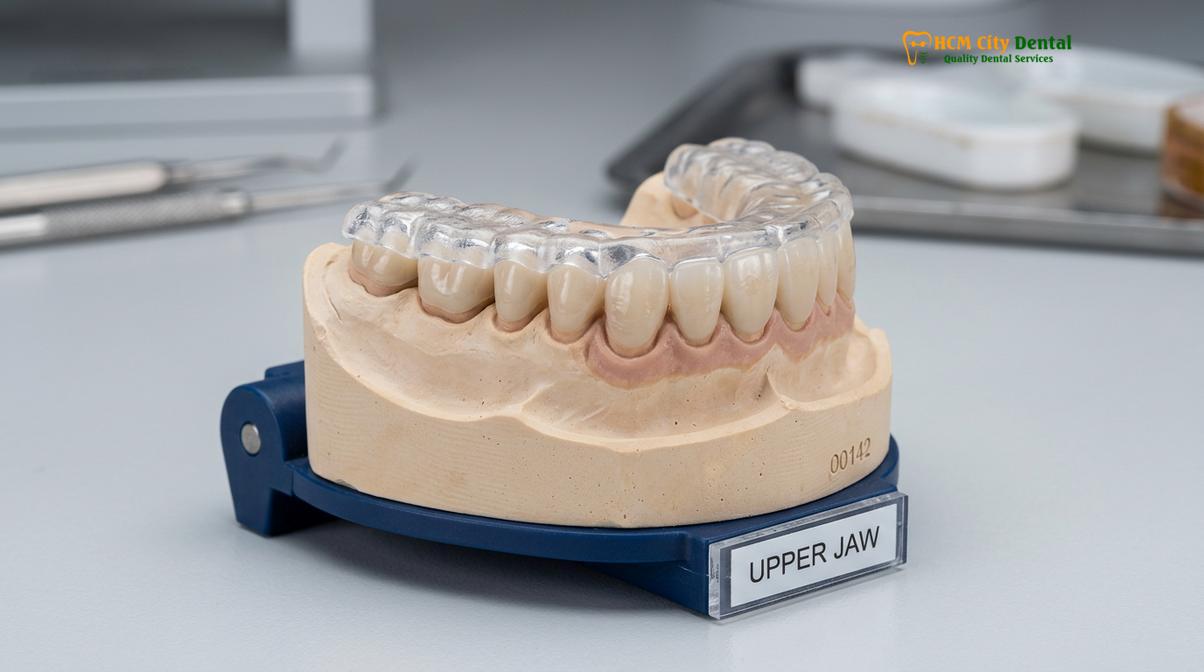
A professionally fabricated custom night guard is designed to absorb these destructive forces. Unlike a splint, which aims to change the bite, a night guard simply provides a protective cushion. The materials used for custom night guards vary based on the severity of the bruxism:
- Hard Acrylic Guards: Ideal for severe grinders. They are highly durable and resist the heavy forces of clenching without deforming.
- Dual-Laminate Guards: These feature a hard acrylic outer shell for durability and a soft, comfortable inner lining that rests against the teeth. They are excellent for moderate grinders who prioritize comfort.
- Soft Guards: Generally only recommended for very light clenching or as temporary protection, as they can sometimes encourage chewing habits (discussed in the next section).
Clinical Case Study: Managing Severe Attrition
A 34-year-old patient visited HCMC Dental Clinic in Ho Chi Minh City presenting with generalized tooth sensitivity and visibly flattened anterior teeth. The patient reported waking up with a tired jaw but no sharp joint pain. Clinical examination revealed severe nocturnal bruxism. Because the TMJ was structurally sound, Dr. Cuong prescribed a custom hard-acrylic night guard. Within two weeks, the patient reported a complete cessation of morning jaw fatigue, and the progression of enamel wear was successfully halted, protecting the patient’s natural dentition from further irreversible damage.
The fit of a custom night guard is paramount. It must be retentive enough to stay securely in place throughout the night without placing undue orthodontic pressure on the teeth, which could cause them to shift. This precise fit is achieved through accurate digital impressions and expert laboratory fabrication, ensuring the appliance is both highly effective and comfortable enough to ensure patient compliance.
Design and Material Differences
Night guards are typically made from softer or dual-laminate materials for comfort, whereas occlusal splints utilize rigid, hard acrylics to provide precise bite stabilization and prevent muscle engagement.
The structural design and material science behind a night guard vs occlusal splint are dictated by their distinct clinical objectives. The choice of polymer, the thickness of the appliance, and the extent of dental arch coverage are all carefully calculated variables.
Materials Used in Night Guards
Because the goal of a night guard is force absorption and patient compliance during sleep, materials tend to prioritize a balance of durability and comfort. There are three primary categories:
- Soft EVA (Ethylene Vinyl Acetate): These are flexible, rubber-like guards. They are highly comfortable and suitable for mild clenchers. However, they are generally contraindicated for heavy grinders, as the soft material can degrade quickly and, in some cases, stimulate a chewing reflex that increases muscle activity.
- Dual-Laminate (Hybrid): This is the most common prescription for moderate bruxism. The appliance features a soft, comfortable inner layer that rests against the teeth and gums, combined with a rigid, durable outer shell (often PETG or similar hard polymers) to withstand grinding forces.
- Hard Acrylic/Resin: Used for severe bruxism, these are made from rigid materials (like PMMA) to prevent rapid wear. While similar in material to some splints, their design lacks the complex orthopedic bite ramps found in true TMJ therapy devices.
Materials and Design of Occlusal Splints
An occlusal splint must be entirely rigid. If a dental splint has any “give” or flexibility, it cannot effectively deprogram the jaw muscles or provide a stable orthopedic stop for the condyle. Splints are typically fabricated from heat-cured polymethyl methacrylate (PMMA), milled from solid pucks of polyetheretherketone (PEEK), or 3D printed using advanced biocompatible resins[2].
The design of a TMJ splint is highly intricate. It often incorporates specific features such as anterior guidance ramps, canine risers, and perfectly flat posterior occlusal contacts. These features ensure that when the patient closes their mouth, all teeth contact the splint simultaneously and evenly, with forces directed along the long axis of the teeth. When the jaw moves side to side, the splint is designed to immediately disocclude (separate) the back teeth, shutting down the powerful masseter and temporalis muscles.
| Feature | Night Guard | Occlusal Splint |
|---|---|---|
| Primary Material | Soft EVA, Dual-laminate, or basic hard acrylic | Rigid PMMA, Milled PEEK, or 3D printed hard resin |
| Clinical Goal | Protect teeth from wear and fracture | Treat TMJ disorders, relax muscles, realign bite |
| Flexibility | Often slightly flexible for comfort | Strictly rigid to provide orthopedic stability |
| Occlusal Surface | Generally flat or slightly indented by opposing teeth | Highly calibrated with specific guidance ramps |
| Adjustment Frequency | Rarely needs adjustment after initial delivery | Requires frequent adjustments as muscles relax |
Why Store-Bought Soft Guards Can Worsen TMJ Spasms
Over-the-counter soft guards often stimulate the brain’s chewing reflex, leading to increased muscle hyperactivity and worsening TMJ pain.
One of the most common and detrimental mistakes patients make when experiencing jaw pain is purchasing an over-the-counter (OTC) “boil-and-bite” mouthguard from a pharmacy. While these products are marketed as quick, inexpensive fixes for teeth grinding, the store-bought mouthguard dangers are well-documented in dental literature. In many cases, these soft appliances actively exacerbate the very conditions they claim to treat [4].
The primary issue lies in the material and the lack of occlusal calibration. OTC guards are typically made of a soft, rubbery thermoplastic. When this spongy material is introduced between the teeth, it triggers a proprioceptive response in the brain. The brain interprets the soft, yielding texture as a bolus of food, which subconsciously stimulates the masticatory muscles to begin chewing. Instead of relaxing the jaw, the soft guard encourages the masseter and temporalis muscles to clench and grind even harder throughout the night.
Clinical Warning: The Risk of OTC Guards
Prolonged use of soft, uncalibrated boil-and-bite guards can lead to severe muscle hypertrophy (enlargement of the jaw muscles), increased lactic acid buildup, and acute TMJ pain. Furthermore, because these guards do not provide even contact for all teeth, they can cause the back teeth to super-erupt, permanently altering your bite and requiring extensive orthodontic correction.
Furthermore, because OTC guards are molded at home by the patient, they never provide a balanced occlusal surface. Some teeth will hit the guard prematurely, while others will not touch it at all. This uneven distribution of force places immense, localized stress on specific teeth and torques the temporomandibular joint, leading to joint inflammation and disc displacement.
“A dental appliance must provide a stable, frictionless surface to allow the neuromuscular system to rest. Soft, rubbery materials do the exact opposite—they act as a chew toy for the subconscious mind, turning mild clenching into severe, destructive muscle hyperactivity.”
For patients who have invested in dental implants or complex restorative work, the uneven forces generated by a poorly fitting OTC guard can even lead to implant failure or the fracturing of porcelain crowns. A custom-fabricated, hard acrylic appliance is the only clinically sound method for managing bruxism and TMJ disorders safely.
Clinical Diagnostics: How We Choose the Right Appliance
Accurate treatment requires comprehensive diagnostics, including 3D imaging and digital bite mapping, to design a precisely fitted appliance.
Determining whether a patient requires a simple night guard or a complex occlusal splint is not a matter of guesswork; it is a rigorous diagnostic process. At HCMC Dental Clinic, the evaluation begins with a detailed patient history, focusing on the onset, duration, and specific triggers of the orofacial pain. We assess whether the pain is primarily muscular (myofascial pain) or articular (originating from within the joint capsule itself) [5].
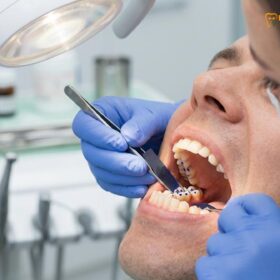
Clinical palpation of the masticatory muscles helps identify trigger points and muscle hypertrophy. We also evaluate the patient’s range of motion, measuring maximum mouth opening and lateral excursions to check for restrictions or deviations that indicate a displaced articular disc. Joint auscultation (listening to the joint) is performed to detect clicking, popping, or crepitus (a grinding sound indicating bone-on-bone friction).
If structural joint damage or severe malocclusion is suspected, advanced imaging such as CBCT is utilized to evaluate the condylar position and the integrity of the cortical bone. Based on this comprehensive data, Dr. Nguyen Van Cuong and the clinical team will formulate a targeted treatment plan. If the diagnosis is isolated sleep bruxism with no joint pathology, a custom night guard is prescribed. If the diagnosis involves TMD, muscle spasms, or disc displacement, a specific type of occlusal splint is meticulously designed to rehabilitate the masticatory system.
Cost Comparison
Occlusal splints generally cost significantly more than standard night guards due to the complex diagnostic work, precise neuromuscular calibration, and multiple follow-up adjustments required for TMJ therapy.
When evaluating a night guard vs occlusal splint, the financial investment varies considerably, reflecting the difference in clinical complexity. A standard custom night guard is a relatively straightforward appliance to fabricate. The clinical workflow involves taking a digital scan or physical impression, which is then sent to a dental laboratory (or milled/printed in-house). The delivery appointment is usually brief, requiring only minor adjustments to ensure comfort and even contact. Consequently, the cost is generally moderate and often partially covered by dental insurance under preventative or basic restorative categories.
In contrast, an occlusal splint represents a comprehensive medical treatment protocol rather than just a product. The higher cost of a TMJ splint accounts for several critical factors:
- Advanced Diagnostics: Splint therapy often requires detailed joint imaging, muscle analysis, and the recording of the jaw’s centric relation.
- Complex Fabrication: The laboratory process is more intricate, often requiring the use of a semi-adjustable articulator and facebow transfer to replicate the patient’s exact jaw movements.
- Premium Materials: The rigid, biocompatible polymers used for orthopedic splints are often more costly to process than flexible guard materials.
- Ongoing Clinical Time: The fee for a splint typically includes multiple follow-up visits over several months. As the jaw muscles deprogram and the joint position shifts, the dentist must meticulously adjust the splint’s biting surface to maintain therapeutic efficacy[5].
While the initial cost of splint therapy is higher, it is a crucial investment for patients suffering from TMD. Ignoring joint pathology or attempting to treat it with an inadequate over-the-counter guard can lead to irreversible joint damage, requiring far more invasive and expensive surgical interventions in the future.
When to See a Doctor for Jaw Pain and Bruxism
While occasional jaw fatigue after a stressful day is common, chronic orofacial pain requires professional evaluation. Delaying treatment for TMJ disorders or severe bruxism can lead to irreversible damage to the teeth and the joint structures. You should schedule a clinical consultation if you experience any of the following symptoms:
- Chronic Jaw Pain: Persistent aching or sharp pain in the jaw joint, especially upon waking or while chewing.
- Restricted Movement: Difficulty opening your mouth fully, or experiencing episodes where the jaw “locks” in an open or closed position.
- Joint Noises: Loud clicking, popping, or grating sounds in the jaw joint accompanied by pain or stiffness.
- Severe Tooth Wear: Noticeable flattening, chipping, or fracturing of your teeth, or sudden, unexplained tooth sensitivity.
- Frequent Headaches: Chronic tension headaches, particularly those radiating from the temples or the back of the neck, which are often linked to masseter muscle hyperactivity.
It is important to note that while custom dental appliances have a high success rate in managing these conditions, they are part of a broader therapeutic approach. Treatment may also include physical therapy, stress management, or in some cases, orthodontic correction. A personalized clinical examination is essential to determine the safest and most effective course of action for your specific needs. If you are experiencing these symptoms, we encourage you to contact our clinical team to schedule a comprehensive evaluation.
Frequently Asked Questions
Can a soft night guard make me grind more?
Yes, soft night guards can inadvertently increase grinding. The spongy material often triggers a subconscious chewing reflex during sleep, which can lead to increased muscle hyperactivity, worsening jaw tension, and exacerbating TMJ pain over time. For this reason, dental professionals generally recommend hard or dual-laminate custom guards that provide a firm, smooth surface, allowing the jaw muscles to relax rather than engage.
Do I need a splint if I only have mild teeth grinding?
For mild, asymptomatic teeth grinding without joint pain, a standard hard night guard is usually sufficient. An occlusal splint is typically reserved for patients experiencing structural joint dysfunction, muscle spasms, or restricted jaw movement. A night guard will effectively protect your enamel from wear, whereas a splint is an orthopedic intervention designed to change your bite and decompress the temporomandibular joint.
Can a dentist make a custom night guard in 24 hours?
Yes, with advanced digital dentistry, a custom night guard can often be fabricated within 24 hours. Intraoral scanners and in-house 3D printing or milling machines allow clinics to rapidly design and produce precise, comfortable appliances. This eliminates the need for messy traditional impressions and significantly reduces the waiting time, providing prompt protection for your teeth.
How long does it take for an occlusal splint to relieve TMJ pain?
Many patients notice a reduction in muscle tension within the first few days of wearing an occlusal splint. However, significant relief from chronic joint inflammation and structural TMJ pain typically requires several weeks of consistent, prescribed use. The splint allows the joint to decompress and heal, but the timeline varies depending on the severity of the underlying pathology and patient compliance.
How do I clean and maintain my custom dental appliance?
Clean your appliance daily using a soft toothbrush and mild, non-abrasive soap or specialized retainer cleaner. Avoid hot water, which can warp the acrylic, and store it in a ventilated case when not in use to prevent bacterial growth. Never use harsh chemicals or abrasive toothpaste, as these can scratch the surface of the guard, creating micro-crevices where plaque and bacteria can accumulate.
Is a night guard the same as a splint?
No, a night guard is not the same as a splint. A night guard primarily protects teeth from grinding damage, whereas an occlusal splint is a therapeutic orthopedic device designed to reposition the jaw and treat temporomandibular joint disorders. While both are worn over the teeth, their clinical purposes, designs, and materials differ significantly. Night guards act as shock absorbers, while splints actively alter the neuromuscular function of the jaw.
Do I need a splint or a guard for TMJ?
For TMJ disorders, you generally need an occlusal splint rather than a standard night guard. A splint provides the rigid structural support necessary to deprogram jaw muscles and stabilize the joint. Using a soft night guard for TMJ issues can sometimes worsen the condition, as the chewy material may encourage hyperactive jaw muscles to clench more intensely. A thorough clinical examination is required to determine the exact type of splint needed.
Can a night guard replace an occlusal splint?
A night guard cannot replace an occlusal splint if you have been diagnosed with a temporomandibular joint disorder or severe neuromuscular dysfunction. Night guards lack the precise, rigid occlusal scheme required to realign the jaw or relieve joint pressure. Substituting a prescribed splint with a basic night guard will leave the underlying joint pathology untreated and may lead to worsening pain, muscle spasms, or further joint deterioration.
References
- Journal of the American Dental Association. Occlusal splint therapy for temporomandibular disorders: a clinical review. (2020).
- Journal of Oral Rehabilitation. Efficacy of Michigan repositioning splints in TMD patients. (2019).
- Journal of Prosthetic Dentistry. Computerized occlusal analysis and bite mapping in TMJ therapy. (2021).
- Clinical Oral Investigations. Masseter muscle hyperactivity and the effects of soft occlusal appliances. (2018).
- International Journal of Oral and Maxillofacial Surgery. Diagnostic criteria for temporomandibular disorders and appliance selection. (2022).
For more information on restorative dentistry and specialized care, learn more about our clinical team and our commitment to advanced dental health.