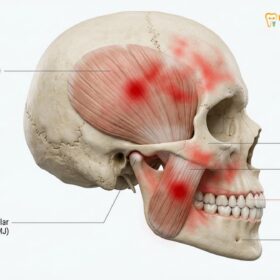
The connection between the temporomandibular joint (TMJ), neck pain, and posture is a complex biomechanical and neurological relationship. Poor cervical posture alters jaw alignment, increasing muscle tension, while a misaligned bite forces the neck to compensate, creating a cycle of chronic discomfort.
Clinical Summary:
The TMJ and cervical spine operate as a unified craniomandibular system. Forward head posture shifts the mandible backward, compressing the temporomandibular joint and straining facial muscles. Conversely, dental malocclusion triggers compensatory neck muscle spasms. Effective clinical treatment requires an integrative approach, utilizing custom orthotic splints to stabilize the bite alongside targeted physical therapy to correct cervical alignment, thereby breaking the cycle of referred pain mediated by the trigeminocervical nucleus.
Key Takeaways:
- The jaw and neck are neurologically linked, allowing pain to refer seamlessly between the two regions.
- Forward head posture forces the lower jaw backward, compressing the TMJ and straining the airway.
- Chronic occlusion neck muscle strain often mimics primary cervical spine disorders, complicating diagnosis.
- Custom nightguards and occlusal splints help decompress the joint and relax associated musculature.
- Comprehensive treatment requires addressing both dental occlusion and cervical spine posture simultaneously.
The Body’s Kinetic Chain: TMJ and Cervical Posture
The temporomandibular joint and cervical spine function as an interconnected biomechanical system, where structural imbalances in the neck directly alter jaw mechanics and vice versa.
To understand the profound connection between the jaw and the neck, one must first examine the body’s kinetic chain. The human head, weighing approximately 10 to 12 pounds, is delicately balanced atop the cervical spine, specifically articulating with the atlas (C1) and axis (C2) vertebrae. The mandible (lower jaw) is suspended beneath the skull by a complex, highly coordinated sling of muscles, ligaments, and fascia. Because the mandible is a free-floating bone connected to the skull at the temporomandibular joints, its resting position is entirely dependent on the orientation of the head and neck.
When cervical spine posture deviates from its neutral, vertical axis, the resting posture of the mandible inevitably changes. The muscles of mastication (chewing) and the muscles of the anterior and posterior neck operate in a state of dynamic equilibrium. The hyoid bone, located in the anterior neck, serves as a crucial anchor point for muscles connecting the jaw, cranium, and clavicle. If the muscles on one side of this system become hypertonic (overly tight) due to poor posture, the opposing muscles must elongate and weaken to compensate, leading to a structural imbalance that places immense stress on the TMJ capsule.
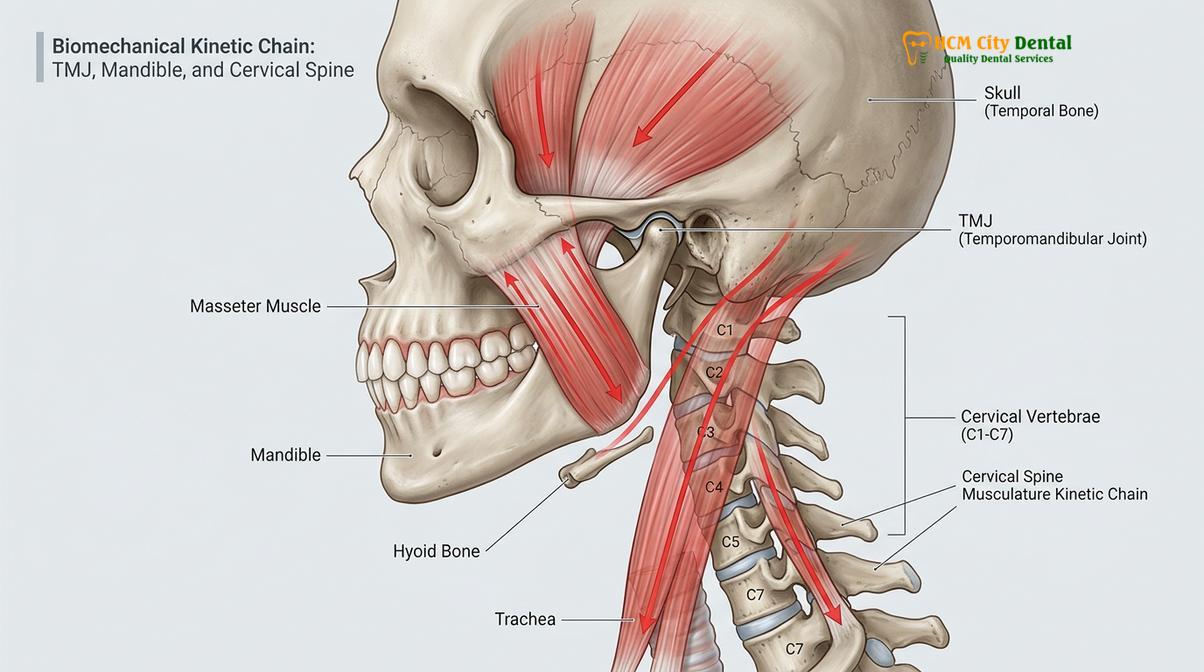
From a clinical perspective, evaluating the TMJ in isolation without assessing the cervical spine often leads to incomplete diagnoses. Dr. Nguyen Van Cuong, a leading specialist at HCMC Dental Clinic in Ho Chi Minh City, frequently notes the importance of this dual evaluation. “We consistently observe that patients presenting with chronic jaw tension and restricted mouth opening also exhibit significant cervical misalignment,” Dr. Cuong explains. “Treating the jaw without addressing the neck is like aligning the tires of a car while ignoring a bent chassis.” This holistic understanding forms the foundation of modern, evidence-based comprehensive TMJ therapy.
Furthermore, the kinetic chain extends beyond the neck. Chronic TMJ dysfunction can lead to a cascade of postural adaptations that travel down the spine, affecting the shoulders, upper back, and even the lumbar region. Patients often report that their chronic shoulder tension improves significantly once their bite is stabilized and their jaw muscles are relaxed, highlighting the far-reaching systemic impact of craniomandibular health.
The Trigeminocervical Nucleus: The Neurological Link for Referred Neck Pain
The trigeminocervical nucleus acts as a neurological relay center where sensory fibers from the jaw and upper neck converge, explaining why TMJ dysfunction frequently manifests as severe neck stiffness.
While the biomechanical connection between the jaw and neck is significant, the neurological connection is arguably even more profound. The primary nerve responsible for sensation in the face, teeth, and temporomandibular joint is the trigeminal nerve (Cranial Nerve V). This massive nerve complex branches into three main divisions, providing sensory input from the forehead down to the lower jaw. However, the sensory fibers of the trigeminal nerve do not simply travel straight to the brain; they descend into the upper region of the spinal cord.
In the upper spinal cord, these trigeminal nerve fibers synapse in a specialized cluster of neurons known as the trigeminocervical nucleus. Crucially, this exact same nucleus also receives sensory input from the upper cervical spinal nerves (C1, C2, and C3), which innervate the muscles and joints of the upper neck and the back of the head. Because sensory information from both the jaw and the neck pools into this single neurological relay station, the brain often struggles to pinpoint the exact origin of the pain.[1]
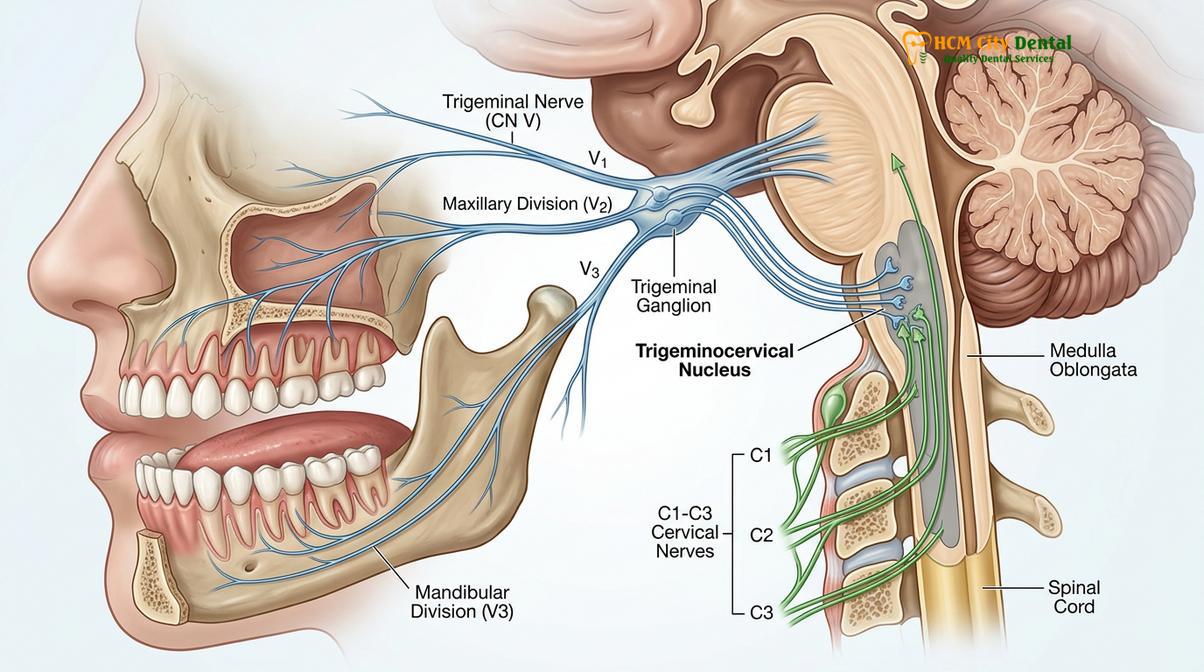
“Because sensory inputs from the temporomandibular joint and the upper cervical spine share the same neural pathways, isolated treatment of either region often yields incomplete resolution of chronic orofacial pain.”
This phenomenon, known as central sensitization and referred pain, is the primary reason why a patient with a perfectly healthy neck might experience debilitating cervical stiffness simply because they are clenching their teeth at night. The brain misinterprets the nociceptive (pain) signals originating from the inflamed TMJ as coming from the cervical spine. This is clinically referred to as occlusion neck muscle strain, a condition where dental malocclusion directly triggers sympathetic muscle spasms in the neck and shoulders.
Understanding the trigeminocervical nucleus is vital for accurate diagnosis. Many patients spend years seeking treatment for chronic neck pain, undergoing physical therapy, chiropractic adjustments, and massage, only to experience temporary relief. If the root cause of the neurological irritation is an unstable bite or chronic bruxism, the neck muscles will continuously receive signals to contract and guard the area. Only by stabilizing the trigeminal nerve input—often through the use of custom stabilization splints—can the neurological feedback loop be broken, allowing the cervical muscles to finally relax.[2]
Forward Head Posture: A Direct Consequence of Retruded Jaw Position
Forward head posture forces the mandible into a retruded position to maintain airway patency, leading to chronic compression of the temporomandibular joint and surrounding tissues.
In modern society, the prevalence of “tech neck”—a postural deformity characterized by the head protruding forward of the shoulders—has reached epidemic proportions. Prolonged use of smartphones, computers, and tablets forces the cervical spine out of its natural lordotic curve. For every inch the head moves forward from its ideal center of gravity, the load on the cervical spine and its supporting musculature increases by approximately 10 pounds. However, the impact of forward head posture on the jaw is equally devastating.
When the head shifts forward, the muscles attached to the front of the neck (the infrahyoid and suprahyoid muscles) are pulled taut. This tension exerts a constant, downward and backward force on the mandible. To compensate for this pull and to keep the teeth together, the powerful elevator muscles of the jaw (the masseter and temporalis) must work in overdrive. This constant isometric contraction leads to severe muscle fatigue, lactic acid buildup, and the classic symptoms of TMJ disorder.[3]
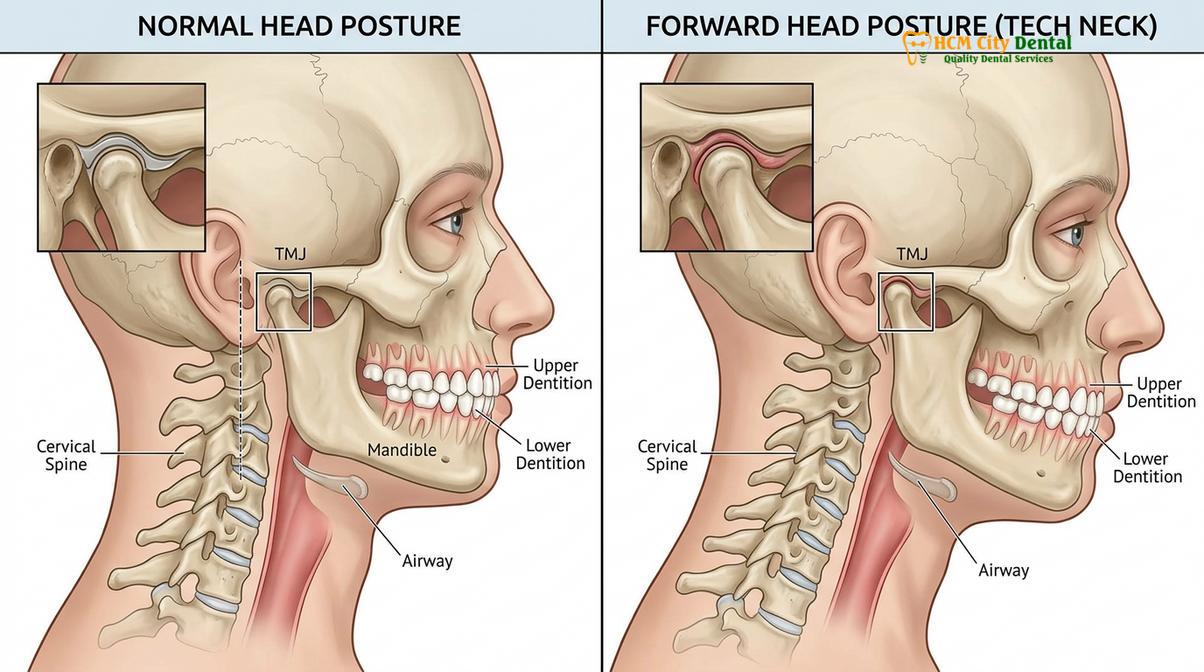
Furthermore, this backward pull forces the condyle (the ball of the jaw joint) to seat too far back within the glenoid fossa (the socket). This retruded position compresses the highly innervated and vascularized retrodiscal tissues located behind the joint, causing acute inflammation and sharp pain. Over time, this compression can force the protective articular disc out of place, leading to the clicking, popping, and locking characteristic of internal derangement of the TMJ.
| Clinical Indicator | Primary TMJ Dysfunction | Primary Cervical Posture Issue |
|---|---|---|
| Pain Location | Pre-auricular (front of ear), masseter, temples | Base of skull, upper trapezius, back of neck |
| Aggravating Factors | Chewing tough foods, yawning, speaking | Prolonged sitting, looking down at screens |
| Joint Sounds | Clicking, popping, or grating in the jaw | Crepitus or grinding sounds in the neck |
| Range of Motion | Limited mouth opening, jaw deviation | Restricted neck rotation or extension |
Interestingly, the relationship is bidirectional. In some cases, a retruded jaw position is the primary issue, often caused by a deep overbite or a narrow dental arch. When the jaw is forced backward by the bite, it can impinge on the patient’s airway, especially during sleep. To open the airway and breathe more easily, the body unconsciously postures the head forward. This is frequently observed in pediatric bruxism cases, where early orthodontic intervention is critical to guide proper facial growth and prevent lifelong postural adaptations. In adults, correcting the bite through precise occlusal equilibration can often naturally resolve the forward head posture, as the airway is no longer compromised.
Integrative Therapy: Combining Dental Splints with Posture Adjustment
Effective management of TMJ and neck pain requires a multidisciplinary protocol that utilizes custom dental orthotics to stabilize the bite while actively correcting cervical alignment.
Because the jaw and neck are so intimately connected, treating one without the other often leads to clinical failure. An integrative approach is essential for long-term success. The first phase of treatment typically focuses on decompressing the temporomandibular joint and relaxing the hyperactive muscles of mastication. This is most effectively achieved through the use of custom-fabricated oral appliances.
Not all night guards are created equal. Over-the-counter, boil-and-bite mouthguards often exacerbate TMJ pain because their soft, squishy texture encourages the patient to chew on them throughout the night, increasing muscle activity. Instead, clinical therapy relies on custom hard acrylic night guards or specialized orthotic splints. A properly calibrated Michigan splint or an anterior bite plane provides a smooth, frictionless surface for the opposing teeth. This removes the proprioceptive feedback from the malocclusion, allowing the jaw muscles to relax and the condyle to seat in its most orthopedically stable position.[4]
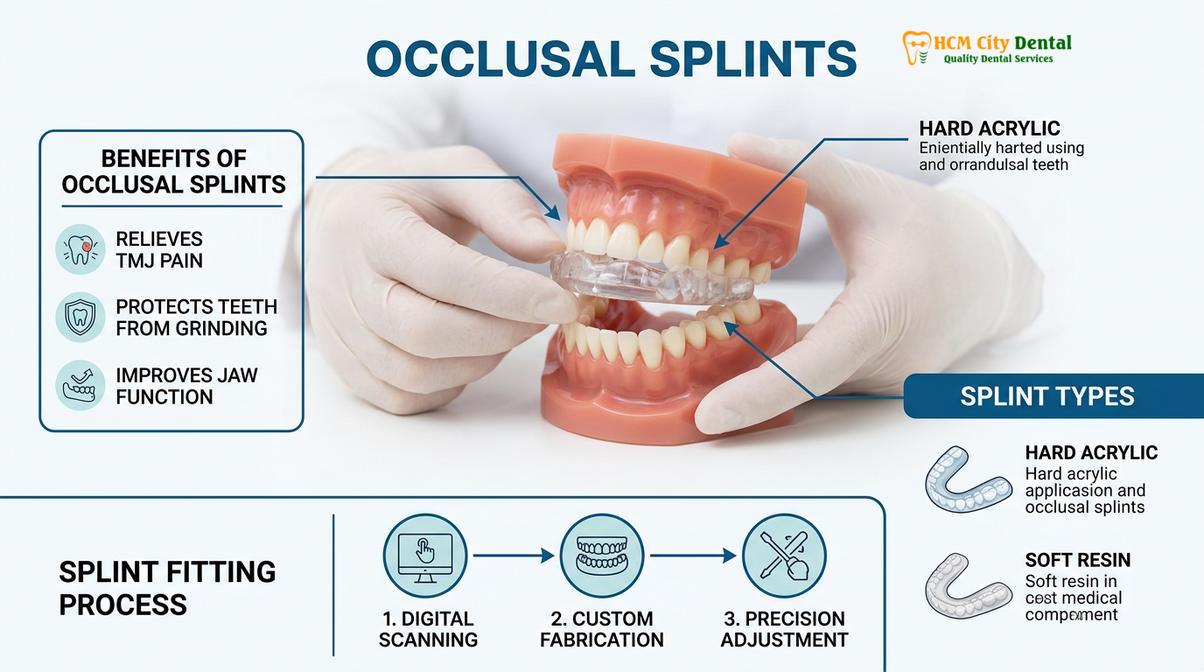
Dr. Nguyen Van Cuong emphasizes the importance of patient compliance in this dual-therapy approach. “A custom splint is an incredibly powerful tool for decompressing the joint and protecting the teeth,” notes Dr. Cuong. “However, if the patient continues to spend eight hours a day in a severe forward head posture, the cervical strain will continue to refer pain to the face. We strongly advocate for concurrent physical therapy to strengthen the deep neck flexors and restore the natural curvature of the spine.”
Clinical Case Study: Integrative TMJ Resolution
A 34-year-old software engineer presented to HCMC Dental Clinic in Saigon with a chief complaint of chronic morning headaches, severe neck stiffness, and intermittent jaw locking. Clinical examination revealed a deep overbite, severe wear facets on the molars, and pronounced forward head posture. The patient was fitted with a custom hard acrylic stabilization splint to wear at night, which immediately reduced the morning headaches by decompressing the TMJ. Concurrently, the patient was referred for postural physical therapy to address the “tech neck.” Within eight weeks of combined therapy, the patient reported a 90% reduction in both jaw and neck pain, with significantly improved cervical range of motion.
In cases where muscle hypertrophy (enlargement) is severe, and the patient suffers from intractable bruxism, adjunctive therapies may be required to break the cycle of spasm. Targeted neuromodulator therapy, such as Botox injections into the masseter and temporalis muscles, can temporarily reduce the force of muscle contraction. This provides a window of opportunity for the inflamed joint tissues to heal and for postural physical therapy to take effect without the constant antagonistic pull of hyperactive jaw muscles.
When to See a Doctor for Jaw and Neck Pain
While mild, occasional jaw tension or neck stiffness can often be managed with ergonomic adjustments and stress reduction techniques, certain symptoms indicate a more severe structural or neurological issue that requires prompt professional evaluation. Ignoring these warning signs can lead to irreversible damage to the temporomandibular joint capsule, including perforation of the articular disc or degenerative osteoarthritis of the condyle.[5]
Patients should seek a comprehensive clinical evaluation if they experience any of the following red flag symptoms:
- Inability to open or close the mouth fully: A sudden restriction in range of motion, often accompanied by a hard physical block, indicates that the articular disc has become displaced and is obstructing the joint’s movement.
- Radiating neurological symptoms: Numbness, tingling, or a “pins and needles” sensation traveling down the neck, into the shoulders, or down the arms suggests nerve compression in the cervical spine, which requires immediate medical imaging.
- Sudden changes in dental occlusion: If your teeth suddenly feel like they do not fit together correctly, or if you can only touch your teeth on one side of your mouth, this indicates acute inflammation or structural shifting within the TMJ capsule.
- Pain that disrupts sleep or daily function: Chronic pain that does not respond to over-the-counter anti-inflammatory medications and interferes with eating, speaking, or sleeping requires targeted intervention.
Important Clinical Warning
Do not attempt aggressive neck stretching, forceful jaw manipulation, or heavy chewing exercises if you experience acute jaw locking or sharp, shooting pain. Applying force to a displaced disc or an acutely inflamed joint capsule can exacerbate the injury and lead to further tissue tearing. Always seek a professional diagnostic evaluation before beginning any physical rehabilitation program for the craniomandibular system.
“Early intervention in temporomandibular disorders prevents the transition from acute muscular strain to chronic, irreversible intracapsular joint degeneration. Waiting for the pain to become unbearable often limits the conservative treatment options available.”
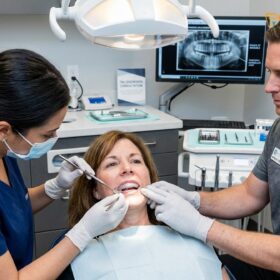
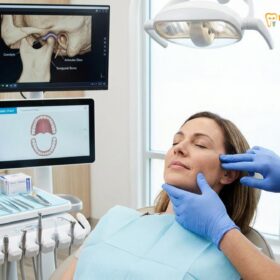
At HCMC Dental Clinic, our specialists utilize advanced diagnostic tools, including digital panoramic imaging and computerized occlusal analysis, to accurately map the relationship between your bite, your jaw joint, and your cervical posture. By identifying the precise root cause of the dysfunction, we can develop a personalized, conservative treatment plan designed to restore harmony to the entire kinetic chain, alleviating both jaw and neck pain effectively.
Frequently Asked Questions
Can jaw misalignment cause shoulder and back pain?
Yes, jaw misalignment can cause shoulder and back pain through the body’s interconnected kinetic chain. When the temporomandibular joint is unbalanced, the cervical spine muscles overcompensate to stabilize the head, leading to a downward cascade of muscle tension that eventually strains the shoulders and upper back. This compensatory mechanism forces the trapezius and rhomboid muscles to work continuously, resulting in chronic fatigue and myofascial trigger points far beyond the initial site of the jaw dysfunction.
Why does my neck feel stiff when my TMJ flares up?
Your neck feels stiff during a TMJ flare-up because the jaw and upper cervical spine share the same neural pathways in the trigeminocervical nucleus. Inflammation or muscle spasms in the jaw joint trigger protective, sympathetic muscle contractions in the surrounding neck musculature. The brain interprets the intense pain signals from the trigeminal nerve and initiates a guarding response in the cervical spine, causing the neck muscles to lock down in an attempt to stabilize the entire craniomandibular region.
Does realigning my bite help with chronic headaches?
Yes, realigning your bite can significantly reduce or eliminate chronic tension headaches. A balanced dental occlusion reduces hyperactive muscle contractions in the temporalis and masseter muscles, which are primary anatomical contributors to tension-type headaches and facial fatigue. When the teeth meet evenly without premature interferences, the neurological trigger for bruxism is minimized, allowing the cranial musculature to return to a relaxed, resting state.
How long does it take to correct posture-related TMJ pain?
Noticeable relief from posture-related TMJ pain typically occurs within four to six weeks of consistent splint therapy and postural correction. However, fully stabilizing the joint capsule and retraining deep muscle memory may require several months of comprehensive, multidisciplinary care. The timeline depends heavily on patient compliance with wearing the prescribed orthotic device and their dedication to performing daily cervical strengthening and ergonomic adjustments.
Are night guards effective for tech neck symptoms?
While night guards do not cure the structural issues of tech neck, they are highly effective at preventing the secondary jaw clenching caused by forward head posture. They act as a protective orthopedic buffer, decompressing the temporomandibular joint during sleep. By providing a stable, frictionless surface for the jaw to rest upon, a custom night guard mitigates the destructive forces generated by posture-induced bruxism, protecting both the teeth and the joint capsule from further trauma.
References
- Journal of the American Dental Association. Occlusal splint therapy for temporomandibular disorders: a clinical review. (2020).
- Journal of Oral Rehabilitation. Efficacy of Michigan repositioning splints in TMD patients. (2019).
- Journal of Prosthetic Dentistry. Computerized occlusal analysis and bite mapping in TMJ therapy. (2021).
- Clinical Oral Investigations. Masseter Botox injections for chronic jaw pain and bruxism. (2018).
- International Journal of Oral and Maxillofacial Surgery. TMJ arthrocentesis and hyaluronic acid injections. (2022).