A TMJ dental tourism package in Vietnam combines advanced clinical diagnostics, custom occlusal splint fabrication, and therapeutic care into a streamlined, cost-effective itinerary. International patients receive comprehensive temporomandibular joint therapy at specialized clinics while recovering in the relaxing, culturally rich environment of Ho Chi Minh City.
Clinical Summary:
Temporomandibular joint (TMJ) disorders require precise neuromuscular evaluation and custom orthotic management to alleviate chronic pain and prevent dental attrition. Dental tourism packages in Vietnam offer a structured clinical pathway—from 3D cone-beam computed tomography (CBCT) diagnostics to the fabrication of stabilization splints—completed within a condensed timeframe. By integrating advanced digital dentistry with dedicated patient coordination, these packages provide high-quality, evidence-based TMJ relief at a fraction of Western costs, ensuring optimal occlusal harmony and long-term patient comfort.
Key Takeaways:
- Comprehensive TMJ packages include 3D diagnostics, digital bite mapping, and custom orthotic fabrication.
- Treatment itineraries typically span 5 to 7 days, allowing ample time for precise occlusal adjustments.
- In-house digital laboratories significantly reduce local lab fabrication time for custom splints.
- Patients benefit from integrated travel logistics, including accommodation recommendations and medical visa guidance.
- Clinical protocols follow stringent international standards for neuromuscular therapy and joint stabilization.
| Splint Type | HCMC Dental Cost | Primary Clinical Goal |
|---|---|---|
| Michigan Stabilization Splint | from $100 USD (2,500,000 VND) | Bite balancing & muscle deprogramming |
| Anterior Repositioning Splint | from $150 USD (3,750,000 VND) | Disc displacement & joint decompression |
The Concept of TMJ Dental Tourism: Pain Relief Meets Wellness
Dental tourism for TMJ disorders merges rigorous clinical therapy with a restorative travel experience, allowing patients to address chronic jaw pain through affordable, world-class care in Vietnam.
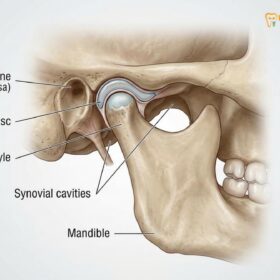
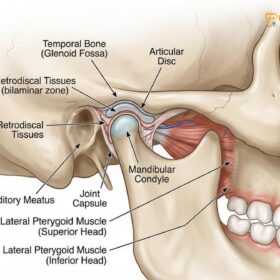
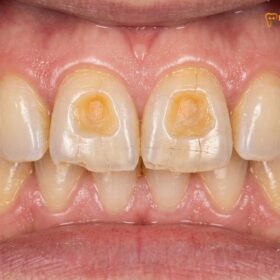
Temporomandibular joint disorders (TMD) represent a complex group of musculoskeletal and neuromuscular conditions affecting the temporomandibular joint, masticatory muscles, and associated structures. For millions of individuals worldwide, chronic bruxism, jaw clenching, and internal joint derangement lead to debilitating symptoms, including severe facial pain, tension headaches, restricted jaw movement, and accelerated dental wear. In many Western countries, accessing specialized, multidisciplinary care for these conditions can be prohibitively expensive, often involving long wait times for specialist consultations and high out-of-pocket costs for custom orthotic devices.
The emergence of the TMJ dental tourism package Vietnam offers a compelling, evidence-based alternative. By traveling to Southeast Asia’s leading medical hubs, patients can access comprehensive temporomandibular joint therapy that rivals the clinical standards of North America and Europe, but at a significantly reduced financial burden. This model of care is not merely about cost savings; it is about providing a holistic, immersive healing experience where clinical intervention is paired with a low-stress recovery environment.
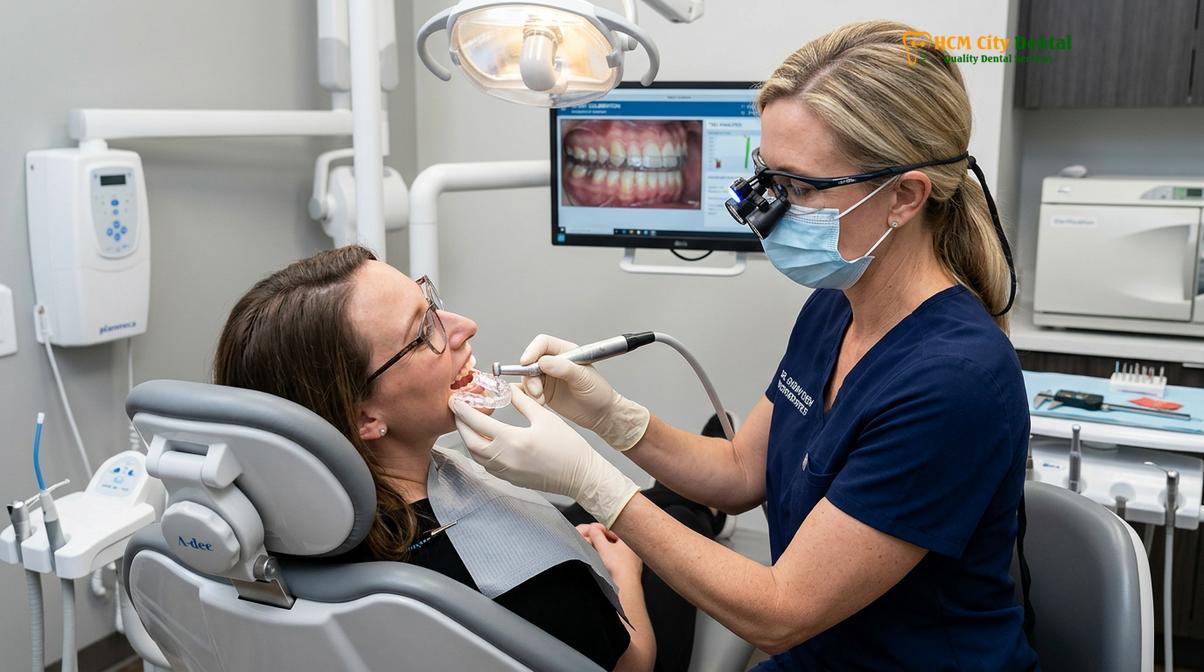
At the forefront of this movement is the integration of advanced digital dentistry into the diagnostic and therapeutic workflow. Modern clinics in Vietnam utilize 3D Cone-Beam Computed Tomography (CBCT) to assess joint morphology, condylar positioning, and airway dimensions. This high-resolution imaging is crucial for ruling out degenerative joint diseases, such as osteoarthritis, and identifying structural anomalies that may contribute to the patient’s symptoms[1]. Furthermore, intraoral scanners have replaced traditional, uncomfortable putty impressions, allowing for the highly accurate digital capture of the patient’s dentition and bite relationship.
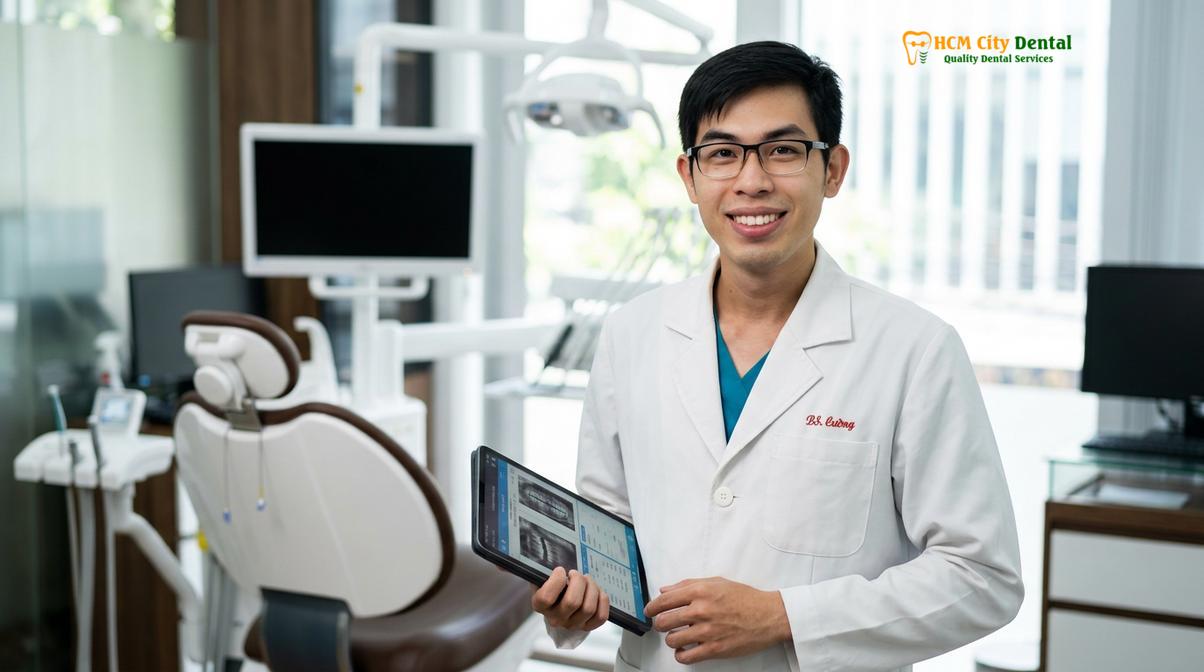
Dr. Nguyen Van Cuong, a leading specialist in restorative dentistry and neuromuscular occlusion, emphasizes that successful TMJ management requires more than just handing a patient a generic mouthguard. “Effective TMJ therapy requires a multidisciplinary approach, combining precise occlusal calibration with patient-centered recovery protocols to achieve long-term neuromuscular stability,” notes Dr. Cuong. This philosophy underscores the importance of custom-fabricated orthotics, which are designed to deprogram hyperactive masticatory muscles, stabilize the temporomandibular joint, and protect the teeth from further attrition.
“Effective TMJ therapy requires a multidisciplinary approach, combining precise occlusal calibration with patient-centered recovery protocols to achieve long-term neuromuscular stability.”
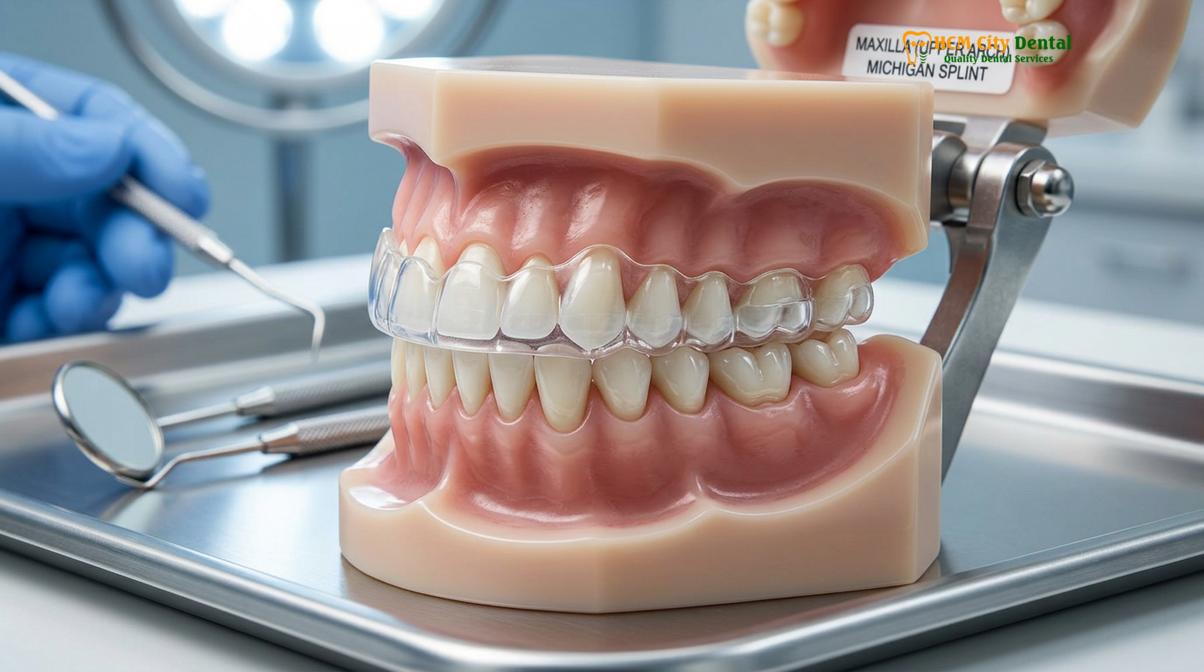
When comparing occlusal splints versus standard nightguards, the clinical distinction is profound. Over-the-counter boil-and-bite guards often exacerbate TMJ symptoms by providing a soft, compressible surface that encourages continued clenching and muscle hyperactivity. In contrast, the custom orthotics provided in a specialized dental tourism package are fabricated from rigid, medical-grade acrylic. These devices are meticulously calibrated to provide a stable, frictionless surface that allows the mandible to rest in its most physiologically relaxed position, thereby reducing intra-articular pressure and alleviating myofascial pain.
Day-by-Day Itinerary: Diagnostics, Articulation, Fabrication, and Fitting
A structured clinical itinerary ensures that every phase of TMJ treatment—from initial 3D imaging to the final splint calibration—is executed efficiently within a condensed 5 to 7-day timeframe.
One of the primary concerns for international patients is the time required to complete complex dental treatments abroad. A well-organized TMJ dental tourism package is designed to maximize clinical efficiency without compromising the precision required for successful neuromuscular therapy. The integration of in-house digital laboratories and CAD/CAM (Computer-Aided Design and Computer-Aided Manufacturing) technology has revolutionized this process, drastically reducing the local lab fabrication time that traditionally delayed treatment delivery.
The clinical journey typically spans 5 to 7 days, providing a structured yet relaxed pace that accommodates thorough diagnostics, custom fabrication, and essential follow-up care. This timeframe is critical because TMJ orthotics require meticulous calibration; a splint that is even a fraction of a millimeter off can introduce new occlusal interferences and exacerbate muscle tension.
Day 1: Comprehensive Diagnostics and Digital Impressions
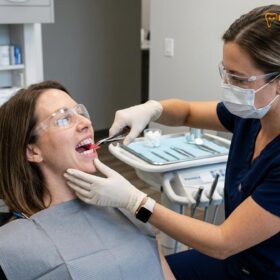
The itinerary begins with an in-depth clinical consultation. The specialist will conduct a thorough palpation of the masticatory muscles (masseter, temporalis, medial and lateral pterygoids) and assess the temporomandibular joint for clicking, popping, or crepitus. A CBCT scan is performed to evaluate the bony architecture of the joint. Following the clinical assessment, a digital intraoral scanner is used to capture highly accurate 3D models of the upper and lower arches. The dentist will also record the patient’s centric relation—the most stable, relaxed position of the jaw—which serves as the foundational reference point for designing the custom splint.
Day 2-3: CAD/CAM Design and Laboratory Fabrication
During this phase, the patient is free to relax and explore the city while the clinical team works behind the scenes. Using specialized software, the dentist and master technicians design the orthotic device. Depending on the specific diagnosis, this may be a stabilization splint, an anterior bite plane, or a specialized device like Michigan repositioning splints. The design is then sent to an in-house milling machine or a high-resolution 3D printer. The proximity of the laboratory to the clinical floor ensures that the local lab fabrication time is kept to an absolute minimum, allowing for rapid turnaround and immediate quality control checks.
Day 4: Delivery and Initial Occlusal Equilibration
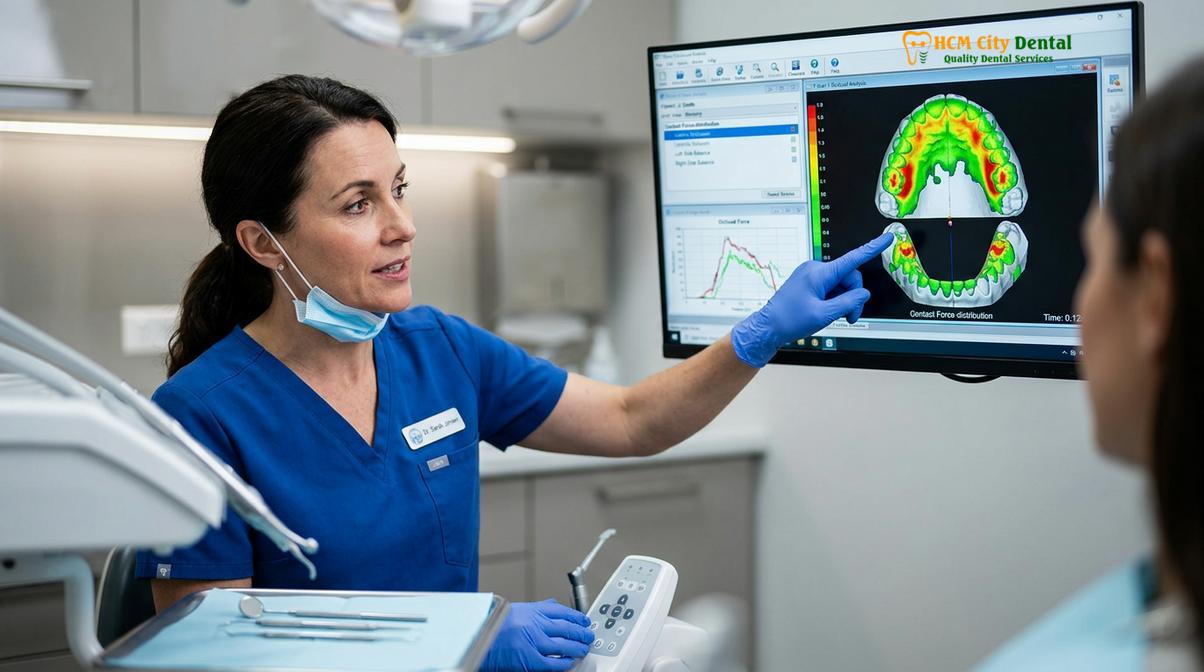
The patient returns to the clinic for the delivery of the custom splint. This is a highly interactive appointment. The dentist will seat the splint and use ultra-thin articulating paper to identify premature contacts and occlusal interferences. The goal of this occlusal equilibration is to ensure that all teeth contact the splint simultaneously and with equal force when the jaw closes, and that there is immediate disclusion (separation) of the posterior teeth during lateral and protrusive movements. Advanced clinics may also utilize computerized occlusal analysis systems, such as T-Scan, to dynamically measure the timing and force of the bite, ensuring unparalleled precision[2].
| Day | Clinical Phase | Description of Activities |
|---|---|---|
| Day 1 | Diagnostics & Impressions | Clinical exam, CBCT imaging, muscle palpation, digital intraoral scanning, and centric relation bite registration. |
| Day 2-3 | Design & Fabrication | CAD/CAM digital design and milling of the custom orthotic. Patient enjoys free time for rest and local tourism. |
| Day 4 | Delivery & Calibration | Initial fitting of the splint, manual and computerized occlusal adjustments, and patient instructions for wear and care. |
| Day 5-6 | Adaptation Period | Patient wears the splint overnight and during periods of high stress to allow the masticatory muscles to adapt and relax. |
| Day 7 | Final Review & Adjustment | Follow-up appointment to assess muscle response, perform final micro-adjustments to the splint, and provide long-term care guidelines. |
Day 5-7: Adaptation and Final Adjustments
As the patient wears the splint, the hyperactive jaw muscles begin to deprogram and relax. This relaxation can cause the mandible to shift slightly into a more physiologically neutral position. Therefore, a follow-up appointment on Day 6 or 7 is crucial. The dentist will re-evaluate the bite on the splint and make final micro-adjustments to accommodate this muscular relaxation. This iterative process is what distinguishes a high-quality clinical outcome from a generic, one-size-fits-all approach[3].
Recommended Hotels and Travel Logistics in District 1 HCMC
Strategic accommodation and seamless travel logistics are vital for a stress-free recovery, with District 1 offering optimal proximity to premier dental facilities and wellness amenities.
The success of a medical tourism journey is heavily influenced by the environment in which the patient recovers. Chronic pain conditions like TMD are often exacerbated by stress, making a calm, supportive, and convenient setting essential for optimal therapeutic outcomes. Ho Chi Minh City, particularly its central District 1, provides an ideal backdrop for this healing process, blending modern infrastructure with rich cultural experiences and exceptional hospitality.
When planning a TMJ dental tourism package Vietnam, selecting the right accommodation is a key logistical consideration. Many international patients opt for a boutique hotel District 1 HCMC. These establishments offer a perfect balance of personalized service, quiet comfort, and immediate proximity to top-tier medical facilities like HCMC Dental Clinic. Staying in District 1 minimizes transit times, reducing the physical and mental fatigue associated with navigating a bustling metropolis. Furthermore, the area is replete with high-quality restaurants offering soft-diet options—such as traditional Vietnamese Pho, congee, and steamed fish—which are highly recommended during the initial phases of TMJ therapy when chewing hard foods should be avoided.
Navigating the administrative aspects of international travel is another critical component of the package. Reputable dental clinics provide comprehensive support, including detailed medical visa instructions for patients who may require extended stays or specific documentation for entry. While many nationalities enjoy visa-free entry or straightforward e-visa processes for short visits to Vietnam, having a dedicated patient coordinator to assist with these logistics ensures a seamless, anxiety-free arrival.
Clinical Case Study: Comprehensive TMJ Management for an International Patient
A 45-year-old patient from Melbourne, Australia, traveled to HCMC Dental Clinic in Ho Chi Minh City seeking relief from severe, chronic bruxism and associated tension headaches that had been unresponsive to conservative therapies at home. The patient’s coordinated itinerary included a 7-day stay in a central boutique hotel. Clinical diagnostics revealed significant masseter hypertrophy and a deep bite. The treatment protocol involved the fabrication of a custom rigid acrylic stabilization splint, complemented by targeted masseter Botox injections to rapidly reduce muscle hyperactivity. By Day 7, the patient reported a 70% reduction in morning facial pain and successfully returned home with a perfectly calibrated orthotic device and a long-term management plan.
Beyond the clinical appointments, the tourism aspect of the package plays a therapeutic role. Engaging in low-impact, relaxing activities—such as visiting local museums, enjoying traditional Vietnamese massage therapies (which often incorporate gentle acupressure and myofascial release techniques), or simply unwinding in a comfortable hotel—helps lower systemic cortisol levels. This reduction in physiological stress directly correlates with decreased nocturnal bruxism and improved treatment efficacy[4].
Booking Procedures and Securing Online Consultation Discounts
Initiating a TMJ dental tourism journey begins with a comprehensive telehealth consultation, allowing clinicians to review symptoms and outline a customized, cost-transparent treatment package.
The decision to travel internationally for medical care requires trust, transparency, and clear communication. To facilitate this, leading dental providers have established streamlined booking procedures that begin long before the patient boards a flight. The cornerstone of this process is the initial online consultation, a tele-dentistry service that bridges the geographical divide and empowers patients to make informed, evidence-based decisions regarding their temporomandibular joint care.
Prospective patients are encouraged to initiate contact via the clinic’s secure digital platforms. During this initial inquiry, patients are asked to provide a detailed medical and dental history, a description of their TMJ symptoms (e.g., pain scale, frequency of headaches, presence of joint clicking), and any available diagnostic records, such as recent panoramic X-rays or MRI reports. This asynchronous data collection allows the clinical team to perform a preliminary assessment of the case.

Following the review of these records, a synchronous video consultation is scheduled with a TMJ specialist. Dr. Nguyen Van Cuong frequently conducts these telehealth sessions, utilizing the time to listen to the patient’s concerns, explain the pathophysiology of their condition, and discuss potential treatment modalities. Whether the anticipated treatment involves rigid acrylic nightguards for nocturnal bruxism or more complex orthotic designs, the virtual consultation ensures that the patient has a clear understanding of the clinical rationale.
“Telehealth consultations bridge the geographical divide, empowering international patients to make informed, evidence-based decisions about their temporomandibular joint care before booking a flight.”
Financial transparency is a hallmark of a reputable TMJ dental tourism package Vietnam. Following the consultation, the patient receives a detailed, itemized treatment plan. This document outlines the estimated costs for diagnostics, splint fabrication, clinical adjustments, and any adjunctive therapies. By securing the treatment package online in advance, patients can often take advantage of specific consultation discounts or bundled pricing, which further enhances the cost-effectiveness of the journey.
Once the treatment plan is approved, the clinic’s international patient coordination team takes over. They assist with scheduling the clinical appointments to align with the patient’s travel dates, provide recommendations for local accommodations, and offer guidance on airport transfers and local transportation. This concierge-level service ensures that from the moment the patient arrives in Ho Chi Minh City, their sole focus can remain on their health and recovery.
When to See a Doctor: Important Clinical Considerations
While a TMJ dental tourism package offers an excellent solution for chronic, stable temporomandibular joint disorders, it is crucial to recognize that not all jaw pain is suitable for immediate international travel. Patients must be aware of specific clinical red flags that necessitate urgent, local medical evaluation before considering a flight.
If you experience sudden, severe restriction in jaw opening (trismus or “lockjaw”) that prevents you from eating or speaking, this may indicate an acute internal derangement of the joint disc or a severe muscle spasm requiring immediate intervention. Similarly, jaw pain accompanied by systemic symptoms such as a high fever, facial swelling, or localized heat and redness could be a sign of an acute dental abscess or joint infection. These conditions are medical emergencies and must be treated promptly by a local healthcare provider.
Furthermore, patients with a history of severe facial trauma, recent jaw fractures, or advanced degenerative joint diseases (such as severe rheumatoid arthritis affecting the TMJ) should undergo a thorough evaluation by an oral and maxillofacial surgeon in their home country. In some advanced cases, conservative splint therapy may be insufficient, and minimally invasive surgical interventions, such as arthrocentesis or joint lavage, may be required before orthotic management can be effective[5].
Clinical Warning: Patients experiencing sudden jaw locking, facial numbness, severe radiating pain down the neck and arm, or signs of acute infection (swelling, fever) should seek immediate emergency medical evaluation locally before considering international travel for TMJ therapy.
Always consult with your primary care physician or a local dental professional to ensure that you are medically cleared for travel and that your TMJ symptoms are appropriate for conservative, non-surgical management abroad. A comprehensive telehealth consultation with the destination clinic is an essential step in confirming your candidacy for a dental tourism package.
Frequently Asked Questions
How many days do I need to stay in Vietnam to get a custom TMJ splint?
You should plan to stay in Vietnam for at least 5 to 7 days to complete a custom TMJ splint treatment. This timeframe allows for initial diagnostics, digital impressions, laboratory fabrication, the initial fitting, and crucial follow-up appointments to ensure the orthotic device is perfectly calibrated to your bite.
Can I get massage and acupuncture therapies for TMJ in Saigon?
Yes, many patients successfully integrate traditional massage and acupuncture therapies available in Saigon to complement their clinical TMJ treatment. Ho Chi Minh City offers numerous reputable wellness centers that specialize in myofascial release and traditional acupuncture, which can help alleviate muscle tension and reduce the stress often associated with temporomandibular joint disorders.
What payment methods are accepted at HCMC Dental?
HCMC Dental Clinic accepts major international credit cards, bank transfers, and cash payments in both local and major foreign currencies. To facilitate a seamless experience for international patients, the clinic provides transparent billing and can issue detailed medical receipts required for potential reimbursement claims with your home country’s health insurance provider.
Will my custom night guard need adjustments after I return home?
While your custom night guard is precisely calibrated before you leave, minor adjustments may occasionally be needed as your jaw muscles relax over time. Most patients adapt well without further intervention. However, if your bite shifts significantly as inflammation subsides, a local dentist in your home country can easily perform minor occlusal adjustments on the acrylic surface.
Are TMJ treatments in Vietnam covered by international health insurance?
Coverage for TMJ treatments in Vietnam depends entirely on the specific terms and conditions of your international health or dental insurance policy. Some comprehensive global policies reimburse a percentage of orthotic devices and diagnostic imaging. It is highly recommended to consult your insurance provider before traveling and request a pre-treatment estimate from the clinic to submit for pre-approval.
References
- Journal of the American Dental Association. Occlusal splint therapy for temporomandibular disorders: a clinical review. (2020).
- Journal of Oral Rehabilitation. Efficacy of Michigan repositioning splints in TMD patients. (2019).
- Journal of Prosthetic Dentistry. Computerized occlusal analysis and bite mapping in TMJ therapy. (2021).
- Clinical Oral Investigations. Masseter Botox injections for chronic jaw pain and bruxism. (2018).
- International Journal of Oral and Maxillofacial Surgery. TMJ arthrocentesis and hyaluronic acid injections. (2022).