
Veneers cost in Vietnam
Veneers Cost in Vietnam: Porcelain, Zirconia & Composite Planning

The average veneers cost in Vietnam ranges from $250 to $450 per tooth, depending on the selected ceramic material and the complexity of the clinical case. Swiss e.max pressed veneers typically cost between $250 and $400, while highly durable Zirconia veneers range from $300 to $450, offering international patients exceptional aesthetic outcomes at a fraction of Western prices.
Clinical Summary: Porcelain veneers represent a conservative, highly aesthetic treatment option for patients seeking to correct tooth discoloration, minor misalignment, or enamel wear. Modern clinical protocols prioritize minimal-preparation techniques and computerized digital design workflows. In Ho Chi Minh City, the integration of premium raw materials (IPS e.max and Zirconia) with state-of-the-art CAD/CAM lab milling ensures restorations achieve excellent biocompatibility, natural shade graduation, and high structural durability.
Key Takeaways:
- Save 60-70% on premium veneers compared to dental fees in the USA or Australia.
- Swiss IPS e.max pressed glass-ceramics are ideal for lifelike front smile zones.
- Monolithic Zirconia offers maximum mechanical strength for posterior restorations.
- Digital Smile Design (DSD) allows patients to test-drive their smile before preparation.
- Requires only a 5 to 7-day stay in Ho Chi Minh City from scanning to final bonding.
Online booking: eligible cosmetic lines may receive up to 40% off walk-in. Confirm live rows on pricing → Cosmetic Dentistry.
Comprehensive Breakdown of Veneers Cost in Vietnam
Understanding the precise financial investment for a smile makeover requires analyzing the specific ceramic materials, laboratory fabrication techniques, and clinical expertise involved in the restorative process.
When evaluating the financial aspects of cosmetic dentistry, international patients frequently inquire about the specific variables that influence the final treatment fee. The highly competitive porcelain veneers vietnam price is primary driven by the material selection and the number of teeth requiring treatment within the smile zone. Most patients choose to treat either 8 or 10 visible teeth per arch to establish a harmonious smile line. By doing so, they avoid the visual mismatch that occurs when restoring only a few teeth next to natural, unstained enamel.
At HCMC Dental Clinic, our cost structure is entirely transparent. While walk-in fees are based on our standard catalogue, patients who utilize our pre-arrival digital consulting services via WhatsApp can qualify for online booking rates. These specialized rates reduce the per-tooth cost of premium Swiss E.max and high-translucency Zirconia restorations, enabling patients to save thousands of dollars on full-mouth smile designs compared to their home countries.
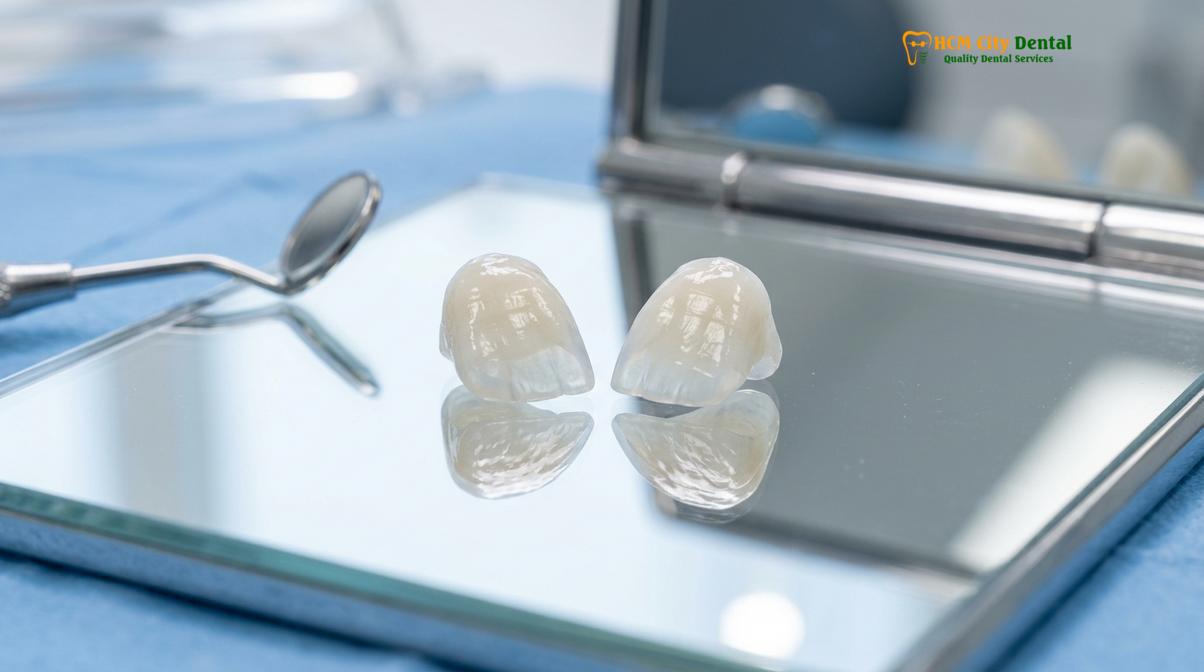
Reference pricing
Walk-in VND synced with catalogue. USD indicative at 25,000 VND/USD. Online column shows −40% reference where rule applies.
| Treatment | Brand / note | Walk-in | Online (−40%) |
|---|---|---|---|
| Composite veneer | Chair-side layering Per tooth |
2,000,000 VND $80 | 1,200,000 VND $48 −40% |
| Zirconia veneer | Cercon HT Per tooth |
6,000,000 VND $240 | 3,600,000 VND $144 −40% |
| E.max porcelain veneer | Ivoclar E.max Per tooth |
8,000,000 VND $320 | 4,800,000 VND $192 −40% |
| Smile design 3D mock-up | Planning with Dr. Cuong Planning + mock-up |
5,000,000 VND $200 | 3,000,000 VND $120 −40% |
| In-office whitening | Laser / plasma Often paired before shade choice |
3,500,000 VND $140 | 2,100,000 VND $84 −40% |
Full cosmetic catalogue including bonding & gum contouring: pricing.
Clinical Materials: E.max vs. Zirconia Veneers
Selecting the appropriate ceramic material is critical for achieving optimal light transmission, mechanical durability, and long-term gingival biocompatibility in aesthetic restorations.
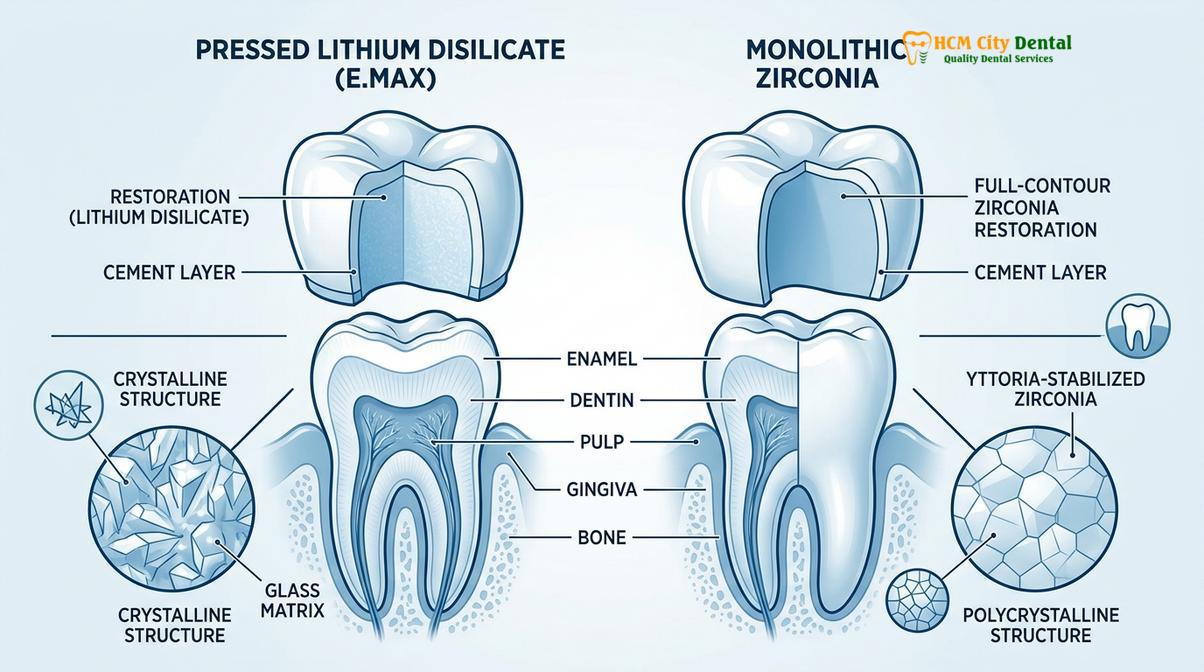
The foundation of any successful cosmetic dental procedure lies in the meticulous selection of restorative materials. In modern prosthodontics, the two dominant ceramics utilized for ultra-thin restorations are lithium disilicate (commonly known by the brand name IPS e.max) and monolithic zirconia. Each material possesses distinct optical and physical characteristics that dictate its clinical indication [1].
Lithium disilicate (E.max) is widely regarded as the gold standard for anterior teeth due to its superior translucency and refractive index, which closely mimic natural tooth enamel. Pressed E.max allows the ceramist to build micro-layering details that replicate the natural tooth structure, making it virtually indistinguishable from neighboring teeth. Conversely, monolithic zirconia provides exceptional flexural strength (often exceeding 1,000 MPa). This high mechanical resistance makes zirconia ideal for patients with a strong bite, active bruxism, or cases requiring the masking of severely discolored underlying dentin. Choosing between these materials requires a careful balance of cosmetic goals and mechanical demands.
The Digital Smile Design (DSD) and Minimal Prep Workflow
Modern cosmetic dentistry relies on advanced digital scanning and conservative preparation techniques to preserve maximum natural tooth structure while ensuring a flawless, predictable fit.
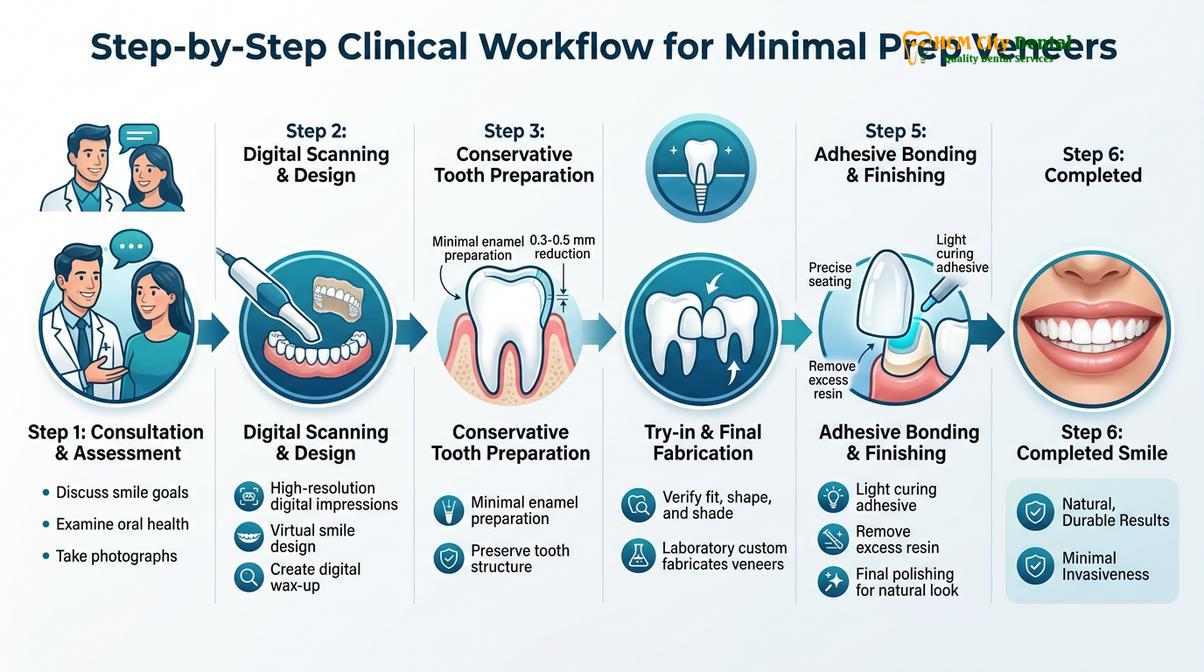
The evolution of aesthetic dentistry has moved decisively away from aggressive tooth reduction toward highly conservative, biologically respectful protocols. The concept of non prep veneers or minimal prep veneers is central to this philosophy. By preserving the maximum amount of natural enamel, the dentist ensures a significantly stronger bond, as adhesive resin cement adheres far more effectively to enamel than to the underlying dentin [2].
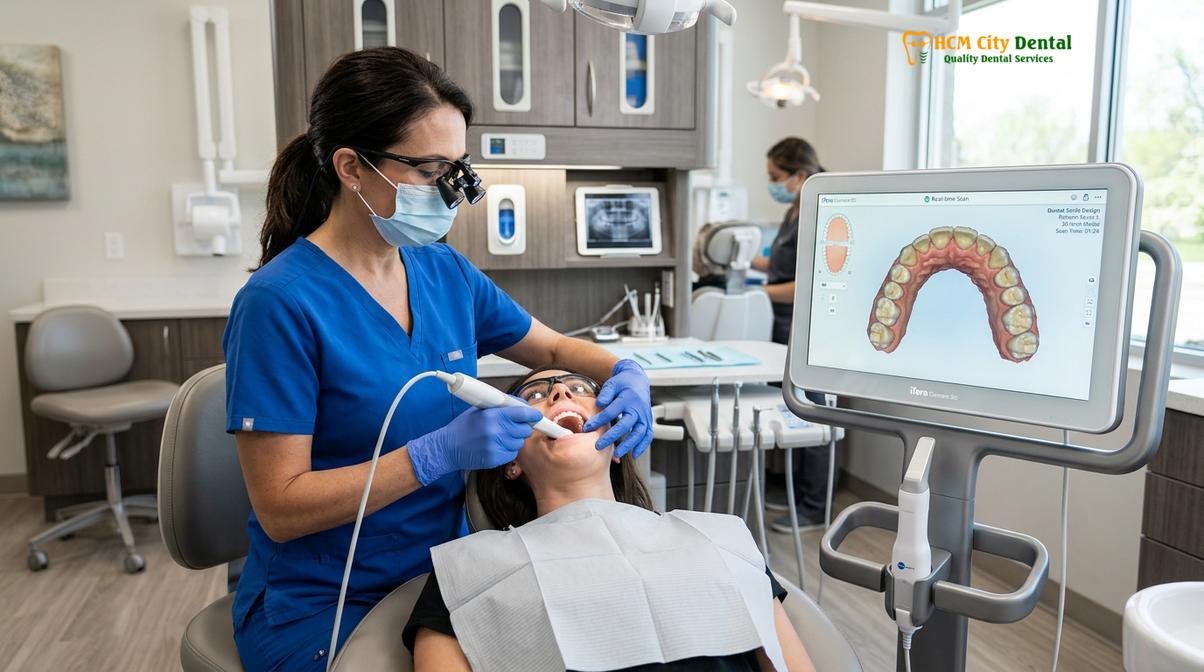
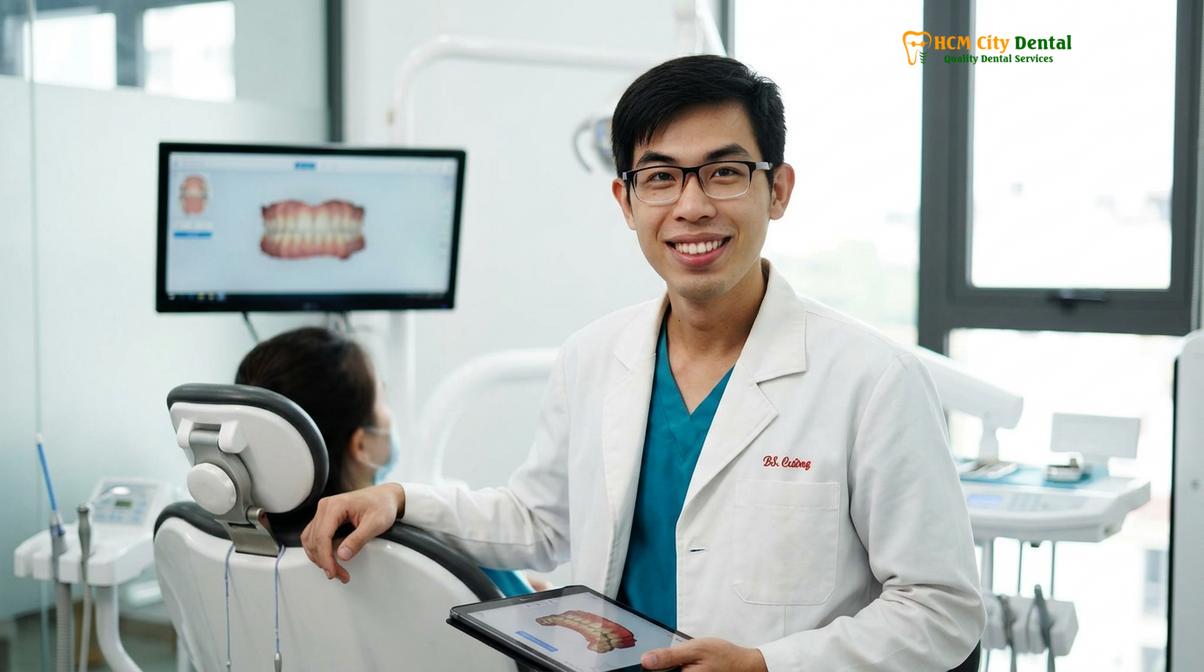
Under the guidance of Dr. Nguyen Van Cuong, HCMC Dental Clinic utilizes the Digital Smile Design (DSD) framework. This process begins with intraoral scanning, which captures your teeth’s exact proportions. The DSD software then generates a 3D simulation of your proposed smile. Before any preparation begins, a physical mockup is placed on your teeth. This allows the patient to preview their final smile, evaluate the shade, and requests adjustments. Once approved, the ultra-thin porcelain shells are fabricated in our state-of-the-art laboratory, ensuring a highly customized, natural fit.
Quality Assurance, Warranties, and International Direct Billing
Reputable clinics adhere to strict international sterilization standards, offering comprehensive clinical warranties and seamless insurance processing for expatriates and dental tourists.
For international patients traveling for medical care, clinical safety, material authenticity, and post-operative support are paramount concerns. Leading facilities in Ho Chi Minh City operate under stringent ISO-certified infection control protocols, utilizing Class B vacuum autoclaves to sterilize all clinical instruments [3]. Furthermore, all premium veneers are issued with an official manufacturer’s warranty card, containing a unique QR barcode that verifies the genuine origin of the ceramic blocks.
To support our growing expat and traveler patient base, the clinic offers direct billing services with major global insurance networks, including Allianz, Cigna, Bupa, and Aetna. While elective cosmetic treatments are typically excluded from standard health insurance policies, procedures that are medically indicated — such as restoring fractured or severely eroded teeth — may qualify for partial coverage. For non-participating insurers, we compile all required clinical documentation, radiographs, and detailed invoices to facilitate your reimbursement claims.
When to Consult a Cosmetic Dentist for Veneers
While porcelain veneers offer transformative aesthetic results, they are not a universal solution for all dental anomalies. A thorough clinical diagnostic evaluation is mandatory to determine patient candidacy and ensure the long-term success of the restorations [4].
Ideal candidates for ultra-thin ceramic restorations are individuals presenting with intrinsic tooth discoloration that is resistant to professional chemical whitening (such as fluorosis or tetracycline staining). They are also highly effective for correcting minor tooth rotations, closing diastemas (gaps between teeth), and restoring teeth with chipped or worn incisal edges. However, patients with severe malocclusion, active periodontal disease, or insufficient enamel depth must undergo preparatory treatments before veneers can be successfully placed.
Addressing these preparatory needs ensures that the veneers have a stable, healthy foundation, preventing premature debonding or structural failure over time.
📚 Dental Tourism & Travel Guides Library
Browse our library of 30 resources on planning, costs, clinical safety, and local expat dental guides in Saigon.
✈️ Travel Planning & Logistics
🛡️ Safety & Quality Standards
⏳ Timelines & Recovery
💰 Costs & Insurance Claims
FAQ
The average veneers cost in Vietnam ranges from $250 to $450 per tooth. Swiss e.max pressed veneers typically cost between $250 and $400, while monolithic zirconia options range from $300 to $450, depending on the clinical complexity. This pricing includes the complete clinical workflow, from digital scanning to final adhesive cementation, offering substantial savings compared to Western dental fees.
Ivoclar E.max pressed porcelain offers superior translucency and lifelike aesthetics, making it the gold standard for anterior (front) teeth. Zirconia is stronger and better suited for posterior teeth or correcting severe discoloration, but both are high-strength, biocompatible materials.
A typical veneers stay in Ho Chi Minh City takes 5 to 7 days. This allows time for digital scans, mock-up mock-ups, custom laboratory fabrication, and final bonding adjustments before you fly home.
Most insurance policies exclude elective cosmetic procedures like veneers. However, if veneers are clinically indicated for restorative reasons (such as restoring fractured teeth), partial coverage may apply. We provide official invoices and records to support your claim.
Our veneers are backed by an international warranty covering material fractures or bonding failures. Standard wear-and-tear or issues arising from poor oral hygiene or severe clenching (without a nightguard) are excluded.
References
- Journal of Prosthetic Dentistry. Clinical performance of lithium disilicate veneers. (2021).
- Dental Materials. Adhesion protocols for glass-ceramic restorations. (2020).
- International Journal of Esthetic Dentistry. Digital Smile Design workflows. (2022).
- Journal of Clinical Periodontology. Gingival response to subgingival restorative margins. (2019).
- American Dental Association. Guidelines on conservative tooth preparation. (2018).
Related Veneers Guides: Do Veneers Ruin Teeth? | Complete Veneers Guide | Smile Makeover Pricing