Planning a dental trip to Vietnam requires understanding the correct travel documentation. For most international patients, a standard e-visa is sufficient for routine treatments, while complex full-mouth restorations may necessitate visa extensions. Securing the right visa ensures uninterrupted clinical care and a stress-free recovery.
Clinical Summary:
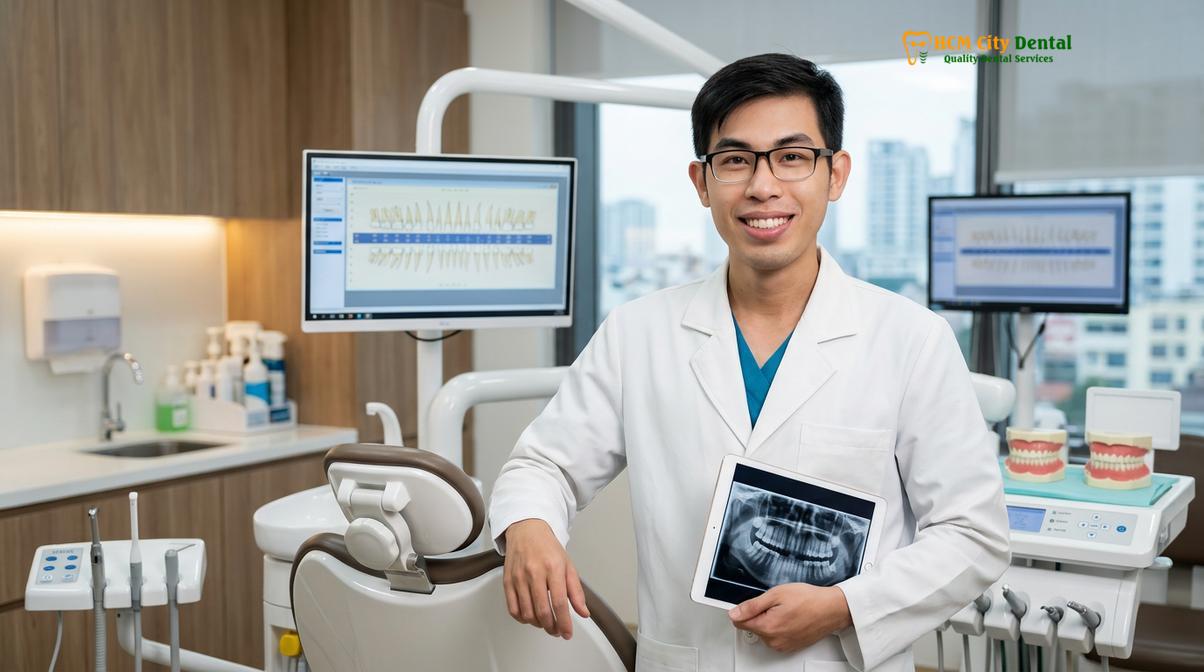
Navigating the intersection of international travel and complex dental care requires precise planning. Dr. Nguyen Van Cuong emphasizes that aligning your visa duration with your clinical treatment plan is critical for procedures requiring extended healing phases, such as full-arch implantology or extensive bone grafting. While a standard e-visa covers most routine and cosmetic procedures, multi-stage surgical interventions may require strategic visa extensions. HCMC Dental Clinic provides comprehensive documentation to support patients throughout this process, ensuring that administrative requirements do not compromise clinical outcomes. By integrating advanced digital dentistry with streamlined travel logistics, international patients can achieve predictable, high-quality results without the stress of visa expirations interrupting their care.
Key Takeaways:
- Most dental tourists enter Vietnam using a standard e-visa, which accommodates the majority of clinical timelines.
- Complex surgical procedures, such as multi-stage dental implants, may require a visa extension or multiple entries.
- Passports must have at least six months of validity remaining from the date of entry to avoid boarding denial.
- HCMC Dental Clinic provides official medical support documents to assist with visa extensions if clinical complications arise.
- Proper alignment of your travel itinerary with your personalized clinical treatment plan is essential for optimal recovery.
Vietnam E-Visa vs. Medical Visa for Dental Work
Most international patients utilize a standard e-visa for dental tourism, as Vietnam does not currently issue a specific medical visa for short-term dental treatments. Understanding the limitations of your tourist visa is crucial for planning multi-stage clinical procedures.
When international patients begin researching overseas dental care, one of the most common points of confusion revolves around the specific type of visa required. The search for a “vietnam medical visa dental tourism” often leads to the realization that, unlike some countries that offer dedicated medical visas, Vietnam processes the vast majority of its healthcare tourists through standard tourist visas. From a clinical and legal standpoint, a standard e-visa is entirely sufficient for undergoing outpatient dental procedures, ranging from routine prophylaxis to complex oral surgery [1].
The critical factor is not the category of the visa, but rather its duration and how perfectly it aligns with your prescribed clinical timeline. Dental treatments vary wildly in their required timeframes. For instance, a patient traveling for cosmetic porcelain veneers or a single-unit CAD/CAM crown can typically complete their entire treatment within 5 to 7 days. This timeframe fits comfortably within the standard 30-day or 90-day validity of a typical Dental Tourism itinerary.
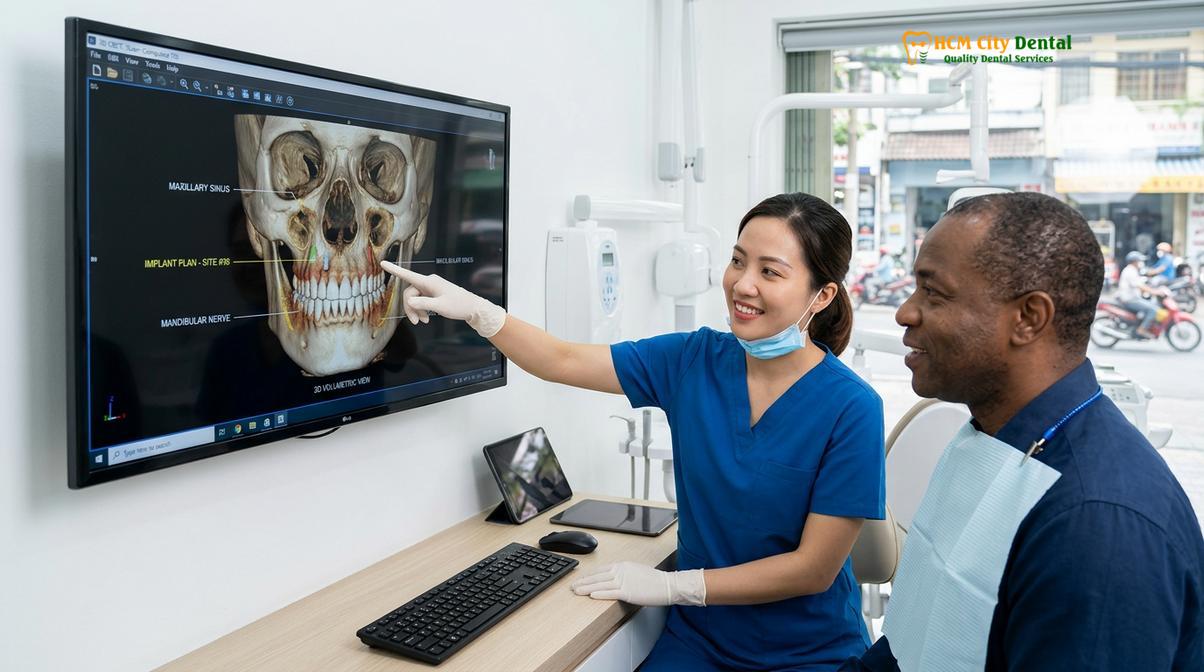
However, the clinical reality shifts dramatically when dealing with advanced restorative dentistry. Procedures such as full-arch implantology (often referred to as All-on-4 or All-on-6) or severe periodontal rehabilitation require a phased approach. The initial surgical phase—involving extractions, bone grafting, implant placement, and the delivery of an immediate-load provisional prosthesis—requires a minimum stay of 10 to 14 days. This allows the clinical team to monitor early soft tissue healing, manage post-operative inflammation, and ensure there is no premature flap dehiscence or infection [2].
Following this initial phase, a biological healing period of 4 to 6 months is mandatory to allow for complete osseointegration—the process where the titanium implant fuses with the alveolar bone. The patient must then return for a second trip to receive their definitive zirconia or porcelain restorations. Therefore, patients undergoing these multi-stage procedures must plan for multiple entries into the country, utilizing a multiple-entry vietnam tourist visa or applying for separate single-entry visas for each phase of their clinical journey.
“The success of complex dental implantology relies heavily on respecting biological healing times. International patients must structure their travel visas to accommodate these mandatory recovery phases, ensuring we never rush a procedure simply because a flight is departing.” – Dr. Nguyen Van Cuong
Understanding these clinical workflows is paramount. A rushed procedure due to an expiring visa can lead to compromised osseointegration, aesthetic failures, or the need for revision surgery. Therefore, your first step in planning should always be a comprehensive digital consultation to establish a realistic treatment timeline before booking any flights or applying for travel documents.
How to Apply for a Vietnam E-Visa Online
Applying for a Vietnam e-visa is a streamlined digital process that should be initiated well before your scheduled clinical consultation to avoid travel disruptions. Ensure all passport details match exactly to prevent entry denial.
The process of securing entry into Vietnam has been significantly modernized, allowing patients from over 80 countries to utilize the e-visa application online. This digital system eliminates the need to visit an embassy or consulate in person, making it highly convenient for individuals planning a medical vacation. However, the administrative ease of the system should not lead to complacency; precise timing and meticulous attention to detail are required to ensure your clinical schedule remains uninterrupted.
To begin the process, patients must visit the official Vietnam National Web Portal on Immigration. It is highly recommended to avoid third-party agency websites that charge exorbitant processing fees unless you require specialized assistance. The application requires a clear, high-resolution scan of your passport’s biometric page and a recent passport-style photograph. Any glare, blurriness, or cropping of the passport data lines can result in an automatic rejection of the application, delaying your travel and potentially forcing a rescheduling of your clinical appointments.
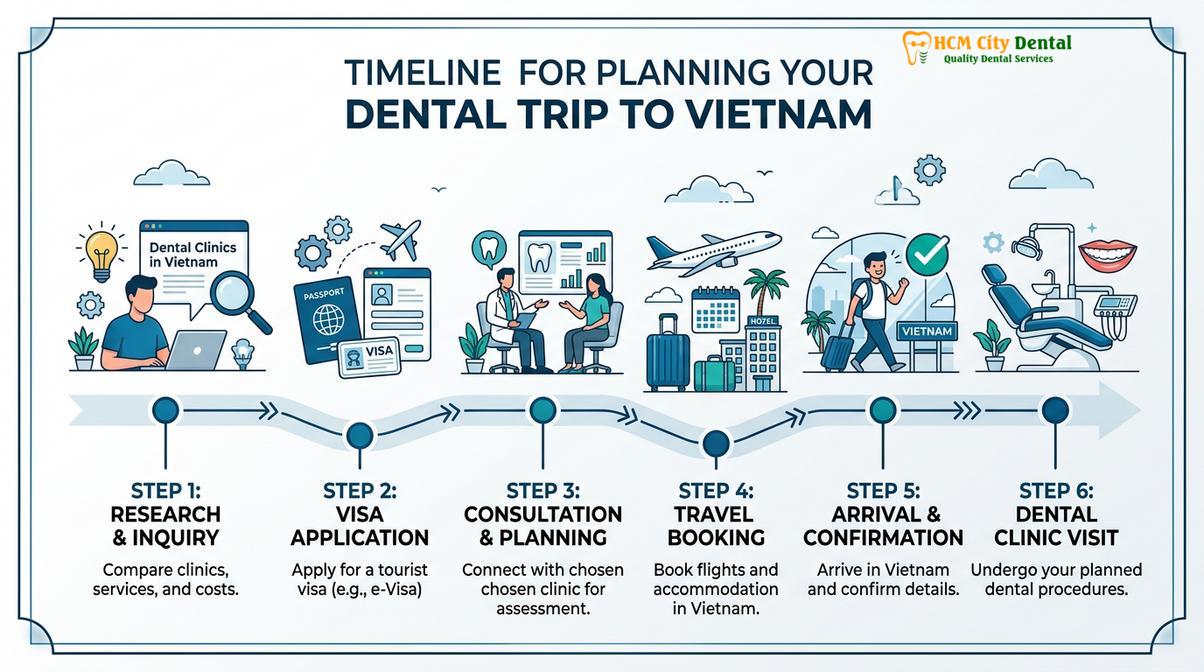
When filling out the application, you will be asked to state your purpose of entry. Selecting “Tourism” is the standard and correct protocol for patients seeking Dental Work in Vietnam: How to Plan Your Trip (Step-by-Step). You must also specify your intended port of entry, which for most patients visiting HCMC Dental Clinic will be Tan Son Nhat International Airport (SGN) in Ho Chi Minh City. It is crucial to note that your e-visa will be tied to this specific entry point; arriving at a different airport or land border may cause significant delays or denial of entry.
From a clinical planning perspective, timing is everything. Standard processing takes three to five business days, but during peak tourist seasons or around national holidays (such as Tet, the Lunar New Year), processing times can extend to two weeks or more. Dentists strongly advise initiating the visa process at least three weeks prior to your scheduled surgery date. This buffer ensures that if an application is returned for corrections, you have ample time to rectify the issue without compromising your treatment schedule.
To further facilitate your journey, HCMC Dental Clinic offers a streamlined booking process. Patients who secure their treatment plans digitally can take advantage of a 40% online booking discount. Furthermore, the clinic supports a wide array of payment options to accommodate international travelers, including Visa/Mastercard, international bank transfer, cash (USD/VND), PayPal, various e-wallets, and major cryptocurrencies (Crypto). This financial flexibility ensures that once your visa is secured, the logistical aspects of your care are handled seamlessly.
Extending Your Visa While in Ho Chi Minh City
If unexpected clinical complexities arise or healing requires more time, extending your visa locally is possible through official immigration channels or specialized agencies. Clinic-provided documentation can substantiate the medical necessity of your extended stay.
While meticulous digital planning and 3D CBCT diagnostics allow dental professionals to predict treatment timelines with high accuracy, human biology is inherently variable. Occasionally, a patient’s healing response may dictate a longer stay than initially anticipated. In such scenarios, knowing how to extend visa ho chi minh city becomes a critical component of your medical travel strategy.
Clinical reasons for requiring a visa extension are varied but generally revolve around ensuring patient safety and the long-term success of the procedure. For example, if a patient undergoes a complex bilateral sinus lift with simultaneous implant placement, the surgeon may observe slower-than-expected soft tissue closure or require an extended course of post-operative antibiotic therapy to manage localized inflammation. In these cases, flying prematurely is strictly contraindicated due to the risks associated with cabin pressure changes, which can disrupt the delicate Schneiderian membrane or cause severe barotrauma [3].

If your clinical diagnostics indicate that an extended stay is necessary, the process of extending your visa must begin immediately. Do not wait until the final days of your visa validity. The extension process typically involves submitting your passport, current visa, and a formal letter of medical necessity to the Vietnam Immigration Department. Because navigating local bureaucracy can be challenging for non-Vietnamese speakers, many patients utilize reputable local visa agencies in Ho Chi Minh City / Saigon / HCMC to expedite the process.
Important Immigration Warning: Never allow your visa to expire while undergoing dental treatment. Overstaying your visa, even for legitimate medical reasons, is a violation of Vietnamese immigration law and can result in daily fines, detention, and a ban on future entry. Always initiate extension procedures at least 7 to 10 days before your current visa expires.
It is also important to consider the logistical aspects of an extended stay. If you need to prolong your trip, you will need to adjust your accommodation and flights. HCMC Dental Clinic assists international patients by providing recommendations for comfortable, recovery-friendly hotels in District 1, ensuring you remain close to the clinic for any necessary follow-up appointments. Patients can easily coordinate these logistics by reaching out for a direct clinical consult with Dr. Cuong via WhatsApp, ensuring that both medical and travel concerns are addressed promptly.
For patients wondering Can I Get Dental Implants on Holiday in Vietnam? (Practical Guide), the answer is a resounding yes, provided you maintain flexibility in your schedule to accommodate the biological realities of surgical recovery.
Medical Support Documents from HCMC Dental Clinic
HCMC Dental Clinic supplies comprehensive medical documentation, including detailed treatment plans and clinical progress reports, to assist international patients with visa extensions or insurance claims. These official records validate the necessity of your continued stay.
When navigating international healthcare, proper documentation is your strongest asset. Whether you need to justify a visa extension to local immigration authorities, file a claim with your international health insurance provider, or simply maintain a precise record of your care for your local dentist back home, official medical paperwork is indispensable. Providing robust saigon dental visa support is a cornerstone of the international patient program at HCMC Dental Clinic.
The documentation process begins before you even arrive in Vietnam. Following your initial online consultation and review of your panoramic X-rays or 3D scans, the clinic generates a comprehensive, itemized treatment plan. This document outlines the proposed procedures, estimated timelines, and associated costs. While this is primarily a clinical roadmap, it also serves as proof of your intent to undergo medical treatment, which can be helpful if questioned by immigration officers upon arrival.
If a clinical complication necessitates a visa extension, the clinic’s administrative team will draft a formal Letter of Medical Necessity. This document, signed by the attending chief surgeon, details the specific procedures performed, the biological reasons why immediate travel is contraindicated, and the precise number of additional days required for safe recovery. Immigration authorities generally look favorably upon official documentation from licensed, reputable medical facilities.
Clinical Case Study: Managing Extended Recovery
A 58-year-old international patient traveled to Ho Chi Minh City for a full-arch restoration. During the surgical phase, the bone density in the posterior maxilla was found to be lower than anticipated, requiring a more extensive particulate bone graft and the placement of a resorbable collagen membrane. To ensure the graft remained undisturbed and to monitor for any signs of early infection, the surgical team recommended extending the patient’s stay by an additional 7 days. HCMC Dental Clinic immediately provided a detailed clinical report and a Letter of Medical Necessity. Utilizing a local agency, the patient successfully extended their visa, allowing for proper suture removal and soft tissue maturation before their flight home, resulting in a highly successful osseointegration phase.
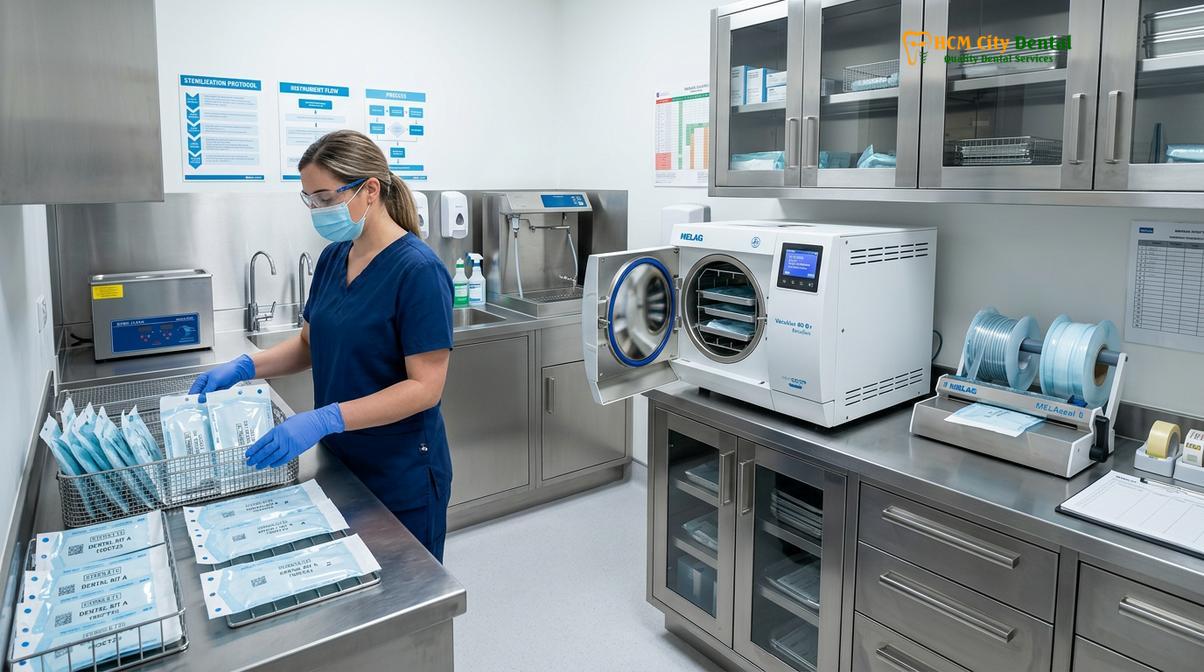
Beyond visa support, HCMC Dental Clinic is committed to maintaining the highest international standards of patient safety. The facility strictly adheres to a Class-B autoclave sterilization protocol, which is the European standard for infection control. This ensures that all instruments, particularly those used in invasive surgical procedures, are completely free of pathogens, significantly reducing the risk of post-operative complications that could delay your travel [4].
For patients seeking an English-Speaking Dentist in Ho Chi Minh City: Complete Guide, the ability to communicate complex medical and administrative needs clearly is vital. The bilingual staff ensures that all medical documents are provided in clear, professional English, facilitating seamless communication with your insurance providers and local authorities.
Important Visa Regulations and Passport Validity
Strict adherence to immigration regulations, particularly the six-month passport validity rule, is mandatory to ensure entry into Vietnam for your dental treatment. Failure to comply can result in immediate boarding denial by airlines.
While focusing on the clinical aspects of your dental tourism journey is natural, overlooking fundamental travel regulations can derail your entire treatment plan before it even begins. The most critical, yet frequently overlooked, regulation is the passport validity requirement. To enter Vietnam, your passport must be valid for a minimum of six months from your date of arrival. This is a strict, non-negotiable mandate enforced not only by Vietnamese immigration but also by international airlines.
If your passport expires in five months and twenty-nine days, you will likely be denied boarding at your departure airport. This scenario is disastrous for a dental tourist, as missing your scheduled surgical date can disrupt the carefully coordinated schedules of the clinical team, anesthesiologists, and dental laboratories. Always verify your passport’s expiration date before booking your initial consultation.
Another crucial consideration is the medical visa requirements regarding the number of entries. As discussed, complex procedures like dental implants require multiple phases separated by months of healing. Patients must decide whether to apply for a multiple-entry visa (if their total treatment spans a shorter period and their nationality permits it) or to apply for separate single-entry e-visas for each distinct trip. Given the ease of the e-visa system, many patients opt for the latter, applying for a new visa prior to each phase of their treatment.
| Visa Strategy | Typical Duration | Entries Allowed | Best Suited For (Clinical Procedures) |
|---|---|---|---|
| Standard E-Visa (Single) | Up to 30 or 90 days | Single Entry | Routine care, crowns, veneers, teeth whitening, single-trip treatments. |
| Standard E-Visa (Multiple) | Up to 90 days | Multiple Entries | Multi-stage treatments occurring within a 3-month window (e.g., rapid loading protocols). |
| Sequential Single E-Visas | 30-90 days per trip | Single Entry (per visa) | Traditional implantology requiring 4-6 months of osseointegration between surgical and restorative phases. |
| Visa Extension (In-Country) | Varies (typically 15-30 days) | N/A (Extends current stay) | Unexpected clinical complications, delayed healing, or extended post-operative monitoring. |
It is also vital to ensure that the information on your e-visa matches your passport exactly. Even minor typographical errors—such as a misspelled middle name or an incorrect date of birth—can render the visa invalid. When planning How to Find a Trustworthy Dentist in Ho Chi Minh City, ensure that the clinic you choose has experience guiding international patients through these logistical hurdles, providing a safety net of administrative support.
Clinical Considerations: When to Consult a Doctor Before Travel
Before finalizing your travel and visa arrangements, a comprehensive clinical evaluation is essential to determine your suitability for overseas dental treatment. Patients with underlying systemic conditions must receive medical clearance.
While dental tourism offers exceptional benefits, it is not universally applicable to all patients without proper medical vetting. The decision to travel internationally for invasive dental procedures must be grounded in sound clinical diagnostics. Before applying for your visa or booking flights, a thorough review of your medical history is mandatory to ensure patient safety and predictable surgical outcomes [5].
Patients with underlying systemic conditions—such as uncontrolled diabetes mellitus, severe cardiovascular disease, bleeding disorders, or those undergoing active bisphosphonate therapy—require specialized medical clearance from their primary care physician before traveling. Uncontrolled diabetes, for instance, significantly impairs microcirculation and immune response, drastically increasing the risk of implant failure and post-operative infection. In such cases, the clinical recommendation may be to stabilize the systemic condition domestically before considering overseas surgical intervention.
“Patient safety supersedes all other considerations. We require a comprehensive medical history and, when necessary, clearance from a patient’s local physician before approving them for complex surgical travel. A successful outcome begins with proper patient selection.” – Dr. Nguyen Van Cuong
Furthermore, the physical act of flying poses specific risks following certain dental procedures. As previously noted, flying immediately after a sinus augmentation (sinus lift) is contraindicated due to the expansion and contraction of gases in the sinus cavity caused by cabin pressure changes. This barometric stress can rupture the delicate membrane or displace the bone graft material. Similarly, flying shortly after complex extractions increases the risk of dislodging the blood clot, leading to a painful condition known as alveolar osteitis (dry socket).
Therefore, your travel itinerary must be dictated by your clinical treatment plan, not the other way around. When comparing options like Dental Implants in Vietnam vs Thailand: Which Is Better?, consider not just the cost, but the clinic’s commitment to enforcing safe post-operative recovery times before clearing you for air travel. Always consult directly with your chosen dental professional to establish a safe, medically sound travel timeline.
Frequently Asked Questions
Can I enter Vietnam with a tourist visa for dental treatment?
Yes, the vast majority of international patients enter Vietnam using a standard tourist e-visa for their dental treatments. Because Vietnam does not currently issue a specific medical visa for short-term outpatient dental care, the standard tourist visa is legally sufficient and widely accepted for clinical visits. Whether you are receiving a simple filling or undergoing complex implant surgery, the tourist e-visa provides the necessary legal framework for your stay, provided your treatment timeline fits within the visa’s validity period.
How long does it take to get a Vietnam E-visa?
Processing a standard Vietnam e-visa typically takes three to five business days when applied for through the official government portal. However, clinical experts recommend applying at least two to three weeks prior to your scheduled dental consultation to account for any unexpected administrative delays or public holidays. Applying early ensures that any errors in the application can be corrected without forcing you to reschedule your flights or your carefully coordinated clinical appointments.
Can the clinic help me with visa extension documentation?
Yes, if your clinical treatment requires an extended healing period, the clinic can provide official medical documentation to support your visa extension application. This includes a detailed treatment plan, surgical notes, and a formal letter of medical necessity to present to local immigration authorities or visa agencies. This documentation serves as clinical proof that your extended stay is required for patient safety and proper post-operative monitoring, significantly improving the chances of a successful visa extension.
What happens if my dental treatment takes longer than my visa allows?
If your clinical recovery extends beyond your visa validity, you must apply for a visa extension before your current visa expires. Overstaying can result in significant fines and travel bans; therefore, it is crucial to communicate any timeline changes with both your dental provider and an immigration specialist immediately. Never attempt to leave the country with an expired visa, as this will cause severe delays at immigration control and complicate any future travel plans to Vietnam for subsequent phases of your dental care.
Is it safe to fly immediately after major dental surgery in Vietnam?
Flying immediately after major oral surgery, such as sinus lifts or extensive bone grafting, is generally contraindicated due to cabin pressure changes. Dentists typically recommend waiting at least three to seven days post-surgery, depending on the procedure, to minimize the risk of bleeding, sinus complications, and severe discomfort. Your attending surgeon will provide specific, personalized clearance for air travel based on your individual healing progress and the complexity of the surgical interventions performed.
References
- Centers for Disease Control and Prevention (CDC). Health Information for Travelers to Vietnam. (2023).
- FDI World Dental Federation. Infection Control and Sterilization Standards in Dental Practice. (2022).
- International Dental Journal. Global trends in dental tourism and clinical standards. (2021).
- Medical Tourism Association (MTA). Global Medical Tourism Index and patient safety ratings. (2023).
- World Health Organization (WHO). Guidelines for Safe Surgery and infection prevention. (2020).