Getting around Saigon as a dental tourist using the Grab app is the safest, most reliable method for navigating the city. It offers fixed pricing, cashless payments, and air-conditioned comfort, which is clinically crucial for minimizing cardiovascular stress and protecting delicate surgical sites after complex dental procedures.
Clinical Summary:
For international patients traveling to Ho Chi Minh City for restorative dentistry, managing local logistics is a vital component of the overall treatment plan. Utilizing the Grab ride-hailing application provides a secure, predictable, and hygienic mode of transportation. From a clinical perspective, minimizing pre-operative anxiety and post-operative physical exertion directly correlates with better surgical outcomes. Dr. Nguyen Van Cuong emphasizes that avoiding the stress of haggling, navigating chaotic traffic, and exposure to airborne pollutants on motorcycles significantly reduces the risk of post-surgical complications such as secondary hemorrhage or infection. By leveraging Grab’s cashless ecosystem and GPS tracking, patients can ensure a seamless transit experience between their hotel and the clinic, maintaining the sterile integrity required for optimal healing.
Key Takeaways:
- Grab provides fixed-fare, GPS-tracked transportation, eliminating the stress of negotiating with street taxis.
- Air-conditioned GrabCars offer a controlled environment, protecting fresh surgical sites from airborne dust and pollution.
- Cashless payments via the app reduce the need to handle physical currency, minimizing cross-contamination risks.
- Patients should strictly avoid GrabBikes immediately after oral surgery due to vibration and physical exertion risks.
- Pre-booking rides helps manage appointment timing, keeping resting heart rates stable for optimal local anesthesia efficacy.
Why Grab is the Safest Transit Option for Dental Tourists
Grab offers a controlled, air-conditioned environment with transparent pricing, which minimizes physiological stress and protects patients from environmental contaminants before and after complex dental procedures.
When planning Dental Tourism in Vietnam, international patients often focus heavily on the clinical aspects of their care, such as implant brands, crown materials, and surgical techniques. However, the logistical reality of navigating a bustling metropolis like Ho Chi Minh City plays a surprisingly significant role in the overall medical experience. Utilizing a reliable ride-hailing service is not merely a matter of convenience; it is a strategic choice that impacts patient safety and physiological stability[1].
Ho Chi Minh City is renowned for its dynamic energy and dense traffic. For a newly arrived patient, attempting to hail a traditional street cab or navigate public transport can induce significant psychological stress. From a clinical standpoint, acute stress triggers the sympathetic nervous system, leading to an elevated heart rate and increased blood pressure. If a patient arrives at the clinic in a state of heightened anxiety, administering local anesthetics—particularly those containing epinephrine—requires more careful titration, and the risk of intraoperative bleeding may marginally increase. By using a predictable service like Grab, patients arrive in a calmer, more hemodynamically stable state.
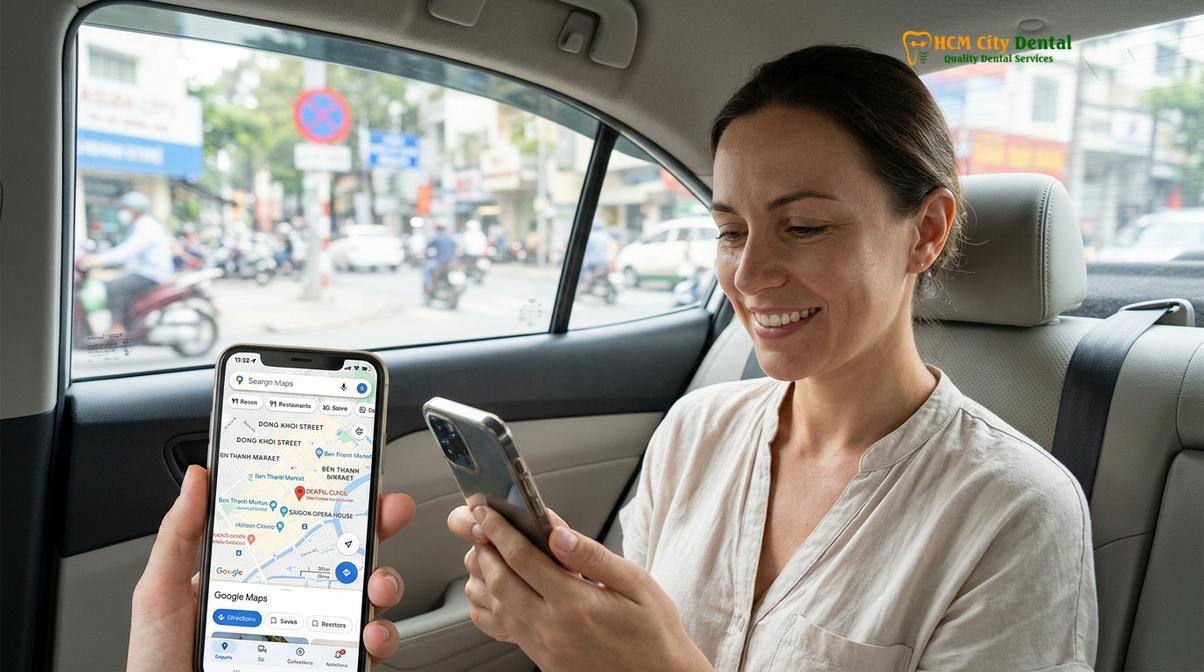
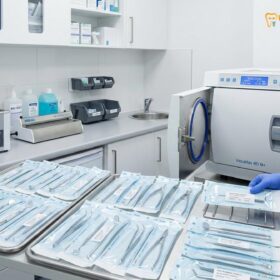
Furthermore, the environmental control offered by a standard GrabCar is highly beneficial. Following procedures such as bone grafting, sinus lifts, or multiple extractions, the oral cavity is particularly vulnerable to opportunistic bacteria. While the mouth is never truly sterile, minimizing exposure to external pollutants is a standard post-operative recommendation[2]. An air-conditioned vehicle provides a filtered micro-environment, shielding the patient from the exhaust fumes and particulate matter prevalent in dense urban traffic. This controlled transit aligns with the rigorous infection control standards maintained inside the clinic, such as HCMC Dental Clinic’s adherence to Class-B autoclave sterilization protocols, ensuring that the patient’s environment remains as clean as possible from the surgical chair to their hotel room.
“The journey from the clinic back to your accommodation is the first phase of your recovery. A calm, temperature-controlled environment prevents the elevation of blood pressure, which is critical for stabilizing the initial blood clot at the surgical site.”
For those looking to secure a reliable grab taxi saigon experience, the application provides driver identification, license plate verification, and real-time GPS tracking. This transparency offers immense peace of mind, allowing patients to focus entirely on their recovery rather than worrying about navigation or personal security in an unfamiliar city.
How to Setup and Link Payments in the Grab App
Setting up the Grab app with an international credit card enables seamless, cashless transactions, significantly reducing the hygiene risks associated with handling physical currency immediately after oral surgery.
Preparation is key to a successful medical trip. Patients are strongly advised to download and configure the Grab application prior to departing their home country. The setup process requires a mobile phone number for SMS verification; while an international number can be used, many tourists prefer to purchase a local Vietnamese SIM card upon arrival to ensure uninterrupted data access. Once the account is active, the most critical step for a dental tourist is configuring the payment methods.
Handling physical currency—especially unfamiliar denominations—can be confusing and unhygienic. Banknotes and coins are notorious fomites, capable of harboring a wide array of bacteria and pathogens[4]. After undergoing oral surgery, patients may inadvertently touch their face, lips, or mouth. If their hands have recently handled contaminated currency, the risk of introducing bacteria to a healing surgical wound increases. Therefore, establishing a cashless payment grab vietnam profile is a highly recommended infection control measure.
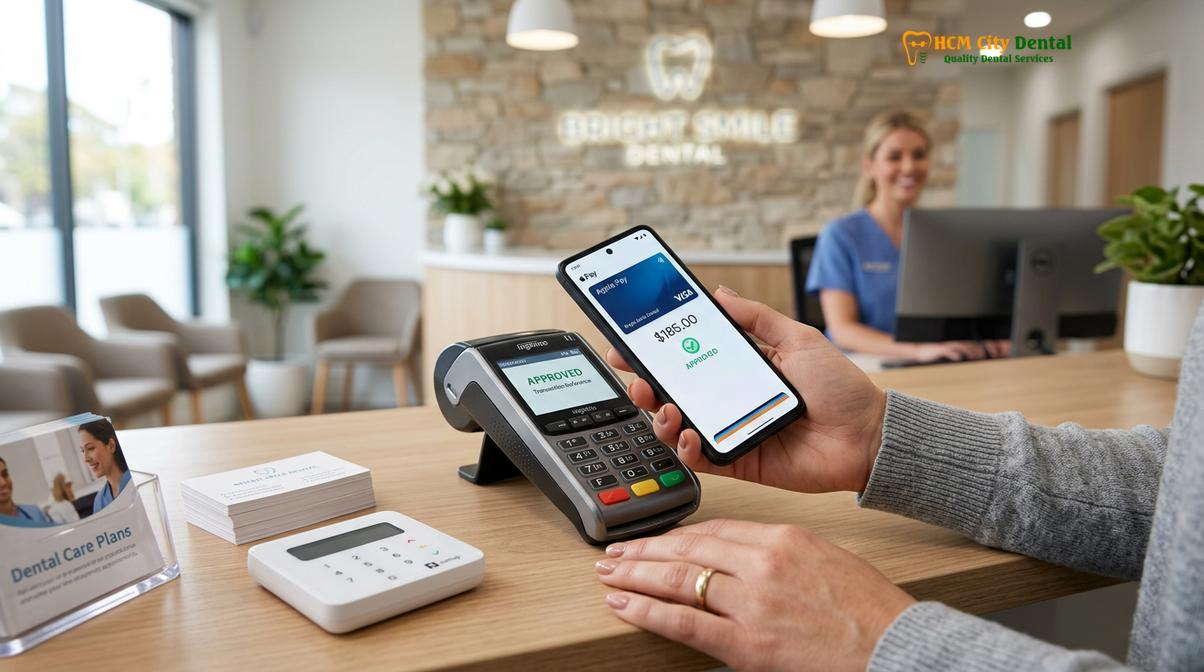
The app allows users to securely link major international credit and debit cards, including Visa and Mastercard. Once linked, the fare is automatically deducted at the end of the ride, eliminating the need to exchange cash, wait for change, or interact physically with the driver. This frictionless process is particularly valuable when a patient is fatigued or experiencing mild discomfort following a lengthy procedure.
Beyond transit, managing finances securely is a core part of the dental tourism experience. Reputable facilities understand the need for flexible financial solutions. For instance, HCMC Dental Clinic accommodates international patients by accepting a wide variety of payment options for clinical services, including Visa/Mastercard, international bank transfers, cash (in both USD and VND), PayPal, various e-wallets, and even major cryptocurrencies (Crypto). By digitizing both transit and clinical payments, patients can maintain a highly sanitary and streamlined workflow throughout their stay.
GrabCar vs. GrabBike: Choosing the Right Ride Post-Surgery
While GrabBikes are popular, dental patients must exclusively use GrabCars post-surgery to avoid the severe risks of physical vibration, sudden movements, and airborne contamination that can compromise healing.
The Grab platform offers several tiers of service, the most prominent being GrabCar (standard automobiles) and GrabBike (motorcycle taxis). For the average tourist, zipping through traffic on the back of a scooter is an exhilarating and efficient way to see the city. However, for a patient who has just undergone invasive dental work, choosing the wrong mode of transport can have serious clinical repercussions.
Dr. Nguyen Van Cuong strongly advises against the use of motorcycles immediately following any surgical intervention, including extractions, implant placements, or periodontal flap surgery. The reasoning is grounded in the biomechanics of healing. When a dental implant is placed into the jawbone, it relies on “primary stability”—the mechanical friction between the titanium thread and the surrounding bone. Over the following weeks, osseointegration occurs. The high-frequency vibration of a motorcycle engine, combined with the inevitable jolts from uneven road surfaces and sudden braking, can transmit micro-movements to the jaw[3]. While minor, these vibrations can theoretically disrupt the delicate cellular matrix forming around the implant.
Clinical Warning: Never use a motorcycle taxi (GrabBike) within the first 72 hours after oral surgery. The physical exertion required to balance, combined with exposure to wind and dust, significantly increases the risk of dislodging blood clots (leading to dry socket) and introducing infection.
Furthermore, riding on a motorcycle exposes the patient directly to the elements. Following an extraction, the formation and preservation of a blood clot within the socket is the most critical step in preventing alveolar osteitis (dry socket). The rushing wind on a motorbike can cause a patient to breathe heavily through their mouth, drying out the oral mucosa and potentially destabilizing the clot. Additionally, the ambient smog and dust in heavy traffic introduce foreign particulate matter directly into the airway and oral cavity.
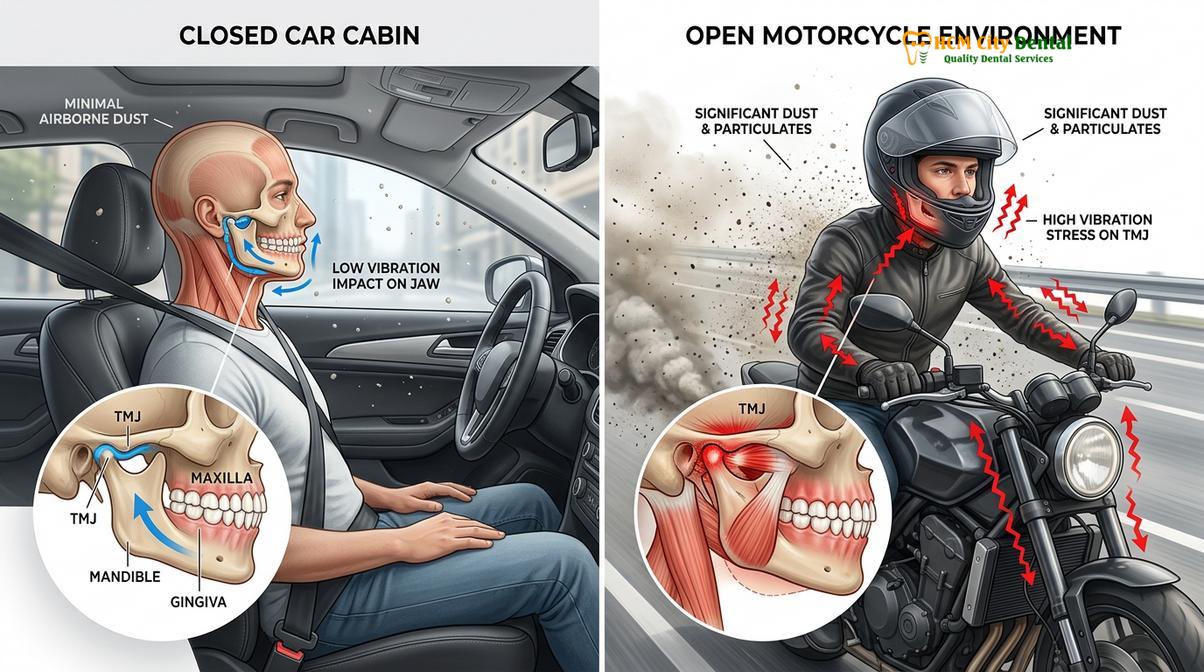
To illustrate the differences clearly, consider the following clinical comparison between the two transit modes for post-operative patients:
| Transit Feature | GrabCar (Automobile) | GrabBike (Motorcycle) | Clinical Implication for Dental Patients |
|---|---|---|---|
| Environmental Control | Enclosed, air-conditioned, filtered air. | Open air, direct exposure to exhaust and dust. | Cars protect fresh surgical wounds from airborne pathogens and prevent mucosal drying. |
| Physical Stability | Seated comfortably, minimal physical exertion. | Requires core balance, bracing against sudden stops. | Bikes increase heart rate and physical strain, elevating the risk of post-op bleeding. |
| Vibration Impact | Dampened by car suspension. | Direct transfer of engine and road vibration to the body. | Micro-vibrations from bikes can negatively impact early stability of dental implants. |
| Communication | Quiet environment, easy to use translation apps. | Loud, difficult to communicate while wearing a helmet. | Cars allow patients to easily contact their clinic or doctor if they feel unwell during transit. |
For patients researching Dental Implants in Vietnam vs Thailand: Which Is Better?, understanding these local logistical nuances is just as important as comparing clinical costs. Always prioritize a four-wheeled, enclosed vehicle for any transit occurring within a week of your surgical appointments.
Navigating Traffic and Estimating Transit Times to District 1
Accurately estimating travel times to District 1 prevents appointment delays and pre-surgical anxiety, ensuring patients arrive with a stable resting heart rate optimal for treatment.
Ho Chi Minh City is divided into various districts, with District 1 serving as the central commercial and tourist hub. Many top-tier medical facilities and international hotels are located within or adjacent to this area. Efficient district 1 transportation requires an understanding of the city’s unique traffic rhythms. Rush hours typically occur between 7:30 AM to 9:00 AM, and again from 5:00 PM to 7:00 PM. During these windows, travel times can easily double.
From a clinical perspective, punctuality is not just about courtesy; it is about patient physiology. Rushing to an appointment because of underestimated traffic induces a state of acute stress. As adrenaline floods the system, the patient’s pain threshold can lower, and their response to local anesthesia may be altered. Dentists prefer patients to arrive at least 15 minutes early to sit in the waiting room, hydrate, and allow their cardiovascular system to return to a baseline resting state before sitting in the surgical chair.
Patient Logistics Profile: An international patient scheduled for a full-arch restoration was staying in District 3. By utilizing the Grab app’s “Schedule a Ride” feature, they pre-booked their transit for 8:00 AM, avoiding the stress of finding a car during peak rush hour. They arrived at the clinic with a normal blood pressure reading of 120/80 mmHg, allowing the surgical team to proceed immediately with optimal anesthetic efficacy.
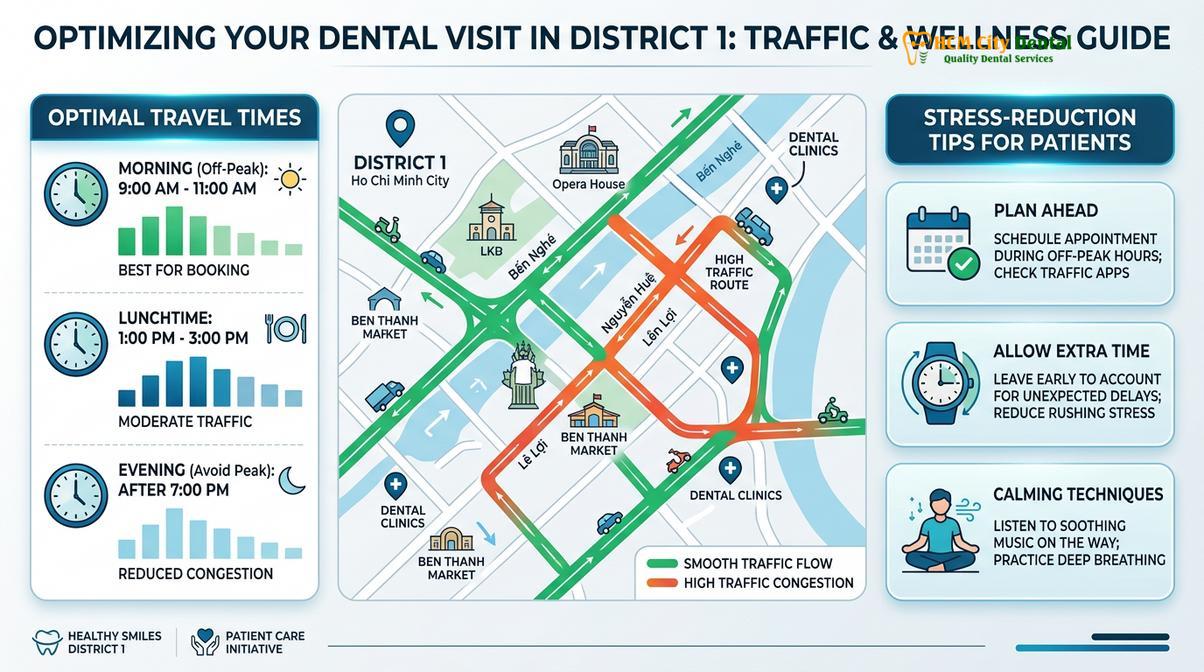
When planning your itinerary, it is highly beneficial to consult with your clinic regarding accommodation. HCMC Dental Clinic, for example, encourages patients to reach out via WhatsApp for curated hotel recommendations in District 1 that offer the best balance of comfort and proximity to the clinic. Additionally, the clinic can assist in arranging dedicated airport pickup options for those who prefer a private driver over navigating the app immediately upon landing.
If you are searching for an English-Speaking Dentist in Ho Chi Minh City, ensure that the clinic’s support staff is equally proficient in English. This allows them to guide you through local transit nuances, helping you estimate travel times accurately and ensuring your treatment schedule remains entirely stress-free.
Safety Tips and Avoiding Street Taxi Scams in HCMC
Utilizing Grab eliminates the risk of meter manipulation and communication barriers, providing a secure, verifiable transit method that protects vulnerable patients recovering from dental procedures.
While Ho Chi Minh City is generally very safe for tourists, petty scams involving street taxis are a known nuisance. Unscrupulous drivers may use manipulated meters that run artificially fast, or they may take intentionally convoluted routes to inflate the fare. For a healthy tourist, this is merely an annoyance; for a dental patient who has just undergone a complex procedure, it is an unacceptable risk to their well-being and recovery.
Ensuring saigon traffic safety and personal security is paramount. The Grab app fundamentally neutralizes these risks. Because the fare is calculated and locked in before the ride is confirmed, there is zero ambiguity regarding the cost. The route is mapped via GPS, and any significant deviation is flagged by the system. Furthermore, the app provides the driver’s name, photo, and vehicle license plate number, ensuring you are entering the correct, registered vehicle.
“Patient safety extends beyond the clinic doors. We strongly advise our international patients to rely exclusively on verified ride-hailing applications to avoid the stress, confusion, and potential exploitation associated with unregulated street transport.”
Another significant advantage is the built-in communication tool. The Grab app features an instant messaging system that automatically translates text between English and Vietnamese. If a driver is having trouble locating your hotel or the clinic entrance, you can type instructions in English, and the driver will read them in Vietnamese. This eliminates the language barrier, which is often a source of anxiety for first-time visitors.
For patients arriving by air, managing tan son nhat airport transit is the first logistical hurdle. The airport has designated pickup lanes specifically for ride-hailing vehicles. By following the signs to the Grab pickup point, patients can bypass the aggressive touts offering “private cars” at inflated prices in the arrivals hall. This secure start to the journey sets a positive, controlled tone for the entire medical vacation. When researching How to Find a Trustworthy Dentist in Ho Chi Minh City, look for practices that proactively educate their patients on these local safety protocols.
When to Seek Immediate Medical Attention (Post-Op Transit)
Patients must monitor themselves for severe bleeding, rapid swelling, or signs of systemic distress during transit, and should contact their clinic immediately if these symptoms occur.
While transit via an air-conditioned car is generally safe, patients must remain vigilant regarding their physical condition following oral surgery. The immediate post-operative period is when the body begins the acute inflammatory response necessary for healing. However, certain symptoms indicate a deviation from normal recovery and require prompt clinical intervention[5].
If you are in transit back to your hotel and experience any of the following, you should immediately contact your dental provider or direct your driver to the nearest international hospital:
- Uncontrolled Hemorrhage: Mild oozing of blood is normal for the first 24 hours. However, if the bleeding is profuse, bright red, and rapidly fills the mouth despite applying firm pressure with sterile gauze, this is a clinical emergency.
- Rapid, Severe Swelling: While gradual swelling over 48 hours is expected, swelling that occurs rapidly and begins to compromise the airway, throat, or ability to swallow indicates a severe hematoma or an acute allergic reaction (anaphylaxis).
- Syncope or Severe Dizziness: Feeling faint, experiencing tunnel vision, or losing consciousness in the vehicle can be a result of a sudden drop in blood pressure, hypoglycemia, or a reaction to prescribed medications.
- Difficulty Breathing: Any shortness of breath or wheezing, particularly after taking newly prescribed antibiotics or pain medication, requires immediate emergency medical care.
Dr. Cuong advises all patients to keep their clinic’s emergency contact number readily available on their phone. If a complication arises while stuck in traffic, the clinic staff can provide immediate over-the-phone triage, advise whether to return to the clinic or head to an emergency room, and even speak directly to the Grab driver in Vietnamese to provide urgent routing instructions.
To ensure your dental journey is as seamless as your transit, take advantage of our current promotions. HCMC Dental Clinic is currently offering a 40% online booking discount for international patients. You can easily schedule a direct clinical consult with Dr. Cuong via WhatsApp to discuss your treatment plan, request hotel recommendations, and arrange your secure airport pickup.
Frequently Asked Questions
Is it easy to get a Grab ride from Tan Son Nhat airport?
Yes, booking a Grab ride from Tan Son Nhat International Airport is highly straightforward and efficient. The airport features designated pickup zones specifically for ride-hailing vehicles, allowing international dental patients to secure safe, fixed-price transportation immediately upon arrival without negotiating with street touts. Simply connect to the airport’s free Wi-Fi, open the app, and follow the in-app walking directions to the designated Grab pickup lanes located just outside the arrivals terminal.
Can I pay Grab rides with an international credit card?
Yes, the Grab app seamlessly accepts major international credit and debit cards, including Visa and Mastercard. Linking your card before your trip enables automatic cashless payments, which is highly recommended for dental tourists to minimize the handling of physical currency post-surgery. This not only provides financial convenience but also acts as a vital hygiene measure, reducing the risk of transferring bacteria from banknotes to your healing mouth.
Should I ride a GrabBike after undergoing oral surgery?
No, riding a GrabBike immediately following oral surgery is strongly discouraged by dental professionals. The physical vibration, exposure to airborne dust, and sudden movements can disrupt delicate blood clots, increase bleeding risks, and introduce environmental contaminants to fresh surgical sites. Always opt for a four-wheeled GrabCar to ensure a stable, air-conditioned, and physically protective environment during your critical early recovery phase.
How do I communicate with my Grab driver if I don’t speak Vietnamese?
The Grab app features a built-in messaging system with automatic real-time translation between English and Vietnamese. This allows you to easily communicate pickup details or specific instructions to your driver without any language barrier, ensuring a smooth and stress-free transit experience. You can type your messages in English, and the driver will receive them in their native language, making coordination effortless even in busy areas.
What should I do if my Grab ride is delayed and I might miss my dental appointment?
If your ride is delayed due to traffic, immediately contact your dental clinic via WhatsApp to inform them of your updated ETA. Most reputable clinics build buffer times into their schedules for international patients and will adjust your appointment to ensure you are not rushed. Arriving in a calm state is clinically important for maintaining a stable blood pressure, so communicate with the clinic rather than stressing over the delay.
References
- Journal of Oral and Maxillofacial Surgery. Hemodynamic responses to stress in dental patients. (2021).
- World Health Organization (WHO). Urban transport and health: mitigating airborne pollution exposure. (2022).
- International Journal of Implant Dentistry. The impact of micro-vibration and physical trauma on early implant stability. (2020).
- Centers for Disease Control and Prevention (CDC). Infection control and cross-contamination via fomites and currency. (2023).
- American Dental Association (ADA). Post-operative care guidelines following complex oral surgery. (2022).