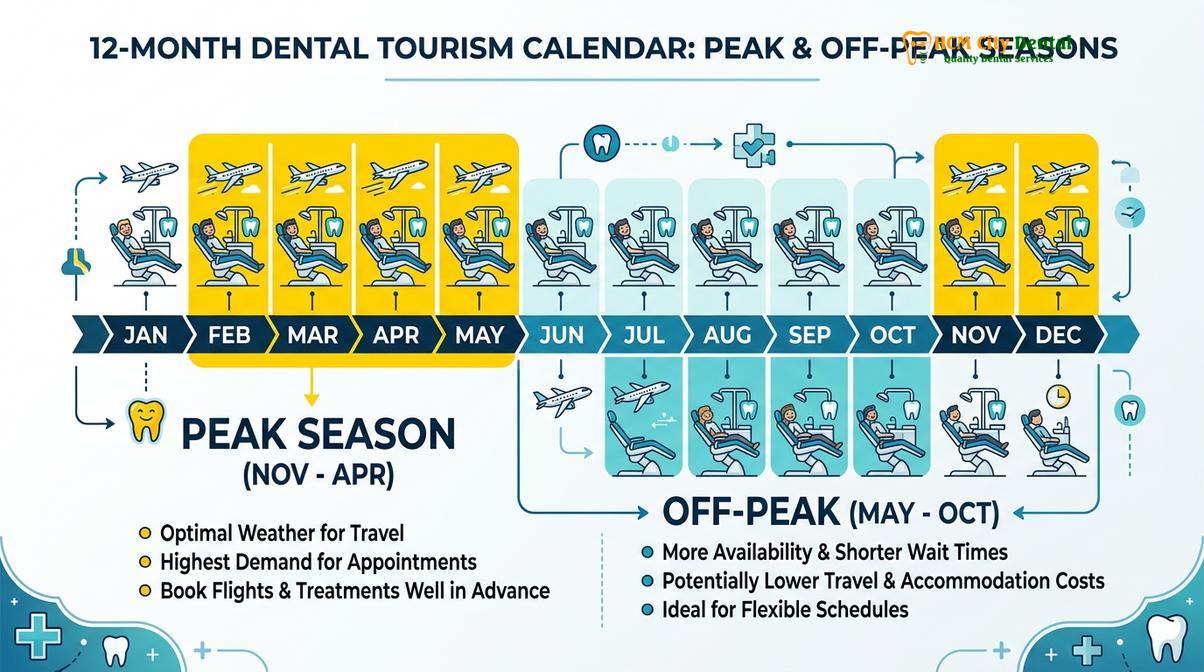
The best time of year for dental travel to Vietnam is the dry season, spanning from November to April. This period offers stable, predictable weather, minimizing travel disruptions and providing the most comfortable environmental conditions for post-surgical recovery following complex dental procedures.
Clinical Summary:
Planning a successful medical vacation requires aligning your clinical treatment timeline with local climate patterns. The dry season (November to April) is clinically optimal for extensive oral surgeries, as lower humidity and stable weather reduce environmental stressors during early recovery. Conversely, the wet season (May to October) offers substantial logistical cost advantages for patients seeking minor restorative or cosmetic work. Regardless of the season, strategic scheduling around major national holidays—specifically the Lunar New Year (Tet)—is critical to avoid mid-treatment clinic closures and ensure continuous access to your primary dental provider.
Key Takeaways:
- November to April provides the safest environmental conditions and easiest logistics for complex oral surgery recovery.
- May to October offers reduced travel costs, making it ideal for shorter cosmetic dental procedures.
- The Lunar New Year (Tet) typically causes a 7-10 day clinic closure, requiring careful itinerary planning.
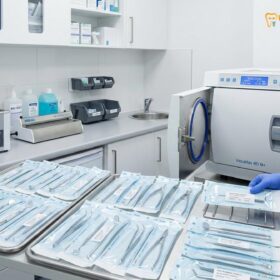
- Class-B autoclave sterilization ensures international safety standards are maintained regardless of seasonal humidity.
- Pre-booking consultations via WhatsApp can secure a 40% online booking discount for international patients.
Saigon’s Tropical Climate: Wet Season vs. Dry Season
Ho Chi Minh City experiences a distinct tropical monsoon climate divided into a dry season and a wet season, directly impacting travel logistics, patient comfort, and post-operative recovery environments.
When planning a medical journey, understanding the local climate is just as important as selecting the right clinical provider. Ho Chi Minh City (formerly Saigon) operates on a two-season tropical climate model. The environmental conditions you encounter can influence everything from your daily travel logistics to your physiological comfort during the critical days following an oral surgery. For international patients, adapting to the dry season saigon weather or preparing for the monsoon rains is a fundamental step in ensuring a stress-free medical vacation.
The dry season, which runs from late November through April, is characterized by lower humidity levels, clear skies, and relatively cooler temperatures in the early months (December and January). During this time, the average temperature hovers around 27°C to 32°C (81°F to 90°F). From a clinical perspective, lower humidity is highly beneficial for patients recovering from invasive procedures such as full-arch implant placements or complex bone grafting. High heat and extreme humidity can exacerbate post-operative edema (swelling) and increase general physical discomfort, making the milder dry season the preferred window for extensive surgical interventions [1].
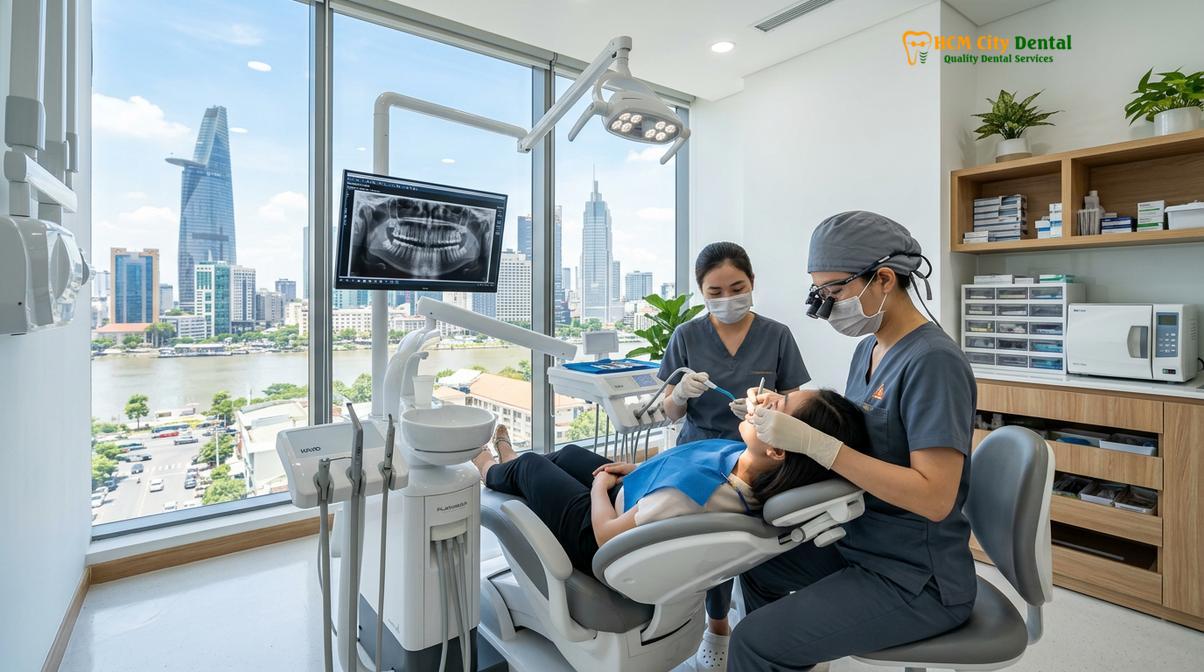
Conversely, the wet season spans from May to October. This period is defined by high humidity (often exceeding 80%) and frequent, heavy downpours. However, it is a misconception that it rains continuously. The typical weather pattern involves bright, sunny mornings followed by intense, short-lived thunderstorms in the late afternoon. While the ambient temperature remains warm, the sudden shifts in barometric pressure before a storm can occasionally cause mild discomfort for patients who have recently undergone sinus lifts or extensive extractions—a phenomenon related to barodontalgia [2].
Regardless of the external weather, modern facilities like HCMC Dental Clinic maintain strictly climate-controlled environments. Treatment rooms, recovery suites, and sterilization areas are kept at optimal temperatures and humidity levels to ensure patient comfort and clinical efficacy. However, the moment you step out of the clinic, the tropical climate becomes a factor in your overall recovery experience. Therefore, aligning your treatment type with the appropriate season can significantly enhance your overall satisfaction and healing trajectory.
Why November to April is the Peak Dental Tourism Window
The dry season is the premier window for dental tourism because predictable weather reduces travel stress and creates a safer, cleaner environment for recovering from invasive oral surgeries.
The months between November and April are universally recognized as the peak season for international visitors seeking Dental Tourism in Vietnam. This surge in medical travelers is not merely a coincidence of holiday scheduling; it is deeply rooted in the practical and clinical advantages that stable weather provides. When undergoing major dental work, your body requires a low-stress environment to facilitate optimal healing, particularly during the initial stages of hemostasis and tissue repair.
For patients undergoing complex rehabilitations—such as All-on-4 implant systems, bilateral sinus lifts, or multiple surgical extractions—the immediate post-operative period is critical. During the first 48 to 72 hours, patients are advised to rest, avoid strenuous activity, and minimize exposure to extreme heat, which can trigger vasodilation and increase the risk of secondary bleeding or excessive swelling [3]. The cooler, drier months of December and January provide a naturally soothing environment that aligns perfectly with these post-surgical protocols.
Furthermore, navigating a bustling metropolis like Ho Chi Minh City is significantly easier without the threat of sudden torrential rain. Patients recovering from surgery often prefer to take short, gentle walks or relax in outdoor cafes. The dry season allows for seamless mobility between your hotel, the clinic, and local attractions. If you are researching Dental Work in Vietnam: How to Plan Your Trip (Step-by-Step), you will find that scheduling during the dry season eliminates many logistical variables, allowing you to focus entirely on your clinical recovery.
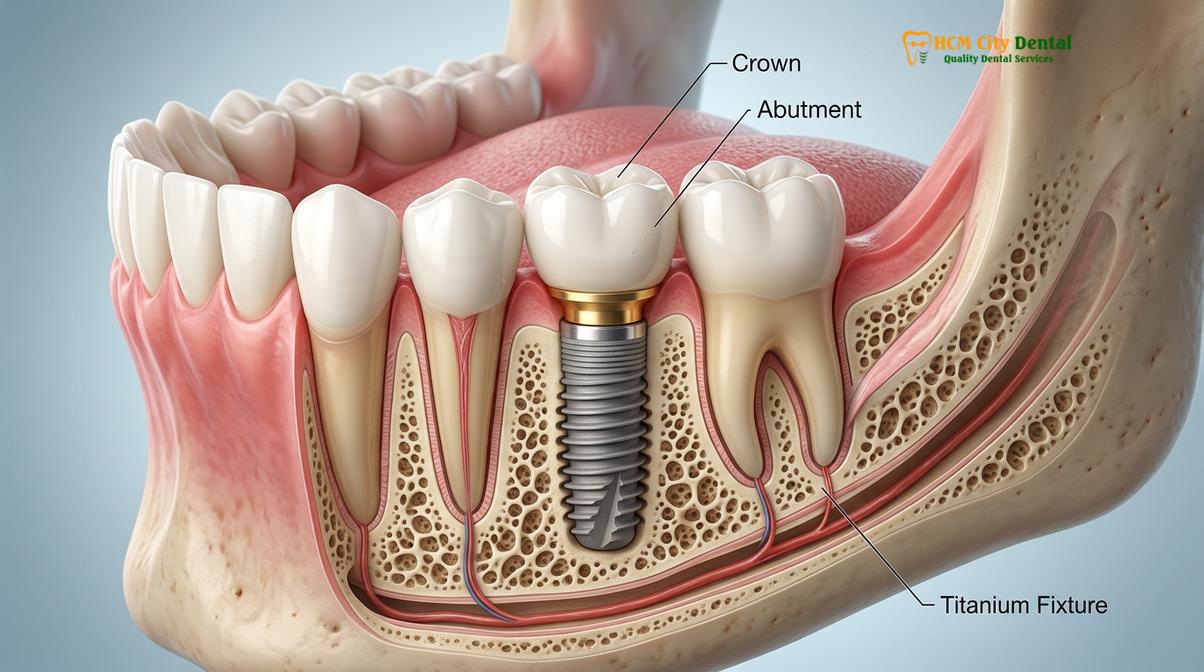
To help you determine the best time for your specific needs, consider the following clinical recommendations based on procedure type:
| Dental Procedure | Ideal Travel Season | Clinical Rationale | Minimum Recommended Stay |
|---|---|---|---|
| Dental Implants (Phase 1: Surgery) | Dry Season (Nov – Apr) | Lower heat reduces post-op swelling; easier logistics for multiple follow-ups. | 10 – 14 Days |
| All-on-4 / Full Arch Restoration | Dry Season (Nov – Apr) | Complex surgery requires stress-free recovery and stable environmental conditions. | 14 – 21 Days |
| Porcelain Veneers / Crowns | Year-Round | Minimally invasive; recovery is rapid and unaffected by external weather. | 7 – 10 Days |
| Routine Care (Whitening, Fillings) | Wet Season (May – Oct) | No surgical recovery needed; take advantage of off-peak travel discounts. | 3 – 5 Days |
It is also worth noting that the peak season coincides with the highest demand for top-tier specialists. If you are looking into How to Find a Trustworthy Dentist in Ho Chi Minh City, you must secure your appointments well in advance. At HCMC Dental Clinic, we highly recommend initiating a direct clinical consult via WhatsApp at least two months prior to your intended arrival. This allows our team to review your panoramic X-rays, formulate a precise treatment plan, and lock in your schedule, ensuring you receive dedicated time with our senior specialists.
Managing Wet Season Travels: Flooding, Umbrellas, and Ride-Hailing
Traveling during the rainy season requires proactive logistical planning to navigate sudden downpours and localized flooding while protecting surgical sites from environmental contaminants.
While the dry season is ideal for complex surgeries, monsoon season dental travel is entirely feasible and highly popular among patients seeking cost-effective solutions for less invasive procedures. However, visiting Vietnam between May and October requires a strategic approach to daily logistics and a heightened awareness of post-operative care in a wet environment.
The primary challenge during the wet season is the sudden, intense afternoon rainfall. These downpours can occasionally lead to localized street flooding in certain districts of Saigon. For a healthy tourist, this is merely an inconvenience; for a patient who has just undergone oral surgery, it presents specific clinical risks. Navigating flooded streets on foot poses a risk of slipping, physical exertion, and exposure to environmental pathogens. Therefore, meticulous saigon travel planning is essential.
Clinical Warning: Infection Control Post-Surgery
If you undergo surgical extractions or implant placement during the wet season, strictly avoid walking through flooded streets. Exposure to contaminated floodwaters, even indirectly through splashes, can introduce opportunistic pathogens to your system. Always use enclosed transportation (like a car or taxi) to travel between the clinic and your hotel during heavy rain.
To mitigate these challenges, we strongly advise patients to utilize ride-hailing applications like Grab (the Southeast Asian equivalent of Uber). Booking a car rather than a motorbike taxi ensures you remain dry, air-conditioned, and physically protected from the elements immediately following your appointment. Furthermore, selecting a hotel in District 1 or District 3—close to HCMC Dental Clinic—minimizes your transit time. Our patient support team is always available via WhatsApp to provide curated hotel recommendations that offer easy, covered access for our international patients.
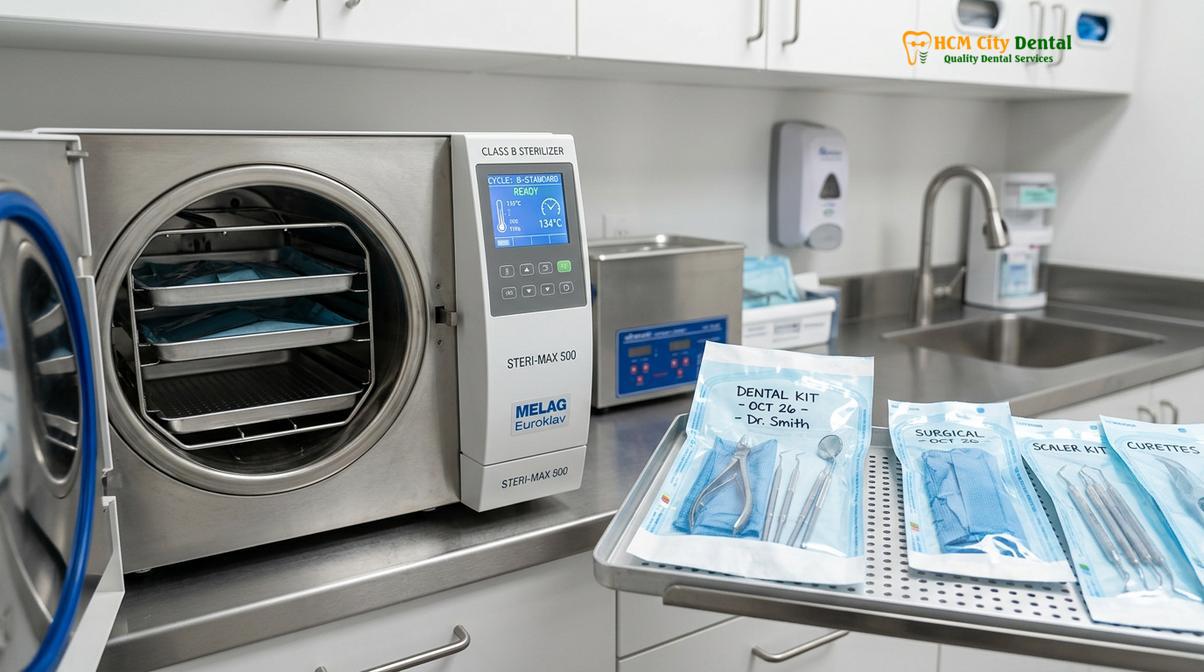
Inside the clinic, the wet season demands the highest standards of infection control. High ambient humidity can promote bacterial growth if facilities are not meticulously maintained. This is why HCMC Dental Clinic utilizes a strict Class-B autoclave sterilization protocol—the highest European standard for dental sterilization. This vacuum-assisted technology ensures that all surgical instruments, including hollow handpieces, are 100% sterilized and dry, completely neutralizing any risks associated with tropical humidity [4].
If you are considering Can I Get Dental Implants on Holiday in Vietnam? (Practical Guide) during the summer months, rest assured that the clinical environment remains pristine. You simply need to plan your daily itinerary to have your appointments in the morning, leaving the rainy afternoons for resting in your hotel or enjoying indoor activities like visiting museums or enjoying Vietnamese coffee.
Holiday Schedules: How Tet (Lunar New Year) Affects Clinic Hours
The Tet holiday prompts nationwide closures, meaning international patients must strictly avoid scheduling multi-stage treatments that overlap with this week-long festival to prevent interrupted care.
One of the most critical factors in planning your medical journey is understanding the impact of national holidays, specifically the Lunar New Year, known locally as Tet. Usually falling between late January and mid-February, Tet is the most important cultural celebration in Vietnam. During this time, the entire country effectively shuts down as people return to their hometowns to be with family.
For a dental tourist, a vietnam tet holiday closure is a major logistical hurdle. Most reputable dental clinics, dental laboratories, and medical supply chains close for a minimum of 7 to 10 days. Scheduling a multi-stage procedure—such as the fabrication of porcelain crowns or the second phase of dental implants—too close to the Tet holiday carries significant clinical risks.
“The most challenging scenario for an international patient is having temporary crowns placed just before the Tet holiday, only to have the clinic close for a week. If a temporary crown dislodges or a healing abutment becomes loose during the holiday, finding emergency specialized care is extremely difficult. We always advise patients to complete their treatments at least five days before Tet begins, or postpone their arrival until the holiday concludes.”
— Dr. Nguyen Van Cuong, Lead Specialist at HCMC Dental Clinic
If your treatment plan requires custom prosthetics (like veneers or crowns), the dental laboratory needs sufficient working days to mill, glaze, and perfect the ceramics. A holiday closure halts this process entirely. Therefore, when consulting with an English-Speaking Dentist in Ho Chi Minh City, always ask for a clear timeline that accounts for any upcoming public holidays.
If you must travel around the Tet period, it is highly recommended to arrive immediately after the holiday concludes. By mid-February, the weather is exceptionally pleasant, the city returns to its vibrant pace, and clinics reopen fully staffed and ready to accommodate international patients. Always confirm the exact dates of the Lunar New Year for the specific time you plan to travel, as the dates shift annually based on the lunar calendar.
Off-Peak Benefits: Cheaper Flights and Hotels in the Rainy Season
Patients seeking minor cosmetic or restorative work can leverage the wet season to secure off-peak flight tickets and discounted luxury accommodations, maximizing their overall return on investment.
While the dry season offers optimal weather, the wet season (May to October) presents an undeniable financial advantage. For patients whose primary motivation is cost savings—particularly those requiring non-surgical treatments like root canals, E-max crowns, or professional teeth whitening—traveling during the off-peak months can drastically reduce the total cost of the trip.
During the summer and early autumn, airlines frequently offer off-peak flight tickets, and luxury hotels in District 1 often drop their nightly rates by 20% to 40% to attract tourists. When you combine these travel savings with the inherently lower cost of medical care in Vietnam, the financial benefits become highly compelling. Many patients use these savings to upgrade their accommodations to five-star hotels, ensuring a highly comfortable and pampered recovery environment.
Patient Experience: Maximizing Off-Peak Value
An international patient required 8 porcelain veneers and a root canal treatment. By choosing to travel in September (wet season) rather than January, they saved approximately $600 on round-trip airfare and secured a luxury hotel suite at a 30% discount. Because veneer placement is minimally invasive and requires only a 7-day stay, the afternoon rain did not impact their clinical outcome. They utilized the 40% online booking discount at HCMC Dental Clinic, resulting in a total trip cost that was less than the price of the dental work alone in their home country.
To further facilitate a seamless experience, HCMC Dental Clinic offers a variety of flexible payment options to accommodate international travelers. We explicitly accept Visa and Mastercard, international bank transfers, cash (in both USD and VND), PayPal, popular e-wallets, and major cryptocurrencies (Crypto). This flexibility ensures that you do not have to carry large amounts of cash or worry about exorbitant foreign exchange fees during your trip.
Furthermore, patients who proactively plan their trip and initiate a consultation via WhatsApp can take advantage of our 40% online booking discount for specific restorative procedures. This promotion, combined with off-peak travel rates, makes Vietnam one of the most competitive destinations globally. When comparing Dental Implants in Vietnam vs Thailand: Which Is Better?, the overall cost-to-quality ratio during Vietnam’s off-peak season is frequently cited as a deciding factor for budget-conscious medical travelers.
When to See a Doctor (Clinical Considerations)
Regardless of the time of year you choose to travel, undergoing dental procedures abroad requires careful clinical monitoring. While complications are rare when treated by experienced professionals, international patients must be aware of specific red flags that necessitate immediate medical attention before boarding a flight home.
You should contact your dentist immediately if you experience any of the following symptoms post-treatment:
- Uncontrolled Bleeding: Slight oozing is normal for 24 hours post-extraction, but active, pulsating bleeding requires immediate clinical intervention.
- Severe, Escalating Pain: Pain that worsens after 48 hours, rather than improving, may indicate an infection or a condition known as dry socket (alveolar osteitis).
- Fever or Systemic Swelling: Swelling that extends to the neck or eyes, accompanied by a fever, is a sign of a spreading bacterial infection requiring immediate antibiotic therapy and drainage [5].
- Bite Discrepancies: If a new crown or bridge feels “high” or causes pain when chewing, it must be adjusted before you leave the country to prevent trauma to the underlying tooth nerve or temporomandibular joint (TMJ).
“We never clear a patient for international air travel immediately after a major sinus lift or complex bone graft. The changes in cabin pressure at 30,000 feet can cause severe barotrauma to healing sinus membranes. Patients must allocate adequate recovery time in Ho Chi Minh City—usually 3 to 5 days post-surgery—before we provide clinical clearance to fly.”
— Dr. Nguyen Van Cuong, HCMC Dental Clinic
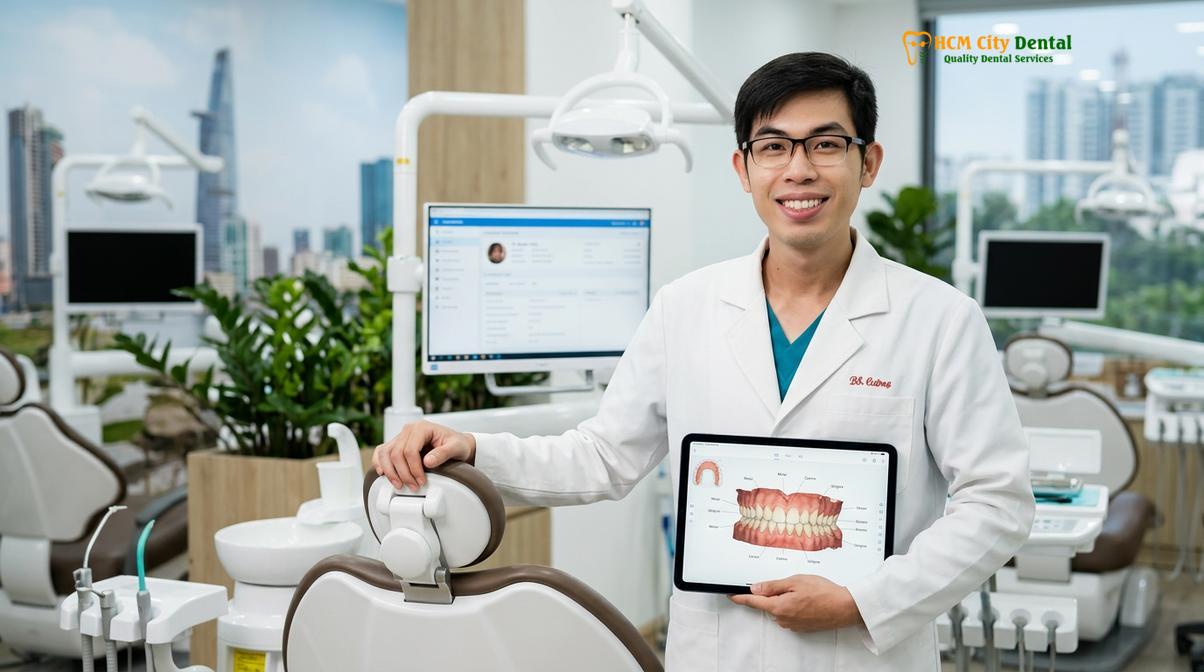
To ensure your safety, HCMC Dental Clinic provides comprehensive post-operative care instructions and maintains an open line of communication via WhatsApp for all international patients. We strongly advise scheduling a final check-up 24 hours before your departure flight. This allows our clinical team to verify hemostasis, check the integrity of sutures, and ensure you are medically fit for travel.
Choosing the best time of year for your dental travel to Vietnam ultimately depends on the complexity of your procedure, your budget, and your tolerance for tropical weather. By understanding the clinical implications of the wet and dry seasons, and by avoiding major holidays like Tet, you can ensure a safe, comfortable, and highly successful medical vacation. For personalized advice and to begin planning your treatment, we encourage you to reach out to our team for a direct consultation.
Frequently Asked Questions
Is the clinic open during the Lunar New Year (Tet) holiday?
No, most dental clinics in Vietnam close for 7 to 10 days during the Lunar New Year (Tet). It is critical to avoid scheduling multi-stage treatments during this period to ensure you have continuous access to clinical care and emergency support. Always verify the exact dates of Tet for the year you plan to travel, as it shifts based on the lunar calendar.
Does it rain all day during the wet season in Ho Chi Minh City?
No, the wet season typically features short, heavy afternoon downpours rather than continuous all-day rain. Mornings are usually clear and sunny, allowing ample time for clinical appointments and local sightseeing if you plan your daily itinerary carefully. Utilizing ride-hailing apps can help you navigate the city comfortably during afternoon showers.
How far in advance should I book my trip for the dry season?
You should book your dental appointments and travel arrangements at least two to three months in advance for the dry season. This peak period sees high demand, and early booking ensures you secure your preferred clinical schedule, dedicated time with senior specialists, and the best rates on accommodations.
Can I fly immediately after getting dental implants in Vietnam?
No, you should wait at least 48 to 72 hours before flying after dental implant surgery. Changes in cabin pressure can exacerbate swelling, trigger bleeding, or cause sinus complications, especially if a sinus lift was performed during the procedure. Your dentist must provide clinical clearance before you board an international flight.
Are dental treatments cheaper during the rainy season?
While standard clinical fees remain consistent, your overall trip will be cheaper during the rainy season due to significantly lower costs for flights and hotels. Clinics may also offer seasonal promotions on comprehensive treatment packages during these off-peak months, maximizing your overall return on investment.
References
- Centers for Disease Control and Prevention (CDC). Health Information for Travelers to Vietnam. (2023).
- FDI World Dental Federation. Infection Control and Sterilization Standards in Dental Practice. (2022).
- International Dental Journal. Global trends in dental tourism and clinical standards. (2021).
- Medical Tourism Association (MTA). Global Medical Tourism Index and patient safety ratings. (2023).
- World Health Organization (WHO). Guidelines for Safe Surgery and infection prevention. (2020).