Yes, you can fly after dental surgery, but the safe timeline depends entirely on the procedure. Simple extractions generally require a 24 to 48-hour wait, while complex surgeries like implants or sinus lifts demand 5 to 14 days to prevent bleeding and pressure-induced complications.
Clinical Summary:
Air travel shortly after dental surgery introduces unique physiological challenges primarily due to fluctuations in cabin pressure. According to Dr. Nguyen Van Cuong, a leading specialist in oral surgery, these pressure changes can expand trapped gases within the oral cavity and sinuses, potentially dislodging fragile blood clots or causing a painful condition known as barodontalgia. For international patients engaging in Dental Tourism, planning the correct recovery window is critical. Minor treatments like fillings or cleanings require no downtime, allowing for immediate travel. However, invasive procedures such as wisdom tooth removal, bone grafting, or implant placement necessitate a strict observation period ranging from a few days to two weeks. Proper pre-flight clinical clearance, adherence to prescribed pharmacological protocols, and in-flight management strategies—such as utilizing cold compresses and avoiding pressure-inducing habits—are essential to ensure a safe, complication-free journey home.
Key Takeaways:
- Wait Times Vary: Minor procedures allow immediate flying, while major surgeries require up to 14 days of ground recovery.
- Pressure Risks: Altitude changes can trigger barodontalgia (tooth squeeze) and increase the risk of dry socket.
- Sinus Vulnerability: Upper jaw surgeries and sinus lifts are highly sensitive to cabin pressure fluctuations.
- In-Flight Care: Pack prescribed analgesics, sterile gauze, and request ice from flight attendants to manage swelling.
- Clinical Clearance: Always obtain a final post-operative evaluation before boarding an international flight.
How Airplane Cabin Pressure Affects Dental Surgeries
Cabin pressure fluctuations during flights cause trapped gases in the body to expand and contract, which can trigger severe pain, disrupt healing tissues, or dislodge fragile blood clots in recent dental surgical sites.
Understanding the physics of air travel is essential for anyone considering flying after tooth extraction or other invasive oral procedures. Commercial aircraft cabins are typically pressurized to an equivalent altitude of 6,000 to 8,000 feet above sea level. While this controlled environment is safe for healthy individuals, the subtle yet rapid shifts in atmospheric pressure during ascent and descent can profoundly impact tissues that are in the acute phases of surgical recovery[1].
The primary physiological concern is governed by Boyle’s Law, which states that the volume of a gas is inversely proportional to the pressure exerted upon it. In a clinical dental context, this means that any microscopic pockets of air trapped beneath a filling, within a root canal, or inside a healing surgical wound will expand as the cabin pressure drops during takeoff. This expansion places mechanical stress on surrounding nerves and inflamed tissues, leading to a phenomenon known as barodontalgia, commonly referred to as “tooth squeeze.”
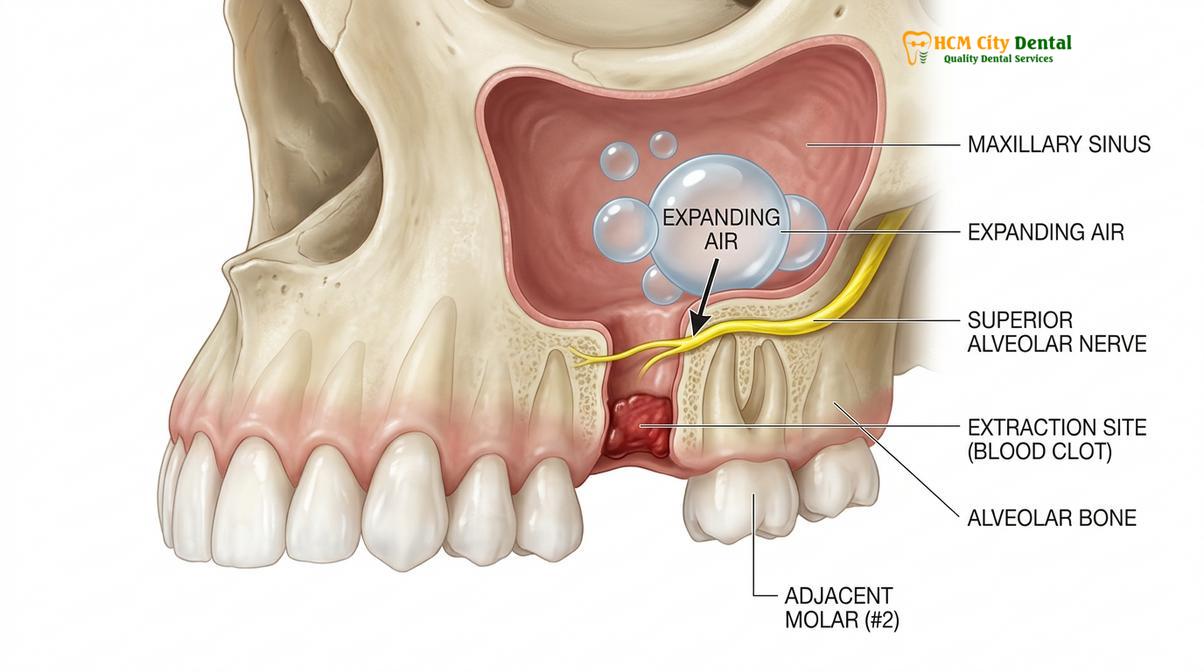
Furthermore, the proximity of the upper teeth to the maxillary sinuses complicates matters. The roots of the upper premolars and molars often extend very close to, or even protrude into, the sinus cavity. When an upper tooth is extracted, or when a patient undergoes a sinus lift for implant preparation, the delicate Schneiderian membrane is manipulated. Experiencing sinus pressure dental flight complications is highly common if a patient flies before this membrane and the surrounding bone grafts have stabilized. The expansion of air within the sinus cavity can exert downward pressure on the surgical site, potentially causing graft displacement, membrane perforation, or severe radiating pain across the mid-face.
Another critical factor is the stability of the blood clot. Following an extraction, the body forms a fibrin-rich blood clot within the socket. This clot serves as a biological dressing, protecting the underlying alveolar bone and exposed nerve endings while providing a matrix for new tissue generation. Atmospheric pressure shifts, combined with the extremely dry air circulated in airplane cabins, can cause this clot to desiccate or become mechanically dislodged. If the clot is lost prematurely, the patient develops alveolar osteitis, widely known as dry socket—a condition characterized by intense, throbbing pain that is notoriously difficult to manage mid-flight.
Dr. Nguyen Van Cuong frequently advises international patients that the physiological stress of travel extends beyond just pressure. The low humidity of cabin air accelerates dehydration, which thickens saliva and reduces its natural antibacterial properties, thereby marginally increasing the risk of post-operative infection if meticulous oral hygiene is not maintained during the journey.
Safe Timelines for Common Procedures
The required waiting period before flying ranges from 24 hours for minor restorative work to up to two weeks for major bone grafting, ensuring initial tissue stabilization and clot security.
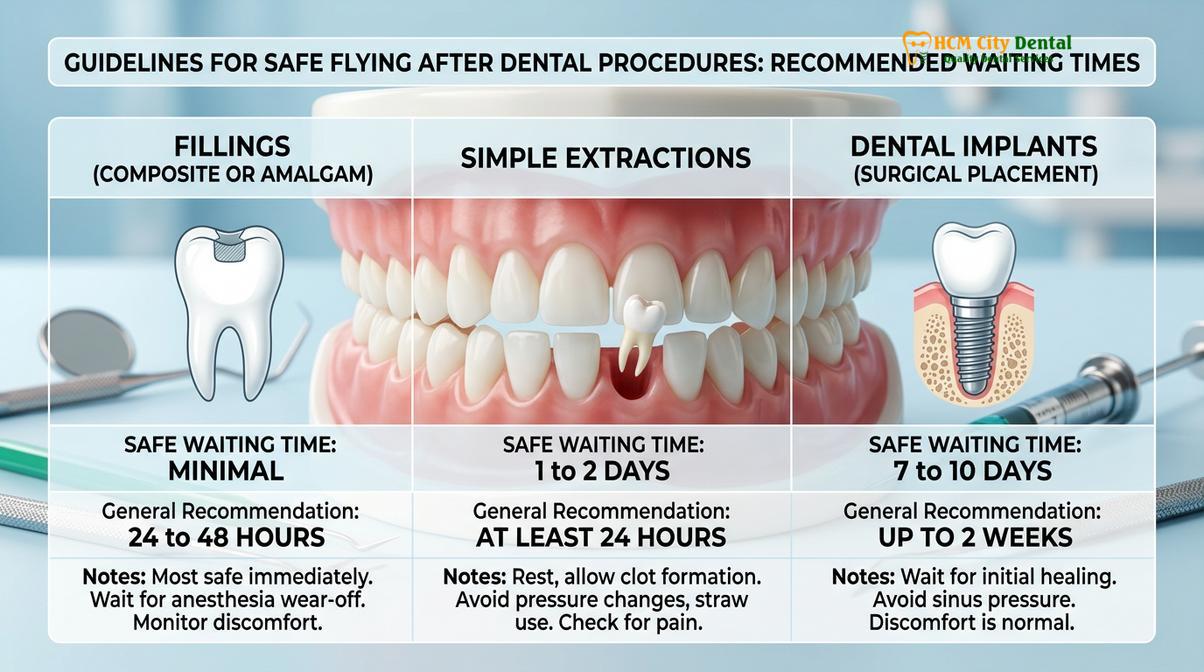
Establishing a safe dental tourism fly back timeline requires a personalized approach based on the exact nature of the surgical intervention, the patient’s overall health, and the anticipated length of the flight. While general guidelines exist, they must always be tailored to the individual’s healing response. Below is a comprehensive breakdown of standard waiting periods.
| Dental Procedure | Recommended Wait Time Before Flying | Primary Clinical Risk if Flown Too Early |
|---|---|---|
| Routine Fillings & Cleanings | 0 – 24 Hours | Mild temperature sensitivity; minimal risk. |
| Simple Tooth Extractions | 48 – 72 Hours | Dislodgement of blood clot (Dry Socket); minor bleeding. |
| Root Canal Therapy | 3 – 5 Days | Barodontalgia due to trapped gas in the root canal system. |
| Wisdom Tooth Removal (Surgical) | 5 – 7 Days | Severe swelling, intense pain, bleeding, and dry socket. |
| Dental Implants & Bone Grafts | 7 – 14 Days | Graft micromovement, sinus complications, delayed osseointegration. |
Routine Restorations and Non-Invasive Work
For patients who have undergone routine restorative work—such as composite fillings, professional scaling, or the cementation of dental crowns—air travel is generally safe immediately or within 24 hours. Because these procedures do not involve deep tissue incisions or the formation of a primary blood clot, the risks associated with cabin pressure are negligible. Patients may experience slight sensitivity to the cold air or cold beverages served on the flight, but this is transient and easily managed.
Simple and Surgical Extractions
The timeline shifts significantly when teeth are removed. For a simple extraction, where the tooth is elevated and removed intact without bone removal, a waiting period of 48 to 72 hours is strongly advised. This window allows the initial blood clot to organize and adhere firmly to the socket walls. Conversely, surgical extractions—particularly the removal of impacted wisdom teeth—involve incisions into the gingiva and often the removal of surrounding alveolar bone. Swelling and inflammation typically peak around the third post-operative day. Flying during this peak inflammatory phase exacerbates swelling and increases the likelihood of spontaneous bleeding. Therefore, a minimum wait of 5 to 7 days is recommended to ensure post operative flight safety.
Dental Implants and Advanced Grafting
Patients frequently ask, “can you fly after dental implants?” The answer is yes, but caution is paramount. The placement of titanium implants, especially when accompanied by bone grafting or sinus floor elevation, represents a significant surgical trauma. The initial phase of healing involves a delicate process called osseointegration, where the bone begins to fuse with the implant surface. Any micromovement caused by pressure differentials, or any disruption to the vascular supply due to altitude-induced hypoxia, can compromise the success of the implant[2].
For standard implant placement without grafting, a 7-day waiting period is generally sufficient to allow the soft tissues to close and the initial inflammatory response to subside. However, if a sinus lift was performed, the waiting period extends to 10 to 14 days. The sinus membrane must be given ample time to heal to prevent pressure-induced ruptures. Patients planning a trip via Dental Work in Vietnam: How to Plan Your Trip must factor these recovery days into their itinerary to avoid jeopardizing their investment.
Managing Discomfort and Bleeding During the Flight
Proper in-flight management involves utilizing prescribed analgesics, applying cold compresses, and avoiding pressure-inducing actions like using straws or consuming hot beverages to protect the surgical site.
Even with appropriate waiting periods, flying after oral surgery can induce mild discomfort due to the unavoidable environmental changes within the aircraft. Proactive management is the key to a comfortable journey. Preparation should begin before you even arrive at the airport.
First and foremost, ensure that all prescribed medications are packed in your carry-on luggage, not in your checked bags. This includes broad-spectrum antibiotics, non-steroidal anti-inflammatory drugs (NSAIDs) like Ibuprofen, and any specific analgesics prescribed by your surgeon. The pharmacokinetics of pain management dictate that it is far easier to prevent pain from escalating than it is to suppress it once it has peaked. Therefore, taking a scheduled dose of your anti-inflammatory medication about an hour before boarding can preemptively mitigate the inflammatory response triggered by the initial ascent.
“The most common mistake traveling patients make is waiting until they feel intense pain mid-flight to take their medication. Pre-emptive analgesia, combined with continuous hydration, is the most effective strategy for maintaining comfort at 30,000 feet.”
— Dr. Nguyen Van Cuong, Lead Surgeon at HCMC Dental Clinic
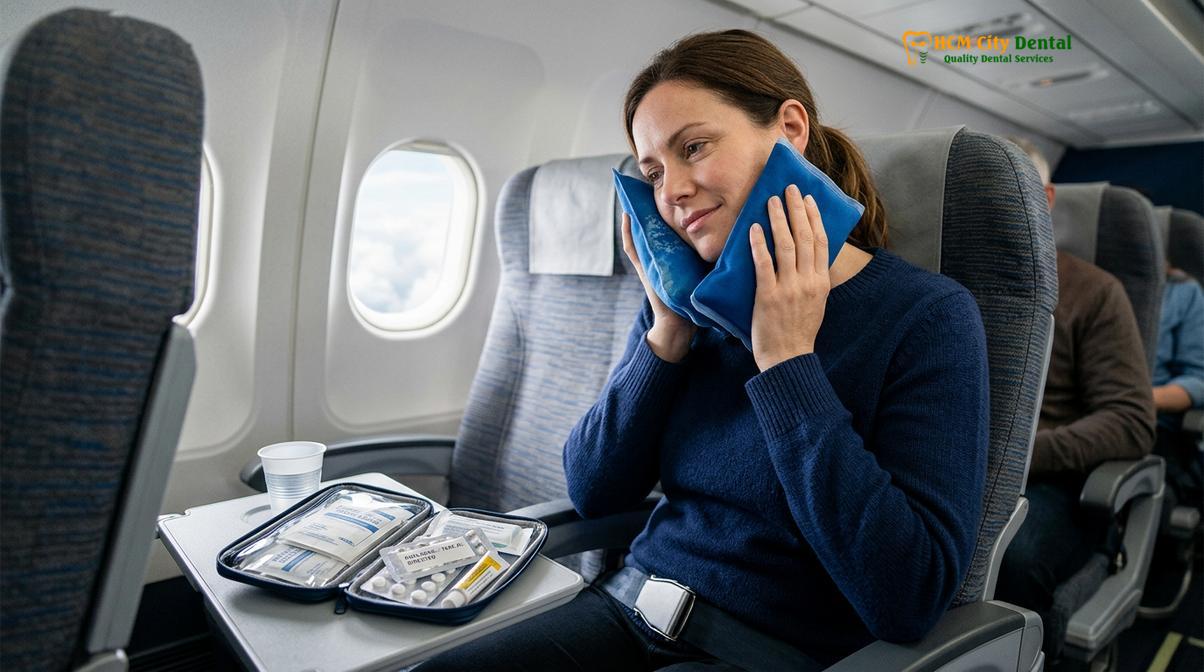
In-flight temperature therapy is another highly effective tool. While you cannot bring large frozen gel packs through airport security, you can bring empty ziplock bags. Once airborne, request crushed ice from the flight attendant. Applying this makeshift cold compress to the outside of your cheek for 15 minutes on and 15 minutes off helps constrict blood vessels, thereby reducing both swelling and the risk of delayed hemorrhage.
Dietary choices during the flight also play a crucial role in protecting the surgical site. The dry cabin air necessitates constant hydration, but you must avoid using straws at all costs. The negative pressure created in the mouth when sucking on a straw is one of the leading causes of dislodged blood clots. Sip cool, still water directly from the cup. Avoid hot beverages like coffee or tea, as heat dilates blood vessels and can restart bleeding. Similarly, avoid carbonated drinks and alcohol, which can irritate healing tissues and interact negatively with your prescribed medications[3].
If minor oozing occurs during the flight—which can happen due to the pressure changes—do not panic. Take a piece of sterile gauze from your travel kit, fold it into a tight square, place it directly over the surgical site, and bite down with firm, consistent pressure for 30 minutes. Avoid the urge to constantly check the site or rinse your mouth out in the airplane lavatory, as vigorous spitting will only prolong the bleeding.
Emergency Signs to Postpone Your Flight
You should immediately postpone your flight and seek clinical evaluation if you experience uncontrolled bleeding, severe radiating pain, fever, or sudden facial swelling that worsens after day three.
While most patients recover uneventfully, recognizing the clinical signs of complications is vital. Boarding a long-haul international flight while experiencing an active post-operative complication can turn a manageable dental issue into a severe medical emergency. You are isolated from professional medical care for hours, making it imperative to assess your condition honestly before heading to the airport.
Normal post-operative symptoms include mild to moderate swelling that peaks around 48 to 72 hours, slight oozing that tints your saliva pink, and a dull ache that is easily controlled with over-the-counter pain relievers. However, if these symptoms deviate from the expected healing trajectory, clinical intervention is required.
⚠️ RED FLAG SYMPTOMS: DO NOT FLY IF YOU EXPERIENCE:
- Uncontrolled Hemorrhage: Bleeding that rapidly fills the mouth and does not stop after 45 minutes of firm, continuous gauze pressure.
- Escalating Pain: Throbbing, severe pain that radiates to the ear or neck and is unresponsive to prescribed analgesics (a strong indicator of dry socket or infection).
- Systemic Signs of Infection: A fever exceeding 101°F (38.3°C), chills, or a general feeling of malaise.
- Abnormal Swelling: Swelling that suddenly worsens after the third day, feels hot to the touch, or begins to compromise your airway or ability to swallow.
- Foul Odor or Discharge: A persistent bad taste or visible pus emanating from the surgical site.
If you experience any of these symptoms, you must contact your dental provider immediately. For international patients, this highlights the importance of choosing a clinic that offers robust post-operative support. Attempting to fly with an active infection can lead to the rapid spread of bacteria due to the suppressed immune response associated with travel fatigue and cabin conditions. Furthermore, flying with an unmanaged dry socket will result in excruciating pain as the exposed bone is subjected to atmospheric pressure shifts[4].
In such scenarios, the safest course of action is to delay your travel. Airlines are generally accommodating when provided with a formal medical certificate stating that you are unfit to fly due to surgical complications. Your health and the long-term success of your dental treatment must always take precedence over a flight schedule.
Pre-Flight Check and Clearance at HCMC Dental Clinic
A comprehensive pre-flight clinical evaluation ensures your surgical site is stable, providing you with medical clearance, necessary prescriptions, and peace of mind before your international journey home.
For patients traveling to Vietnam for advanced procedures, the final step of the treatment journey is just as critical as the surgery itself. At HCMC Dental Clinic in Ho Chi Minh City, we mandate a strict pre-flight clearance protocol for all international patients. This ensures that every individual is clinically stable and fully prepared for the physiological demands of their return flight.
The pre-flight check typically occurs 24 to 48 hours before your scheduled departure. During this appointment, the surgical site is meticulously examined. For patients who have undergone extractions or implant placements, the surgeon will verify the integrity of the blood clot, assess the soft tissue closure, and remove any non-resorbable sutures if the healing timeline permits. If bone grafting or a sinus lift was performed, a follow-up CBCT (Cone Beam Computed Tomography) scan may be utilized to confirm the stability of the graft material and the absence of any trapped gas pockets that could cause barodontalgia.
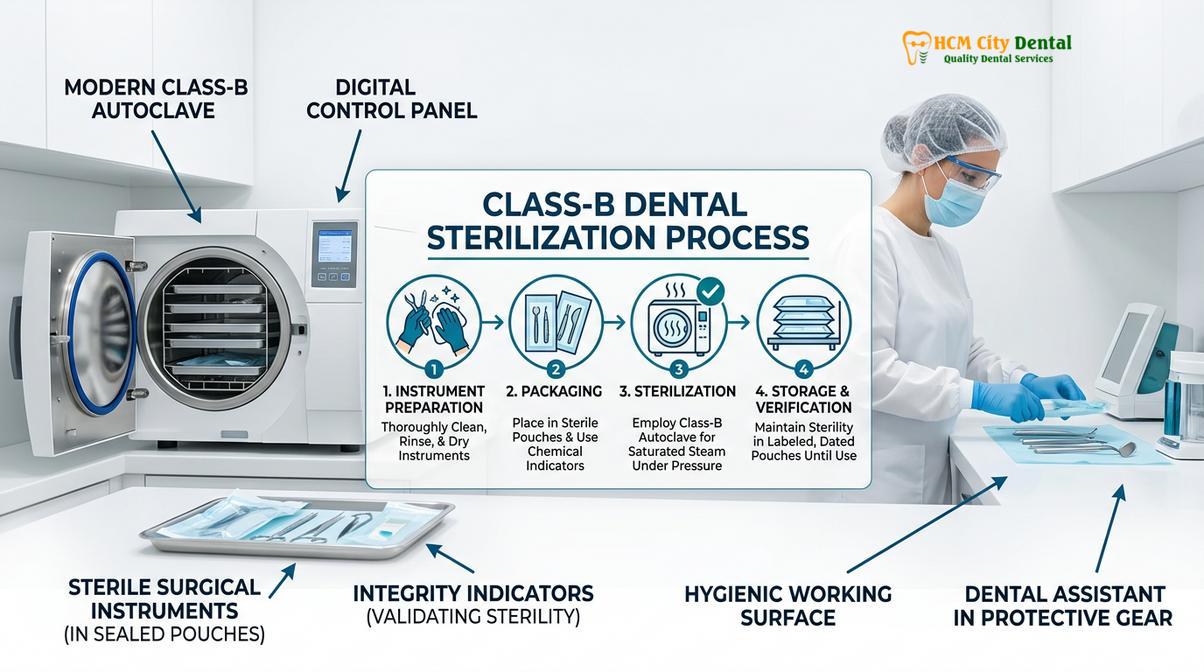
Patient safety and infection control are our highest priorities. HCMC Dental Clinic operates under stringent international protocols, utilizing a Class-B autoclave sterilization system—the highest European standard—to ensure that all instruments and surgical environments are completely free of pathogens[5]. This rigorous approach significantly minimizes the risk of post-operative infections, giving patients the confidence they need to travel.
Patient Case Study: Safe Travel After Full-Arch Implants
Michael, a 58-year-old patient from Australia, visited Ho Chi Minh City for a complex full-arch implant rehabilitation. His treatment plan required multiple extractions and immediate implant placement. Understanding the risks of cabin pressure, his itinerary was structured to include a mandatory 10-day recovery period in Saigon. During his final pre-flight check, the clinical team confirmed excellent initial osseointegration and provided him with a customized travel kit containing sterile gauze, prescribed analgesics, and a medical clearance letter. Michael followed the in-flight hydration and soft-diet protocols, resulting in a completely pain-free flight back to Sydney with no disruption to his new implants.
Beyond clinical excellence, we strive to make the logistical aspect of getting dental implants on holiday in Vietnam as seamless as possible. Our international patient coordinators assist with hotel recommendations in District 1, ensuring you have a comfortable environment for your recovery, and can arrange airport pickup and drop-off services. We also offer flexible payment options to accommodate global travelers, explicitly accepting Visa/Mastercard, international bank transfers, cash (USD/VND), PayPal, various e-wallets, and major cryptocurrencies (Crypto).
To further support our international clientele, HCMC Dental Clinic currently offers a 40% online booking discount for comprehensive treatment plans. Patients can initiate a direct clinical consultation with our specialists via WhatsApp, allowing for preliminary assessments and itinerary planning before ever boarding a plane. If you are researching how to find a trustworthy dentist in Ho Chi Minh City, prioritizing a clinic that emphasizes post-operative travel safety is essential.
“Our responsibility to the patient does not end when they leave the surgical chair; it ends when they have safely returned to their home country with a healthy, stable smile. Comprehensive pre-flight clearance is a non-negotiable standard of care in modern dental tourism.”
— Dr. Nguyen Van Cuong
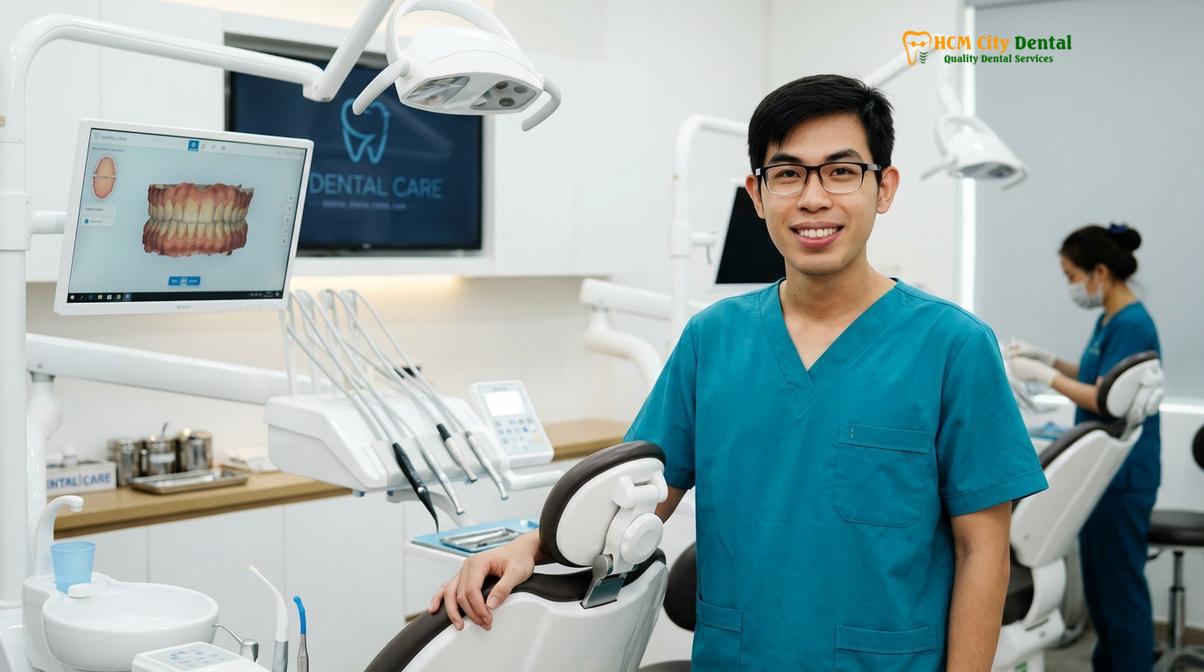
Whether you are comparing dental implants in Vietnam vs Thailand or simply seeking an English-speaking dentist in Ho Chi Minh City for routine care, understanding the intersection of aviation physiology and oral surgery is vital. By adhering to safe timelines, managing in-flight variables, and securing professional clearance, you can ensure that your dental journey is both successful and safe.
Frequently Asked Questions
Why does cabin pressure cause tooth pain after surgery?
Cabin pressure causes tooth pain because trapped gases inside the tooth or surgical site expand and contract with altitude changes. This phenomenon, known as barodontalgia, places mechanical stress on inflamed nerves and healing tissues, leading to sharp, throbbing discomfort during the flight. It is especially common if there are microscopic air pockets beneath restorations or within recent extraction sockets.
Can I fly the same day I get a composite tooth filling?
Yes, you can generally fly the same day after receiving a standard composite tooth filling. Because fillings do not involve deep surgical incisions or significant blood clot formation, the risk of pressure-related complications is minimal. You may experience slight temperature sensitivity to the cold cabin air or beverages, but this is temporary and not dangerous.
What meds should I keep in my carry-on bag after dental work?
You should keep all prescribed antibiotics, anti-inflammatory medications, and pain relievers in your carry-on bag. Additionally, pack sterile gauze pads, alcohol-free mouthwash travel minis, and an empty ziplock bag that flight attendants can fill with ice for a makeshift cold compress. Never put essential post-operative medications in your checked luggage.
How do I prevent dry socket while flying?
To prevent dry socket while flying, avoid using straws, drinking hot beverages, or consuming alcohol, as these can dislodge the blood clot. Keep your mouth hydrated with cool water, avoid vigorous rinsing or spitting, and swallow gently to equalize ear and sinus pressure without creating negative suction in your oral cavity.
Will airport security confiscate my dental ice packs or liquid medications?
Airport security typically allows medical ice packs and liquid medications that exceed standard volume limits if they are medically necessary. However, you must declare them at the security checkpoint. It is highly recommended to carry a clinical clearance letter or a formal prescription from your dentist to facilitate a smooth screening process.
References
- Aerospace Medical Association. Medical Guidelines for Airline Travel and Barodontalgia. (2022).
- Journal of Oral and Maxillofacial Surgery. Effects of Atmospheric Pressure Changes on Post-Extraction Healing. (2021).
- International Journal of Implant Dentistry. Micromovement and Osseointegration: Clinical Considerations for Traveling Patients. (2023).
- World Health Organization (WHO). Guidelines for Safe Surgery and Post-Operative Infection Prevention. (2020).
- FDI World Dental Federation. Infection Control and Sterilization Standards in Global Dental Practice. (2022).