Planning a dental veneers timeline Vietnam stay typically requires a dedicated window of 5 to 7 days. This highly efficient schedule allows for comprehensive digital diagnostics, precise tooth preparation, custom ceramic fabrication, and meticulous final bonding. By understanding the daily clinical progression, international patients can confidently arrange their travel itineraries, ensuring they receive world-class cosmetic restorations before flying home safely. The integration of advanced digital dentistry and on-site laboratory facilities has revolutionized the speed at which complex smile makeovers can be completed, without compromising the biological integrity or aesthetic quality of the final result.
Clinical Summary:
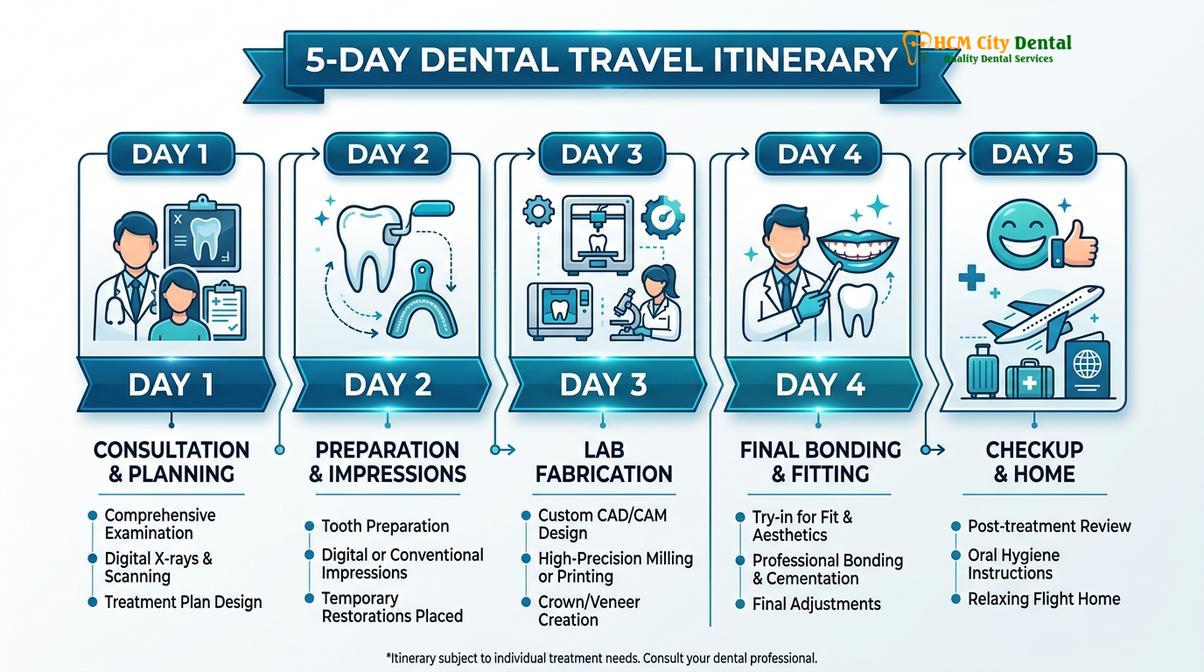
A standard smile makeover timeline in Vietnam spans 5 to 7 days, optimizing clinical precision with travel convenience. The protocol involves initial diagnostics and enamel preparation on Day 1, laboratory fabrication utilizing advanced milling technology on Days 2 through 4, and final adhesive bonding on Day 5. A mandatory final checkup is required to ensure occlusal stability, marginal integrity, and gingival health before the patient’s international departure. This structured approach ensures that all functional and aesthetic parameters are met prior to the conclusion of the dental holiday.
Key Takeaways:
- A complete cosmetic ceramic treatment requires a single trip of 5 to 7 days.
- Day 1 focuses on clinical evaluation, 3D scanning, and minimal enamel preparation.
- Days 2 to 4 are dedicated to custom ceramic layering and precision milling.
- Temporary restorations protect prepared teeth while the permanent ceramics are crafted.
- A final occlusal checkup is mandatory before boarding a flight home to ensure stability.
- Strict adherence to international infection control protocols protects patient health throughout the journey.
The Rapid Smile Makeover: Why Veneers Take Just 5 to 7 Days
The 5 to 7-day timeline is achieved through integrated in-house dental laboratories and advanced digital workflows. This eliminates the weeks of waiting typical in Western clinics while maintaining strict international quality standards.
For international patients planning a dental trip to Vietnam, understanding the clinical workflow is essential for booking flights and accommodations. In many Western countries, receiving custom ceramic restorations can take several weeks due to the reliance on off-site commercial laboratories. The traditional process involves taking physical impressions, mailing them to a lab, waiting for the fabrication queue, and then scheduling a return visit weeks later. However, top-tier facilities in Southeast Asia have optimized this process to cater specifically to medical tourists, condensing the timeline without compromising clinical excellence.
The efficiency of the smile makeover timeline is primarily driven by the integration of on-site or closely affiliated dental laboratories. When the clinical team and the master ceramists operate in tandem, communication regarding shade matching, morphological design, and marginal fit is instantaneous. This synergy is a hallmark of dental tourism in Vietnam, where clinics are structured to deliver high-quality outcomes within a tight travel window. The ability to perform immediate shade corrections and morphological adjustments on the same day significantly reduces the overall treatment duration.
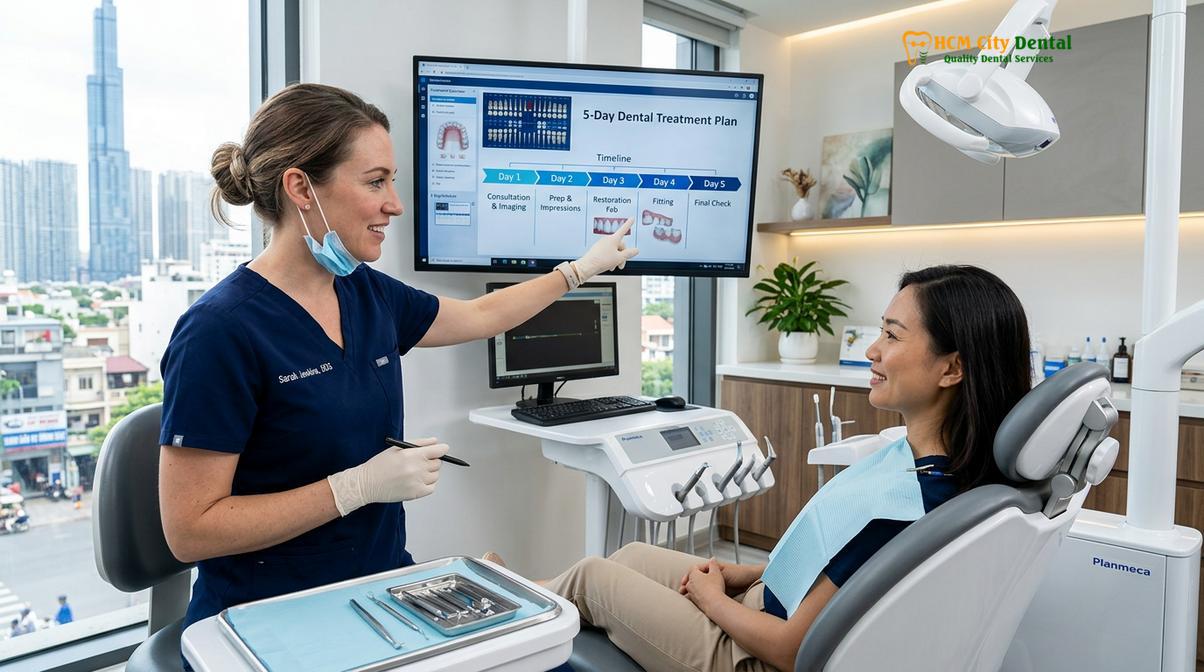
Dr. Nguyen Van Cuong, a leading restorative specialist, emphasizes that while speed is a significant advantage for traveling patients, it must never supersede biological principles. Dr. Cuong and his dedicated team of English-speaking dentists in Ho Chi Minh City ensure that every step follows strict international protocols. This careful orchestration guarantees that patients receive restorations that are both beautiful and biologically sound, prioritizing long-term periodontal health alongside immediate aesthetic improvements.
Furthermore, the adoption of digital dentistry plays a pivotal role in accelerating the process. Traditional analog impressions, which require physical shipping and manual model pouring, have been largely replaced by intraoral optical scanning. These digital files are transmitted to the laboratory in seconds, allowing the design phase to begin immediately. This rapid data transfer is a core component of modern Porcelain Veneers protocols, ensuring that the 5 to 7-day window is utilized efficiently for fabrication rather than logistical delays. Clinical studies confirm that restorations fabricated via these digital pathways exhibit exceptional clinical performance and longevity[1].
Day 1: Digital Consultation, Smile Design, and Tooth Preparation
The first appointment involves comprehensive diagnostics, 3D facial scanning, and conservative enamel reduction. Patients leave the clinic with protective temporary restorations while their permanent ceramics are fabricated.
The first day of the dental veneers timeline Vietnam stay is the most clinically intensive phase for the patient. It begins with a comprehensive consultation where the dentist evaluates the patient’s oral health, periodontal status, and aesthetic goals. This initial assessment is critical; any underlying issues such as active gingivitis, untreated caries, or severe occlusal discrepancies must be addressed before cosmetic work can proceed. For international patients, this diagnostic phase often involves a Cone Beam Computed Tomography (CBCT) scan to assess bone architecture and a thorough review of the patient’s medical history to rule out any contraindications to treatment.
Following clinical clearance, the digital smile design process begins. High-resolution digital photographs and videos are taken to analyze the patient’s facial symmetry, lip dynamics, and phonetic movements. An intraoral scanner is then used to capture a highly accurate 3D topographical map of the dentition. These digital impressions are imported into specialized software, allowing the dentist to design the proposed restorations in harmony with the patient’s unique facial features. The patient is actively involved in this design phase, providing input on tooth shape, length, and overall aesthetic character.
“The success of a ceramic restoration is dictated by the precision of the initial preparation. By utilizing high-powered magnification and depth-limiting burs, we ensure that enamel reduction is kept to an absolute minimum, preserving the structural integrity of the tooth and maximizing the adhesive bond strength.”
Once the design is approved, the tooth preparation phase commences under local anesthesia. The goal of veneer preparation is to remove a minimal amount of enamel—typically between 0.3mm and 0.5mm—to accommodate the thickness of the ceramic without creating a bulky appearance. The dentist carefully creates a distinct margin, usually a light chamfer, at or slightly below the gumline. This margin serves as a precise finishing line for the laboratory to follow, ensuring a seamless transition between the natural tooth and the ceramic restoration. Adhering to minimal intervention dentistry protocols is vital for maintaining the vitality of the underlying dental pulp[4].
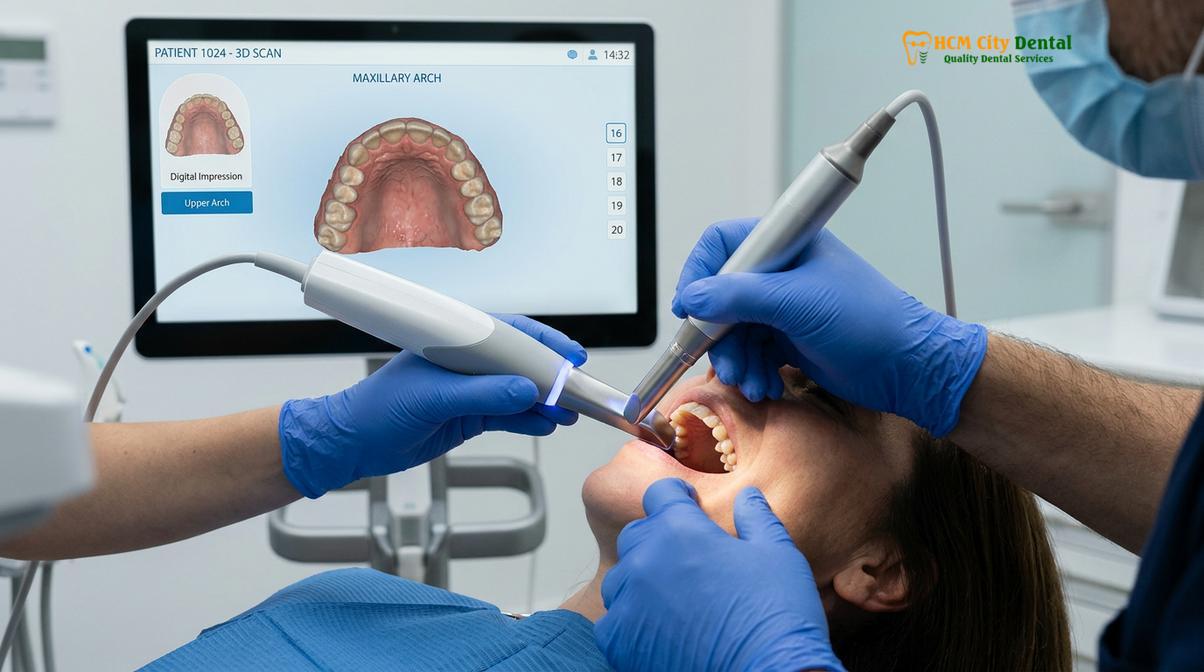
After the teeth are prepared, a final, highly detailed digital scan is captured and sent immediately to the laboratory. To protect the prepared teeth and prevent thermal sensitivity, the dentist fabricates and places temporary restorations. This temporary protection is crucial; it not only shields the exposed dentin but also serves as a functional and aesthetic prototype. Patients can test drive their new smile, providing valuable feedback on phonetics and appearance before the final ceramics are milled. The temporaries are bonded with a weak provisional cement, allowing for easy removal on the final delivery day.
Day 2-4: CAD/CAM Milling and Ceramic Layering at the Dental Lab
During this phase, master ceramists utilize digital blueprints to mill and hand-layer the porcelain. Patients can enjoy their vacation while the laboratory ensures precise shade matching and structural durability.
While the patient enjoys their time exploring the cultural and culinary offerings of Ho Chi Minh City, the dental laboratory enters a phase of intense, meticulous work. Days 2 through 4 are dedicated entirely to fabrication and the artistic refinement of the ceramic restorations. This period highlights the seamless integration of digital technology and traditional artisanal craftsmanship, a combination that defines modern high-end restorative dentistry.
The digital impressions captured on Day 1 are loaded into CAD (Computer-Aided Design) software. A specialized dental technician designs the internal intaglio surface of the veneer to perfectly adapt to the prepared tooth structure. The external morphology is designed to match the approved digital smile blueprint, taking into account the specific functional pathways of the patient’s bite. Once the virtual design is finalized, the data is sent to a CAM (Computer-Aided Manufacturing) milling unit. This highly precise machine carves the restorations out of solid blocks of high-strength ceramic, such as lithium disilicate (e.g., IPS e.max) or advanced zirconia formulations. The use of CAD/CAM technology in modern aesthetic restorations ensures a marginal fit that is accurate to the micron level[2].
However, a milled block of ceramic, while structurally robust, often lacks the nuanced optical properties of natural teeth. This is where the expertise of the master ceramist becomes indispensable. The milled restorations are carefully removed from the machine and subjected to a process called cut-back and layering. The ceramist manually applies delicate layers of translucent feldspathic porcelain to the incisal edges and facial surfaces, mimicking the natural opalescence, mamelons, and surface texture of human enamel. This hand-layering technique is what transforms a monochromatic block of ceramic into a lifelike, dynamic tooth replacement.
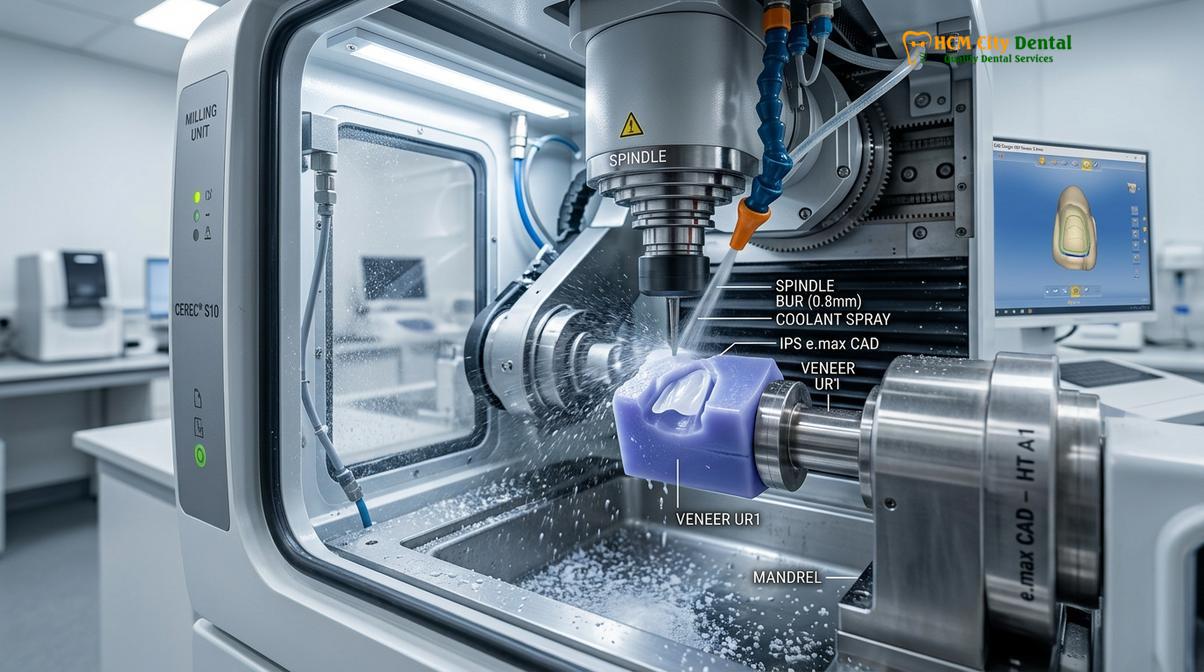
The layered restorations are then fired in a specialized ceramic furnace at extremely high temperatures. This sintering process fuses the porcelain layers and crystallizes the material, maximizing its flexural strength and fracture toughness. After firing, the ceramist performs final contouring, polishing, and glazing to achieve a lifelike luster that resists staining and plaque accumulation. The glazing process also seals the micro-porosities on the ceramic surface, ensuring long-term biocompatibility with the surrounding gingival tissues.
| Timeline | Clinical & Laboratory Action | Patient Activity |
|---|---|---|
| Day 1 | Consultation, 3D scanning, enamel preparation, placement of temporary restorations. | In-clinic (approx. 2-4 hours). |
| Day 2 | CAD design and initial CAM milling of ceramic blocks. | Free time / Tourism in Saigon. |
| Day 3 | Hand-layering of porcelain, characterization, and high-temperature sintering. | Free time / Tourism in Saigon. |
| Day 4 | Final glazing, polishing, and quality control inspection by the master ceramist. | Free time / Tourism in Saigon. |
| Day 5 | Removal of temporaries, trial fitting, occlusal adjustments, and final adhesive bonding. | In-clinic (approx. 2-3 hours). |
Day 5: Trial Fitting, Bite Adjustments, and Final Bonding
The permanent veneers are temporarily placed for aesthetic approval before being permanently bonded using light-cured resin cement. Precise occlusal adjustments ensure functional harmony and long-term stability.
Day 5 marks the culmination of the smile makeover timeline. The patient returns to the clinic for the delivery and final bonding of their custom ceramic restorations. This appointment requires meticulous attention to detail, as the adhesive bonding protocol is highly technique-sensitive and dictates the long-term success of the treatment. A rushed bonding process can lead to microleakage, secondary caries, or premature debonding of the restorations.
The appointment begins with the careful removal of the temporary restorations. The prepared teeth are thoroughly cleaned using pumice and a specialized antibacterial scrub to remove any residual temporary cement, ensuring a pristine surface for bonding. The permanent ceramics are then placed onto the teeth using a water-soluble try-in paste. This crucial step allows both the dentist and the patient to evaluate the fit, marginal adaptation, and overall aesthetics before any permanent adhesive is applied. The try-in paste mimics the color of the final cement, allowing the clinician to verify that the underlying tooth shade does not negatively impact the final optical result.
Clinical Case Overview: A 42-year-old international patient visiting HCMC Dental Clinic in Ho Chi Minh City presented with severe enamel attrition and discoloration. Following a comprehensive digital smile design protocol, 10 maxillary lithium disilicate restorations were fabricated. The 5-day timeline allowed for precise CAD/CAM milling and hand-layering. Upon final bonding on Day 5, the patient achieved a highly aesthetic, functionally stable outcome, completely transforming their smile before their return flight.
Once the patient gives their final aesthetic approval, the definitive bonding sequence commences. The internal surfaces of the ceramic restorations are treated with hydrofluoric acid to create micro-porosities, followed by the application of a silane coupling agent, which facilitates a strong chemical bond between the porcelain and the resin cement. Simultaneously, the natural teeth are isolated using a rubber dam or specialized retractors to prevent moisture contamination from saliva or crevicular fluid. Moisture control is paramount; even a microscopic amount of saliva can severely compromise the bond strength.
The enamel is etched with phosphoric acid, washed, and dried, followed by the application of a dentin bonding agent. A light-cured or dual-cured resin cement is then applied to the internal surface of the veneer, which is carefully seated onto the tooth. The dentist meticulously removes excess cement from the margins before utilizing a specialized curing light to polymerize the resin, locking the restoration permanently into place. This protocol aligns strictly with the clinical guidelines on dental ceramics and resin bonding established by leading dental associations[3].
Why a Final Checkup is Required Before Flying Home
A follow-up appointment 24 to 48 hours after bonding is critical to evaluate gum tissue response, verify bite alignment, and remove any residual cement before international travel.
While the restorations are permanently bonded on Day 5, the dental veneers timeline Vietnam stay is not entirely complete until a final post-operative checkup is conducted. Patients are strongly advised against scheduling their departure flight immediately after the bonding appointment. A buffer period of 24 to 48 hours is clinically necessary to ensure the stability and comfort of the new restorations, adhering to global standards for patient safety and post-operative care.
During this final checkup, the dentist evaluates the periodontal tissues. The gums may exhibit mild inflammation immediately following the bonding procedure due to the retraction cords and finishing burs used near the gingival margin. The follow-up allows the clinician to confirm that the tissues are healing appropriately and that no microscopic fragments of excess resin cement remain trapped in the gingival sulcus. Retained cement is a primary cause of iatrogenic gingivitis and must be meticulously removed. This attention to periodontal health aligns with the strict infection control and post-operative protocols mandated by the Vietnam Ministry of Health[6], as well as international sterilization standards[5].
“A final occlusal evaluation is not merely a precaution; it is a clinical necessity. Micro-adjustments made after the patient has regained full masticatory function prevent catastrophic ceramic failures and ensure long-term temporomandibular joint health.”
Furthermore, the patient’s bite often settles slightly in the days following the placement of multiple restorations. As the local anesthesia fully wears off and the patient resumes normal masticatory function, they may notice subtle high spots or interferences that were not apparent during the initial delivery. The final checkup provides the opportunity for micro-adjustments to the occlusion. The dentist uses articulating paper to map the bite forces, ensuring that the anterior guidance and canine disocclusion are functioning correctly. This functional harmony is essential for protecting the new ceramics from excessive shear forces.
When to Seek Immediate Dental Care
Understanding when to contact your dental provider during your stay ensures that minor issues are resolved promptly before they impact your travel schedule or final results.
While complications during the 5 to 7-day timeline are rare, international patients must remain vigilant and proactive regarding their oral health. The rapid nature of the treatment means that any deviations from the expected healing process should be addressed immediately. Knowing the difference between normal post-operative sensitivity and signs of a clinical complication is vital for a stress-free dental holiday.
Important Clinical Warning: If you experience severe, throbbing pain that awakens you at night, or if you notice significant swelling around the gumline, contact your dental provider immediately. Do not wait for your scheduled appointment. These symptoms may indicate acute pulpal inflammation or an localized infection that requires prompt intervention before you board an international flight.
During the temporary phase (Days 1 to 4), it is normal to experience mild thermal sensitivity to hot or cold beverages. However, if a temporary restoration becomes dislodged or fractures, it must be re-cemented or replaced promptly. Leaving a prepared tooth exposed can lead to extreme sensitivity, bacterial ingress into the dentinal tubules, and potential shifting of the adjacent teeth, which could compromise the fit of the final ceramic restorations.
After the final bonding on Day 5, if you notice a significant bite imbalance—where one tooth hits prematurely when you close your jaw—do not wait until you return home to address it. Inform your dentist during the mandatory final checkup so that precise occlusal adjustments can be made. Ignoring a high spot can lead to localized trauma to the periodontal ligament, persistent pain, or even the catastrophic fracture of the new ceramic veneer.
If you are ready to begin your smile transformation, contact HCMC Dental Clinic today. Our dedicated team in Ho Chi Minh City will help you plan a seamless, efficient, and highly aesthetic dental journey tailored to your travel schedule, ensuring you return home with a beautiful, healthy smile.
References
The clinical protocols and timelines discussed in this guide are supported by peer-reviewed dental literature and international healthcare guidelines.
- Journal of Prosthetic Dentistry. Clinical performance and longevity of porcelain veneers. (2021).
- International Journal of Computerized Dentistry. CAD/CAM technology in modern aesthetic restorations. (2022).
- American Dental Association (ADA). Clinical guidelines on dental ceramics and resin bonding. (2020).
- Journal of Esthetic and Restorative Dentistry. Minimal intervention dentistry and enamel preparation protocols. (2023).
- FDI World Dental Federation. Infection Control and Sterilization Standards in Dental Practice. (2022).
- Vietnam Ministry of Health (MOH). National Guidelines on Infection Control in Dental Establishments. (2023).