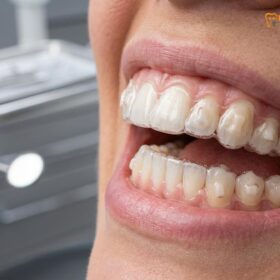
Yellow stains on a clear retainer primarily result from calcified bacterial plaque, chromogenic food pigments, and the natural degradation of thermoplastic materials. To restore clarity, patients must utilize non-abrasive mechanical cleaning combined with targeted chemical solutions, ensuring the appliance remains hygienic without compromising its structural integrity.
Clinical Summary:
The discoloration of clear orthodontic appliances is a multifactorial clinical issue driven by the accumulation of oral biofilms, the absorption of dietary tannins, and polymer aging. When a patient presents with yellow stains on a clear retainer, it indicates a disruption in the daily hygiene protocol, allowing salivary proteins and bacteria to calcify into tartar on the polyurethane surface. Effective clinical management requires a dual approach: mechanical disruption using soft-bristled instruments and mild surfactants, paired with chemical oxidation via a hydrogen peroxide retainer soak or specialized effervescent tablets. Dental professionals strongly advise against the use of abrasive dentifrices or thermal exposure (hot water), as these induce micro-abrasions and material warping. Routine professional ultrasonic evaluation ensures the appliance maintains optimal optical clarity and biomechanical retention.
Key Takeaways:
- Bacterial plaque and calcified tartar are the primary biological drivers of retainer discoloration.
- Tannin-rich foods and acidic beverages rapidly accelerate the yellowing of thermoplastic materials.
- Abrasive toothpaste creates micro-scratches that permanently trap stains and odor-causing bacteria.
- A diluted hydrogen peroxide soak safely oxidizes organic stains without warping the plastic structure.
- Professional ultrasonic cleaning at a dental clinic can extend the functional lifespan of clear retainers.
The Clinical Etiology of Yellow Stains on Clear Retainers
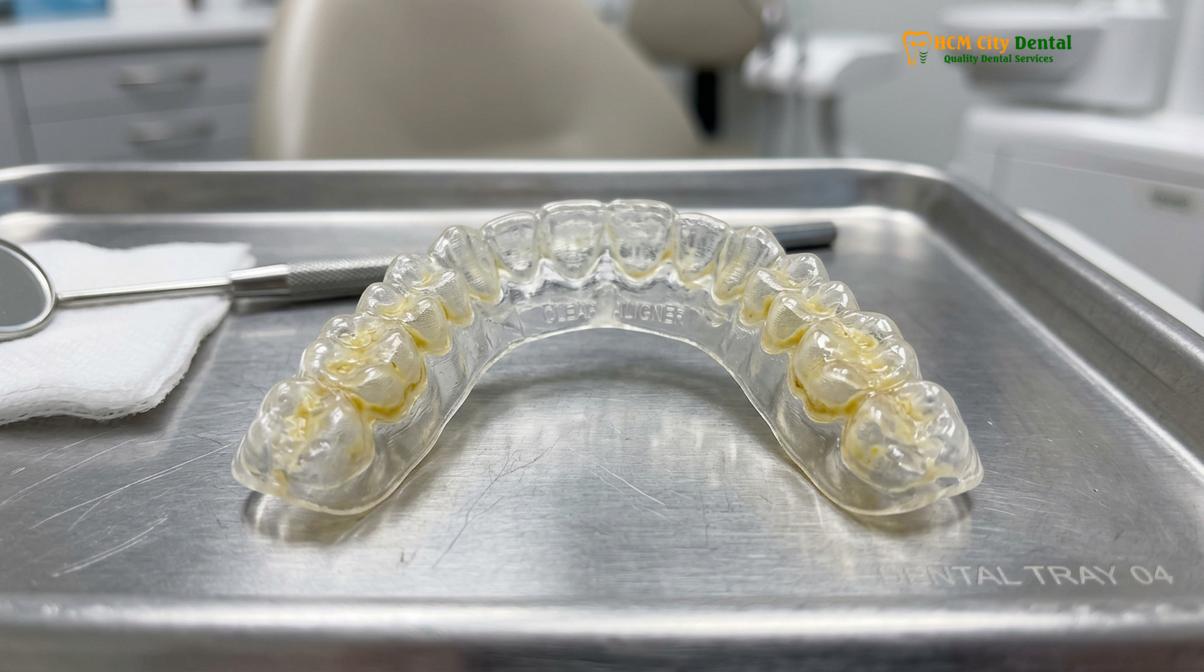
Discoloration in clear retainers stems from a combination of biological biofilm accumulation, dietary chromogens, and the natural chemical degradation of polyurethane materials over time.
Understanding the precise mechanisms that cause a clear orthodontic appliance to lose its transparency is essential for implementing effective hygiene protocols. The oral cavity is a complex, dynamic environment characterized by fluctuating pH levels, a diverse microbiome, and constant exposure to various chemical compounds. When a synthetic material, such as the thermoplastic polyurethane used in Essix retainers, is introduced into this environment, it immediately begins to interact with saliva, bacteria, and dietary intake. Over time, these interactions manifest visually as cloudiness, white spots, or stubborn yellow stains.
Biofilm Formation and Bacterial Plaque
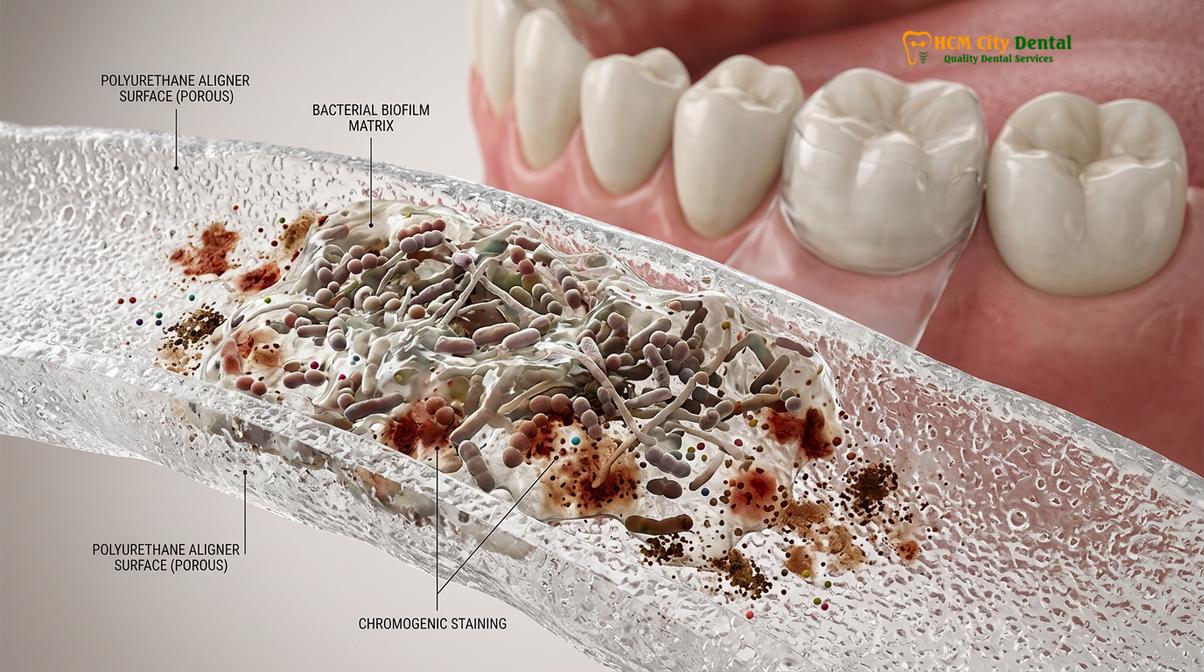
The most common biological cause of yellowing is the accumulation of dental plaque. Within minutes of placing a clean retainer into the mouth, a thin layer of salivary glycoproteins—known as the acquired pellicle—coats the surface of the plastic[1]. While this pellicle naturally protects tooth enamel, on a synthetic retainer, it acts as an adhesive substrate for oral bacteria. Pioneer species, such as Streptococcus mutans, attach to this pellicle and begin to multiply, secreting a sticky extracellular polymeric substance (EPS) that forms a robust biofilm.
If this biofilm is not mechanically disrupted every 12 to 24 hours, the bacteria continue to proliferate. As they metabolize carbohydrates from the patient’s diet, they produce acidic byproducts. More importantly, minerals from the saliva—specifically calcium and phosphate—begin to precipitate into the biofilm matrix. This process, known as calcification, turns soft, colorless plaque into hard, yellow calculus (tartar). Because the inner surface of a retainer fits intimately against the teeth, it creates a stagnant, low-oxygen environment that is highly conducive to this bacterial calcification. To effectively clean dental plaque stains, patients must intervene before the biofilm fully calcifies, as hardened tartar cannot be removed by standard brushing alone.
“The micro-porosity of thermoplastic retainers makes them highly susceptible to biofilm adherence. What appears as a simple yellow stain is often a complex, calcified matrix of bacteria that requires both chemical dissolution and mechanical removal to properly eradicate.”
— Dr. Nguyen Van Cuong, Lead Orthodontist
Chromogenic Foods and Beverages
Beyond biological factors, dietary habits play a massive role in the discoloration of clear retainers. Certain foods and beverages contain high concentrations of chromogens—intensely pigmented molecules that readily adhere to dental surfaces and synthetic polymers. Furthermore, many of these beverages contain tannins, which are plant-based polyphenols that enhance the binding capacity of chromogens to the retainer’s surface.
Common dietary culprits include:
- Coffee and Black Tea: High in both tannins and dark chromogens, these beverages are the leading cause of rapid yellowing.
- Red Wine: Contains anthocyanins and tannins, combined with a low pH that slightly softens the plastic, allowing stains to penetrate deeper.
- Spices (Turmeric, Curry, Saffron): These spices contain curcumin, a vibrant yellow pigment that is notoriously difficult to extract from polyurethane once absorbed.
- Dark Berries and Tomato Sauces: Highly acidic and deeply pigmented, these foods can leave lasting stains if the mouth is not rinsed before reinserting the appliance.
Even if a patient removes their retainer while eating, failing to brush and floss before putting the appliance back in traps residual food particles and pigmented liquids against the plastic. Capillary action draws these fluids into the microscopic space between the retainer and the teeth, ensuring prolonged exposure and inevitable staining.
Material Degradation and Polymer Aging
It is clinically important to recognize that not all yellowing is caused by external stains; some discoloration is an intrinsic property of the material aging process. Clear retainers are typically fabricated from medical-grade thermoplastic polyurethane or copolyester. While these materials offer excellent flexibility and transparency initially, they are susceptible to environmental degradation[2].
Prolonged exposure to the warm, moist environment of the oral cavity, combined with the mechanical stress of bruxism (teeth grinding) and the chemical stress of fluctuating pH levels, causes the polymer chains to slowly break down. Furthermore, exposure to ultraviolet (UV) light—if the retainer is left on a sunny windowsill—can induce photo-oxidation, leading to irreversible yellowing of the plastic itself. When the discoloration is intrinsic to the degraded polymer, no amount of cleaning will restore its original clarity, and the appliance must be replaced to maintain proper Orthodontics retention.
Evidence-Based Methods to Remove Stains from Thermoplastic Retainers
Effective stain removal requires a balance of gentle mechanical disruption and safe chemical oxidation to break down pigmented molecules without compromising the retainer’s structural integrity.
When a patient notices yellowing, the immediate reaction is often to scrub the appliance vigorously with the nearest cleaning agent. However, aggressive cleaning is the leading cause of iatrogenic damage to clear retainers. The clinical objective is to remove stains thermoplastic retainer safely, utilizing protocols that dissolve the calcified matrix and oxidize the pigments without scratching or warping the delicate polymer.
Mechanical Cleaning vs. Chemical Soaking
A comprehensive cleaning protocol must incorporate both mechanical and chemical modalities. Mechanical cleaning involves the physical disruption of the biofilm using a soft-bristled toothbrush and a mild surfactant (such as unscented dish soap or castile soap). The surfactant lowers the surface tension of the water, allowing it to lift away lipids, proteins, and loose bacteria. However, mechanical cleaning alone cannot reach into the microscopic pores of the plastic, nor can it neutralize deeply embedded chromogens.
Chemical soaking is required to penetrate the polymer matrix and break down stubborn stains at a molecular level. By submerging the appliance in a formulated solution, the active ingredients can dissolve tartar, oxidize pigments, and lyse bacterial cell walls. The synergy of brushing off the macroscopic debris followed by a chemical soak to address the microscopic contaminants yields the best clinical results.
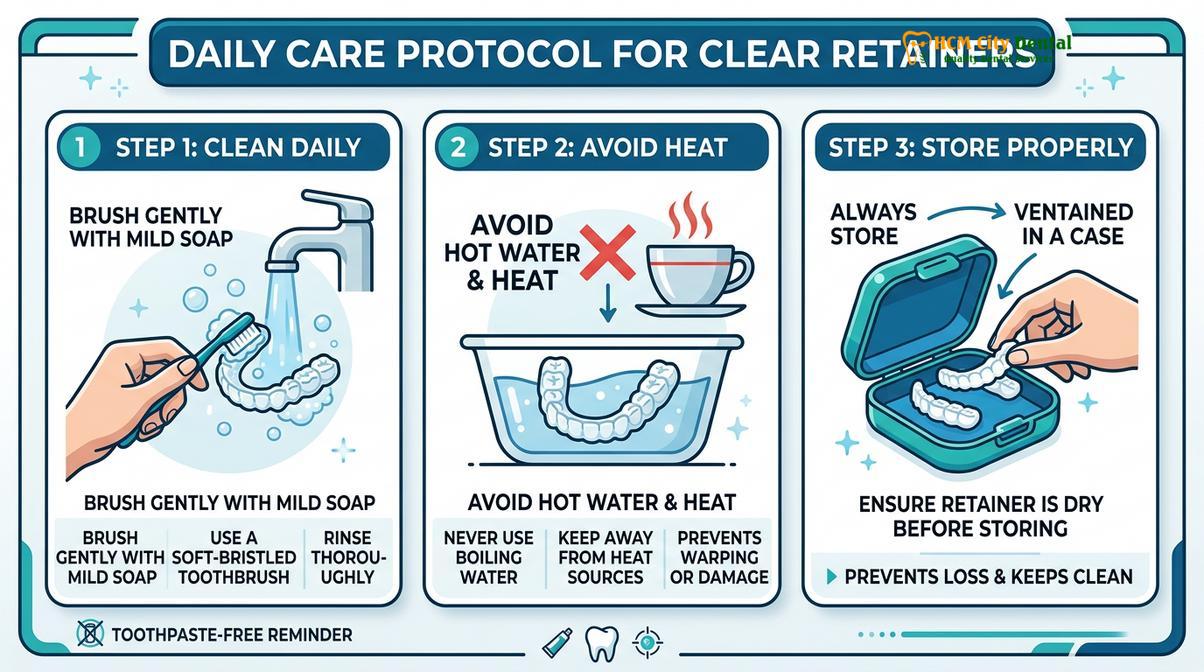
Clinical Warning: Never use hot or boiling water to clean or soak a clear retainer. Thermoplastic materials have a specific glass transition temperature; exposure to high heat will cause the plastic to warp, permanently altering its fit. A warped retainer will fail to hold the teeth in their correct orthodontic positions, leading to rapid orthodontic relapse.
The Role of a Hydrogen Peroxide Retainer Soak
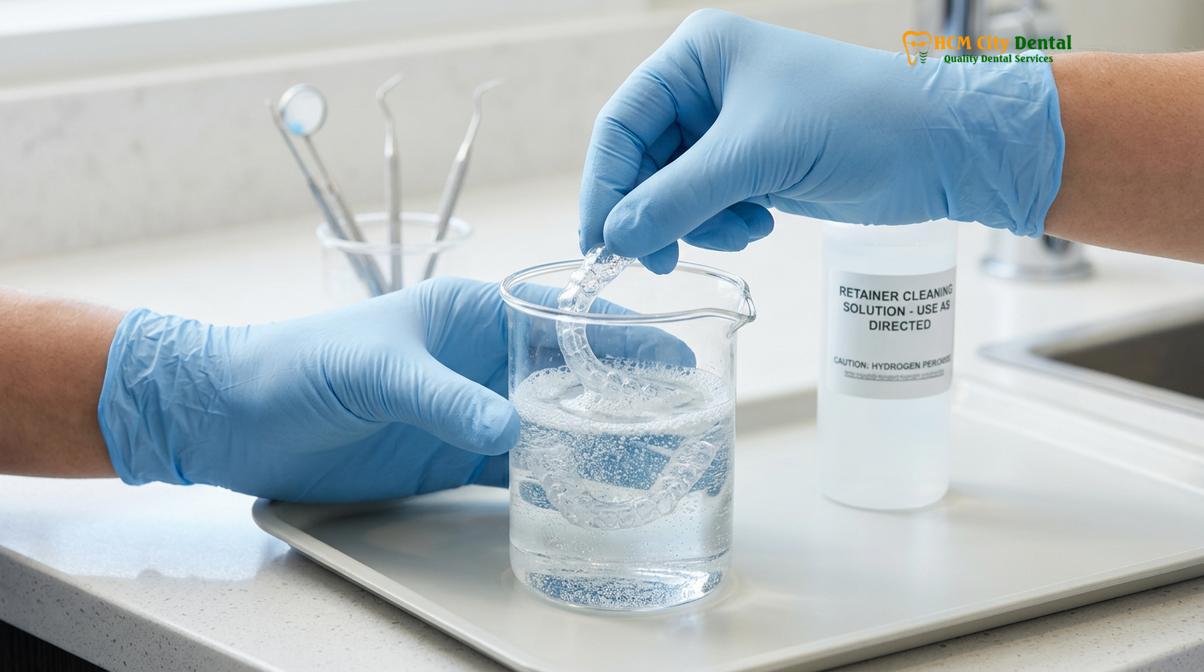
One of the most effective and scientifically supported methods for at-home stain removal is a hydrogen peroxide retainer soak. Hydrogen peroxide (H₂O₂) is a powerful oxidizing agent. When it comes into contact with organic stains and bacterial cell walls, it decomposes into water and oxygen free radicals. These highly reactive oxygen radicals attack the double bonds of the chromogenic molecules, breaking them down into smaller, colorless compounds[3].
Clinical Protocol for Peroxide Soaking:
- Mix equal parts of 3% hydrogen peroxide (standard pharmacy grade) and cool, distilled water in a clean glass or dedicated retainer bath.
- Submerge the clear retainer completely in the solution.
- Allow the appliance to soak for 15 to 30 minutes. The solution may bubble slightly as the peroxide reacts with the organic proteins and bacteria.
- Remove the retainer and use a soft-bristled brush to gently sweep away the loosened debris.
- Rinse thoroughly under cool running water to ensure all residual peroxide is removed before oral insertion.
This method is highly effective for removing yellow stains and eliminating the volatile sulfur compounds responsible for foul odors. However, it should be limited to once or twice a week, as daily exposure to strong oxidizers may eventually cause the plastic to become brittle.
White Vinegar and Baking Soda Protocols
For patients seeking natural, non-toxic alternatives, white vinegar (acetic acid) and baking soda (sodium bicarbonate) offer excellent cleaning properties, particularly for dissolving calcified tartar.
The Vinegar Soak: White vinegar contains roughly 5% acetic acid, which is highly effective at dissolving the calcium carbonate matrix of hardened tartar. To utilize this method, mix one part white vinegar with three parts cool water. Soak the retainer for 20 minutes. The mild acid will soften the yellow tartar, allowing it to be easily brushed away. Because vinegar has a strong odor and taste, the appliance must be washed with mild soap and rinsed extensively afterward.
The Baking Soda Solution: Baking soda is a natural deodorizer and a mild alkaline agent that neutralizes the acidic environment created by oral bacteria. To prevent yellowing and odors, dissolve one tablespoon of baking soda into half a cup of warm (not hot) water until the water is slightly cloudy but no abrasive granules remain. Soak the retainer for 30 minutes. Crucial note: Never apply dry baking soda directly to the retainer as a scrubbing paste, as its micro-abrasive nature will scratch the thermoplastic.
Commercial Retainer Cleaners
For optimal convenience and standardized efficacy, commercial effervescent tablets (such as Retainer Brite, Polident for Retainers, or specialized aligner foams) are highly recommended. These products typically contain a combination of sodium perborate or sodium percarbonate (which release hydrogen peroxide when dissolved in water), citric acid, and mild detergents.
When dropped into water, the effervescent action creates micro-bubbles that help physically dislodge debris from the retainer’s crevices, while the chemical agents oxidize stains and kill 99.9% of odor-causing bacteria. Patients should strictly follow the manufacturer’s instructions regarding soaking times, as leaving the retainer in these chemical baths overnight can degrade the polymer over time.
| Cleaning Agent | Mechanism of Action | Clinical Efficacy | Recommended Frequency |
|---|---|---|---|
| Mild Dish Soap & Water | Surfactant action lifts lipids and loose biofilm | High for daily debris removal; Low for deep stains | Daily (Morning and Night) |
| Hydrogen Peroxide (Diluted) | Oxidation of chromogens and bacterial lysis | Excellent for yellow stains and odor elimination | 1-2 times per week |
| White Vinegar (Diluted) | Acetic acid dissolves calcified tartar | High for hard mineral buildup; Moderate for stains | Weekly (as needed for tartar) |
| Commercial Effervescent Tablets | Chemical oxidation combined with micro-bubbling | Excellent overall maintenance and stain removal | 2-3 times per week |
| Abrasive Toothpaste | Physical abrasion via silica particles | Contraindicated: Causes micro-scratches | Never |
Daily Maintenance Protocols to Prevent Yellowing
Preventing discoloration relies on immediate mechanical removal of debris after meals, avoiding chromogenic triggers, and maintaining a dry, hygienic storage environment when the appliance is not in use.
While knowing how to remove stains is valuable, the cornerstone of orthodontic retention is proactive prevention. Once a thermoplastic retainer becomes deeply stained or heavily calcified, restoring it to its original pristine condition is exceptionally difficult. Therefore, establishing a rigorous daily maintenance protocol is essential for preserving the appliance’s optical clarity, structural integrity, and hygienic safety.
Proper Brushing Techniques for Essix Retainers
The daily mechanical cleaning of a clear retainer requires specific tools and techniques to avoid iatrogenic damage. Patients must designate a separate, soft-bristled toothbrush exclusively for cleaning their retainer. Using the same toothbrush used for the teeth is discouraged, as residual toothpaste trapped in the bristles can scratch the plastic.
The optimal technique involves applying a small drop of mild, unscented liquid soap to the wet brush. The patient should hold the retainer gently in the palm of their hand—avoiding squeezing or flexing the plastic, which can cause micro-fractures—and brush the internal and external surfaces using small, circular motions. Special attention must be paid to the deep indentations of the molar regions and the incisal edges, as these are the primary stagnation areas where saliva pools and biofilm accumulates[4]. After thorough brushing, the appliance must be rinsed under a high-pressure stream of cool water until all soap residue is eliminated.
Dietary Modifications During Retention
Patient compliance regarding dietary habits is the most significant variable in preventing yellow stains. The clinical rule is absolute: the retainer must be removed prior to the consumption of any food or beverage, with the sole exception of plain, unflavored water. Consuming hot beverages while wearing the retainer will cause thermal warping, while drinking sugary or acidic liquids will trap cariogenic fluids against the enamel, drastically increasing the risk of rampant tooth decay and decalcification (white spot lesions).
Furthermore, after eating, the patient must perform oral hygiene—brushing and flossing—before reinserting the retainer. If brushing is impossible due to logistical constraints (e.g., eating at a restaurant), the patient should vigorously rinse their mouth with water or chew sugar-free xylitol gum for five minutes to stimulate salivary flow and clear gross debris before putting the retainer back in. This minimizes the transfer of food particles and chromogens onto the plastic surface.
Clinical Case Study: HCMC Dental Clinic
A 24-year-old patient presented to HCMC Dental Clinic in Ho Chi Minh City complaining that her clear Vivera retainers had turned a dark, opaque yellow after only three months of use. Upon clinical interview, Dr. Cuong discovered the patient frequently drank iced matcha lattes and turmeric teas through a straw while wearing the appliance, believing the straw bypassed the plastic. The microscopic space between the retainer and the teeth had acted as a capillary vacuum, drawing the highly pigmented liquids into the appliance. Because the intrinsic polymer had absorbed the curcumin and tannins, the stains were irreversible. The patient required a complete digital rescan and fabrication of a new set of retainers, accompanied by strict dietary compliance education.
Optimal Storage Solutions
How a retainer is stored when not in the mouth significantly impacts its hygiene and longevity. When the appliance is removed, it should be rinsed immediately with water to prevent saliva from drying and calcifying on the surface. If the retainer is not going to be worn for several hours, it must be stored properly.
There is ongoing clinical debate regarding wet versus dry storage. For clear thermoplastic retainers (unlike acrylic Hawley retainers or dentures, which must be kept moist), dry storage is generally preferred to prevent bacterial and fungal proliferation. After cleaning, the retainer should be shaken off and allowed to air dry completely before being placed in a hard, ventilated protective case. Storing a damp retainer in a sealed, dark case creates an ideal incubator for mold and anaerobic bacteria, leading to severe malodor and discoloration. Additionally, patients must routinely clean the storage case itself using hot water and antibacterial soap to prevent cross-contamination.
Professional Interventions at HCMC Dental Clinic
When at-home cleaning protocols fail to resolve deep-set stains or calcified tartar, professional ultrasonic cleaning or complete appliance replacement is clinically indicated to maintain oral health.
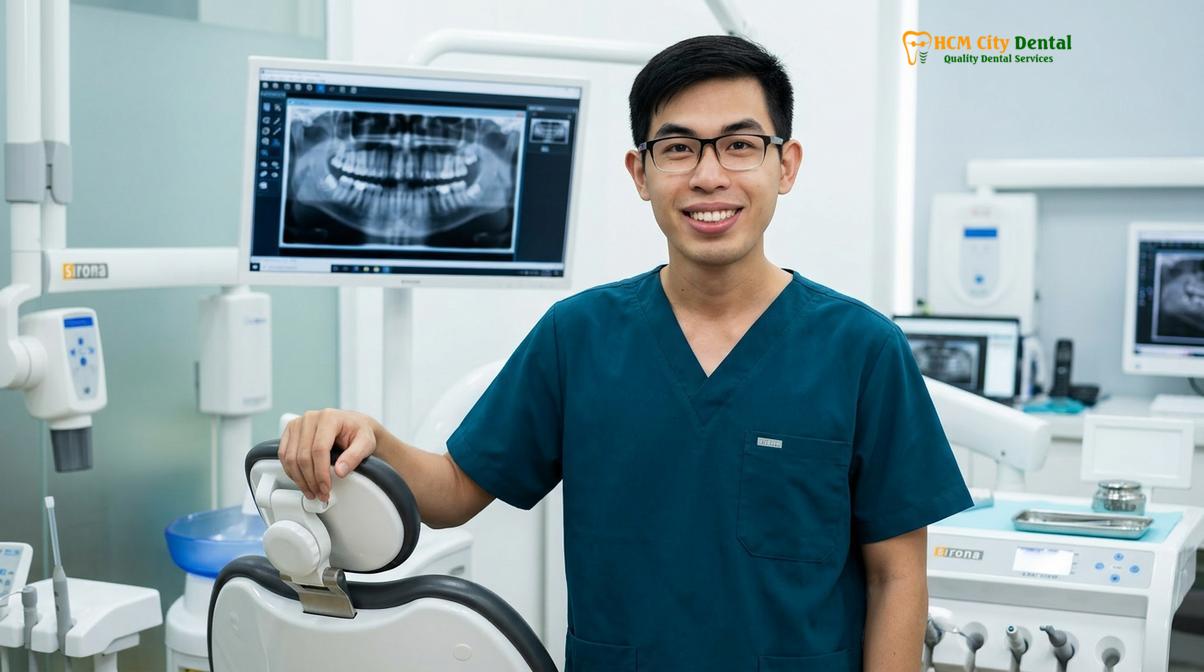
Despite a patient’s best efforts, long-term wear of any orthodontic appliance will eventually result in some degree of material fatigue and microscopic plaque retention. When at-home chemical soaks and mechanical brushing no longer restore the retainer’s clarity, professional intervention is required. At HCMC Dental Clinic, our orthodontic team provides comprehensive retention monitoring to ensure the appliances continue to function safely and effectively.
Ultrasonic Cleaning and Clinical Assessment
During routine dental check-ups, patients are encouraged to bring their retainers to the clinic. Dental professionals utilize industrial-grade ultrasonic cleaners to service the appliances. These devices emit high-frequency sound waves through a specialized cleaning solution, creating millions of microscopic cavitation bubbles. When these bubbles implode against the surface of the retainer, they generate localized shockwaves that safely blast away deeply embedded calculus, stubborn stains, and bacterial colonies without scratching the plastic.
Following the ultrasonic bath, the orthodontist will perform a thorough clinical assessment of the appliance. They will inspect the polymer for signs of micro-cracking, loss of rigidity, and thermal warping. Most importantly, the dentist will evaluate the clinical fit of the retainer in the patient’s mouth. A retainer that has lost its structural integrity due to chemical degradation or aggressive cleaning will no longer provide the necessary biomechanical force to prevent orthodontic relapse.
“A retainer is a prescribed medical device. When the thermoplastic material becomes deeply stained, it is often a visual indicator that the polymer itself has degraded and become porous. At this stage, the appliance is not only unhygienic but likely failing to hold the teeth in their corrected positions.”
— Dr. Nguyen Van Cuong
When to Replace an Essix Retainer
Clear retainers are not designed to last a lifetime. Depending on the specific material (e.g., standard Essix vs. Invisalign Vivera), the severity of the patient’s bite forces, and the rigor of their hygiene routine, a clear retainer typically requires replacement every 6 to 24 months[5].
If a retainer exhibits irreversible yellowing, persistent malodor, visible cracks, or feels loose, it must be replaced immediately. Modern digital dentistry has streamlined this process. Using intraoral 3D scanners, dentists can capture a highly accurate digital impression of the teeth in minutes, eliminating the need for uncomfortable alginate molds. The new Essix retainer is then thermoformed over a 3D-printed model, ensuring a perfect, tight fit that guarantees continued orthodontic stability.
When to See a Doctor
While minor discoloration is a common cosmetic annoyance that can be managed at home, certain signs indicate that the retainer has become a hazard to your oral health and requires immediate professional evaluation. You should schedule an appointment with your orthodontist or general dentist if you experience any of the following:
- Irreversible Discoloration and Odor: If the retainer remains dark yellow, cloudy, or emits a foul odor even after a hydrogen peroxide or effervescent soak, the material has likely degraded and become highly porous, harboring dangerous anaerobic bacteria.
- Changes in Fit: If the retainer feels excessively tight, unusually loose, or requires force to seat properly, it has likely warped. Wearing a warped retainer can actively move your teeth out of alignment, undoing years of orthodontic treatment.
- Visible Structural Damage: Any visible cracks, splits, or rough edges on the plastic can harbor bacteria and cause physical trauma (lacerations or ulcers) to the gingival tissues, tongue, or buccal mucosa.
- Gingival Inflammation: If you notice that your gums are red, swollen, or bleeding specifically in the areas where the retainer rests, it indicates a severe localized biofilm infection or an allergic reaction to the degraded polymer.
- Tooth Sensitivity or Pain: Unexplained pain or sensitivity in the teeth upon waking may indicate that the retainer is no longer fitting correctly and is placing traumatic forces on the periodontal ligaments.
If you are experiencing any of these clinical red flags, discontinue use of the compromised appliance and contact a dental professional immediately to prevent orthodontic relapse or soft tissue infection.
Frequently Asked Questions
Can I use regular toothpaste to clean my clear retainer?
No, you should never use regular toothpaste to clean a clear retainer because it contains abrasive agents like silica that cause micro-scratches. These microscopic abrasions permanently dull the thermoplastic material and create retention areas where bacteria and chromogenic stains accumulate rapidly. Instead, dental professionals recommend using a soft-bristled brush with mild, unscented antibacterial soap or specialized clear aligner cleaning foams. This ensures the mechanical removal of biofilm without compromising the structural integrity or optical clarity of the appliance.
How long should I soak my retainer in hydrogen peroxide?
You should soak your clear retainer in a diluted 3% hydrogen peroxide solution for no longer than 15 to 30 minutes. Extended soaking beyond this timeframe can degrade the polyurethane polymers, leading to brittleness and a higher risk of cracking. Hydrogen peroxide is an excellent oxidative agent that breaks down the double bonds of organic stain molecules, effectively neutralizing discoloration. Always ensure you rinse the appliance thoroughly with cool water after the soak to remove any residual peroxide before placing it back into your mouth.
Does baking soda scratch clear thermoplastic retainers?
When used as a thick, dry paste, baking soda can be mildly abrasive and may cause microscopic scratches on clear thermoplastic retainers. However, when completely dissolved in warm water to create a soaking solution, it is entirely safe and highly effective. Baking soda (sodium bicarbonate) acts as a natural deodorizer and a mild alkaline agent that neutralizes the acidic byproducts of oral bacteria. If you choose to use baking soda, always dissolve it fully rather than scrubbing the raw powder directly onto the plastic surface.
Why does my retainer smell bad even after brushing?
A persistent foul odor indicates that calcified bacterial plaque and anaerobic bacteria have become deeply embedded in the micro-pores of the retainer material. Standard brushing often fails to dislodge these microscopic bacterial colonies. The odor is primarily caused by volatile sulfur compounds (VSCs) released by these trapped microbes as they metabolize residual proteins from your saliva. To eliminate the smell, you must use a chemical soaking agent, such as an effervescent retainer tablet or a white vinegar solution, to dissolve the calcified matrix and neutralize the bacteria.
Can I drink iced coffee with a clear retainer if I use a straw?
While using a straw reduces direct contact, it does not completely prevent iced coffee from seeping under the clear retainer and causing yellow stains. Capillary action draws the dark, tannin-rich liquid into the microscopic space between the thermoplastic and your teeth. Once trapped, the acidic and pigmented fluid remains in prolonged contact with both the retainer and your tooth enamel, accelerating discoloration and increasing the risk of decalcification. It is always clinically advised to remove the appliance before consuming anything other than plain water.
References
- American Journal of Orthodontics and Dentofacial Orthopedics. Biofilm formation on clear orthodontic aligners and retainers. (2021).
- Journal of Clinical Orthodontics. The efficacy of chemical cleaning agents on thermoplastic polyurethane appliances. (2020).
- European Journal of Orthodontics. Long-term material degradation and optical properties of Essix retainers. (2019).
- Journal of Prosthetic Dentistry. Effects of brushing and chemical soaks on the surface roughness of clear retainers. (2022).
- International Journal of Dental Hygiene. Patient compliance and hygiene protocols in orthodontic retention phases. (2018).