A comprehensive general dental guide serves as a vital clinical roadmap for maintaining optimal oral health, encompassing preventative care, precise diagnostics, and advanced restorative treatments. It empowers patients to understand routine dental protocols, recognize early pathological signs, and collaborate effectively with their dental providers for lifelong stomatognathic function. The oral cavity is a complex, dynamic environment where biological, chemical, and mechanical forces constantly interact. Maintaining equilibrium within this environment requires a proactive approach, shifting the focus from reactive disease management to preventative health optimization. By understanding the foundational principles of general dentistry, patients can make informed decisions regarding their oral hygiene routines, dietary habits, and professional care schedules, ultimately preserving their natural dentition and supporting their overall systemic well-being.
Clinical Summary:
General dentistry represents the foundation of comprehensive oral healthcare, focusing on the prevention, diagnosis, and management of diseases affecting the teeth, gums, and maxillofacial region. This clinical discipline has evolved significantly from a reactive, extraction-based model to a proactive, minimally invasive paradigm. By integrating advanced diagnostic imaging, personalized risk assessments, and biocompatible restorative materials, general practitioners aim to preserve the natural dentition and maintain the delicate biomechanical balance of the oral cavity. Understanding the workflows of routine prophylaxis, caries management, and periodontal maintenance is essential for patients seeking to prevent irreversible tissue destruction and mitigate the systemic health risks associated with chronic oral inflammation. Modern general dentistry also emphasizes the oral-systemic connection, recognizing that oral health is intricately linked to cardiovascular, metabolic, and respiratory health. Through continuous monitoring and tailored interventions, general dentists provide a continuum of care that adapts to the patient’s changing physiological needs over their lifespan.
Key Takeaways:
- General dentistry is the primary care discipline responsible for the lifelong maintenance of oral and maxillofacial health, coordinating all aspects of preventative and restorative care.
- Modern diagnostic protocols utilize digital radiography, intraoral scanning, and precise clinical probing to detect pathologies at their earliest, most treatable stages.
- Preventative care, including professional scaling, root planing, and targeted fluoride therapy, is critical for disrupting bacterial biofilms and preventing enamel demineralization.
- Restorative procedures utilize advanced biomaterials, such as nanohybrid composites and high-strength ceramics, to repair structural damage caused by caries or trauma, restoring both function and aesthetics.
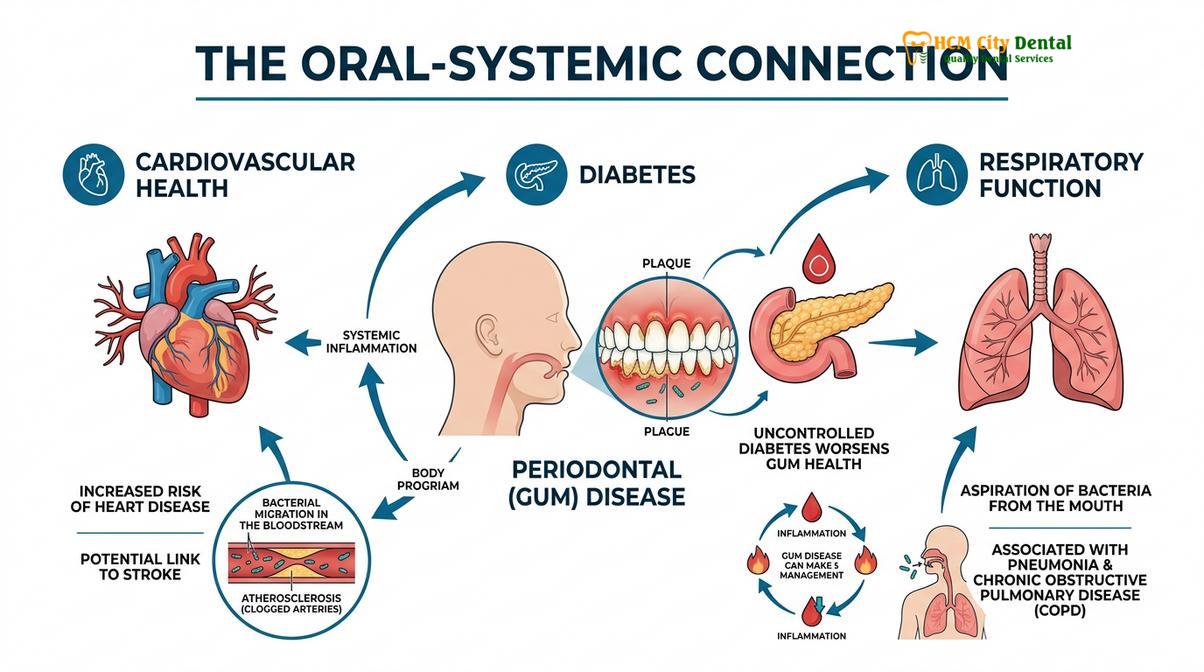
- Chronic oral infections, particularly periodontitis, have profound systemic implications, linking dental health directly to cardiovascular disease, diabetes mellitus, and adverse pregnancy outcomes.
- Patient education and individualized home care regimens are fundamental components of a successful long-term oral health strategy.
The Scope of General Dentistry: A Clinical Overview
General dentistry encompasses the comprehensive diagnosis, prevention, and management of oral diseases, serving as the primary defense line for preserving the natural dentition and ensuring the functional integrity of the maxillofacial region.
The field of general dentistry is the absolute cornerstone of all oral healthcare. Unlike specialized disciplines that focus on a singular anatomical structure or a specific surgical intervention, general dentistry requires a holistic, integrated understanding of the entire stomatognathic system. This complex system includes not only the teeth themselves but also the periodontium (the gums, periodontal ligament, cementum, and supporting alveolar bone), the temporomandibular joints (TMJ), the salivary glands, and the associated masticatory musculature. A primary care dentist acts as the central coordinator for a patient’s oral health, managing everything from routine preventative maintenance to complex, multi-disciplinary restorative rehabilitations.
The contemporary approach to general dentistry is heavily rooted in the philosophy of minimally invasive dentistry (MID). Historically, dental treatments often involved the aggressive removal of healthy tooth structure simply to accommodate the mechanical retention requirements of older restorative materials, such as dental amalgam. Today, the clinical focus has shifted dramatically toward early detection, comprehensive risk assessment, and the maximum preservation of healthy biological tissues. This paradigm shift is supported by remarkable advancements in adhesive dentistry, which allow for highly conservative preparations that bond directly to the enamel and dentin on a micromechanical level, thereby maintaining the inherent structural integrity and flexural strength of the natural tooth.
Furthermore, extensive clinical research continues to highlight the profound, bidirectional connection between oral health and overall systemic health. Chronic inflammation originating in the oral cavity, such as severe periodontitis, is no longer viewed as an isolated local infection. Instead, the inflammatory mediators and periodontal pathogens can enter the systemic bloodstream, exacerbating systemic conditions and significantly impacting cardiovascular and metabolic well-being[4]. Therefore, the general practitioner is responsible for a wide spectrum of clinical duties, including conducting thorough oral cancer screenings, evaluating occlusal dynamics to prevent joint dysfunction, and formulating long-term, biologically sound treatment plans.
Diagnostic Protocols in Modern Dental Practice
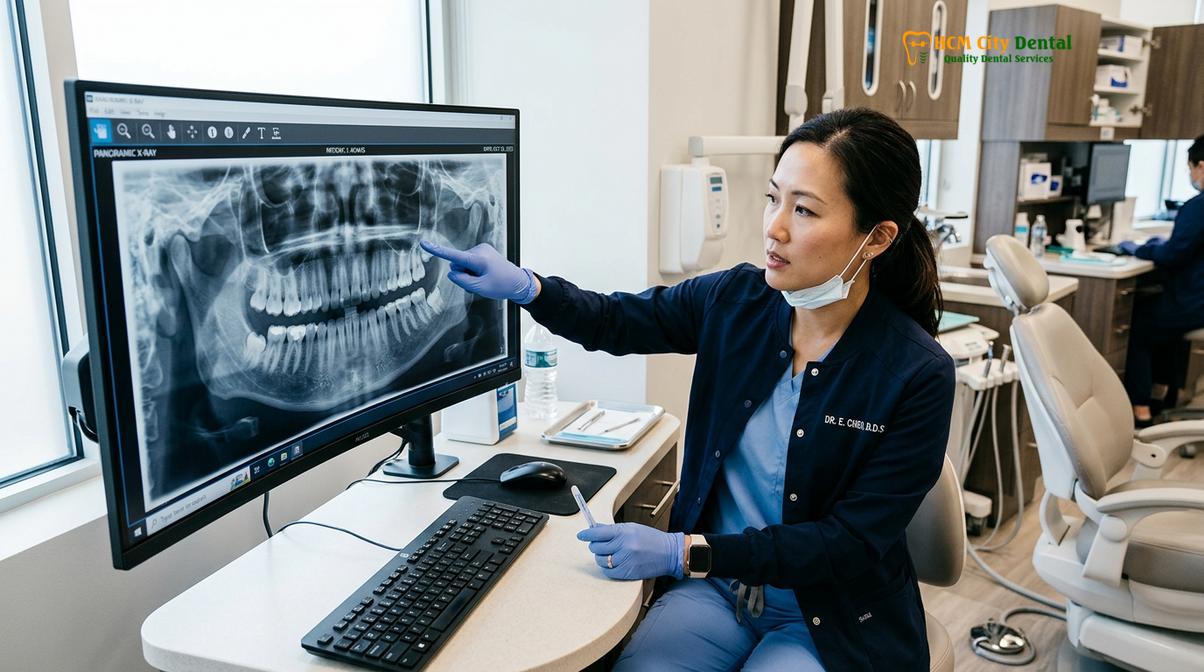
Modern diagnostic protocols utilize advanced digital imaging, precise periodontal probing, and meticulous clinical examinations to detect micro-cavitations, alveolar bone loss, and mucosal abnormalities long before they become symptomatic.
Accurate and comprehensive diagnosis is the absolute prerequisite for any successful dental intervention. The diagnostic workflow in a modern clinical setting is highly systematic, designed to evaluate the oral cavity on macroscopic, microscopic, and radiographic levels. The process always begins with a detailed medical and dental history review. Because the oral cavity is intimately connected to systemic health, understanding a patient’s medical background—including current medications that may cause xerostomia (dry mouth) or systemic conditions that impair healing—is vital for safe and effective treatment planning.
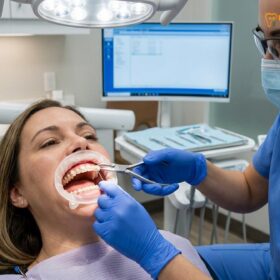
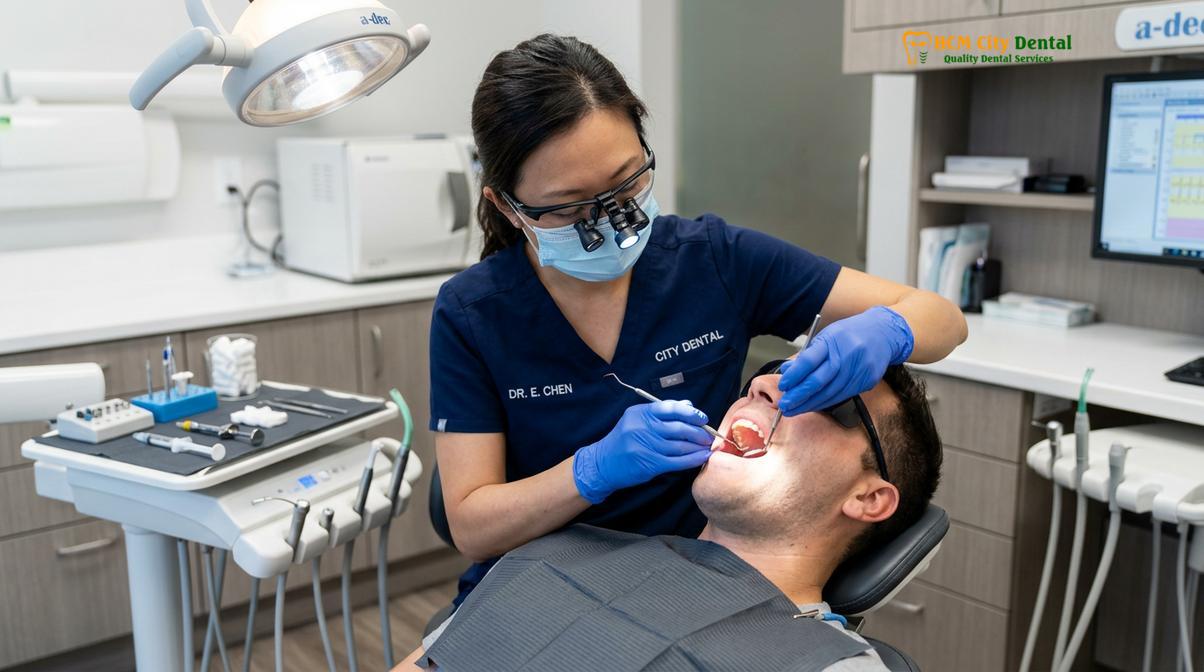
The visual and tactile examination is the next critical phase of the diagnostic protocol. Dentists utilize high-magnification loupes and specialized fiber-optic illumination to meticulously inspect the clinical crowns of all teeth. They look for subtle signs of enamel demineralization, structural micro-fractures, and the marginal integrity of existing restorations. The soft tissues, including the buccal mucosa, lateral borders of the tongue, floor of the mouth, and hard and soft palate, are carefully palpated and visually inspected to rule out dysplastic or neoplastic changes. This serves as a vital, potentially life-saving screening mechanism for oral cancer.
“Comprehensive diagnostics go far beyond simply looking for cavities. We are evaluating the biomechanical harmony of the bite, the inflammatory status of the periodontium, and the subtle mucosal changes that could indicate underlying systemic issues, ensuring a truly holistic approach to patient care.”
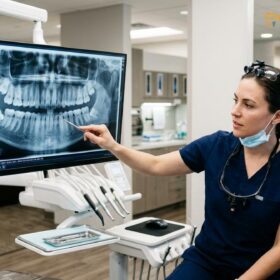
Radiographic imaging is indispensable in general dentistry, as clinical inspection alone cannot visualize the interproximal spaces (between the teeth), the subgingival root surfaces, or the surrounding alveolar bone architecture. Digital radiography has revolutionized this process, reducing radiation exposure significantly while providing high-resolution, manipulatable images. Bitewing radiographs are routinely used to detect early interproximal caries and evaluate crestal bone levels, while periapical images assess the health of the tooth root and surrounding periapical tissues. By utilizing these advanced diagnostic tools, clinicians can develop highly personalized care plans that ensure a seamless continuum of care and predictable clinical outcomes[5].
Preventative Care and Oral Hygiene Workflows
Preventative dental care relies on professional prophylaxis, targeted fluoride therapy, and meticulous home hygiene routines to disrupt bacterial biofilms, remineralize compromised enamel, and prevent the onset of oral diseases.
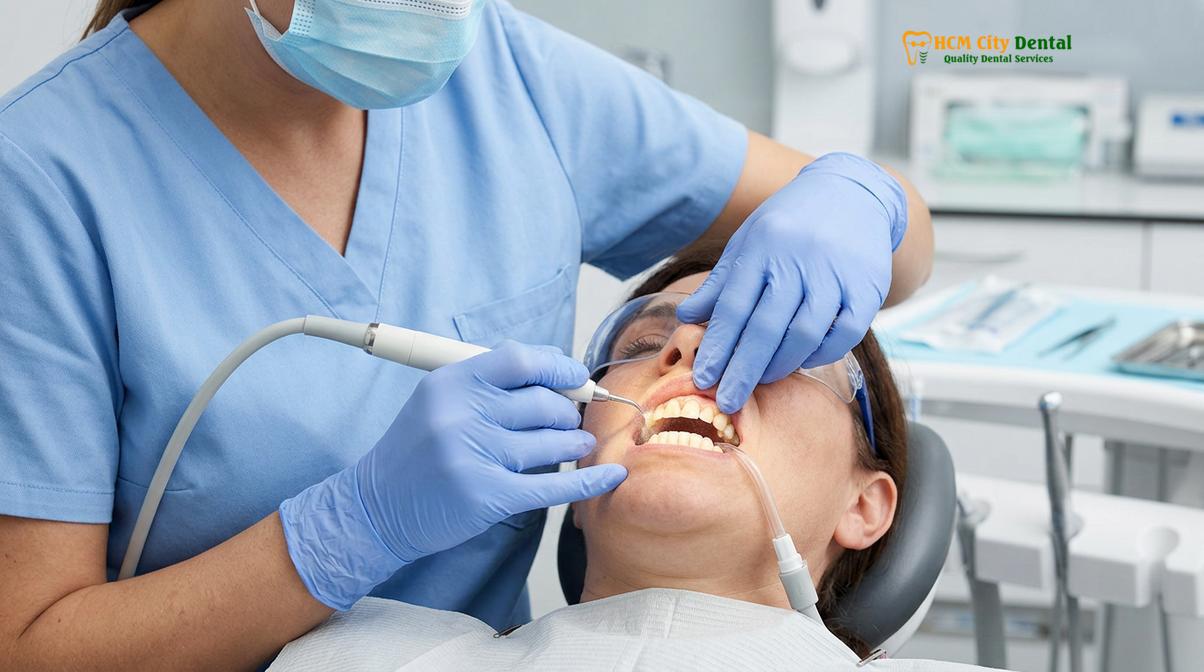
The most effective, biologically conservative, and economically sound approach to dentistry is prevention. The primary goal of preventative dentistry is to actively manage the oral microbiome, preventing the naturally occurring biofilm from organizing into mature, pathogenic dental plaque and subsequently calcifying into hard calculus (tartar). Professional dental prophylaxis is a cornerstone of this preventative care. This procedure involves the meticulous mechanical removal of plaque and calculus from both supragingival (above the gumline) and subgingival (below the gumline) surfaces using specialized ultrasonic scalers and precision hand instruments.
Fluoride therapy is another critical, evidence-based component of a comprehensive dental guide. Fluoride ions interact directly with the hydroxyapatite crystals present in tooth enamel, replacing the vulnerable hydroxyl group to form fluorapatite. This newly formed crystalline structure is significantly more resistant to the acidic byproducts produced by cariogenic bacteria during the fermentation of dietary sugars. The critical pH at which enamel begins to demineralize drops from 5.5 to approximately 4.5 in the presence of fluorapatite, providing a substantial protective buffer. For a deeper understanding of this biochemical process and its safety profile, patients can review our clinical facts on is fluoride bad for your teeth.
Pit and fissure sealants are highly effective preventative adjuncts, particularly indicated for pediatric and adolescent patients, though often beneficial for adults as well. The occlusal (chewing) surfaces of posterior molars feature deep, narrow developmental grooves where standard toothbrush bristles simply cannot penetrate. A sealant is a flowable, biocompatible resin material applied directly to these grooves, creating a physical barrier that seals out bacteria and fermentable carbohydrates, effectively halting the caries process in these highly vulnerable anatomical zones[1].
| Preventative Procedure | Mechanism of Action | Primary Clinical Indication |
|---|---|---|
| Professional Prophylaxis | Mechanical disruption of biofilm and removal of calcified calculus deposits via ultrasonic and hand instrumentation. | Prevention of gingivitis, maintenance of periodontal health, and reduction of bacterial load. |
| Topical Fluoride Varnish | Promotes remineralization by forming acid-resistant fluorapatite within the enamel matrix. | High caries risk, exposed root surfaces, active demineralization, and dentinal hypersensitivity. |
| Pit and Fissure Sealants | Creates a physical, micromechanically retained resin barrier over deep occlusal grooves. | Deep anatomical fissures in newly erupted permanent molars and premolars. |
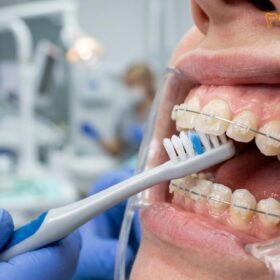
Equally important to professional clinical interventions is comprehensive patient education regarding daily home care. A general dentist or dental hygienist will provide tailored instructions on proper brushing techniques, such as the modified Bass technique, which effectively cleans the gingival sulcus. Understanding exactly how long you should brush your teeth and the absolute necessity of interdental cleaning (flossing or interdental brushes) is vital for maintaining the pristine results achieved during professional cleanings and preventing interproximal decay.
Restorative Procedures: Repairing Structural Damage
Restorative dentistry utilizes advanced biocompatible materials to reconstruct tooth anatomy compromised by caries, wear, or trauma, meticulously restoring both biomechanical function and aesthetic harmony to the dental arch.
Despite the most rigorous preventative efforts, teeth can still suffer structural damage due to dental caries, mechanical trauma, occlusal wear (bruxism), or chemical erosion. Restorative dentistry is the specific branch of general practice dedicated to repairing this damage and rehabilitating the dentition. The primary clinical objective is to carefully remove the diseased or unsupported tissue, thoroughly disinfect the cavity preparation, and replace the lost tooth structure with a biomaterial that closely mimics the physical, mechanical, and optical properties of natural enamel and dentin.
Direct restorations, commonly known as dental fillings, are the most frequently performed restorative procedure in general practice. Modern dentistry relies heavily on advanced nanohybrid composite resins for direct restorations. Unlike traditional dental amalgam, which requires the removal of healthy tooth structure to create mechanical undercuts for retention, composite resin bonds micromechanically to the tooth structure. This complex adhesive protocol involves etching the tooth with phosphoric acid, applying a hydrophilic primer, and curing a bonding resin before placing the composite in increments. This approach allows for highly conservative preparations, reinforces the remaining tooth structure, and provides excellent aesthetic integration.
When a tooth has suffered extensive structural loss that cannot be predictably or durably restored with a direct filling, indirect restorations such as inlays, onlays, or full-coverage crowns are clinically indicated. These restorations are fabricated outside the mouth, often utilizing advanced CAD/CAM (Computer-Aided Design and Computer-Aided Manufacturing) technology. Materials such as monolithic zirconia and lithium disilicate have largely replaced older metal-based restorations due to their superior biocompatibility, immense flexural strength, and lifelike translucency, ensuring long-lasting functional and aesthetic results[3].
Clinical Case Review: Phased Restorative Rehabilitation
A 45-year-old patient presented to HCMC Dental Clinic in Ho Chi Minh City with severe occlusal wear, multiple failing amalgam restorations exhibiting marginal leakage, and localized dentinal hypersensitivity. Following a comprehensive clinical and radiographic assessment, the clinical team developed a phased restorative treatment plan tailored to the patient’s biological needs. The initial phase focused on immediate caries control and replacing the failing amalgams with bonded composite resins to stabilize the dentition. The second phase involved the precise fabrication of lithium disilicate onlays to restore the lost vertical dimension of occlusion and protect the severely worn posterior teeth from further degradation. The meticulous execution of this restorative plan successfully eliminated the patient’s pain, restored optimal masticatory function, and significantly improved the aesthetic appearance of the smile, demonstrating the profound impact of comprehensive general dentistry.
Managing Common Dental Pathologies
Effective management of oral pathologies requires identifying the underlying bacterial, environmental, or systemic etiology to halt disease progression, prevent irreversible tissue destruction, and restore oral homeostasis.
General dentists are tasked with diagnosing and managing a wide array of oral pathologies on a daily basis. The two most prevalent diseases globally are dental caries and periodontal disease. Understanding the complex dynamics of the oral microbiome is crucial, as specific cariogenic bacteria (like Streptococcus mutans) and periodontopathic bacteria (like Porphyromonas gingivalis) can rapidly proliferate when the oral environment becomes imbalanced due to poor hygiene, high sugar diets, or compromised immune function[2].
Another common pathology frequently managed in general practice is chronic bad breath. While often dismissed by patients as a minor cosmetic issue, it frequently has a distinct underlying clinical etiology. Proper diagnosis involves evaluating periodontal health, measuring salivary flow rates to check for xerostomia, and assessing the presence of volatile sulfur compounds produced by anaerobic bacteria residing on the posterior dorsal surface of the tongue. Patients experiencing this persistent condition should seek a professional evaluation to understand the clinical causes and targeted treatments for halitosis.
Furthermore, general dentists often address aesthetic pathologies that, while perhaps not functionally debilitating, significantly impact a patient’s psychosocial well-being and confidence. Discoloration of the dentition can result from extrinsic stains (coffee, tobacco), intrinsic developmental anomalies (fluorosis, tetracycline staining), or natural age-related dentinal changes. In such cases, clinicians may recommend professional teeth whitening protocols. These clinical treatments utilize controlled concentrations of hydrogen or carbamide peroxide to safely oxidize chromogenic molecules within the tooth structure, restoring a brighter, more youthful appearance without compromising the microhardness or integrity of the enamel.
Clinical Warning: Ignoring early signs of dental discomfort, such as mild sensitivity to temperature or occasional bleeding during brushing, can lead to severe complications. What begins as a minor, easily treatable enamel lesion can rapidly progress into the dentin and eventually infect the dental pulp, necessitating complex endodontic therapy (root canal) or resulting in irreversible tooth loss and systemic infection spread.
When to See a Dentist: Important Clinical Notes
Recognizing the early warning signs of dental pathology and adhering to a customized routine recall schedule are essential steps in preventing complex dental emergencies and maintaining long-term oral health.
Patients frequently ask how often you should go to the dentist. While the standard, widely accepted recommendation is a biannual visit (every six months), this frequency must be customized based on individual clinical risk factors. Patients with a history of extensive restorative work, active periodontal disease, high caries susceptibility, or systemic conditions like uncontrolled diabetes may require more frequent monitoring—often every three to four months—to maintain oral stability and disrupt pathogenic biofilms before they cause tissue damage.
“Preventative dentistry is undeniably the most biologically conservative and predictable approach to oral health. By addressing risk factors early and maintaining strict recall intervals, we can prevent irreversible tissue destruction and maintain the natural dentition for a lifetime.”
It is absolutely critical to seek immediate dental attention if you experience spontaneous, unprovoked tooth pain, prolonged sensitivity to hot or cold stimuli that lingers after the stimulus is removed, persistent bleeding or purulent exudate (pus) from the gums, or any unusual swelling in the maxillofacial region or lymph nodes. Delaying treatment for these acute symptoms can lead to the rapid exacerbation of underlying infections, potentially requiring far more invasive, painful, and costly interventions. Adhering to these proactive principles aligns perfectly with national guidelines on oral health prevention and community dental care standards, ensuring optimal outcomes for all patient demographics[6].
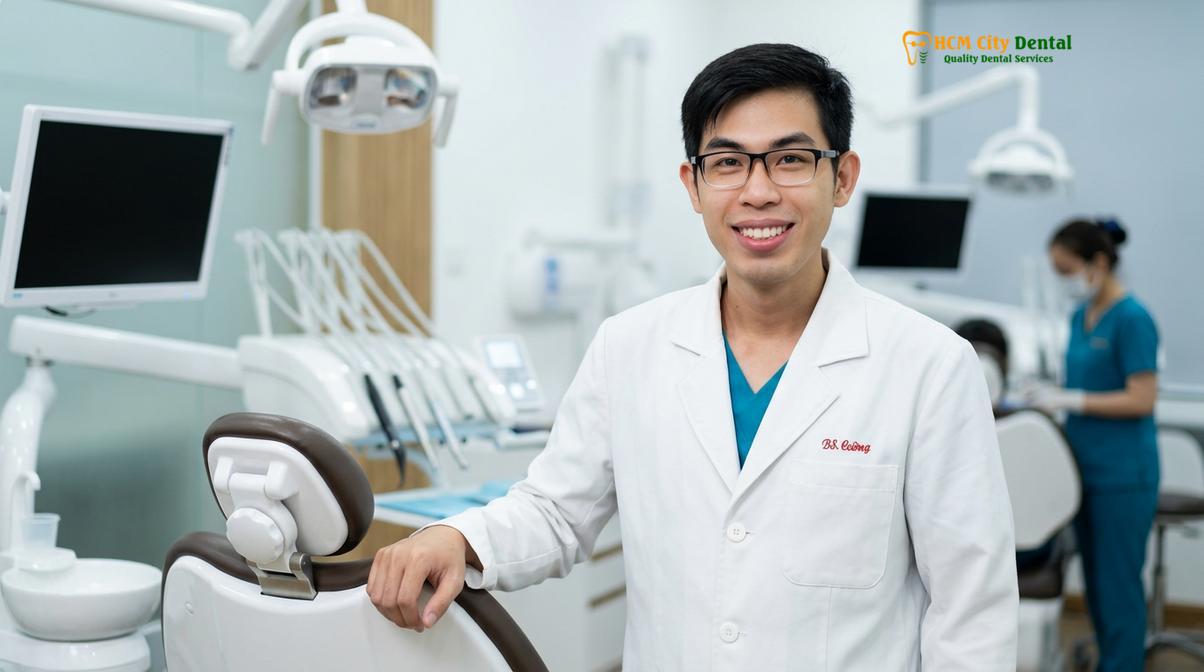
Dr. Nguyen Van Cuong, a highly respected leading practitioner, consistently emphasizes the critical importance of personalized, patient-centric clinical care. Dr. Cuong and the dedicated clinical team utilize strict evidence-based protocols to ensure every single patient receives comprehensive diagnostics and minimally invasive treatments tailored specifically to their unique oral health needs and anatomical considerations. This commitment to clinical excellence makes it significantly easier for patients navigating the often overwhelming process of how to find a good dentist who prioritizes long-term biological health over short-term fixes.
For personalized clinical guidance, advanced preventative strategies, and expert restorative care, schedule a comprehensive evaluation at HCMC Dental Clinic in Ho Chi Minh City today. Let our experienced team help you achieve and maintain a healthy, functional, and beautiful smile for life.
References
- Journal of the American Dental Association. Evidence-based clinical recommendations for the use of pit-and-fissure sealants.
- Periodontology 2000. The oral microbiome and the immunobiology of periodontal disease and caries.
- Clinical Oral Investigations. Longevity of direct and indirect restorations in posterior teeth.
- Journal of Clinical Periodontology. Systemic implications of periodontitis and the oral-systemic link.
- International Dental Journal. Global guidelines for the development of personalized dental care plans.
- Ministry of Health Vietnam (MOH). National guidelines on oral health prevention and community dental care.