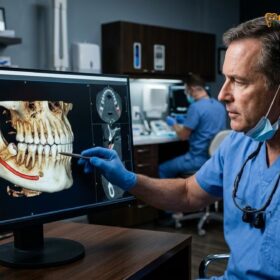
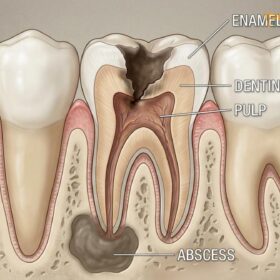
Good dental care encompasses a daily regimen of mechanical plaque removal, chemical biofilm control, and routine professional clinical evaluations. This proactive approach prevents irreversible enamel demineralization, halts periodontal tissue destruction, and mitigates the risk of systemic inflammatory diseases linked to oral pathogens.
Clinical Summary:
Optimal oral health requires a synergistic approach combining meticulous at-home hygiene with advanced professional interventions. Clinically, good dental care focuses on disrupting bacterial biofilm, reinforcing enamel integrity through remineralization, and maintaining the structural health of the periodontium. Regular diagnostic screenings and prophylactic cleanings are essential to intercept early-stage pathologies such as gingivitis and non-cavitated carious lesions before they progress to irreversible tissue damage. Furthermore, modern dentistry recognizes the profound oral-systemic connection, emphasizing that maintaining a disease-free oral cavity is a fundamental component of overall physiological well-being.
Key Takeaways:
- Effective daily hygiene requires both mechanical brushing and interproximal cleaning to disrupt bacterial biofilm.
- Fluoride application is critical for converting vulnerable hydroxyapatite into acid-resistant fluorapatite.
- Untreated periodontal disease is clinically linked to systemic conditions, including cardiovascular disease and diabetes.
- Professional prophylaxis every six months is necessary to remove calcified calculus that cannot be brushed away.
- Early diagnostic imaging allows for the conservative management of dental pathologies, preserving natural tooth structure.
The Clinical Foundations of Good Dental Care
The foundation of oral health relies on the daily mechanical disruption of bacterial biofilm and the chemical reinforcement of tooth enamel to prevent decay and gingival inflammation.
Achieving and maintaining optimal oral health is not a passive endeavor; it requires a disciplined, scientifically backed daily routine. The primary objective of at-home dental care is the management of dental plaque—a complex, organized biofilm composed of diverse bacterial colonies embedded in an extracellular matrix. When left undisturbed, cariogenic bacteria within this biofilm, such as Streptococcus mutans, metabolize fermentable carbohydrates to produce lactic acid. This acid lowers the local pH, leading to the demineralization of the inorganic hydroxyapatite crystals that make up tooth enamel [1].
To effectively combat this continuous bacterial challenge, mechanical disruption is paramount. The Modified Bass technique is widely recommended by dental professionals as the gold standard for tooth brushing. This method involves placing a soft-bristled toothbrush at a 45-degree angle to the long axis of the tooth, directing the bristles into the gingival sulcus. Short, vibratory strokes are applied to dislodge the biofilm from the subgingival areas, followed by a sweeping motion toward the occlusal (biting) surface. Brushing should be performed for a minimum of two minutes, twice daily, ensuring that all buccal, lingual, and occlusal surfaces are thoroughly cleaned.
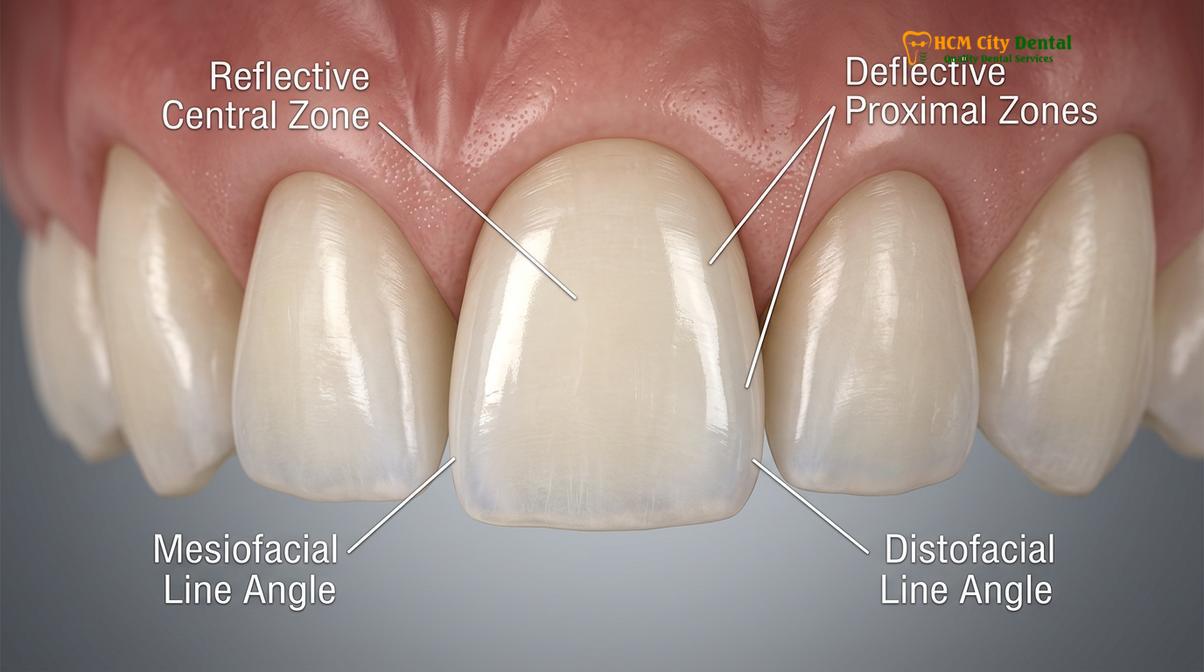
However, brushing alone only cleans approximately 60% of the tooth’s surface area. The interproximal spaces—the tight contact areas between adjacent teeth—are highly susceptible to plaque accumulation and are the most common sites for early carious lesions and localized periodontitis. Interdental cleaning is therefore a non-negotiable component of good dental care. Traditional dental floss provides the necessary mechanical friction to scrape away adherent biofilm from these tight spaces. For patients with wider embrasure spaces, clinical attachment loss, or orthodontic appliances, interproximal brushes often yield superior plaque removal efficacy compared to string floss [2].
Chemical adjuncts also play a vital role in daily hygiene. The use of a fluoridated dentifrice is critical. Fluoride ions interact with the demineralized enamel surface, replacing hydroxyl groups to form fluorapatite. This newly formed mineral is significantly more resistant to subsequent acid attacks, effectively halting and even reversing early, non-cavitated carious lesions. Additionally, antimicrobial mouth rinses containing active ingredients like cetylpyridinium chloride or essential oils can help reduce the overall bacterial load in the oral cavity, providing an extra layer of protection against gingivitis.
The Oral-Systemic Connection: Why Oral Hygiene Matters
Clinical evidence demonstrates that oral health is inextricably linked to systemic health, with periodontal pathogens contributing to cardiovascular disease, diabetic complications, and respiratory infections.
The oral cavity is not an isolated ecosystem; it is the primary gateway to the gastrointestinal and respiratory tracts. A robust body of clinical literature has established the “oral-systemic link,” demonstrating that chronic oral infections have far-reaching physiological consequences. Periodontitis, a severe inflammatory disease of the supporting structures of the teeth, is characterized by deep periodontal pockets that serve as reservoirs for anaerobic Gram-negative bacteria, such as Porphyromonas gingivalis and Treponema denticola [3].
During routine activities like chewing or brushing, the highly vascularized, ulcerated epithelial lining of these periodontal pockets allows bacteria and their endotoxins to enter the systemic bloodstream—a phenomenon known as transient bacteremia. Once in the circulation, these pathogens can trigger a systemic inflammatory cascade. The liver responds by producing acute-phase proteins, including C-reactive protein (CRP), which is a known marker for cardiovascular risk.
“The mouth is a mirror of health and disease. Chronic periodontal inflammation acts as a silent systemic burden, continuously seeding the bloodstream with inflammatory mediators that can exacerbate distant physiological conditions, making oral hygiene a critical component of holistic medical care.”
In the context of cardiovascular health, oral bacteria have been detected within atherosclerotic plaques in human coronary arteries. The systemic inflammation induced by periodontitis contributes to endothelial dysfunction, promoting the thickening of arterial walls and increasing the risk of myocardial infarction and stroke. Furthermore, there is a bidirectional relationship between periodontal disease and diabetes mellitus. Chronic systemic inflammation impairs insulin signaling, leading to increased insulin resistance and poorer glycemic control. Conversely, patients with uncontrolled diabetes exhibit an exaggerated inflammatory response to periodontal pathogens, resulting in more rapid and severe alveolar bone loss [4].
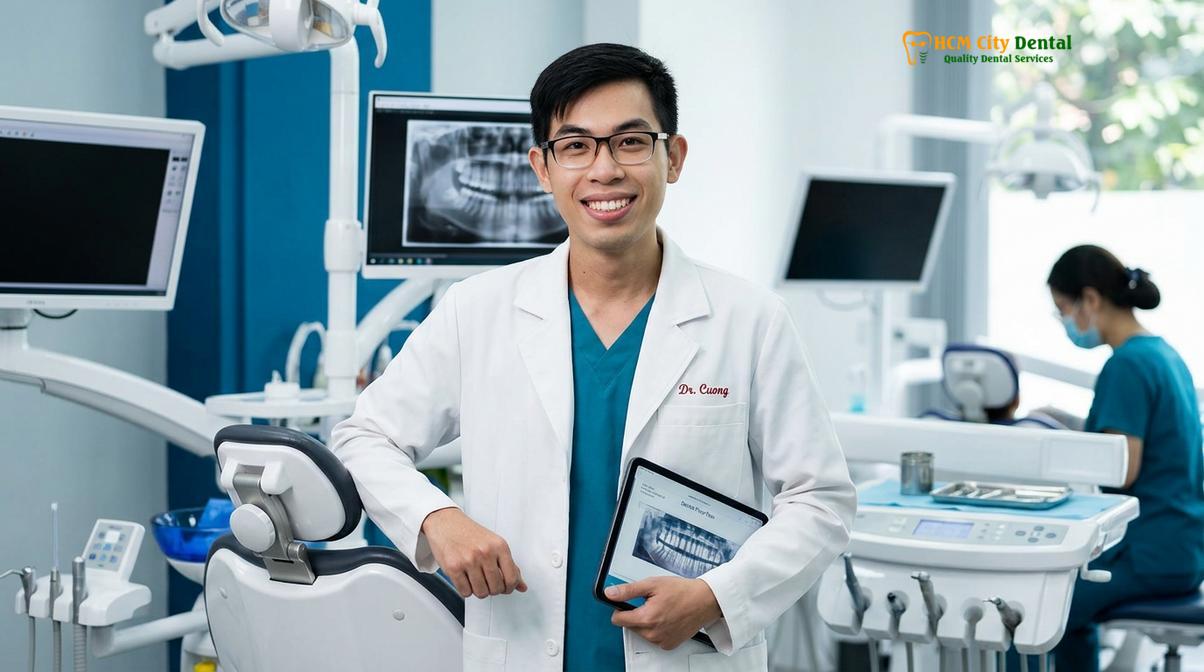
As Dr. Nguyen Van Cuong frequently emphasizes during patient consultations, addressing oral inflammation is a critical step in managing overall systemic health. By maintaining meticulous oral hygiene and seeking timely periodontal therapy, patients can significantly reduce their systemic inflammatory burden, thereby supporting cardiovascular and metabolic stability.
Professional Preventive Dentistry Workflows
Routine professional dental visits involve comprehensive diagnostic screenings and prophylactic treatments designed to remove calcified deposits and intercept diseases at their earliest stages.
While rigorous at-home care is essential, it is insufficient to maintain lifelong oral health without professional intervention. Over time, undisturbed plaque biofilm absorbs calcium and phosphate ions from saliva, mineralizing into dental calculus (tartar). Calculus is highly porous, providing an ideal retentive surface for further bacterial colonization, and it is too hard to be removed by a standard toothbrush. Therefore, routine professional prophylaxis is a cornerstone of comprehensive general dentistry protocols.
A standard professional cleaning workflow begins with an initial clinical assessment of the gingival tissues. The dental hygienist or dentist utilizes a periodontal probe to measure the depth of the sulcus around each tooth. Healthy probing depths range from 1 to 3 millimeters. Depths of 4 millimeters or greater indicate clinical attachment loss and the presence of periodontal pockets, necessitating more intensive therapeutic interventions, such as scaling and root planing.
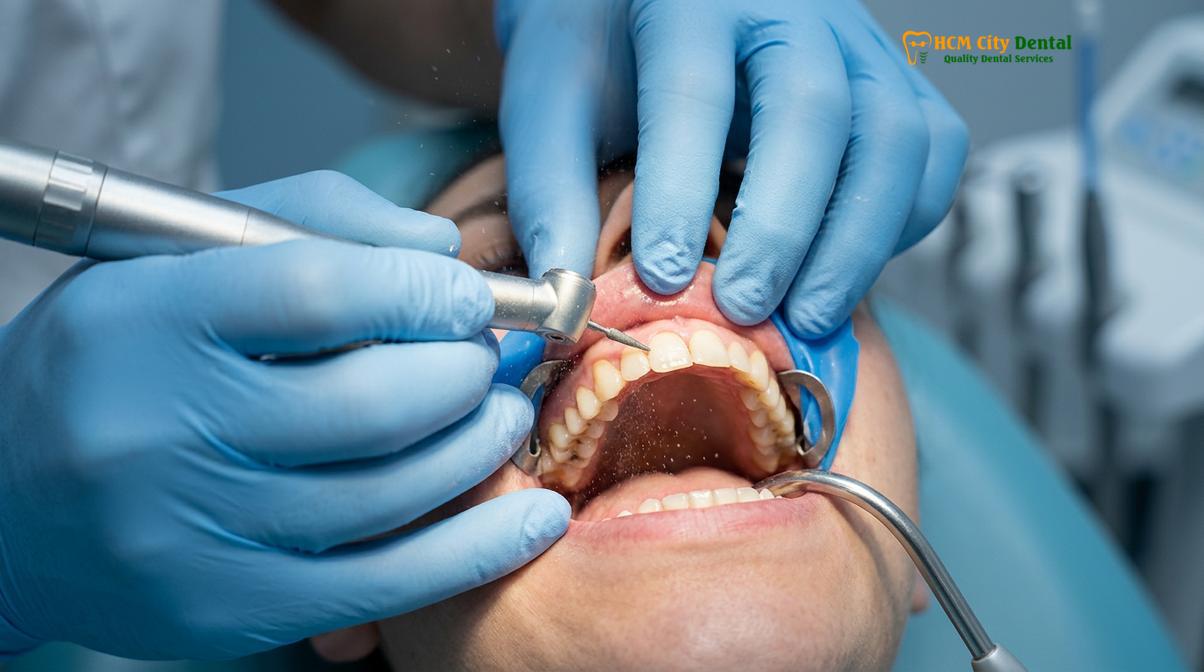
The mechanical removal of calculus is typically achieved using ultrasonic scalers. These advanced devices utilize high-frequency vibrations combined with a continuous water coolant spray. The rapid vibration shatters the calcified deposits, while the water spray creates a cavitation effect—producing microscopic bubbles that implode, disrupting the bacterial cell walls and flushing debris from the subgingival spaces. Following ultrasonic instrumentation, hand scalers and curettes are used for fine detailing and root surface debridement, ensuring a smooth surface that is less conducive to future plaque accumulation.
Following debridement, the teeth are polished using a slow-speed handpiece and a mildly abrasive prophylaxis paste. This step removes extrinsic stains caused by coffee, tea, or tobacco, and smooths the enamel surface. The preventive workflow often concludes with the application of a concentrated fluoride varnish. Unlike daily toothpaste, professional varnishes adhere to the teeth for several hours, providing a sustained release of fluoride ions that deeply remineralize the enamel and reduce dentinal hypersensitivity.
| Care Modality | Primary Objective | Tools & Materials | Frequency | Clinical Limitation |
|---|---|---|---|---|
| At-Home Hygiene | Disruption of soft bacterial biofilm (plaque) | Soft toothbrush, floss, interdental brushes, fluoride toothpaste | Twice daily (minimum) | Cannot remove calcified calculus; limited subgingival reach. |
| Professional Prophylaxis | Removal of calculus and subgingival debridement | Ultrasonic scalers, hand curettes, prophy paste, fluoride varnish | Every 6 months (standard) | Requires clinical expertise; does not replace daily maintenance. |
| Diagnostic Imaging | Detection of interproximal caries and bone loss | Digital bitewings, panoramic X-rays, CBCT scans | Annually or as clinically indicated | Diagnostic only; requires subsequent therapeutic action. |
Addressing Common Dental Pathologies Early
Early detection of dental caries and gingival inflammation allows for conservative, minimally invasive treatments that preserve natural tooth structure and prevent complex complications.
The philosophy of modern dentistry is heavily weighted toward prevention and early intervention. Dental caries is a dynamic, progressive disease. In its initial stages, it presents as a “white spot lesion”—an area of subsurface demineralization where the enamel remains intact but is structurally weakened. At this stage, the process is entirely reversible through aggressive remineralization protocols, including prescription-strength fluoride gels, casein phosphopeptide-amorphous calcium phosphate (CPP-ACP) pastes, and improved dietary habits.
However, if the acidic challenge continues, the enamel surface eventually collapses, resulting in a cavitated lesion. Once cavitation occurs, the tooth cannot heal itself, and restorative intervention becomes mandatory. If left untreated, the bacterial infection will progress through the enamel and into the softer, highly porous dentin layer. Because dentin contains microscopic tubules that communicate directly with the dental pulp, decay spreads much more rapidly in this layer, often leading to acute pulpitis and the need for endodontic (root canal) therapy [5].
Clinical Warning: Bleeding gums during brushing or flossing are never normal. This is a primary clinical sign of gingivitis, an active bacterial infection. Ignoring this symptom allows the infection to progress into the deeper supporting bone, leading to irreversible periodontitis and eventual tooth loss.
Similarly, periodontal disease progresses in stages. Gingivitis, the earliest stage, is characterized by erythematous (red), edematous (swollen), and bleeding gums. It is entirely reversible with improved oral hygiene and professional cleanings. However, if the biofilm is allowed to mature and calcify subgingivally, the host’s immune response triggers the destruction of the periodontal ligament and alveolar bone. This irreversible stage, periodontitis, requires advanced periodontal therapies, including deep scaling, localized antibiotic delivery, and sometimes surgical intervention to stabilize the dentition.
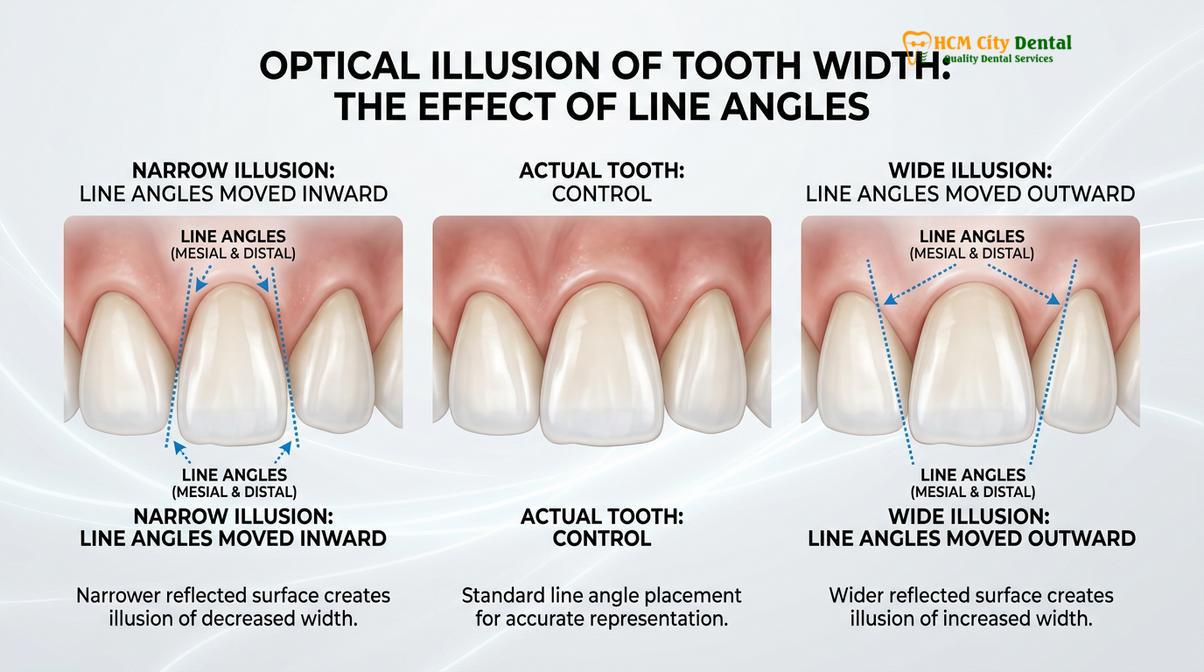
Regular clinical examinations are crucial for intercepting these pathologies. Dentists utilize tactile exploration, visual magnification, and transillumination to detect early signs of structural compromise. By identifying and treating these issues promptly, clinicians can employ minimally invasive techniques, thereby extending the lifespan of the natural dentition and avoiding the need for extensive prosthetic rehabilitation.
Restorative and Corrective Interventions
When structural damage or malocclusion occurs, advanced restorative materials and orthodontic therapies are utilized to restore optimal function, aesthetics, and biomechanical stability.
Despite the best preventive efforts, restorative interventions are sometimes necessary to repair damage caused by trauma, wear, or decay. The goal of restorative dentistry is biomimetic—to return the tooth to its original strength, function, and aesthetic appearance. For minor to moderate cavitations, direct composite resin restorations are the standard of care. These materials bond micromechanically to the tooth structure, requiring less removal of healthy enamel compared to traditional amalgam fillings. They also flex similarly to natural dentin, reducing the risk of stress fractures over time.
For teeth with extensive structural loss, indirect restorations such as inlays, onlays, or full-coverage crowns are indicated. The choice of material is critical and depends on the tooth’s location and functional demands. Understanding the clinical differences between enamel vs porcelain restorations helps clinicians select materials like lithium disilicate or monolithic zirconia, which offer exceptional fracture toughness while mimicking the light-transmitting properties of natural teeth.
Clinical Case Review: Comprehensive Restorative Care
A 45-year-old patient presented to HCMC Dental Clinic in Ho Chi Minh City with generalized enamel attrition and multiple failing amalgam restorations. Following a comprehensive digital assessment by Dr. Nguyen Van Cuong, a phased treatment plan was initiated. The failing amalgams were replaced with bonded ceramic onlays to preserve remaining cusp structure, and an occlusal guard was fabricated to protect the new restorations from nocturnal bruxism. The patient achieved a stable, functional, and highly aesthetic outcome.
Beyond repairing individual teeth, good dental care also encompasses the alignment and functional relationship of the entire dental arch. Malocclusion, such as crowding or narrow arch teeth expansion issues, can severely impede effective oral hygiene, leading to localized areas of chronic inflammation and decay. Corrective orthodontics, whether through traditional fixed appliances or clear aligner therapy, is not merely a cosmetic pursuit; it is a functional necessity. Properly aligned teeth distribute occlusal forces evenly, preventing premature wear, abfraction lesions, and temporomandibular joint (TMJ) dysfunction.
For patients seeking aesthetic and functional alignment without the use of conventional brackets, modern clear aligner systems offer a highly predictable alternative. Clinicians can utilize 3D digital setups to plan precise tooth movements, allowing patients to fix my teeth without braces while maintaining optimal oral hygiene, as the aligners are removable during meals and brushing.
Advanced Diagnostic Technologies in General Dentistry
Modern dental care relies on high-resolution digital imaging and 3D scanning to accurately diagnose hidden pathologies and plan precise, predictable treatment workflows.
The integration of digital technology has revolutionized the standard of care in General Dentistry. Visual inspection alone is inadequate for detecting interproximal caries, periapical infections, or subtle changes in alveolar bone density. Digital radiography is a fundamental diagnostic tool, offering high-resolution images with significantly less radiation exposure than traditional film.
Bitewing radiographs are routinely taken to evaluate the interproximal spaces and the crestal bone levels, while panoramic X-rays provide a comprehensive overview of the maxilla, mandible, TMJ, and developing dentition. For complex cases involving endodontic retreatment, implant placement, or severe trauma, Cone Beam Computed Tomography (CBCT) is utilized. CBCT generates a three-dimensional volumetric rendering of the maxillofacial structures, allowing clinicians to navigate complex root canal anatomies and assess bone volume with sub-millimeter accuracy.
Furthermore, intraoral 3D scanners have largely replaced uncomfortable traditional alginate impressions. These optical scanners capture the exact topography of the teeth and soft tissues in real-time, creating a highly accurate digital model. This digital workflow enhances patient comfort and allows for seamless communication with dental laboratories for the fabrication of precise-fitting crowns, night guards, and orthodontic appliances.
Age-Specific Dental Care Protocols
Dental care protocols must be tailored to the patient’s specific life stage, addressing the unique physiological changes and risk factors present in pediatric, adult, and geriatric populations.
Oral health needs evolve significantly throughout a patient’s lifespan, requiring clinicians to adapt their preventive and therapeutic strategies accordingly. In pediatric dentistry, the primary focus is on education, habit cessation (such as thumb sucking), and the prevention of early childhood caries. The enamel of primary (baby) teeth is thinner and less mineralized than that of permanent teeth, making them highly susceptible to rapid decay. Preventive interventions such as the application of pit-and-fissure sealants are highly effective. Sealants are flowable resin materials applied to the deep grooves of the posterior molars, creating a physical barrier that prevents cariogenic bacteria and food particles from accumulating in areas that are difficult to clean.
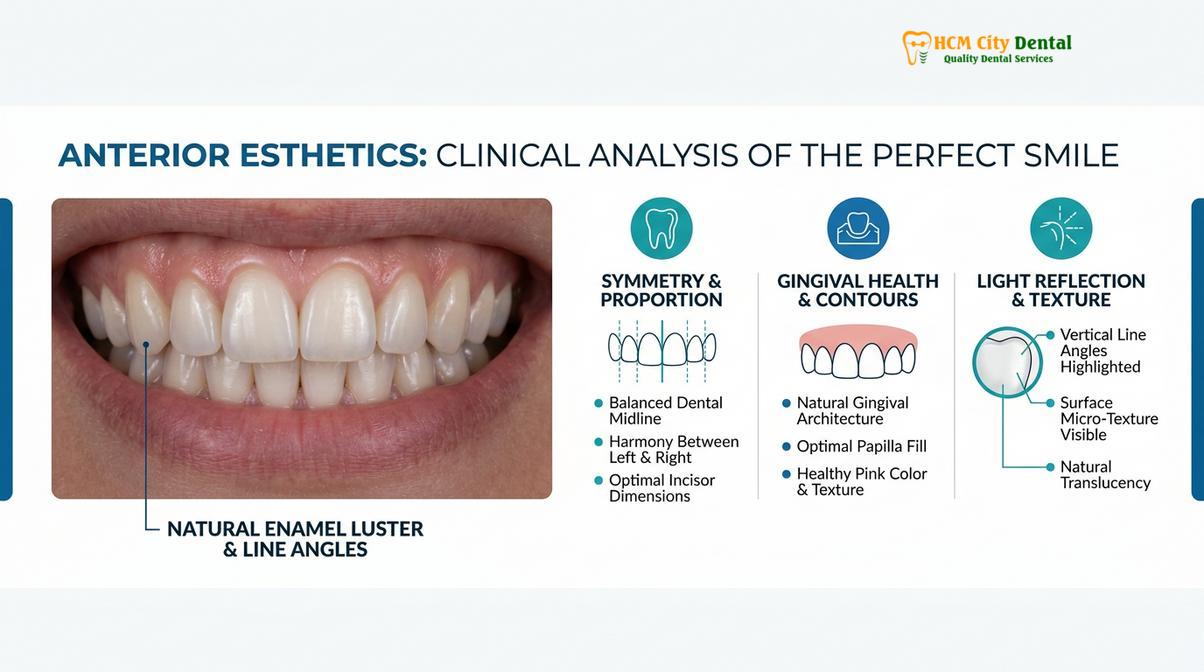
During adulthood, the focus shifts toward maintaining periodontal health and managing the effects of lifestyle factors, such as stress-induced bruxism (teeth grinding) and dietary acid erosion. Adults are also more likely to require restorative interventions to replace failing legacy restorations or to address tooth loss via dental implants or fixed prosthetics. Regular monitoring of the periodontium is critical during this phase, as the cumulative effects of plaque accumulation often manifest as chronic periodontitis in middle age.
Geriatric dental care presents unique clinical challenges. Older adults frequently experience xerostomia (dry mouth), often as a side effect of polypharmacy (the use of multiple systemic medications). Saliva is essential for buffering oral acids and washing away food debris; its absence drastically increases the risk of rampant cervical and root caries. Furthermore, gingival recession exposes the vulnerable root surfaces, which lack protective enamel. Preventive protocols for geriatric patients often include prescription high-fluoride toothpastes, artificial saliva substitutes, and more frequent recall intervals to closely monitor and manage these elevated risk factors.
When to See a Doctor for Dental Emergencies
While routine preventive care is the cornerstone of oral health, acute situations require immediate professional intervention. Patients must be able to distinguish between minor sensitivity and a true dental emergency that threatens the viability of a tooth or systemic health. Severe, throbbing pain that disrupts sleep or is unprovoked is a classic symptom of irreversible pulpitis or an acute periapical abscess. This indicates that bacterial infection has reached the neurovascular tissue within the tooth.
“Acute oral infections can escalate rapidly. Swelling that extends to the face, neck, or floor of the mouth is a critical medical emergency that can compromise the airway, requiring immediate clinical intervention and antibiotic therapy.”
Other indications for urgent care include dental trauma (such as an avulsed or fractured tooth), uncontrolled bleeding following an extraction, or the sudden loss of a permanent restoration that exposes sensitive dentin. In cases of trauma, time is of the essence; an avulsed permanent tooth has the highest chance of successful reimplantation if treated within 30 to 60 minutes. Patients experiencing any of these acute symptoms should immediately seek guidance on managing common dental emergencies to prevent permanent loss of function or systemic spread of infection.
For those seeking comprehensive, evidence-based care, selecting a reputable provider is essential. Patients often review the top-rated dental clinics in Thao Dien or explore leading dental clinics in District 1 to find facilities equipped with advanced diagnostic technology and experienced clinicians dedicated to preserving long-term oral health.
Frequently Asked Questions
How often should I undergo a professional dental cleaning?
Most patients should undergo a professional dental cleaning every six months to maintain optimal oral health. However, individuals with a history of periodontal disease, high caries risk, or systemic conditions like diabetes may require more frequent prophylaxis, typically every three to four months, based on clinical evaluation. Regular cleanings are essential to remove calcified calculus that cannot be eliminated through daily brushing and flossing.
What is the most effective brushing technique for plaque removal?
The Modified Bass technique is widely considered the most effective brushing method for plaque removal. It involves placing the toothbrush at a 45-degree angle to the gingival margin and using short, vibratory strokes to dislodge biofilm from the sulcus, followed by a sweeping motion across the tooth surface. This technique ensures that the bristles penetrate slightly below the gumline, where destructive bacteria tend to accumulate.
Can poor oral hygiene really affect my heart health?
Yes, poor oral hygiene is clinically linked to an increased risk of cardiovascular disease. Oral pathogens from untreated periodontal disease can enter the bloodstream, contributing to systemic inflammation, endothelial dysfunction, and the exacerbation of atherosclerotic plaques in the arteries. Maintaining healthy gums reduces the systemic inflammatory burden, thereby supporting overall cardiovascular stability.
Are water flossers an adequate replacement for traditional string floss?
Water flossers are excellent adjuncts but do not entirely replace traditional string floss. While oral irrigators effectively flush out loose debris and reduce gingival inflammation, traditional flossing provides the necessary mechanical friction to scrape away stubborn, adherent bacterial biofilm from the interproximal tooth surfaces. For optimal interdental hygiene, clinicians often recommend using both methods in tandem.
Why is fluoride important in daily dental care?
Fluoride is essential because it promotes the remineralization of early enamel lesions and increases resistance to acid attacks. By converting hydroxyapatite into the more acid-resistant fluorapatite, topical fluoride application significantly reduces the incidence and progression of dental caries. Consistent use of fluoridated toothpaste is a foundational element of preventive dentistry.
References
- Journal of the American Dental Association. Evidence-based clinical recommendations for the use of pit-and-fissure sealants. (2016).
- Journal of Periodontology. Periodontitis and systemic diseases: A literature review. (2018).
- Clinical Oral Investigations. Efficacy of the Modified Bass brushing technique in plaque removal. (2019).
- International Journal of Dentistry. The role of fluoride in the prevention of dental caries. (2020).
- British Dental Journal. Biomimetic restorative dentistry: Principles and clinical applications. (2021).
![Black Stain on Teeth: How to Get Rid Of [Solved] | Dr. Cuong](https://hcmcdental.com/wp-content/uploads/2025/07/black-stain-on-teeth-how-to-get-rid-of-1-dr-cuong-hcmc-dental-clinic-280x280.jpg)