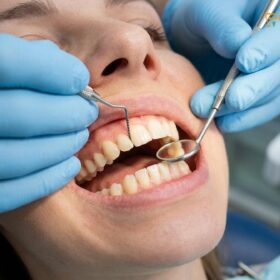
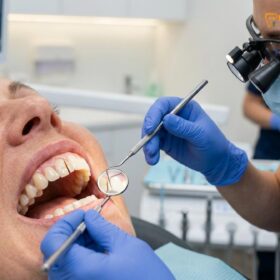
Proper post extraction care to prevent dry socket involves protecting the fragile blood clot through gentle oral hygiene, avoiding negative mouth pressure, and adhering to a strict soft diet. Following evidence-based clinical guidelines ensures optimal tissue healing, minimizes bacterial disruption, and significantly reduces the risk of painful alveolar osteitis complications.
Clinical Summary:
Alveolar osteitis, commonly known as dry socket, is a painful dental complication that occurs when the blood clot at an extraction site fails to form, dissolves, or is mechanically dislodged before the wound heals. This exposes the underlying alveolar bone and sensitive nerve endings to the oral environment, leading to severe, radiating pain and delayed recovery. Effective prevention relies on a strict post-operative protocol: maintaining hemostasis with sterile gauze, avoiding negative intraoral pressure (such as using straws or smoking), managing the bacterial load through gentle oral hygiene, and consuming a nutrient-rich soft diet. Clinical interventions, including the use of chlorhexidine rinses and atraumatic surgical techniques, further mitigate risks. Should symptoms arise, professional management with medicated intra-alveolar dressings provides rapid symptomatic relief and promotes secondary intention healing.
Key Takeaways:
- A stable blood clot is the foundation of extraction site healing; its loss leads to alveolar osteitis (dry socket).
- Negative intraoral pressure from straws, smoking, or vigorous spitting is the primary mechanical cause of clot dislodgement.
- The critical risk period for developing a dry socket is within the first 72 to 96 hours post-surgery.
- Maintaining excellent oral hygiene without disturbing the surgical site reduces bacterial fibrinolysis, which can dissolve the clot.
- Severe, throbbing pain that radiates to the ear or neck 3-4 days post-extraction requires immediate professional clinical evaluation.
What is a Dry Socket and Why Does It Happen?
A dry socket, or alveolar osteitis, occurs when the protective blood clot at an extraction site fails to form or dislodges prematurely. This exposes underlying bone and nerves to the oral environment, leading to severe, radiating pain and delayed healing.
To fully comprehend the importance of a rigorous dry socket prevention protocol, one must first understand the biological mechanisms of normal wound healing following a dental extraction. When a tooth is removed from its socket (the alveolus), the body immediately initiates a hemostatic response. Blood fills the empty void, and platelets begin to aggregate, forming a fibrin matrix that stabilizes into a robust blood clot. This clot serves as a biological dressing; it protects the exposed alveolar bone, shields the highly sensitive nerve endings of the periodontal ligament space, and provides a scaffold for the migration of osteoblasts and fibroblasts, which are essential for generating new bone and soft tissue [1].
Alveolar osteitis occurs when this critical biological sequence is interrupted. The condition is characterized by the partial or total loss of the blood clot within the first few days following the extraction. Without this protective barrier, the bony walls of the socket are left completely exposed to the harsh oral environment, which includes fluctuating temperatures, mechanical trauma from food particles, and a complex microbiome of oral bacteria. The resulting inflammation of the alveolar bone is profoundly painful and significantly delays the overall healing trajectory.

The etiology of dry socket is multifactorial, involving both mechanical and biological elements. Mechanically, the clot can be physically dislodged before it has had time to organize and adhere firmly to the socket walls. This is most frequently caused by negative pressure within the oral cavity—such as the suction created when drinking through a straw, smoking a cigarette, or spitting forcefully. Biologically, the clot can be prematurely dissolved through a process known as fibrinolysis. Certain oral bacteria, particularly anaerobic strains like Treponema denticola, release enzymes that break down the fibrin network of the clot. Furthermore, surgical trauma during a difficult extraction can trigger the release of tissue activators that also promote fibrinolysis, explaining why dry sockets are statistically more common following the surgical removal of impacted mandibular third molars (wisdom teeth) compared to simple anterior extractions [2].
Several systemic and lifestyle risk factors further predispose patients to this condition. Smoking is perhaps the most significant modifiable risk factor; the inhalation of carbon monoxide reduces tissue oxygenation, while nicotine acts as a potent vasoconstrictor, limiting the blood supply necessary for initial clot formation. Additionally, patients taking oral contraceptives containing estrogen are at a higher risk, as elevated estrogen levels can indirectly enhance fibrinolytic activity, making the blood clot more susceptible to premature degradation. Understanding these underlying causes is the first step in learning how to avoid dry socket after extraction, allowing both the clinician and the patient to implement targeted preventative strategies.
Critical Do’s and Don’ts in the First 24 Hours
The first 24 hours post-extraction are critical for clot stabilization. Patients must maintain firm gauze pressure for hemostasis, apply cold compresses to reduce swelling, and strictly avoid smoking, spitting, or using straws to prevent mechanical clot dislodgement.
The immediate post-operative period is the most vulnerable phase of the healing process. The actions taken—or avoided—during the first 24 hours dictate the stability of the blood clot and set the stage for uncomplicated recovery. Upon completion of the extraction, your dentist will place a sterile gauze pad directly over the surgical site. The primary objective here is to achieve hemostasis (the cessation of bleeding) through applied mechanical pressure. Patients are instructed to bite down firmly and continuously on this gauze for 30 to 45 minutes. If bleeding persists, the gauze should be replaced with a fresh, slightly dampened pad, and pressure should be reapplied. It is crucial not to chew on the gauze or constantly remove it to check the site, as this intermittent pressure can disrupt the initial stages of coagulation [3].
Once hemostasis is achieved, the focus shifts to minimizing inflammation and protecting the newly formed clot. Applying an ice pack or a cold compress to the outside of the face, adjacent to the extraction site, is highly effective. The cold temperature induces localized vasoconstriction, which not only helps to control any residual oozing but also significantly reduces post-operative edema (swelling) and numbs the area, providing natural analgesic relief. The recommended protocol is to apply the ice pack in intervals of 15 to 20 minutes on, followed by 15 to 20 minutes off, for the first 24 hours.
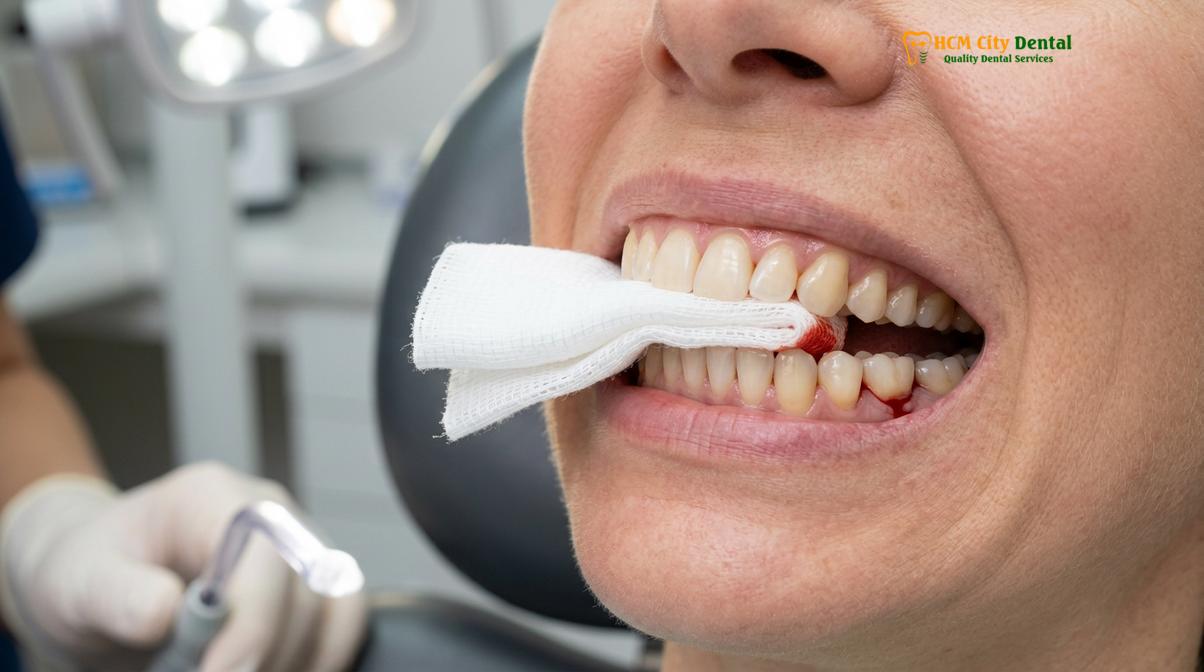
Equally important to the proactive measures are the strict contraindications during this critical window. The overarching principle is to avoid any action that creates negative pressure or mechanical trauma within the oral cavity.
Clinical Warning: The Danger of Negative Pressure
Creating suction in the mouth is the leading cause of premature clot dislodgement. For at least 72 hours post-extraction, you must absolutely avoid drinking through a straw, smoking or vaping, and forceful spitting. When clearing fluids from your mouth, simply lean over the sink and allow the liquid to drool out passively.
Physical exertion must also be strictly limited. Strenuous cardiovascular exercise, heavy lifting, or bending over can temporarily elevate blood pressure, which may cause the fragile clot to rupture and initiate secondary bleeding. Patients are advised to rest with their head elevated on two or three pillows; keeping the head above the level of the heart reduces hydrostatic pressure in the maxillofacial region, further minimizing throbbing pain and the risk of hemorrhage. By adhering strictly to these immediate post-operative instructions, patients lay a secure foundation for the subsequent days of recovery, seamlessly integrating into a comprehensive general dentistry services care plan.
Nutrition Guide: What to Eat and Avoid Post-Extraction
A proper post-extraction diet focuses on nutrient-dense, soft foods that require minimal chewing and are served at moderate temperatures. Avoiding hard, crunchy, spicy, and acidic foods prevents mechanical trauma to the surgical site and minimizes tissue irritation.
Nutrition plays a dual role in post-extraction recovery: it provides the essential macronutrients and micronutrients required for cellular repair and tissue regeneration, while the physical consistency of the food dictates the mechanical safety of the surgical site. Implementing a carefully curated post tooth extraction diet is a cornerstone of preventing alveolar osteitis. During the first 48 to 72 hours, the diet should consist exclusively of soft, non-chewy foods that can be easily swallowed without rigorous mastication. This minimizes the risk of food particles becoming physically lodged in the socket, which can displace the clot and serve as a nidus for bacterial proliferation [4].
Temperature is another critical variable. Hot foods and beverages should be strictly avoided during the initial 24 to 48 hours. Heat causes vasodilation (the widening of blood vessels), which can dissolve the newly formed clot and trigger secondary bleeding. Instead, meals should be consumed at room temperature or slightly chilled. Cold foods, such as smooth yogurt or ice cream, can actually be soothing to the inflamed tissues and help maintain localized vasoconstriction.
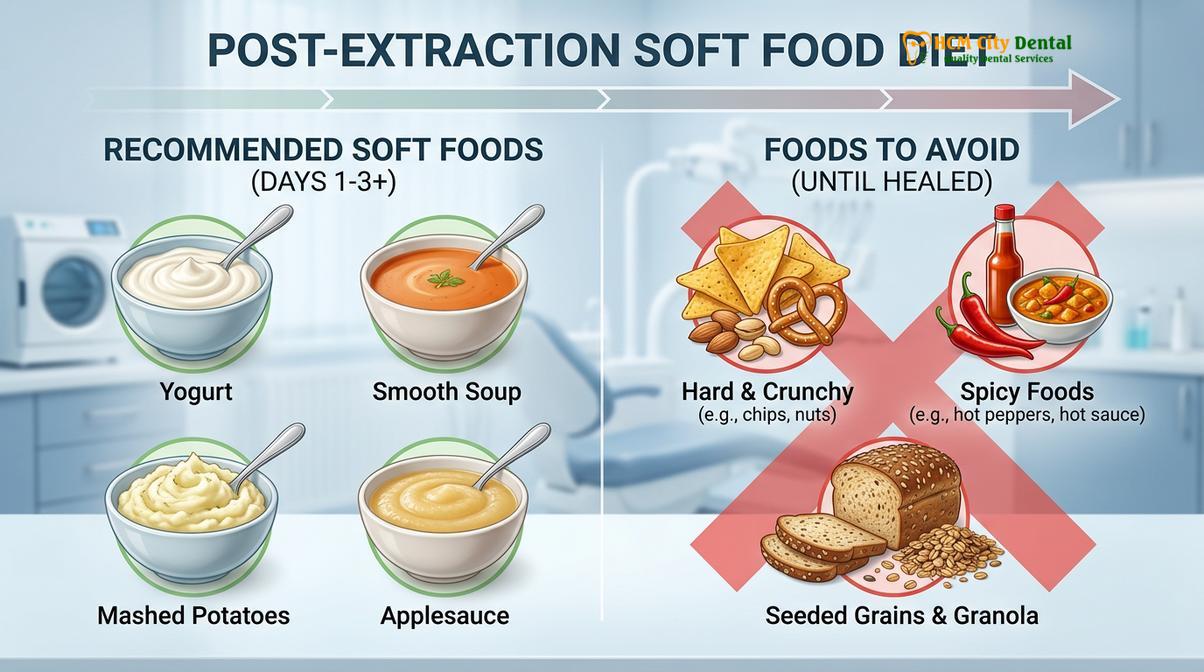
From a nutritional standpoint, the body requires adequate protein for collagen synthesis and tissue rebuilding, as well as vitamins A and C to support immune function and epithelialization. Smoothies and protein shakes are excellent vehicles for delivering these nutrients, provided they are consumed from a glass or spoon—never through a straw. Blended soups, mashed potatoes, scrambled eggs, and applesauce are also ideal staples for the early recovery phase.
| Recommended Soft Foods (Safe) | Contraindicated Foods (Avoid) | Clinical Rationale for Avoidance |
|---|---|---|
| Smooth yogurt, pudding, applesauce | Nuts, seeds, popcorn, chips | Hard/crunchy fragments can easily lodge in the socket, causing mechanical trauma and bacterial entrapment. |
| Lukewarm blended soups, broths | Hot coffee, hot tea, boiling soups | High temperatures induce vasodilation, increasing the risk of secondary bleeding and clot dissolution. |
| Mashed potatoes, scrambled eggs | Spicy foods (curries, hot sauces) | Capsaicin and spices cause severe chemical irritation and burning to the raw, healing surgical wound. |
| Protein shakes (drunk from a cup) | Acidic foods (citrus, tomatoes) | Low pH environments can irritate exposed tissues and potentially interfere with the early stages of coagulation. |
| Flaky fish, soft-cooked pasta | Tough meats, chewy candies | Requires excessive masticatory force, which can stress the jaw and inadvertently disturb the extraction site. |
As healing progresses into the fourth and fifth days, patients can gradually reintroduce semi-solid foods, guided by their comfort levels. However, it is imperative to continue chewing on the side of the mouth opposite the extraction site until the gingival tissues have fully closed over the socket. This careful dietary management is routinely emphasized during consultations at HCMC Dental Clinic in Ho Chi Minh City, ensuring patients understand that what they eat is just as important as how they clean their teeth during the recovery phase.
Proper Oral Hygiene Habits During Recovery
Maintaining oral hygiene post-extraction requires a delicate balance: keeping the bacterial load low to prevent infection while avoiding mechanical disruption of the clot. Gentle brushing of adjacent teeth and passive saltwater rinses are the standard of care.
The oral cavity is a complex ecosystem harboring billions of bacteria. Following a surgical extraction, managing this bacterial load is paramount to preventing both localized infections and the bacterial fibrinolysis that leads to dry socket. However, traditional oral hygiene practices—such as vigorous brushing and forceful rinsing—are contraindicated in the immediate vicinity of the surgical wound. The goal is to achieve clinical cleanliness without inflicting mechanical trauma on the fragile blood clot [5].
On the day of the surgery, patients are instructed to continue brushing and flossing their remaining teeth, but they must completely bypass the extraction site and the immediately adjacent teeth. The use of toothpaste should be minimized to reduce the need for extensive rinsing. When it is time to clear the mouth, patients should not spit forcefully; instead, they should fill their mouth with water, gently move their head from side to side, and lean over the sink to let the fluid fall out passively.
“The most common mistake patients make is assuming that a surgical site needs to be aggressively scrubbed to stay clean. In reality, the blood clot is highly delicate. We rely on passive chemical cleaning, such as gentle saline rinses, rather than mechanical brushing, to protect the socket during the first critical week of healing.”
— Dr. Nguyen Van Cuong, Lead Dental Surgeon
Beginning 24 hours after the extraction, the implementation of warm saltwater rinses becomes a highly effective therapeutic tool. A physiological saline solution can be easily prepared at home by dissolving half a teaspoon of non-iodized salt in eight ounces of warm (not hot) water. Saltwater acts as a mild, natural antiseptic; it creates an osmotic gradient that draws fluid out of inflamed tissues, thereby reducing edema, while simultaneously altering the local pH to inhibit bacterial proliferation. Patients should gently bathe the surgical site with this solution four to five times a day, particularly after meals, to dislodge any loose food debris without utilizing negative pressure.
In cases involving surgical extractions or patients with a high susceptibility to infection, a clinician may prescribe a specialized mouthwash after tooth removal, typically containing 0.12% chlorhexidine gluconate. Chlorhexidine is a potent broad-spectrum antimicrobial agent that binds to oral tissues and provides a sustained bacteriostatic effect. However, even with prescription rinses, the technique remains the same: gentle pooling of the liquid over the site followed by passive drooling. Commercial mouthwashes containing high concentrations of alcohol should be strictly avoided, as alcohol desiccates the healing tissues and can cause severe burning and irritation.
Recognizing Signs of Dry Socket vs. Normal Healing Pain
Differentiating normal post-operative discomfort from a dry socket relies on the pain timeline and visual cues. Normal pain peaks at 48 hours and subsides, whereas dry socket pain typically erupts 3 to 4 days post-extraction and radiates outward.
A degree of discomfort, swelling, and mild oozing is an expected physiological response following any dental surgical procedure. The trauma of extracting a tooth inevitably triggers an inflammatory cascade, which is a necessary precursor to healing. However, it is vital for patients to distinguish between this normal, self-limiting post-operative pain and the pathological symptoms indicative of alveolar osteitis. Understanding this distinction ensures that patients seek timely Emergency Dental Care when necessary, without experiencing undue anxiety over normal healing processes.
Normal post-extraction pain typically follows a predictable trajectory. It generally peaks within the first 24 to 48 hours and is usually well-managed with over-the-counter analgesics, such as ibuprofen or acetaminophen. The pain is typically localized to the immediate surgical area and is often described as a dull ache or a feeling of pressure. By the third day, both the pain and the associated swelling should begin to noticeably subside [6].
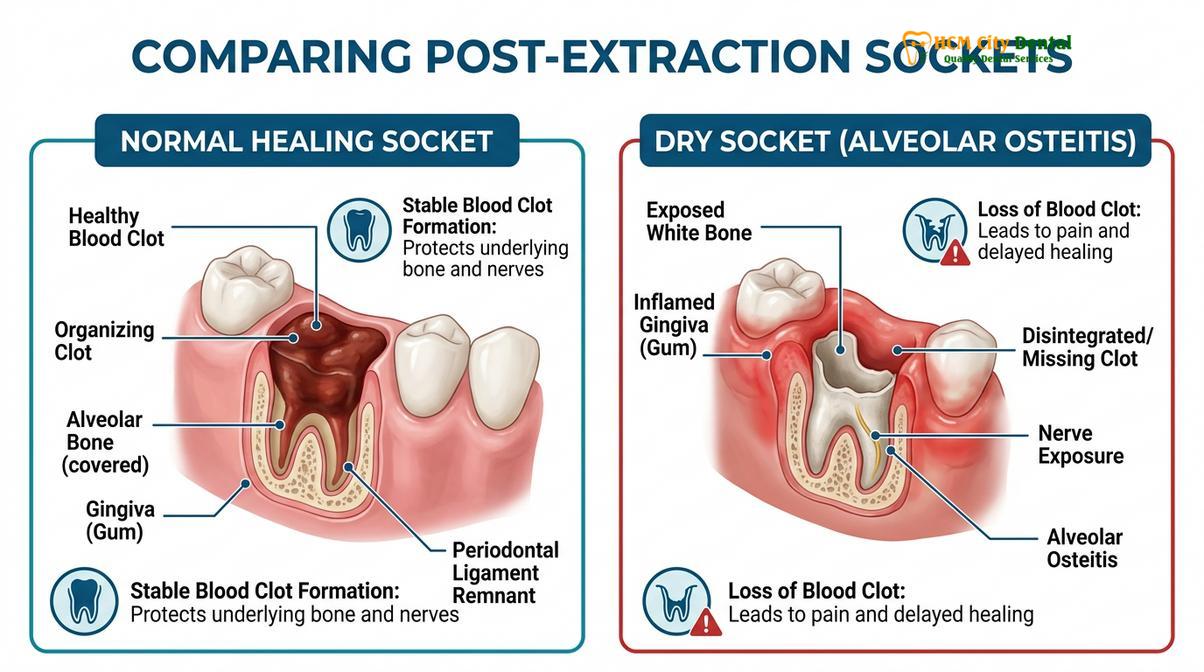
In stark contrast, the clinical presentation of a dry socket deviates significantly from this timeline. The hallmark of alveolar osteitis is a sudden, severe exacerbation of pain that typically manifests 72 to 96 hours (3 to 4 days) after the extraction. This pain is rarely localized; it is often described as a deep, throbbing agony that radiates along the distribution of the trigeminal nerve, extending to the ear, the temple, the eye, or down the neck on the affected side. This radiating nerve pain is notoriously refractory to standard doses of over-the-counter painkillers.
Clinical Case Study: Timely Intervention at HCMC Dental Clinic
A 28-year-old patient visited HCMC Dental Clinic in Ho Chi Minh City complaining of severe, radiating jaw pain four days after a lower wisdom tooth extraction. The patient reported that the initial healing seemed normal, but the pain suddenly intensified and was accompanied by a foul taste. Clinical examination revealed an empty alveolar socket devoid of a blood clot, with exposed bone visible. The diagnosis of alveolar osteitis was confirmed. The socket was gently irrigated with sterile saline, and a zinc oxide-eugenol medicated dressing (Alvogyl) was placed. The patient reported near-immediate symptomatic relief within 15 minutes, highlighting the efficacy of prompt dry socket symptoms treatment.
Beyond the characteristic pain profile, there are other distinct clinical signs of a dry socket. Visually, if the patient or clinician examines the extraction site, the socket will appear empty, often with a grayish-white base, which is the exposed alveolar bone. There is a conspicuous absence of the dark red, gelatinous blood clot. Additionally, because the exposed bone is highly susceptible to bacterial colonization and the accumulation of necrotic food debris, patients frequently experience severe halitosis (bad breath) and a persistent, foul taste in their mouth that cannot be alleviated by brushing or rinsing.
When to See a Doctor (Emergency Dental Care)
While preventative measures are highly effective, complications can still arise. Recognizing the red flag symptoms that necessitate immediate professional intervention is a critical component of post-operative safety. If you suspect that the blood clot has been lost and you are experiencing the radiating, intractable pain characteristic of a dry socket, you should not attempt to manage the condition at home. Probing the socket with toothpicks, cotton swabs, or aggressive rinsing will only exacerbate the trauma and increase the risk of introducing a deep-seated bone infection (osteomyelitis).
You should seek immediate clinical evaluation if you experience any of the following symptoms:
- Pain that progressively worsens after the 48-hour mark, rather than improving.
- Pain that is unresponsive to prescribed or recommended analgesic medications.
- Uncontrolled bleeding that fills the mouth rapidly and does not subside after 45 minutes of firm gauze pressure.
- A high fever, chills, or significant swelling that extends beneath the jawline or towards the eye, indicating a spreading systemic infection.
- Difficulty swallowing or breathing, which is an absolute medical emergency requiring immediate hospital-level care.
Professional dry socket symptoms treatment is highly effective and focuses on palliative care to relieve pain while the body heals via secondary intention. The standard clinical workflow involves the dentist first administering a local anesthetic block if the pain is too severe to allow for examination. The socket is then copiously irrigated with sterile saline or chlorhexidine to flush out any accumulated food debris and bacterial biofilm. Following irrigation, the clinician will pack the socket with a specialized medicated dressing. These dressings typically contain eugenol (an essential oil derived from cloves that acts as a potent obtundent to soothe the exposed nerve endings), an analgesic, and an antimicrobial agent. The relief provided by this dressing is often profound and rapid.
“Patients should never endure the severe pain of a dry socket under the assumption that it is just a normal part of healing. Modern dental medicine provides highly effective, immediate palliative treatments. If the pain changes from a dull ache to a sharp, radiating throb on day three, it is time to return to the clinic for an evaluation.”
— Dr. Nguyen Van Cuong, Lead Dental Surgeon
The medicated dressing may need to be replaced every 24 to 48 hours until the patient’s natural healing processes have covered the exposed bone with a layer of granulation tissue, at which point the pain will naturally subside. For patients planning complex procedures, discussing a multiple extractions in one visit protocol with your surgeon can help streamline recovery and ensure that all preventative measures are comprehensively managed under professional supervision. If you are an expatriate or visitor seeking reliable care, reviewing a transparent dental fee schedule can provide peace of mind before undergoing emergency interventions. For those who experience high levels of stress regarding dental procedures, exploring painless tooth extraction sedation options and strategies for overcoming dental anxiety can significantly improve the overall surgical experience.
Frequently Asked Questions
Can a straw cause a dry socket after extraction?
Yes, using a straw creates negative pressure inside the oral cavity, which can easily dislodge the fragile blood clot from the extraction site. Clinical guidelines strongly recommend avoiding straws, vigorous spitting, and smoking for at least 72 hours post-surgery to ensure the clot remains stable and undisturbed.
How many days after tooth extraction are you safe from dry socket?
Patients are generally considered safe from developing a dry socket after 72 to 96 hours (3 to 4 days) following the extraction. By this time, the initial blood clot has typically organized and begun transitioning into granulation tissue, making it significantly less likely to dislodge or dissolve prematurely.
What should I do if I suspect I have a dry socket?
If you experience severe, radiating pain that worsens 2 to 3 days after extraction, accompanied by a foul taste or visible exposed bone, contact your dentist immediately. Do not attempt to probe the socket; instead, take over-the-counter analgesics and await professional clinical intervention, such as a medicated dressing.
Does smoking immediately after extraction guarantee a dry socket?
While it does not guarantee a dry socket, smoking significantly increases the risk by introducing toxins that impair blood flow and creating negative suction that can dislodge the clot. Dentists advise abstaining from all tobacco products for a minimum of 72 hours to facilitate proper vascularization and tissue healing.
Can I brush my teeth the same day as my tooth extraction?
You can and should brush your teeth on the day of the extraction, but you must strictly avoid the surgical site. Gently brush your other teeth to maintain low bacterial levels in the mouth, and avoid vigorous rinsing or spitting; simply let the water drool out of your mouth.
References
- Journal of Oral and Maxillofacial Surgery. Pathogenesis and prevention of alveolar osteitis: A comprehensive review. (2021).
- International Journal of Oral and Maxillofacial Surgery. The efficacy of chlorhexidine in preventing dry socket: A meta-analysis. (2020).
- British Dental Journal. Post-operative instructions and patient compliance following third molar extractions. (2019).
- Journal of the American Dental Association. Management of alveolar osteitis: Evidence-based clinical guidelines. (2022).
- Clinical Oral Investigations. The role of oral microbiota in the development of dry socket. (2018).
- Oral Surgery, Oral Medicine, Oral Pathology and Oral Radiology. Hemodynamic effects of local anesthetics and their impact on clot formation. (2023).