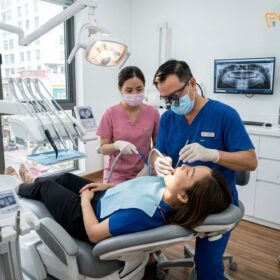
Executing a multiple extractions one visit safety protocol is clinically viable and highly efficient when managed under strict surgical guidelines. By consolidating extractions, patients minimize their overall systemic stress, reduce the frequency of anesthetic exposure, and accelerate the transition to definitive restorative prosthetics like implants or dentures.
Clinical Summary:
The clinical approach to removing several teeth simultaneously relies on a meticulously planned multiple extractions one visit safety protocol. According to Dr. Nguyen Van Cuong, consolidating surgical trauma into a single event optimizes the body’s systemic healing response, preventing the chronic fatigue associated with repeated surgical interventions. This protocol integrates advanced hemodynamic monitoring, precise local anesthesia combined with intravenous sedation, and immediate socket preservation techniques. By addressing full arch rehabilitation in one comprehensive session, clinicians can perform necessary alveoloplasty and immediately transition the patient to provisional prosthetics, ensuring both functional recovery and aesthetic continuity while maintaining the highest standards of patient safety.
Key Takeaways:
- Consolidating extractions reduces the cumulative toxicity risk associated with repeated local anesthetic administration.
- A single surgical event triggers one unified systemic healing response, minimizing prolonged chronic inflammation.
- Immediate socket preservation grafting is critical to maintaining alveolar bone volume for future implant placement.
- Advanced sedation protocols ensure hemodynamic stability and profound pain control during extensive procedures.
- Immediate dentures can be placed on the same day, acting as a protective surgical stent to control bleeding.
When is Pulling Multiple Teeth in 1 Visit Clinically Indicated?
Consolidating multiple tooth removals into a single appointment is indicated for severe periodontal disease, full arch rehabilitation, or when minimizing repeated anesthetic exposure is medically necessary.
The decision to extract multiple teeth during a single clinical encounter is never made lightly; it requires a comprehensive diagnostic evaluation of the patient’s oral and systemic health. A multiple extractions one visit safety protocol is typically initiated when a patient presents with terminal dentition—a state where the remaining teeth are no longer viable due to advanced pathology. The most common clinical indication is severe, generalized periodontitis. When the supporting alveolar bone has resorbed to the point of profound tooth mobility, attempting to retain the teeth often perpetuates chronic systemic inflammation. In these scenarios, a Tooth Extraction strategy that encompasses the entire affected arch is often the most biologically sound approach.[1]
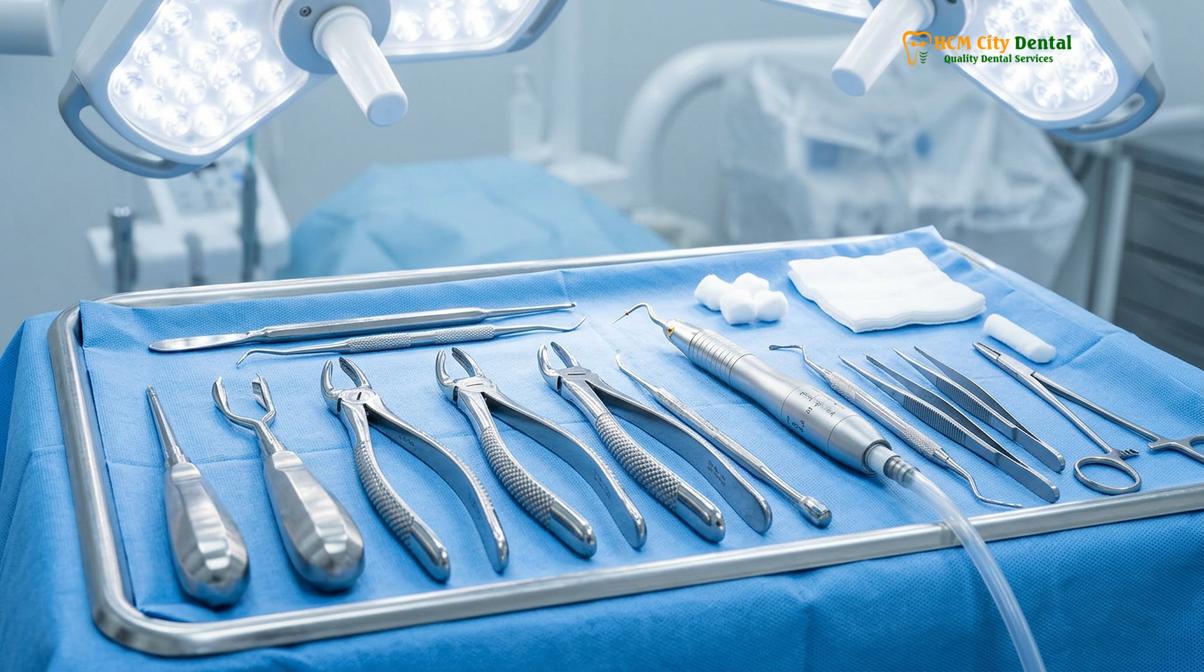
Another primary indication is rampant dental caries that has progressed beyond the scope of restorative dentistry. When evaluating the threshold between a filling and a crown, teeth that lack sufficient sound ferrule (healthy tooth structure above the gumline) cannot support a restoration. If multiple teeth in an arch fall into this non-restorable category, a full mouth clearance becomes necessary. By removing all infected teeth simultaneously, the clinician eradicates the bacterial reservoir in the oral cavity, which is particularly crucial for patients preparing for systemic medical treatments such as radiation therapy, chemotherapy, or organ transplantation, where an acute dental infection could be life-threatening.
Evaluating the Patient’s Systemic Tolerance
Before proceeding with extensive surgical intervention, the dental surgeon must evaluate the patient’s physiological capacity to withstand the procedure. This involves a thorough review of medical history, current medications (especially anticoagulants and bisphosphonates), and cardiovascular status. The multiple extractions one visit safety protocol dictates that if a patient has uncontrolled hypertension, recent myocardial infarction, or severe bleeding disorders, the procedure may need to be staged or performed in a hospital setting. However, for the majority of healthy or medically optimized patients, a single surgical visit is highly advantageous. It eliminates the psychological anxiety of facing multiple consecutive surgical appointments and reduces the logistical burden on the patient.
Furthermore, consolidating the procedure is a prerequisite for immediate prosthetic rehabilitation. When a patient requires complete dentures, performing denture preparation extractions in a single visit allows the surgeon to contour the alveolar ridge uniformly (alveoloplasty) and deliver the prosthesis immediately. This seamless transition is impossible if the extractions are scattered over several months, as the bone would heal unevenly, complicating the fit of the final denture.
| Clinical Parameter | Single-Visit Protocol | Staged (Multi-Visit) Protocol |
|---|---|---|
| Systemic Inflammatory Response | One acute healing cycle; faster overall physiological recovery. | Repeated inflammatory spikes; prolonged chronic healing phase. |
| Anesthetic Exposure | Single exposure to local anesthetics and sedatives. | Cumulative exposure over multiple appointments. |
| Prosthetic Transition | Allows for immediate denture placement and uniform ridge contouring. | Delayed prosthetic delivery; uneven bone remodeling. |
| Psychological Impact | High initial anxiety, but immediate resolution of dental issues. | Prolonged anticipatory anxiety before each subsequent visit. |
| Infection Control | Immediate eradication of the entire oral bacterial reservoir. | Remaining infected teeth may cross-contaminate healing sites. |
Systemic Healing Load: Managing Bleeding and Inflammation
A single surgical event triggers one comprehensive systemic healing response, which is often safer and more predictable than subjecting the body to repeated inflammatory cycles.
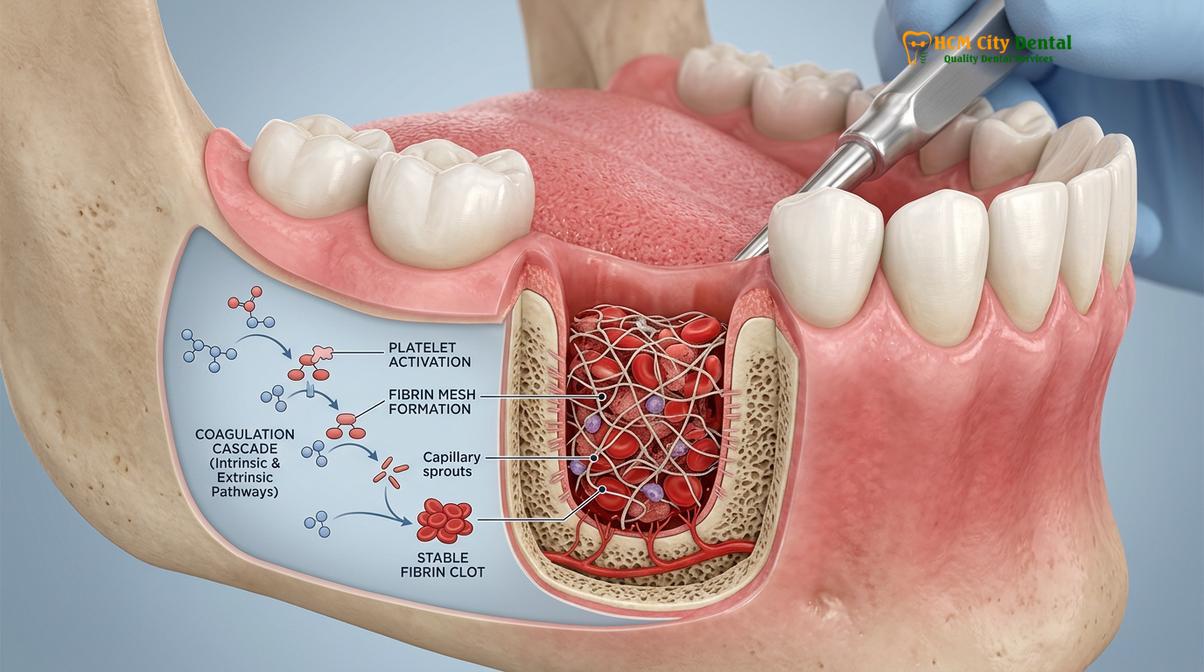
Understanding the body’s physiological response to surgical trauma is at the core of the multiple extractions one visit safety protocol. When a tooth is extracted, the body initiates a complex cascade of hemostatic and inflammatory events. Blood vessels constrict, platelets aggregate to form a primary plug, and the coagulation cascade produces fibrin to stabilize the blood clot. Simultaneously, inflammatory cytokines (such as interleukins and tumor necrosis factor) are released, increasing vascular permeability and drawing white blood cells to the surgical site to prevent infection and begin tissue repair.[2]
When multiple teeth are extracted simultaneously, the magnitude of this systemic healing response is undoubtedly larger than that of a single extraction. However, clinical evidence suggests that subjecting the patient to one robust, acute inflammatory phase is biologically preferable to inducing chronic, repeated inflammatory spikes through staged extractions. Repeated surgeries keep the immune system in a constant state of activation, which can delay overall healing and increase patient fatigue. By completing the extractions in one visit, the body can focus its regenerative resources on a single, unified healing timeline.
Hemostasis and Clot Stabilization Protocols
Managing post-operative bleeding is a critical component of the safety protocol. With multiple extraction sites, the cumulative surface area of exposed vascular tissue is significant. Surgeons employ meticulous hemostatic techniques to ensure clot stability. This includes the use of atraumatic extraction techniques—such as sectioning multi-rooted teeth and using periotomes to sever the periodontal ligament—which minimizes damage to the surrounding bone and soft tissue. Following the removal of the teeth, the surgeon will thoroughly curette the sockets to remove any granulation tissue or periapical cysts, as leaving infected tissue behind can impede clot formation and lead to secondary hemorrhage.
Clinical Warning: Post-Operative Hemorrhage and Dry Socket
Patients undergoing multiple extractions are at an increased risk for prolonged oozing. It is imperative to maintain firm, continuous bite pressure on sterile gauze for at least 45 to 60 minutes post-surgery. Premature rinsing, spitting, or using a straw creates negative intraoral pressure that can dislodge the fragile blood clots, leading to alveolar osteitis (dry socket)—a painful condition requiring immediate clinical intervention.
To further secure hemostasis, the surgeon may place absorbable gelatin sponges (Gelfoam) or oxidized regenerated cellulose (Surgicel) into the sockets. These materials act as a scaffold for clot formation. Suturing is almost always required in multiple extraction cases to approximate the gingival margins, reduce the size of the wound opening, and protect the underlying clot. At HCMC Dental Clinic, our surgical teams utilize continuous or interrupted resorbable sutures to ensure optimal soft tissue adaptation, which is vital for a smooth recovery and the prevention of food impaction during the initial healing phase.
The Role of Anesthesia and Intravenous (IV) Sedation
Advanced multiple extraction sedation protocols, including IV sedation and precise local anesthesia, ensure patient safety, hemodynamic stability, and profound pain control during extensive surgeries.
Pain management and patient comfort are paramount when performing extensive oral surgery. The multiple extractions one visit safety protocol relies heavily on a dual approach: profound local anesthesia to block nociceptive (pain) pathways and systemic sedation to manage anxiety and physiological stress. Relying solely on local anesthesia for a full mouth clearance can be challenging due to the maximum safe dosage limits of anesthetic agents. Local anesthetics like lidocaine or articaine contain epinephrine, a vasoconstrictor that prolongs the numbing effect and controls localized bleeding. However, administering large volumes across all four dental quadrants can lead to systemic toxicity or cardiovascular strain.[3]
To mitigate these risks, clinicians employ strategic nerve block techniques—such as the inferior alveolar nerve block for the mandible and superior alveolar nerve blocks for the maxilla—which anesthetize large regions with a minimal volume of anesthetic solution. This is a similar principle applied when performing multiple fillings in one visit, where efficient anesthetic mapping is required to ensure patient comfort without exceeding pharmacological thresholds.
Integrating IV Sedation for Hemodynamic Stability
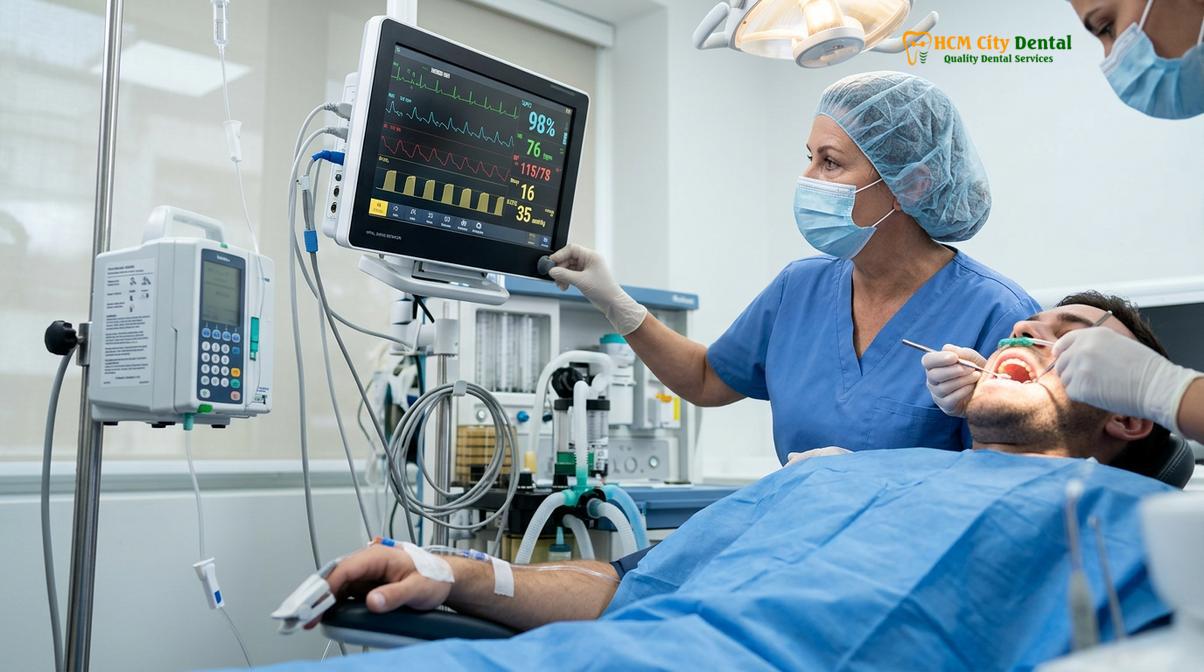
For extensive procedures, a multiple extraction sedation protocol utilizing intravenous (IV) sedation is highly recommended. IV sedation, often referred to as twilight sleep, involves the administration of sedatives (such as midazolam) and analgesics (such as fentanyl) directly into the bloodstream. This approach offers several distinct clinical advantages. First, it induces a state of deep relaxation and amnesia, ensuring the patient has little to no memory of the surgical trauma. Second, it allows the anesthesiologist to titrate the medication in real-time, adjusting the depth of sedation based on the patient’s vital signs and the surgical stimulus.
“The integration of intravenous sedation in extensive oral surgery is not merely a matter of patient comfort; it is a critical tool for maintaining hemodynamic stability. By blunting the sympathetic nervous system’s response to surgical stress, we prevent dangerous spikes in blood pressure and heart rate, thereby significantly enhancing the overall safety profile of the procedure.”
— Clinical Guidelines on Oral and Maxillofacial Anesthesia
Dr. Nguyen Van Cuong emphasizes that continuous monitoring is the cornerstone of safe sedation. Throughout the procedure, the patient’s electrocardiogram (ECG), blood pressure, heart rate, and oxygen saturation (pulse oximetry) are continuously tracked. This vigilant monitoring ensures that any physiological deviations are immediately identified and corrected. Furthermore, the use of IV sedation reduces the patient’s physical movement and salivary flow, providing the surgeon with a controlled, optimal operating field. This level of control is essential for executing precise surgical techniques, particularly when transitioning to delicate procedures like bone grafting or implant placement.
Socket Preservation: Bone Grafting immediately at Extraction
Immediate socket preservation grafting prevents rapid alveolar bone resorption, maintaining the essential ridge volume required for future implant placement or stable denture seating.
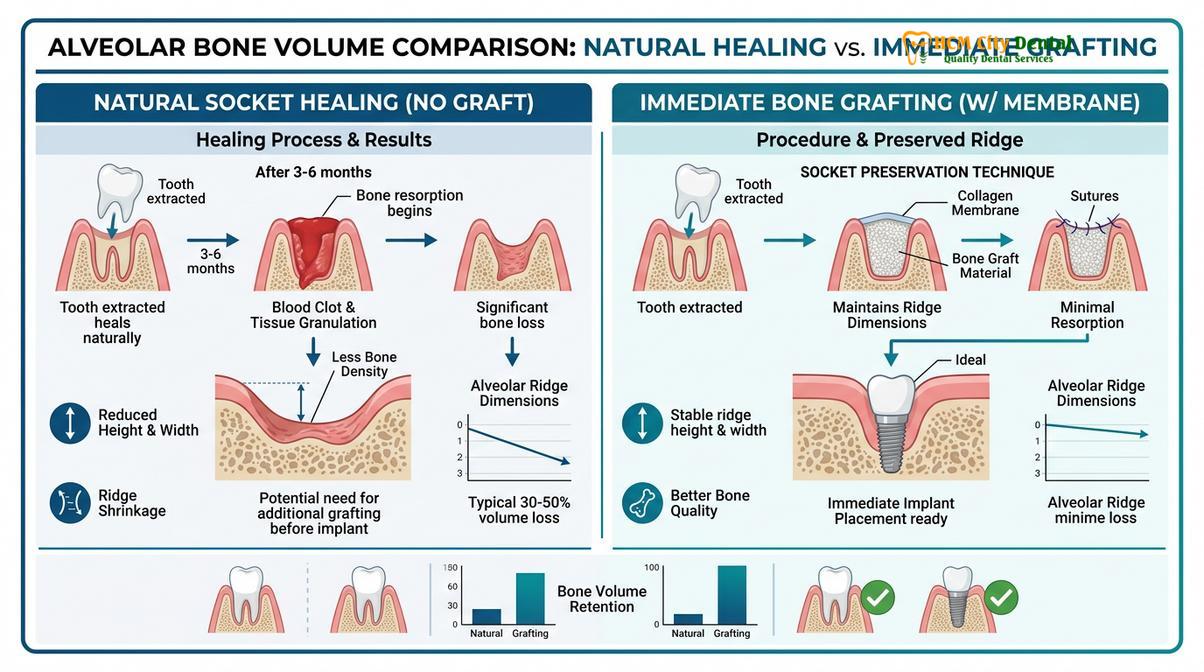
One of the most critical, yet frequently overlooked, components of a comprehensive extraction protocol is the management of the alveolar bone post-extraction. The alveolar ridge exists solely to support teeth; once a tooth is removed, the mechanical stimulation to the bone ceases. Consequently, the body initiates a rapid process of bone resorption, driven by osteoclast activity. Clinical studies indicate that without intervention, the alveolar ridge can lose up to 50% of its width and significant height within the first six months following an extraction.[4] This dramatic loss of bone volume can severely compromise future restorative options.
To combat this physiological atrophy, the multiple extractions one visit safety protocol strongly advocates for immediate socket preservation grafting. This procedure involves packing the empty extraction socket with a bone grafting material immediately after the tooth is removed. The graft material—which can be an allograft (human donor bone), xenograft (bovine or porcine origin), or alloplast (synthetic material)—acts as an osteoconductive scaffold. It holds the physical space of the socket and provides a framework for the patient’s own osteoblasts to migrate into the area and deposit new, vital bone.
The Role of Barrier Membranes
Placing the bone graft is only the first step; protecting it is equally vital. Soft tissue (gingiva) heals much faster than bone. If left unprotected, the rapidly proliferating epithelial cells will migrate down into the socket, displacing the graft material and preventing bone formation—a process known as soft tissue invagination. To prevent this, the surgeon places a barrier membrane over the grafted socket before suturing the gums. These membranes, often made of resorbable native collagen, selectively guide tissue regeneration by blocking the soft tissue while allowing the slower-growing bone cells to populate the graft site.
Clinical Case Review: Full Arch Rehabilitation
A 58-year-old patient presented to HCMC Dental Clinic in Ho Chi Minh City with severe, generalized periodontitis affecting the entire maxillary arch. The treatment plan involved the extraction of all 12 remaining upper teeth under IV sedation. To prepare the site for future implant-supported prosthetics, immediate socket preservation grafting was performed on all anterior and premolar sites. A resorbable collagen membrane was secured with continuous locking sutures. Six months post-operatively, CBCT imaging revealed excellent preservation of the alveolar ridge width and height, providing an ideal, robust foundation for the successful placement of six endosseous dental implants.
Socket preservation is not only for patients planning to receive dental implants. Even for patients transitioning to conventional removable dentures, maintaining the bulk and contour of the alveolar ridge is essential. A broad, tall ridge provides significantly better retention, stability, and support for a denture compared to a flat, resorbed ridge. By incorporating grafting into the extraction appointment, the surgeon ensures the best possible anatomical foundation for whatever prosthetic solution the patient ultimately chooses.
Preparing the Gums: Moving Toward Immediate Dentures or Implants
Strategic extractions combined with alveoloplasty contour the jawbone, creating an optimal foundation for immediate dentures or full-arch implant prosthetics.
The ultimate goal of removing failing teeth is to restore the patient’s oral function and aesthetics. Therefore, the extraction phase must be meticulously planned with the final prosthetic outcome in mind. When a patient is undergoing a full mouth clearance, the transition to the new prosthesis begins the moment the teeth are removed. This phase of the multiple extractions one visit safety protocol involves precise surgical modification of the hard and soft tissues to accommodate the new teeth.
Following the extractions, the alveolar bone often presents with sharp, irregular spicules and undercuts that originally housed the tooth roots. If a denture were placed over this uneven topography, the patient would experience severe localized pressure points and mucosal ulcerations. To prevent this, the surgeon performs an alveoloplasty—a procedure where specialized bone files and surgical burs are used to smooth and recontour the alveolar crest. This creates a broad, U-shaped ridge that is ideal for distributing the occlusal forces of a denture evenly across the mucosal tissues.[5]
The Immediate Denture Protocol
For many patients, the prospect of being without teeth during the healing phase is socially and professionally unacceptable. The solution is the immediate denture protocol. Prior to the surgery, impressions and bite registrations are taken, and a dental laboratory fabricates a complete denture based on the anticipated post-extraction anatomy. Immediately after the teeth are extracted and the alveoloplasty is completed, this pre-fabricated denture is inserted into the patient’s mouth.
“The immediate denture serves a dual purpose: it provides instant aesthetic and functional restoration, and crucially, it acts as a rigid surgical stent. By applying even, continuous pressure over the surgical sites, the denture minimizes post-operative edema, protects the blood clots, and significantly reduces the risk of secondary hemorrhage.”
— Journal of Prosthetic Dentistry
While immediate dentures offer significant benefits, patients must understand that the underlying bone and gums will undergo continuous remodeling and shrinkage over the first six to twelve months. As the tissues change shape, the immediate denture will gradually lose its initial fit. To compensate for this, the dentist will perform periodic soft relines—adding a temporary, resilient lining material to the inside of the denture to adapt to the changing ridge. Once the bone has fully stabilized, a permanent hard reline or a completely new definitive denture will be fabricated. Whether the patient is receiving advanced restorative materials or full arch prosthetics, the success of the final outcome is entirely dependent on the precision of the initial surgical foundation.
When to See a Doctor: Clinical Considerations
While the multiple extractions one visit safety protocol is designed to minimize complications, oral surgery inherently carries risks. Patients must be vigilant during the post-operative period and recognize the signs that necessitate immediate clinical evaluation. It is crucial to distinguish between normal post-surgical sequelae and symptoms of developing pathology.
You should contact your dental surgeon immediately if you experience:
- Uncontrolled Hemorrhage: While slight pink oozing in the saliva is normal for the first 24-48 hours, active, bright red bleeding that does not subside after applying firm, continuous bite pressure on gauze for an hour requires professional intervention.
- Severe, Escalating Pain: Discomfort should peak around day three and steadily improve. If you experience a sudden, severe throbbing pain radiating to the ear or neck after day three or four, it may indicate alveolar osteitis (dry socket) or an acute infection.
- Progressive Swelling: Swelling is a normal inflammatory response, but if it continues to increase after 72 hours, or if it begins to compromise your airway, swallowing, or ability to open your eye, seek emergency medical care immediately.
- Systemic Symptoms: The onset of a high fever, chills, or significant lethargy suggests a systemic infection that requires prompt antibiotic therapy and clinical assessment.
At HCMC Dental Clinic, Dr. Cuong and the clinical team emphasize that timely communication is vital. Never attempt to self-diagnose or treat severe post-operative complications with home remedies. A prompt clinical examination ensures that any issues are managed swiftly, protecting your healing process and future restorative outcomes.
Frequently Asked Questions
Is it safe to extract 4 teeth in one appointment?
Yes, extracting four or more teeth in a single appointment is clinically safe when performed under a strict multiple extractions one visit safety protocol. Consolidating the procedure reduces the patient’s overall exposure to anesthetics and limits the systemic inflammatory response to a single healing event rather than multiple prolonged recovery periods. The safety of the procedure is further enhanced by thorough pre-operative medical evaluations and the use of advanced hemodynamic monitoring during the surgery.
What is the recovery time for multiple extractions?
Initial soft tissue healing typically takes 7 to 14 days, while complete alveolar bone remodeling can take several months. Patients usually experience the peak of swelling and discomfort within the first 48 to 72 hours, after which symptoms gradually subside, allowing a return to normal dietary habits within a few weeks. Strict adherence to post-operative instructions, including a soft diet and proper oral hygiene, significantly accelerates the recovery timeline.
Why is bone grafting recommended right after pulling a tooth?
Bone grafting immediately after extraction, known as socket preservation, prevents the rapid resorption of the alveolar ridge that naturally occurs when a tooth is lost. This crucial step maintains the necessary bone volume and architectural integrity required for future implant placement or the stable seating of a conventional denture. Without grafting, the jawbone can lose up to 50% of its width within the first six months, complicating future restorative efforts.
How does a multiple extraction sedation protocol work?
A multiple extraction sedation protocol typically combines precise local anesthesia to block pain pathways with intravenous (IV) sedation or oral sedatives to manage patient anxiety and hemodynamic stability. This dual approach ensures the patient remains completely comfortable, cooperative, and physiologically stable throughout the duration of the extensive surgical procedure. The anesthesiologist continuously monitors vital signs, adjusting the sedation levels in real-time to ensure maximum safety.
Can I get immediate dentures on the same day as full mouth clearance?
Yes, immediate dentures can be placed on the exact same day as a full mouth clearance procedure. The dentist performs necessary alveoloplasty to smooth the jawbone, then immediately inserts the pre-fabricated denture, which acts as a protective bandage over the surgical sites to control bleeding and provide instant aesthetic restoration. While the denture will require adjustments and relines as the gums heal and shrink, it allows the patient to leave the clinic with a complete smile.
References
- Journal of Oral and Maxillofacial Surgery. Systemic inflammatory response and hemodynamic stability in multiple dental extractions. (2021).
- International Journal of Oral and Maxillofacial Implants. Alveolar ridge preservation techniques and volumetric bone changes. (2020).
- British Dental Journal. Intravenous sedation protocols for extensive oral surgery procedures. (2019).
- Journal of the American Dental Association. Clinical guidelines for full arch extractions and immediate denture placement. (2022).
- Clinical Oral Investigations. Pharmacokinetics of local anesthetics in full mouth clearance. (2018).
For personalized advice regarding complex extractions and to determine if a single-visit protocol is appropriate for your specific medical profile, we recommend scheduling a comprehensive consultation. If you are seeking painless dental treatments or full arch rehabilitation, the expert team at HCMC Dental Clinic in Saigon is equipped with the advanced technology and clinical expertise to ensure a safe and comfortable experience.
For pricing, booking, and a free clinical assessment, visit our Tooth Extraction service page at HCMC Dental Clinic in Ho Chi Minh City.