Combining multiple fillings in one visit is generally safe and highly efficient, provided the dentist carefully manages anesthesia dosage and jaw fatigue. This approach minimizes clinical appointments and accelerates oral rehabilitation, making it ideal for patients requiring extensive restorative work or those traveling for dental care.
Clinical Summary:
Consolidating multiple cavity restorations into a single dental appointment offers significant advantages in clinical efficiency and patient convenience. By treating entire quadrants simultaneously, dentists can reduce the total volume of local anesthesia administered over time and minimize the psychological stress associated with repeated visits. However, this approach requires meticulous clinical oversight. Practitioners must strictly adhere to maximum recommended doses (MRD) for anesthetics, utilize ergonomic aids like bite blocks to prevent temporomandibular joint (TMJ) strain, and perform precise occlusal adjustments. When executed under rigorous safety protocols, single-visit multiple fillings provide a predictable, time-saving pathway to restoring optimal oral health.
Key Takeaways:
- Treating multiple cavities in one session reduces overall clinical downtime and minimizes repeated exposure to dental anxiety.
- Safety is primarily dictated by the maximum safe dosage of local anesthesia, which is calculated based on the patient’s body weight.
- Bilateral mandibular anesthesia (numbing both lower sides) is generally avoided to prevent swallowing difficulties and soft tissue trauma.
- Prolonged mouth opening requires the use of bite blocks to protect the temporomandibular joint from muscular fatigue.
- Meticulous bite checking is essential, as restoring multiple teeth simultaneously significantly alters the occlusal landscape.
Maximizing Time: Why Tourists Combine Multiple Cavity Treatments
Consolidating dental restorations into a single appointment allows international patients to complete comprehensive care efficiently while minimizing clinical downtime.
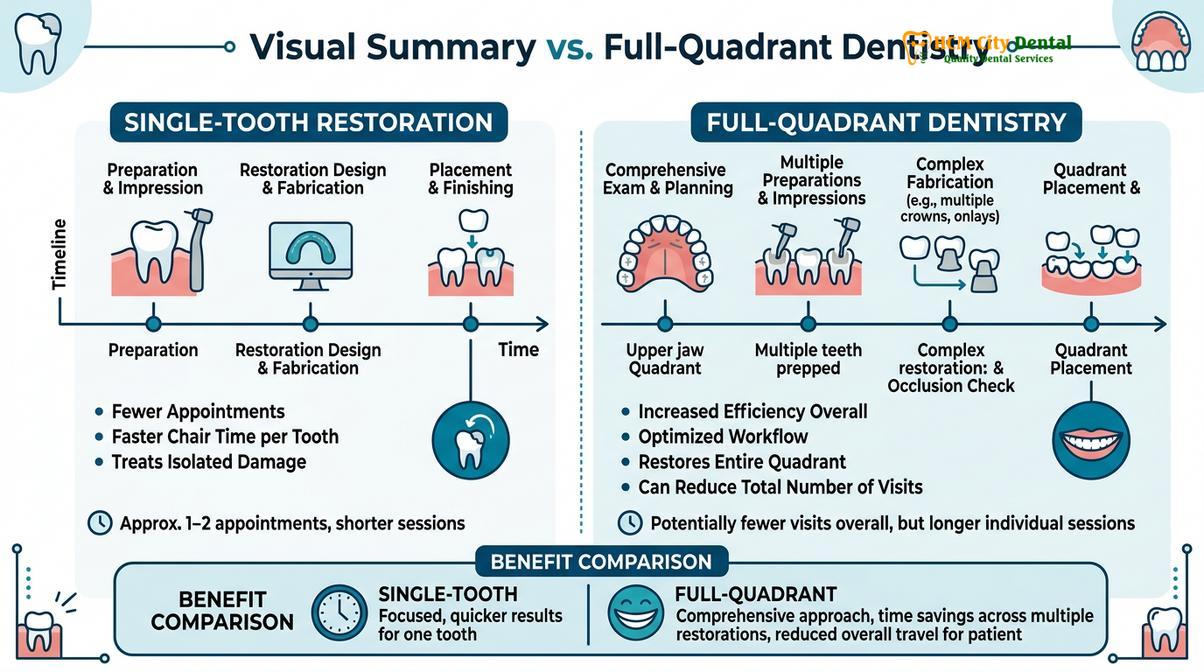
The modern landscape of restorative dentistry has shifted significantly toward maximizing clinical efficiency without compromising the quality of care. For patients with widespread decay, the traditional approach of scheduling a separate appointment for each tooth is often impractical. This is particularly true for international patients who operate on a strict tourist dental itinerary, where time is a premium commodity. By grouping treatments—often referred to as quadrant dentistry—clinicians can restore multiple teeth in the same region of the mouth simultaneously.
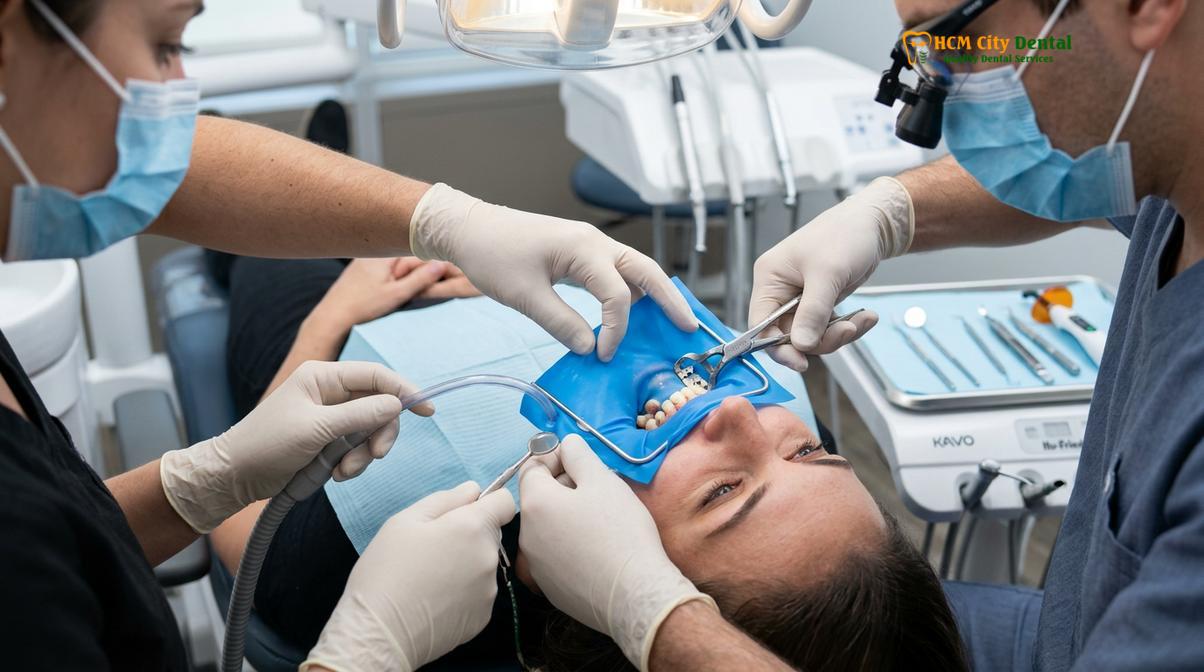
From a clinical perspective, performing multiple cavity restorations in a single session offers profound biomechanical and procedural advantages. When a dentist isolates an entire quadrant using a rubber dam, the environment remains completely dry and sterile. This optimal isolation is critical for the long-term success of composite resin restorations, which are highly sensitive to moisture contamination during the bonding phase. Preparing and filling adjacent teeth concurrently allows the dentist to establish perfect contact points between the teeth, preventing future food impaction and localized periodontal issues.
Furthermore, consolidating treatments significantly reduces the psychological burden on the patient. Dental anxiety is a well-documented barrier to care; by reducing the number of visits, patients undergo the stress of anticipation, the injection of local anesthesia, and the noise of the dental handpiece fewer times. Dr. Nguyen Van Cuong frequently emphasizes that comprehensive treatment planning not only accelerates oral rehabilitation but also fosters a more positive patient experience, as the individual can enjoy the results of a fully restored smile much sooner.
“Quadrant dentistry is not merely a matter of scheduling convenience; it is a clinical strategy that enhances the longevity of restorations by allowing the practitioner to manage the micro-environment of multiple adjacent teeth simultaneously under optimal isolation.”[1]
For those seeking comprehensive general dental care, understanding the workflow of these extended appointments is crucial. The efficiency gained by setting up the operatory once, administering anesthesia to a single nerve block that covers multiple teeth, and utilizing light-curing techniques in rapid succession translates to a streamlined experience that respects both the patient’s time and physiological limits.
Anesthesia Limits: Managing Cross-Quadrant Numbing Safely
Administering local anesthesia across multiple dental quadrants requires strict adherence to maximum dosage guidelines to prevent systemic toxicity and ensure patient safety.
While the prospect of completing all necessary fillings in one day is appealing, the primary limiting factor in any extensive dental procedure is the safe administration of local anesthesia. Dentists must carefully calculate the Maximum Recommended Dose (MRD) of anesthetic agents, such as lidocaine or articaine, based on the patient’s body weight and medical history. Exceeding these limits can lead to local anesthetic systemic toxicity (LAST), a rare but serious complication affecting the central nervous and cardiovascular systems.
When planning a session that involves cross quadrant anesthesia—numbing different areas of the mouth simultaneously—the clinician must be highly strategic. The upper jaw (maxilla) is generally easier to anesthetize using local infiltrations, which require less volume of anesthetic and wear off relatively quickly. However, the lower jaw (mandible) typically requires an inferior alveolar nerve block, which numbs the entire quadrant, including the lip, chin, and half of the tongue.
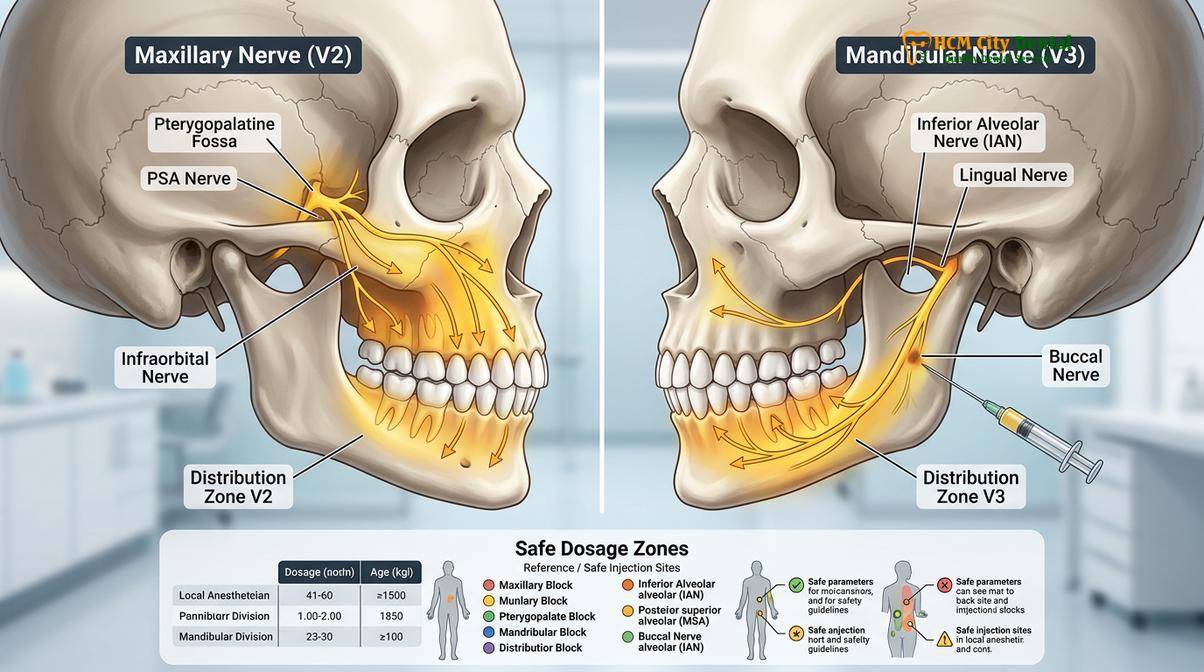
Clinical Warning: Bilateral Mandibular Blocks
Dentists strongly advise against numbing both the lower left and lower right quadrants simultaneously. A bilateral inferior alveolar nerve block numbs the entire tongue and floor of the mouth, severely impairing the patient’s ability to swallow, speak, and protect their airway, significantly increasing the risk of severe biting injuries to the soft tissues.
To safely navigate these pharmacological limits, a skilled practitioner will often pair a lower quadrant with an upper quadrant on the same side (e.g., upper right and lower right). This unilateral approach ensures that the patient retains sensation and motor control on one side of their mouth, allowing them to swallow comfortably and recognize when their teeth are coming together properly. If a patient requires fillings on both lower sides, the safest protocol is to divide the treatment into at least two separate visits.
The inclusion of vasoconstrictors, like epinephrine, in the anesthetic solution also plays a vital role. Epinephrine constricts the blood vessels in the localized area, keeping the numbing agent around the tooth longer and delaying its absorption into the bloodstream. This not only prolongs profound anesthesia for extended restorative work but also increases the safety margin by keeping systemic blood levels of the anesthetic low.[2] Patients exploring dental sedation options alongside local anesthesia must have their vital signs continuously monitored to ensure absolute safety throughout the extended visit.
Preventing TMJ Strain: Jaw Fatigue and Bite Block Use
Prolonged mouth opening during extensive restorative sessions can stress the temporomandibular joint, making the strategic use of bite blocks essential for comfort.
One of the most common physical challenges patients face during a marathon dental appointment is muscular exhaustion. Holding the mouth open wide for one to three hours places immense biomechanical stress on the temporomandibular joint (TMJ) and the muscles of mastication, particularly the masseter and lateral pterygoid muscles. As lactic acid builds up in these tissues, patients can experience significant jaw fatigue dental pain, tremors, and post-operative stiffness.
To mitigate this, modern dental practices employ ergonomic aids designed to support the jaw passively. The most effective tool is the dental bite block, or mouth prop. This soft, wedge-shaped piece of silicone is placed between the upper and lower teeth on the side opposite to where the dentist is working. By resting their teeth on the block, the patient transfers the physical effort of keeping the mouth open from their muscles to the block itself. This simple intervention dramatically reduces muscle strain and allows the patient to relax, sometimes even falling asleep during the procedure.
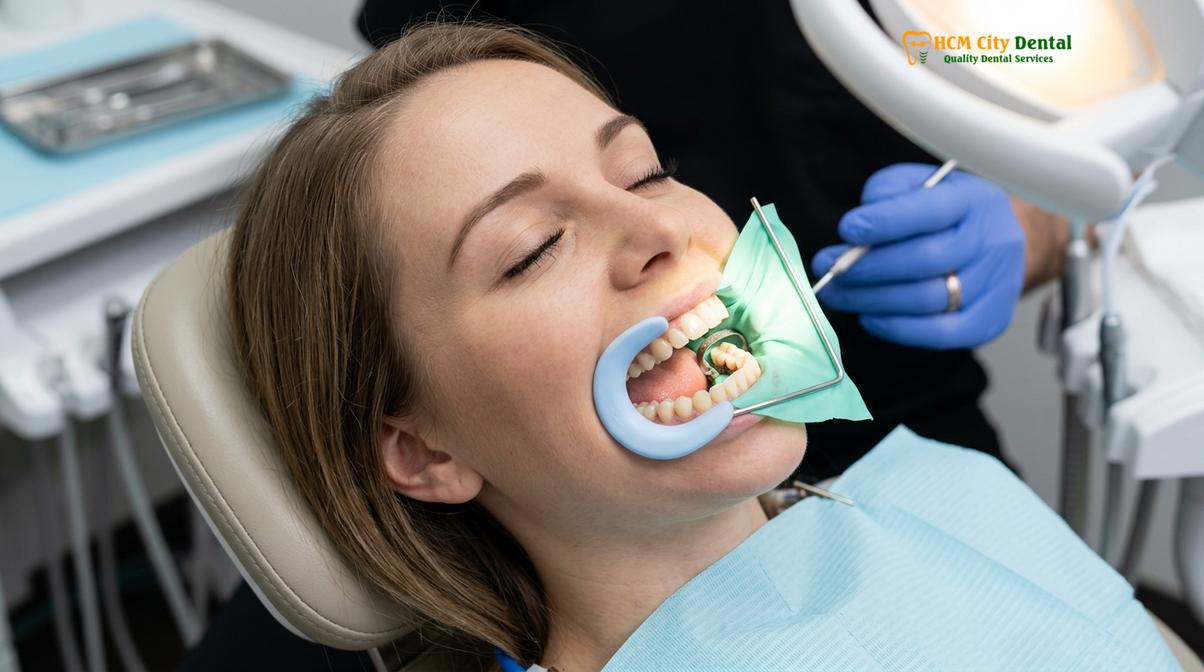
In addition to bite blocks, clinicians manage jaw fatigue by incorporating scheduled micro-breaks. Every 30 to 45 minutes, the dentist may remove the isolation devices and allow the patient to close their mouth, stretch their jaw, and swallow naturally. This intermittent resting protocol is vital for maintaining blood flow to the TMJ disc and preventing acute joint inflammation.
| Technique / Device | Primary Function | Impact on Jaw Fatigue | Clinical Efficiency |
|---|---|---|---|
| Standard Silicone Bite Block | Props mouth open passively | High reduction in muscle strain | Allows continuous work on opposite side |
| Isolite / DryShield System | Combines bite block, suction, and tongue shield | Excellent support and airway protection | Maximizes speed by eliminating manual suction |
| Rubber Dam Isolation | Isolates teeth from moisture and bacteria | Neutral (requires separate bite block) | Essential for high-quality composite bonding |
| Frequent Micro-Breaks | Allows muscular recovery | Prevents lactic acid buildup in masseters | Slightly increases total appointment time |
Patients with a pre-existing history of TMJ disorders or chronic jaw clicking must communicate this to their dentist prior to scheduling a long appointment. In such cases, the dentist may prescribe a muscle relaxant or recommend breaking the treatment plan into shorter, more manageable sessions to prevent exacerbating the joint condition.[3]
Occlusion Harmony: Checking Your Bite with Multiple New Fillings
Restoring several teeth simultaneously alters the occlusal surface, requiring meticulous bite adjustments to prevent premature contacts and subsequent tooth trauma.
When a dentist places a single filling, adjusting the bite (occlusion) is a relatively straightforward process. However, when multiple teeth are restored in a single visit, the entire occlusal landscape of that quadrant is altered. Achieving perfect occlusion harmony becomes a complex clinical challenge, primarily because the patient’s proprioception—the ability to sense how their teeth come together—is severely blunted by the local anesthesia.
If a filling is left even a fraction of a millimeter too high, it creates a premature contact. When the patient bites down, the entire force of the jaw muscles is concentrated on that single high spot rather than being distributed evenly across all teeth. Over a few days, this excessive force traumatizes the periodontal ligament surrounding the tooth root, leading to severe pain upon chewing, heightened sensitivity to cold, and in extreme cases, a cracked tooth or irreversible pulpitis requiring endodontic therapy.
To ensure dentist visit efficiency and prevent post-operative complications, clinicians use ultra-thin articulating paper to map the bite. The patient is asked to tap their teeth together and grind side-to-side. The paper leaves colored marks on the high spots of the new composite resin restorations, guiding the dentist in making microscopic adjustments with a polishing bur. Because the patient cannot accurately feel their bite while numb, the dentist relies heavily on visual cues, the sound of the teeth tapping, and the distribution of the articulating marks.
“The restoration of multiple posterior teeth in a single appointment demands rigorous occlusal verification. Anesthetic-induced loss of proprioception requires the clinician to rely strictly on objective occlusal indicators rather than subjective patient feedback until the anesthesia has fully dissipated.”[4]
Patients are routinely advised to pay close attention to their bite once the numbness wears off completely. If the teeth do not interlock naturally, or if one tooth hits before the others, a brief follow-up visit is mandatory to refine the adjustment. This is a normal part of the process when dealing with extensive restorative work and should be addressed promptly to ensure the longevity of the fillings.
The Ideal 1-Visit Itinerary for 4+ Fillings in Saigon
A well-structured clinical protocol ensures that patients receiving four or more restorations in one day experience optimal comfort, precise treatment, and smooth recovery.
For patients traveling to Vietnam for dental care, maximizing time without sacrificing quality is the ultimate goal. The Saigon clinic protocol developed at top-tier facilities like HCMC Dental Clinic in Ho Chi Minh City is designed to handle extensive restorative cases with military precision. A typical itinerary for a patient requiring four to eight fillings in a single day is meticulously planned to balance clinical execution with patient comfort.
The appointment begins with a comprehensive morning consultation. The clinical team reviews digital X-rays and intraoral photographs to confirm the exact depth and location of the decay. Dr. Nguyen Van Cuong notes that this pre-operative mapping is crucial; it allows the dentist to sequence the treatment logically, usually starting with the deepest cavities that may require pulp protection, before moving to shallower lesions.
Clinical Case Example: Comprehensive Quadrant Restoration
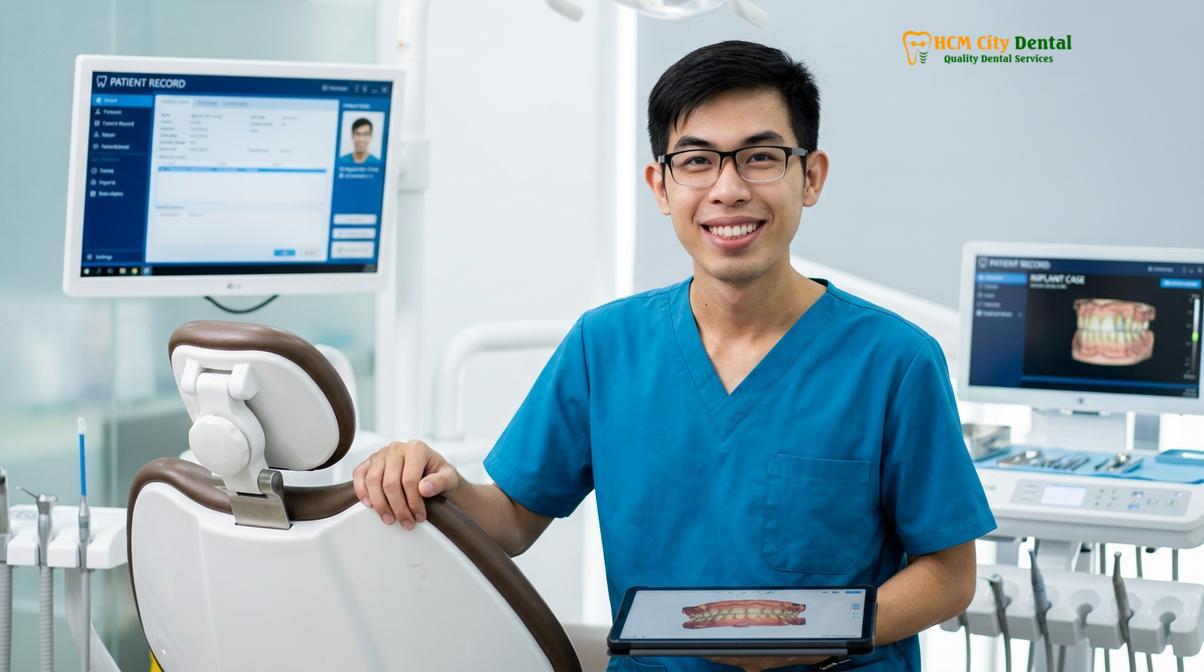
A 34-year-old patient visited HCMC Dental Clinic presenting with six moderate cavities across the upper and lower right quadrants. Utilizing the single-visit protocol, the clinical team administered targeted local anesthesia and applied a DryShield isolation system. Over the course of two hours, with two scheduled jaw-resting breaks, all six teeth were meticulously excavated and restored with high-strength nano-hybrid composite resin. The patient left the clinic fully restored, avoiding the need for three separate appointments, and reported only mild, transient sensitivity the following day.
Once the treatment plan is finalized, the phased anesthesia protocol begins. The dentist numbs the targeted quadrant and places the isolation devices. The restorative phase is executed in a continuous flow: decay removal, cavity disinfection, acid etching, adhesive application, and incremental layering of the composite resin. By treating adjacent teeth simultaneously, the dentist ensures that the marginal ridges and contact points are perfectly contoured, preventing food traps.
After the fillings are light-cured and polished, the patient is given post-operative instructions. Because the mouth may remain numb for several hours, patients are advised to avoid chewing solid foods to prevent accidental biting of the lips or tongue. The efficiency of this protocol not only serves the logistical needs of international travelers but also provides a superior clinical outcome by minimizing the cumulative trauma to the oral tissues.[5]
When to See a Doctor Post-Treatment
While recovering from multiple fillings is generally straightforward, it is vital to distinguish between normal post-operative healing and signs of clinical complications. Due to the extended nature of the procedure, patients should expect mild to moderate jaw soreness and localized gum tenderness at the injection sites for 24 to 48 hours. Transient sensitivity to cold temperatures is also common as the dental pulp calms down from the vibration of the handpiece.
However, you should contact your experienced dental professionals immediately if you experience any of the following red flags:
- Uneven Bite: If you feel a sharp, localized pressure on one specific tooth when you close your mouth, the filling is likely too high and requires immediate adjustment to prevent nerve trauma.
- Spontaneous, Throbbing Pain: Pain that occurs without any stimulus (like eating or drinking) and keeps you awake at night may indicate irreversible pulpitis, meaning the decay was deep enough to infect the nerve.
- Prolonged Numbness: If your lip, chin, or tongue remains numb or tingles for more than 12 hours after the appointment, it could indicate nerve irritation from the injection.
- Swelling or Fever: Visible swelling in the gums or face, accompanied by a fever, is a clear sign of an acute infection that requires immediate clinical intervention.
Always prioritize a follow-up clinical evaluation if your symptoms worsen rather than improve over the first week.
Frequently Asked Questions
How many fillings can be safely done in one dentist visit?
There is no strict numerical limit to how many fillings can be done in one visit; it depends primarily on the maximum safe dose of local anesthesia based on your body weight. Dentists routinely restore four to eight cavities in a single session if they are located in the same or adjacent quadrants. The decision also factors in your ability to keep your mouth open comfortably and the overall complexity of the decay. Extensive full-mouth restorations are usually divided into at least two visits to ensure patient safety and comfort.
Is it safe to numb the entire mouth for cavity work?
Numbing the entire mouth simultaneously is generally avoided due to the risk of biting injuries and swallowing difficulties. While the total dosage of anesthetic might remain within safe limits, bilateral mandibular blocks numb the entire tongue and throat, which can cause severe discomfort and a choking sensation. Dentists prefer to treat one half of the mouth per visit to maintain functional safety. If upper teeth are being treated, numbing both sides is slightly safer, but still requires careful clinical judgment.
What should I do if my bite feels uneven after multiple fillings?
If your bite feels high or uneven after the anesthesia wears off, you should return to your dentist promptly for an occlusal adjustment. An uneven bite places excessive force on the new restorations and the underlying periodontal ligament, which can lead to severe tooth sensitivity, jaw pain, or even a cracked tooth. Adjusting the filling is a quick, painless process that involves tapping on articulating paper and gently polishing down the high spots until your teeth interlock naturally.
Will I experience more pain after getting several cavities filled at once?
You may experience heightened post-operative sensitivity and jaw soreness due to the extended duration of the procedure and multiple injection sites. However, the pain from the fillings themselves should not be significantly worse than a single filling. Over-the-counter anti-inflammatory medications and a soft diet for the first few days are usually sufficient to manage this temporary discomfort. The gums around the treated teeth may also feel tender from the isolation clamps used during the procedure.
How long does an appointment for four or more fillings usually take?
An appointment for four or more fillings typically ranges from one and a half to three hours, depending on the size and location of the cavities. Advanced isolation techniques and modern light-cured composite materials allow dentists to work efficiently. Your dentist will likely incorporate short resting periods to prevent jaw fatigue during these longer restorative sessions. To ensure a smooth experience, it is recommended to eat a light meal before your appointment, as you will be numb for several hours afterward.
References
- Journal of the American Dental Association. Pharmacokinetics and maximum recommended doses of local anesthetics in dentistry. (2021).
- International Journal of Dentistry. Biomechanical considerations of the temporomandibular joint during prolonged dental procedures. (2020).
- Journal of Prosthetic Dentistry. Occlusal harmony and premature contacts in direct composite restorations. (2019).
- Operative Dentistry. Efficiency and clinical outcomes of quadrant dentistry versus single-tooth restoration. (2022).
- British Dental Journal. Management of dental anxiety through consolidated treatment planning. (2018).
If you are considering consolidating your dental treatments or need to schedule a clinical evaluation for multiple restorations, our team at HCMC Dental Clinic is equipped to provide safe, efficient, and comfortable care tailored to your specific needs.
For pricing, booking, and a free clinical assessment, visit our Dental Fillings & Bonding service page at HCMC Dental Clinic in Ho Chi Minh City.