Replacing old silver fillings with composite in Vietnam offers a safe, highly aesthetic, and structurally sound upgrade for deteriorating dental restorations. Utilizing advanced isolation protocols, clinical teams remove failing amalgam and bond tooth-colored resin, restoring natural biomechanics while eliminating metallic discoloration and potential structural risks.
Clinical Summary:
The transition from traditional silver amalgam to modern composite resin represents a significant advancement in restorative dentistry. While amalgam has a long history of durability, its metallic nature, lack of chemical adhesion, and thermal expansion properties often lead to aesthetic concerns and long-term structural damage to the host tooth. Replacing these restorations requires meticulous clinical protocols to manage the release of particulate matter and vapor during extraction. By employing stringent safety measures, such as rubber dam isolation and high-volume evacuation, clinicians can safely remove the old material. The subsequent placement of advanced, biomimetic composite resin not only restores the tooth’s natural appearance but also reinforces its structural integrity through micromechanical bonding, offering patients a durable, conservative, and highly aesthetic outcome.
Key Takeaways:
- Silver amalgam fillings expand and contract with temperature changes, often causing micro-fractures in the surrounding natural tooth structure over time.
- Safe removal requires specialized isolation techniques to prevent the ingestion or inhalation of metallic particulates and vapors.
- Modern composite resins bond chemically to the tooth, requiring less removal of healthy enamel compared to traditional mechanical retention methods.
- Upgrading to tooth-colored restorations provides immediate aesthetic improvements, eliminating the dark, grayish tint associated with metal fillings.
- International patients can access premium, protocol-driven restorative care in Ho Chi Minh City at a significantly lower cost than in Western countries.
Why Patients Choose to Replace Silver Amalgam Fillings
Patients choose to replace silver fillings to eliminate dark metallic aesthetics, resolve temperature sensitivity, and prevent structural tooth fractures caused by the thermal expansion of aging amalgam.
For decades, silver amalgam was the standard material for restoring posterior teeth due to its high compressive strength and low cost. However, as dental materials science has evolved, the limitations and long-term consequences of amalgam restorations have become increasingly apparent. Today, the decision to undergo a general dentistry services consultation to replace these aging restorations is driven by a combination of aesthetic desires, structural preservation, and proactive dental health management.
The Biomechanical Mismatch
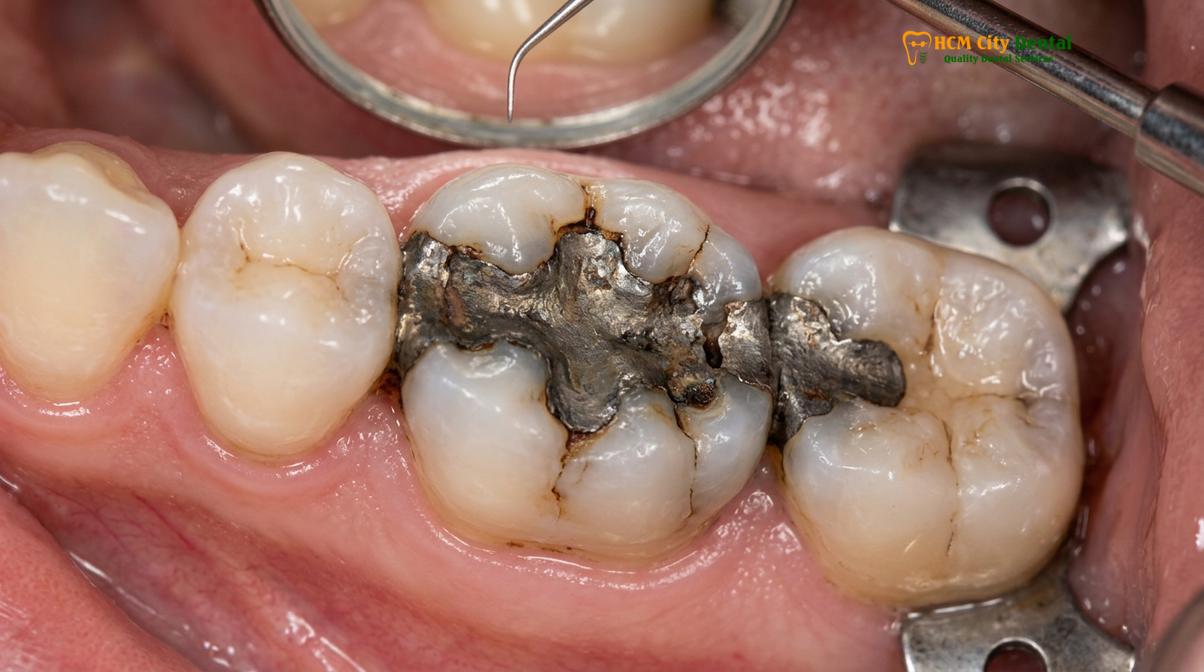
One of the primary clinical reasons for replacing amalgam is its biomechanical incompatibility with natural tooth structure. Amalgam is a metal alloy that conducts heat and cold rapidly. When a patient consumes hot coffee or cold ice cream, the metal filling expands and contracts at a significantly different rate than the surrounding enamel and dentin. Over years of thermal cycling, this constant microscopic movement acts like a wedge inside the tooth. This wedging effect frequently leads to the development of craze lines—superficial cracks in the enamel—which can eventually propagate into deep structural fractures, potentially requiring a crown or even leading to tooth loss. [1]
Aesthetic Concerns and Tissue Staining
From an aesthetic standpoint, amalgam is highly conspicuous. Even fillings placed on back molars can be visible when laughing or speaking broadly. Furthermore, as amalgam ages and corrodes in the moist environment of the oral cavity, it can leach metallic ions into the surrounding dentin. This process often results in a grayish or black discoloration of the entire tooth, making it appear decayed even if it is structurally sound. In some cases, these metallic particles can become embedded in the adjacent gum tissue, creating a permanent dark spot known as an “amalgam tattoo.” For patients seeking a flawless smile, a silver tooth filling replace procedure is the only definitive way to restore the natural translucency and color of the dentition.
Marginal Degradation and Hidden Decay
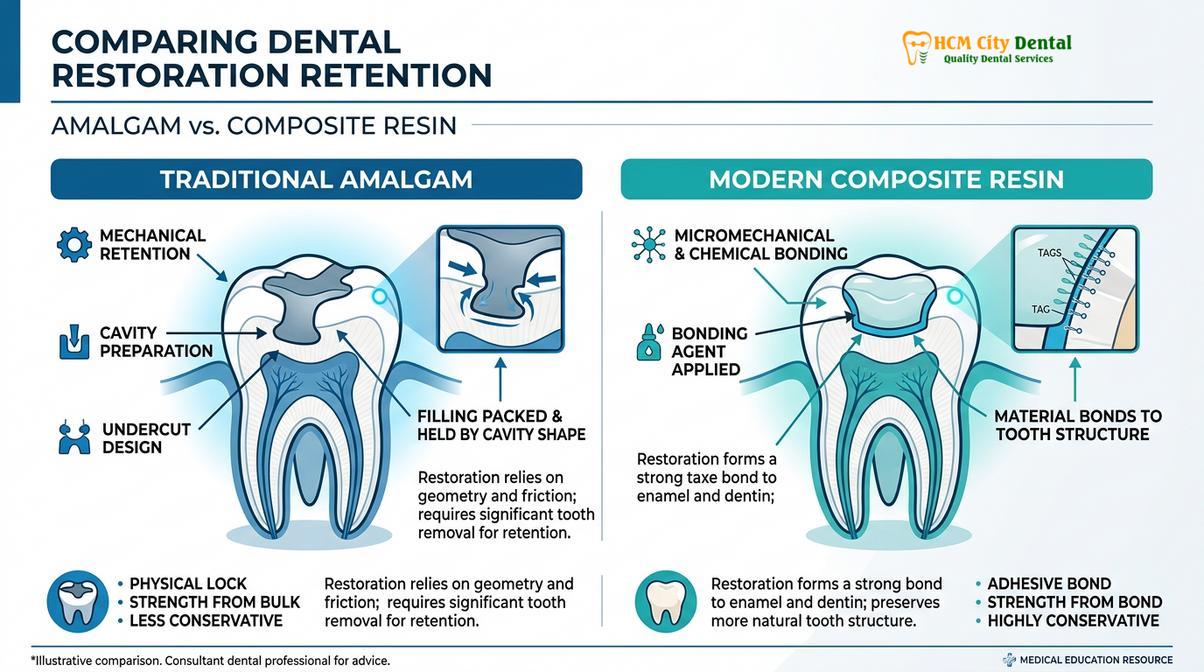
Unlike modern resins, amalgam does not chemically bond to the tooth. It relies entirely on mechanical retention—meaning the dentist must carve a cavity with wider bases and narrower openings (undercuts) to lock the metal in place. Over time, the margins where the metal meets the tooth can begin to break down, ditch, or separate. These microscopic gaps become a harbor for cariogenic bacteria. Because amalgam is radiopaque (blocks x-rays completely), it is notoriously difficult for dentists to detect secondary decay forming underneath an intact-looking silver filling until the cavity becomes quite large. Replacing the filling allows the clinician to clean out this hidden decay and seal the tooth effectively with modern dental fillings.
“The transition from mechanical retention to chemical adhesion has fundamentally changed how we approach restorative dentistry. By bonding directly to the tooth, we no longer just fill a hole; we actively reinforce the remaining biological structure against future fracture.”
The Safety Debate: Mercury Vapor and ADA Safety Consensus
While major dental associations consider intact amalgam safe, the removal process generates heat and vapor, necessitating strict clinical isolation protocols to protect patient health during extraction.
The composition of dental amalgam has been a subject of public health discussion for many years. Traditional amalgam is an alloy consisting of approximately 50% elemental mercury, combined with silver, tin, and copper. The presence of mercury naturally raises questions regarding systemic toxicity and long-term safety.
Understanding the Regulatory Consensus
It is important to understand the current scientific consensus. Major health organizations, including the American Dental Association (ADA) and the World Health Organization (WHO), maintain that intact amalgam fillings are generally safe for the broader population. The mercury in a cured filling is bound within the alloy matrix, and the daily release of vapor from chewing is considered to be well below the threshold for clinical toxicity. [2] However, regulatory bodies have recently updated their guidance to recommend avoiding the placement of new amalgam fillings in vulnerable populations, such as pregnant or nursing women, children under the age of six, and individuals with pre-existing neurological or kidney impairments.
Clinical Precaution: While intact silver fillings are generally stable, the process of drilling them out generates significant heat and friction. This mechanical disruption can release elevated levels of mercury vapor and particulate matter, making unprotected removal a potential exposure risk for both the patient and the dental team.
The Risks of Unprotected Removal
The primary risk associated with amalgam does not necessarily lie in its passive presence in the mouth, but rather in the process of its removal. When a high-speed dental handpiece is used to drill out an old silver filling, the intense friction generates heat. This heat can vaporize the elemental mercury trapped within the alloy. Additionally, the drill pulverizes the metal into a fine aerosol of particulate matter. Without proper mercury vapor isolation techniques, the patient could inhale these vapors or swallow the metallic slurry during the procedure. [3]
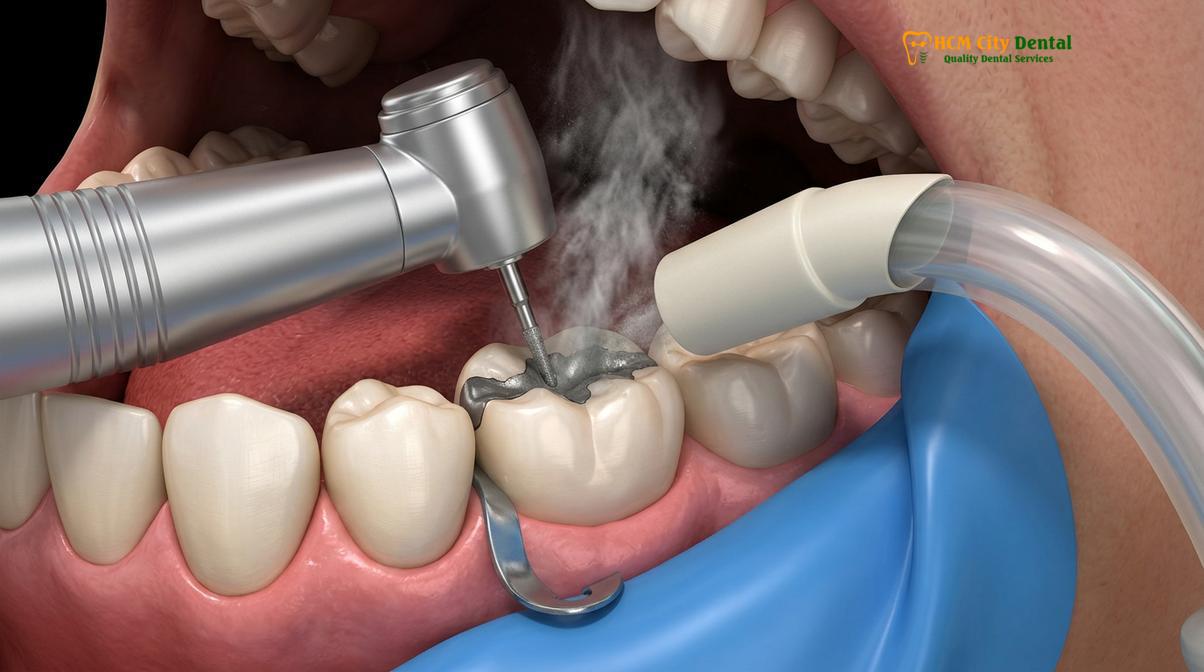
Because of these well-documented risks, modern restorative dentistry emphasizes that if an amalgam filling is to be removed—whether due to structural failure, recurrent decay, or aesthetic preference—it must be done using highly specific, protective protocols. Simply drilling out the metal with standard suction is no longer considered the standard of care for safety-conscious practitioners.
Safe Amalgam Removal Protocols (SMART) at HCMC Dental Clinic
Our clinical team employs the SMART protocol, utilizing non-latex rubber dam isolation, high-volume evacuation, and specialized sectioning techniques to ensure zero mercury exposure during extraction.
To address the risks associated with amalgam extraction, specialized clinical workflows have been developed. The Safe Mercury Amalgam Removal Technique (SMART) is a rigorous set of guidelines designed to protect the patient, the dental staff, and the environment from mercury exposure. At HCMC Dental Clinic, our practitioners are highly trained in these advanced isolation techniques, ensuring that your transition to composite restorations is as safe as it is aesthetic.
Pre-Operative Preparation
The SMART protocol dental workflow begins before the drill is even activated. Patients are often provided with a protective gown and covers for their face and hair to prevent any metallic splatter from contacting their skin or clothing. To prevent the inhalation of vapors, an alternative air source—such as a nasal hood delivering clean oxygen or filtered air—is placed over the patient’s nose. This ensures that the patient is not breathing the ambient air immediately surrounding the oral cavity during the extraction phase.
Intra-Operative Isolation and Extraction
The cornerstone of safe dental amalgam removal is complete isolation of the operating field. Dr. Nguyen Van Cuong emphasizes that the use of a non-latex nitrile rubber dam is non-negotiable during this procedure. The rubber dam acts as a physical barrier, exposing only the tooth being treated while completely sealing off the throat and the rest of the mouth. This prevents any metallic debris or contaminated water from being swallowed.
Once isolated, the removal technique itself is modified. Instead of using a standard bur to grind the filling into a fine powder, the dentist uses a specialized, small-diameter carbide bur to section the amalgam into large chunks. This “chunking” method significantly reduces the amount of heat generated and minimizes vaporization. [4]
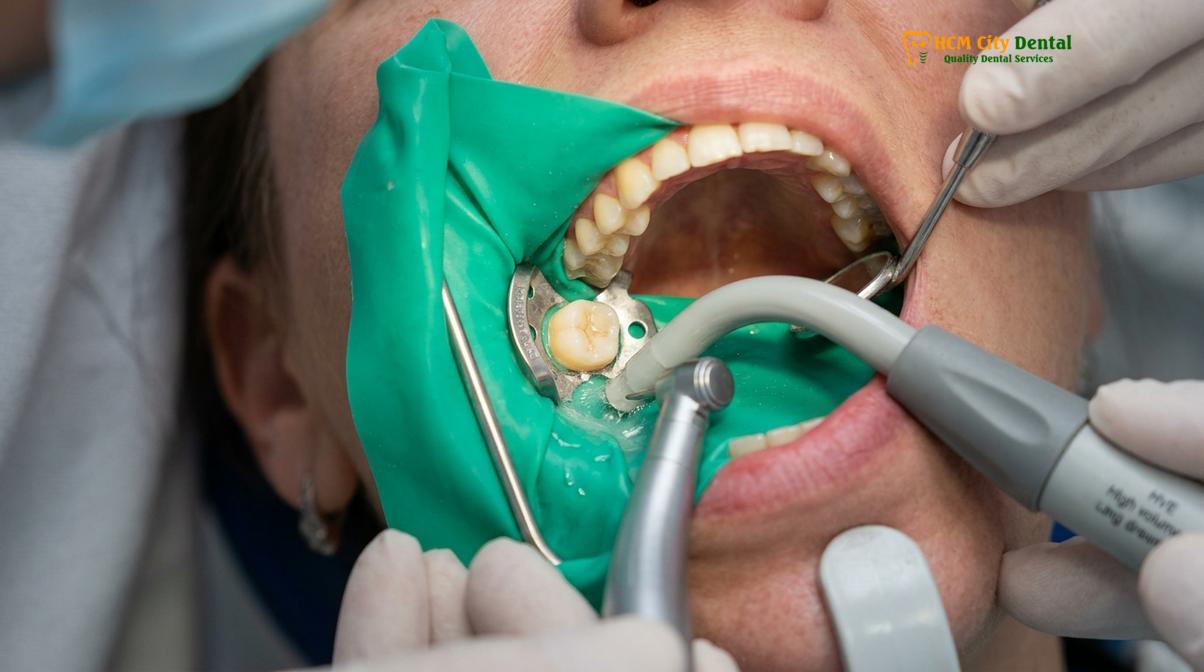
Simultaneously, copious amounts of cold water are sprayed onto the tooth to keep the temperature down. A specialized high-volume evacuation (HVE) suction device is positioned immediately adjacent to the tooth. This powerful suction captures the water, the amalgam chunks, and any localized vapor the moment it is generated, pulling it safely away from the patient’s breathing zone.
Clinical Case Review: A 45-year-old patient visited HCMC Dental Clinic in Ho Chi Minh City presenting with thermal sensitivity and visible craze lines around three large, 15-year-old amalgam fillings. Under the supervision of Dr. Nguyen Van Cuong, the clinical team utilized full SMART isolation protocols to safely section and remove the deteriorating metal. The teeth were subsequently restored with biomimetic composite resin, immediately resolving the sensitivity and restoring the natural flexure of the teeth without any systemic exposure to metallic particulates.
Environmental Responsibility
The safety protocols extend beyond the dental chair. To prevent mercury from entering the local water supply, clinics adhering to these high standards utilize advanced amalgam separators installed in their central vacuum systems. These filtration units capture the metallic waste before it reaches the municipal wastewater system, ensuring that the procedure is environmentally responsible and compliant with global health directives.
Restoring Strength: Direct Composite vs Milled Porcelain Upgrades
Following amalgam removal, cavities are restored using either direct bonded composite resin for moderate defects or milled porcelain inlays for extensive structural loss.
Once the old amalgam and any underlying decay have been safely removed, the tooth must be restored. The choice of material depends heavily on the amount of healthy tooth structure remaining. The goal of modern routine dental care is not just to fill the void, but to biomimetically restore the tooth’s original strength, function, and appearance.
The Adhesion Revolution: Composite Resin
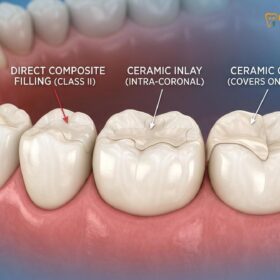
For small to moderate cavities, a direct composite replacement filling is the standard of care. Modern dental composites are highly advanced materials consisting of a resin matrix filled with microscopic glass or ceramic particles. Unlike amalgam, composite bonds chemically to the tooth structure.
The bonding process involves applying a mild phosphoric acid gel to the enamel and dentin, which creates microscopic pores. A liquid bonding agent is then applied, flowing into these pores and creating a micromechanical lock. The composite resin is then packed into the cavity in small increments (usually 2mm at a time) and hardened using a specific wavelength of blue light. This incremental layering is crucial to manage polymerization shrinkage—the slight contraction of the material as it hardens—ensuring a tight, leak-proof seal at the margins. Because it bonds directly, composite actually splints the remaining tooth structure together, restoring much of its original fracture resistance.
When Composite is Not Enough: Porcelain Restorations
If the old amalgam filling was exceptionally large, its removal might leave the tooth with very thin, fragile walls or missing cusps. In these scenarios, a direct composite filling may not possess the necessary compressive strength to withstand the heavy forces of chewing over the long term. When more than 50% of the chewing surface is compromised, clinicians will often recommend an indirect restoration, such as a porcelain inlay or onlay.
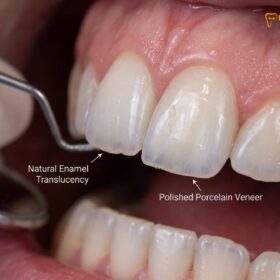
These restorations are custom-milled from high-strength ceramics (like lithium disilicate or zirconia) either in a dental laboratory or in-office using CAD/CAM technology. They offer superior wear resistance, exceptional aesthetics, and unmatched durability for heavily compromised teeth.
| Feature | Direct Composite Resin | Milled Porcelain Inlay/Onlay | Traditional Amalgam (Legacy) |
|---|---|---|---|
| Retention Method | Chemical micromechanical bond | Chemical bond / Adhesive cementation | Mechanical undercuts (wedging) |
| Aesthetics | Excellent (shade-matched) | Superior (mimics natural enamel translucency) | Poor (dark gray/black metallic) |
| Structural Impact | Reinforces remaining tooth | Maximum reinforcement for large defects | Can cause thermal expansion fractures |
| Ideal Use Case | Small to moderate cavities | Large cavities, missing cusps | Largely phased out in modern aesthetic clinics |
Cost Analysis: Save 80% on Safe Amalgam Removals in Saigon
International patients traveling to Ho Chi Minh City can access premium, SMART-certified amalgam replacement at a fraction of Western dental costs without compromising clinical safety.
One of the most compelling reasons patients seek composite bonding procedures in Vietnam is the exceptional economic value. Dental care in countries like the United States, Australia, and the United Kingdom has become prohibitively expensive, particularly for elective procedures like replacing intact but aging metal fillings.
Breaking Down the Investment
In Western clinics, the cost of safely removing an amalgam filling and replacing it with a multi-surface composite restoration can easily exceed $250 to $400 per tooth. If a porcelain inlay is required, the cost can soar well over $1,000 per tooth. For a patient looking to replace a mouthful of old metal fillings, the total treatment plan can quickly become a significant financial burden.
Conversely, visiting a District 1 biological dentist or a premium restorative clinic in Ho Chi Minh City offers a stark contrast in pricing. The cost for a safe amalgam removal and premium composite restoration typically ranges from $40 to $80 per tooth. This represents a savings of up to 80%, allowing patients to completely overhaul their oral health and aesthetics for the price of just one or two fillings back home.
“The affordability of restorative dentistry in Vietnam is not a reflection of compromised materials, but rather the result of lower operational overhead and favorable exchange rates. We utilize the exact same globally recognized biomaterials as top-tier clinics in Sydney or London.”
Quality of Imported Biomaterials
It is crucial to understand that this cost reduction does not equate to a reduction in quality. Reputable clinics in Saigon utilize the exact same imported, globally recognized dental materials as their Western counterparts. Brands such as 3M Filtek (USA), Ivoclar Vivadent (Liechtenstein), and Kuraray (Japan) are the standard of care. Furthermore, the sterilization protocols, including Class B autoclaving and strict adherence to international infection control standards, ensure that patients receive world-class care in a safe, modern environment.
When to See a Doctor for Amalgam Replacement
You should consult a dentist if you experience pain upon biting, notice visible cracks in the surrounding enamel, or if the metal filling shows signs of marginal separation.
While many patients choose to replace their silver fillings purely for aesthetic reasons, there are specific clinical indicators that necessitate immediate medical attention. It is important to differentiate between an elective cosmetic upgrade and a medically necessary intervention to save a failing tooth.
You should schedule a consultation for restorative dental treatments if you experience any of the following symptoms:
- Pain on Chewing: A sharp pain when biting down and releasing is a classic sign of a cracked tooth, often caused by the expansion of an old amalgam filling.
- Thermal Sensitivity: Sudden, lingering pain when consuming hot or cold foods can indicate that the seal of the filling has failed, allowing irritants to reach the tooth nerve.
- Visible Enamel Cracks: If you can see fine lines radiating outward from the metal filling, the tooth is structurally compromised and requires reinforcement.
- Margin Ditching: If you feel a catch with your fingernail or notice a visible gap where the filling meets the tooth, bacteria are likely infiltrating the area.
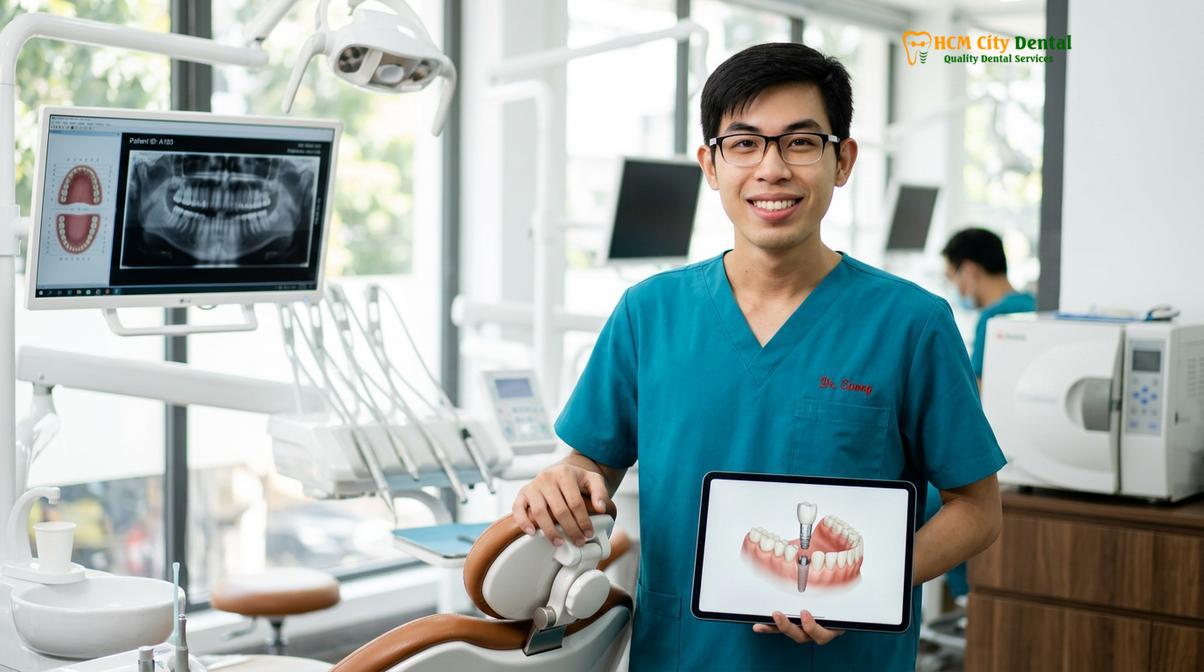
During your consultation, Dr. Cuong and the clinical team will utilize high-resolution intraoral cameras and digital radiography to assess the integrity of your existing restorations. Based on these clinical diagnostics, a personalized treatment plan will be developed. If the amalgam is small, perfectly intact, and not causing aesthetic distress, conservative monitoring may be recommended. However, if signs of failure are present, prompt replacement with tooth-colored restorations is highly recommended to prevent the need for more invasive procedures like root canal therapy or extraction.
Frequently Asked Questions
Is it safe to replace silver fillings with white composite?
Yes, it is highly safe when performed using strict clinical isolation protocols. By utilizing specialized high-volume evacuation and rubber dam isolation, dentists can prevent mercury exposure during the removal process, allowing for a secure transition to biocompatible composite resin. The new composite material is entirely free of mercury and metals, offering a biologically friendly alternative.
How much does it cost to remove a silver filling in Vietnam?
The cost typically ranges from $40 to $80 per tooth, depending on the cavity’s size and the complexity of the removal protocol. This fee generally includes both the safe extraction of the old amalgam and the placement of a premium imported composite restoration. This pricing structure offers significant savings compared to Western dental markets while maintaining international clinical standards.
What is the SMART protocol for mercury removal?
The SMART protocol is a stringent set of safety measures designed to minimize mercury vapor exposure during amalgam removal. It involves using a non-latex rubber dam, alternative air supplies for the patient, copious water irrigation, and specialized high-volume suction systems. Additionally, the dentist uses specific techniques to section the filling into large pieces rather than grinding it into a fine, vapor-producing powder.
Will my tooth be sensitive after replacing an amalgam filling?
Mild, transient temperature sensitivity is normal for a few days following the procedure. This occurs because the tooth nerve is temporarily inflamed from the removal process and the chemical bonding of the new composite, but it typically resolves without intervention. If sensitivity persists for more than two weeks or is accompanied by a sharp pain when biting, you should return to the clinic for a simple bite adjustment.
How long does a composite replacement filling last?
A well-placed composite filling generally lasts between 7 to 10 years, and often longer with excellent oral hygiene. Longevity depends heavily on the size of the restoration, the patient’s bite forces, and adherence to regular professional dental cleanings. [5] For patients who grind their teeth heavily, a nightguard may be recommended to protect the composite from premature wear.
References
- Journal of the American Dental Association. Safety of dental amalgam and composite resins in restorative dentistry. (2021).
- International Academy of Oral Medicine and Toxicology. Safe Mercury Amalgam Removal Technique (SMART) clinical guidelines. (2020).
- Journal of Dentistry. Longevity, marginal integrity, and failure rates of direct composite restorations. (2022).
- Dental Materials. Biomechanical behavior and stress distribution of teeth restored with amalgam versus composite. (2019).
- World Health Organization. Phasing down the use of dental amalgam and promoting mercury-free alternatives. (2021).
For pricing, booking, and a free clinical assessment, visit our Dental Fillings & Bonding service page at HCMC Dental Clinic in Ho Chi Minh City.