Tooth-colored filling materials, including GIC, composite, and ceramic, offer aesthetic and functional restorations by mimicking natural enamel. While composite resin provides versatile bonding, GIC offers fluoride release for caries control, and ceramic delivers superior durability. Selection depends on clinical indications, structural damage, and biomechanical requirements.
Clinical Summary:
The landscape of restorative dentistry has fundamentally shifted toward biomimetic, tooth-colored materials that restore both the biomechanical integrity and aesthetic appearance of natural teeth. Tooth Colored Filling Materials GIC Composite Ceramic represent the three primary pillars of modern aesthetic restorations. Glass Ionomer Cement (GIC) is highly valued for its chemical adhesion to dentin and continuous fluoride release, making it an excellent choice for pediatric patients and root surface decay. Dental composite resin serves as the versatile standard for direct restorations, offering micromechanical bonding and excellent color matching for both anterior and posterior teeth. For extensive structural damage, porcelain ceramic inlays and onlays provide unparalleled strength, biocompatibility, and wear resistance. The selection of the appropriate material requires a comprehensive clinical assessment of occlusal forces, cavity size, moisture control capabilities, and the patient’s caries risk profile.
Key Takeaways:
- Glass ionomer cement chemically bonds to tooth structure and releases fluoride, actively protecting against secondary decay.
- Composite resin provides highly aesthetic, micromechanically bonded restorations suitable for a wide range of cavity classifications.
- Ceramic inlays and onlays offer maximum durability and biocompatibility for teeth with significant structural loss.
- Material selection is strictly dictated by clinical factors such as cavity size, occlusal load, and isolation capabilities.
- Modern aesthetic restorations have largely replaced traditional metal amalgams, offering superior biomimetic properties.
The Evolution of Aesthetic (White) Restorations
Modern dentistry has transitioned from metallic amalgams to advanced tooth-colored materials, prioritizing both biomechanical integrity and natural aesthetics through biomimetic principles.
For over a century, silver amalgam was the undisputed standard for restoring posterior teeth due to its low cost, ease of placement, and high compressive strength. However, the evolution of dental materials science has driven a paradigm shift toward restorations that not only repair structural damage but also mimic the natural properties of human enamel and dentin. This transition to aesthetic, tooth-colored materials is rooted in the principles of biomimetic dentistry, which aims to restore the tooth to its original strength, function, and appearance without the need for destructive mechanical retention.
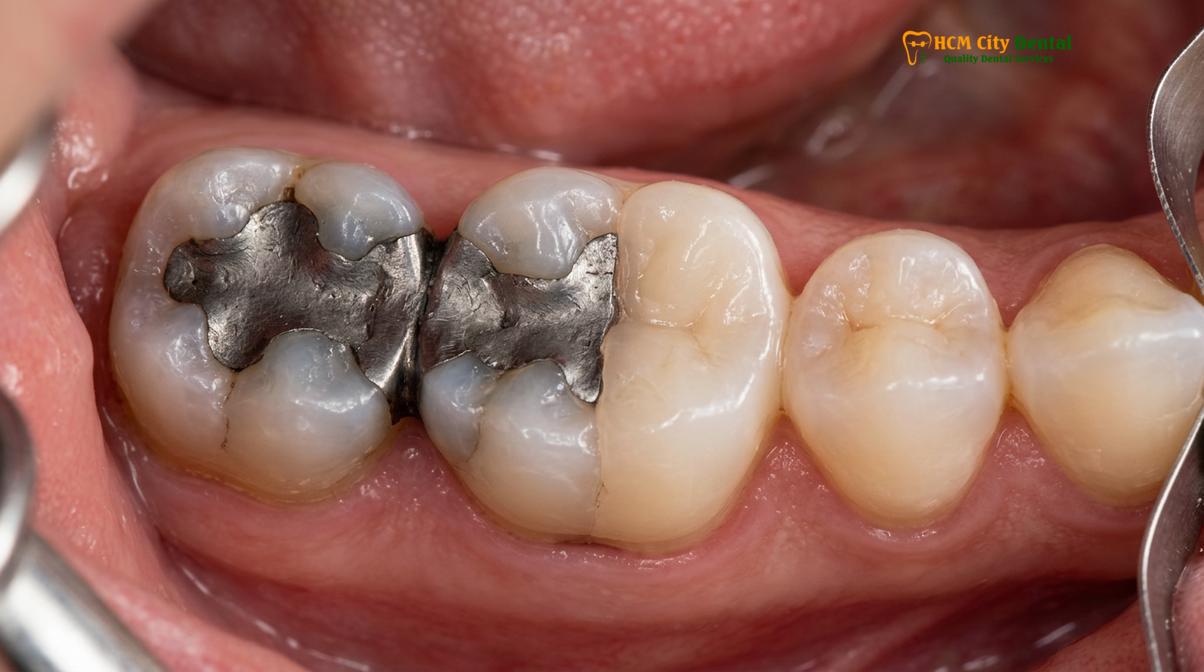
Traditional amalgam fillings require the removal of healthy tooth structure to create mechanical undercuts that hold the metal in place. In contrast, modern materials such as dental composite resin and glass ionomer cements utilize advanced adhesive protocols. This allows for minimally invasive cavity preparations, preserving as much natural tooth structure as possible. The development of these materials has been driven by patient demand for natural-looking smiles and the clinical need for materials that distribute occlusal (chewing) forces more evenly across the tooth structure, reducing the risk of fractures associated with rigid metal fillings.
“The transition from mechanical retention to chemical and micromechanical adhesion represents the most significant advancement in restorative dentistry, allowing us to preserve healthy tissue while achieving seamless aesthetic integration.”
According to Dr. Nguyen Van Cuong, a leading expert in restorative protocols, the success of modern aesthetic fillings relies heavily on understanding the unique physical properties of each material. A skilled Saigon restorative dentist must evaluate the modulus of elasticity—how much a material flexes under pressure—to ensure it closely matches that of natural dentin. When a restorative material mimics the natural flex of a tooth, it significantly reduces stress at the bonding interface, thereby increasing the longevity of the restoration and preventing microleakage.[1]
Glass Ionomer Cement (GIC): Fluoride Release and Pediatric Uses
GIC is a unique restorative material that chemically bonds to tooth structure and releases fluoride, making it highly effective for caries control and non-load-bearing restorations.
Glass ionomer cement (GIC) occupies a unique and vital niche in the spectrum of tooth-colored restorations. Unlike composite resins that require complex bonding agents, a glass ionomer cement bonds chemically directly to the calcium in the tooth’s enamel and dentin. The material is composed of a fluoroaluminosilicate glass powder and an aqueous polyacrylic acid liquid. When mixed, an acid-base reaction occurs, forming a cross-linked matrix that adheres intimately to the moist tooth structure.[2]
One of the most significant clinical advantages of GIC is its classification among active fluoride releasing materials. Once placed, the cement acts as a fluoride reservoir, continuously releasing fluoride ions into the adjacent tooth structure. This process promotes remineralization and creates a zone of inhibition against cariogenic (decay-causing) bacteria. Furthermore, GIC has the unique ability to “recharge” its fluoride content when exposed to fluoridated toothpaste or mouthwashes, providing long-term protection against secondary caries.
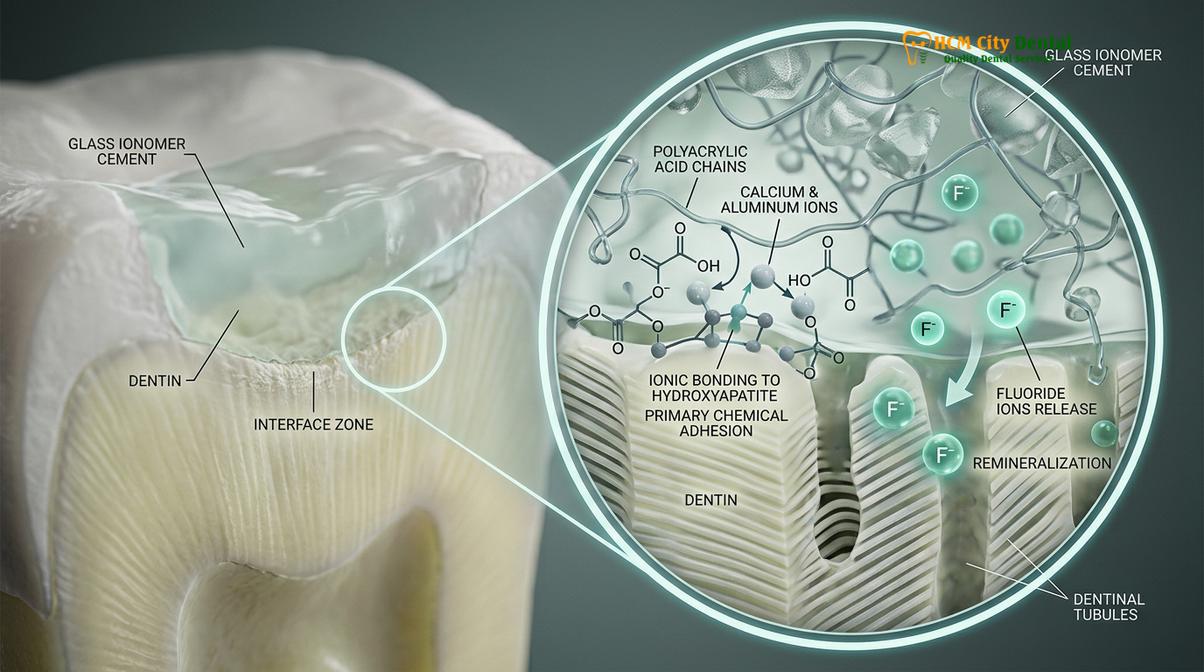
Due to these properties, GIC is frequently the material of choice in specific clinical scenarios:
- Pediatric Dentistry: Primary (baby) teeth have thinner enamel and larger pulp chambers. GIC’s quick placement, moisture tolerance, and fluoride release make it ideal for treating children, especially those with high caries risk.
- Class V Restorations: Cavities located at the gumline (cervical lesions) are notoriously difficult to keep completely dry. GIC’s hydrophilic (water-loving) nature allows it to bond effectively in these slightly moist environments.
- Atraumatic Restorative Treatment (ART): In situations where traditional drilling is not feasible, GIC can be placed after hand excavation of decay.
- Base or Liner: In deep cavities, GIC is often used as a protective base beneath a stronger composite resin—a method known as the “sandwich technique.”
Clinical Precaution: While GIC offers excellent chemical adhesion and fluoride release, conventional formulations possess lower tensile strength and wear resistance compared to composites. They are generally contraindicated for large restorations in load-bearing posterior teeth unless covered by a stronger restorative material.
To address the limitations of conventional GIC, dental manufacturers developed Resin-Modified Glass Ionomer Cements (RMGIC). By incorporating a small amount of light-curing resin, RMGICs offer improved aesthetics, higher immediate strength, and greater resistance to dissolution in saliva, while still maintaining the critical benefits of chemical adhesion and fluoride release.
Composite Resin: The Versatile Directly Bonded Standard
Composite resin combines a polymer matrix with inorganic fillers to provide highly aesthetic, micromechanically bonded restorations for versatile clinical applications.
Dental composite resin is arguably the most widely used aesthetic restorative material in modern dentistry. It offers an exceptional balance of strength, durability, and natural appearance, making it suitable for restoring both anterior (front) and posterior (back) teeth. The material consists of a synthetic resin matrix—typically Bis-GMA or UDMA—embedded with inorganic filler particles such as silica, quartz, or zirconia. A silane coupling agent binds the filler particles to the resin matrix, providing the material with its structural integrity.[3]
The clinical workflow for placing a composite restoration is highly technique-sensitive and relies on the principles of micromechanical adhesion. The process begins with the application of a mild phosphoric acid gel to the tooth surface. This etching process removes the smear layer and creates microscopic porosities in the enamel and exposes the collagen network in the dentin. A bonding agent (primer and adhesive) is then applied, which flows into these porosities and is polymerized (hardened) using a specialized blue LED curing light. This creates the “hybrid layer,” a critical zone where the resin interlocks with the natural tooth structure, sealing the dentinal tubules and providing a strong foundation for the filling.
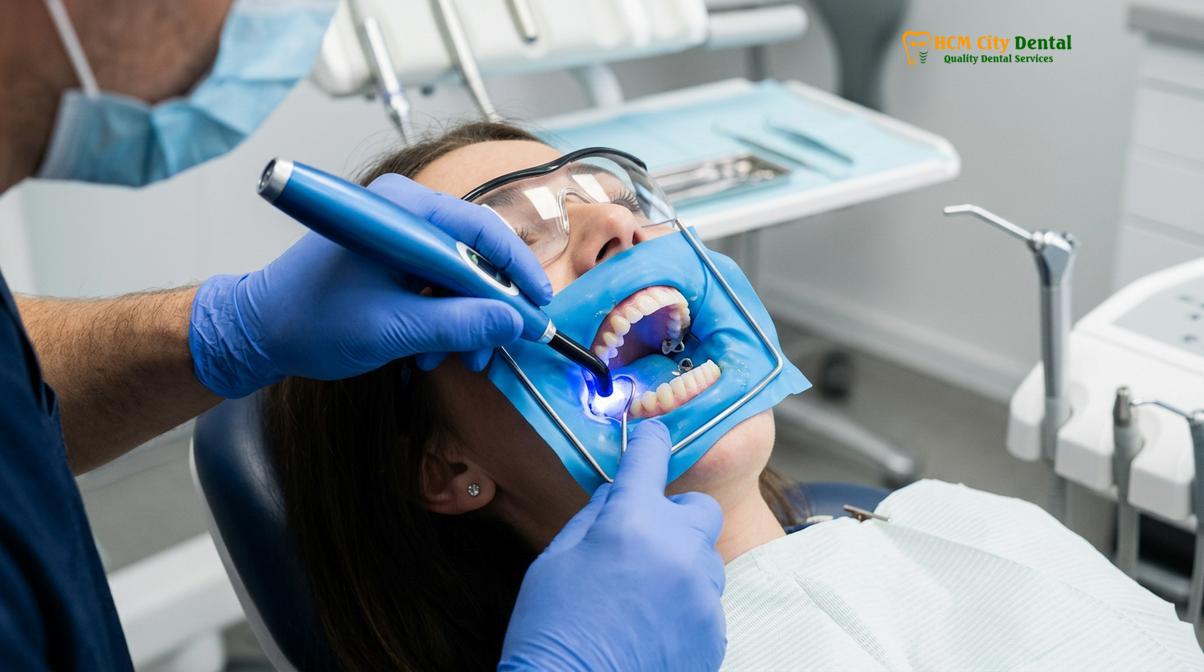
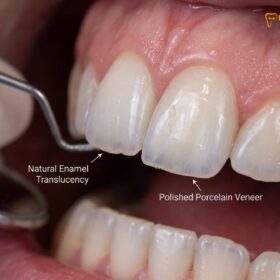
Because composite resin shrinks slightly upon curing (polymerization shrinkage), a skilled clinician will place the material in small increments, curing each layer individually. This incremental layering technique minimizes stress on the cavity walls, reducing the risk of post-operative sensitivity and marginal gaps. Advanced nano-hybrid composites available today offer excellent polishability, allowing the dentist to recreate the exact translucency, texture, and shade of the surrounding natural enamel.
Clinical Case Example: A 34-year-old patient presented to HCMC Dental Clinic in Ho Chi Minh City with a fractured premolar and a failing, leaking amalgam filling. Dr. Nguyen Van Cuong performed a comprehensive evaluation and opted for a direct nano-hybrid composite restoration. By utilizing a rubber dam for strict moisture control and employing an incremental layering technique, the tooth was restored to its natural anatomical form. The patient reported immediate relief from sensitivity and high satisfaction with the seamless aesthetic result.
While composite resins are highly versatile, their long-term success depends heavily on the clinician’s ability to maintain a completely dry working field during placement. Contamination by saliva or blood will severely compromise the adhesive bond, leading to premature failure of the restoration. Therefore, proper isolation techniques, such as the use of a dental rubber dam, are essential during the bonding protocol.
Ceramic Inlays & Onlays: Milled Biocompatible Porcelain
Ceramic restorations offer unparalleled strength and color stability, serving as the premier choice for restoring teeth with extensive structural loss.
When a tooth has suffered extensive decay or structural damage that compromises its cusps (the biting points), direct composite fillings may not provide sufficient strength to withstand the heavy forces of mastication. In these scenarios, indirect restorations such as a porcelain ceramic inlay or onlay are clinically indicated. Unlike direct fillings which are molded inside the mouth, ceramic restorations are custom-fabricated outside the mouth and then adhesively cemented into the prepared cavity.[4]
Modern ceramic materials, particularly lithium disilicate and high-translucency zirconia, offer exceptional biomechanical properties. They possess a high modulus of elasticity, meaning they do not flex under pressure, providing rigid support to the remaining weakened tooth structure. Furthermore, ceramics are highly biocompatible and feature a smooth, glass-like surface that resists plaque accumulation and gingival inflammation.
“For extensive posterior restorations, milled ceramics provide a level of abrasion resistance and structural reinforcement that direct composite resins simply cannot match over the long term.”
The fabrication of a porcelain ceramic inlay often utilizes advanced CAD/CAM (Computer-Aided Design and Computer-Aided Manufacturing) technology. After the dentist removes the decay and shapes the cavity, a digital optical impression is taken using an intraoral scanner. The restoration is then designed on a computer and milled from a solid block of ceramic in a matter of minutes. This technology allows for highly precise marginal adaptation, ensuring a seamless fit between the restoration and the natural tooth.
The cementation of a ceramic restoration is a meticulous adhesive process. The internal surface of the ceramic is treated with hydrofluoric acid and a silane coupling agent to increase its chemical reactivity. The tooth is simultaneously etched and bonded. A dual-cure resin cement is then used to fuse the ceramic to the tooth, creating a unified, highly durable complex that exhibits excellent abrasion resistance dental properties, ensuring the restoration will not wear down opposing natural teeth.
Direct Comparison Table: Strength, Lifespan, and Best Indications
Selecting the optimal restorative material requires a careful clinical evaluation of strength, longevity, aesthetic demands, and specific cavity characteristics.
To assist in understanding the clinical applications of each material, the following table provides a comprehensive comparison of Glass Ionomer Cement, Composite Resin, and Ceramic restorations across key biomechanical and practical parameters.
| Clinical Parameter | Glass Ionomer Cement (GIC) | Composite Resin | Ceramic (Inlays/Onlays) |
|---|---|---|---|
| Bonding Mechanism | Chemical adhesion to calcium in dentin/enamel | Micromechanical adhesion via hybrid layer | Adhesive resin cementation (chemical & micromechanical) |
| Strength & Wear Resistance | Low to Moderate; susceptible to occlusal wear | High; excellent for most direct restorations | Very High; superior abrasion resistance dental properties |
| Aesthetics | Opaque, limited shade matching | Excellent; highly polishable, mimics natural translucency | Superior; maintains color stability and natural gloss over time |
| Special Properties | Continuous fluoride release and recharge | Highly versatile, easily repairable | Maximum structural reinforcement for weakened teeth |
| Average Lifespan | 3 to 7 years (often used as temporary or base) | 5 to 10 years (dependent on size and oral hygiene) | 10 to 15+ years (highly durable) |
| Best Clinical Indications | Pediatric teeth, root surface decay, high caries risk | Small to medium cavities, anterior aesthetics, direct veneers | Large posterior cavities, cusp replacement, heavy bite forces |
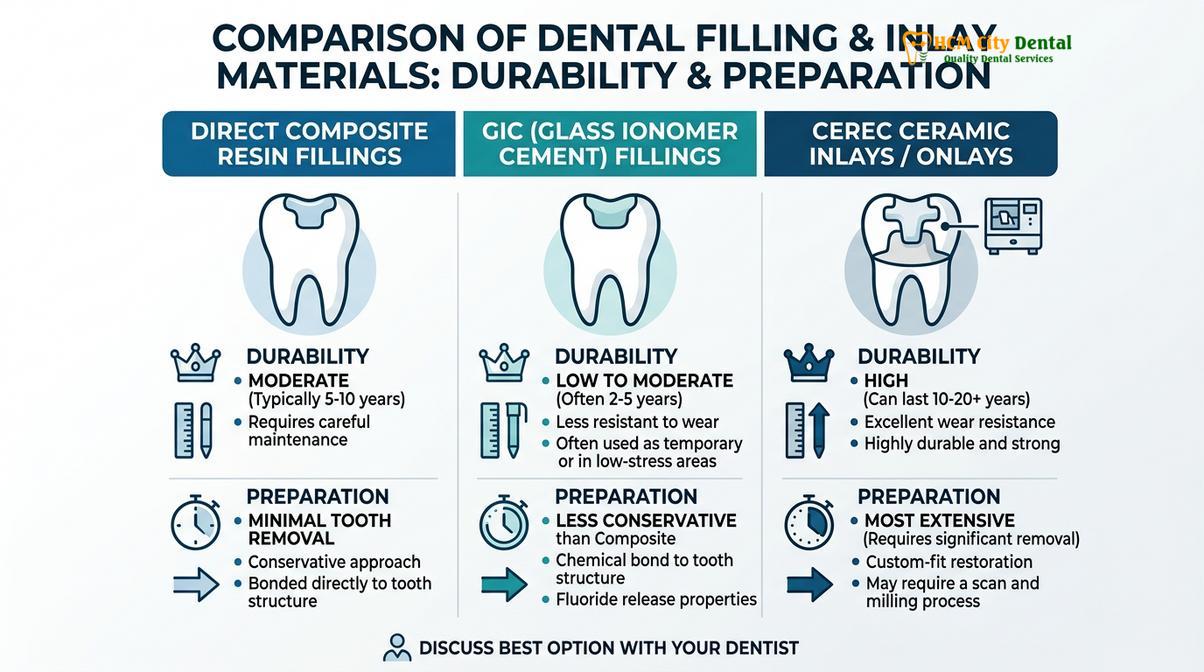
The decision-making process for selecting the appropriate material is highly individualized. A skilled clinician must evaluate the size of the lesion, the location of the tooth, the patient’s ability to maintain isolation during the procedure, and the overall occlusal scheme. For instance, a patient with heavy bruxism (teeth grinding) may require the superior strength of a ceramic onlay rather than a large direct composite, which could fracture under excessive stress.[5]
When to See a Doctor (Clinical Considerations)
Timely professional evaluation is crucial if you experience sensitivity, pain, or notice visible defects in existing restorations to prevent further structural damage.
While modern tooth-colored fillings are highly durable, they are not immune to wear, degradation, or secondary decay. It is essential to monitor your restorations and seek prompt clinical evaluation if you experience any of the following symptoms:
- Sharp Pain When Biting: This often indicates a fracture within the filling or the underlying tooth structure, or a failure of the adhesive bond.
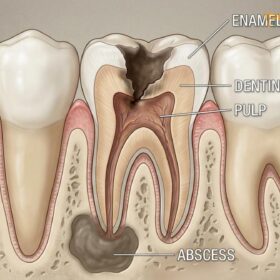
- Prolonged Thermal Sensitivity: Sensitivity to hot or cold that lingers for more than a few seconds may suggest that decay has reached the inner dentin or pulp, or that a filling is leaking.
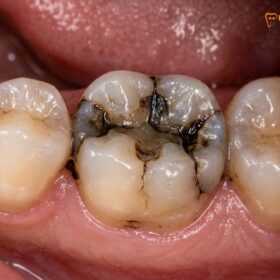
- Visible Cracks or Discoloration: Dark margins around a composite filling often indicate microleakage, where bacteria have penetrated the seal between the restoration and the tooth.
- Rough Edges or Flossing Snags: If dental floss catches or shreds around a filling, it indicates an overhang or a marginal breakdown that can trap plaque and lead to localized gum disease.
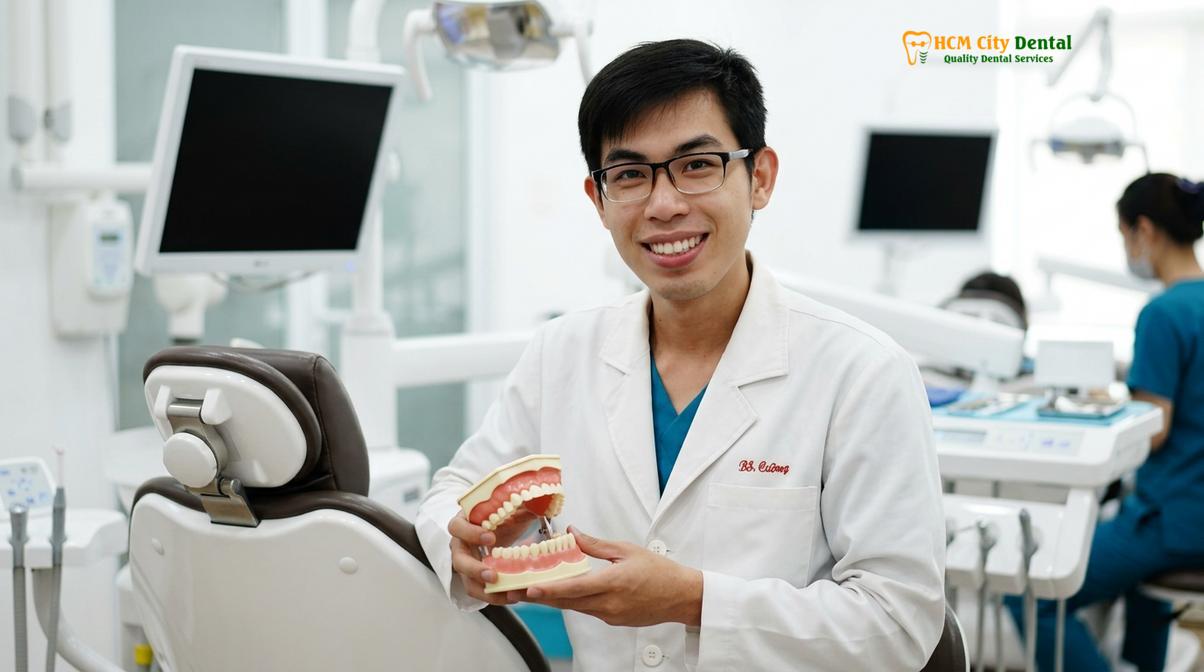
Regular comprehensive examinations are vital for the early detection of failing restorations. At HCMC Dental Clinic in Ho Chi Minh City, our clinicians utilize advanced diagnostic tools, including digital radiography and transillumination, to assess the integrity of existing fillings. If you suspect a problem with a restoration, or if you are interested in replacing old metallic amalgams with modern aesthetic materials, we recommend scheduling a consultation to discuss a personalized treatment plan based on thorough clinical diagnostics.
Frequently Asked Questions
Is GIC better than composite for adults?
GIC is not universally better than composite for adults, but it is highly effective for specific indications like root surface cavities. While composite offers superior strength and aesthetics for chewing surfaces, GIC provides fluoride release and moisture tolerance, making it ideal for high-caries-risk patients or non-load-bearing areas.
What is the healthiest material for teeth fillings?
The healthiest material depends on the patient’s specific clinical needs, but biocompatible ceramics and glass ionomer cements are highly regarded. Ceramics offer inert, plaque-resistant surfaces, while GIC actively protects against decay through fluoride release, both avoiding the metallic components found in traditional amalgams.
Do tooth-colored fillings contain BPA?
Most modern tooth-colored fillings do not contain pure BPA, though some composite resins may contain trace amounts of BPA derivatives like Bis-GMA. Clinical studies confirm that any potential release is well below safety thresholds, and many dental clinics now offer entirely BPA-free composite and ceramic options.
How long do tooth-colored fillings last?
Tooth-colored fillings generally last between 5 to 15 years, depending heavily on the material used and patient oral hygiene. Composite resins typically endure 5 to 10 years, while milled ceramic inlays can last 15 years or more due to their superior structural integrity and wear resistance.
Can I replace my old silver fillings with tooth-colored materials?
Yes, old silver amalgam fillings can be safely replaced with tooth-colored materials like composite resin or ceramic inlays. A clinical evaluation is required to determine the structural integrity of the remaining tooth and select the appropriate aesthetic material to restore both function and natural appearance.
References
- Journal of Dentistry. Clinical evaluation of posterior composite restorations: A systematic review. (2021).
- Dental Materials. Biomechanical properties and fluoride release of glass ionomer cements. (2020).
- International Journal of Prosthodontics. Longevity and clinical performance of CAD/CAM ceramic inlays and onlays. (2019).
- Journal of the American Dental Association. Adhesive dentistry and the hybrid layer: Current concepts. (2022).
- Clinical Oral Investigations. Wear resistance and marginal adaptation of modern restorative materials. (2018).
For pricing, booking, and a free clinical assessment, visit our Dental Fillings & Bonding service page at HCMC Dental Clinic in Ho Chi Minh City.