An Annual Dental Maintenance Plan Expat Saigon ensures international residents maintain optimal oral health through scheduled bi-annual scaling, comprehensive clinical examinations, and early decay detection. Establishing a localized preventive routine prevents costly emergencies while maximizing international health insurance benefits during your stay in Vietnam.
Clinical Summary:
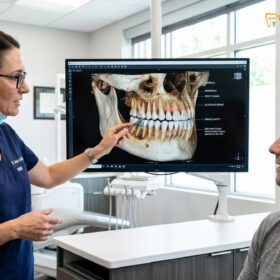
For expatriates residing in Vietnam, maintaining a structured annual dental maintenance plan is critical for long-term oral health and preventing complex restorative emergencies. A comprehensive 12-month protocol typically includes bi-annual professional prophylaxis (scaling and polishing), annual digital radiography (bitewings or panoramic X-rays), and routine periodontal probing. Adapting to a new environment often introduces dietary shifts and varying water fluoridation levels, making consistent clinical monitoring essential. By partnering with a reputable provider like HCMC Dental Clinic, expats can seamlessly integrate international-standard preventive care, optimize their global insurance coverage, and address silent pathologies such as early-stage caries or stress-induced bruxism before they escalate into severe clinical complications.
Key Takeaways:
- Bi-annual professional scaling and examinations form the foundation of effective preventive care.
- Annual digital X-rays are crucial for detecting interproximal decay and silent alveolar bone loss.
- Expatriates must account for local dietary changes and varying municipal water fluoridation levels.
- Routine maintenance significantly reduces the long-term out-of-pocket costs of complex restorative work.
- Most international health insurance policies fully cover routine preventive diagnostics and prophylaxis.
The Importance of Consistent Preventive Care for Saigon Expats
Consistent preventive care safeguards expatriates against localized environmental shifts, such as changes in diet and water fluoridation, ensuring that minor oral health issues are intercepted before requiring invasive treatments.
Relocating to a new country involves numerous logistical and lifestyle adjustments, and unfortunately, maintaining a strict oral healthcare regimen is often relegated to the bottom of the priority list. However, establishing a robust expat dental preventive plan immediately upon arrival is a critical component of overall systemic health. The transition to life in Southeast Asia introduces several environmental and dietary variables that can rapidly alter the oral microbiome and accelerate the pathogenesis of dental caries and periodontal disease.
One of the most significant, yet frequently overlooked, factors is the variation in municipal water fluoridation. Many expatriates come from regions where tap water is optimally fluoridated, providing a constant, low-dose topical application of fluoride that continuously remineralizes enamel. In Vietnam, the reliance on bottled or heavily filtered reverse-osmosis water for daily consumption means that this systemic and topical fluoride exposure is drastically reduced[1]. Without this protective buffer, the enamel becomes more susceptible to acid attacks from plaque bacteria.
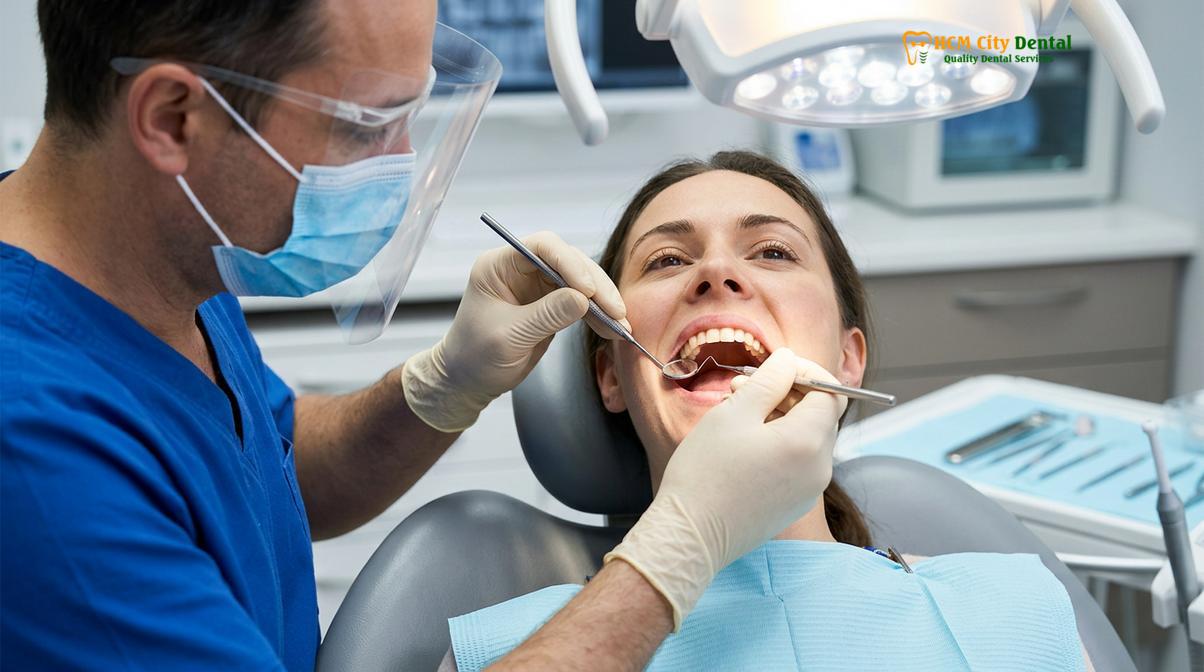
Furthermore, the local dietary landscape presents new challenges. The abundance of highly acidic tropical fruits, the cultural staple of sweetened iced coffees (cà phê sữa đá), and the frequent consumption of carbohydrate-rich street foods create an environment highly conducive to bacterial proliferation. Streptococcus mutans, the primary bacterial agent responsible for tooth decay, thrives in this sugar-rich environment, rapidly metabolizing carbohydrates into lactic acid, which subsequently demineralizes the tooth structure.
Dr. Nguyen Van Cuong frequently observes the clinical consequences of these lifestyle shifts. “Many international patients arrive at our clinic after two or three years of neglecting their routine care, assuming that their previously stable oral health will simply maintain itself,” notes Dr. Cuong. “We often discover rampant interproximal decay or rapidly advancing gingivitis that could have been easily managed with a standard bi-annual maintenance protocol.”
To counteract these risks, a proactive approach to General Dentistry is paramount. This involves not only professional intervention but also tailored advice on home care modifications, such as the prescription of high-fluoride toothpaste or the implementation of remineralizing mouth rinses, specifically designed to bridge the gap left by environmental changes.
The 12-Month Expat Plan: Scaling, Exams, and Restoration Reviews
A structured 12-month protocol involves bi-annual ultrasonic scaling, comprehensive periodontal charting, and a detailed evaluation of existing restorations to maintain structural integrity.
A haphazard approach to dental visits—only seeking care when pain arises—is a fundamentally flawed strategy that inevitably leads to complex, invasive, and expensive procedures. Instead, expatriates should adopt a highly structured, calendar-based preventive cleaning timeline. This 12-month clinical workflow is designed to provide continuous monitoring, ensuring that any deviation from optimal health is immediately identified and corrected.
The foundation of this plan is the comprehensive baseline examination. During the initial visit, the clinician must map the entire oral cavity, charting existing restorations, noting areas of enamel wear, and establishing a periodontal baseline through meticulous probing. This data serves as the reference point for all future evaluations. Following the examination, a professional prophylaxis utilizing ultrasonic scaling is performed to remove supragingival and subgingival calculus—calcified plaque that cannot be removed by standard brushing and flossing[2].
“The true value of a structured maintenance plan lies in its predictability. By adhering to a strict 12-month clinical schedule, we shift the paradigm from reactive emergency treatment to proactive health preservation, ensuring that our patients retain their natural dentition for life.”
At the six-month mark, the patient returns for a recall visit. This appointment focuses on reassessing the periodontal tissues, evaluating the efficacy of the patient’s home hygiene routine, and performing a second round of professional scaling. The clinician will also conduct a visual and tactile inspection of all existing dental work. Over time, restorative materials can degrade; margins may open, leading to microleakage and secondary caries beneath the filling.
For patients with older amalgam restorations, this review is particularly crucial. Amalgam can expand and contract with thermal changes, eventually causing micro-fractures in the surrounding tooth structure. If degradation is detected, the clinician may recommend Replacing Old Silver Fillings Composite Vietnam to restore the tooth’s biomechanical integrity and improve aesthetics.
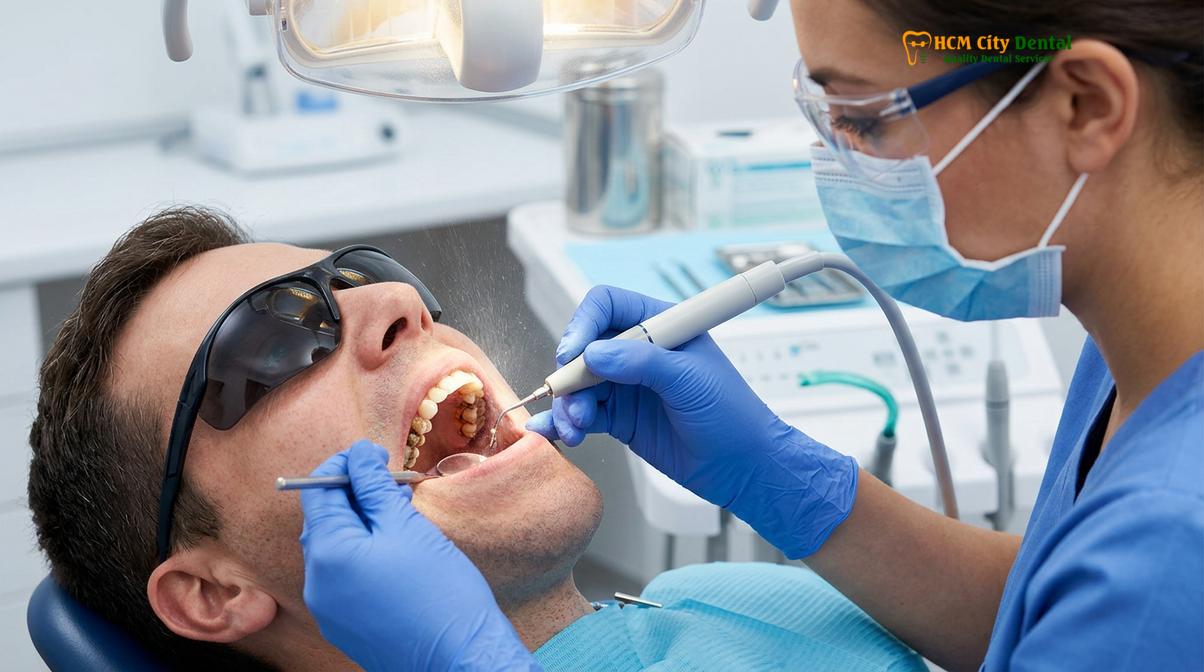
To provide a clear framework, the following table outlines the standard 12-month clinical maintenance protocol recommended for expatriates:
| Timeline | Clinical Procedure | Diagnostic Focus | Patient Action Required |
|---|---|---|---|
| Month 1 (Baseline) | Comprehensive Exam, Full-Mouth X-rays, Ultrasonic Scaling, Polishing | Establish periodontal baseline, chart existing restorations, detect hidden caries. | Provide previous dental records, discuss medical history and insurance coverage. |
| Month 6 (Recall) | Periodic Oral Exam, Ultrasonic Scaling, Oral Hygiene Instruction | Monitor gingival inflammation, assess plaque control, check restoration margins. | Report any new sensitivity, bleeding, or changes in dietary habits. |
| Month 12 (Annual) | Comprehensive Exam, Bitewing X-rays, Ultrasonic Scaling, Fluoride Varnish | Evaluate interproximal bone levels, detect new decay, assess occlusal wear. | Review annual insurance limits, schedule any necessary minor restorative work. |
By strictly adhering to this schedule, patients ensure that their oral health remains stable, predictable, and fully documented, which is especially beneficial if they eventually relocate to another country and need to transfer their medical records.
Comparing Annual Out-of-Pocket Maintenance: Saigon vs Home Countries
Routine dental maintenance in Ho Chi Minh City offers international-standard clinical care at a fraction of the cost found in Western countries, maximizing the value of out-of-pocket healthcare investments.
One of the most compelling advantages of residing in Vietnam is the highly favorable economics of healthcare. When evaluating the annual dental cost Saigon, expatriates frequently discover that the out-of-pocket expenses for premium, international-standard care are substantially lower than those in North America, Europe, or Australia. This cost differential is not a reflection of compromised quality, but rather the result of lower regional overhead costs, favorable exchange rates, and a highly competitive local medical sector.
In Western nations, the financial burden of routine maintenance—even with insurance co-pays—can be a deterrent, causing some individuals to delay or skip their bi-annual visits. A standard package comprising an examination, digital X-rays, and a hygienist-led cleaning can easily consume a significant portion of a patient’s disposable income. Conversely, in Ho Chi Minh City, the same comprehensive suite of diagnostic and preventive services is accessible at a highly competitive rate, allowing patients to maintain their health without financial strain[3].
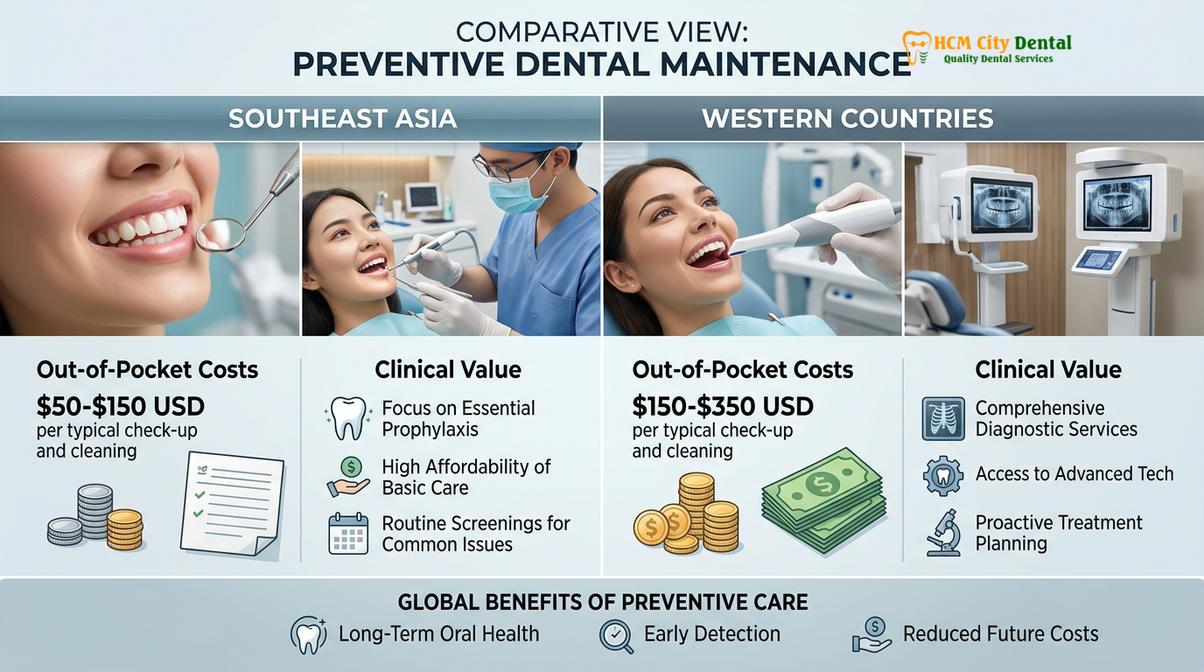
This economic advantage extends beyond simple prophylaxis. Should the routine examination reveal the need for minor restorative work, the cost savings become even more pronounced. For instance, the Dental Filling Cost Vietnam vs UK & Singapore demonstrates that patients can receive high-end, light-cured composite restorations utilizing imported European or Japanese materials for a fraction of the price they would pay in London or Singapore.
Clinical Case Study: Maximizing Preventive Value
An Australian expatriate presented to HCMC Dental Clinic for a routine annual check-up after avoiding dental visits for two years due to the high costs in Sydney. The comprehensive examination revealed early-stage gingivitis and two minor interproximal cavities. By utilizing the clinic’s standard maintenance package and addressing the cavities immediately with direct composite restorations, the patient restored their oral health completely. The total out-of-pocket cost for the exam, X-rays, scaling, and both fillings was less than the cost of a single diagnostic consultation in their home country, demonstrating the immense value of localized preventive care.
It is crucial to understand that reputable clinics in Vietnam utilize the exact same diagnostic technologies (such as Cone Beam Computed Tomography and digital intraoral scanners) and the same tier of restorative materials (such as 3M, Ivoclar Vivadent, and GC) as top-tier clinics globally. The lower cost of treatment simply allows expatriates to access this high level of care more frequently, ensuring that their preventive regimen is never compromised by financial constraints.
Tracking Silent Issues: Gum Disease, Decay, and Bruxism Protection
Regular clinical monitoring detects asymptomatic pathologies such as early-stage periodontal disease, interproximal caries, and enamel wear caused by nocturnal bruxism.
The human oral cavity is highly adept at masking early-stage pathology. Many of the most destructive dental conditions are entirely asymptomatic during their initial phases, meaning that by the time a patient experiences pain or notices a visible problem, the disease has already progressed to a severe state requiring complex intervention. A rigorous gums disease check schedule and comprehensive diagnostic imaging are the only reliable methods for tracking these silent issues.
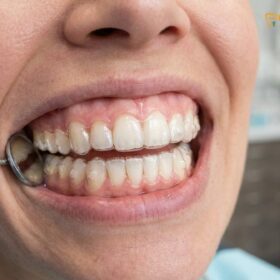
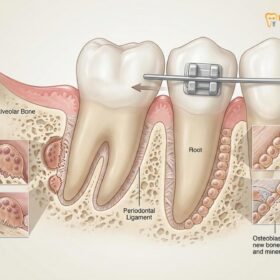
Periodontal disease is perhaps the most insidious of these silent threats. It begins as gingivitis—a mild, reversible inflammation of the gums caused by plaque accumulation. If left untreated, the bacterial biofilm migrates subgingivally, initiating an inflammatory cascade that destroys the periodontal ligament and the alveolar bone supporting the teeth. Because chronic periodontitis rarely causes pain until the teeth become mobile, routine periodontal probing during maintenance visits is essential to measure pocket depths and detect early attachment loss[4].
Clinical Warning: The Silent Progression of Periodontitis
Bleeding gums during brushing or flossing is never normal; it is a primary clinical indicator of active bacterial infection and gingival inflammation. Ignoring this symptom allows the infection to progress into irreversible periodontitis, leading to permanent bone loss and eventual tooth mobility. Immediate professional evaluation and deep scaling are required to halt the disease progression.
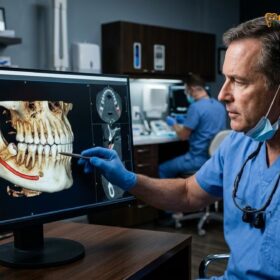
Similarly, dental caries often develop silently, particularly when they originate in the interproximal spaces (between the teeth) where visual inspection is impossible. Annual digital bitewing radiographs are indispensable for visualizing these hidden areas. By detecting a carious lesion while it is still confined to the enamel or outer dentin, the clinician can perform a minimally invasive restoration. This proactive approach aligns with the principles of Painless Cavity Treatment Vietnam Dental Tourist, ensuring that the structural integrity of the tooth is preserved with minimal discomfort.
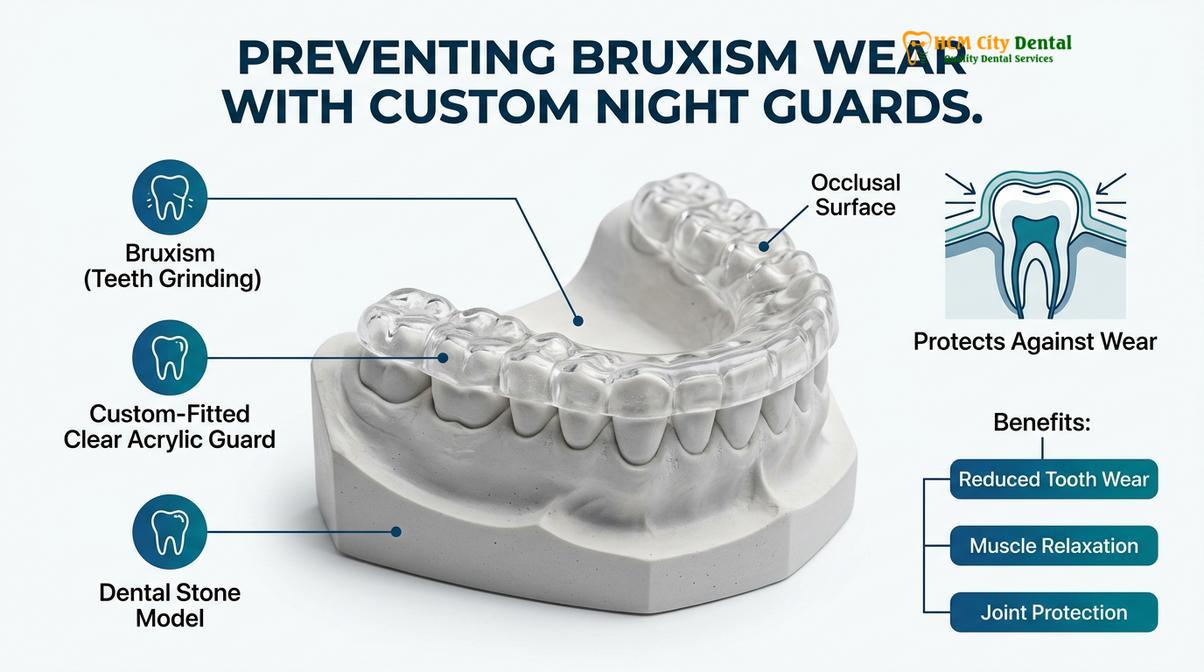
Another frequently overlooked silent issue among expatriates is bruxism—the involuntary clenching and grinding of teeth, typically occurring during sleep. The stress of adapting to a new culture, demanding international jobs, and frequent travel can exacerbate this condition. Over time, bruxism causes severe occlusal wear, flattening the natural anatomy of the teeth, causing micro-cracks in the enamel, and leading to temporomandibular joint (TMJ) dysfunction. During the annual maintenance exam, the dentist will look for clinical signs of wear facets and abfraction lesions. If bruxism is diagnosed, the fabrication of a custom acrylic occlusal splint (night guard) is highly recommended to protect the dentition from further mechanical damage.
Expat Insurance Plans: Optimizing Your Annual Dental Coverage Limits
Understanding the specific diagnostic and preventive limits of your international health insurance ensures that routine maintenance is fully utilized without unexpected out-of-pocket expenses.
Navigating healthcare financing in a foreign country can be complex, but optimizing your international insurance policy is a vital aspect of the dentist maintenance expat experience. Most comprehensive global health insurance plans provided to expatriates include a dedicated dental rider. These policies are specifically designed to encourage preventive care, as insurance providers understand that funding bi-annual cleanings is vastly more economical than paying for endodontic therapy or dental implants later on.
To maximize these benefits, expatriates must thoroughly review their policy documents to understand their annual limits, co-payment structures, and waiting periods. Typically, insurance plans cover 100% of the costs associated with routine diagnostic and preventive services, including examinations, standard intraoral radiographs, and bi-annual prophylaxis. However, it is essential to verify whether the policy operates on a direct billing network or a pay-and-claim reimbursement model[5].
“Patients often leave valuable insurance benefits unused simply because they are unfamiliar with the claims process. We strongly advise expatriates to utilize their full preventive allowance annually, as these benefits do not roll over. A proactive approach to insurance utilization is a proactive approach to health.”
When selecting a clinic, partnering with a facility experienced in international insurance protocols is highly advantageous. A clinic that functions as a comprehensive Vietnam health guide can assist patients in navigating the necessary paperwork, providing itemized invoices with internationally recognized CDT or ICD-10 diagnostic codes, and supplying the required clinical narratives and pre-treatment radiographs for claim approval.
Furthermore, if the routine examination reveals the need for multiple minor restorations, efficient clinical planning can maximize the patient’s time and insurance benefits. Techniques such as Multiple Fillings One Visit: Safety & Efficiency allow the dentist to address several issues in a single appointment, minimizing the disruption to the patient’s schedule while efficiently utilizing the annual restorative coverage limit before the policy year expires.
When to See a Doctor
Immediate clinical evaluation is required if you experience acute symptoms such as spontaneous pain, localized swelling, or trauma between your scheduled maintenance visits.
While a strict annual maintenance plan is designed to prevent dental emergencies, unpredictable issues can still arise. Expatriates must be vigilant and recognize the clinical red flags that necessitate an immediate visit to the dentist, rather than waiting for their next scheduled bi-annual appointment.
You should seek prompt professional evaluation if you experience any of the following symptoms:
- Spontaneous or Lingering Pain: A toothache that occurs without provocation or pain that lingers long after exposure to hot or cold stimuli indicates irreversible pulpitis, requiring immediate endodontic assessment.
- Localized Swelling or Abscess: Swelling in the gums, face, or lymph nodes, often accompanied by a foul taste or fever, signifies an acute bacterial infection that requires urgent drainage and antibiotic therapy.
- Trauma or Chipped Restorations: If a tooth is fractured or an existing filling becomes dislodged, the exposed dentin is highly vulnerable to rapid decay. Dr. Nguyen Van Cuong advises that evaluating the Filling vs Crown Threshold When Filling Fails is critical to determining the appropriate structural repair.
- Persistent Bleeding: Gums that bleed profusely during routine brushing, or bleed spontaneously, indicate severe periodontal inflammation that requires immediate intervention.
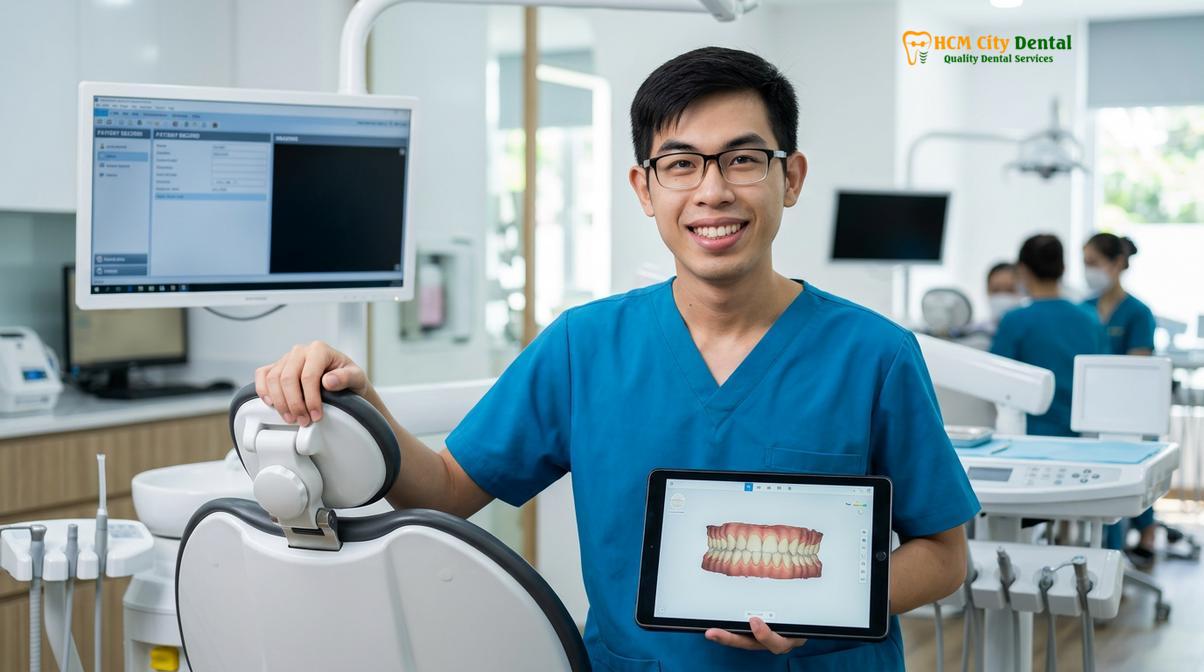
By remaining attuned to these symptoms and maintaining a strong relationship with a trusted local provider like HCMC Dental Clinic, expatriates can ensure that any acute issues are managed swiftly, safely, and effectively, preserving their oral health throughout their time in Ho Chi Minh City.
Frequently Asked Questions
How often should an expat visit the dentist in Saigon?
An expat should visit the dentist in Saigon every six months for a routine clinical examination and professional prophylaxis. This bi-annual schedule ensures early detection of interproximal decay, monitors periodontal health, and allows for the timely removal of calculus buildup that cannot be managed by home care alone. Consistent visits also help mitigate the effects of local dietary changes and varying water fluoridation levels.
What does a typical annual dental maintenance budget look like?
A typical annual dental maintenance budget includes the cost of two professional scaling sessions, one comprehensive clinical examination, and a set of digital bitewing radiographs. Because clinical fees in Vietnam are highly competitive, this preventive package is significantly more affordable than equivalent care in Western nations, often falling well within standard insurance limits. Patients can expect to receive premium care without a heavy financial burden.
Do expat insurances cover teeth scaling every 6 months?
Yes, the majority of comprehensive international health and dental insurance policies cover teeth scaling and polishing every six months. These preventive procedures are universally recognized as essential for maintaining periodontal health, though patients should always verify their specific policy’s annual limits and direct billing network prior to treatment. Utilizing these benefits fully is a key strategy for long-term oral health.
How does the local diet in Vietnam affect my oral health?
The local diet in Vietnam, which often includes high-sugar tropical fruits, sweetened iced coffees, and acidic street foods, can accelerate enamel demineralization and plaque accumulation. Adapting to this diet requires a more rigorous home hygiene routine and strict adherence to a professional preventive cleaning timeline to mitigate the increased risk of caries. Increased water consumption and fluoride supplementation are also highly recommended.
Can I transfer my dental records from my home country to a clinic in Ho Chi Minh City?
Yes, you can easily transfer your dental records, including historical radiographs and periodontal charting, to your new clinic in Ho Chi Minh City. Providing these records allows your local dentist to establish a clinical baseline, monitor the stability of existing restorations, and tailor your ongoing maintenance plan accurately. Digital files can typically be emailed directly to the clinic’s administration team prior to your first visit.
References
- Journal of the American Dental Association. The impact of routine preventive dental care on long-term oral health outcomes. (2021).
- International Dental Journal. Global variations in municipal water fluoridation and its effect on expatriate caries risk. (2020).
- Journal of Clinical Periodontology. Efficacy of bi-annual ultrasonic scaling in the prevention of chronic periodontitis. (2019).
- British Dental Journal. Health economics of preventive dentistry: Cost-benefit analysis of routine maintenance. (2022).
- Journal of Prosthetic Dentistry. Monitoring and maintenance protocols for direct and indirect dental restorations. (2018).