You can fix your teeth without braces using clear aligners, porcelain veneers, dental bonding, or specialized removable retainers. The optimal method depends on the severity of your malocclusion, aesthetic goals, and clinical bite alignment, allowing for discreet, effective straightening without traditional metal brackets.
Clinical Summary:
Modern dentistry offers multiple evidence-based pathways for patients seeking to correct dental misalignments without the use of traditional fixed metal brackets. The primary and most biologically sound alternative is clear aligner therapy, which utilizes sequential thermoplastic trays to apply controlled orthodontic forces, achieving complex tooth movements with high predictability. For patients with mild aesthetic irregularities who do not wish to undergo active tooth movement, cosmetic restorative procedures such as porcelain veneers and composite bonding—often termed “instant orthodontics”—can visually correct the appearance of crowding or spacing by altering the external contours of the teeth. Additionally, minor orthodontic relapse can frequently be managed using active removable appliances like spring retainers. The selection of the appropriate modality requires a comprehensive clinical evaluation of the patient’s skeletal relationship, periodontal health, and functional occlusion to ensure long-term stability and prevent iatrogenic damage.
Key Takeaways:
- Clear aligners provide precise, biomechanical tooth movement without the aesthetic drawbacks of metal brackets.
- Porcelain veneers can instantly mask mild crowding or gaps but require irreversible alteration of natural tooth enamel.
- Active removable retainers are effective for correcting minor orthodontic relapse in the anterior teeth.
- Strict patient compliance is mandatory for the success of any removable orthodontic appliance.
- A thorough clinical diagnosis, including 3D imaging and bite analysis, is essential before choosing an alternative to braces.
Understanding Malocclusion and the Biology of Tooth Movement
Malocclusion occurs when teeth are improperly aligned, requiring sustained biomechanical forces to stimulate cellular bone remodeling and safely shift teeth into their correct functional positions.
To understand how to effectively alter the position of your teeth, it is essential to first comprehend the biological mechanisms that govern tooth movement. Teeth are not rigidly fused to the jawbone; rather, they are suspended within the alveolar bone socket by a complex network of fibers known as the periodontal ligament (PDL). When a sustained, controlled force is applied to a tooth—whether by traditional brackets, clear aligners, or active retainers—it compresses the PDL on one side of the root and stretches it on the opposite side.[1]
This mechanical stress triggers a highly coordinated cellular response. On the compression side, specialized cells called osteoclasts break down (resorb) the adjacent bone, creating space for the tooth to move. Simultaneously, on the tension side, cells known as osteoblasts deposit new bone tissue to fill the void and stabilize the tooth in its new position. This biological process, known as bone remodeling, is the fundamental principle behind all Orthodontics, regardless of the appliance used.
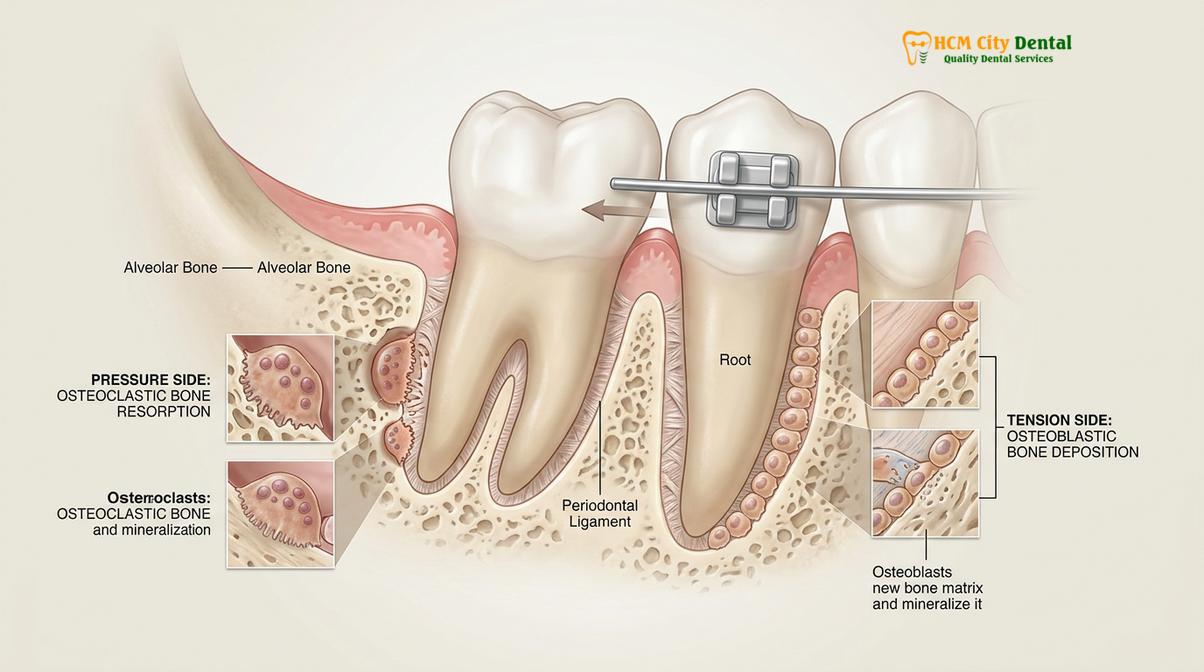
When patients inquire about how to fix teeth without braces, they are essentially asking how to apply these necessary biomechanical forces using alternative delivery systems. Traditional braces utilize metal or ceramic brackets bonded to the teeth, connected by an archwire that exerts continuous pressure. While highly effective, especially for severe skeletal discrepancies or complex root movements, many adult patients seek more discreet options. The challenge in modern orthodontics has been to develop appliances that can deliver the precise, continuous forces required for osteoclastic and osteoblastic activity without the visual and physical intrusion of fixed wires.
Malocclusions are generally categorized into three classes based on the relationship between the upper and lower first molars. Class I malocclusions involve a normal bite relationship but present with localized crowding, spacing, or rotations. Class II malocclusions (overbites) occur when the upper jaw protrudes significantly over the lower jaw. Class III malocclusions (underbites) involve the lower jaw protruding past the upper jaw. While alternative methods excel at treating Class I and mild Class II cases, severe skeletal discrepancies often still necessitate traditional fixed appliances or orthognathic surgery.
Clear Aligners: The Gold Standard to Fix My Teeth Without Braces
Clear aligners utilize a series of custom-fabricated, transparent thermoplastic trays to apply sequential, computer-planned forces, making them the premier choice for discreet orthodontic correction.
For the vast majority of patients researching how to fix your teeth without braces, clear aligner therapy represents the most clinically sound and predictable solution. Systems like Invisalign have revolutionized the field by replacing wires and brackets with a series of removable, virtually invisible polyurethane trays. Each tray is engineered to move specific teeth by a fraction of a millimeter (typically 0.25mm to 0.33mm per stage). As the patient progresses through the series, changing trays every one to two weeks, the teeth gradually shift into their prescribed positions.[2]
The clinical workflow for clear aligners begins with a highly detailed digital acquisition of the patient’s oral anatomy. Instead of traditional, uncomfortable putty impressions, modern clinics utilize intraoral 3D scanners (such as the iTero scanner) to capture a highly accurate topographical map of the dentition and gingival tissues. This digital model is then imported into specialized orthodontic software, where the clinician meticulously plans the exact trajectory of every tooth from its initial state to the final desired occlusion.
“The efficacy of clear aligner therapy relies heavily on the strategic placement of composite attachments and the precise execution of interproximal reduction to facilitate complex root movements.”
A critical component of clear aligner biomechanics is the use of “attachments” or “engagers.” Because the smooth surface of a tooth does not always provide sufficient grip for the plastic tray to exert complex forces (such as extrusion or severe rotation), the dentist will bond small, tooth-colored composite resin bumps to specific teeth. These attachments act as microscopic handles, allowing the aligner to snap into place and direct targeted pressure exactly where it is needed. While the aligners themselves are removable, these attachments remain fixed to the teeth for the duration of the active treatment phase.

Furthermore, in cases of moderate crowding where traditional braces might require the extraction of premolars, clear aligner therapy often utilizes a technique called Interproximal Reduction (IPR). IPR involves the careful, microscopic polishing of the enamel between adjacent teeth—usually removing between 0.2mm and 0.5mm of enamel per contact point. This conservative procedure creates the necessary space to unravel crowded teeth without compromising the structural integrity or vitality of the dentition. The combination of 3D digital planning, composite attachments, and strategic IPR allows clear aligners to achieve results that were once thought possible only with fixed metal brackets.
Cosmetic Dentistry: Veneers and Bonding as Instant Alternatives
For mild aesthetic imperfections, porcelain veneers and composite bonding can visually correct the appearance of misaligned teeth by reshaping their exterior contours without actual orthodontic movement.
When the primary concern is purely aesthetic and the underlying bite relationship is functional, cosmetic dentistry offers an alternative pathway. Often referred to colloquially as “instant orthodontics,” procedures like porcelain veneers and dental bonding do not actually move the roots of the teeth through the bone. Instead, they camouflage the misalignment by altering the visible shape, size, and color of the clinical crowns.[3]
Porcelain veneers are ultra-thin shells of high-strength ceramic (such as lithium disilicate) that are custom-crafted in a dental laboratory and permanently bonded to the front surfaces of the teeth. To accommodate the thickness of the veneer and ensure a natural emergence profile from the gumline, the dentist must typically remove a small amount of healthy enamel (usually 0.3mm to 0.5mm). Once bonded, veneers can instantly close diastemas (gaps), lengthen worn teeth, and create the illusion of a perfectly straight arch. Many patients inquire about teeth whitening before braces, but with veneers, the final shade is permanently selected and baked into the porcelain, offering simultaneous alignment and whitening.
Dental bonding is a more conservative, albeit less durable, alternative to veneers. In this procedure, the dentist applies a tooth-colored composite resin directly to the tooth surface, sculpting it freehand to mask minor rotations or chips. Bonding requires little to no enamel removal and can often be completed in a single visit. However, composite resin is more susceptible to staining and chipping over time compared to laboratory-fabricated porcelain.
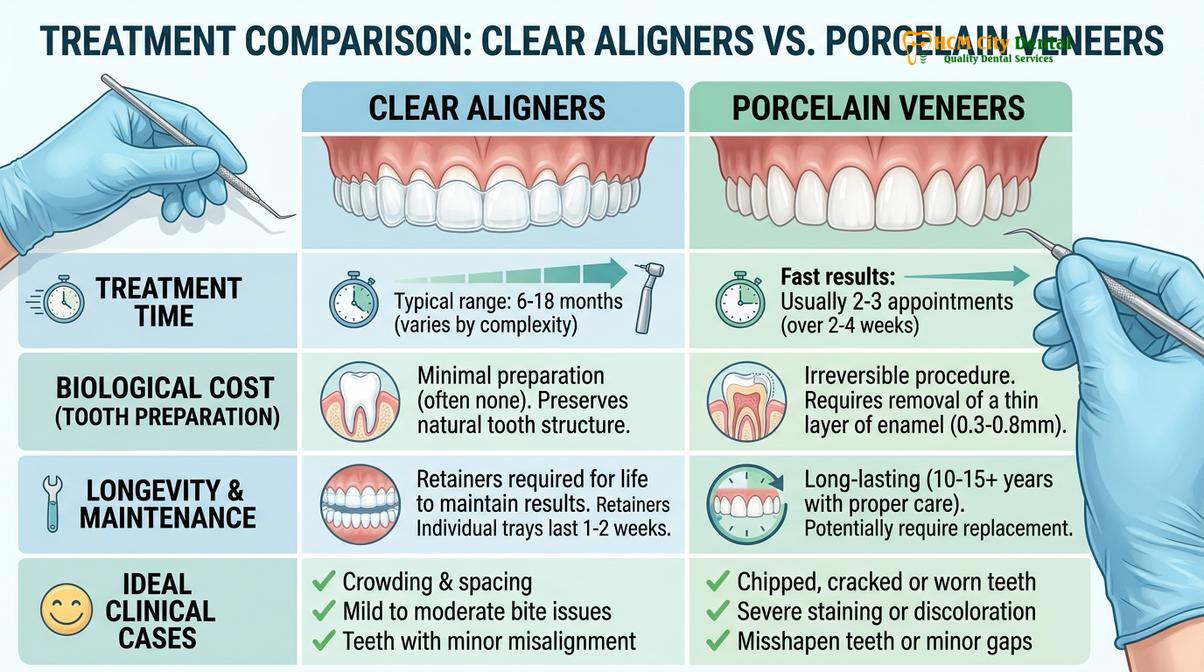
| Clinical Factor | Clear Aligner Therapy | Porcelain Veneers |
|---|---|---|
| Mechanism of Action | Biological movement of roots through alveolar bone. | Visual camouflage via external restorative material. |
| Treatment Duration | 6 to 24 months, depending on complexity. | 2 to 4 weeks (typically 2-3 clinical visits). |
| Biological Cost | Minimal (possible minor IPR); preserves natural tooth structure. | Irreversible removal of healthy enamel required. |
| Ideal Candidacy | Mild to severe crowding, spacing, and bite discrepancies. | Mild aesthetic crowding/spacing with healthy functional occlusion. |
| Long-Term Maintenance | Requires lifelong nighttime retainer wear. | Requires replacement every 10-15 years; susceptible to fracture. |
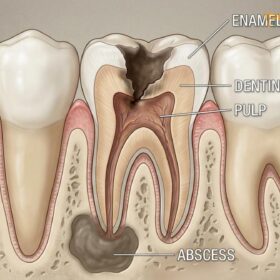
It is crucial to understand the limitations and biological costs of cosmetic camouflage. Placing veneers on severely crowded teeth is highly contraindicated. To make a severely protruding tooth appear flush with the adjacent teeth, the dentist would have to aggressively cut back the natural tooth structure, potentially exposing the sensitive dentin or even the pulp nerve, which would then necessitate root canal therapy. Therefore, a comprehensive evaluation by a qualified professional, such as those at any reputable dental clinic in Thao Dien, is mandatory to determine if you are a safe candidate for restorative alignment.
Minor Orthodontic Interventions: Active Retainers and Expanders
For isolated tooth shifting or minor orthodontic relapse, active removable appliances like spring retainers can gently guide teeth back into alignment without full-scale treatment.
Not all malocclusions require comprehensive treatment plans involving dozens of aligner trays or full-mouth restorations. In cases where a patient previously had braces but failed to wear their retainer, resulting in minor shifting of the anterior teeth (orthodontic relapse), specialized removable appliances can offer a targeted solution. These devices are designed to address highly specific, localized movements.
One common appliance is the active Hawley retainer. While traditional Hawley retainers (consisting of an acrylic palate and a passive metal wire) are designed solely to hold teeth in place, an active Hawley incorporates small, adjustable springs or loops. The clinician can activate these springs to apply gentle pressure to a single rogue incisor, slowly tipping it back into alignment over a period of several months. Similarly, spring aligners are custom-made acrylic and wire appliances specifically designed to correct minor crowding of the lower front teeth.
In cases where crowding is caused by a constricted maxillary arch, a palatal expander may be utilized. While more commonly used in growing children whose palatal sutures have not yet fused, certain types of expansion can be achieved in adults to create space and alleviate crowding. Addressing narrow arch teeth through expansion can sometimes eliminate the need for extractions or extensive IPR, providing a broader, more aesthetic smile framework. These interceptive and minor corrective techniques highlight the importance of a customized approach to dental alignment.
Oral Hygiene Protocols During Alternative Orthodontic Treatments
Meticulous oral hygiene is imperative during any alignment process to prevent plaque accumulation around attachments or restorations, safeguarding against enamel decalcification and periodontal disease.
Regardless of the method chosen to straighten your teeth, maintaining pristine oral hygiene is non-negotiable. The introduction of any foreign material into the oral cavity—whether it is a removable polyurethane tray, composite attachments, or porcelain margins—creates new retentive areas where bacterial plaque can accumulate. If left undisturbed, the bacteria in plaque metabolize dietary sugars and produce lactic acid. When the pH of the oral environment drops below 5.5, enamel demineralization begins, leading to white spot lesions (early cavities) and gingival inflammation.[4]
For patients utilizing clear aligners, the hygiene protocol is stringent. Because the trays fit snugly over the teeth, they restrict the natural cleansing action of saliva. If a patient consumes sugary or acidic beverages and then inserts their aligners without brushing, the teeth are essentially bathed in an acidic environment for hours. Patients often ask, does cola stain your teeth? The answer is unequivocally yes, and consuming dark or acidic liquids while wearing aligners will not only stain the plastic but severely damage the underlying enamel. Aligners must be removed for all consumption except plain water.
Even if you avoid traditional brackets, understanding the best brush for braces is helpful, as soft-bristled orthodontic brushes excel at cleaning around the composite attachments used in aligner therapy. Patients transitioning from fixed appliances often wonder how to brush with braces effectively; similarly, aligner patients must master interdental cleaning. Knowing how to brush teeth with braces on involves a 45-degree angulation technique (the modified Bass technique), which is equally applicable when cleaning around composite engagers or the margins of porcelain veneers.
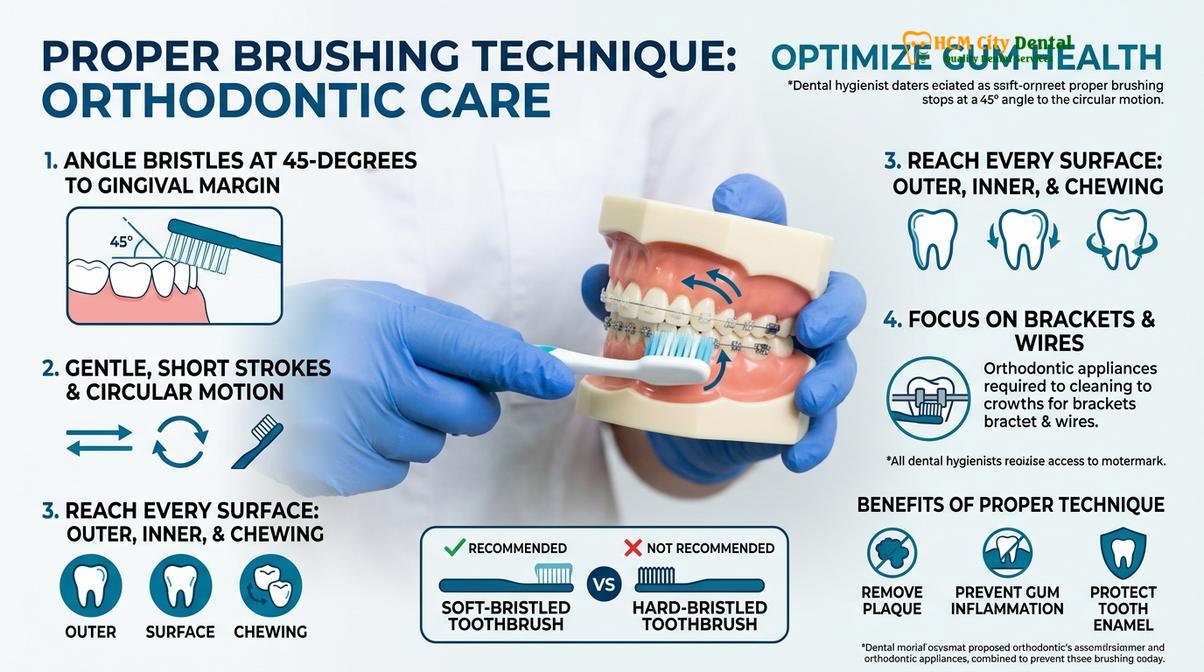
Dental hygienists routinely instruct patients on how to properly brush your teeth with braces or aligner attachments to prevent plaque accumulation. Flossing remains critical; while aligner patients do not have to thread floss under an archwire, they must be diligent about cleaning the interproximal spaces, especially if IPR was performed. Sometimes patients only require upper teeth braces or isolated upper aligners, but full-mouth hygiene remains mandatory to maintain overall periodontal health.
Long-Term Retention: Protecting Your Investment
Lifelong retention using custom-fitted appliances is clinically required to prevent teeth from shifting back to their original misaligned positions after active treatment concludes.
A common misconception among patients seeking alternatives to braces is that once the teeth are straight, the treatment is permanently finished. In reality, the biological forces that govern tooth position never truly cease. The periodontal ligament contains elastic fibers that have a “memory” of the tooth’s original position. Furthermore, as humans age, there is a natural physiological tendency for teeth to drift forward and crowd, particularly in the lower anterior region.[5]
Therefore, whether your teeth were aligned using clear aligners, active retainers, or even if you received cosmetic restorations, a long-term retention strategy is mandatory. The most common retention method following clear aligner therapy is the use of clear thermoplastic retainers (such as Essix or Vivera retainers). These look identical to the active aligner trays but are fabricated from a thicker, more rigid material designed to hold the teeth passively in their final positions. Patients are typically instructed to wear these retainers full-time for the first few months post-treatment, eventually tapering down to nightly wear for life.
“Orthodontic relapse is not a failure of the initial treatment, but rather a failure of long-term retention compliance. The biological memory of the periodontal ligament necessitates lifelong stabilization.”
In some cases, a clinician may recommend a fixed lingual retainer. This consists of a thin, braided metal wire permanently bonded to the tongue-side (lingual) surfaces of the front teeth. Fixed retainers provide excellent compliance-free stabilization but require meticulous oral hygiene, as they can easily accumulate calculus (tartar) if not flossed properly using specialized threaders. The choice of retention protocol should be discussed thoroughly during your general dentistry guide consultation.
Clinical Case Study: Aesthetic Correction Without Traditional Brackets
A multidisciplinary approach combining clear aligner therapy and conservative composite bonding can successfully resolve complex aesthetic concerns while preserving natural tooth structure.
Clinical Case Review: Multidisciplinary Aesthetic Alignment
Patient Profile: A 28-year-old female presented to HCMC Dental Clinic in Ho Chi Minh City with a chief complaint of moderate anterior crowding and disproportionately small lateral incisors (peg laterals). She explicitly requested to fix her teeth without braces due to her professional speaking engagements.
Clinical Assessment: Dr. Nguyen Van Cuong conducted a comprehensive evaluation, including a 3D iTero scan, panoramic radiographs, and cephalometric analysis. The diagnosis confirmed a Class I skeletal relationship with 4mm of crowding in the maxillary arch and 3mm in the mandibular arch. The periodontal tissues were healthy.
Treatment Protocol: 1. Active Alignment: A clear aligner treatment plan (18 stages) was designed to expand the arches slightly and unravel the crowding. Strategic composite attachments were placed to facilitate root torque. 2. Space Distribution: During the digital planning phase, Dr. Cuong intentionally left small, symmetrical gaps (diastemas) adjacent to the undersized lateral incisors. 3. Restorative Phase: Upon completion of the aligner therapy (approximately 5 months), the composite attachments were safely removed. Minimally invasive composite bonding was then performed on the lateral incisors to build them out to proper anatomical proportions, closing the remaining spaces perfectly. 4. Retention: The patient was scanned for custom Vivera retainers to be worn nightly.
Outcome: The multidisciplinary approach achieved a harmonious, straight smile without the use of metal brackets, preserving the maximum amount of natural tooth structure while addressing both the alignment and anatomical discrepancies.
When to See a Doctor for Orthodontic Evaluation
A professional clinical assessment is crucial to determine if alternative alignment methods are safe and appropriate for your specific dental anatomy and skeletal structure.
While the desire for discreet orthodontic treatment is understandable, not every patient is an ideal candidate for clear aligners or cosmetic camouflage. Attempting to force a treatment modality that is not biologically suited for your specific malocclusion can lead to severe complications, including root resorption, temporomandibular joint (TMJ) dysfunction, and premature failure of restorative work. It is imperative to seek a comprehensive evaluation from a qualified dental professional, such as the specialists at a leading dental clinic in District 1, before making any decisions.
Important Clinical Considerations:
You should immediately schedule a professional orthodontic consultation if you experience any of the following:
- Severe difficulty chewing, biting, or articulating speech due to misaligned teeth.
- Chronic jaw pain, clicking, or popping in the temporomandibular joint (TMJ).
- Significant facial asymmetry or a severe overbite/underbite that affects your facial profile.
- Signs of advanced periodontal disease (loose teeth, bleeding gums), which must be stabilized before any orthodontic forces are applied.
- If you are considering replacing extracted teeth, as orthodontic alignment is often required to create adequate space for dental implants.
Never attempt DIY or direct-to-consumer aligner treatments without in-person supervision by a licensed dentist, as unmonitored tooth movement can result in irreversible damage and tooth loss.
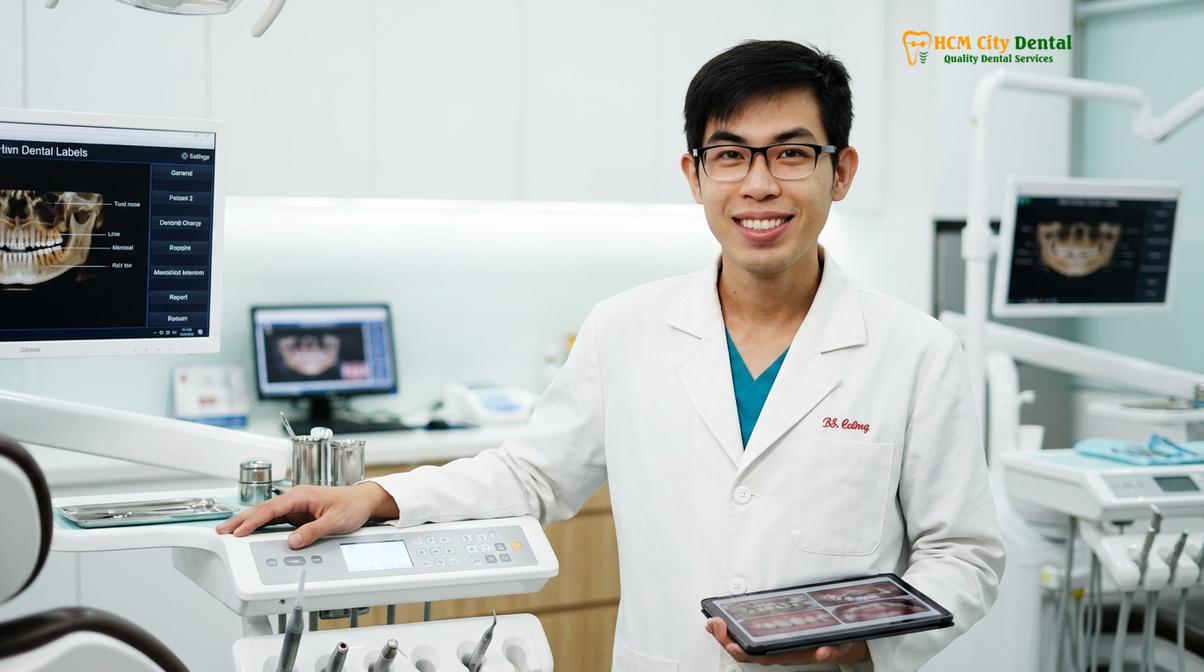
At HCMC Dental Clinic in Saigon, our clinical team, led by experts like Dr. Nguyen Van Cuong, utilizes advanced 3D diagnostics to map out the safest, most effective treatment plan tailored to your unique biology. Whether your case requires the precision of clear aligners, the artistry of porcelain veneers, or a multidisciplinary approach, a thorough clinical diagnosis is the foundation of a successful outcome.
Frequently Asked Questions
Can I straighten my teeth naturally at home without seeing a dentist?
No, attempting to straighten teeth at home using DIY methods like rubber bands or generic aligners is highly dangerous. These unmonitored forces can cause irreversible root resorption, severe periodontal damage, and even tooth loss. Always consult a licensed dental professional for safe, biomechanically sound orthodontic treatment.
Are clear aligners faster than traditional metal braces?
Clear aligners can be faster for mild to moderate crowding or spacing issues, often completing treatment in 6 to 18 months. However, for complex skeletal discrepancies or severe malocclusions, traditional braces may be more efficient. Treatment speed ultimately depends on the specific clinical diagnosis and strict patient compliance.
Can porcelain veneers fix severely crowded teeth?
Porcelain veneers are not recommended for severely crowded teeth. While they can mask mild misalignments, placing veneers on severely overlapping teeth requires aggressive, irreversible enamel reduction that compromises tooth vitality. In such cases, orthodontic alignment is clinically required before considering any cosmetic restorative work.
Do I still need to wear a retainer if I fixed my teeth without braces?
Yes, lifelong retention is mandatory regardless of the method used to move your teeth. Teeth have a natural tendency to shift back to their original positions due to periodontal ligament memory and age-related changes. Wearing a custom Essix or Vivera retainer nightly is essential to maintain your results.
Is it possible to only straighten my top teeth?
While single-arch treatment is physically possible, it is rarely recommended. Moving only the upper teeth alters how they interlock with the lower teeth, potentially creating a traumatic bite, temporomandibular joint (TMJ) dysfunction, or accelerated enamel wear. A comprehensive evaluation is necessary to ensure functional occlusion.
References
- American Journal of Orthodontics and Dentofacial Orthopedics. Biomechanics of clear aligners and thermoplastic materials. (2021).
- Journal of Clinical Orthodontics. Efficacy of interproximal reduction in non-extraction clear aligner therapy. (2020).
- Journal of Prosthetic Dentistry. Long-term survival rates of porcelain veneers in masking mild malocclusion. (2019).
- Periodontology 2000. Periodontal implications of orthodontic tooth movement and restorative margins. (2022).
- International Journal of Dentistry. Patient compliance and oral hygiene outcomes in removable vs fixed orthodontics. (2018).