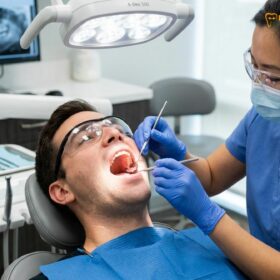
Replacing extracted teeth is a critical medical necessity to restore masticatory (chewing) function, maintain facial aesthetics, and prevent irreversible jawbone deterioration. When evaluating replacing extracted teeth implants bridges partials, patients must understand that each modality offers distinct biomechanical advantages. Dental implants provide a surgically integrated, permanent artificial root; dental bridges offer a fixed, non-surgical restoration by utilizing adjacent teeth; and partial dentures serve as a removable, cost-effective prosthesis for multiple missing teeth.
Clinical Summary:
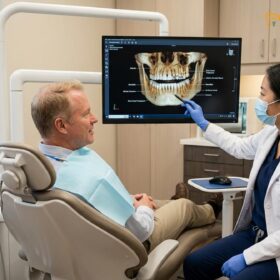
Following a tooth extraction, the alveolar bone immediately begins to resorb, and adjacent dentition may shift into the edentulous space, compromising the patient’s bite and overall oral health. To prevent structural collapse and achieve complete chewing restoration after extraction, clinical intervention is required. Dental implants represent the gold standard, offering lifetime longevity by stimulating the jawbone through osseointegration without damaging neighboring teeth. Dental bridges provide a rapid, fixed alternative but necessitate the irreversible reduction of healthy adjacent abutment teeth. Partial dentures offer a removable, budget-friendly solution, particularly when multiple teeth are missing. A comprehensive clinical evaluation, including 3D CBCT imaging, is essential to determine the most appropriate restorative pathway based on the patient’s anatomical constraints, bone density, and financial parameters.
Key Takeaways:
- Dental implants are the only tooth replacement option that actively preserves jawbone density and prevents facial collapse.
- Dental bridges offer a fixed, non-surgical solution but require the permanent alteration of healthy adjacent teeth.
- Partial dentures are removable, budget-friendly appliances capable of replacing multiple missing teeth simultaneously.
- Delaying tooth replacement accelerates alveolar bone loss, which may necessitate complex bone grafting in the future.
- A thorough clinical assessment and 3D imaging are mandatory to determine the safest and most effective restoration method.
Why You Must Replace Missing Teeth: Bone Loss and Shifting
Failing to replace an extracted tooth leads to rapid alveolar bone resorption, the shifting of adjacent teeth, and the over-eruption of opposing teeth, which severely compromises your entire bite and oral health.
The human dentition functions as a highly interdependent system. Every single tooth plays a vital role not only in chewing and speaking but also in maintaining the structural integrity of the jawbone and the alignment of the surrounding teeth. When a tooth is extracted and the space is left vacant, a cascade of negative biological and biomechanical events begins almost immediately.
The most significant consequence of tooth loss is alveolar bone resorption. The alveolar ridge—the portion of the jawbone that houses the tooth roots—requires constant mechanical stimulation from chewing forces to maintain its density and volume. This stimulation is transmitted through the periodontal ligament. Once the tooth is removed, this vital stimulation ceases. According to Wolff’s Law of bone remodeling, bone that is no longer subjected to mechanical stress will rapidly atrophy. Clinical studies indicate that up to 25% of bone volume is lost within the first year following an extraction, and this deterioration continues progressively over time [1]. This bone loss not only complicates future restorative procedures but can also lead to a sunken facial appearance, prematurely aging the patient.

Beyond bone loss, the absence of a tooth disrupts the delicate balance of the dental arch. Teeth have a natural tendency to drift toward the front of the mouth (mesial drift) and to seek contact with opposing teeth. When a gap is present, the adjacent teeth will slowly tilt or shift into the empty space. Simultaneously, the opposing tooth in the opposite jaw may begin to supra-erupt (grow downwards or upwards out of its socket) because it no longer has a chewing partner to keep it in place [2]. This shifting creates malocclusion (bite misalignment), increases the risk of temporomandibular joint (TMJ) disorders, and creates new periodontal pockets that are highly susceptible to plaque accumulation and gum disease.
“The extraction of a tooth is only the first half of the treatment. Without a definitive plan for replacement, the patient is left vulnerable to progressive bone atrophy and a collapsing bite that becomes exponentially more difficult and expensive to correct over time.”
Therefore, planning for extraction before implant denture preparation is a critical step in modern dentistry. By anticipating the need for replacement prior to the extraction, dentists can employ socket preservation techniques—such as placing a bone graft immediately into the empty socket—to minimize bone loss and create an optimal foundation for future restorations.
Option 1: Dental Implants – The Gold Standard for Tooth Replacement
Dental implants are biocompatible titanium posts surgically embedded into the jawbone to act as artificial roots, offering unmatched durability, bone preservation, and natural aesthetics without compromising adjacent teeth.
When evaluating the various options for replacing missing teeth, dental implants are universally recognized by dental professionals as the premier, gold-standard solution. Unlike bridges or dentures, which only replace the visible crown of the tooth, an implant replaces the entire tooth structure, including the root. This comprehensive approach provides profound biomechanical advantages that no other treatment can match.
The foundation of implant dentistry is a biological process known as osseointegration. When a high-grade titanium implant fixture is surgically placed into the alveolar bone, the living bone cells (osteoblasts) attach directly to the microscopic surface of the titanium. Over a healing period of three to six months, the implant becomes permanently fused with the jawbone. This integration allows the implant to withstand immense masticatory forces and, crucially, transmits these forces into the surrounding bone, thereby halting the process of bone resorption [3].
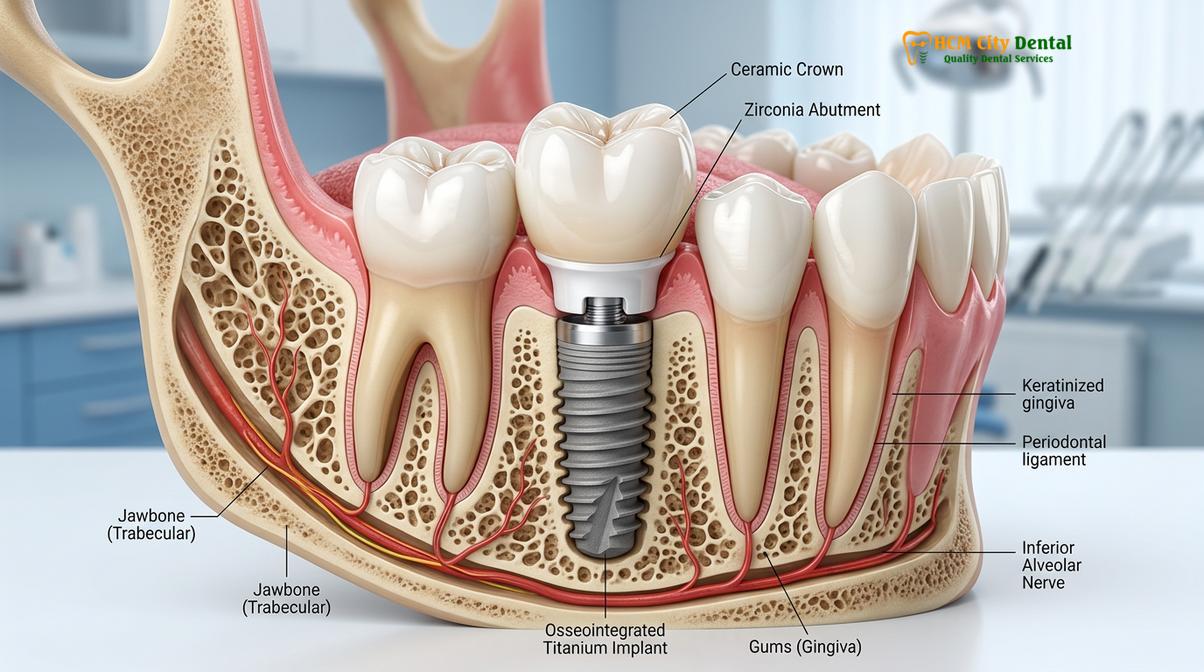
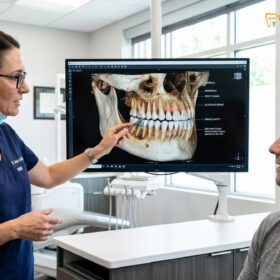
The clinical workflow for a dental implant is meticulous and typically involves several phases. First, a comprehensive evaluation utilizing 3D Cone Beam Computed Tomography (CBCT) is performed to assess bone volume, density, and the proximity of vital anatomical structures such as the inferior alveolar nerve or the maxillary sinus. If bone volume is insufficient, a preliminary bone grafting or sinus lift procedure may be required. Once the foundation is secure, the implant is surgically placed under local anesthesia or conscious sedation. For patients anxious about surgical procedures, exploring painless tooth extraction sedation options can provide a comfortable, anxiety-free experience during both the extraction and implant placement phases.
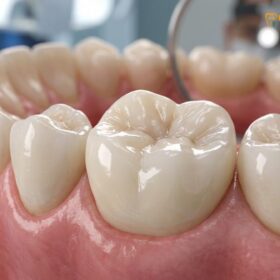
Following the osseointegration phase, an abutment (a connector piece) is attached to the implant, and a custom-fabricated ceramic or zirconia crown is secured to the abutment. The final result is a restoration that looks, feels, and functions exactly like a natural tooth. Furthermore, implants are highly versatile; they can be used to replace a single tooth, support a multi-tooth bridge, or serve as the foundation for full arch restoration options, such as implant-supported overdentures or All-on-4 fixed prostheses.
The primary advantage of dental implants over other modalities is the preservation of adjacent natural teeth. Because the implant is entirely self-supporting, there is no need to grind down healthy neighboring teeth, which is a mandatory step in the fabrication of a traditional dental bridge. This conservative approach significantly improves the long-term prognosis of the remaining natural dentition.
Option 2: Dental Bridges – Fixed Restorations for Adjacent Teeth
A dental bridge spans the edentulous gap by anchoring a false tooth (pontic) to custom-fabricated crowns that are permanently cemented onto the reshaped natural teeth on either side of the missing tooth.
For decades, before the widespread adoption of implantology, dental bridges were the primary fixed solution for tooth replacement. A traditional dental bridge consists of two main components: the abutments and the pontic. The abutments are the healthy natural teeth located on either side of the extraction site, which serve as the anchors for the prosthesis. The pontic is the artificial tooth that “bridges” the gap, restoring the chewing surface and aesthetic appearance.
The clinical procedure for a dental bridge is generally faster than that of an implant, as it does not require surgery or a lengthy osseointegration period. The process begins with the preparation of the abutment teeth. The dentist must carefully remove a significant portion of the enamel and dentin from these teeth—typically 1.5 to 2 millimeters circumferentially—to create sufficient space for the restorative material (usually porcelain fused to metal or high-strength monolithic zirconia). Once the teeth are prepared, highly accurate digital or physical impressions are taken and sent to a dental laboratory. A temporary bridge is fabricated and cemented to protect the prepared teeth while the final restoration is being crafted.
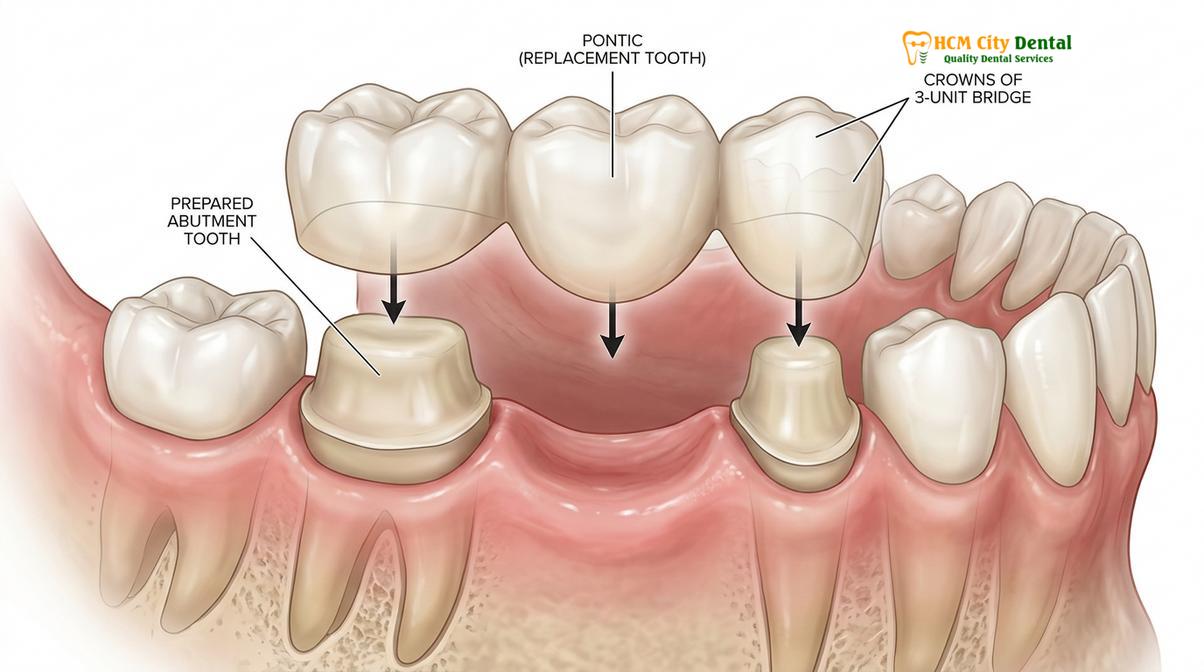
While bridges provide excellent immediate aesthetics and effectively restore masticatory function, patients must carefully weigh the biological costs. The most significant drawback of a dental bridge is the irreversible alteration of the adjacent abutment teeth. Removing healthy enamel weakens these teeth and increases their susceptibility to future decay, pulpal trauma, and the potential need for root canal therapy. If one of the abutment teeth fails in the future, the entire bridge must be removed and replaced, often leading to the loss of additional teeth.
“When discussing dental implants vs bridges vs partials, I always emphasize to my patients that while a bridge is a highly effective and beautiful restoration, sacrificing the structural integrity of healthy virgin teeth to replace a missing neighbor is a biological compromise that should be carefully considered.”
Furthermore, unlike implants, the pontic of a dental bridge rests above the gumline and does not penetrate the jawbone. Consequently, it provides no mechanical stimulation to the underlying alveolar ridge. Over time, the bone beneath the pontic will inevitably resorb, which can lead to a visible gap between the artificial tooth and the gum tissue, creating an aesthetic defect and a trap for food debris. Despite these limitations, bridges remain a viable and popular option within general dentistry treatments, particularly for patients who lack sufficient bone volume for implants, have medical contraindications to surgery, or whose adjacent teeth already require large crowns due to extensive decay or previous trauma.
Option 3: Partial Dentures – Removable and Budget-Friendly Solutions
Partial dentures are removable prosthetic appliances consisting of artificial teeth attached to a gum-colored base, secured in the mouth by metal or flexible clasps that grip the remaining natural teeth.
When a patient is missing multiple teeth across a dental arch, and fixed options like implants or bridges are not feasible due to anatomical limitations or financial constraints, removable partial dentures offer a highly effective and conservative alternative. Partials are designed to replace several missing teeth simultaneously, restoring the patient’s ability to chew and speak while preventing the remaining natural teeth from shifting out of alignment.
There are several types of partial dentures, each utilizing different materials and design philosophies. Traditional cast-metal partial dentures feature a rigid, biocompatible metal framework (often a cobalt-chromium alloy) that provides exceptional strength and stability. The artificial teeth and pink acrylic gums are attached to this framework. These partials rely on precision-cast metal clasps and rests that engage the natural teeth to distribute chewing forces evenly. While highly durable, the metal clasps can sometimes be visible when the patient smiles, which may be an aesthetic concern for some.
Alternatively, flexible partial dentures (such as Valplast) are fabricated from a thermoplastic nylon resin. These appliances contain no metal framework or rigid clasps; instead, the flexible pink material extends around the natural teeth to hold the prosthesis in place. Flexible partials are highly aesthetic, lightweight, and often more comfortable for patients during the initial adaptation period. However, they are generally considered tissue-borne rather than tooth-borne, meaning they place more pressure on the underlying gums and bone during chewing, which can accelerate ridge resorption over time [4].
The primary advantage of partial dentures is their non-invasive nature. The procedure requires minimal to no alteration of the remaining natural teeth, and no surgical intervention is necessary. They are also the most budget-friendly option for replacing multiple missing teeth. However, patients must be prepared for the inherent limitations of a removable appliance. Partials will never feel as secure as natural teeth or fixed implants. They require a period of neuromuscular adaptation, as the tongue and cheeks must learn to accommodate the bulk of the prosthesis. Additionally, partials must be removed nightly for proper cleaning and to allow the oral tissues to rest, and they require meticulous oral hygiene to prevent plaque accumulation around the clasps, which can lead to decay on the supporting teeth.
Comparing Costs, Longevity, and Comfort in Ho Chi Minh City
When evaluating tooth replacement options, patients must carefully balance the higher initial investment of implants against the long-term maintenance costs, longevity, and functional limitations of bridges and partials.
Making an informed decision requires a comprehensive understanding of the long-term implications of each treatment modality. For patients seeking care in Vietnam, understanding the tooth replacement cost Saigon offers is crucial. Ho Chi Minh City has emerged as a premier destination for high-quality, cost-effective dental care, allowing patients to access world-class implantology and prosthodontics at a fraction of the cost found in Western countries.
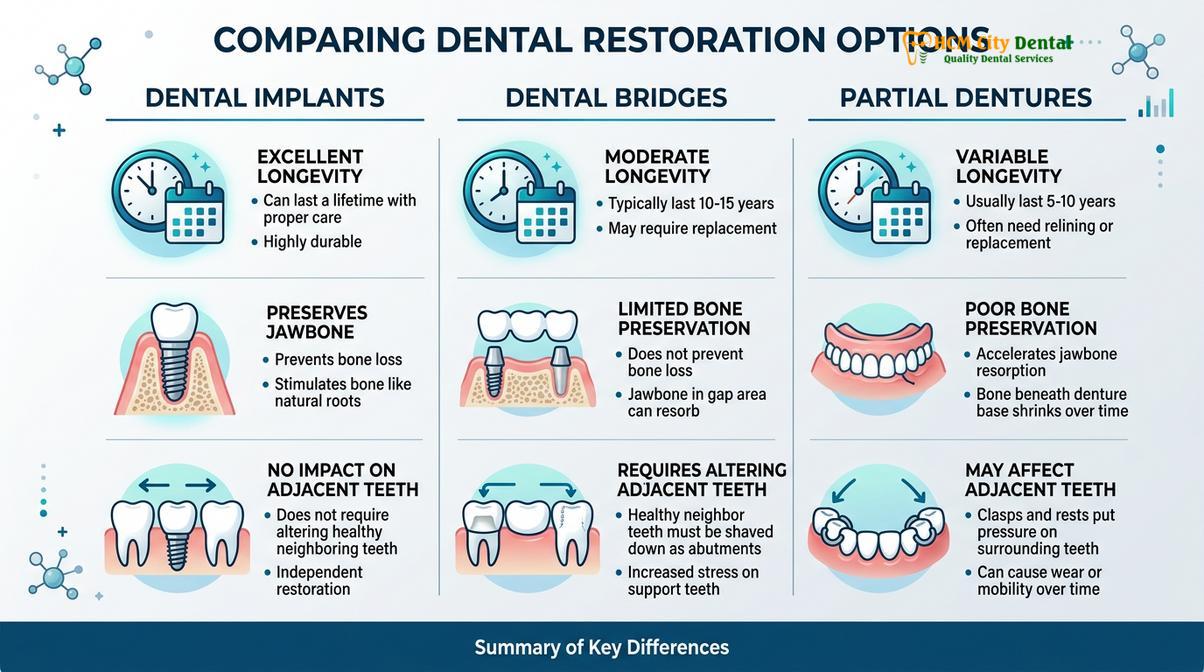
While dental implants require the highest initial financial investment, they are widely considered the most cost-effective solution over a patient’s lifetime. A successfully integrated implant can last a lifetime with proper oral hygiene and regular professional maintenance. In contrast, dental bridges have an average clinical lifespan of 10 to 15 years. Over a 30-year period, a patient may need to replace a bridge two or three times, incurring additional costs and further trauma to the abutment teeth. Partial dentures have the lowest initial cost but the shortest lifespan, typically requiring relining or complete replacement every 5 to 8 years as the underlying jawbone changes shape.
To help visualize these differences, the following table outlines the key clinical and practical distinctions between the three primary options:
| Clinical Feature | Dental Implants | Dental Bridges | Partial Dentures |
|---|---|---|---|
| Bone Preservation | Excellent (Stimulates jawbone) | Poor (Bone resorbs under pontic) | Poor (Accelerates ridge resorption) |
| Impact on Adjacent Teeth | None (Self-supporting) | High (Requires irreversible shaving) | Moderate (Clasps can cause wear/decay) |
| Average Longevity | Lifetime (with proper care) | 10 – 15 Years | 5 – 8 Years |
| Chewing Efficiency | 95% – 100% of natural bite | 80% – 90% of natural bite | 30% – 50% of natural bite |
| Treatment Timeline | 3 – 6 Months (requires healing) | 2 – 4 Weeks | 2 – 4 Weeks |
Comfort and maintenance are also critical factors. Implants and bridges are fixed in the mouth; you brush and floss them much like natural teeth. Partials, being removable, require a dedicated daily cleaning routine outside the mouth. For expatriates and international patients, establishing an annual dental maintenance plan is essential to protect whichever investment they choose, ensuring the longevity of the restoration and the health of the surrounding tissues.
How to Choose the Best Solution for Your Oral Health
Selecting the optimal tooth replacement depends on a thorough clinical evaluation of your jawbone density, the health of your adjacent teeth, your systemic health, and your long-term functional goals.
There is no single “best” option that applies universally to every patient. The decision must be highly individualized, based on rigorous diagnostic data and a candid discussion between the patient and the dental specialist. At HCMC Dental Clinic, Dr. Nguyen Van Cuong emphasizes a patient-centric approach, utilizing advanced 3D imaging to map the precise anatomical landscape before recommending a treatment plan.
If you are missing a single tooth and have healthy, untouched teeth on either side, a dental implant is almost always the preferred recommendation to preserve those virgin teeth. However, if the adjacent teeth already have large fillings or existing crowns, a dental bridge might be a highly efficient and logical choice, as those teeth already require full-coverage protection. For patients missing multiple teeth who cannot undergo surgery due to medical conditions like uncontrolled diabetes or severe osteoporosis, partial dentures provide a safe and immediate restoration of function.
Clinical Case Study: Preserving Virgin Dentition
A 34-year-old patient presented to HCMC Dental Clinic in Ho Chi Minh City with a fractured lower first molar that required extraction. The adjacent premolar and second molar were perfectly healthy with no prior restorations. To avoid irreversibly shaving down these virgin teeth for a 3-unit bridge, Dr. Cuong recommended an immediate implant placement following the extraction. After a 4-month osseointegration period, a custom zirconia crown was delivered. The patient achieved 100% chewing restoration after extraction while completely preserving the structural integrity of the neighboring teeth.

Transparency in treatment planning is vital. Patients should request a detailed breakdown of the procedures, timelines, and costs associated with each option. Reviewing a transparent general dentistry price list can help demystify the financial aspect of care, allowing patients to make decisions based on clinical merit rather than hidden costs. Furthermore, undergoing a complete dental checkup ensures that any underlying issues, such as active periodontal disease, are addressed before embarking on complex restorative work.
When to See a Doctor
Immediate clinical evaluation is necessary if you experience severe pain, signs of infection, or noticeable shifting of your remaining teeth following an extraction, or if an existing restoration becomes loose.
While the healing process following an extraction is generally straightforward, complications can arise that require prompt medical attention. You should schedule an immediate consultation if you experience persistent, throbbing pain that does not respond to prescribed analgesics, excessive bleeding, or swelling that worsens after the third day. These may be signs of a localized infection or a condition known as dry socket (alveolar osteitis), where the protective blood clot is dislodged prematurely.
Important Clinical Warning: Delaying tooth replacement for an extended period (beyond 12 months) can result in severe alveolar bone atrophy. This progressive bone loss not only alters your facial structure but may also render you ineligible for standard dental implants without first undergoing complex, invasive, and costly bone grafting procedures.
Additionally, if you currently wear a partial denture that causes persistent sore spots on your gums, or if you have a dental bridge that feels loose or emits a foul odor (indicating decay under the crown), you must seek professional care. Ignoring these signs can lead to the loss of the supporting abutment teeth. Regular monitoring by a qualified professional is the only way to ensure the long-term success of your restorative treatments [5].
Frequently Asked Questions
Is a dental implant better than a bridge?
Yes, a dental implant is generally considered clinically superior to a bridge because it preserves jawbone density and does not require the irreversible filing down of adjacent healthy teeth. While implants require a higher initial investment and surgical placement, their lifetime longevity and biological integration make them the gold standard for single or multiple tooth replacement. Bridges, while effective, place additional stress on the supporting teeth and typically need replacement every 10 to 15 years.
How long can I wait after tooth extraction before replacing it?
It is highly recommended to replace an extracted tooth within three to six months to prevent significant alveolar bone resorption and the shifting of adjacent teeth. Waiting longer than a year often results in severe bone loss, which may necessitate complex bone grafting procedures before a dental implant can be successfully placed. Early intervention preserves the natural architecture of your jaw and simplifies the restorative process.
Does expat insurance cover tooth replacement in Vietnam?
Many comprehensive expat health insurance policies provide partial or full coverage for tooth replacement, particularly for medically necessary extractions and subsequent restorations like bridges or partials. However, coverage for dental implants varies widely by provider; some consider it a cosmetic upgrade, while others cover it under major restorative care. Patients should request a detailed pre-treatment estimate from their clinic to submit to their insurance for pre-authorization.
Are partial dentures uncomfortable to wear?
Partial dentures may feel bulky or slightly uncomfortable during the initial adaptation period, which typically lasts a few weeks. Modern materials, such as flexible thermoplastic resins or precision-cast metal frameworks, have significantly improved the fit and comfort of partials, though they will never feel as natural or secure as fixed implants or bridges. Patients must practice reading aloud and eating softer foods initially to train their oral muscles to accommodate the new appliance.
Can I switch from a dental bridge to an implant later?
Yes, you can transition from a dental bridge to an implant in the future, provided you have sufficient jawbone density at the site of the missing tooth. However, the adjacent teeth that were previously shaved down to support the bridge will still require individual dental crowns to protect their exposed dentin and maintain your bite. If bone loss has occurred under the bridge pontic, a bone grafting procedure will be necessary before the implant can be placed.
References
- Journal of Oral Implantology. Osseointegration and long-term success rates of titanium dental implants. (2021).
- International Journal of Prosthodontics. Biomechanical impacts of tooth loss on alveolar ridge resorption. (2020).
- Journal of the American Dental Association. Survival rates of fixed partial dentures vs single-tooth implants. (2019).
- Clinical Oral Investigations. Patient satisfaction with removable partial dentures: a systematic review. (2022).
- Journal of Periodontology. The role of socket preservation techniques following dental extractions. (2018).