Painless tooth extraction sedation options in Vietnam combine advanced local anesthetics with nitrous oxide or intravenous (IV) sedation to help ensure complete patient comfort. At leading facilities, oral surgeons utilize these tailored pharmacological protocols to minimize pain and anxiety during complex surgical removals, providing a highly predictable and stress-free clinical experience for both local residents and international visitors.
Clinical Summary:
The landscape of oral surgery has evolved significantly, transitioning from traditional, anxiety-inducing procedures to highly controlled, atraumatic experiences. In Vietnam, international-standard dental clinics employ a multi-tiered approach to pain management during tooth extractions. This encompasses the use of high-efficacy local anesthetics (such as Articaine), mild inhalation sedation (nitrous oxide), and deep intravenous (IV) conscious sedation for complex cases like impacted wisdom teeth. By integrating advanced surgical techniques—such as ultrasonic Piezotome devices—with rigorous physiological monitoring, clinicians can optimize patient safety and comfort. Comprehensive pre-operative assessments dictate the appropriate sedation modality, allowing for personalized care that addresses both nociceptive pain and psychological distress, ultimately facilitating smoother post-operative recovery.
Key Takeaways:
- Modern extraction protocols utilize a combination of local anesthetics and systemic sedatives to block pain pathways and reduce psychological stress.
- Nitrous oxide provides rapid, reversible, mild sedation ideal for patients with moderate anxiety undergoing straightforward extractions.
- Intravenous (IV) sedation induces a profound state of relaxation and temporary amnesia, recommended for multiple extractions or deeply impacted teeth.
- Advanced local anesthetics, particularly Articaine, offer excellent bone penetration and faster onset compared to traditional Lidocaine.
- Strict adherence to international and national safety standards requires continuous monitoring of vital signs during any sedation procedure.
Modern Painless Oral Surgery: The Patient Experience
Modern oral surgery prioritizes patient comfort by integrating atraumatic extraction techniques with customized sedation protocols, aiming for a virtually seamless and anxiety-free clinical experience.
The historical perception of tooth extraction is often fraught with apprehension, largely due to outdated techniques that relied heavily on mechanical force. Today, the paradigm of oral surgery has shifted dramatically toward atraumatic principles and comprehensive pain management. The goal is no longer simply to remove a compromised tooth, but to do so in a manner that preserves surrounding bone architecture, minimizes soft tissue trauma, and shields the patient from physical and psychological distress. Professional guidelines emphasize that managing a patient’s anxiety is a fundamental component of modern dental surgery [2].
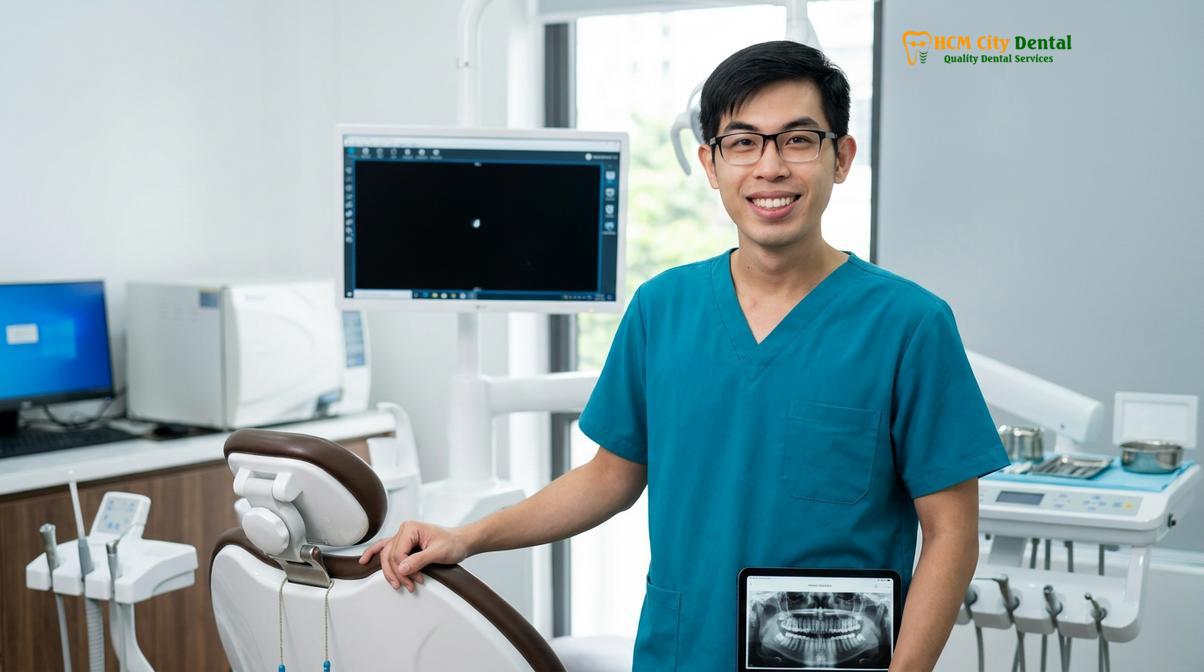
Dr. Nguyen Van Cuong emphasizes that managing a patient’s psychological state is just as critical as the surgical technique itself. Dr. Cuong and his clinical team prioritize comprehensive pre-operative consultations to tailor the sedation protocol to each individual’s medical history and anxiety levels. This personalized approach helps ensure optimal safety and comfort throughout the procedure, allowing patients to receive necessary care without overwhelming fear.
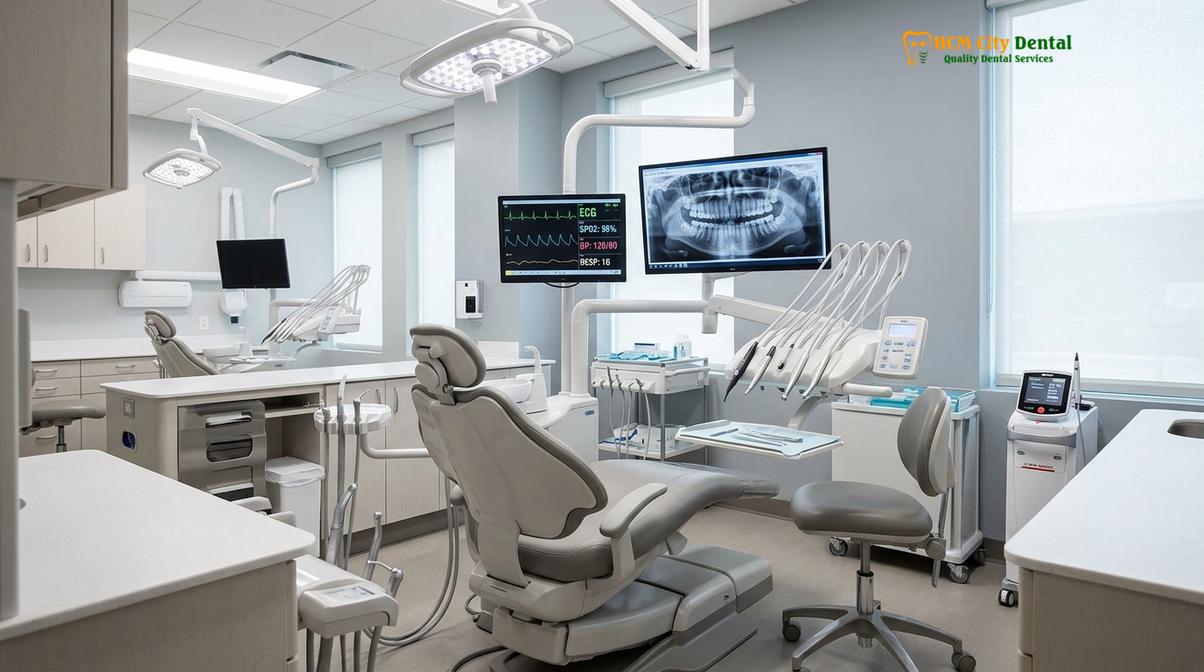
Technologically, the physical removal of the tooth has been refined through the use of specialized instruments. Traditional elevators and forceps are now frequently supplemented or replaced by ultrasonic surgical devices, such as the Piezotome [5]. This technology utilizes high-frequency ultrasonic vibrations to selectively cut bone and sever the periodontal ligaments without damaging adjacent soft tissues, nerves, or blood vessels. By avoiding heavy leverage, atraumatic extractions significantly reduce post-operative swelling and discomfort.
Clinical Case Study: Atraumatic Wisdom Tooth Removal
A 28-year-old expatriate presented to HCMC Dental Clinic in Ho Chi Minh City with severe anxiety regarding the extraction of two horizontally impacted lower wisdom teeth. The patient had delayed treatment for years due to fear. The clinical team formulated a treatment plan utilizing a combination of IV sedation and ultrasonic Piezotome surgery. Under the supervision of an anesthesiologist, the patient was placed in a state of deep relaxation. The oral surgeon sectioned and removed the impacted teeth with minimal bone removal. Upon waking, the patient reported zero intraoperative memory or pain. Follow-up at day seven revealed excellent tissue healing with minimal swelling, highlighting the efficacy of combining advanced surgical tools with tailored sedation.
Advanced Local Anesthetic Techniques: Erasing Physical Pain
Advanced local anesthesia utilizes highly effective agents like Articaine and precise delivery methods to completely block nociceptive pain signals before any surgical intervention begins.
The foundation of any painless dental procedure is the profound and reliable administration of local anesthesia. While sedatives manage anxiety and awareness, it is the local anesthetic that directly interrupts the transmission of pain signals from the dental nerve to the brain. The pharmacology of these agents has advanced significantly, providing clinicians with a variety of formulations tailored to specific anatomical challenges and patient profiles. The mechanism of action involves the reversible blockade of voltage-gated sodium channels in the nerve membrane, preventing the depolarization necessary for an action potential to propagate [1].
Historically, Lidocaine with epinephrine has been the gold standard in dentistry. However, modern oral surgery frequently utilizes Articaine, particularly for mandibular (lower jaw) procedures. Articaine possesses a unique molecular structure containing a thiophene ring, which increases its lipid solubility. This allows the anesthetic to diffuse more effectively through the dense cortical bone of the mandible, often achieving profound anesthesia via simple infiltration rather than requiring a more complex inferior alveolar nerve block.
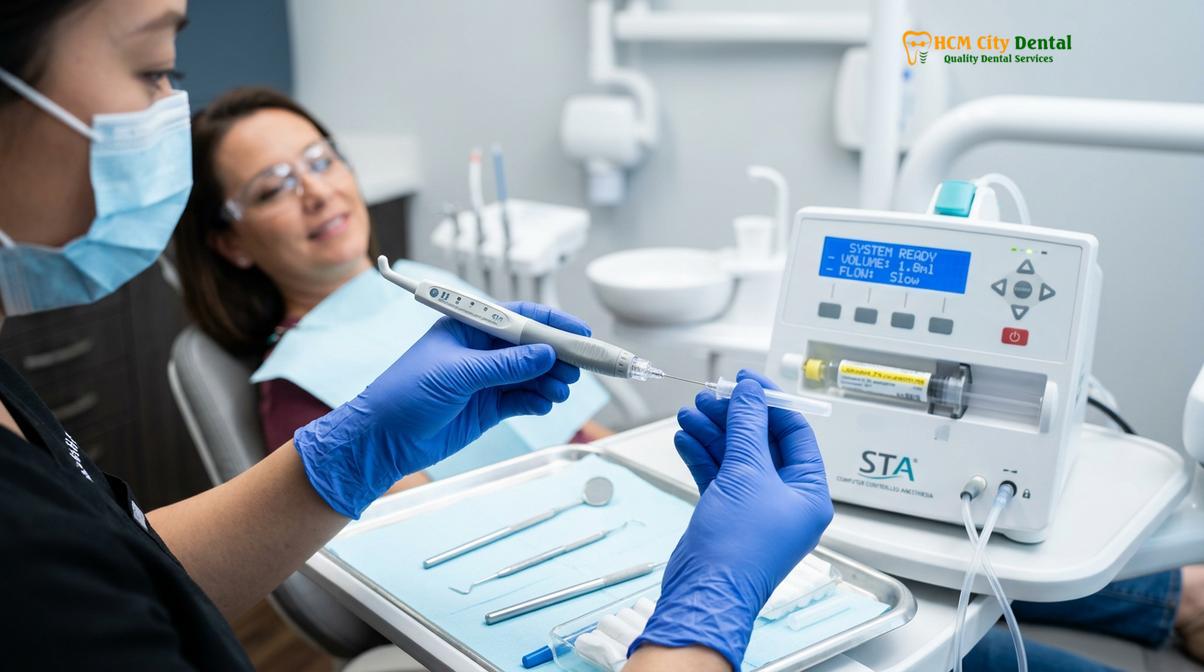
Beyond the choice of pharmacological agent, the technique of administration plays a crucial role in patient comfort. The initial pinch of the needle and the pressure of the fluid entering the tissues are common sources of discomfort. To mitigate this, clinicians apply a high-concentration topical anesthetic gel to the mucosa prior to injection, numbing the surface tissue. Furthermore, the rate of injection is strictly controlled. Slow, steady administration allows the tissue to accommodate the volume of the anesthetic solution without tearing.
| Anesthetic Agent | Concentration & Vasoconstrictor | Average Onset Time | Primary Clinical Indication |
|---|---|---|---|
| Lidocaine | 2% with 1:100,000 Epinephrine | 2 – 3 minutes | Standard restorative procedures, maxillary infiltrations. |
| Articaine | 4% with 1:100,000 Epinephrine | 1 – 2 minutes | Mandibular infiltrations, surgical extractions, dense bone. |
| Mepivacaine | 3% (Plain, no vasoconstrictor) | 1 – 2 minutes | Patients with cardiovascular contraindications to epinephrine. |
| Bupivacaine | 0.5% with 1:200,000 Epinephrine | 6 – 10 minutes | Prolonged surgical procedures, extended post-operative pain control. |
In highly advanced settings, Computer-Controlled Local Anesthetic Delivery (CCLAD) systems may be utilized. These devices use microprocessor technology to precisely control the flow rate and pressure of the anesthetic injection, ensuring it remains below the patient’s pain threshold. This meticulous attention to pain control is not only vital for extractions but is also a cornerstone of conservative treatments, as detailed in our overview of Painless Cavity Treatment Vietnam Dental Tourist | HCMC Dental.
Nitrous Oxide (Laughing Gas): Soft Sedation for Anxious Patients
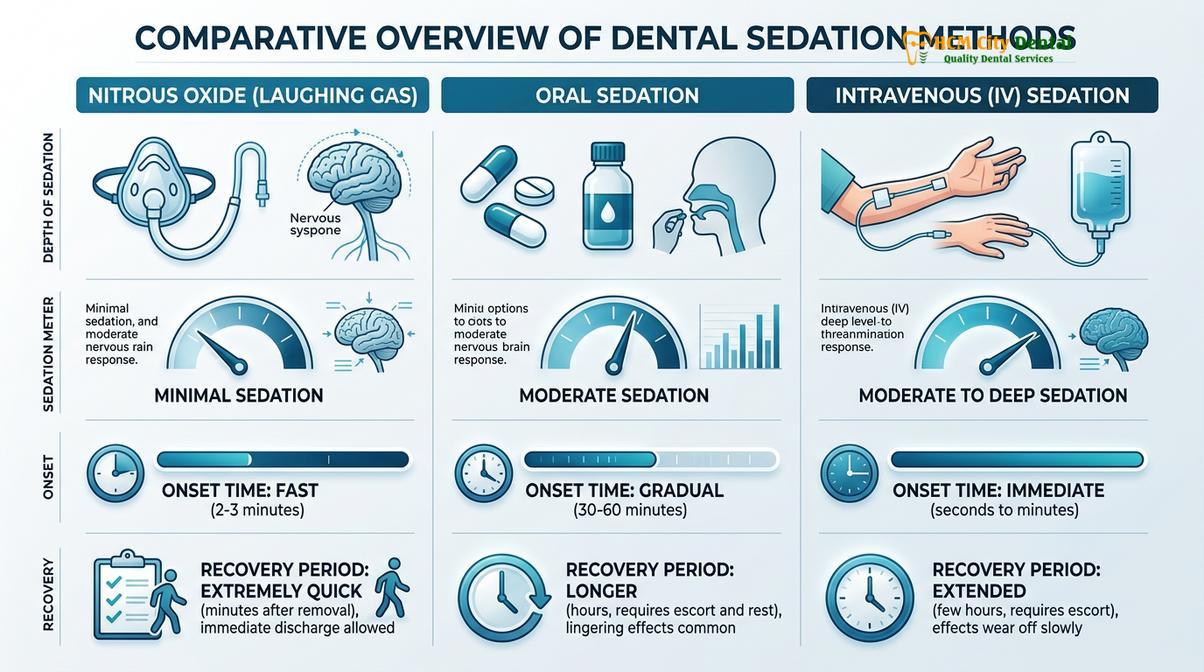
Nitrous oxide is a mild, inhaled sedative that rapidly induces a relaxed, euphoric state while allowing the patient to remain fully conscious and responsive throughout the procedure.
For patients who experience mild to moderate anxiety, or those undergoing relatively straightforward single-tooth extractions, nitrous oxide inhalation sedation offers an excellent pharmacological adjunct. Commonly referred to as laughing gas, this colorless, slightly sweet-smelling gas is administered through a comfortable nasal hood. It is classified as an anxiolytic and a mild analgesic, meaning it reduces fear and slightly elevates the pain threshold, though it must always be used in conjunction with local anesthesia for surgical procedures.
The pharmacokinetics of nitrous oxide make it uniquely suited for outpatient dental surgery. It has a very low blood-gas partition coefficient, meaning it does not readily dissolve in the blood. Consequently, the gas rapidly crosses the blood-brain barrier, resulting in a swift onset of clinical effects. Patients typically describe a sensation of warmth, tingling in the extremities, and a profound sense of detachment from the clinical environment. Despite this deep relaxation, the patient remains fully conscious, maintains their own airway, and can respond normally to verbal commands from the dental team [4].
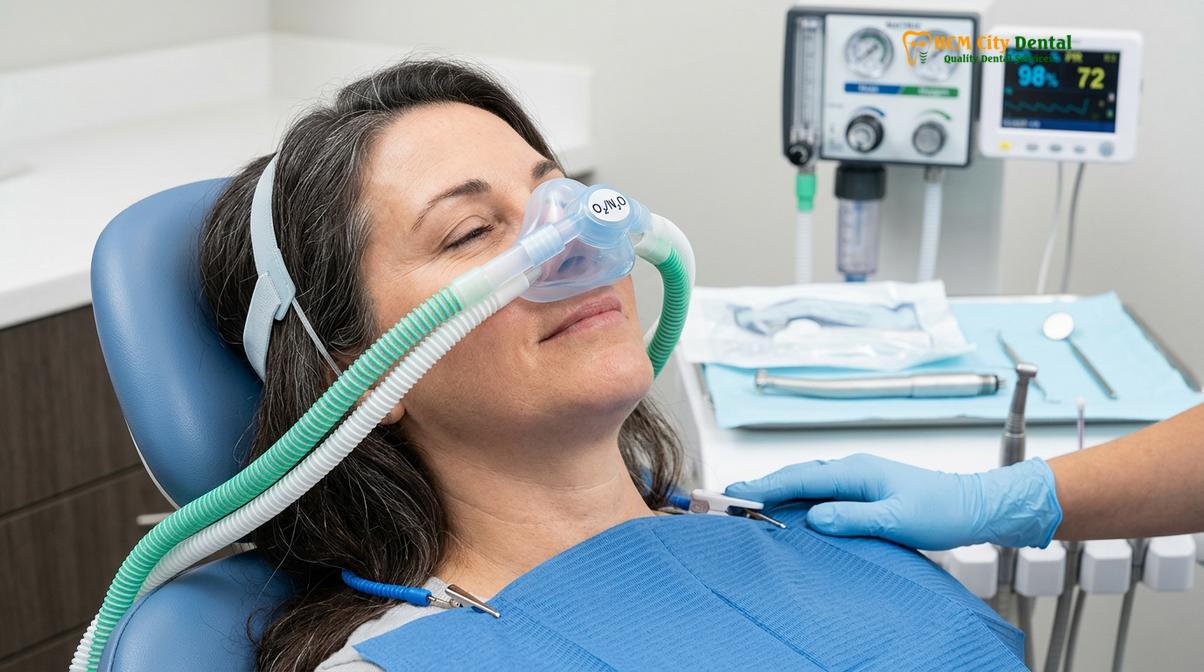
The administration of nitrous oxide is a highly controlled process known as titration. The clinician begins by administering 100% oxygen, gradually introducing nitrous oxide in small increments until the optimal level of sedation is achieved for that specific individual. This personalized approach helps prevent over-sedation and minimizes the risk of adverse effects such as nausea.
“The true clinical value of nitrous oxide lies in its rapid reversibility. Unlike oral sedatives or intravenous medications, the effects of nitrous oxide dissipate almost immediately once the gas is discontinued and the patient is flushed with 100% oxygen, allowing them to resume normal daily activities without residual impairment.”
At the conclusion of the extraction, the nitrous oxide flow is terminated, and the patient breathes 100% oxygen for a minimum of five minutes. This crucial step prevents diffusion hypoxia—a temporary decrease in alveolar oxygen concentration that can cause headaches or lethargy. Because recovery is complete and instantaneous, patients do not require an escort to drive them home. This efficiency and safety profile make it an ideal choice for patients managing multiple treatments in a single visit, a concept further explored in our article on Multiple Fillings One Visit: Safety & Efficiency | HCMC Dental.
Intravenous (IV) Sedation: Sleep Dentistry for Complex Extractions
Intravenous sedation delivers anti-anxiety medications directly into the bloodstream, producing a deep state of relaxation and temporary amnesia ideal for complex or multiple surgical extractions.
When a patient requires the surgical removal of multiple impacted wisdom teeth, complex bone grafting, or suffers from severe dental phobia, IV conscious sedation is often the most appropriate modality. Unlike oral sedatives, which must pass through the gastrointestinal tract and liver before taking effect, intravenous administration delivers the medication directly into the systemic circulation. This allows the anesthesiologist or specially trained oral surgeon to achieve a rapid onset of action and precisely titrate the depth of sedation in real-time.
The most commonly utilized medications for IV sedation in dentistry belong to the benzodiazepine class, with Midazolam being the primary agent of choice. Midazolam acts on the GABA-A receptors in the central nervous system, enhancing the inhibitory effects of the neurotransmitter gamma-aminobutyric acid. This results in profound anxiolysis, muscle relaxation, and a highly desirable side effect known as anterograde amnesia. While the patient is technically conscious and capable of breathing independently, the amnesic effect ensures they will have little to no memory of the sights, sounds, or sensations of the surgery [3].
In more complex surgical scenarios, Midazolam may be combined with a short-acting analgesic to provide synergistic sedation and systemic pain relief. The selection of the specific pharmacological cocktail is determined by the anesthesiologist based on the patient’s medical history, body mass index, and the anticipated duration of the extraction procedure.
The recovery phase following IV sedation requires careful monitoring. Once the medication infusion is stopped, the patient will gradually regain full awareness over the course of 30 to 60 minutes in a dedicated recovery area. However, residual psychomotor impairment can persist for several hours. Therefore, it is a strict clinical requirement that the patient is escorted home by a responsible adult. For patients undergoing extensive restorative work, such as replacing old restorations, understanding these recovery protocols is crucial. Read more about restorative timelines in Replacing Old Silver Fillings Composite Vietnam | HCMC Dental.
Safety Standards: Monitoring Equipment and Qualifications in Saigon
Rigorous safety protocols and advanced physiological monitoring are mandatory components of any dental sedation procedure to ensure patient well-being throughout the surgical process.
The administration of any form of sedation, particularly intravenous modalities, requires strict adherence to established safety protocols. In Vietnam, top-tier dental facilities operate under the National Guidelines on Safe Anesthesia and Sedation in Odonto-Stomatology issued by the Vietnam Ministry of Health [6]. These regulations mandate that specific monitoring equipment must be present and actively utilized during the procedure to track the patient’s vital signs continuously.
Standard monitoring during IV sedation includes pulse oximetry to measure blood oxygen saturation, continuous electrocardiography (ECG) to monitor heart rhythm, and automated blood pressure cuffs to track hemodynamic stability. Additionally, capnography is increasingly utilized to measure end-tidal carbon dioxide, providing immediate feedback on the patient’s respiratory efficiency. The presence of a dedicated, qualified anesthesiologist or a certified sedation dentist ensures that these parameters are expertly interpreted and that any deviations are managed promptly and safely.
When to Consult an Oral Surgeon for Sedation
Understanding when to seek professional consultation for dental sedation ensures that potential risks are mitigated and the most appropriate pain management strategy is selected.
While highly effective, advanced sedation techniques are not universally suitable for every patient. It is critical to consult with an oral surgeon or a dental anesthesiologist if you have underlying systemic health conditions. Absolute or relative contraindications for deeper sedation modalities include severe chronic obstructive pulmonary disease (COPD), uncontrolled cardiovascular disease, severe sleep apnea, and known allergies to specific sedative agents.
Important Clinical Note: Patients opting for IV sedation must strictly adhere to pre-operative fasting guidelines (NPO status)—typically no solid food for six to eight hours prior to surgery—to prevent the severe risk of pulmonary aspiration. Always disclose your complete medical history and current medications to your dental team.
“A thorough pre-operative medical evaluation is the cornerstone of safe dental sedation. Full disclosure of all current medications, supplements, and past medical history allows the clinical team to tailor the anesthetic approach, preventing adverse drug interactions and ensuring a smooth surgical experience.”
If you experience severe dental anxiety that prevents you from seeking necessary care, discussing these sedation options during a preliminary consultation can provide a clear, manageable pathway to restoring your oral health. For comprehensive care and expert guidance on your extraction needs, schedule a consultation with the specialists at Tooth Extraction tại HCMC Dental Clinic in Ho Chi Minh City.
References
- Journal of Oral and Maxillofacial Surgery. Efficacy of Articaine versus Lidocaine in Mandibular Infiltrations.
- American Dental Association. Guidelines for the Use of Sedation and General Anesthesia by Dentists.
- International Journal of Oral and Maxillofacial Surgery. Hemodynamic stability during intravenous sedation for third molar surgery.
- British Dental Journal. Patient anxiety and the efficacy of nitrous oxide inhalation sedation in clinical practice.
- Clinical Oral Investigations. Ultrasonic piezosurgery versus conventional rotary instruments in impacted wisdom tooth extraction.
- Vietnam Ministry of Health (MOH). National Guidelines on Safe Anesthesia and Sedation in Odonto-Stomatology.
For pricing, booking, and a free clinical assessment, visit our Tooth Extraction service page at HCMC Dental Clinic in Ho Chi Minh City.
![Black Stain on Teeth: How to Get Rid Of [Solved] | Dr. Cuong](https://hcmcdental.com/wp-content/uploads/2025/07/black-stain-on-teeth-how-to-get-rid-of-1-dr-cuong-hcmc-dental-clinic-280x280.jpg)