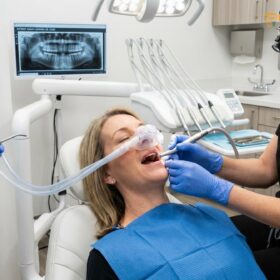
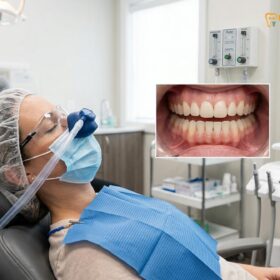
The primary difference between conscious sedation vs unconscious sedation dentistry lies in the patient’s level of awareness and airway independence. Conscious sedation keeps you awake, deeply relaxed, and breathing on your own, whereas unconscious sedation renders you completely asleep, requiring advanced respiratory support.
Clinical Summary:
Understanding the clinical distinctions between conscious sedation vs unconscious sedation dentistry is vital for patients experiencing dental anxiety or facing complex oral surgeries. Conscious sedation encompasses minimal to moderate pharmacological interventions—such as nitrous oxide, oral sedatives, or intravenous (IV) midazolam—that depress the central nervous system just enough to alleviate fear while allowing the patient to remain responsive and maintain their own airway. Conversely, unconscious sedation, often synonymous with deep sedation or general anesthesia, utilizes potent anesthetics like propofol to induce a controlled state of unconsciousness. In this state, patients are entirely unresponsive to surgical stimuli and require continuous mechanical airway management and cardiovascular monitoring by a specialized dental anesthesiologist. The selection between these modalities depends on a rigorous preoperative assessment, evaluating the patient’s American Society of Anesthesiologists (ASA) physical status, the severity of their dental phobia, and the invasiveness of the planned dental procedure.
Key Takeaways:
- Conscious sedation allows patients to remain awake, responsive to verbal cues, and capable of independent breathing.
- Unconscious sedation (general anesthesia) renders patients completely unresponsive, necessitating advanced airway management.
- Pharmacological agents for conscious sedation typically include nitrous oxide and benzodiazepines, which have a high safety margin.
- Unconscious sedation requires the presence of a dedicated anesthesiologist to continuously monitor vital signs and manage the airway.
- The choice of sedation level is highly individualized, based on medical history, anxiety levels, and surgical complexity.
Defining Conscious Sedation
Conscious sedation utilizes pharmacological agents to induce a deeply relaxed state where patients remain awake, responsive to verbal commands, and fully capable of maintaining their own airway without assistance.
Conscious sedation is a cornerstone of modern anxiolytic dental care, designed to bridge the gap between local anesthesia and full general anesthesia. The primary objective of this modality is to depress the central nervous system sufficiently to eliminate fear, anxiety, and apprehension, while strictly preserving the patient’s protective reflexes, such as the cough and gag reflexes. This ensures that the patient can breathe independently and respond appropriately to physical stimulation or verbal commands from the dental surgeon. In the realm of awake sedation dentistry, the pharmacological approach is carefully titrated to achieve the exact level of relaxation required for the specific patient and procedure.
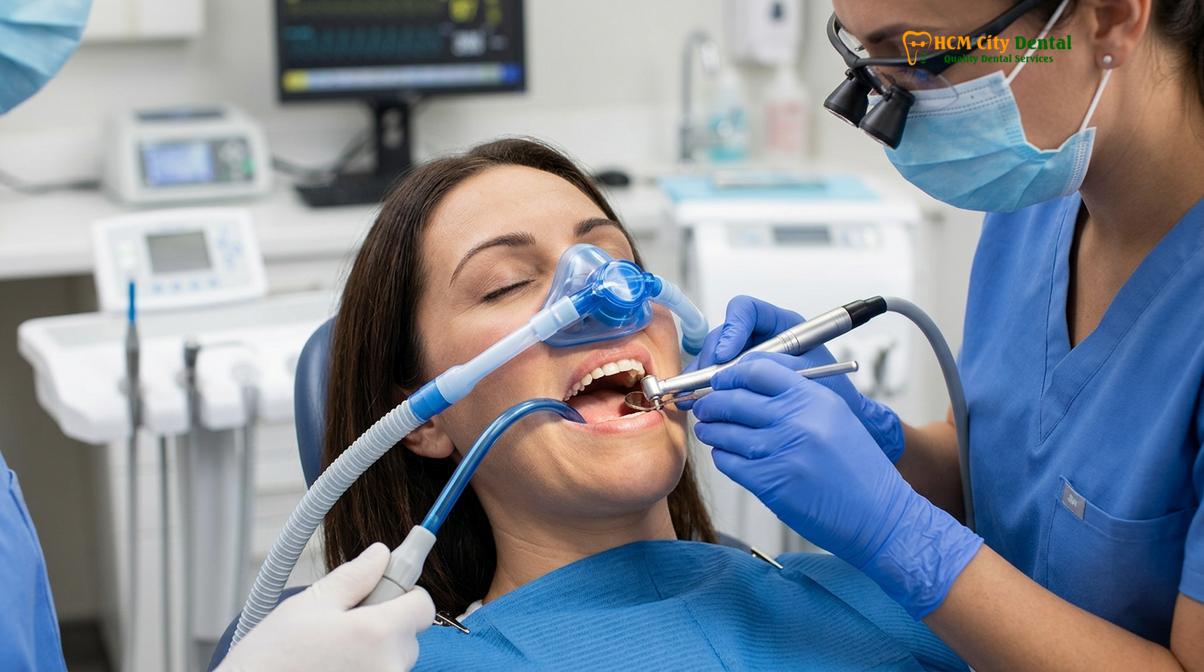
The pharmacological mechanisms behind conscious sedation primarily involve the modulation of gamma-aminobutyric acid (GABA) receptors in the brain. GABA is the primary inhibitory neurotransmitter in the central nervous system. When sedative agents bind to these receptors, they enhance the inhibitory effect, leading to a reduction in neuronal excitability. This results in the characteristic clinical signs of sedation: muscle relaxation, diminished anxiety, and, in many cases, anterograde amnesia, which prevents the patient from forming new memories during the procedure. This amnestic effect is particularly beneficial for patients with severe dental phobia, as they often leave the clinic with little to no recollection of the surgical events, thereby reducing future anticipatory anxiety[1].
There are three primary routes of administration utilized in conscious sedation, each offering distinct pharmacokinetic profiles and clinical advantages:
- Inhalation Sedation (Nitrous Oxide): Often referred to as “laughing gas,” nitrous oxide is a colorless, sweet-smelling gas mixed with oxygen and delivered through a nasal hood. It provides minimal sedation and mild analgesia. The onset of action is rapid, typically within three to five minutes, and the depth of sedation can be easily titrated by adjusting the gas concentration. A significant advantage of nitrous oxide is its rapid elimination from the body once the gas flow is terminated and replaced with 100% oxygen, allowing patients to recover quickly and often drive themselves home.
- Oral Conscious Sedation: This method involves the administration of sedative medications, most commonly benzodiazepines such as diazepam (Valium), lorazepam (Ativan), or triazolam (Halcion), taken by mouth prior to the dental appointment. Oral sedatives provide a moderate level of sedation. Because the medication must pass through the gastrointestinal tract and undergo hepatic first-pass metabolism, the onset of action is slower (typically 30 to 60 minutes) and the clinical effects are less predictable than inhalation or intravenous routes. Patients utilizing oral sedation protocols must be escorted to and from the clinic by a responsible adult due to the prolonged duration of action.
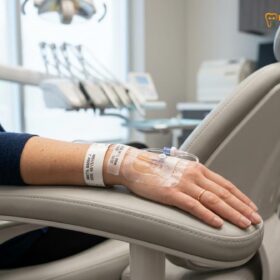
- Intravenous (IV) Conscious Sedation: IV sedation represents the most profound level of conscious sedation available in a standard dental office setting. Medications, typically midazolam or a combination of sedatives and opioids, are administered directly into the bloodstream via a peripheral vein. This route allows for an almost immediate onset of action and enables the clinician to precisely titrate the dosage to achieve the desired clinical endpoint. IV sedation provides profound anxiolysis and significant amnesia, making it highly effective for longer, more invasive procedures.
“The clinical beauty of conscious sedation lies in its ability to decouple the psychological trauma of dental anxiety from the physical reality of the procedure, allowing patients to receive necessary care in a state of profound tranquility while maintaining their physiological independence.”
It is crucial to understand that conscious sedation does not replace the need for local anesthesia. While sedatives alter the patient’s perception of the environment and reduce anxiety, they do not block nociceptive (pain) pathways at the surgical site. Therefore, once the patient is adequately sedated and comfortable, the dentist will still administer local anesthetic injections to ensure the teeth and surrounding gingival tissues are completely numb. The synergy between systemic sedation and local anesthesia provides a highly effective, multi-modal approach to pain and anxiety management.
Defining Unconscious (Deep) Sedation & General Anesthesia
Unconscious sedation and general anesthesia induce a controlled state of unconsciousness, rendering the patient completely unresponsive to painful stimuli and requiring advanced mechanical airway management.
When discussing conscious vs deep sedation, it is important to recognize that deep sedation and general anesthesia exist on a continuum of central nervous system depression. Unconscious sedation, in its truest clinical form, is synonymous with general anesthesia. In this state, the patient is rendered completely unconscious and is unarousable, even in the presence of repeated or intensely painful surgical stimulation. The profound depression of the central nervous system not only eliminates awareness and memory but also abolishes the body’s natural protective reflexes, including the ability to maintain a patent airway and breathe spontaneously.
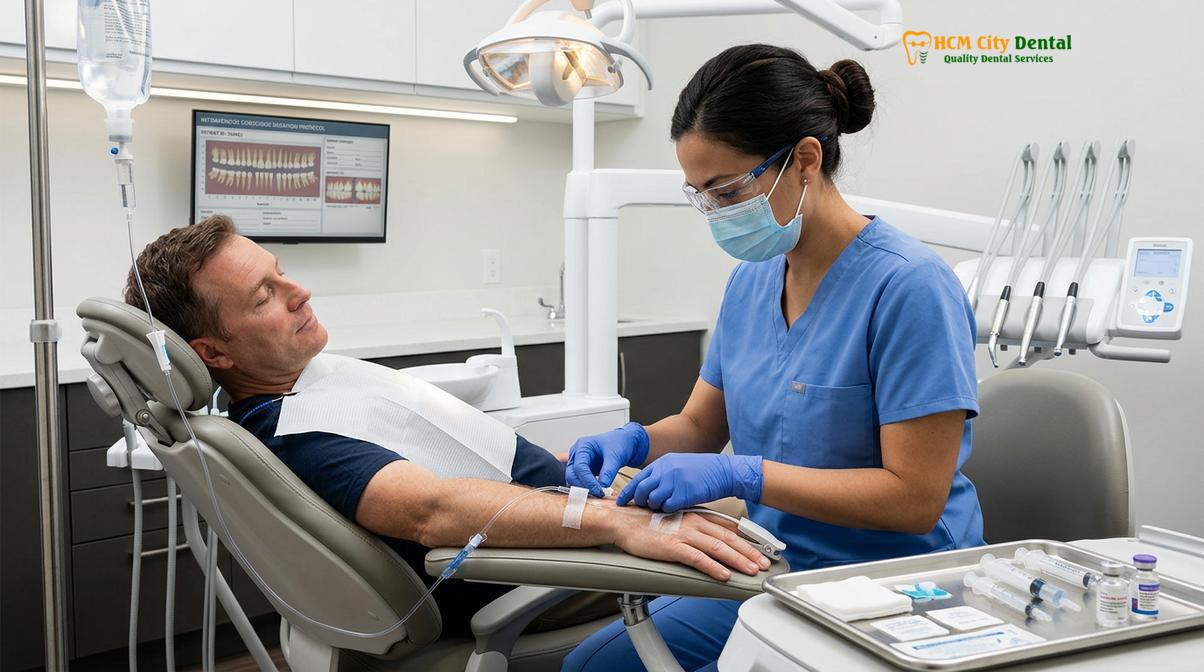
Because the patient cannot breathe independently, unconscious sedation mandates the intervention of a highly trained anesthesia professional—typically a board-certified anesthesiologist or a specialized dental anesthesiologist. The anesthesiologist assumes complete control over the patient’s respiratory and cardiovascular functions. Airway management is a critical component of this process. Depending on the specific requirements of the dental surgery and the patient’s anatomy, the airway may be secured using advanced adjuncts such as a Laryngeal Mask Airway (LMA) or through endotracheal intubation, where a tube is placed directly into the trachea to deliver oxygen and anesthetic gases directly to the lungs[2].
The pharmacological agents used to induce and maintain unconscious sedation are significantly more potent than those used in conscious sedation. The induction of anesthesia is frequently achieved using intravenous agents such as Propofol, known for its rapid onset and smooth recovery profile. Once unconsciousness is achieved, the state may be maintained using continuous intravenous infusions (Total Intravenous Anesthesia, or TIVA) or through the administration of volatile inhalational anesthetics like Sevoflurane or Desflurane, delivered via the anesthesia machine. Muscle relaxants (neuromuscular blocking agents) may also be administered to facilitate intubation and prevent any involuntary patient movement during delicate microsurgical dental procedures.
Clinical Warning: Unconscious sedation and general anesthesia carry a higher risk profile than conscious sedation due to the complete loss of airway reflexes and cardiovascular depression. These procedures must only be performed in facilities equipped with advanced life support systems, continuous physiological monitoring, and immediate access to emergency resuscitation medications.
The recovery phase following unconscious sedation is considerably more complex and prolonged compared to conscious sedation. As the anesthetic agents are discontinued, the patient transitions through the stages of emergence. During this critical period, the anesthesiologist closely monitors the return of spontaneous ventilation, the recovery of protective airway reflexes, and the stabilization of cardiovascular parameters. Patients are typically transferred to a dedicated Post-Anesthesia Care Unit (PACU) where they are observed by specialized nursing staff until they meet strict discharge criteria. Post-operative side effects such as nausea, vomiting, shivering, and grogginess are more common following general anesthesia, necessitating careful post-operative management and a longer period of rest at home.
Clinical Comparison Table
A direct clinical comparison between conscious and unconscious sedation highlights critical differences in patient responsiveness, airway independence, and the required level of physiological monitoring.
To fully grasp the nuances of the various levels of dental sedation, it is helpful to examine a side-by-side clinical comparison. The American Society of Anesthesiologists (ASA) provides strict definitions for the continuum of depth of sedation, ranging from minimal sedation (anxiolysis) to general anesthesia. The transition between these states is fluid, and a patient may inadvertently slip into a deeper state of sedation than intended, which underscores the necessity for rigorous monitoring and the presence of highly trained clinical personnel capable of rescuing a patient from a deeper level of central nervous system depression.
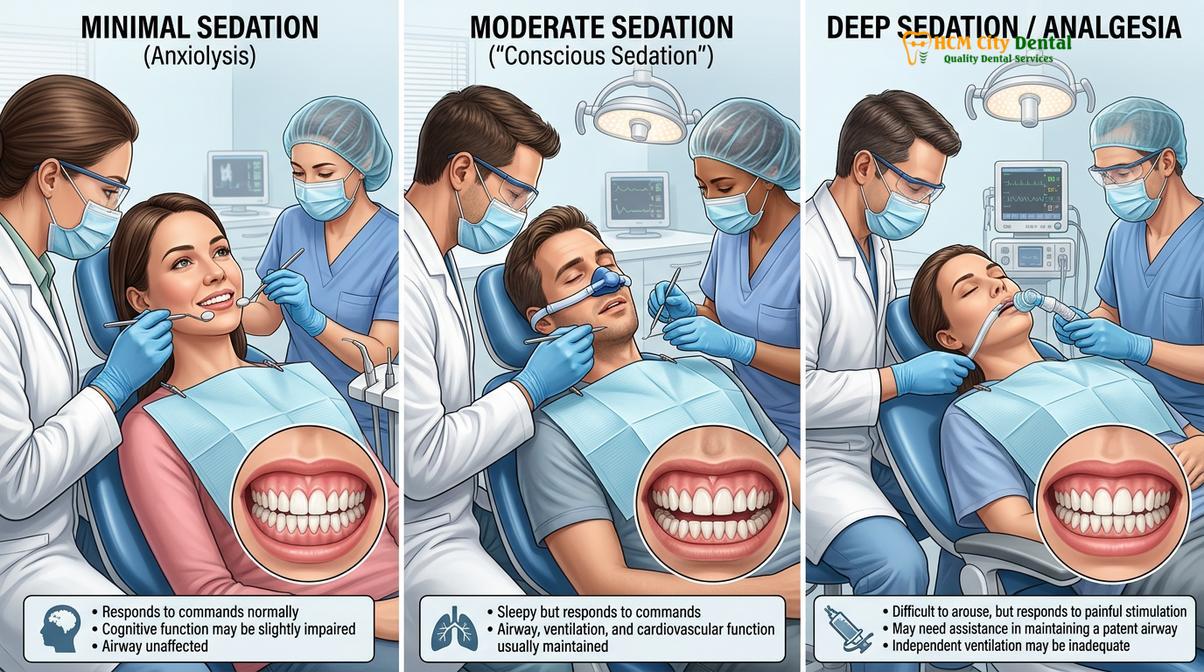
The following table delineates the primary clinical parameters that differentiate conscious sedation (encompassing minimal and moderate sedation) from unconscious sedation (deep sedation and general anesthesia). These parameters are critical for determining the appropriate clinical setting, the necessary equipment, and the required expertise of the dental and anesthesia team[3].
| Clinical Parameter | Conscious Sedation (Moderate) | Unconscious Sedation (General Anesthesia) |
|---|---|---|
| Patient Responsiveness | Purposeful response to verbal commands or light tactile stimulation. | Unarousable, even with repeated or painful surgical stimulus. |
| Airway Management | No intervention required; patient maintains a patent airway independently. | Intervention required; advanced airway adjuncts (LMA, intubation) necessary. |
| Spontaneous Ventilation | Adequate and uncompromised. | Frequently inadequate or completely absent; requires mechanical ventilation. |
| Cardiovascular Function | Usually maintained without significant clinical intervention. | May be impaired; requires continuous monitoring and potential pharmacological support. |
| Typical Pharmacological Agents | Nitrous oxide, oral benzodiazepines (Diazepam), IV Midazolam. | IV Propofol, volatile anesthetics (Sevoflurane), neuromuscular blockers. |
| Amnesia Level | Variable; often partial to complete anterograde amnesia. | Complete amnesia; no memory of the surgical event. |
| Clinical Setting | Standard dental operatory with appropriate monitoring equipment. | Specialized surgical suite or hospital setting with an anesthesia machine. |
Understanding these distinctions is paramount for patient safety. While conscious sedation is routinely and safely performed by dentists who have completed specialized post-graduate training in sedation protocols, unconscious sedation strictly requires the presence of a separate, dedicated anesthesia provider whose sole responsibility is the physiological management of the patient while the dental surgeon focuses entirely on the operative procedure.
Who Is a Candidate for Each Level?
Candidacy for specific sedation levels depends on a comprehensive evaluation of the patient’s medical history, the severity of their dental anxiety, and the invasiveness of the planned surgical procedure.
Determining the appropriate level of sedation is a highly individualized process that begins with a thorough preoperative assessment. The dental clinician must evaluate the patient’s overall health status, typically utilizing the ASA Physical Status Classification System. Patients classified as ASA I (normal healthy patient) or ASA II (patient with mild systemic disease) are generally excellent candidates for conscious sedation in an outpatient dental setting. Patients with more severe systemic diseases (ASA III or IV) may require medical clearance from their primary care physician or cardiologist and might be better suited for treatment in a hospital setting where advanced medical support is readily available.
For patients experiencing mild to moderate apprehension, conscious sedation is usually the treatment of choice. It is highly effective for managing the psychological barriers associated with routine dental care, such as cleanings, fillings, or single tooth extractions. Patients who have a strong gag reflex, difficulty sitting still for extended periods, or a specific fear of needles (trypanophobia) benefit immensely from the relaxing effects of nitrous oxide or oral sedatives. By recognizing dental anxiety symptoms early, clinicians can proactively recommend conscious sedation to prevent the escalation of fear and ensure the patient receives necessary preventive and restorative care.
Clinical Case Study: A 45-year-old patient presented to HCMC Dental Clinic in Ho Chi Minh City requiring multiple complex extractions and implant placements. The patient exhibited severe dental phobia, having avoided dental care for over a decade. Dr. Nguyen Van Cuong conducted a comprehensive evaluation and determined that while the patient was medically healthy (ASA I), the psychological barrier was too significant for standard local anesthesia. Dr. Cuong recommended IV conscious sedation. Under the effects of IV midazolam, the patient remained deeply relaxed and cooperative throughout the two-hour surgery, later reporting zero memory of the extractions and expressing profound relief at the ease of the experience.
Unconscious sedation, or general anesthesia, is reserved for specific clinical scenarios where conscious sedation is either contraindicated or insufficient. Candidates for unconscious sedation typically include patients with severe, intractable dental phobia who cannot tolerate any level of awareness during treatment. It is also indicated for highly invasive and prolonged surgical procedures, such as complex orthognathic (jaw) surgery, the simultaneous extraction of multiple impacted wisdom teeth, or extensive full-mouth reconstructive surgeries. Furthermore, patients with certain cognitive impairments, severe behavioral disorders, or physical disabilities that prevent them from cooperating with the dental team may require general anesthesia to ensure the safe and effective delivery of dental care[4].
Pediatric dentistry also presents unique challenges regarding sedation candidacy. While nitrous oxide is widely and safely used to manage mild anxiety in children, young patients requiring extensive restorative work or those who are pre-cooperative may necessitate deeper levels of sedation. Managing pediatric dental anxiety requires a delicate balance, and in cases of severe early childhood caries, general anesthesia administered by a pediatric anesthesiologist is often the safest and most humane approach to completing all necessary treatments in a single, atraumatic session.
Safety Profiles and Monitoring Requirements
Both sedation modalities maintain exceptional safety profiles when administered by certified professionals utilizing continuous physiological monitoring and adhering to strict emergency preparedness protocols.
The safety of any sedation procedure is inextricably linked to the rigorousness of the physiological monitoring and the clinical expertise of the provider. The primary risk associated with all sedative agents is dose-dependent respiratory depression. Therefore, the continuous assessment of the patient’s oxygenation, ventilation, and cardiovascular status is non-negotiable. Modern dental practices employing sedation techniques are equipped with advanced monitoring technology that rivals that found in hospital operating rooms.
For conscious sedation, standard monitoring protocols mandate the continuous use of pulse oximetry to measure arterial oxygen saturation (SpO2) and heart rate. Blood pressure is recorded at baseline and at regular intervals (typically every 5 to 15 minutes) throughout the procedure. In cases of moderate IV sedation, continuous electrocardiography (ECG) may be employed to monitor cardiac rhythm, particularly in patients with a history of cardiovascular disease. Furthermore, the clinical observation of the patient’s skin color, respiratory rate, and responsiveness remains a fundamental component of patient safety.
“The integration of continuous capnography in dental sedation represents a paradigm shift in patient safety, providing instantaneous feedback on ventilatory status and allowing clinicians to detect and correct respiratory depression long before oxygen desaturation occurs.”
Capnography, which measures the concentration of carbon dioxide in exhaled air (end-tidal CO2), has become the gold standard for monitoring ventilation during both conscious and unconscious sedation. Unlike pulse oximetry, which can have a lag time in detecting respiratory compromise, capnography provides a real-time, breath-by-breath analysis of the patient’s ventilatory effort. If a patient experiences an apneic event (cessation of breathing) or significant hypoventilation, the capnograph will immediately alert the clinician, allowing for rapid intervention, such as stimulating the patient, repositioning the airway, or adjusting the sedation dosage[5].
Unconscious sedation requires an even more comprehensive monitoring array. In addition to pulse oximetry, continuous ECG, automated blood pressure monitoring, and capnography, the anesthesiologist will monitor the patient’s core body temperature and, in many cases, utilize advanced neurological monitoring (such as Bispectral Index or BIS monitoring) to assess the exact depth of anesthesia. This ensures the patient remains completely unconscious without receiving an excessive dose of anesthetic agents.
Emergency preparedness is the final, critical pillar of sedation safety. Any facility offering sedation must be equipped with a fully stocked emergency crash cart, including positive pressure oxygen delivery systems, advanced airway adjuncts, and a complete array of emergency resuscitation medications. Crucially, pharmacological reversal agents must be immediately available. Flumazenil is kept on hand to rapidly reverse the effects of benzodiazepines, while Naloxone is available to reverse opioid-induced respiratory depression. The dental team must undergo regular, simulated emergency drills and maintain current certification in Basic Life Support (BLS) and, for IV sedation providers, Advanced Cardiovascular Life Support (ACLS).
When to See a Doctor
A comprehensive clinical consultation is essential to evaluate your medical history and determine the safest, most effective sedation strategy for your specific dental needs.
If you have been avoiding necessary dental treatment due to fear, anxiety, or a sensitive gag reflex, it is imperative to schedule a consultation to discuss your sedation options. Delaying dental care often leads to the exacerbation of oral health issues, transforming minor cavities into complex infections that require more invasive interventions. By exploring clinical strategies to overcome dental fear, you can take proactive steps toward restoring your oral health in a comfortable, stress-free environment.
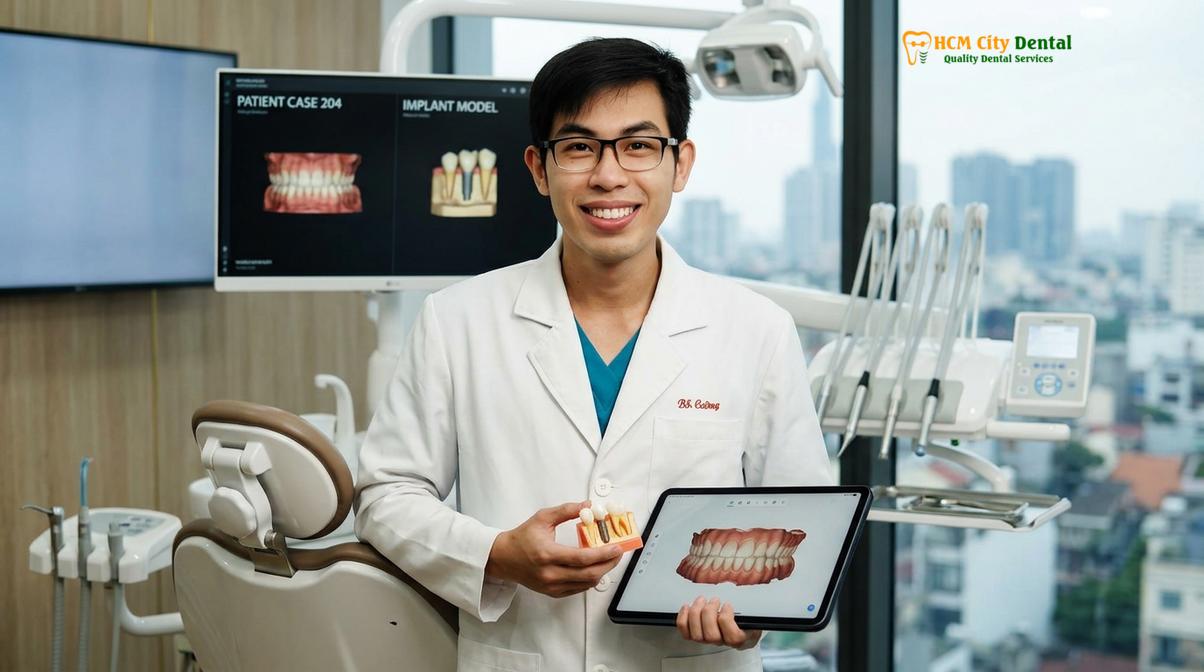
During your consultation at HCMC Dental Clinic, the clinical team will conduct a thorough review of your medical history, including any current medications, past surgical experiences, and underlying systemic conditions. Dr. Nguyen Van Cuong emphasizes that open communication regarding your anxiety levels is crucial for developing a personalized treatment plan. Whether you require routine preventive care under the calming influence of nitrous oxide or complex general dentistry procedures utilizing advanced IV sedation, the goal is to ensure your absolute safety and comfort. Do not let dental phobia compromise your health; professional sedation protocols are designed specifically to help you receive the care you need safely and peacefully.
Frequently Asked Questions
Will I be awake during conscious sedation?
Yes, during conscious sedation, you remain awake and responsive to verbal commands. While you will feel deeply relaxed and may experience mild amnesia regarding the procedure, you retain your natural protective reflexes and the ability to breathe independently without mechanical assistance. The level of awareness can be adjusted based on the specific medication and dosage used, ensuring you are comfortable but never fully unconscious.
Is unconscious sedation the same as general anesthesia?
Unconscious sedation, particularly in its deepest form, is clinically synonymous with general anesthesia. In this state, the patient is completely unresponsive to painful stimuli, loses protective airway reflexes, and requires continuous cardiovascular and respiratory support from a dedicated anesthesiologist. This level of sedation is typically reserved for highly invasive surgical procedures or for patients with severe, intractable dental phobias who cannot tolerate any level of awareness.
Which type of sedation is safer for dental procedures?
Both sedation types maintain excellent safety profiles when administered by qualified professionals following strict clinical protocols. Conscious sedation generally carries fewer systemic risks and faster recovery times, making it the preferred choice for standard procedures, while unconscious sedation is safely reserved for complex surgeries. The “safest” option depends entirely on the patient’s individual medical history, physical status, and the specific requirements of the dental intervention.
Can I choose my level of sedation?
While patient preference is heavily considered, the final level of sedation is determined through a comprehensive clinical assessment. Your dentist and anesthesiologist will evaluate your medical history, anxiety severity, and the complexity of the procedure to recommend the safest and most effective option. For instance, a patient requesting general anesthesia for a simple cleaning may be guided toward conscious sedation due to the unnecessary medical risks associated with deep anesthesia for minor procedures.
How long does recovery take for each sedation level?
Recovery from conscious sedation is relatively rapid; nitrous oxide clears within minutes, while oral or IV conscious sedation requires a few hours of rest. Unconscious sedation demands a longer recovery period, often requiring the patient to rest for the remainder of the day under observation. Following any sedation involving oral or IV medications, patients must be escorted home by a responsible adult and should avoid driving or operating heavy machinery for at least 24 hours.
References
- Journal of Oral and Maxillofacial Surgery. Patient safety in dental sedation and anesthesia. (2021).
- International Journal of Oral and Maxillofacial Surgery. Intravenous conscious sedation protocols for complex oral surgery. (2020).
- British Dental Journal. Nitrous oxide inhalation sedation in dentistry: a review of safety. (2019).
- Journal of the American Dental Association. Patient satisfaction and anxiety levels under conscious sedation. (2022).
- Clinical Oral Investigations. Safety and recovery profiles of conscious sedation vs general anesthesia. (2018).
For pricing, booking, and a free clinical assessment, visit our Sedation Dentistry service page at HCMC Dental Clinic in Ho Chi Minh City.