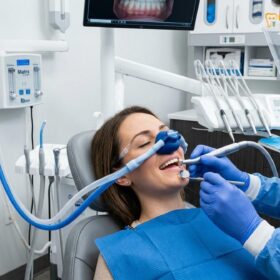
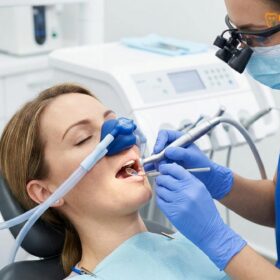
Oral sedation dentistry utilizes prescribed medications, typically benzodiazepines, to significantly reduce patient anxiety during dental procedures. Administered in pill or liquid form, this method induces a deep state of relaxation while allowing the patient to remain conscious, breathe independently, and respond to clinical instructions.
Clinical Summary:
Oral conscious sedation, frequently referred to as enteral sedation dentistry, is a highly effective pharmacological approach designed to manage mild to severe dental phobia. By targeting the central nervous system’s GABA receptors, these medications depress the cerebral cortex to alleviate fear without compromising respiratory or cardiovascular function. Clinical protocols require strict patient evaluation, precise dosing based on pharmacokinetic profiles, and continuous intraoperative monitoring. This technique bridges the gap between local anesthesia and intravenous sedation, providing a safe, accessible, and highly predictable option for patients undergoing complex, lengthy, or anxiety-inducing dental treatments.
Key Takeaways:
- Oral sedatives are administered via the gastrointestinal tract, usually as a pill taken shortly before the appointment.
- Patients remain awake and responsive but experience profound relaxation and partial anterograde amnesia.
- Commonly prescribed medications include Diazepam, Triazolam, and Midazolam, chosen based on the procedure’s length.
- A responsible adult companion is strictly required to drive the patient to and from the dental clinic.
- Continuous monitoring of vital signs ensures maximum clinical safety throughout the entire dental procedure.
What is Oral Conscious Sedation?
Oral conscious sedation is a medical protocol where patients ingest a sedative medication to achieve a relaxed, anxiety-free state while maintaining consciousness and independent airway control.
In the realm of modern dental medicine, managing patient anxiety is just as critical as performing the physical procedure itself. Oral sedation dentistry represents a cornerstone of pharmacological behavior management. Unlike general anesthesia, which renders a patient completely unconscious and often requires mechanical ventilation, oral conscious sedation allows the patient to maintain their own protective reflexes. The patient can breathe spontaneously and respond purposefully to physical stimulation or verbal commands, such as “please open your mouth wider” or “turn your head slightly to the left.”
This modality is technically classified as enteral sedation dentistry, meaning the medication is absorbed through the gastrointestinal tract. Once ingested, the drug passes through the stomach and intestines, enters the hepatic portal system for initial metabolism, and is subsequently distributed through the bloodstream to the central nervous system. The primary goal is to achieve anxiolysis (the reduction of anxiety) or moderate sedation, depending on the dosage and the patient’s individual physiological response[1].
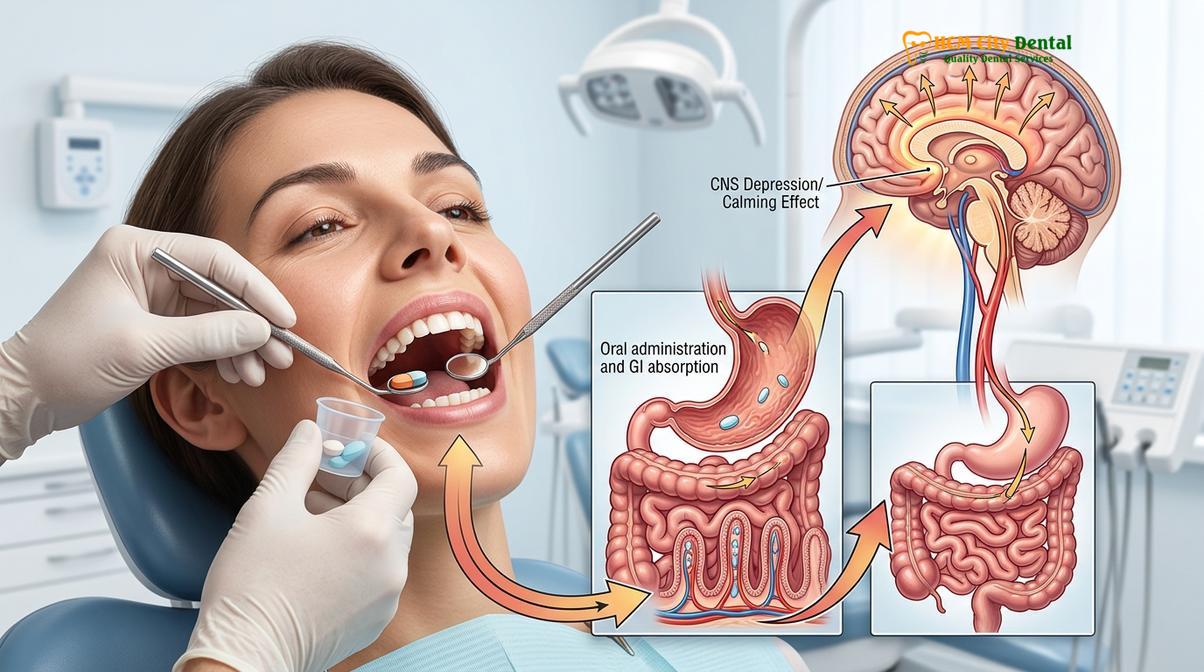
The psychological barrier of dental phobia prevents millions of individuals from seeking necessary preventive and restorative care. The physiological response to dental fear often involves the activation of the sympathetic nervous system—the “fight or flight” response—which triggers the release of cortisol and adrenaline. This can lead to elevated blood pressure, tachycardia (rapid heart rate), and a lowered pain threshold. By utilizing oral sedatives, clinicians can effectively blunt this sympathetic response. Dr. Nguyen Van Cuong, a leading expert in patient comfort, emphasizes that controlling this physiological stress response not only improves the patient’s subjective experience but also creates a safer, more controlled environment for the clinician to perform intricate dental work.
It is important to understand that oral sedation is not a painkiller. It does not possess analgesic properties. Therefore, local anesthetics (numbing injections) are still absolutely necessary to block pain signals from the teeth and gums. However, the profound advantage of oral sedation is that the patient is already in a state of deep relaxation before the local anesthetic is administered, making the injection process virtually unnoticeable.
Common Medications Used (Diazepam, Triazolam, Midazolam)
Dentists primarily prescribe benzodiazepines such as Diazepam for long-acting relief, Triazolam for profound short-term sedation, or Midazolam liquid for rapid onset, depending on the clinical requirement.
The pharmacological agents most frequently utilized in oral sedation dentistry belong to a class of drugs known as benzodiazepines. These medications exert their calming effects by enhancing the binding of gamma-aminobutyric acid (GABA) to the GABA-A receptors in the brain. GABA is the primary inhibitory neurotransmitter in the central nervous system. When benzodiazepines facilitate this binding, it results in an influx of chloride ions into the neurons, hyperpolarizing the cell membrane and making it less likely to fire. This widespread neuronal inhibition manifests clinically as reduced anxiety, muscle relaxation, sedation, and anterograde amnesia.
When a patient searches for an anti anxiety pills dentist, they are typically looking for a practitioner skilled in prescribing and monitoring these specific medications. The choice of drug is highly individualized, based on the patient’s medical history, the anticipated duration of the procedure, and the desired depth of sedation[2].
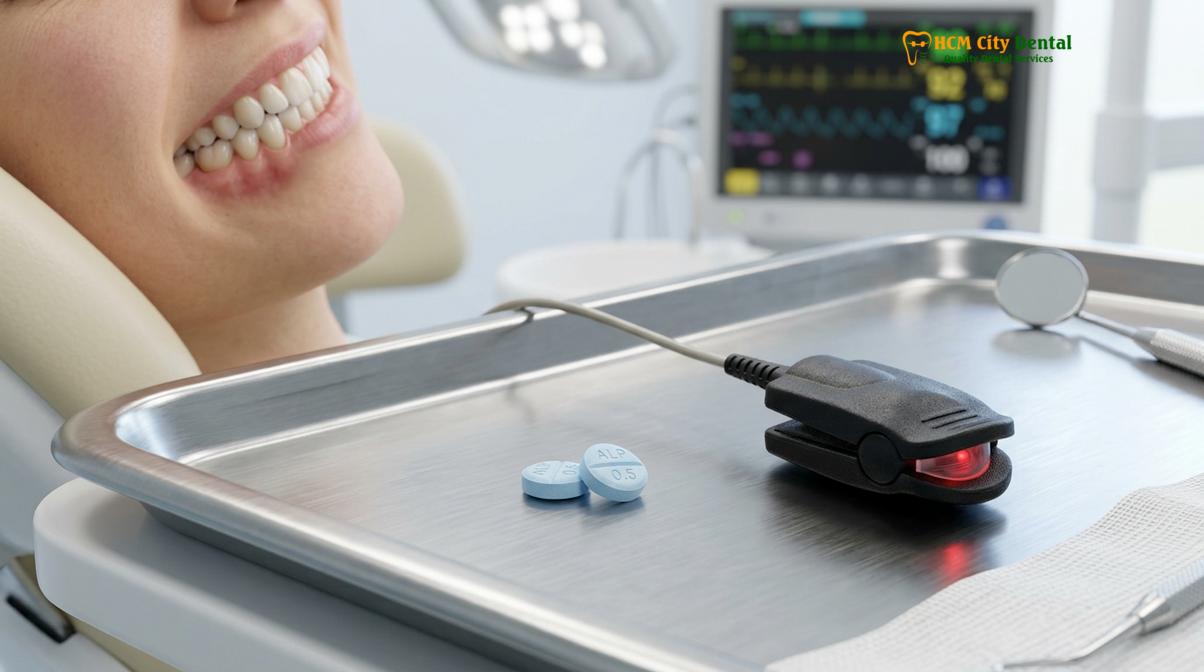
Diazepam (Valium): Diazepam is one of the most well-known and extensively studied benzodiazepines. It is characterized by a relatively rapid onset of action when taken orally but has a very long half-life. The drug and its active metabolites can remain in the system for days. Diazepam is particularly useful for patients who experience severe anticipatory anxiety and may need to take a dose the night before the procedure to ensure a restful sleep, followed by another dose the morning of the appointment. It provides excellent muscle relaxation, making it beneficial for longer, physically demanding procedures.
Triazolam (Halcion): Triazolam is highly favored in dental settings for its rapid onset, profound sedative effect, and short half-life. It is highly effective for procedures lasting one to two hours. One of the most notable clinical features of Triazolam is its strong anterograde amnesic property; patients frequently have little to no memory of the dental procedure once the drug takes effect. Because it is metabolized and eliminated relatively quickly, the recovery time is shorter compared to Diazepam, though patients still require a full day of rest.
Midazolam (Versed): While frequently used intravenously, Midazolam can also be administered orally, often in a liquid syrup formulation. This is particularly advantageous in pediatric dentistry or for adult patients who have difficulty swallowing pills. Midazolam has the fastest onset of the oral benzodiazepines and a very short duration of action. It provides excellent amnesia and anxiolysis but requires precise timing due to its rapid peak and decline in blood plasma levels.
| Medication | Onset Time | Duration of Action | Amnesic Effect | Best Suited For |
|---|---|---|---|---|
| Diazepam | 30 – 60 minutes | Long (up to 8+ hours) | Moderate | Long procedures, anticipatory anxiety |
| Triazolam | 15 – 30 minutes | Short (1 – 3 hours) | High | Standard procedures, profound fear |
| Midazolam | 10 – 20 minutes | Very Short (under 1 hour) | High | Short procedures, pediatric patients |
The metabolism of these drugs primarily occurs in the liver via the cytochrome P450 enzyme system, specifically the CYP3A4 isoenzyme. This is a critical clinical consideration, as certain substances can inhibit this enzyme, leading to dangerously high levels of the sedative in the bloodstream. For example, patients are strictly instructed to avoid grapefruit juice for several days prior to taking Triazolam or Diazepam, as it is a potent CYP3A4 inhibitor.
The Timeline: Preparing and Taking Your Sedative Pill
The oral sedation workflow begins with a comprehensive medical consultation, followed by strict fasting protocols, taking the prescribed medication at a specific time, and arriving safely with an escort.
The success and safety of oral sedation dentistry rely heavily on strict adherence to a structured clinical timeline. The process begins well before the actual day of the procedure. During the initial consultation, the dentist will conduct a thorough review of the patient’s medical history, current medications, allergies, and previous experiences with anesthesia. This evaluation determines the patient’s candidacy for sedation and dictates the specific medication and dosage to be prescribed.
Once the treatment plan is established, the patient receives detailed preoperative instructions. One of the most critical directives is the fasting protocol, medically referred to as NPO (nil per os, or nothing by mouth). Even though the patient remains conscious, sedatives can relax the esophageal sphincter and slightly depress protective airway reflexes. To prevent the rare but serious risk of pulmonary aspiration (inhaling stomach contents into the lungs), patients are typically instructed to abstain from solid foods for at least six to eight hours before the appointment, and clear liquids for at least two hours prior[3].
“Strict adherence to preoperative fasting guidelines is non-negotiable in sedation dentistry. An empty stomach ensures optimal absorption of the oral medication and significantly minimizes the risk of aspiration, safeguarding the patient’s airway throughout the procedure.”
The administration timeline for the medication varies based on the specific drug and the patient’s anxiety levels. In cases of severe anticipatory anxiety, the dentist may prescribe a “split-dose” regimen. The patient takes a mild sedative the night before the procedure to ensure a full night of restorative sleep. The primary sedative dose is then taken the following morning, typically one hour before the scheduled appointment time. This timing is calculated to allow the medication to pass through the stomach, enter the bloodstream, and reach peak plasma concentration just as the patient is seated in the dental chair.
Upon arrival at the clinic, the patient will already be feeling the initial effects of the medication—drowsiness, heavy limbs, and a sense of detachment. The clinical team immediately takes over, guiding the patient to the treatment room and initiating the vital sign monitoring protocols before any dental work begins.
What to Expect: Sensory Experience and Alertness Level
Patients under oral sedation typically feel profoundly heavy, deeply relaxed, and detached from the clinical environment, often experiencing an anterograde amnesic effect where they remember very little.
Understanding the sensory experience of oral sedation helps demystify the process and further reduces preoperative anxiety. As the medication reaches its peak effect, the central nervous system transitions into a state of profound calm. Patients frequently describe the physical sensation as a pleasant heaviness in the limbs, as if they are sinking comfortably into the dental chair. The ambient sounds of the dental office—the hum of the instruments, the voices of the clinical staff—often fade into the background, becoming distant and unimportant.
Cognitively, the patient remains awake and capable of responding to verbal cues. If the dentist asks the patient to open wider or adjust their head position, the patient will comply, albeit perhaps slightly slower than usual. However, the emotional response to the dental environment is entirely blunted. The fear, panic, and hyper-vigilance that typically characterize dental phobia are replaced by a profound sense of indifference[4].
One of the most highly valued effects of oral sedation is anterograde amnesia. This pharmacological phenomenon means that the brain temporarily stops forming new long-term memories while under the influence of the drug. Consequently, when the procedure is over and the medication wears off, the patient will have a fragmented or entirely blank memory of the time spent in the chair. A procedure that took three hours may feel as though it lasted only fifteen minutes. This time compression and amnesic effect are particularly beneficial for patients undergoing extensive treatments, such as multiple extractions or complex implant placements.
Clinical Case Observation: A 45-year-old patient presented to HCMC Dental Clinic in Ho Chi Minh City requiring full mouth rehabilitation, a procedure they had avoided for a decade due to severe dental phobia. Utilizing a carefully titrated dose of oral Triazolam, the clinical team was able to complete three hours of intensive restorative work. The patient remained cooperative throughout the session but reported feeling as though they had merely taken a short nap, with zero recollection of the local anesthetic injections or the sound of the dental drill.
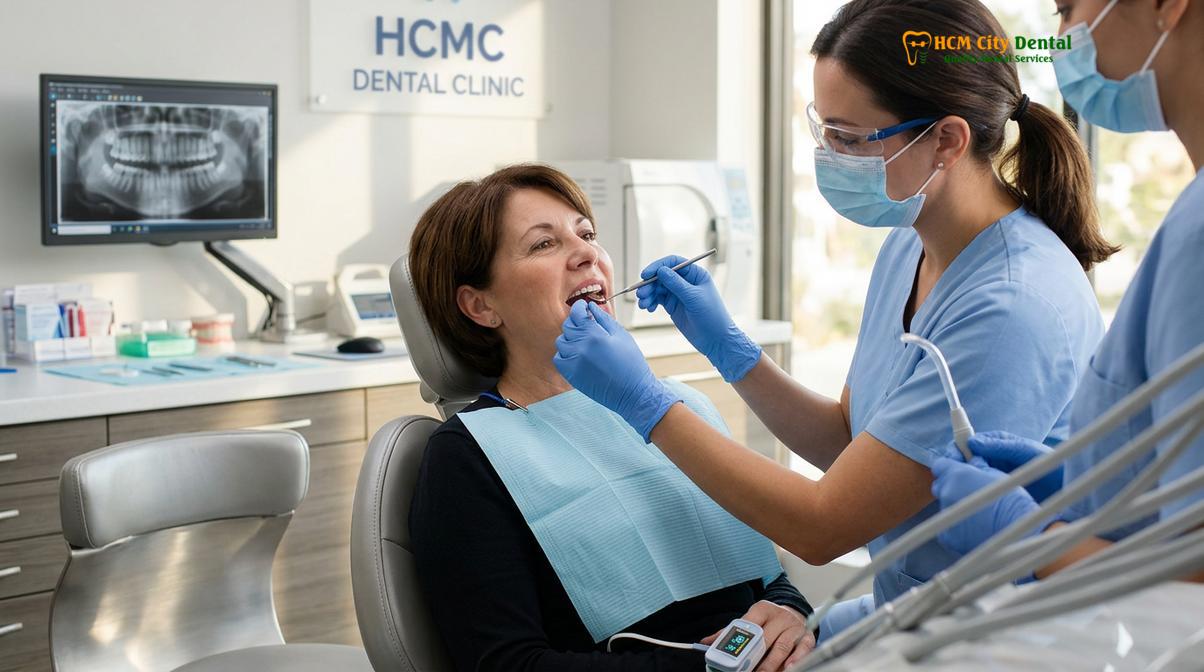
Throughout this deeply relaxed state, clinical safety is maintained through continuous monitoring. The dental team will attach a pulse oximeter to the patient’s finger to measure oxygen saturation in the blood and heart rate. A blood pressure cuff will automatically take readings at regular intervals. This vigilant monitoring ensures that the patient’s vital signs remain stable and within normal physiological limits while they experience the calming effects of the sedation.
Important Safety Rules: Companion and Escort Requirements
Due to the cognitive and motor impairment caused by oral sedatives, clinical safety protocols strictly mandate that a responsible adult must drive the patient to the clinic and escort them home.
The pharmacological effects of benzodiazepines extend far beyond the duration of the dental procedure. While the peak sedation occurs while the patient is in the dental chair, the medication’s half-life dictates that residual cognitive impairment, delayed reaction times, and compromised motor coordination will persist for many hours. Because of this prolonged impairment, dental clinics enforce strict, non-negotiable safety rules regarding patient transportation and post-operative care.
A patient who has ingested an oral sedative cannot legally or safely operate a motor vehicle. Therefore, a responsible adult companion must drive the patient to the dental office. This escort is typically required to remain in the clinic’s waiting area throughout the duration of the procedure. Once the dental work is complete and the dentist determines that the patient has met the clinical discharge criteria—meaning their vital signs are stable, they can walk with minimal assistance, and they are oriented enough to leave—the escort will drive the patient home.
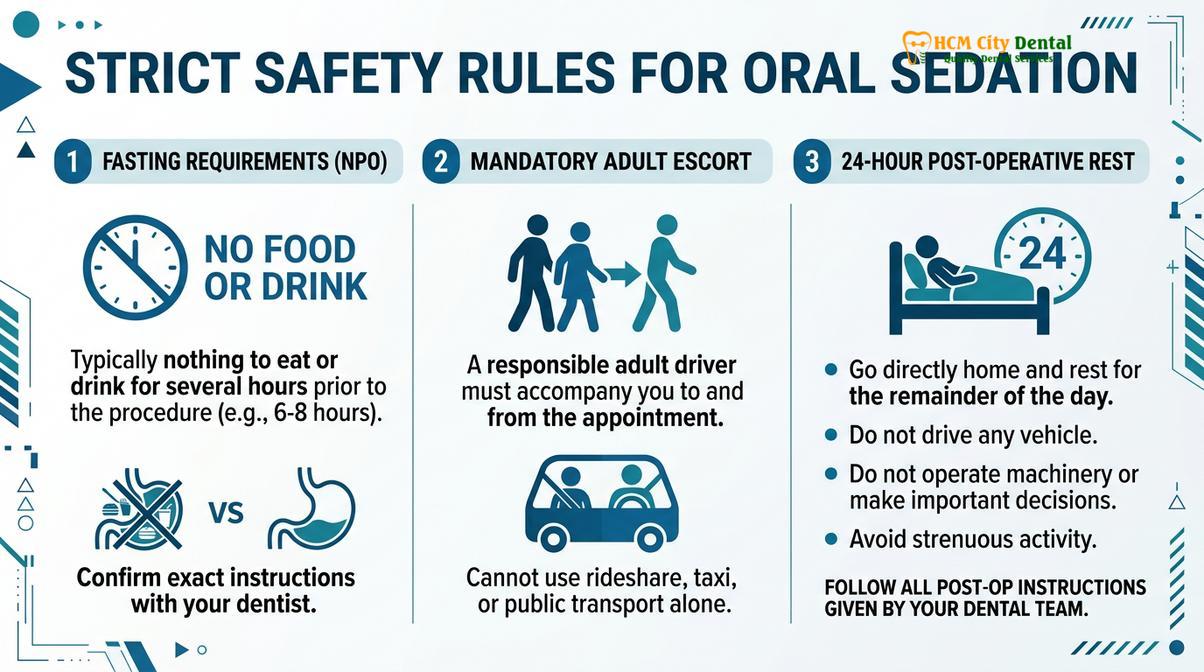
The responsibility of the companion does not end at the clinic door. The escort should assist the patient into their home, ensure they are resting comfortably in a safe environment (such as a bed or a recliner on the ground floor to avoid stairs), and monitor them for the next several hours. The patient should be encouraged to drink clear fluids to stay hydrated and help flush the medication from their system, and they should eat soft, easily digestible foods once the local anesthesia has worn off to prevent accidental biting of the lips or tongue.
Clinical Safety Warning: Under no circumstances should a patient drive a vehicle, operate heavy machinery, make significant financial or legal decisions, or consume alcohol for a minimum of 24 hours following the administration of oral conscious sedation. The residual effects of the medication severely impair judgment and reflex times.
Oral Sedation Rates at HCMC Dental Clinic
The cost of oral sedation depends on the specific medication prescribed, the duration of the planned procedure, and the comprehensive monitoring equipment utilized during your visit.
When considering advanced anxiety management, patients often inquire about the dental sedation pill price and how it integrates into their overall treatment plan. Compared to intravenous (IV) sedation or general anesthesia, which require the presence of a dedicated anesthesiologist and highly specialized equipment, oral sedation is generally a more cost-effective option. However, the fee encompasses much more than just the cost of the pharmaceutical pill.
At HCMC Dental Clinic, the fee for oral sedation reflects the comprehensive safety protocols employed. This includes the extensive preoperative medical evaluation, the prescription of the medication itself, the use of advanced intraoperative monitoring equipment (such as pulse oximetry and automated blood pressure tracking), and the dedicated time of the clinical staff who monitor the patient during the recovery phase before discharge. Dr. Nguyen Van Cuong ensures that every sedation case is treated with the highest level of clinical vigilance, prioritizing patient safety above all else.
Because oral sedation allows the dentist to work more efficiently—often completing multiple procedures in a single, consolidated appointment rather than spreading them out over several visits—many patients find that it actually saves them time and reduces overall clinical fees in the long run. Patients interested in exploring these sedation dentistry options are encouraged to schedule a consultation to discuss their specific needs. Whether you are undergoing complex oral surgery or routine General Dentistry, pharmacological anxiety management can transform your experience.
When to See a Doctor (Clinical Considerations)
While oral sedation is highly safe for the majority of healthy adults, it is not universally appropriate for everyone. Patient selection is a critical component of sedation dentistry. During the preoperative evaluation, the dentist will classify the patient based on the American Society of Anesthesiologists (ASA) Physical Status Classification System. Generally, patients classified as ASA I (a normal healthy patient) or ASA II (a patient with mild systemic disease, such as well-controlled hypertension) are excellent candidates for oral sedation in an outpatient dental setting.
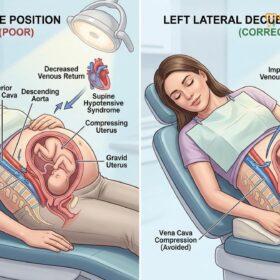
However, there are specific medical contraindications that require careful consideration or may preclude the use of oral sedatives altogether. Patients with severe obstructive sleep apnea (OSA) are at a higher risk for airway complications when central nervous system depressants are administered. Pregnant women are generally advised against taking benzodiazepines due to potential risks to fetal development. Additionally, individuals with narrow-angle glaucoma, severe hepatic (liver) or renal (kidney) impairment, or a known allergy to benzodiazepines must seek alternative anxiety management strategies[5].
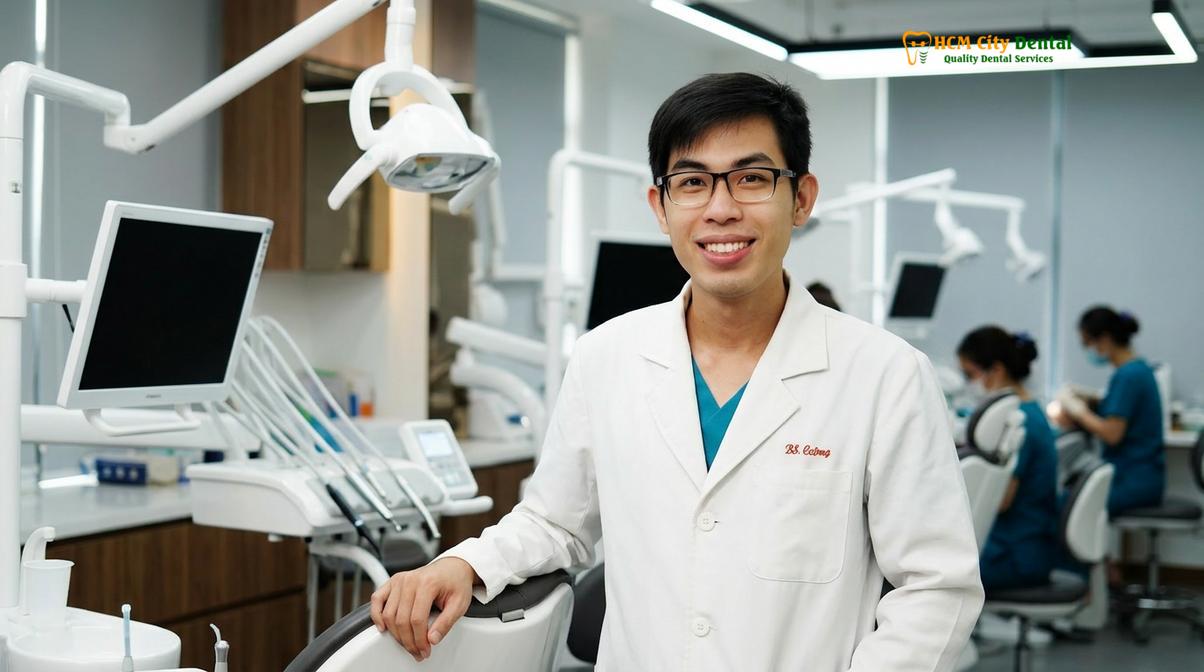
“Comprehensive medical history gathering is the first and most vital step in sedation dentistry. Identifying potential drug interactions, systemic health issues, and anatomical airway challenges allows the clinician to tailor the sedation protocol, ensuring the highest margin of safety for the patient.”
Patients who are currently taking other central nervous system depressants, such as opioids, barbiturates, or certain antidepressants, must disclose this information to their dentist, as these medications can have a synergistic effect with oral sedatives, leading to dangerously deep levels of sedation. A thorough, honest dialogue between the patient and the clinical team is essential to ensure a safe and successful outcome.
Frequently Asked Questions
Will I fall asleep with oral dental sedation?
You will likely remain awake but in a state of profound relaxation. While oral sedation dentistry does not induce unconsciousness like general anesthesia, many patients become so relaxed that they drift into a light sleep, from which they can be easily awakened by the dentist. You will still be able to respond to verbal commands and breathe entirely on your own throughout the procedure.
How long before my appointment do I take the sedation pill?
Typically, you will take the prescribed sedative medication about one hour before your scheduled dental procedure. Your dentist will provide exact timing instructions based on the specific medication’s pharmacokinetic profile and onset time to ensure peak effectiveness upon your arrival. In cases of severe anxiety, a preliminary dose may also be prescribed for the night before.
How long does oral conscious sedation last?
The primary effects of oral conscious sedation usually last between two to six hours, depending on the specific drug administered and your individual metabolism. However, residual drowsiness and cognitive impairment can persist for up to 24 hours, requiring a full day of rest. This is why you must not drive or operate machinery for a full day following your appointment.
Are there risks of taking an oral sedative for dental work?
When administered by a trained professional, oral sedatives are highly safe, but potential risks include over-sedation, respiratory depression, or paradoxical reactions. A thorough medical history review and continuous intraoperative monitoring of vital signs are strictly employed to mitigate these clinical risks. Full disclosure of your medical history and current medications is vital to prevent adverse drug interactions.
Can I go home alone after oral sedation?
No, you absolutely cannot go home alone after receiving oral sedation. Clinical safety protocols strictly mandate that a responsible adult companion must drive you to the clinic, remain available during the procedure, and escort you safely back home afterward. The medication impairs your motor skills and judgment, making it unsafe to travel independently via driving, public transit, or rideshare services.
References
- Journal of the American Dental Association. Enteral sedation in dentistry: pharmacological and clinical considerations. (2021).
- International Journal of Oral and Maxillofacial Surgery. Benzodiazepines in dental anxiety management: a comprehensive review. (2020).
- British Dental Journal. Patient safety protocols and vital sign monitoring during conscious sedation. (2019).
- Clinical Oral Investigations. Anterograde amnesia and patient satisfaction following oral triazolam administration. (2022).
- Journal of Dental Anesthesia and Pain Medicine. Preoperative evaluation and contraindications for minimal and moderate sedation. (2018).
For pricing, booking, and a free clinical assessment, visit our Sedation Dentistry service page at HCMC Dental Clinic in Ho Chi Minh City.