Sleep dentistry in Vietnam provides a safe, anxiety-free solution for patients undergoing complex or routine dental procedures. By utilizing advanced conscious sedation techniques, specialized clinics in Ho Chi Minh City ensure that international patients receive painless, high-quality care under the strict supervision of certified anesthesiologists.
Clinical Summary:
Sleep dentistry, encompassing various modalities of conscious sedation, has revolutionized the approach to dental care for patients experiencing severe dentophobia or requiring extensive surgical interventions. In Vietnam, premier dental facilities have adopted stringent international protocols to deliver these pharmacological solutions safely. The integration of dedicated, board-certified anesthesiologists, state-of-the-art vital sign monitoring, and comprehensive emergency preparedness ensures that expatriates and medical tourists receive care that meets global standards. By prioritizing clear, English-language communication and rigorous pre-anesthetic evaluations, leading clinics effectively mitigate physiological stress responses, allowing for optimal surgical outcomes and enhanced patient comfort.
Key Takeaways:
- Sleep dentistry utilizes pharmacological agents to depress the central nervous system, reducing anxiety and pain perception.
- Treatment modalities range from minimal inhalation sedation (nitrous oxide) to moderate intravenous (IV) sedation.
- Patient safety relies on continuous physiological monitoring by a dedicated, board-certified anesthesiologist.
- Thorough pre-anesthetic medical evaluations are mandatory to determine patient candidacy and prevent adverse drug interactions.
- Choosing a clinic with fluent English-speaking staff is critical for accurate medical history reporting and informed consent.
The Rise of Sleep Dentistry (Sedation Care) in Vietnam
The demand for sleep dentistry in Vietnam has surged as international patients seek affordable, high-quality, and anxiety-free dental treatments supported by advanced pharmacological protocols.
The landscape of dental care in Southeast Asia has undergone a profound transformation, with Vietnam emerging as a leading destination for advanced therapeutic interventions. Historically, dental anxiety has been a significant barrier to oral health, preventing countless individuals from seeking necessary care. The physiological manifestation of this fear—often characterized by tachycardia, hypertension, and an exaggerated gag reflex—can severely compromise the efficacy of dental treatments. To address this, the integration of sleep dentistry has become a cornerstone of modern clinical practice, offering a pharmacological bridge to optimal oral health.
Understanding the Spectrum of Conscious Sedation
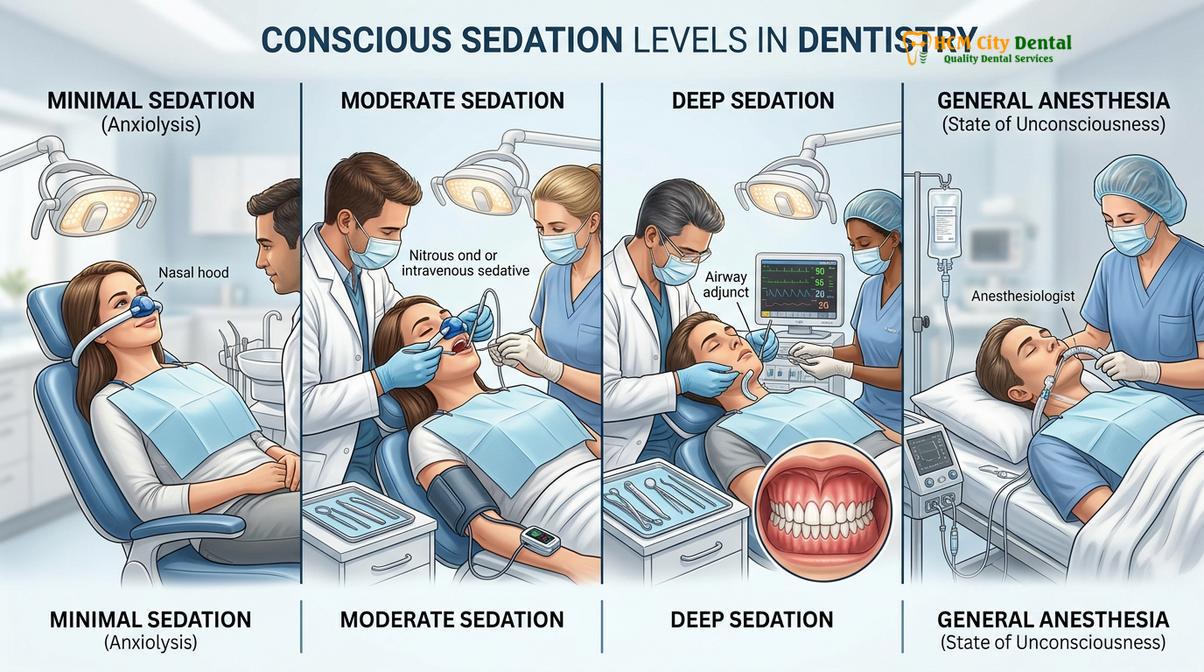
Sleep dentistry is a broad term that encompasses various levels of central nervous system depression, tailored to the patient’s specific anxiety levels and the complexity of the surgical procedure. It is crucial to differentiate conscious sedation from general anesthesia. In conscious sedation, the patient retains the ability to independently maintain a patent airway and respond appropriately to physical stimulation or verbal commands [1]. This significantly reduces the risks associated with complete loss of consciousness while still providing profound anxiolysis and amnesia.
The primary modalities utilized in Vietnam include:
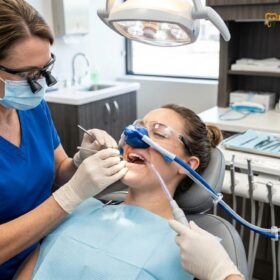
- Inhalation Sedation (Nitrous Oxide): Often referred to as “laughing gas,” this is a mild form of sedation. A mixture of nitrous oxide and oxygen is administered through a nasal hood. It provides rapid onset of relaxation and mild analgesia, with the distinct advantage of rapid recovery, allowing patients to resume normal activities shortly after the procedure.
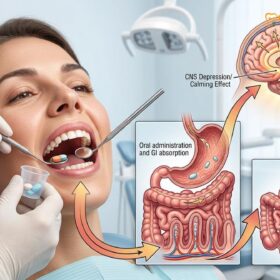
- Enteral (Oral) Sedation: This involves the administration of sedative-hypnotic medications, typically from the benzodiazepine class (e.g., Diazepam, Triazolam), taken orally prior to the appointment. It induces a state of moderate sedation where the patient may fall into a light sleep but can be easily awakened. For a deeper understanding of this modality, patients can review our Oral Sedation Dentistry: Clinical Guide & Protocols.
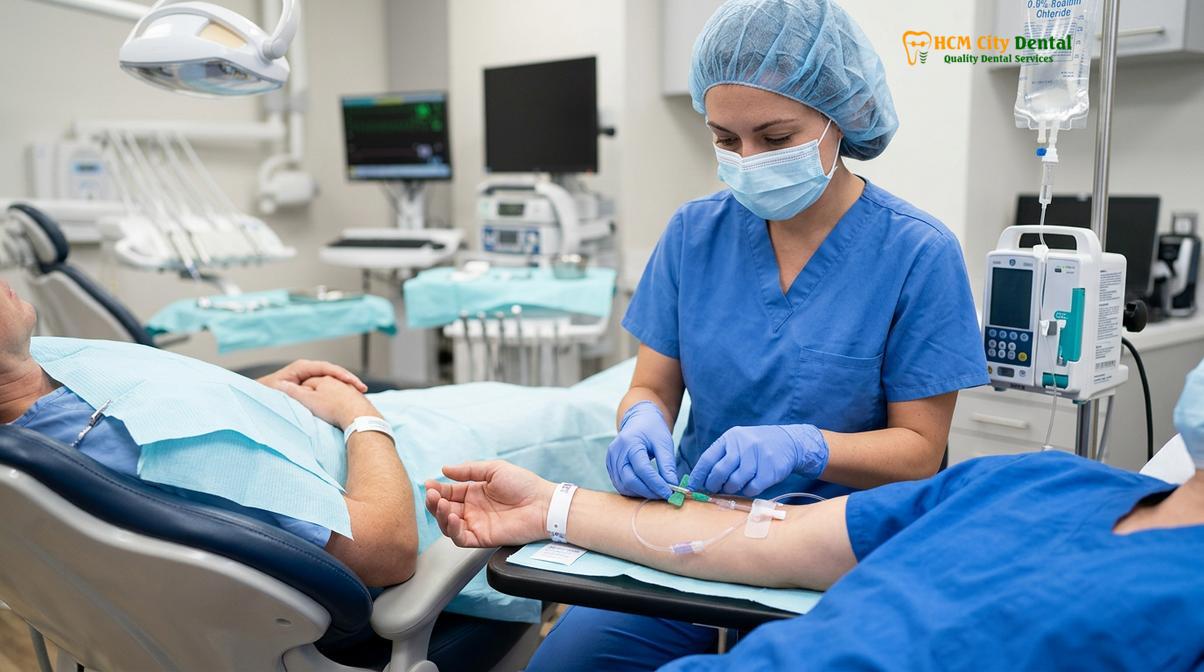
- Parenteral (Intravenous) Sedation: IV sedation represents the most profound level of conscious sedation. Medications such as Midazolam or Propofol are administered directly into the bloodstream, allowing the anesthesiologist to titrate the dosage precisely for immediate effect. This method is highly favored for complex procedures like multiple implant placements or impacted wisdom tooth extractions.
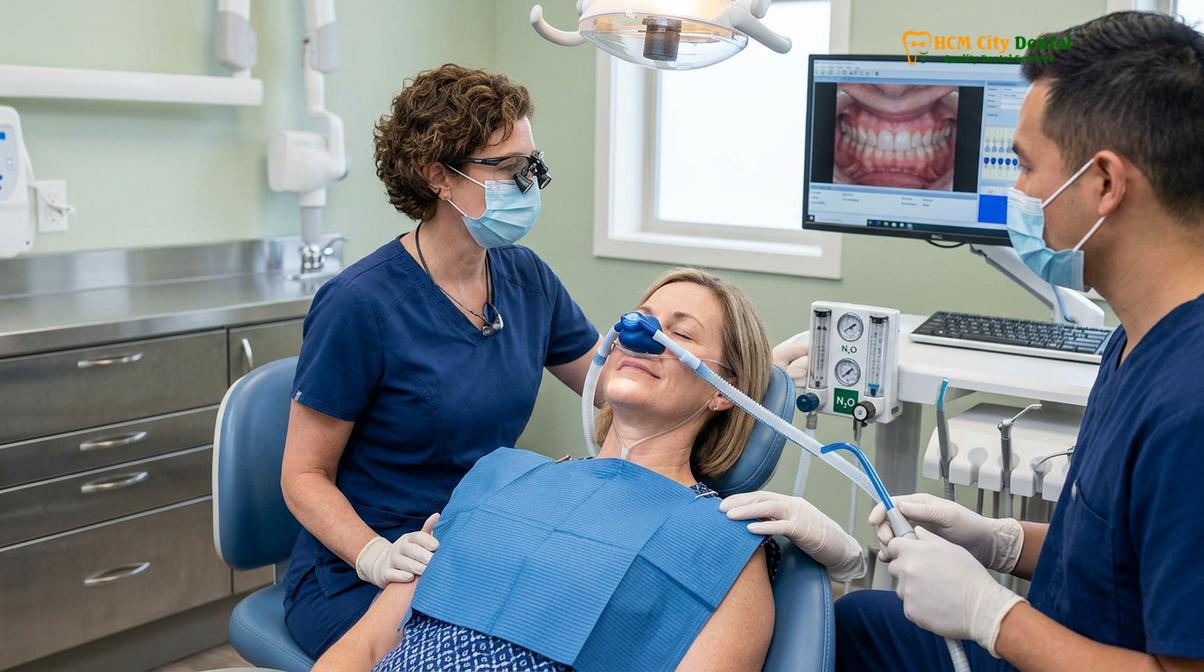
The availability of these comprehensive sedation dentistry options has made Vietnam an attractive hub for medical tourists. Expatriates and international visitors can now access world-class care that prioritizes both clinical excellence and psychological comfort, effectively neutralizing the traditional fears associated with dental visits.
Key Criteria for Choosing a Safe, Foreigner-Friendly Clinic
Selecting a reliable clinic requires verifying international safety standards, modern monitoring equipment, and comprehensive emergency protocols to ensure optimal patient outcomes during sedation.
When navigating the healthcare landscape in a foreign country, the criteria for selecting a dental provider must extend beyond basic hygiene and aesthetic outcomes. Sleep dentistry introduces a layer of medical complexity that demands rigorous adherence to international safety protocols. For expatriates, identifying a clinic that operates with the highest degree of clinical governance is paramount to ensuring a safe and successful procedure.
Pre-Anesthetic Evaluation and Patient Selection
A hallmark of a premier sedation facility is the implementation of a thorough pre-anesthetic evaluation. Not all patients are suitable candidates for every type of sedation. The clinical team must utilize standardized assessment tools, such as the American Society of Anesthesiologists (ASA) Physical Status Classification System, to stratify patient risk. Patients classified as ASA I (normal healthy patient) or ASA II (patient with mild systemic disease) are generally excellent candidates for outpatient conscious sedation [2].
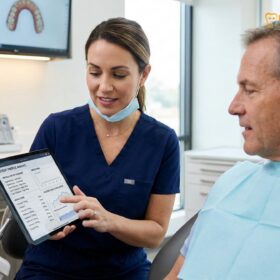
During the consultation, the medical team must conduct a comprehensive review of the patient’s medical history, including current medications, known allergies, previous anesthetic experiences, and any history of obstructive sleep apnea or respiratory compromise. This meticulous screening process is essential to prevent adverse drug interactions and to tailor the pharmacological approach to the individual’s unique physiological profile.
Comparative Analysis of Sedation Modalities
To assist patients in understanding their options, the following table outlines the clinical characteristics of the primary sedation modalities offered in top-tier Vietnamese clinics:
| Sedation Modality | Administration Route | Level of Sedation | Onset Time | Amnesic Effect | Clinical Indication |
|---|---|---|---|---|---|
| Nitrous Oxide | Inhalation (Nasal Mask) | Minimal | Rapid (2-3 minutes) | Low | Mild anxiety, routine cleanings, simple fillings |
| Oral Sedation | Enteral (Pill/Liquid) | Minimal to Moderate | Slow (30-60 minutes) | Moderate | Moderate anxiety, longer restorative procedures |
| IV Sedation | Parenteral (Intravenous) | Moderate to Deep | Very Rapid (Seconds) | High | Severe dentophobia, complex oral surgery, multiple implants |
Understanding these distinctions helps patients make informed decisions about their care. It is also vital to recognize the psychological components of dental fear. Clinics that excel in patient care often utilize diagnostic tools to assess anxiety levels before recommending a sedation route. For more information on how anxiety is measured clinically, you can explore the Dental Anxiety Scale: MDAS Test & Scoring Guide.
Communication Matters: English-Speaking Doctors and Staff
Clear communication in English is critical for accurate medical history assessment, informed consent, and effective anxiety management during sedation procedures.
In the realm of medical care, effective communication is not merely a convenience; it is a fundamental component of patient safety. When undergoing procedures that alter consciousness, the ability to convey complex medical information accurately is vital. Language barriers can lead to misunderstandings regarding pre-operative fasting instructions, post-operative care, and the reporting of critical medical history details.
The Role of Bilingual Clinical Teams
For international patients, finding a highly proficient sedation dentist saigon english speaking team is non-negotiable. The consultation phase requires a nuanced discussion about the risks, benefits, and alternatives to sedation. Informed consent must be obtained in a language the patient fully comprehends, ensuring they are legally and ethically aware of the procedure’s scope.
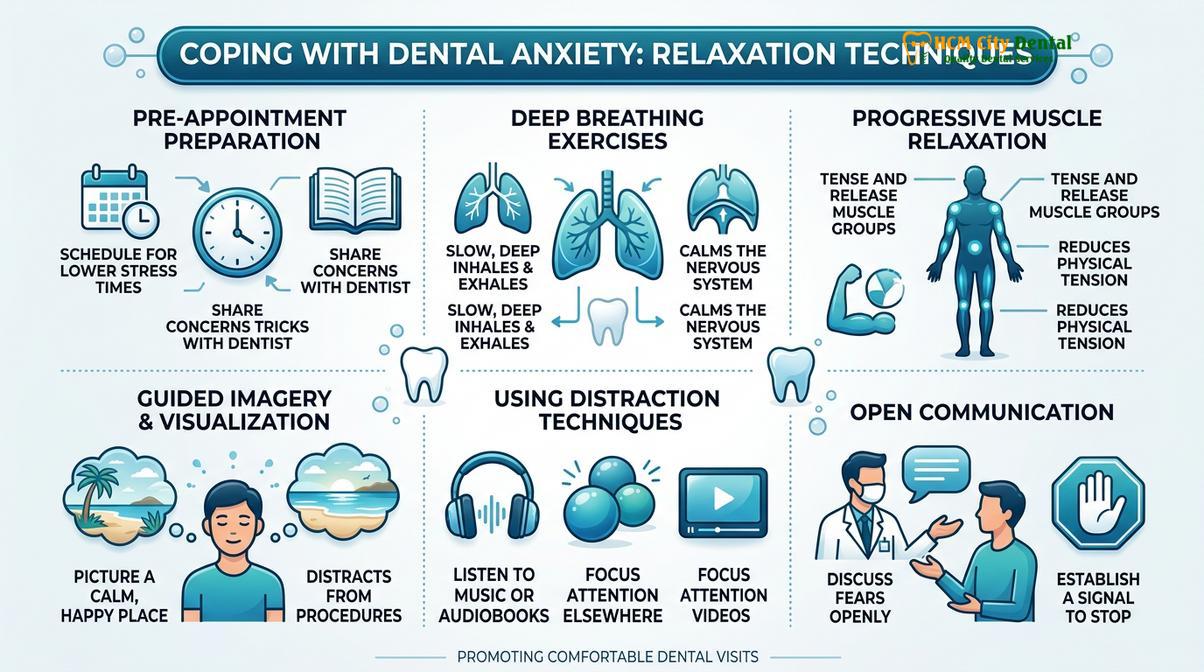
Furthermore, the psychological management of a nervous patient relies heavily on verbal reassurance. The clinical team must be able to explain each step of the process, from the placement of the intravenous line to the sensations the patient might experience as the sedative takes effect. This continuous dialogue helps to lower baseline anxiety, which in turn can reduce the amount of pharmacological intervention required to achieve the desired level of sedation.
Clinics that prioritize international standards ensure that not only the lead surgeons but also the anesthesiologists, nurses, and patient coordinators are fluent in English. This cohesive communication strategy minimizes clinical errors and fosters a trusting doctor-patient relationship, which is essential for those learning How to Overcome Dental Fear.
Anesthesia Certification: Verifying Anesthesiologist Credentials
Safe sleep dentistry mandates that sedation is administered and monitored exclusively by board-certified anesthesiologists with specialized dental training.
The administration of intravenous sedatives carries inherent physiological risks, primarily concerning respiratory depression and cardiovascular instability. Therefore, the “operator-anesthetist” model—where the dentist simultaneously performs the surgery and manages the deep sedation—is increasingly discouraged in complex cases. The gold standard of care dictates the presence of a dedicated, board-certified anesthesiologist whose sole responsibility is the continuous monitoring and management of the patient’s vital functions [3].
Continuous Physiological Monitoring
During IV sedation, the anesthesiologist utilizes an array of advanced monitoring equipment to track the patient’s physiological status in real-time. This includes:
- Pulse Oximetry: Measures the oxygen saturation of the blood (SpO2) and pulse rate, providing early warning of hypoxia.
- Capnography: Measures the concentration of carbon dioxide in exhaled air (End-Tidal CO2). This is the most reliable indicator of adequate ventilation and is critical for detecting respiratory depression before oxygen desaturation occurs.
- Electrocardiography (ECG): Monitors the electrical activity of the heart to detect arrhythmias or ischemic changes.
- Non-Invasive Blood Pressure (NIBP): Automatically records blood pressure at regular intervals to ensure hemodynamic stability.
“The presence of a dedicated anesthesiologist transforms the safety profile of sleep dentistry. By continuously analyzing capnography and ECG data, we can anticipate and correct physiological shifts before they become clinical emergencies, allowing the surgical team to focus entirely on the dental procedure.”
— Dr. Nguyen Van Cuong, Clinical Director
Patients must proactively inquire about the credentials of the anesthesia team. Verifying that the anesthesiologist holds recognized medical degrees and specific certifications in advanced cardiac life support (ACLS) is a critical step in ensuring a safe surgical environment.
Clinic Inspection Checklist: Technology, Hygiene, and Safety Kits
A premier sedation facility must be equipped with advanced vital sign monitors, strict sterilization protocols, and fully stocked emergency crash carts.
Beyond the personnel, the physical infrastructure and technological capabilities of the dental clinic play a pivotal role in the safety of sleep dentistry. An environment designed for conscious sedation must mirror the standards of an outpatient surgical center. Patients are encouraged to conduct a mental or physical inspection of the facility based on several critical parameters.
Emergency Preparedness and Pharmacological Reversal
While severe complications during conscious sedation are exceedingly rare when protocols are followed, absolute preparedness is mandatory. The clinic must possess a fully stocked emergency “crash cart” that is regularly audited for expired medications. Essential emergency equipment includes:
- Automated External Defibrillator (AED) or advanced manual defibrillator.
- Positive pressure oxygen delivery systems (e.g., bag-valve-mask resuscitator).
- Advanced airway management adjuncts (supraglottic airways, endotracheal tubes).
- Pharmacological reversal agents: Flumazenil (to reverse benzodiazepines) and Naloxone (to reverse opioids) [4].
Clinical Warning: Never undergo intravenous sedation in a facility that lacks continuous capnography monitoring or immediate access to pharmacological reversal agents. The inability to rapidly manage respiratory depression is the primary cause of severe sedation-related complications.
Sterilization and Infection Control
Infection control is another non-negotiable aspect of clinical safety. The facility must employ strict sterilization protocols, utilizing Class B autoclaves for the sterilization of all surgical instruments. Single-use items, particularly those related to intravenous access and airway management, must be strictly adhered to. The treatment rooms should be designed to minimize cross-contamination, featuring seamless surfaces and advanced air filtration systems.
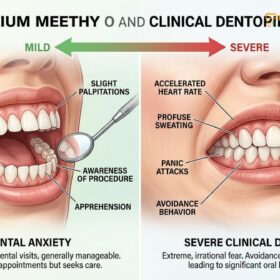
Understanding the difference between general anxiety and a diagnosed phobia can also help patients communicate their needs better. For a clinical breakdown, refer to our guide on Dental Phobia vs Anxiety: Clinical Differences & Care.
Why HCMC Dental is the Premier Choice for Expat Sleep Dentistry
HCMC Dental Clinic combines internationally trained specialists, state-of-the-art sedation technology, and personalized care to deliver exceptional experiences for international patients.
For expatriates residing in or visiting Vietnam, navigating healthcare options can be daunting. However, HCMC Dental Clinic has established itself as a beacon of clinical excellence, specifically tailored to meet the rigorous demands of international patients. By integrating advanced sedation protocols with world-class restorative and surgical dentistry, the clinic provides a seamless, anxiety-free experience.
A Multidisciplinary Approach to Patient Care
The success of an expat dental sedation saigon procedure relies on a multidisciplinary approach. At HCMC Dental Clinic, the workflow is meticulously designed. From the initial consultation, patients are guided by fluent English-speaking care coordinators who assist in gathering comprehensive medical histories. The surgical planning is collaborative, involving the restorative dentist, the oral surgeon, and the dedicated anesthesiologist.
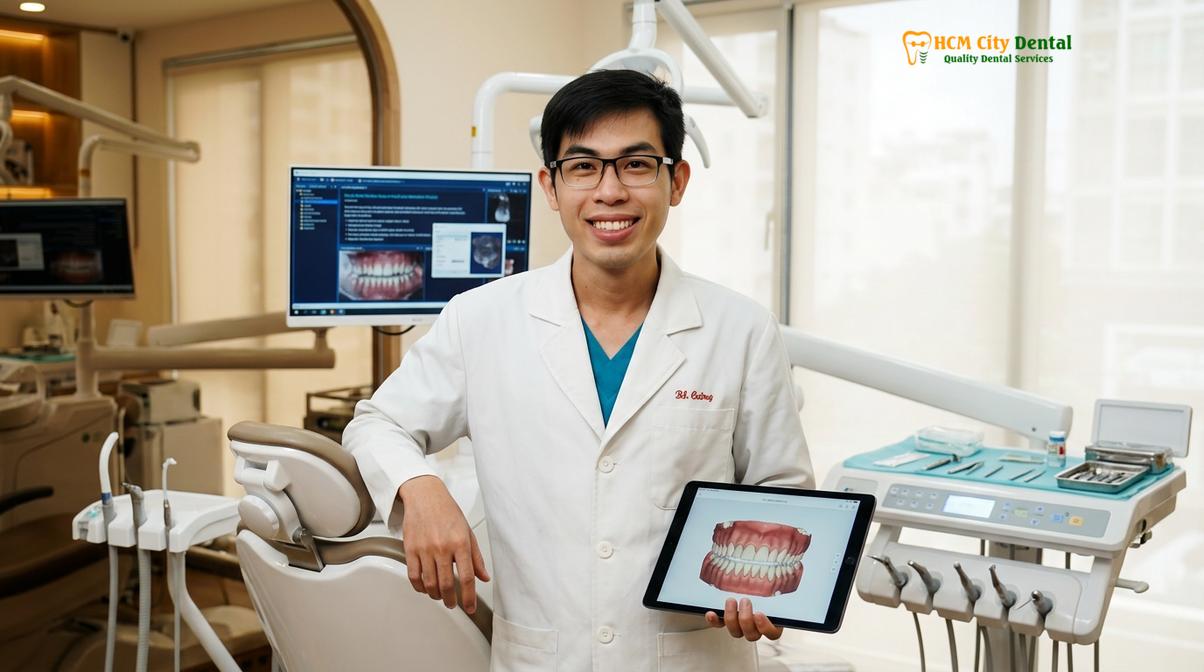
Dr. Nguyen Van Cuong emphasizes that the goal is not merely to complete the dental work, but to reshape the patient’s perception of dental care. By ensuring that the patient experiences zero pain and retains little to no memory of the surgical intervention, the clinic effectively cures the cycle of dental avoidance.
Clinical Case Study: Full-Mouth Rehabilitation under IV Sedation
Patient Profile: A 45-year-old expatriate presented to HCMC Dental Clinic in Ho Chi Minh City with severe dentophobia and generalized advanced periodontitis requiring multiple extractions and immediate implant placement.
Clinical Protocol: Due to the patient’s high anxiety and the complexity of the 4-hour surgery, intravenous conscious sedation (Propofol/Midazolam titration) was selected. A dedicated anesthesiologist continuously monitored End-Tidal CO2 and SpO2.
Outcome: The surgical phase was completed seamlessly. The patient awoke comfortably in the recovery suite with no memory of the extractions or implant drilling, reporting zero intraoperative pain and expressing profound relief.
Whether a patient is seeking a conscious sedation dentist foreigner friendly environment for complex implantology or simply requires a stress-free environment for routine care, the sleep dental clinic ho chi minh standards at HCMC Dental Clinic ensure that every physiological and psychological need is met with precision.
“Our commitment to international safety standards means that expatriate patients do not have to compromise on the quality of their sedation care. We utilize the exact same monitoring technologies and pharmacological protocols found in top-tier clinics in North America and Europe.”
— Clinical Anesthesia Team
When to See a Doctor for Sedation Consultation
Determining whether sleep dentistry is the appropriate clinical pathway requires a professional evaluation. Patients should schedule a consultation with a specialized sedation dentist if they experience any of the following indications:
- Severe Dental Phobia: A history of avoiding necessary dental care for years due to paralyzing fear or anxiety.
- Exaggerated Gag Reflex: An inability to tolerate dental instruments, impression materials, or even routine examinations in the oral cavity.
- Complex Surgical Needs: Requiring extensive procedures such as multiple dental implants, impacted wisdom teeth removal, or full-mouth bone grafting in a single session.
- Local Anesthesia Resistance: A documented history of difficulty achieving profound numbness with standard local anesthetic injections.
- Special Needs: Patients with cognitive or physical disabilities that make it challenging to remain still and cooperative during extended dental treatments.
Conversely, there are specific contraindications that must be evaluated. Patients who are pregnant, suffer from severe chronic obstructive pulmonary disease (COPD), have uncontrolled hypertension, or possess certain anatomical airway abnormalities may not be suitable candidates for deep intravenous sedation [5]. In such cases, alternative anxiety management strategies or treatment in a hospital setting under general anesthesia may be recommended. A thorough clinical examination and medical history review are imperative to formulate a safe, individualized treatment plan.
For parents concerned about their children’s dental fears, specialized pediatric protocols are available. Learn more in our comprehensive guide on Managing Dental Anxiety in Children.
Frequently Asked Questions
Do dental clinics in Vietnam offer sleep dentistry?
Yes, premier dental clinics in Vietnam offer comprehensive sleep dentistry options, including nitrous oxide, oral sedatives, and intravenous (IV) sedation. These advanced pharmacological interventions are administered by certified anesthesiologists to ensure patient comfort and safety during complex or routine dental procedures. The availability of these services has made Vietnam a top destination for medical tourists seeking anxiety-free dental care.
How do I find an English-speaking sedation dentist in HCMC?
You can find an English-speaking sedation dentist in HCMC by researching internationally accredited clinics that specifically cater to expatriates and medical tourists. Look for facilities that prominently display their specialists’ international qualifications, offer bilingual consultations, and provide transparent, English-language medical consent forms. Contacting the clinic directly to assess their communication skills prior to booking is also highly recommended.
Are anesthesiologists in Vietnam internationally certified?
Many anesthesiologists working in top-tier Vietnamese dental clinics hold international certifications or have undergone extensive training abroad. It is crucial to verify that the clinic employs dedicated, board-certified medical anesthesiologists who follow global safety protocols rather than relying solely on the operating dentist to administer deep sedation. Always ask to review the credentials of the anesthesia team during your consultation.
What if I have an emergency during my sedation dental treatment?
In the rare event of an emergency, reputable sedation clinics are fully equipped with advanced crash carts, defibrillators, and reversal agents. Continuous vital sign monitoring allows the dedicated anesthesiologist to detect and manage any physiological anomalies instantly, ensuring immediate and effective medical intervention. The presence of a specialized medical team guarantees that emergency protocols meet international life support standards.
How can I read reviews from other expat sedation patients?
Expat patients frequently share their sedation dentistry experiences on dedicated community forums, international healthcare review platforms, and Google Reviews. Reading these firsthand accounts helps prospective patients evaluate the clinic’s communication standards, the effectiveness of the sedation, and the overall quality of post-operative care. Additionally, reputable clinics often provide patient testimonials and case studies upon request.
References
- Journal of Oral and Maxillofacial Surgery. Patient safety in dental sedation and anesthesia. (2021).
- International Journal of Oral and Maxillofacial Surgery. Intravenous conscious sedation protocols for complex oral surgery. (2020).
- British Dental Journal. Nitrous oxide inhalation sedation in dentistry: a review of safety. (2019).
- Journal of the American Dental Association. Patient satisfaction and anxiety levels under conscious sedation. (2022).
- Clinical Oral Investigations. Safety and recovery profiles of conscious sedation vs general anesthesia. (2018).
For pricing, booking, and a free clinical assessment, visit our Sedation Dentistry service page at HCMC Dental Clinic in Ho Chi Minh City.