The dental anxiety scale is a clinical assessment tool used to measure a patient’s level of fear and apprehension regarding dental treatments. By quantifying emotional responses to specific procedures, dentists can tailor sedation protocols and behavioral management strategies to ensure a comfortable, stress-free experience.
Clinical Summary:
The Modified Dental Anxiety Scale (MDAS) is the gold-standard psychometric questionnaire utilized globally to evaluate and quantify dental fear. It consists of five specific clinical scenarios, including the anticipation of a visit, waiting in the reception area, tooth drilling, scaling, and receiving a local anesthetic injection. Patients rate their anxiety on a 5-point Likert scale, generating a total score between 5 and 25. Clinicians analyze these scores to categorize anxiety levels from mild apprehension to severe dental phobia. This objective data allows dental professionals to customize treatment plans, integrating appropriate behavioral techniques and pharmacological interventions—such as conscious sedation—to optimize patient comfort, safety, and long-term oral health outcomes.
Key Takeaways:
- The MDAS is a validated 5-item questionnaire that measures specific triggers of dental fear.
- Scores range from 5 to 25, with scores of 19 or higher indicating severe dental phobia.
- The assessment specifically evaluates the fear of local anesthetic injections, a primary anxiety trigger.
- Results directly guide the selection of clinical sedation methods and relaxation techniques.
- Completing the scale before an appointment helps dentists prepare highly personalized, trauma-informed care plans.
What is the Modified Dental Anxiety Scale (MDAS)?
The Modified Dental Anxiety Scale is a validated, five-question psychometric survey designed to objectively measure a patient’s fear of dental procedures and guide clinical management.
Understanding and managing patient fear is a cornerstone of modern dental practice. For decades, clinicians relied on subjective observations to gauge a patient’s comfort level. However, the introduction of standardized psychometric tools revolutionized how dental professionals approach patient psychology. The modified dental anxiety scale, widely recognized as the MDAS, is currently the most extensively used instrument for assessing dental fear in adult patients worldwide[1]. It provides a structured, quantifiable method to evaluate the severity of a patient’s apprehension, transforming a subjective emotion into actionable clinical data.
The history of the MDAS is rooted in the continuous effort to improve patient care. Dr. Norman Corah developed the original Dental Anxiety Scale (DAS), which consisted of four questions. While groundbreaking, the original DAS had a significant clinical limitation: it did not include a question about local anesthetic injections, which subsequent research identified as the most common and intense trigger for dental fear. To address this critical gap, researchers introduced the MDAS. By adding a fifth question specifically targeting injection anxiety and standardizing the response options, the MDAS became a more comprehensive and reliable diagnostic tool[2].

From a clinical perspective, the questionnaire is invaluable because it is both brief and highly sensitive. It takes a patient less than two minutes to complete, yet it provides the dental team with profound insights into the patient’s psychological state. The scale is considered “unidimensional,” meaning that all five questions work together to measure a single underlying psychological construct: dental trait anxiety. This high level of internal consistency ensures that the test accurately reflects the patient’s true level of fear, rather than transient mood fluctuations.
Furthermore, the MDAS has been translated into numerous languages and validated across diverse cultural populations, cementing its status as the gold standard in dental psychology. By utilizing this standardized assessment, clinics can establish a baseline for each patient, monitor changes in anxiety levels over time, and objectively evaluate the effectiveness of their behavioral and pharmacological interventions. It shifts the paradigm from reactive anxiety management to proactive, trauma-informed care.
The 5 MDAS Assessment Questions
The assessment evaluates anxiety across five distinct clinical scenarios, ranging from anticipating a dental visit to the specific fear of receiving a local anesthetic injection.
The brilliance of the dental fear scale test lies in its targeted approach. Rather than asking a generic question like “Are you afraid of the dentist?”, the questionnaire breaks down the dental experience into five specific chronological and procedural stages. This granularity allows the clinician to identify exactly which aspect of the treatment triggers the patient’s fight-or-flight response. Each question is answered using a standardized 5-point Likert scale: Not anxious, Slightly anxious, Fairly anxious, Very anxious, and Extremely anxious.
The five questions are carefully designed to capture different dimensions of dental fear:
1. Anticipatory Anxiety: “If you went to your dentist for treatment tomorrow, how would you feel?” This question measures generalized anticipatory fear. Patients with high scores here often experience sleep disruption the night before an appointment and are at a high risk of canceling at the last minute.
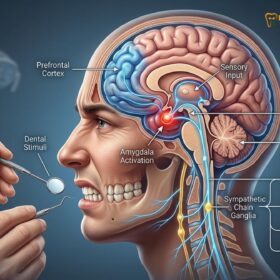
2. Situational Anxiety: “If you were sitting in the waiting room (waiting for treatment), how would you feel?” This evaluates the impact of environmental triggers. The clinical environment—specifically the clinical smells and the sounds of dental instruments—can act as powerful conditioned stimuli that provoke an acute stress response.
3. Fear of Invasive Procedures: “If you were about to have a tooth drilled, how would you feel?” The dental drill represents loss of control, noise, vibration, and potential pain. High anxiety here often necessitates profound local anesthesia and potentially the use of noise-canceling headphones during treatment.
4. Fear of Routine Care: “If you were about to have your teeth scaled and polished, how would you feel?” While scaling is generally non-invasive, the scraping sensation and the proximity of the clinician to the patient’s personal space can trigger significant discomfort, especially in patients with sensory processing sensitivities.
5. Needle Phobia: “If you were about to have a local anaesthetic injection in your gum, above an upper back tooth, how would you feel?” This is the critical addition that differentiates the MDAS from older scales. Fear of injections (trypanophobia) is a distinct and powerful phobia that requires specific clinical management, such as the use of topical anesthetics, computer-assisted delivery systems, or sedation.
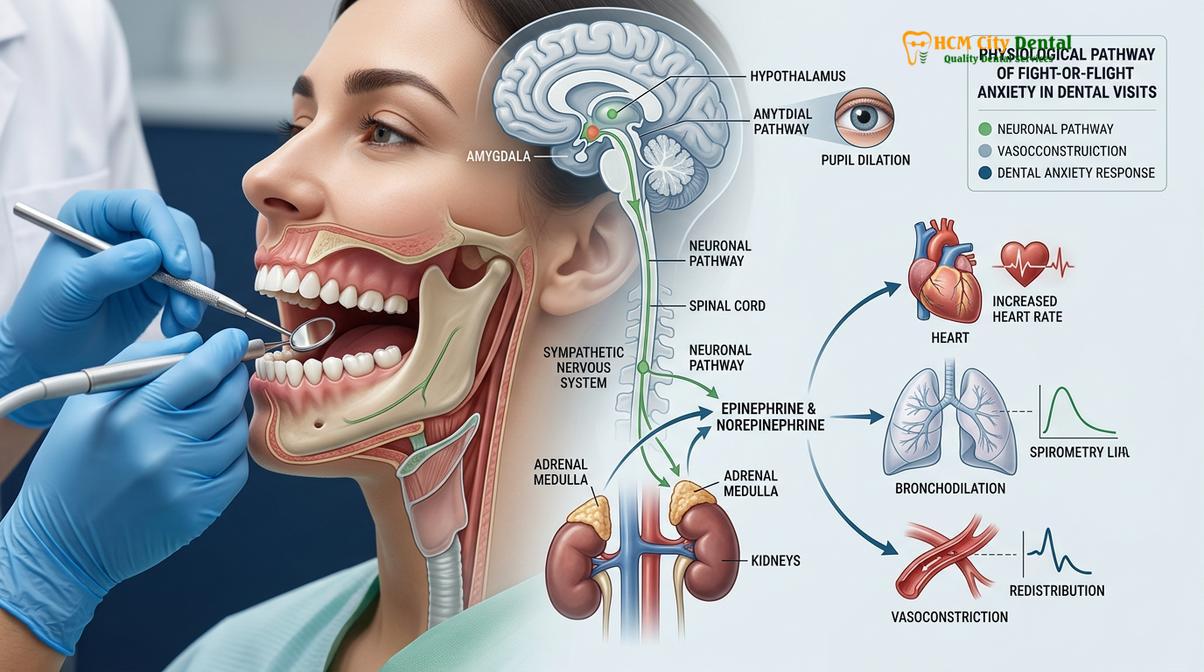
| MDAS Question | Clinical Focus | Common Patient Triggers |
|---|---|---|
| 1. Anticipating a visit tomorrow | Generalized anticipatory fear | Fear of the unknown, past trauma recall |
| 2. Sitting in the waiting room | Environmental/Situational anxiety | Clinical smells, sounds of equipment |
| 3. Having a tooth drilled | Fear of invasive treatment | Vibration, noise, loss of control |
| 4. Teeth scaled and polished | Sensory sensitivity | Scraping sensations, personal space invasion |
| 5. Local anesthetic injection | Needle phobia / Pain anticipation | Fear of needles, fear of numbness |
“The inclusion of the local anesthetic question in the MDAS was a watershed moment in dental psychology. It acknowledged that for many patients, the fear of the injection is far greater than the fear of the actual dental procedure itself, allowing clinicians to target their anxiety management protocols more effectively.”
How to Calculate and Interpret Your Anxiety Score
Calculating the score involves summing the responses from the five questions, yielding a total between 5 and 25 that quantifies the severity of dental fear.
The scoring mechanism of the MDAS is intentionally straightforward, allowing for rapid calculation in a busy clinical setting. Each of the five responses is assigned a numerical value from 1 to 5. “Not anxious” scores 1 point, “Slightly anxious” scores 2 points, “Fairly anxious” scores 3 points, “Very anxious” scores 4 points, and “Extremely anxious” scores 5 points. By adding the scores of all five questions together, the clinician obtains a total score ranging from a minimum of 5 to a maximum of 25.
However, interpreting the score requires clinical nuance. While the total score provides a macro-level view of the patient’s anxiety, dentists must also analyze the individual item scores. For example, a patient might score a 1 on the first four questions but a 5 on the injection question, resulting in a total score of 9. While a total score of 9 generally indicates mild anxiety, the specific score of 5 on the injection question alerts the dentist that this patient has a severe, isolated needle phobia. In such cases, the treatment plan must be heavily modified to address this specific trigger, perhaps by utilizing a specialized painless injection technique or offering nitrous oxide specifically for the anesthetic delivery phase[3].
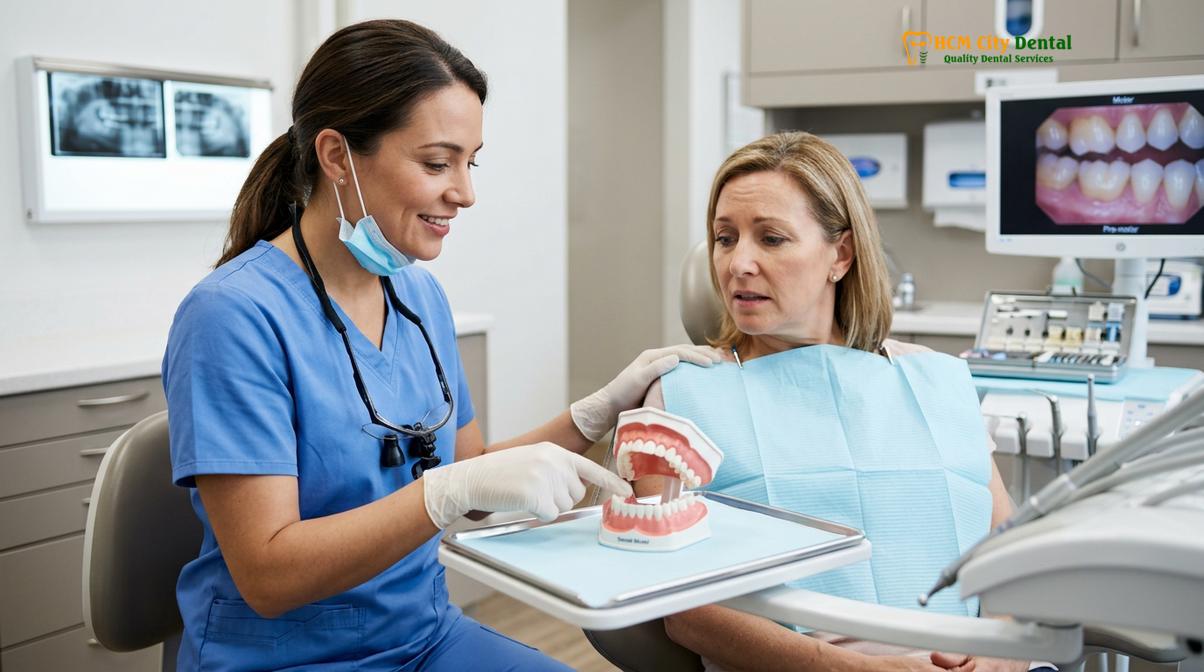
Furthermore, the interpretation of the score helps the dental team differentiate between normal apprehension and pathological phobia. Normal apprehension is a natural, protective psychological response to a potentially uncomfortable situation. It is manageable with standard communication and reassurance. Pathological phobia, on the other hand, is an irrational, overwhelming fear that triggers a severe physiological stress response, often leading to complete avoidance of dental care. The numerical threshold provided by the MDAS helps clinicians draw this critical distinction objectively.
Mild, Moderate, and High Anxiety Categories Explained
Clinical interpretation of the total score categorizes patients into mild, moderate, high anxiety, or severe dental phobia, dictating the required level of intervention.
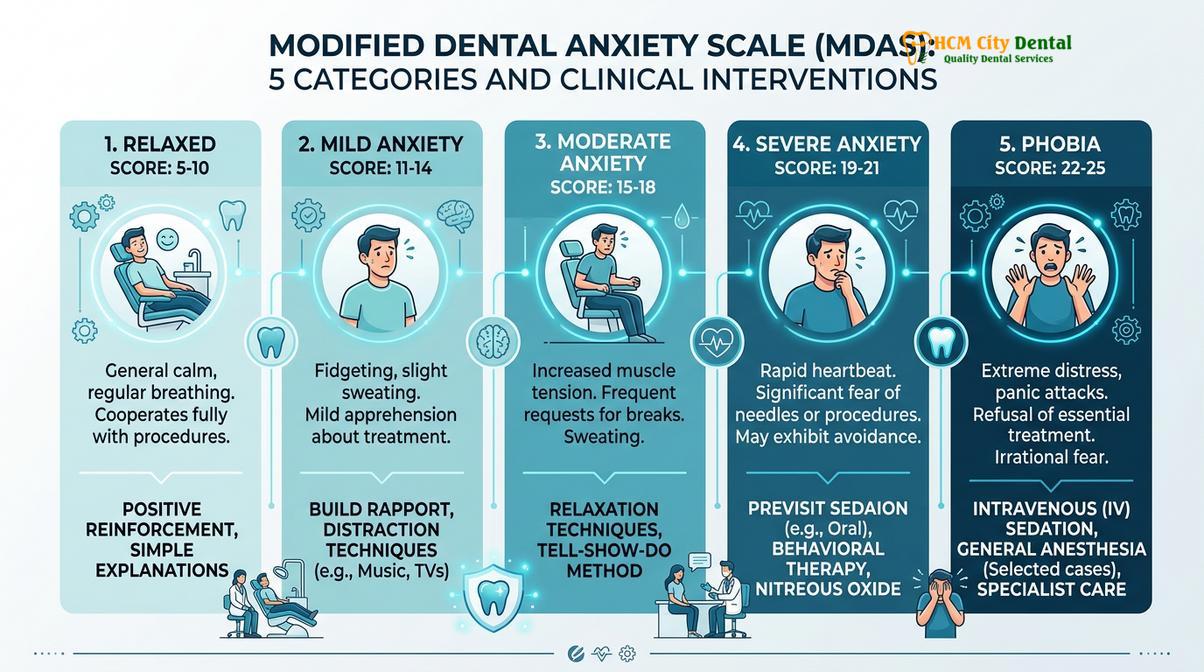
Once the total score is calculated, it is stratified into specific clinical categories. These categories serve as a triage system, guiding the dental team in selecting the most appropriate behavioral and pharmacological interventions. The widely accepted categorization of the dental phobia assessment is as follows:
Scores 5 to 9: Mild Anxiety or Normal Apprehension. Patients in this category experience little to no significant fear. They may feel a slight unease about specific procedures, but it does not interfere with their ability to receive treatment. For these patients, standard clinical protocols are sufficient. Clear communication, a gentle chairside manner, and routine local anesthesia are typically all that is required to ensure a comfortable visit.
Scores 10 to 14: Moderate Anxiety. This category indicates a heightened state of stress. Patients may exhibit physiological signs of anxiety, such as sweating, a slightly elevated heart rate, or muscle tension in the dental chair. They often benefit from targeted behavioral management techniques. Dentists may employ the “Tell-Show-Do” method, where the procedure is explained and demonstrated before it is performed.
Scores 15 to 18: High Anxiety. Patients scoring in this range experience significant distress that makes routine dental care highly challenging. They may have a history of canceled appointments or may require frequent breaks during treatment. Behavioral techniques alone are often insufficient. These patients are prime candidates for mild pharmacological support, such as nitrous oxide (laughing gas) or minimal oral sedation, to help them relax enough to tolerate the procedure safely[4].
Scores 19 to 25: Severe Dental Phobia. A score of 19 or above is the clinical threshold for severe dental phobia. Patients in this category experience overwhelming, paralyzing fear. They may suffer from panic attacks at the mere thought of a dental visit and typically only seek care when driven by excruciating pain or severe infection. Treating these patients requires a highly specialized approach, often involving advanced conscious sedation or even general anesthesia.
Sedation Options Matched to Your Test Results
Dentists utilize your anxiety score to recommend appropriate pharmacological support, ranging from nitrous oxide for mild fear to intravenous sedation for severe phobia.
The primary clinical utility of the MDAS is its ability to guide the selection of anxiety management protocols. When behavioral techniques are insufficient, pharmacological interventions become necessary to ensure patient safety and treatment efficacy[5]. By matching the sedation level to the patient’s anxiety score, clinicians can provide a tailored experience that minimizes risk while maximizing comfort.
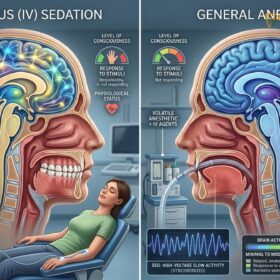
Nitrous Oxide (Inhalation Sedation): Often referred to as laughing gas, nitrous oxide is an excellent option for patients with moderate anxiety (scores 10-14) or those with a specific, isolated fear, such as needle phobia. Administered through a small nasal mask, it induces a state of mild euphoria and relaxation within minutes. It also has mild analgesic properties, raising the patient’s pain threshold.
Oral Conscious Sedation: For patients with high anxiety (scores 15-18), oral sedation is frequently recommended. This involves prescribing a sedative medication to be taken an hour before the appointment. Oral sedatives depress the central nervous system, significantly reducing anxiety and often inducing a state of anterograde amnesia, meaning the patient remembers very little of the procedure.
Intravenous (IV) Sedation: For patients scoring 19 or above, indicating severe dental phobia, IV sedation is often the most predictable and effective solution. Administered directly into the bloodstream by a trained professional, IV sedation allows for precise titration of medications. The patient enters a state of deep conscious sedation—they are technically awake and can respond to verbal commands, but they are in a state of profound relaxation and will have no memory of the surgery.
Discussing Your Results with Dr. Cuong
Reviewing your anxiety assessment with a compassionate professional ensures that your emotional well-being is prioritized alongside your clinical treatment.
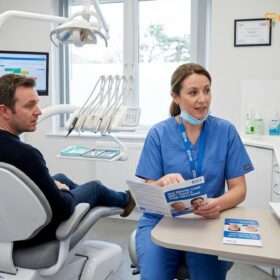
After completing your assessment, reviewing the findings with a dedicated professional is the next critical step. Dr. Nguyen Van Cuong emphasizes that understanding a patient’s specific triggers is just as important as the clinical treatment itself. By openly discussing your MDAS score, Dr. Cuong and the clinical team can tailor a highly personalized approach that prioritizes your emotional comfort.
This collaborative strategy ensures that every visit is built on a foundation of trust and transparency. Whether your score indicates a need for simple behavioral adjustments or advanced sedation protocols, having an open dialogue allows the dental team to adapt their techniques, ensuring a safe and supportive environment for your oral health journey.

“Modern dentistry is not just about treating teeth; it is about treating the person attached to the teeth. Acknowledging and measuring fear is the first step toward compassionate, patient-centered care.”
When to Consult a Dental Professional
If dental fear is preventing you from maintaining routine oral hygiene visits or addressing active pain, it is time to consult a professional who specializes in anxiety management.
Avoiding the dentist due to fear often leads to a vicious cycle: avoidance results in worsening dental problems, which eventually require more invasive and potentially uncomfortable treatments, thereby reinforcing the initial fear. According to guidelines aligned with the Vietnam Odonto-Stomatology Association (VOSA), standardized anxiety assessments are highly recommended before initiating complex dental surgeries to ensure optimal patient safety and comfort. If you experience rapid heartbeat, nausea, or panic attacks at the thought of a dental visit, you should proactively seek out a clinic that utilizes the MDAS and offers comprehensive sedation options.
It is crucial to communicate your fears openly when scheduling your appointment. Modern dental practices are equipped to handle dental phobia without judgment. By completing an anxiety questionnaire beforehand, you empower your dental team to prepare a customized environment, ensuring that your visit is paced according to your comfort levels and supported by the appropriate pharmacological aids.
Case Study: Overcoming Dental Fear
A structured approach to anxiety assessment can transform a terrifying ordeal into a manageable, positive healthcare experience.
Patient Profile: A 34-year-old patient visited HCMC Dental Clinic in Ho Chi Minh City after avoiding dental care for over a decade due to severe needle phobia and generalized anxiety.
Clinical Assessment: Upon arrival, the patient completed the MDAS. While their scores for routine procedures were moderate, they scored a maximum of 5 on the local anesthetic injection question, bringing their total score to 18 (High Anxiety).
Intervention: Recognizing the specific trigger, the clinical team designed a customized treatment plan. They utilized a combination of Tell-Show-Do techniques, applied a high-strength topical numbing gel, and administered nitrous oxide specifically during the injection phase.
Outcome: The patient successfully completed their restorative treatments without experiencing a panic response. By objectively measuring the fear beforehand, the team at HCMC Dental Clinic was able to provide targeted support, ultimately helping the patient break the cycle of avoidance and regain their oral health.
If you experience fear or apprehension about your oral health, do not let it prevent you from receiving the care you deserve. Contact HCMC Dental Clinic in Ho Chi Minh City today to schedule a consultation. Our team is dedicated to providing stress-free General Dentistry services tailored to your unique comfort levels.
References
- Journal of Dental Research. The development of the Modified Dental Anxiety Scale. (1995).
- International Journal of Paediatric Dentistry. Psychometric properties of dental fear questionnaires. (2018).
- British Dental Journal. Assessing dental anxiety in clinical practice: a comprehensive review. (2020).
- Journal of the American Dental Association. Correlation between MDAS scores and avoidance of dental care. (2021).
- Clinical Oral Investigations. Pharmacological management of severe dental phobia based on psychometric scoring. (2022).
For pricing, booking, and a free clinical assessment, visit our Sedation Dentistry service page at HCMC Dental Clinic in Ho Chi Minh City.