Dental avoidance is the conscious or fear-driven delay of necessary oral healthcare, leading to severe and escalating clinical consequences. Over time, minor plaque accumulation progresses into irreversible periodontal disease, deep root infections, and systemic health complications, requiring extensive rehabilitation rather than simple preventive maintenance.
Clinical Summary:
Dental avoidance is a complex behavioral pattern often rooted in anxiety, financial concerns, or past negative experiences. Clinically, the absence of routine professional care allows oral biofilms to mature, initiating a destructive cascade. This progression begins with reversible gingivitis and superficial enamel demineralization. Without intervention, it advances to irreversible pulpitis, severe periodontitis, alveolar bone resorption, and eventual tooth loss. Furthermore, chronic oral infections serve as a reservoir for systemic bacteremia, elevating the risk of cardiovascular and metabolic diseases. Modern dental protocols, particularly the integration of conscious sedation, offer a safe and highly effective pathway for patients to break this cycle, allowing for comprehensive full-mouth rehabilitation in a stress-free environment.
Key Takeaways:
- Dental avoidance transforms minor, easily treatable conditions into complex structural and infectious dental emergencies.
- The earliest stage of neglect, characterized by plaque buildup and gingivitis, is entirely reversible with professional intervention.
- Untreated decay eventually breaches the dental pulp, causing acute, severe pain that necessitates root canal therapy or extraction.
- Chronic periodontal infections destroy the supporting alveolar bone and are clinically linked to systemic cardiovascular inflammation.
- Sedation dentistry provides a vital solution for anxious patients, enabling extensive restorative work to be completed comfortably in fewer visits.
The Progressive Timeline of Dental Neglect
The clinical consequences of no dental visits follow a predictable, escalating timeline where reversible surface issues transform into complex structural failures and chronic infections.
The human oral cavity is a dynamic ecosystem where a delicate balance exists between opportunistic bacteria and the host’s immune defenses. When a patient engages in dental avoidance, this balance is fundamentally disrupted. The absence of biannual professional prophylaxis allows bacterial biofilms to mature, calcify, and shift toward highly pathogenic, anaerobic strains. This is not merely a cosmetic issue; it is the initiation of a progressive, destructive disease process that affects both hard and soft tissues.
Understanding the timeline of dental neglect requires examining the psychological barriers that initiate the cycle. Many patients experience a profound neglecting dental health fear, often stemming from traumatic childhood dental experiences, a fear of needles, or anxiety regarding clinical diagnoses. As time passes without professional care, patients often become aware of deteriorating oral conditions—such as bleeding gums or mild sensitivity. Paradoxically, this awareness often deepens their avoidance, driven by feelings of shame or the anticipation of extensive, costly treatments. Dr. Nguyen Van Cuong, a leading specialist in restorative dentistry, frequently observes that patients caught in this cycle will endure low-grade discomfort for years, only seeking emergency intervention when acute pain becomes entirely unmanageable.
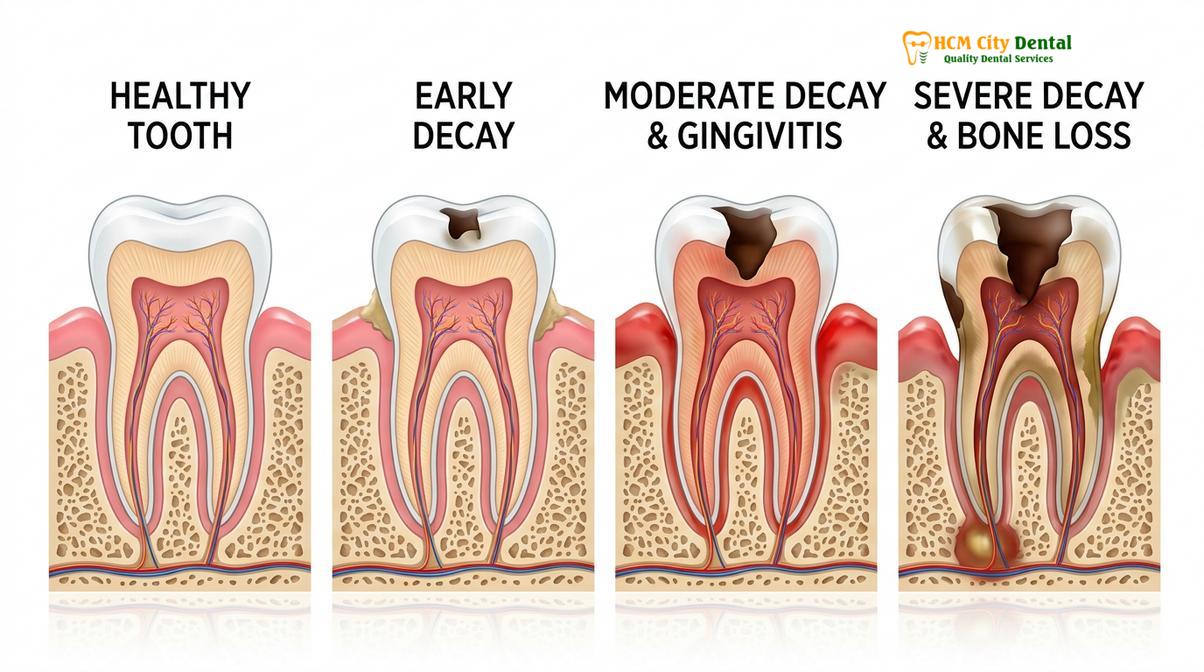
From a clinical perspective, the timeline of neglect is categorized into distinct stages of tissue destruction. The initial phases involve superficial demineralization of the enamel and localized inflammation of the gingival margins. Because these early stages are largely asymptomatic, patients practicing dental avoidance feel a false sense of security. However, beneath the surface, the bacterial load is increasing exponentially. As the timeline progresses, the structural integrity of the teeth is compromised, and the supporting periodontal apparatus begins to break down. The longer the delay, the more invasive and complex the required clinical interventions become, shifting the treatment paradigm from simple prevention to complex surgical rehabilitation.
Stage 1: Plaque, Calculus, and Reversible Gingivitis
In the initial phase of avoidance, soft plaque calcifies into hard tartar, triggering localized gum inflammation that remains fully reversible with professional care.
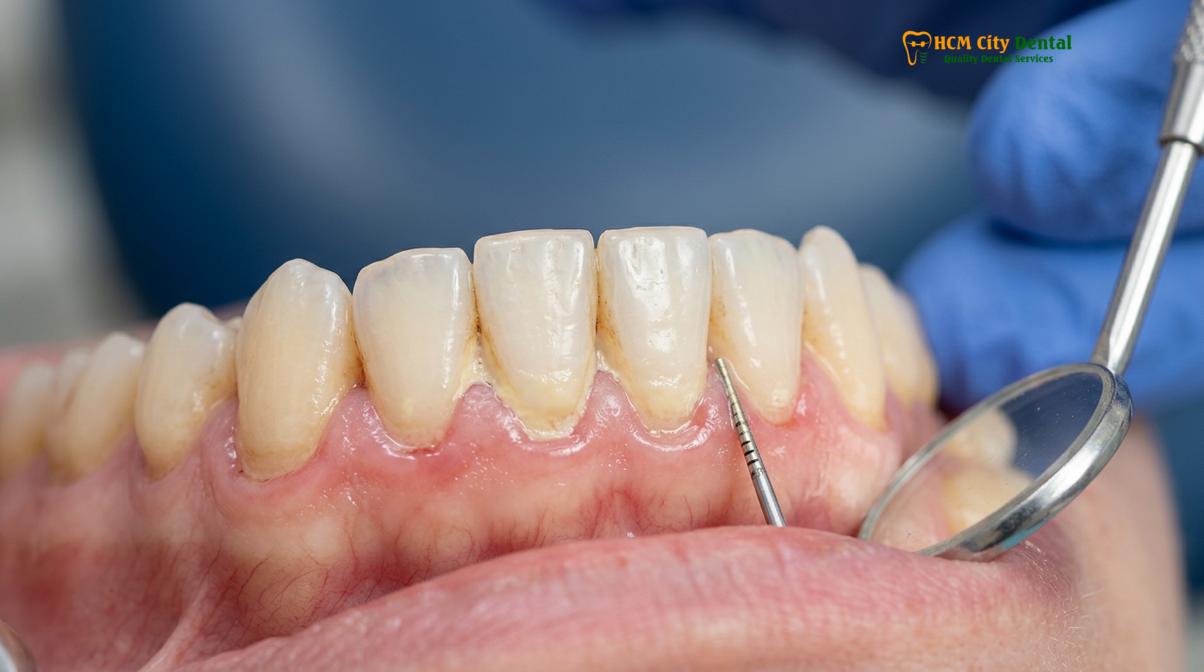
The first physiological consequence of avoiding the dentist is the unchecked accumulation of dental plaque. Plaque is a sticky, colorless biofilm composed primarily of salivary proteins and colonizing bacteria, notably Streptococcus mutans and various Actinomyces species. While daily brushing and flossing disrupt this biofilm, microscopic remnants inevitably remain in hard-to-reach interproximal spaces and along the gingival margin. Without professional scaling, these residual plaque deposits undergo mineralization. Calcium and phosphate ions from the saliva precipitate into the biofilm matrix, transforming soft plaque into hard, porous calculus (tartar) within just 48 to 72 hours.
Calculus cannot be removed by at-home brushing. Its rough, porous surface provides an ideal scaffold for further bacterial colonization, creating a persistent irritant against the delicate gingival tissues. The host’s immune system responds to this bacterial load by increasing blood flow to the area and deploying inflammatory cells, resulting in gingivitis. Clinically, gingivitis presents as erythematous (red), edematous (swollen) gums that bleed easily upon probing or brushing. At this stage, the patient may notice bad breath (halitosis) and minor discomfort, but acute pain is rare.
“The critical window for preventive intervention occurs during the gingivitis stage. Because the underlying alveolar bone remains intact, professional debridement combined with improved home care can completely reverse the inflammation, restoring the periodontium to a state of absolute health without permanent damage.”
It is during this first stage that the delaying dental care risks are most easily mitigated. A routine visit to a facility like HCMC Dental Clinic in Ho Chi Minh City for ultrasonic scaling and polishing can halt the disease process entirely. The ultrasonic scaler utilizes high-frequency vibrations to shatter calculus deposits, while water irrigation flushes away the bacterial endotoxins. Unfortunately, because gingivitis is generally painless, patients practicing dental avoidance easily ignore these early warning signs, allowing the disease to progress into the deeper, irreversible stages of tissue destruction [1].
Stage 2: Root Infection, Severe Cavities, and Toothaches
As progressive tooth decay results in enamel and dentin breach, bacteria infiltrate the dental pulp, causing acute pain and requiring endodontic therapy.
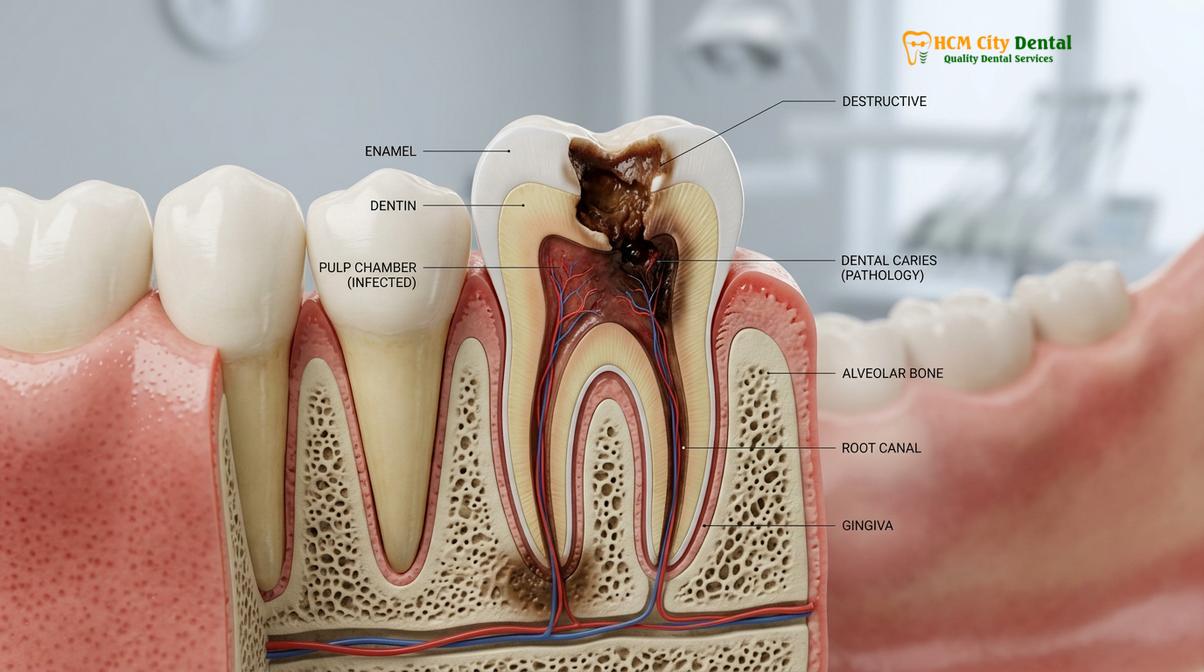
If dental avoidance continues, the continuous exposure to bacterial acids leads to the structural breakdown of the teeth. Cariogenic bacteria metabolize dietary carbohydrates, producing lactic acid as a byproduct. This acid lowers the local pH of the oral cavity, causing the demineralization of the hydroxyapatite crystals that make up tooth enamel. Initially, this presents as opaque white spot lesions. However, as the enamel matrix collapses, a physical cavity forms. Once the decay breaches the highly mineralized enamel, it enters the dentin—a softer, porous tissue composed of microscopic tubules that communicate directly with the inner nerve of the tooth.
The progression through the dentin is rapid. Patients at this stage typically begin to experience thermal sensitivity, particularly to cold and sweet stimuli. This is a critical juncture. If the patient overcomes their avoidance and seeks care, the tooth can still be restored with a conservative composite resin filling. However, if the decay is left untreated, the bacterial front will eventually penetrate the pulp chamber. The dental pulp houses the tooth’s vital blood vessels, nerves, and connective tissues. Bacterial infiltration into this sterile environment triggers a massive inflammatory response known as pulpitis.
Because the pulp is encased in rigid dentin walls, the inflammatory exudate has nowhere to expand. This creates immense intrapulpal pressure, strangling the blood supply and compressing the nerve fibers. The clinical result is excruciating, throbbing pain that often radiates to the jaw, ear, or head, and frequently worsens at night when the patient lies down. This condition, termed irreversible pulpitis, marks the point where the tooth’s nerve is actively dying [2].
| Stage of Decay | Clinical Symptoms | Required Dental Intervention |
|---|---|---|
| Enamel Demineralization | Asymptomatic, chalky white spots | Fluoride therapy, remineralization protocols |
| Dentin Caries | Sensitivity to cold and sweets, visible cavitation | Conservative composite resin restoration (filling) |
| Irreversible Pulpitis | Spontaneous, severe throbbing pain, lingering thermal pain | Endodontic therapy (Root Canal) and dental crown |
| Pulpal Necrosis & Abscess | Pain upon biting, localized swelling, purulent discharge | Complex root canal therapy or surgical tooth extraction |
Once the pulp tissue undergoes complete necrosis (death), the acute pain may temporarily subside, leading the patient to falsely believe the problem has resolved. However, the necrotic tissue serves as a breeding ground for anaerobic bacteria, which then migrate through the root apex into the surrounding jawbone, setting the stage for severe periapical infections and abscesses.
Stage 3: Bone Loss, Loose Teeth, and Systemic Abscesses
Chronic untreated infections destroy the alveolar bone and periodontal ligaments, leading to tooth mobility, tooth loss, and potentially dangerous systemic abscesses.
The most devastating localized consequences of long-term dental avoidance occur in the periodontium—the specialized tissues that surround and support the teeth. When gingivitis is left untreated for years, the bacterial biofilm migrates subgingivally (below the gumline). The host’s chronic immune response to these deep bacterial colonies triggers the release of inflammatory cytokines, such as Interleukin-1 (IL-1) and Tumor Necrosis Factor-alpha (TNF-alpha). Paradoxically, while attempting to fight the infection, these cytokines stimulate osteoclast activity—the cells responsible for breaking down bone tissue.
This condition is known as periodontitis. As the alveolar bone resorbs, deep periodontal pockets form around the teeth, harboring even more aggressive, anaerobic bacteria. The periodontal ligaments, which anchor the tooth roots to the bone, are systematically destroyed. Clinically, the patient will experience significant gingival recession, exposing the sensitive tooth roots. As bone loss progresses, the teeth lose their structural support, becoming increasingly mobile. Chewing becomes painful and difficult, and eventually, the teeth will either exfoliate naturally or require surgical extraction.
Clinical Warning: A dental abscess is a localized collection of pus resulting from a severe bacterial infection, either at the root tip (periapical) or in the gums (periodontal). If left untreated, the infection can spread through the fascial spaces of the head and neck, potentially compromising the airway or leading to life-threatening conditions such as Ludwig’s angina or cavernous sinus thrombosis. Immediate clinical evaluation is mandatory if facial swelling or fever occurs.
Simultaneously, teeth that have suffered pulpal necrosis (from Stage 2) will develop periapical abscesses. The bacteria exiting the root tip destroy the surrounding bone, creating a radiolucent lesion visible on X-rays. These abscesses can cause severe facial swelling, lymphadenopathy (swollen lymph nodes), and systemic symptoms such as fever and malaise. The treatment at this advanced stage is highly complex, often requiring a multidisciplinary approach involving extractions, bone grafting, and eventually, implant-supported prosthetics to restore masticatory function.
The Systemic Link: Dental Infections and Heart Health
Oral bacteria from chronic dental infections can enter the bloodstream, elevating systemic inflammation and increasing the risk of cardiovascular disease and endocarditis.
The impact of dental avoidance extends far beyond the oral cavity. The mouth is highly vascularized, and the chronic inflammation associated with severe periodontitis and dental abscesses creates a direct pathway for oral pathogens to enter the systemic circulation. This phenomenon, known as transient bacteremia, occurs daily in patients with severe dental neglect, particularly during chewing or aggressive brushing. Once in the bloodstream, these bacteria and their endotoxins trigger a systemic inflammatory cascade [3].
Extensive clinical research has established a robust link between chronic oral infections and cardiovascular disease. Pathogens such as Porphyromonas gingivalis, a primary culprit in periodontitis, have been isolated from atherosclerotic plaques in the coronary arteries. The systemic inflammation caused by oral bacteria elevates levels of C-reactive protein (CRP), a known biomarker for cardiovascular risk. This inflammatory state promotes endothelial dysfunction, accelerating the buildup of arterial plaque and increasing the risk of myocardial infarction (heart attack) and ischemic stroke [4].
“The oral cavity is not an isolated system. Chronic periodontal disease acts as a persistent inflammatory burden on the entire body. Addressing oral infections is not just about saving teeth; it is a critical component of comprehensive cardiovascular and metabolic risk management.”
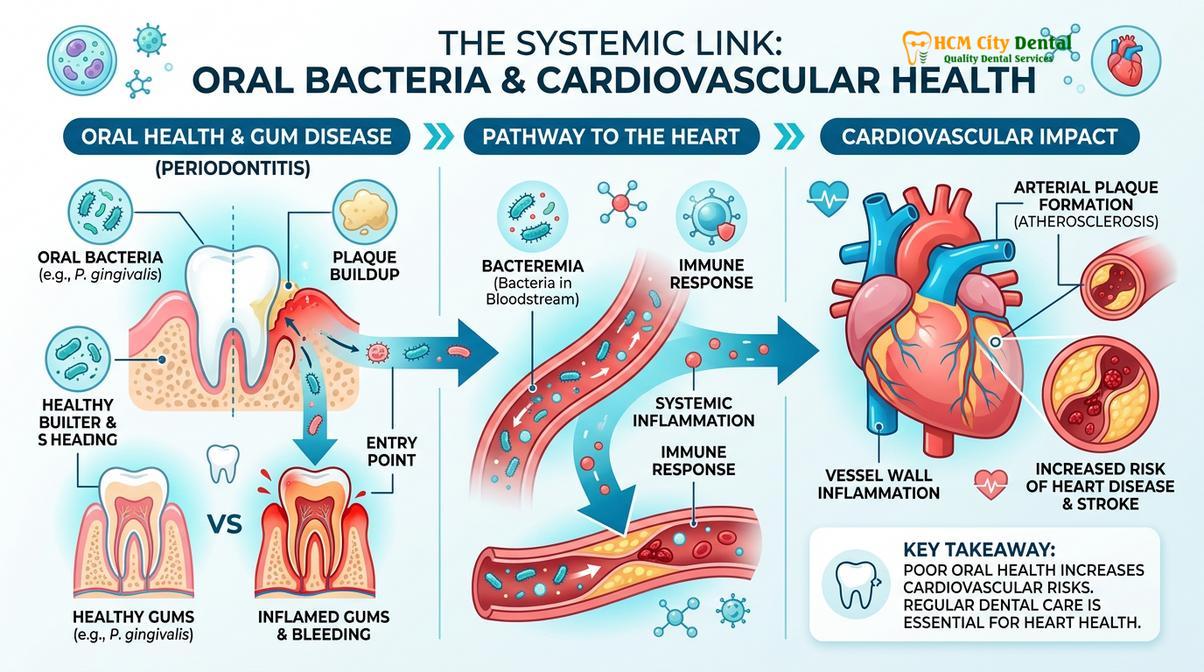
Furthermore, patients with pre-existing heart valve conditions or those who have undergone joint replacements are at a significantly elevated risk for infective endocarditis—a life-threatening infection of the heart’s inner lining. Oral bacteria circulating in the blood can adhere to damaged valves or prosthetic materials, forming dangerous vegetations. Additionally, there is a well-documented bidirectional relationship between periodontal disease and diabetes mellitus. Chronic oral inflammation exacerbates insulin resistance, making blood glucose levels harder to control, while uncontrolled diabetes impairs wound healing and accelerates periodontal bone loss. Therefore, overcoming dental avoidance is a vital step in preserving overall systemic health.
Breaking the Cycle: How Sedation Makes Catching Up Easy
Modern sedation dentistry eliminates the pain and anxiety associated with returning to the dentist, allowing multiple complex procedures to be completed comfortably in fewer visits.
For patients who have avoided dental care for years or even decades, the prospect of returning to the dental chair can be paralyzing. The anticipated need for extensive treatments—such as multiple extractions, root canals, or deep cleanings—often reinforces the cycle of avoidance. However, modern clinical protocols have evolved significantly to address these exact psychological and physiological barriers. The most effective tool for breaking this cycle is the integration of sedation dentistry.
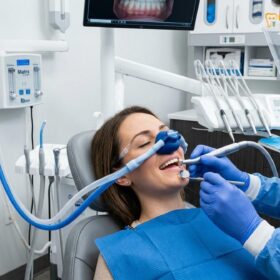
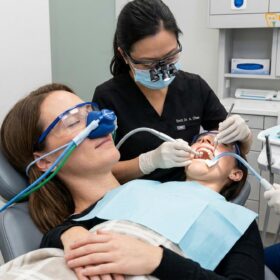
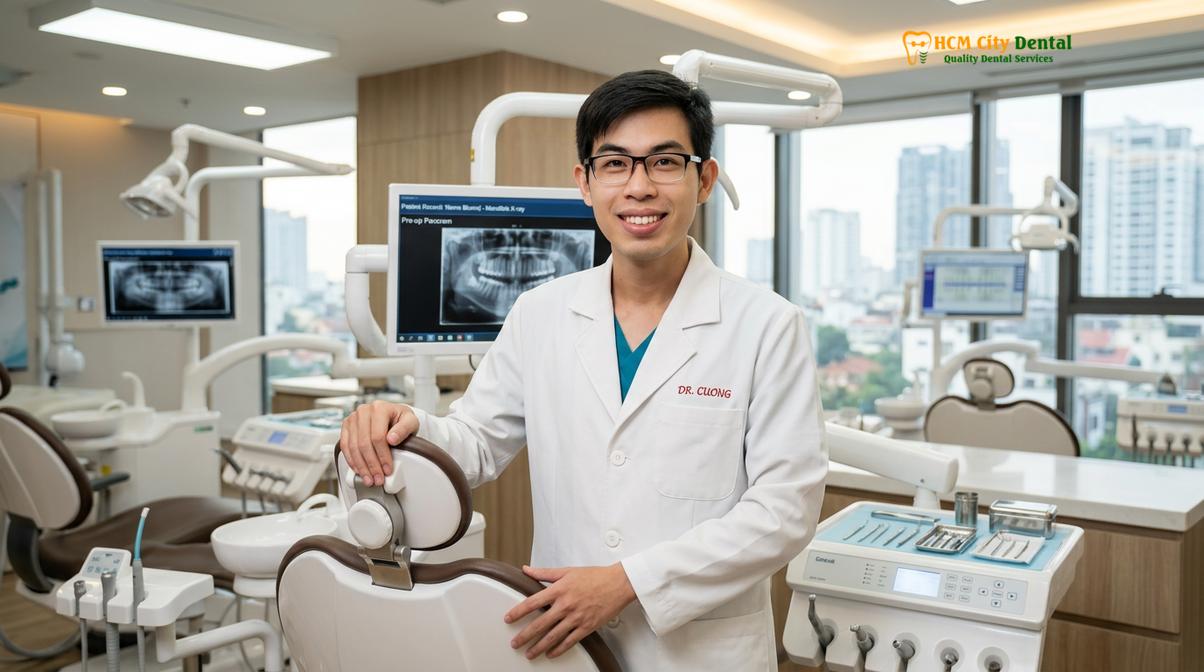
Sedation dentistry utilizes pharmacological agents to depress the central nervous system, inducing a state of deep relaxation and amnesia while maintaining the patient’s protective reflexes. Dr. Nguyen Van Cuong emphasizes that sedation is not merely a luxury; for patients with severe dental phobia, it is a clinical necessity that enables the delivery of essential healthcare. Depending on the patient’s level of anxiety and the complexity of the required procedures, clinicians can utilize various modalities, ranging from mild nitrous oxide (laughing gas) inhalation to moderate intravenous (IV) conscious sedation.
Clinical Case Study: Overcoming a Decade of Avoidance
A 45-year-old patient presented to HCMC Dental Clinic in Ho Chi Minh City after avoiding dental care for 12 years due to severe needle phobia and past trauma. Clinical examination revealed generalized severe periodontitis, multiple necrotic teeth, and significant calculus buildup. Utilizing IV conscious sedation, the clinical team was able to perform full-mouth periodontal debridement, extract three non-restorable teeth, and prepare two teeth for root canal therapy in a single, three-hour appointment. The patient awoke with no memory of the local anesthetic injections or the surgical procedures, successfully breaking their cycle of fear and beginning their journey toward full oral rehabilitation.
The primary advantage of sedation for patients with a history of avoidance is the ability to consolidate treatment. Procedures that might typically require four or five separate, anxiety-inducing appointments can often be completed in one or two extended sedation sessions. This highly efficient workflow minimizes the psychological burden on the patient. Furthermore, sedation protocols significantly reduce the gag reflex and decrease postoperative pain perception, ensuring a smooth and comfortable recovery. By removing the elements of fear and discomfort, sedation dentistry empowers patients to reclaim their oral health, regardless of how long they have been away [5].
When to See a Doctor: Important Clinical Considerations
If you have been practicing dental avoidance, it is crucial to recognize the clinical signs that require immediate professional intervention. While routine check-ups are always recommended, certain symptoms indicate that an acute infection or structural failure has occurred, posing an immediate risk to your oral and systemic health.
You should seek immediate clinical evaluation if you experience any of the following red flag symptoms:
- Severe, spontaneous tooth pain: Throbbing pain that wakes you up at night or is unprovoked indicates irreversible pulpitis or an active infection within the tooth nerve.
- Facial swelling or asymmetry: Swelling in the gums, cheeks, jaw, or neck is a hallmark sign of a spreading dental abscess and requires urgent antibiotic therapy and source control.
- Fever and systemic malaise: A fever accompanying dental pain suggests that an oral infection has entered the systemic circulation.
- Significant tooth mobility: Teeth that suddenly feel loose or shift position indicate advanced periodontal bone loss that requires immediate stabilization.
- Purulent discharge (pus): A foul-tasting exudate draining from the gums is a definitive sign of an active, localized bacterial infection.
When scheduling a consultation after a long period of avoidance, it is highly recommended to discuss your anxiety openly with the clinical team. A comprehensive examination, including full-mouth digital radiographs and periodontal probing, is necessary to accurately diagnose the extent of the damage. Based on these diagnostics, the clinician can determine your candidacy for various sedation options and develop a personalized, phased treatment plan designed to restore your health at a pace you are comfortable with.
Frequently Asked Questions
What happens if you don’t go to the dentist for 5 years?
Avoiding the dentist for five years typically allows undetected micro-cavities to breach the dentin and early gingivitis to progress into irreversible periodontitis. Without professional scaling, calculus buildup accelerates, leading to chronic gum inflammation, potential root infections, and the need for complex restorative treatments rather than simple preventive care. Over this timeframe, the bacterial biofilm matures significantly, shifting from relatively benign strains to aggressive pathogens that actively destroy the enamel and supporting alveolar bone.
Can dental neglect cause systemic health issues?
Yes, chronic oral infections introduce harmful bacteria into the bloodstream, triggering systemic inflammation that affects the entire body. This bacteremia is clinically linked to an increased risk of cardiovascular disease, poorly controlled diabetes, respiratory infections, and adverse pregnancy outcomes, making oral health a critical component of overall medical wellness. The inflammatory cytokines produced in response to severe gum disease can exacerbate existing systemic conditions, highlighting the interconnected nature of oral and systemic health.
Why is dental neglect so painful in the long run?
Dental neglect becomes severely painful because tooth decay eventually penetrates the protective enamel and dentin, reaching the highly innervated dental pulp. Once bacteria infect the pulp tissue, it causes acute inflammation (irreversible pulpitis) within a confined space, generating intense pressure and throbbing pain that cannot be relieved without professional intervention. Furthermore, as infections spread beyond the root tip into the jawbone, they form abscesses that cause severe localized pressure and tissue distension.
Can I restore my teeth if I have avoided the dentist for a decade?
Yes, modern restorative dentistry can rehabilitate even severely compromised dentitions after a decade of avoidance. Through comprehensive treatment planning involving periodontal therapy, endodontics, and prosthetics like dental implants or crowns, clinicians can rebuild functional and aesthetic smiles, regardless of how long it has been since your last visit. Advanced imaging and digital dentistry allow for precise, predictable outcomes, ensuring that even the most complex cases of neglect can be successfully managed.
How does sedation dentistry help people who have delayed care?
Sedation dentistry suppresses the central nervous system to eliminate anxiety and pain, allowing patients with severe dental phobia to undergo treatment comfortably. It enables clinicians to perform multiple complex procedures in a single, stress-free appointment, effectively breaking the cycle of fear and helping patients catch up on years of missed care. By inducing a state of deep relaxation and often providing an amnesic effect, sedation ensures that the patient’s return to the dental chair is a positive, atraumatic experience.
References
- Journal of Dental Research. The pathogenesis of periodontal diseases and systemic links. (2021).
- International Endodontic Journal. Progression of dental caries to pulpal necrosis: a clinical review. (2020).
- Journal of the American Dental Association. Psychological barriers to dental care and the cycle of avoidance. (2019).
- Clinical Oral Investigations. Cardiovascular risks associated with chronic apical periodontitis. (2022).
- British Dental Journal. Efficacy of intravenous conscious sedation in managing severe dental phobia. (2018).
For pricing, booking, and a free clinical assessment, visit our Sedation Dentistry service page at HCMC Dental Clinic in Ho Chi Minh City.